Coastal serviceberry (Amelanchier obovalis)
Amelanchier obovalis, the Coastal serviceberry, is a compact, low-maintenance shrub offering white spring blooms and edible fruit.
Scroll down to discover growing tips, care requirements, companion plants, and more
Complete Plant Information
Overview
The Coastal serviceberry, botanically known as Amelanchier obovalis, is a highly valuable addition to native landscapes due to its adaptability and year-round interest. This compact, deciduous shrub provides delicate white flowers in early spring, followed by edible, purple-black fruits enjoyed by birds and people alike. One of the primary benefits of selecting Amelanchier obovalis is its ease of establishment, thriving even in challenging, dry soil conditions typical along the coastal plain.
This species typically matures into a multi-stemmed colonial shrub, spreading slowly via stolons to form dense, manageable colonies perfect for naturalized areas or screens. Its small stature, reaching only 3 to 5 feet tall and wide, makes it an excellent choice where space is limited or a natural, soft hedge is desired. Gardeners appreciate the low maintenance commitment required for this resilient native.
Native to dry woods and pine barrens across Eastern North America, Amelanchier obovalis brings authentic regional character to the garden. Its success is often linked to mimicking its preference for open, well-drained sites, ensuring it remains a robust and attractive component of the landscape throughout the growing season, culminating in pleasing fall color.
Fast Facts
- Plant Family: Rosaceae
- Plant Type: Deciduous shrub
- Native Range: Eastern North America
- Hardiness Zones: USDA Zones 5-8
- Size at Maturity:
- Height: 3-5 ft
- Spread: 3-5 ft
- Bloom Time: March to April
- Bloom Description: White
- Sun Exposure: Full sun to part shade
- Water Needs: Dry to medium
- Maintenance Level: Low
How to Grow
Amelanchier obovalis establishes best when planted during the dormant season, either in early spring before bud break or in the fall after the foliage has dropped. The key to success with the Coastal serviceberry is ensuring excellent drainage; it thrives in average, sandy, or gravelly soils. Plant it in a location receiving full sun to dappled part shade to encourage the best flowering and fruit production.
Once established, the Coastal serviceberry requires minimal supplemental watering, tolerating dry soil conditions well. Only water deeply during prolonged periods of drought, as routine watering is often unnecessary given its natural tolerances. This shrub rarely requires fertilization; over-fertilizing can lead to weak, floppy growth.
Routine maintenance for Amelanchier obovalis is very straightforward. The primary pruning task involves trimming out any dead or weakened shoots during late winter dormancy. Because it spreads by stolons, monitor its spread if you plant it near formal beds, or embrace its colonial habit for naturalized plantings or creating an informal hedge line.
Landscape Uses
The Coastal serviceberry excels where a compact, naturally evolved planting style is desired. Its suitability for use as a hedge is notable, providing a softer, more informal screen than formal sheared hedges. Beyond hedging, Amelanchier obovalis shines in shrub borders, softening woodland margins, or as a foundational plant in native habitat restoration areas.
Because the small purple-black fruits of the coastal serviceberry are highly attractive to native birds, it is an outstanding choice for wildlife gardens. Pair this shrub with other dry-tolerant, low-maintenance natives from Eastern North America, such as certain species of Andropogon (bluestem grasses) or low-growing woodland phlox, creating a durable, thriving ecosystem. Its reliable spring flowers offer early season structure alongside later blooming species.
Standout Features
Flower Qualities
- Showy
Fruit Qualities
- Showy
- Edible
Noteworthy Characteristics
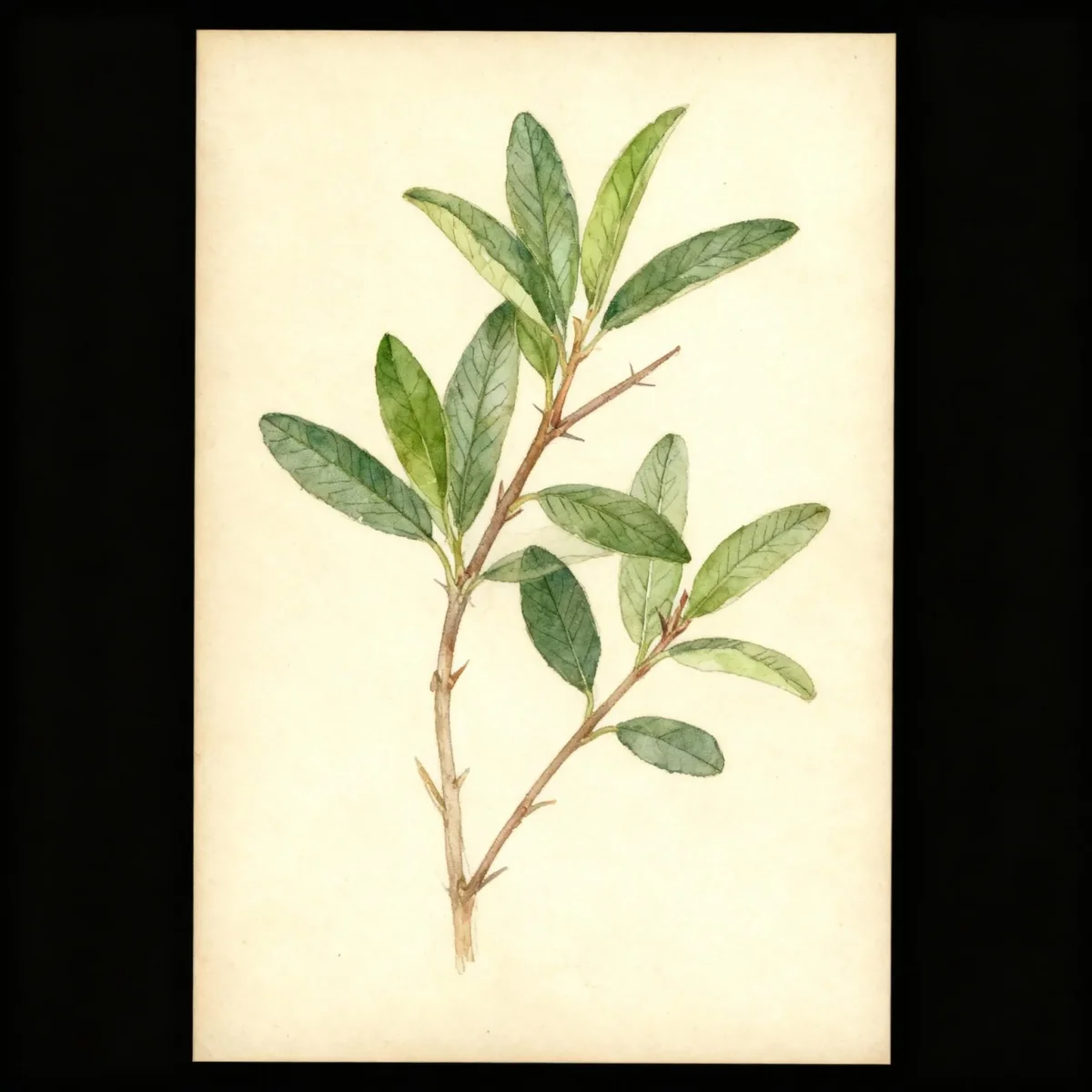
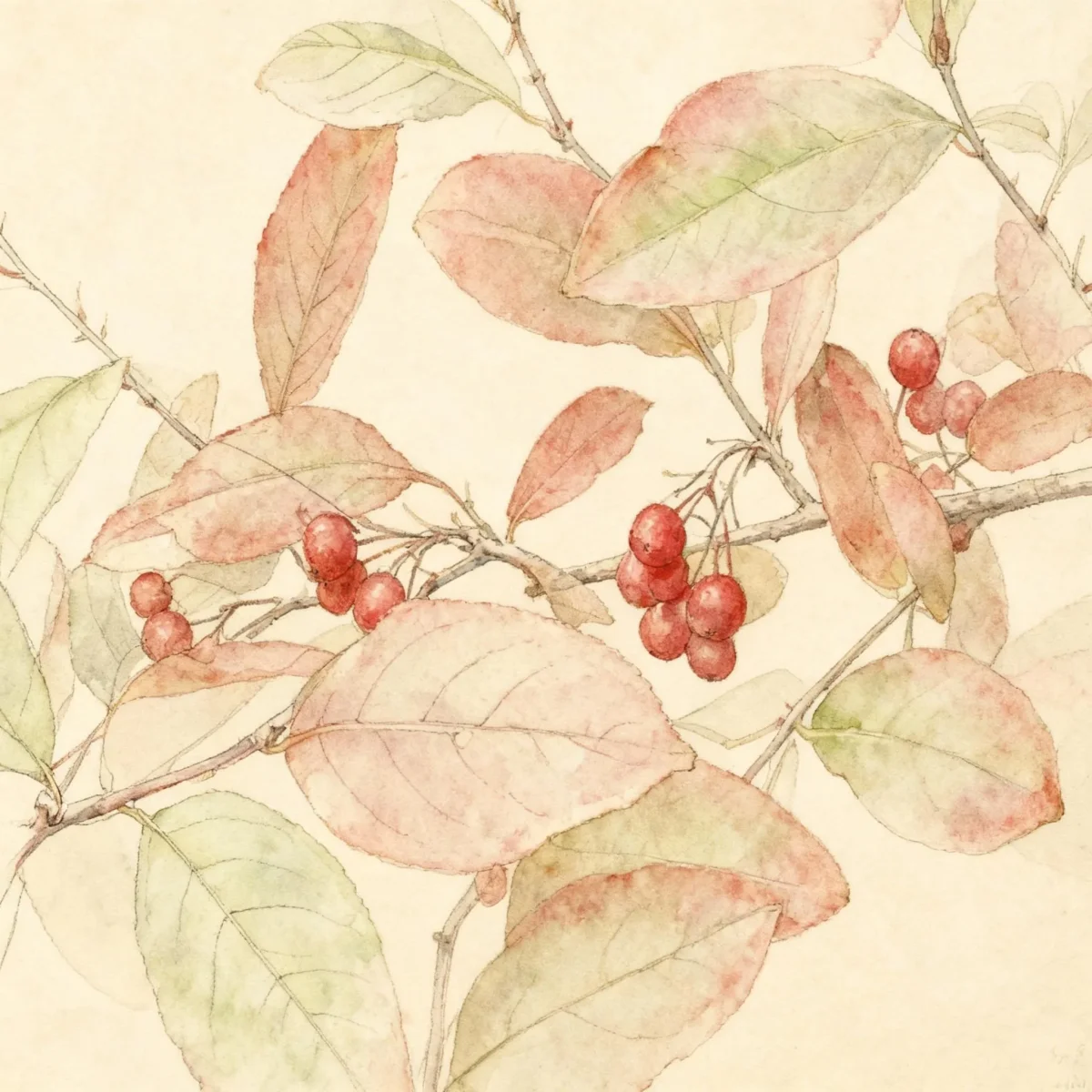
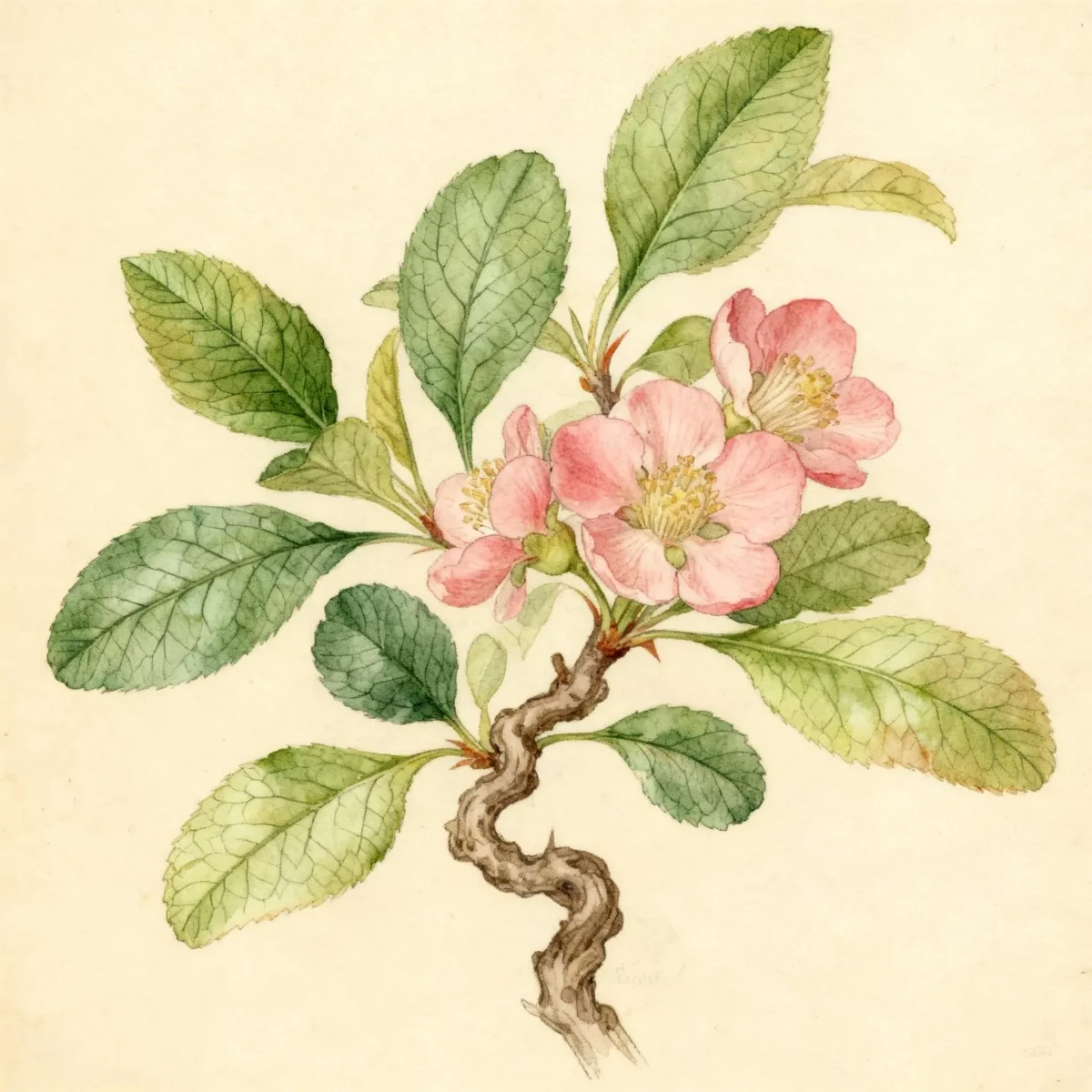
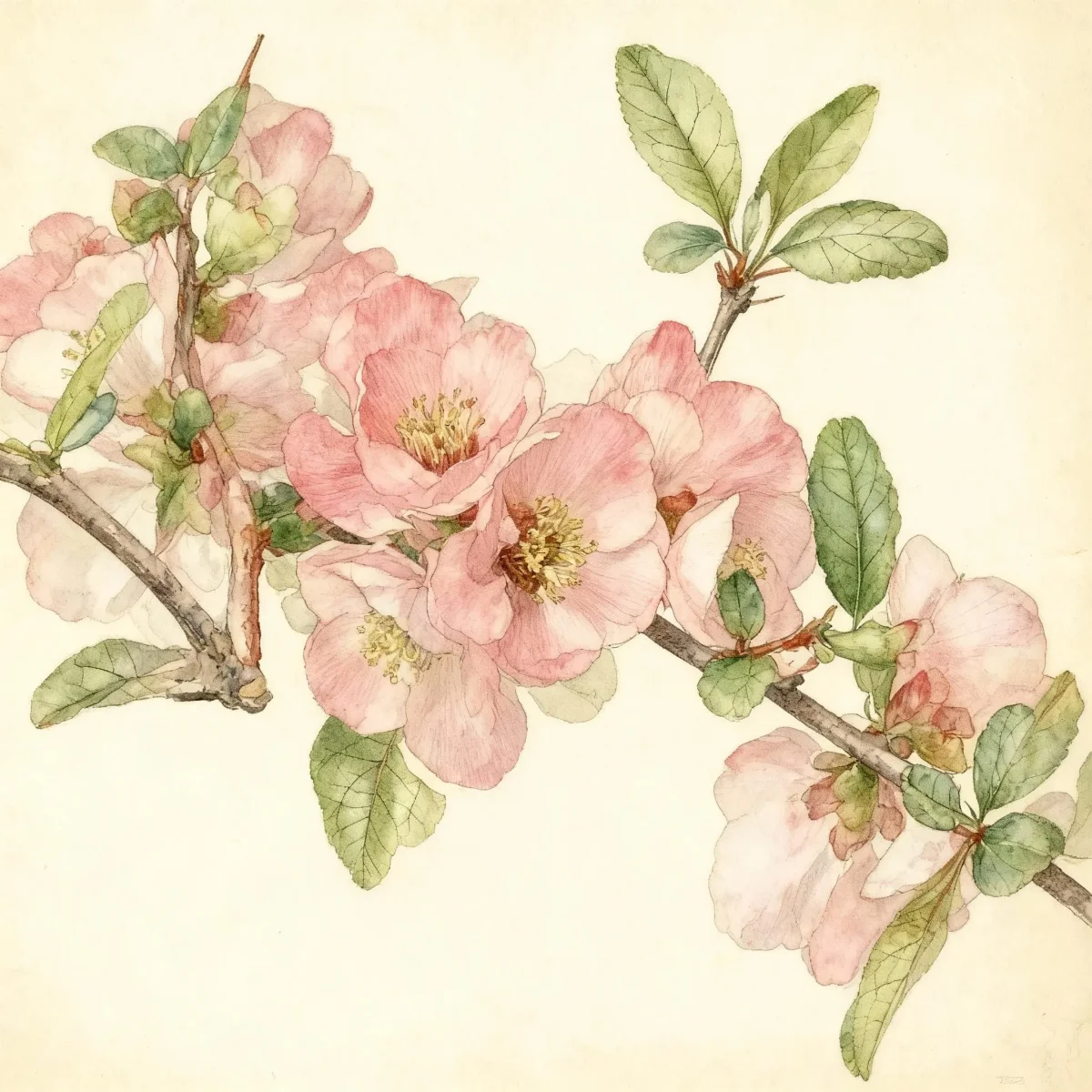
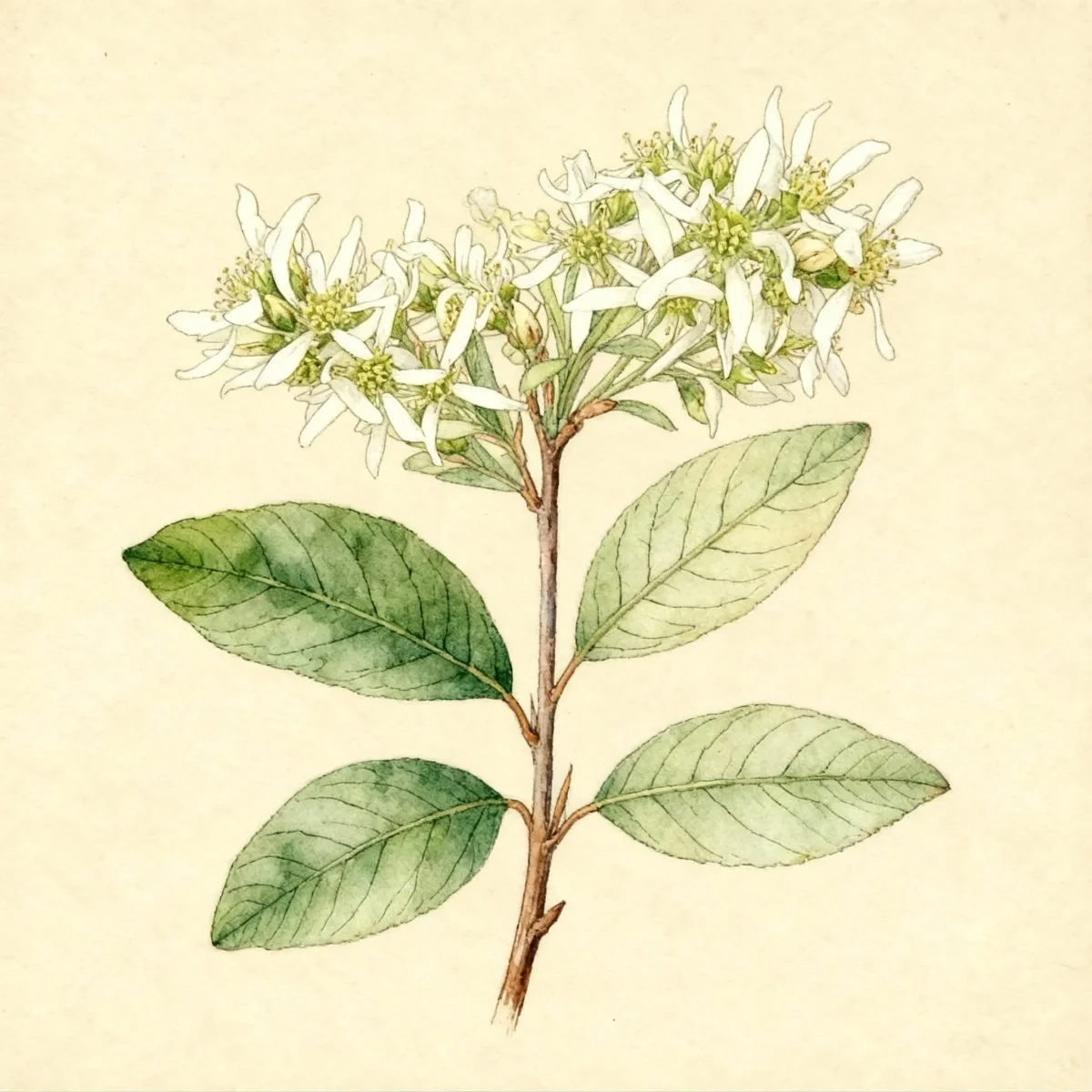
Amelanchier obovalis, commonly called coastal serviceberry or coastal juneberry or shadbush, is a compact, deciduous shrub of the rose family that typically grows to 3-5’ tall and as wide, spreading over time by stolons to form dense colonies. It is primarily native to dry open woods and pine barrens scattered along the Atlantic coastal plain from New York and Massachusetts south to Georgia and Alabama. This shrub is noted for its small 5-petaled white flowers blooming in upright racemes, edible purple-black fruits, and green-yellow-orange fall foliage color.
Tolerances
- Drought
- Dry Soil
Potential Problems
Generally, pest and disease issues for Amelanchier obovalis are minimal, making it a highly reliable shrub choice. However, occasional fungal problems may occur, including rust, leaf spot, powdery mildew, and canker. Fire blight is also a rare potential issue carried over from related species.
Inspect foliage regularly for signs of fungal activity; ensure good air circulation when planting to minimize these moisture-related diseases. Any affected wood or shoots should be pruned out promptly during the dormant season to maintain plant vigor and appearance. Avoid dense planting configurations.
Frequently Asked Questions
What hardiness zones is Coastal serviceberry suitable for?
The Coastal serviceberry (Amelanchier obovalis) is hardy and reliably performs across USDA Hardiness Zones 5 through 8.
How large does Amelanchier obovalis grow?
This compact shrub reaches a mature height between 3 and 5 feet tall, with a similar spread of 3 to 5 feet, often forming dense colonies over time.
What sun exposure does Coastal serviceberry need?
Amelanchier obovalis prefers a balance, thriving where it receives full sun, but tolerating partial shade conditions well in the landscape.
When does Amelanchier obovalis bloom?
You can expect the distinctive white flowers of the Coastal serviceberry to appear relatively early in the season, typically blooming from March into April.
Conclusion
For gardeners seeking a tough, native shrub that delivers multi-seasonal appeal with minimal effort, Amelanchier obovalis is an excellent specification. Its adaptability, combined with showy flowers and edible fruits, solidifies the Coastal serviceberry’s reputation as a versatile landscape workhorse. Before planting, verify that your site conditions fall within USDA Zones 5-8 and feature well-drained soil to ensure the lifelong success of this fantastic native understory plant.
Companion Planting
When designing a setting around Amelanchier obovalis, select other native species that share its preference for dry or sandy, well-drained soils and partial to full sun. Low-growing native sedges or various heath family members often complement the serviceberry’s colonial spreading habit beautifully without competing aggressively for resources. Consider groundcovers like Gaultheria procumbens (Wintergreen) or creeping phloxes for low-maintenance coverage beneath the shrub canopy.
For creating seasonal interest concurrently with the serviceberry, look for plants that offer late spring or early summer color once the white Amelanchier obovalis blooms have faded. Species such as Baptisia (False Indigo) or early-blooming Iris varieties are excellent partners. Since this shrub is utilized for hedges, ensure companions used alongside it share the low-maintenance requirement; avoid plants needing constant moisture or heavy feeding.
Wildlife Benefits
As a native shrub, Amelanchier obovalis plays an essential role in supporting local ecosystems, particularly avian populations. The early spring flowers provide a crucial nectar source for emerging native bees and early migratory pollinators well before many other shrubs begin flowering. This early resource is vital for kickstarting the local insect population cycle.
The true highlight for wildlife enthusiasts is the fruit production. The small, edible pomes ripen in late spring to early summer, drawing a wide variety of songbirds to the garden. Planting the Coastal serviceberry specifically increases biodiversity by providing reliable, natural food sources, turning this low-maintenance hedge into a dynamic feeding station.