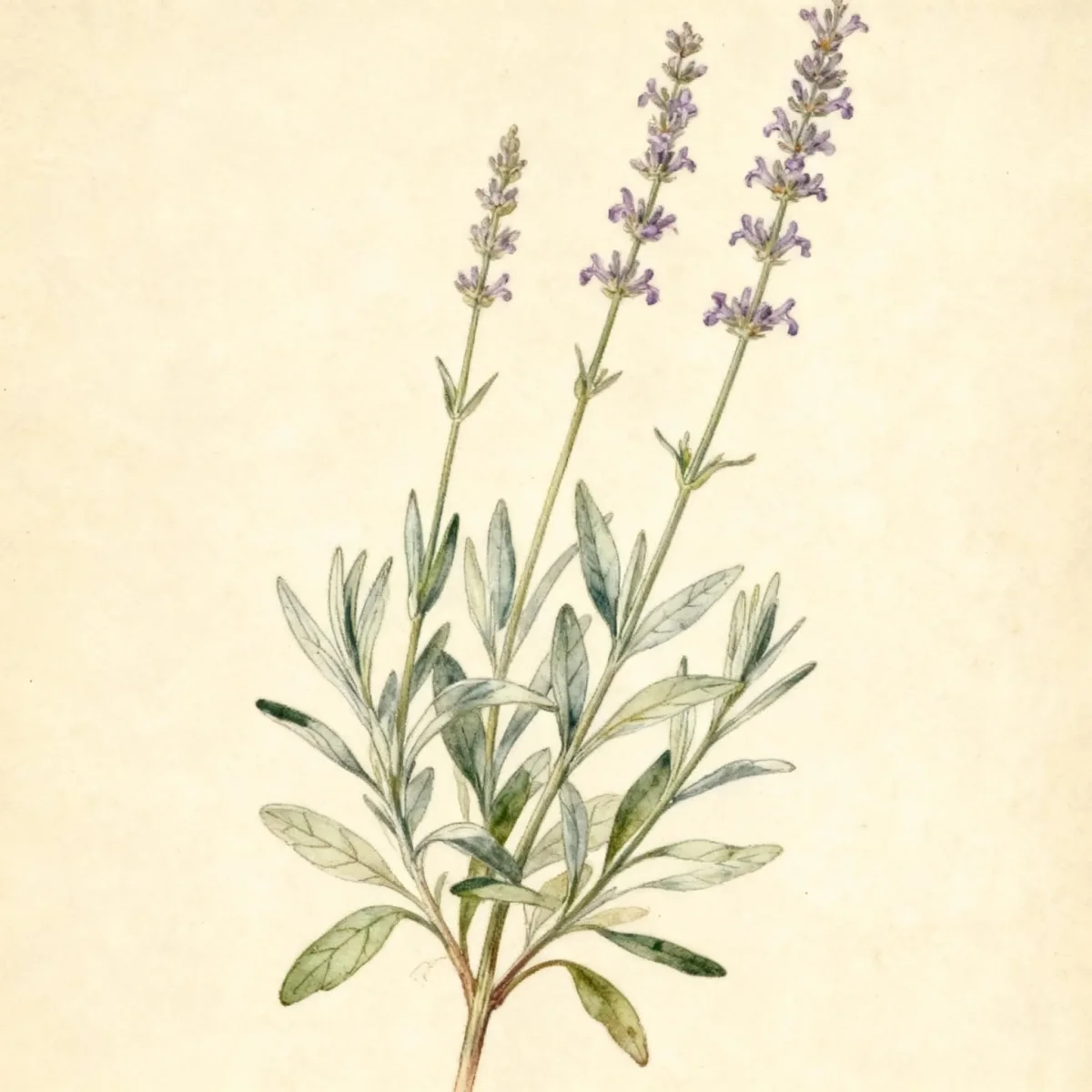
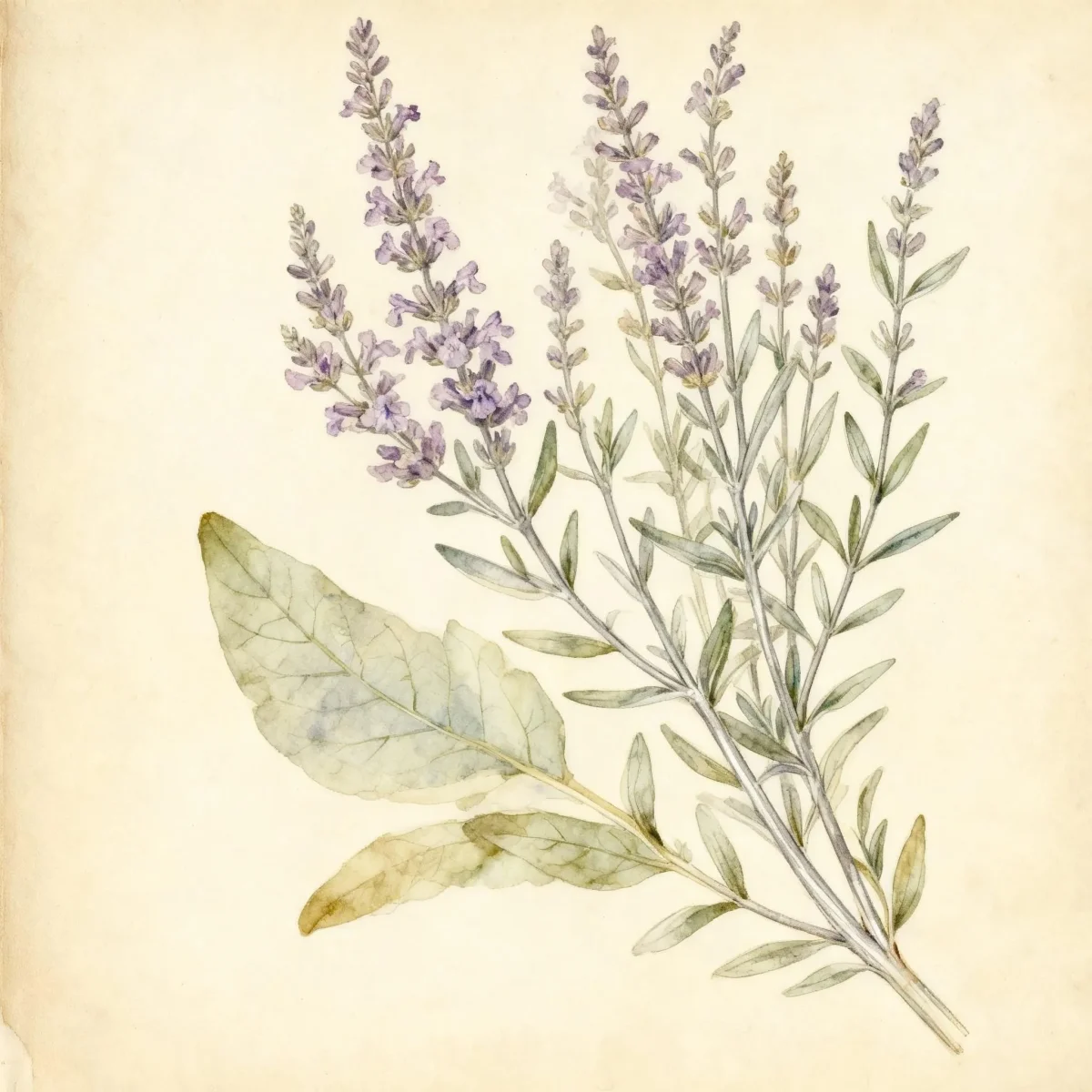
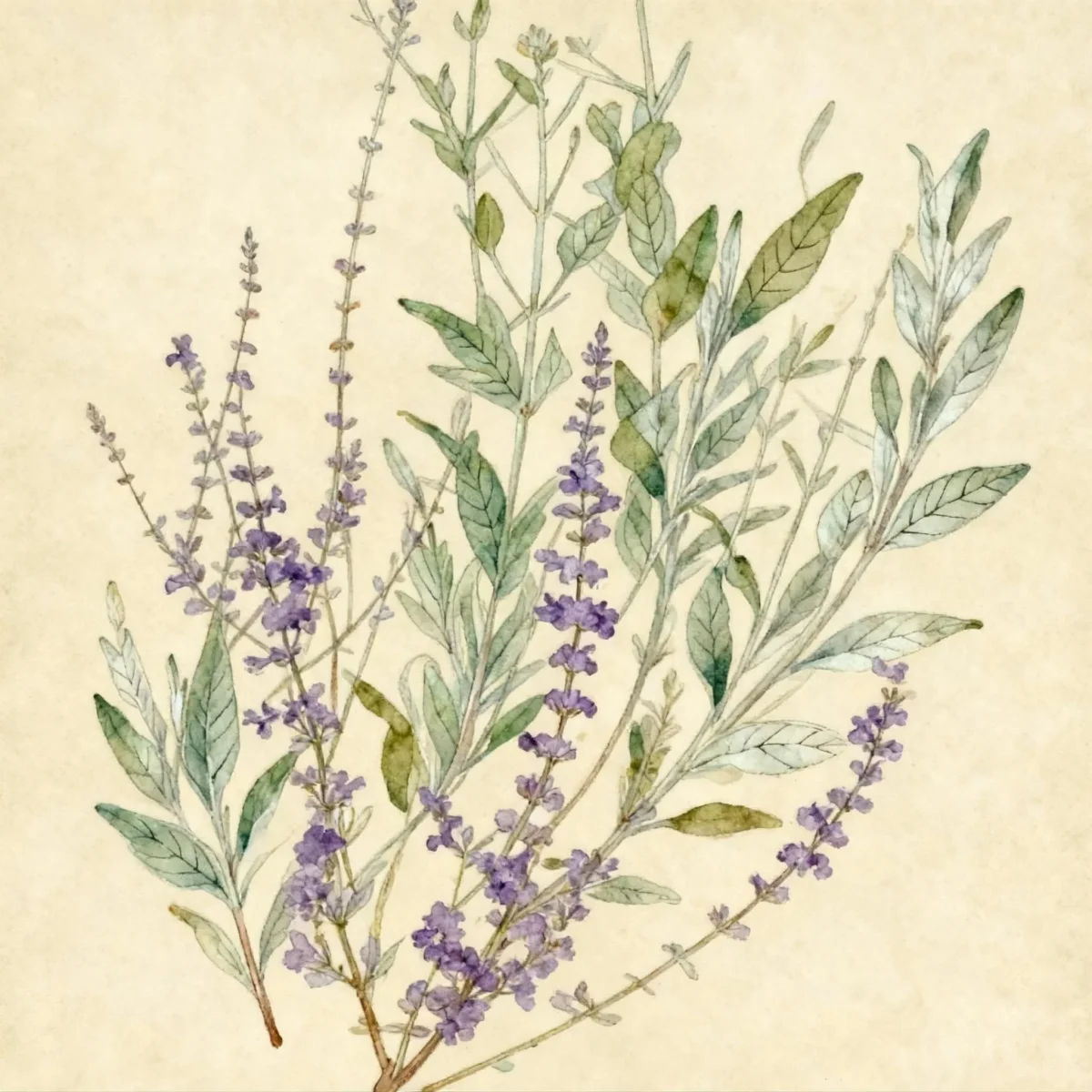
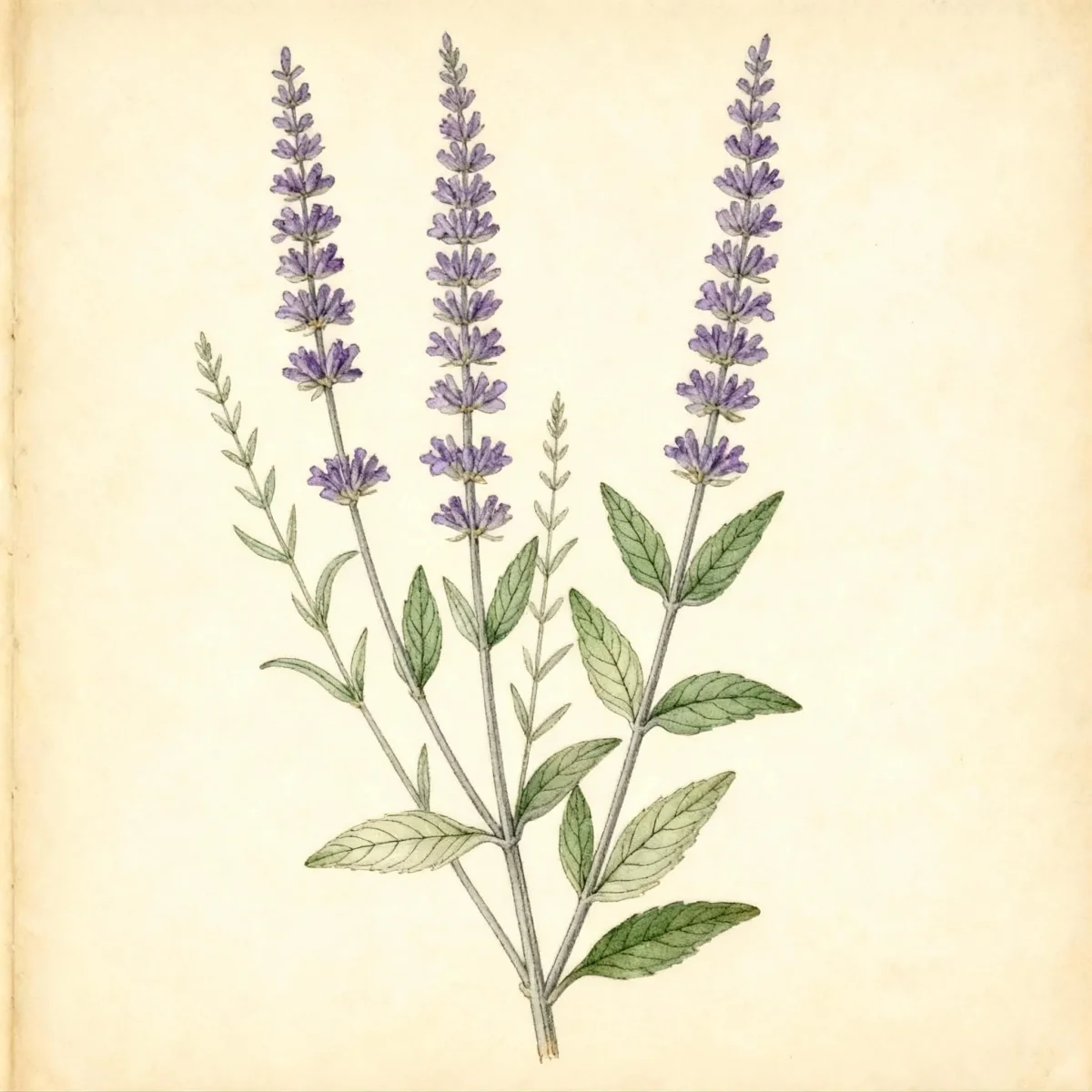
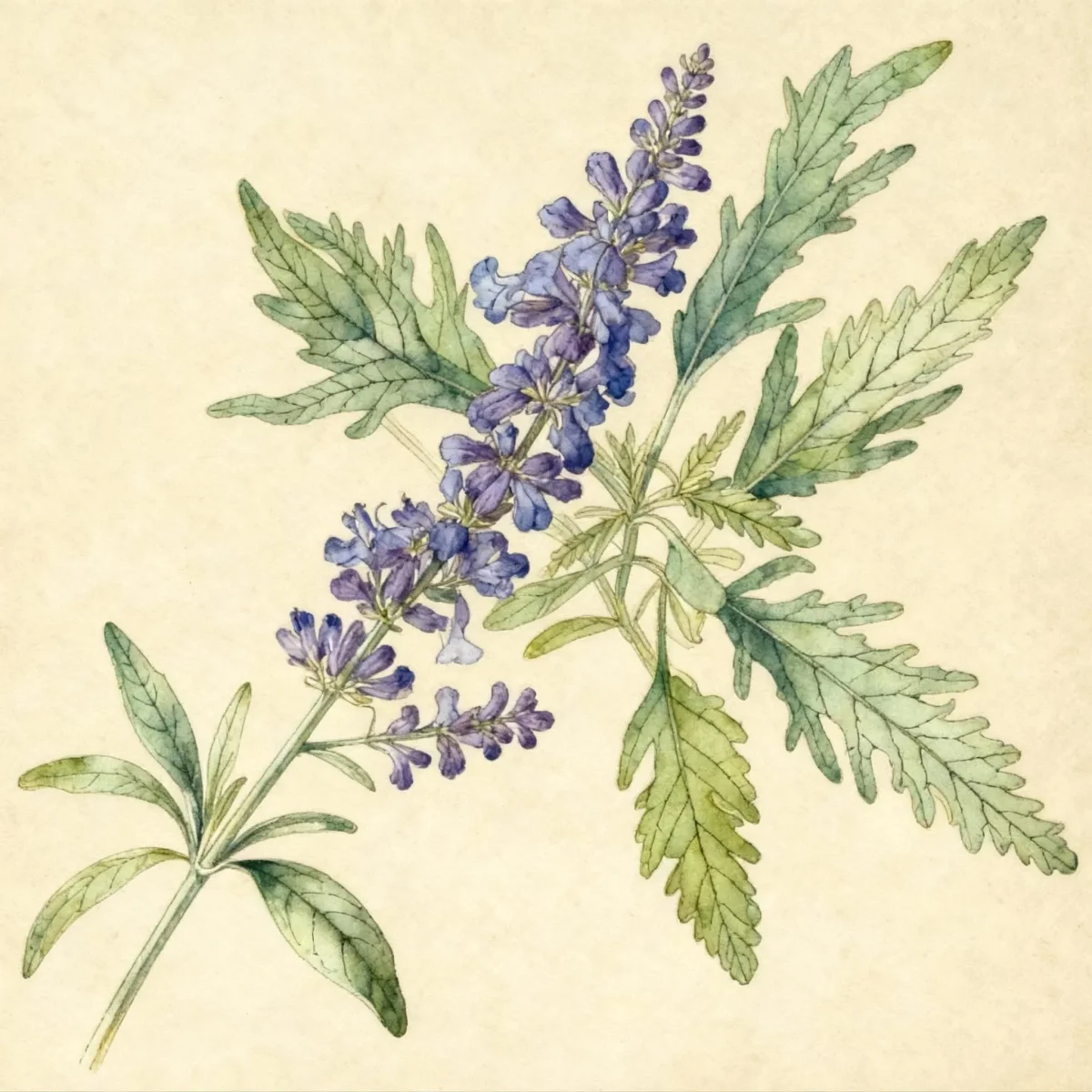
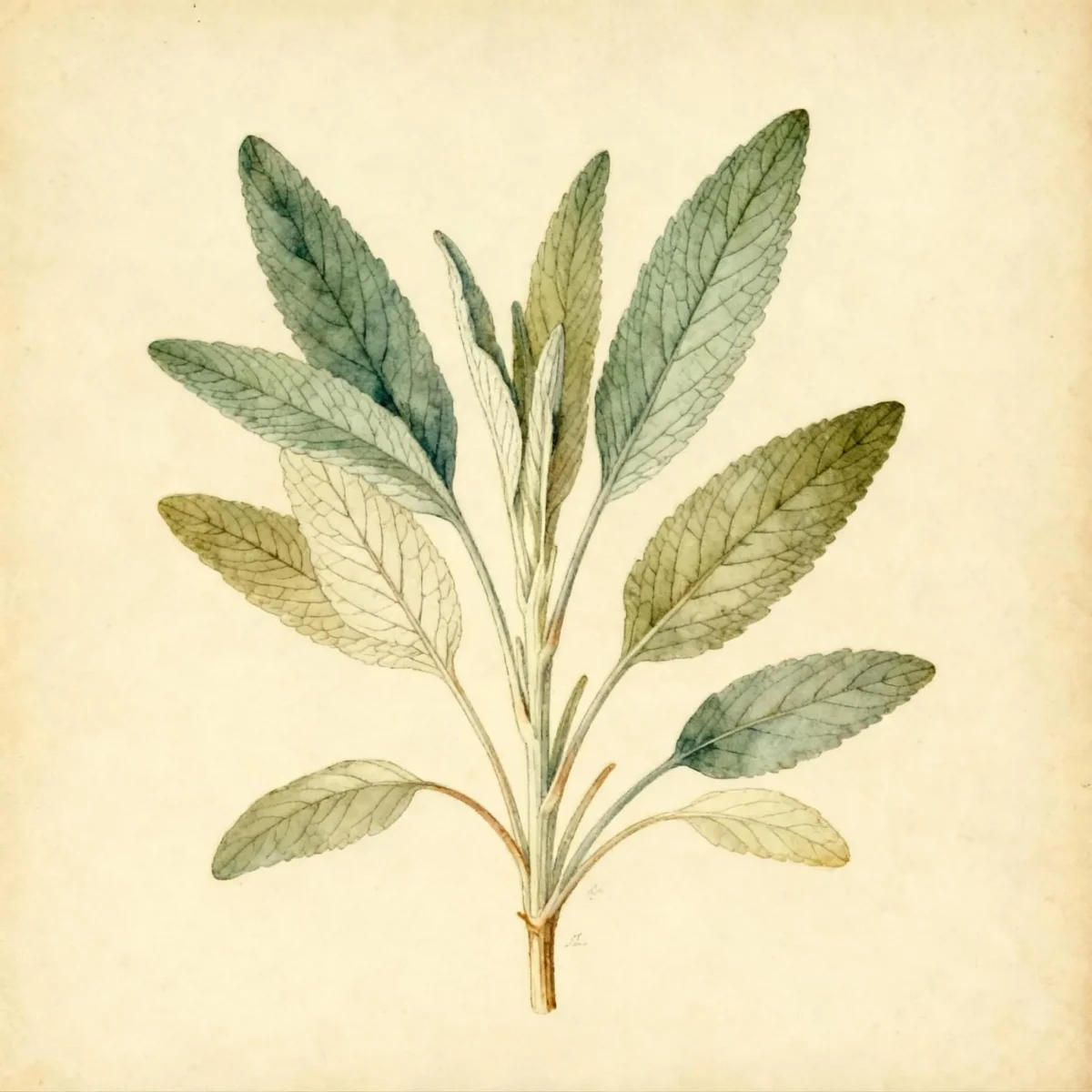
Russian sage (Perovskia atriplicifolia 'Rocketman')
Perovskia atriplicifolia 'Rocketman' is a low-maintenance, drought-tolerant Russian sage featuring lavender blue blooms.
Scroll down to discover growing tips, care requirements, companion plants, and more
Complete Plant Information
Overview
Perovskia atriplicifolia ‘Rocketman’, commonly known as Russian sage, is a celebrated addition to any sunny garden space, prized for its airy texture and exceptionally long bloom period. This specific cultivar, ‘Rocketman’, has been specifically bred to overcome common landscape issues, boasting stronger stems that resist flopping, ensuring a more refined, upright vase shape throughout the summer months. Gardeners value this selection for its reliable drought tolerance and its ability to thrive in conditions where many other perennials struggle.
The appeal of Russian sage comes from the combination of finely-dissected, aromatic gray-green foliage and tiered clusters of clear lavender blue flowers that persist well into autumn. Its presence creates a shimmering, airy backdrop in perennial beds, providing excellent contrast to bolder textures and colors. Furthermore, the tough nature of Perovskia atriplicifolia ‘Rocketman’ means it offers significant visual interest with minimal effort, making it an indispensable choice for low-maintenance landscaping.
Fast Facts
- Plant Family: Lamiaceae
- Plant Type: Herbaceous perennial
- Hardiness Zones: USDA Zones 5-9
- Size at Maturity:
- Height: 2.5-3 ft
- Spread: 2.5-3.5 ft
- Bloom Time: July to October
- Bloom Description: Lavender blue
- Sun Exposure: Full sun
- Water Needs: Dry to medium
- Maintenance Level: Low
How to Grow
Planting Russian sage should occur when the danger of hard frost has passed, ideally in spring or early fall. The location is critical: these plants demand full sun exposure to achieve the best flowering and strongest stems. Cultivating Perovskia atriplicifolia ‘Rocketman’ successfully hinges on excellent soil drainage; they thrive in average soils but must avoid consistently wet, poorly drained areas. Sharp drainage is paramount to success, even when grown in clay soil.
Once established, care for this perennial is remarkably simple. Watering needs are low to medium; lean toward dry conditions, as these plants exhibit good drought tolerance once rooted. Fertilizing is rarely necessary. The most important cultural practice involves timely pruning. Cut back the woody stems almost to the ground in late winter or early spring just as new growth signals the start of the season.
Avoid overcrowding, as stems are more likely to flop if plants are grown in part shade rather than full sun. This hard pruning in the spring ensures the compact, upright habit for which ‘Rocketman’ is known, leading to a season full of vibrant lavender blue blooms.
Landscape Uses
Perovskia atriplicifolia ‘Rocketman’ excels when used in mass plantings or as a specimen plant to anchor borders. Its height (up to 3 ft.) and airy structure make it ideal for the middle or back of a perennial border, where it can soften taller shrubs or provide a screen without looking heavy. The color of the blooms offers fantastic contrast; pair Russian sage with sturdy pink flowers like phlox or roses, or complement it with rich yellow perennials such as rudbeckia for a dynamic, high-summer display.
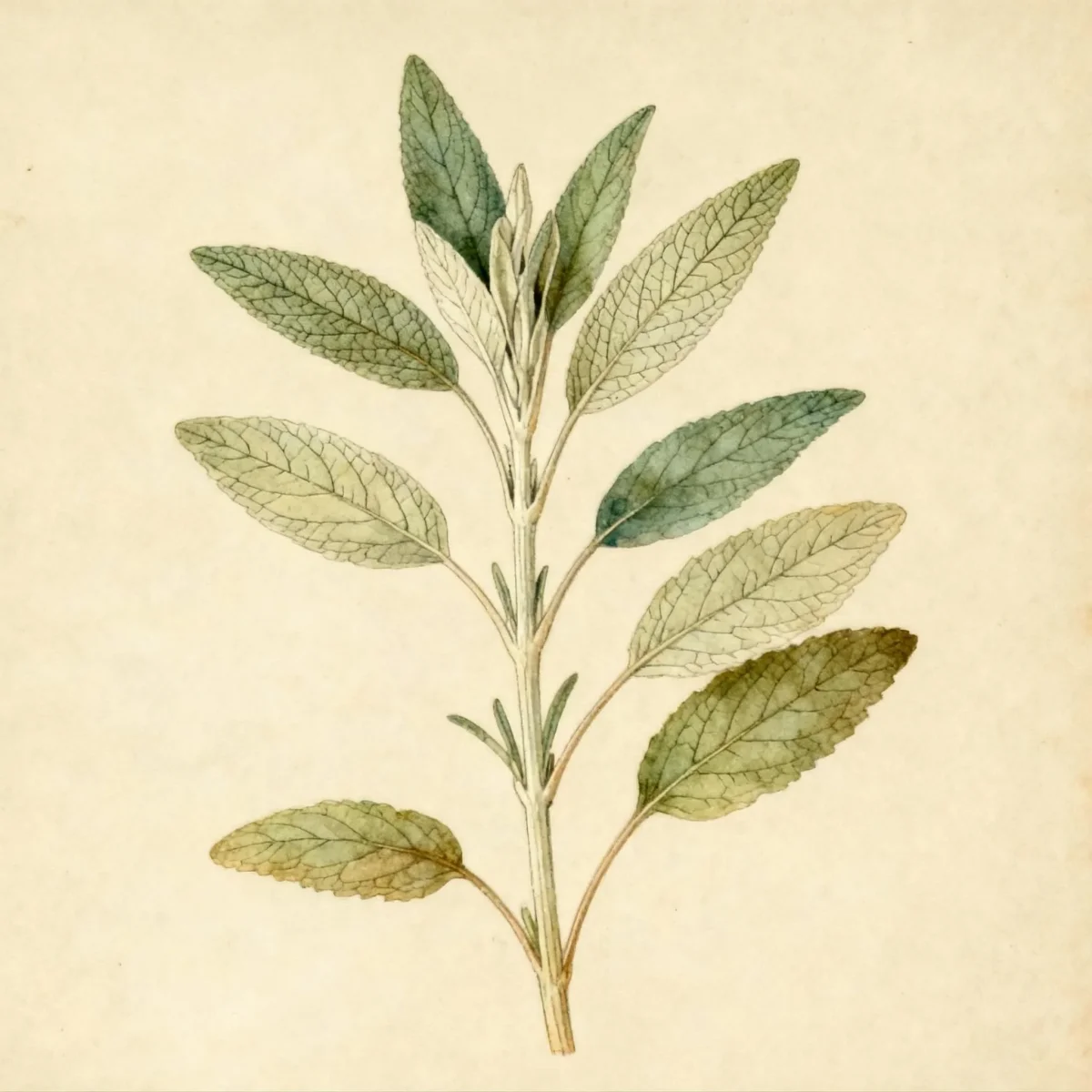
The silver-gray foliage of this Russian sage cultivar adds texture and light to the garden even when not in bloom, making it an excellent four-season element, especially against dark green evergreens. These plants are robust enough to handle mass planting schemes where you need reliable, long-season color and texture without requiring intensive water or feeding schedules.
Flower Qualities
- Showy
Noteworthy Characteristics
Perovskia atriplicifolia, commonly called Russian sage, is a woody-based perennial of the mint family which typically grows 2-4’ tall, featuring finely-dissected, aromatic, gray-green leaves on stiff, square stems and tiered whorls of light blue flowers. The ‘Rocketman’ cultivar was specifically developed for stronger stems, preventing the common flopping issue, and showcases lavender blue flowers with persistent, colorful calyxes that extend interest after the petals fade. It maintains the silvery stems and aromatic foliage characteristic of the species while generally staying within the 2.5 to 3.5 ft. spread.
Tolerances
- Rabbit
- Deer
- Drought
- Clay Soil
- Dry Soil
- Air Pollution
Potential Problems
This plant generally enjoys an excellent reputation for pest and disease resistance, rarely suffering from serious insect infestations or fungal issues. The primary concern for gardeners growing Russian sage is structural integrity. Plants tend to sprawl or flop over as the summer progresses, especially if situated where afternoon shade is present or if the soil is overly rich or moist.
To mitigate flopping, ensure sharp soil drainage and provide the required full sun exposure. If flopping still occurs, remember that the required annual pruning in early spring—cutting stems down to new growth—is crucial for maintaining the tight, upright habit of Perovskia atriplicifolia ‘Rocketman’.
Frequently Asked Questions
What hardiness zones is Russian sage suitable for?
Perovskia atriplicifolia ‘Rocketman’ is reliably cold-hardy in USDA Zones 5 through 9, offering wide adaptability across many temperate climates.
How large does Perovskia atriplicifolia ‘Rocketman’ grow?
This variety typically reaches a mature height between 2.5 and 3 feet tall, spreading from 2.5 to 3.5 feet wide.
What sun exposure does Russian sage need?
To ensure the strongest stems and the most prolific bloom of lavender blue flowers, this plant requires a location receiving full sun daily.
When does Perovskia atriplicifolia ‘Rocketman’ bloom?
You can expect a long flowering season, typically starting in July and continuing its display of color all the way through October.
Conclusion
The reliability, drought tolerance, and season-long beauty provided by Perovskia atriplicifolia ‘Rocketman’ make it an essential, low-maintenance performer for sunny borders. Its improved upright habit sets it apart from older Russian sage selections, guaranteeing excellent texture and color contrast through late summer heat. Before planting, confirm your site offers full sun and excellent drainage, especially if you are planning a large perennial bed featuring this exceptional specimen.
Companion Planting
When selecting companions for your Russian sage, focus on plants that share similar xeriscaping needs—full sun and dry to medium soil moisture. Look for plants with contrasting leaf textures or flower forms to maximize visual appeal. Good choices include plants with fine, dark foliage that will intensify the silver tones of the Russian sage, or bold, coarse-textured plants like Sedum ‘Autumn Joy’ or ornamental grasses that move beautifully in the breeze alongside the airy blooms of Perovskia atriplicifolia ‘Rocketman’.
Design Ideas
Consider using this cultivar at the transition point between a sunny lawn area and a more formal border. Because it tolerates clay soil surprisingly well when dry, it can serve as a bridge into tougher areas of the garden. For drought-tolerant cottage gardens, plant ‘Rocketman’ near coreopsis, yarrow (Achillea), or coneflowers (Echinacea); these companions bloom concurrently and share the same cultural demands, resulting in a cohesive, thriving, and low-water landscape design.