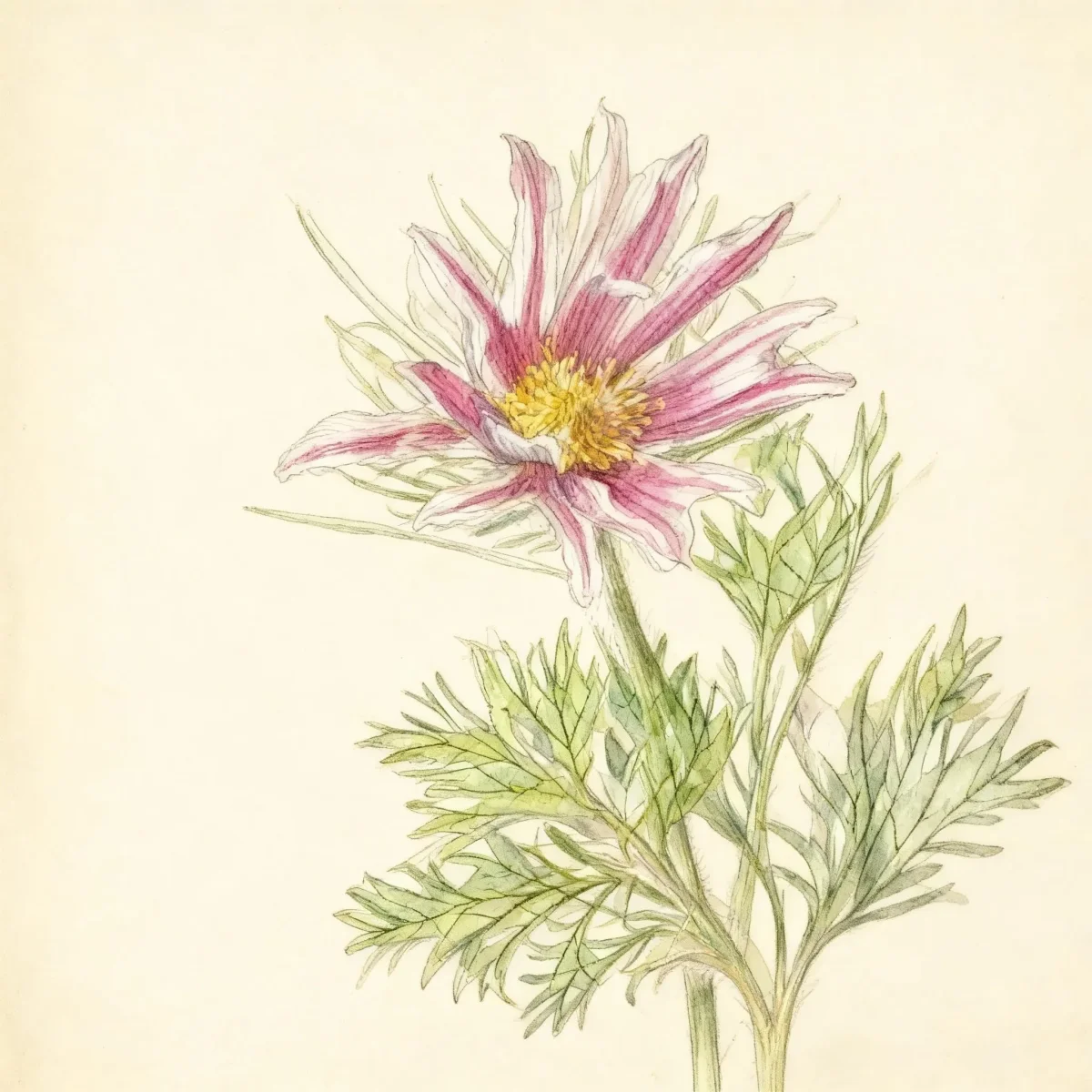
Clematis (Clematis 'Cleminov 51' SAPPHIRE INDIGO)
Discover Clematis 'Cleminov 51' SAPPHIRE INDIGO, a low-maintenance herbaceous perennial offering sapphire blue blooms from June to September.
Scroll down to discover growing tips, care requirements, companion plants, and more
Complete Plant Information
Overview
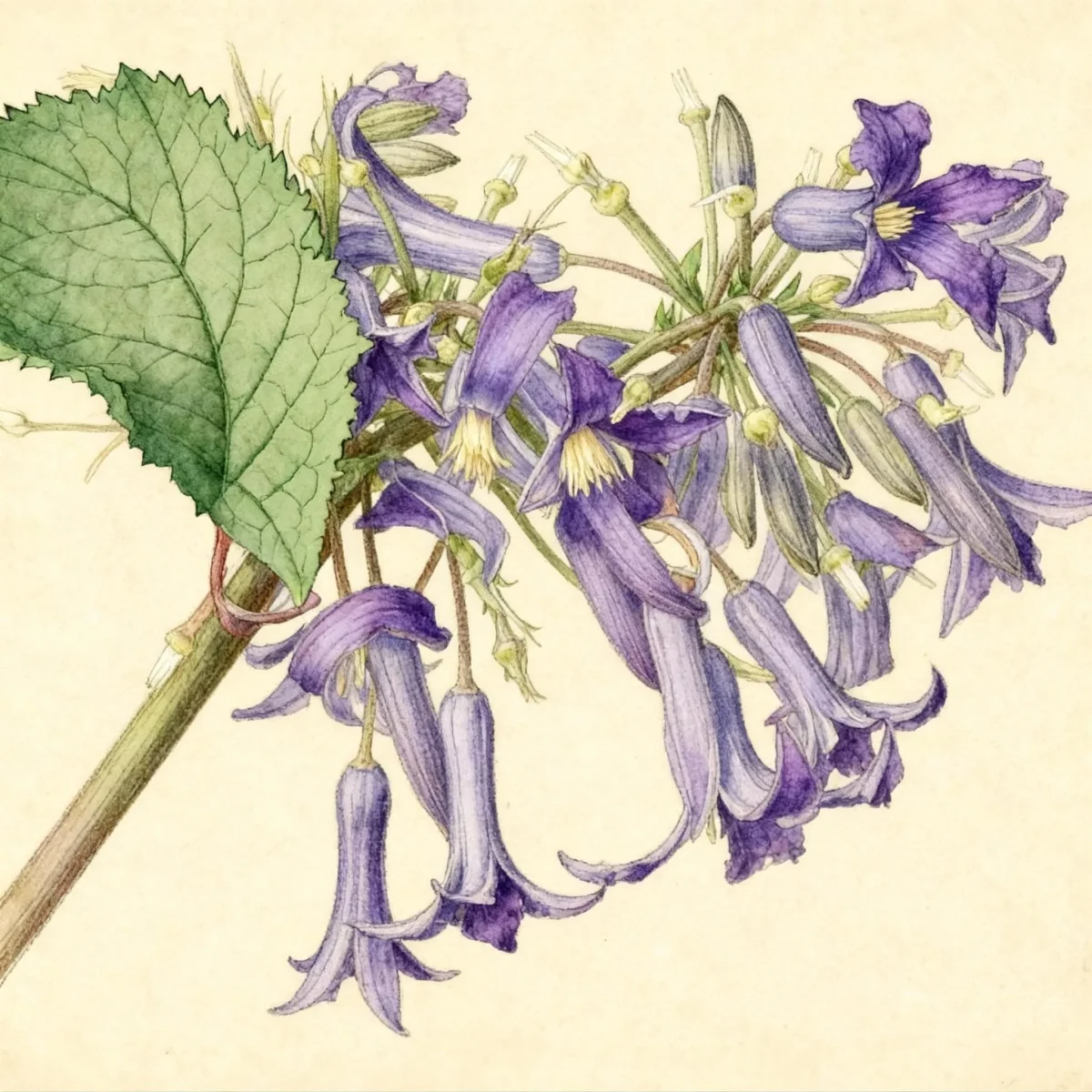
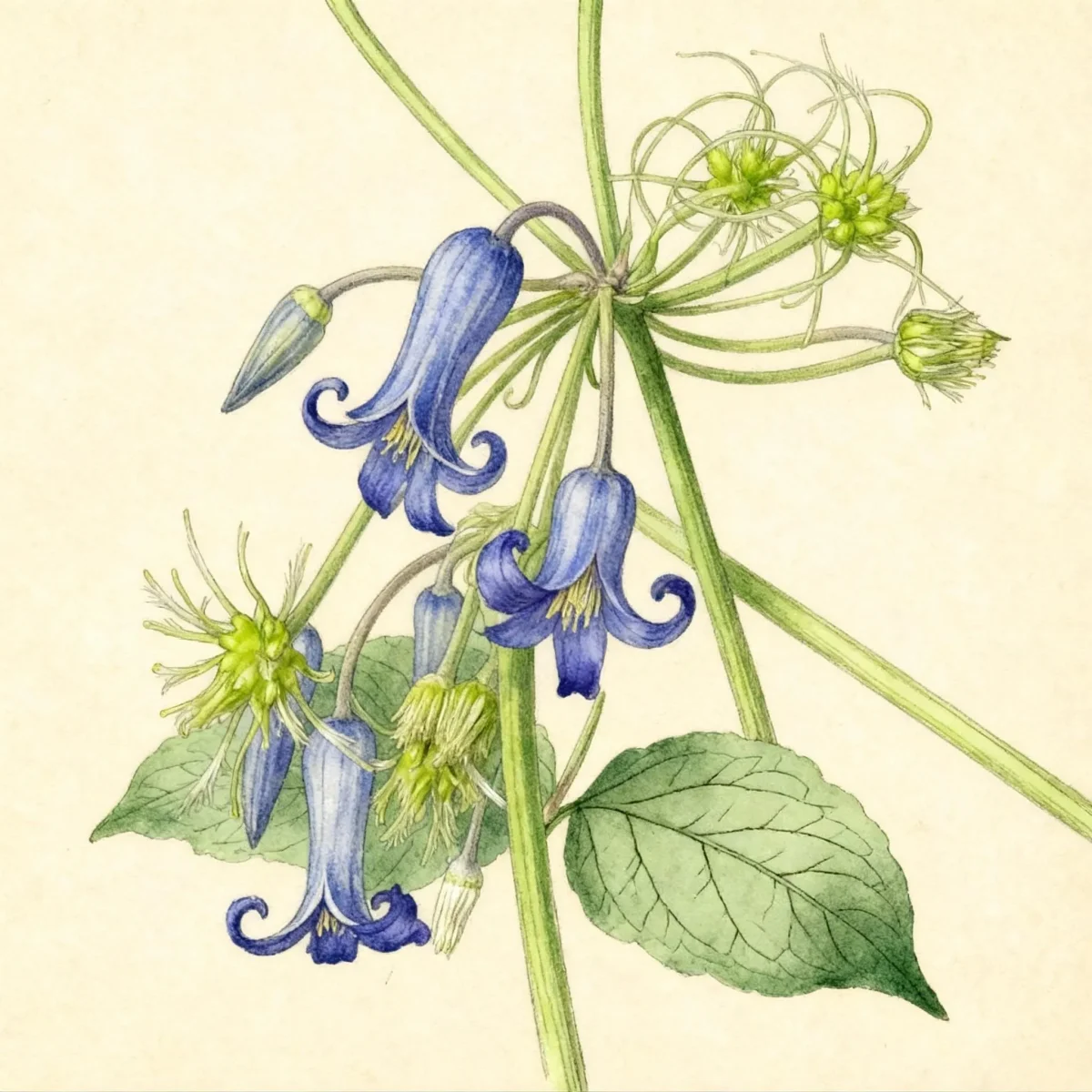
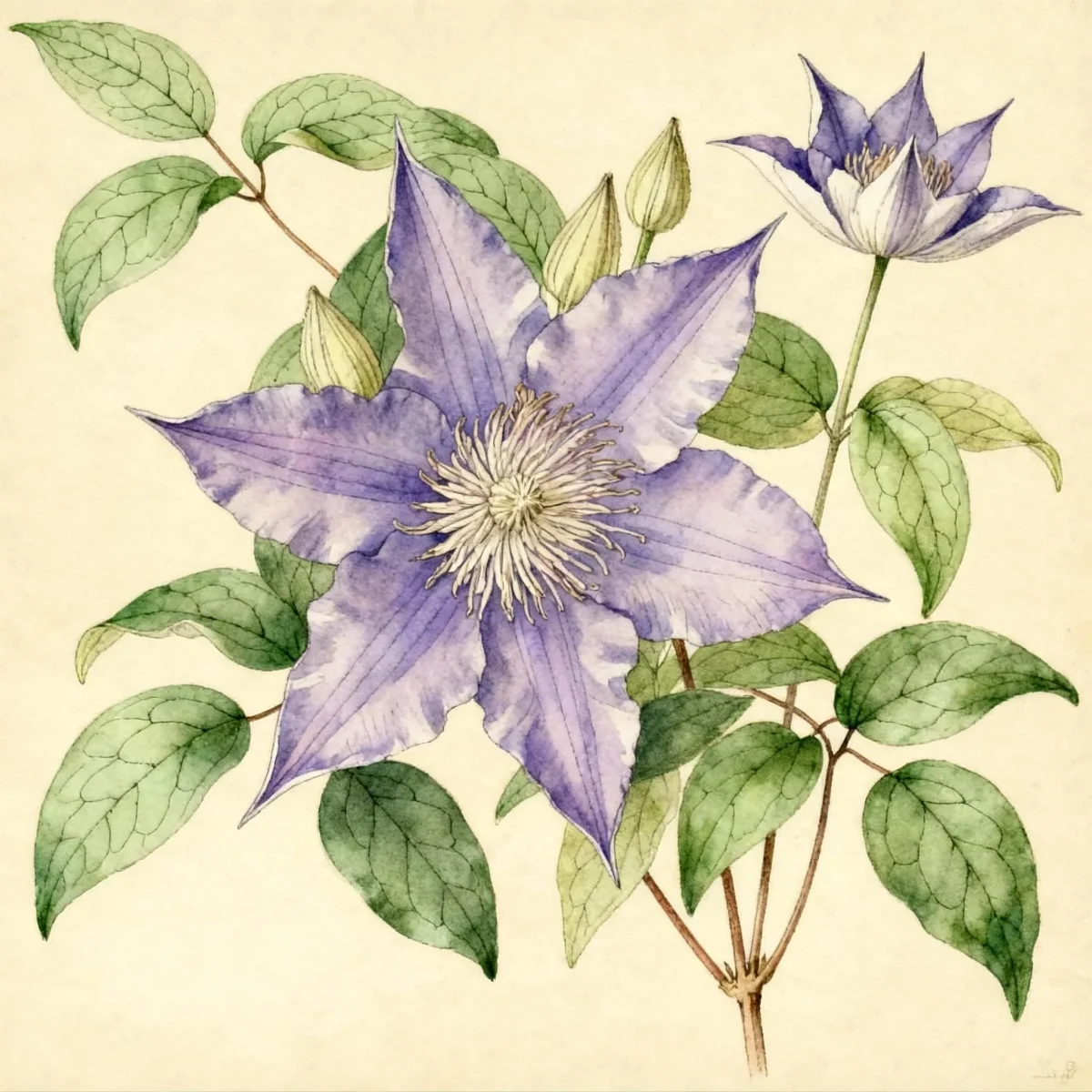
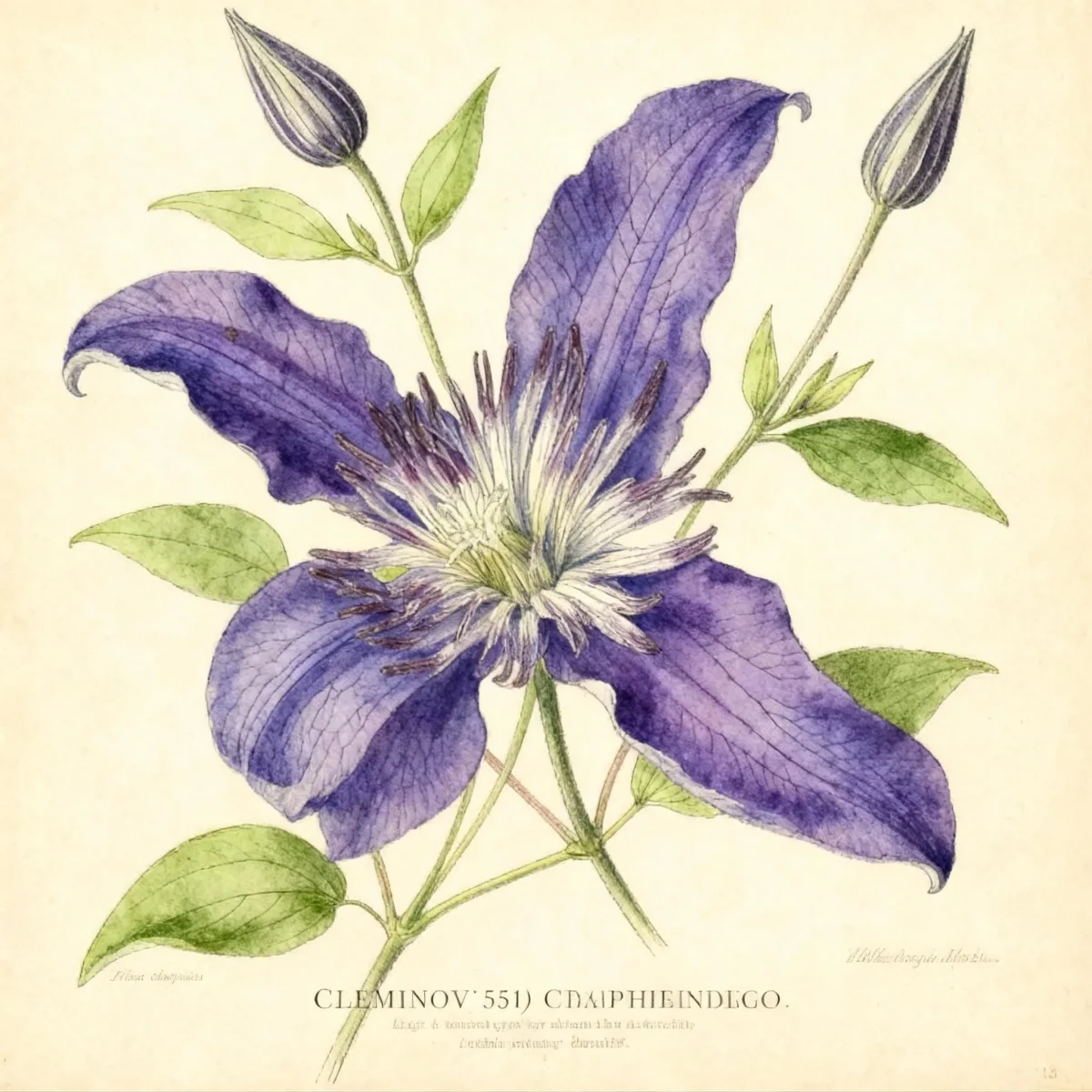
The Clematis ‘Cleminov 51’ SAPPHIRE INDIGO, commonly known as Clematis, is a stunning addition to any garden, prized for its extended season of rich, sapphire-blue to purple flowers. This herbaceous perennial brings vibrant color from early summer well into autumn, offering significant ornamental impact with relatively low effort. As a member of the vast Clematis genus, this specific cultivar exhibits a desirable compact habit suitable for many urban and small garden settings.
Developed in France, Clematis ‘Cleminov 51’ SAPPHIRE INDIGO is valued not only for its striking bloom but also for its manageable size, typically reaching only 3 to 4 feet tall and wide. Gardeners appreciate the ease with which this plant fits into mixed borders or can be used as a sprawling ground cover when support structures are less desirable. It aligns perfectly with low-maintenance gardening goals while providing consistent, showy visual appeal throughout the growing season.
To ensure success with this variety of Clematis, provide it with fertile, well-drained soil and manage its sunlight exposure carefully. While the foliage and flowers enjoy sun or light shade, the roots require protection from intense heat, a crucial element in maximizing the health and flowering display of all climbing Clematis vines.
Fast Facts
- Plant Family: Ranunculaceae
- Plant Type: Herbaceous perennial
- Hardiness Zones: USDA Zones 4-9
- Size at Maturity:
- Height: 3-4 ft
- Spread: 3-4 ft
- Bloom Time: June to September
- Bloom Description: Sapphire blue to purple
- Sun Exposure: Full sun to part shade
- Water Needs: Medium
- Maintenance Level: Low
How to Grow
Planting this Clematis variety should occur in late winter or early spring, ensuring the soil is fertile, well-drained, and consistently medium in moisture. Locate the vine where the flowering section receives full sun to partial afternoon shade, especially beneficial in hotter climates. A critical cultural requirement for successful Clematis growth is shading the root zone, as excessive heat can stress the roots: use perennials, small shrubs, or a thick layer of mulch to keep the root areas cool and uniformly moist.
Consistent watering is necessary, particularly during establishment and dry spells; never allow the soil to completely dry out around the base of the plant. This specific variety, Clematis ‘Cleminov 51’ SAPPHIRE INDIGO, is pruned as a Group 2 type. Group 2 Clematis flower on both old and new wood; therefore, drastic pruning in fall or spring should generally be avoided to maintain bloom quantity, though light shaping is permissible.
Always provide a trellis, fence, or other sturdy support structure for the vines to twine upon. Since this species is categorized as low maintenance, routine fertilizing is often unnecessary if planted in rich soil, though a balanced, slow-release fertilizer in early spring can boost vigor. Monitor for signs of wilt, which can indicate stem rot, and ensure good air circulation around the foliage to mitigate mildew issues common to many Clematis.
Landscape Uses
Clematis offers exceptional architectural height and versatility in garden design. While many climbers are trained vertically up structures like walls, trellises, arbors, or lampposts to add dramatic framework, Clematis ‘Cleminov 51’ SAPPHIRE INDIGO also functions excellently when allowed to sprawl as a dense ground cover. This trait makes it perfect for softening the edges of retaining walls or cascading over large supports.
For an impactful mixed border, pair this sapphire-flowering Clematis with summer-blooming roses or late-season perennials like coneflowers or Russian sage. The contrasting foliage texture and staggered bloom times ensure visual interest across several seasons. Because it is compact, it also performs beautifully when used as an accent plant in large containers, provided the roots are kept shaded and cool.
If utilizing it as a ground cover, plant it amidst shorter, mounding perennials that can help shade the base, allowing the vine to weave through them naturally. The dark blue-purple tones of the SAPPHIRE INDIGO complement pale pinks, whites, and warm yellows, making it a versatile color component in formal or cottage garden settings.
Flower Qualities
- Showy
Noteworthy Characteristics
Clematis is a diverse genus renowned for its vining habits, climbing via twining leaf stalks, though some forms are shrubs or herbaceous perennials. The flowers generally range from flat to cupped or bell-shaped, and some species offer decorative fluffy seed heads in autumn. Cultivated varieties like Clematis ‘Cleminov 51’ SAPPHIRE INDIGO are categorized by strict pruning needs; this one is Group 2, meaning it blooms on both old and new wood, necessitating minimal cutting to preserve flowering. Bred in France, SAPPHIRE INDIGO is noted for its exceptionally long flowering season, displaying recurved petals that average 4 to 5 inches wide.
Tolerances
- Deer
- Black Walnut
Potential Problems
This Clematis variety can be susceptible to several fungal and pest issues that require preventative action. The most serious threat is wilt or stem rot, which can prove fatal if not quickly addressed by removing affected parts and improving drainage/air circulation. Fungal diseases like powdery mildew and various leaf spots are typically cosmetic but should be managed through proper spacing and avoidance of overhead watering late in the day.
Potential insect pests commonly include aphids, which cluster on tender new growth, and slugs or snails which can chew holes in emerging foliage. For mechanical pests like slugs, proactive management with barriers or baits is advised, particularly when the plant is young. Always inspect your Clematis regularly for spider mites, especially during hot, dry periods, and watch for scale insects clinging to the woody stems.
Frequently Asked Questions
What hardiness zones is Clematis ‘Cleminov 51’ SAPPHIRE INDIGO suitable for?
This versatile herbaceous perennial thrives in USDA Hardiness Zones 4 through 9.
How large does Clematis grow?
Clematis ‘Cleminov 51’ SAPPHIRE INDIGO typically matures to a height and spread between 3 and 4 feet.
When does Clematis bloom?
Expect beautiful sapphire blue to purple blooms on your Clematis from June straight through September.
What sun exposure does Clematis need?
This variety performs best when sited in full sun to partial shade locations.
Conclusion
The low-maintenance nature and reliable, long-lasting sapphire blue blooms make Clematis ‘Cleminov 51’ SAPPHIRE INDIGO an outstanding choice for vertical interest or ground coverage. Ensure you provide the necessary root shade and support structure to encourage robust growth and maximal flowering performance. Before planting, confirm your garden falls within USDA Zones 4-9 and prepare a well-drained planting site to enjoy this exceptional Clematis variety for years to come.
Companion Planting
When selecting companions for Clematis ‘Cleminov 51’ SAPPHIRE INDIGO, the primary goal is to provide the necessary “cool feet” that Vining hybrids require. Choose low-growing, shade-tolerant perennials that naturally spread to cover the soil surface near the base of the vine. Excellent choices include Hostas, Coral Bells (Heuchera), or hardy Geraniums, whose dense foliage effectively shades the soil from harsh sun without competing aggressively for moisture.
Alternatively, consider using companion shrubs that remain much shorter than the Clematis itself, such as dwarf Spirea varieties or low boxwood. These shrubs offer structure year-round and help anchor the base visually while keeping the root zone moist and protected. Always ensure that any companion planting does not physically compete for space directly against the main support structure intended for the fast-growing Clematis vine.
Design Ideas for Compact Clematis
The compact 3 to 4-foot spread of Clematis ‘Cleminov 51’ SAPPHIRE INDIGO opens opportunities for design where taller vines might overwhelm the space. Use this variety to accentuate entryways by training it over a small arbor or mailbox post where scale is important. Its deep blue color creates fantastic contrast when planted near structural elements painted white or light gray.
Because it is explicitly noted as suitable for ground cover, consider mass planting groups of three or five SAPPHIRE INDIGO plants where you need dense, colorful coverage across a slope or bank. Allow them to weave through low evergreen shrubs instead of using a trellis for a more natural, cottage-garden appearance where the vines flow rather than climb rigidly upwards.