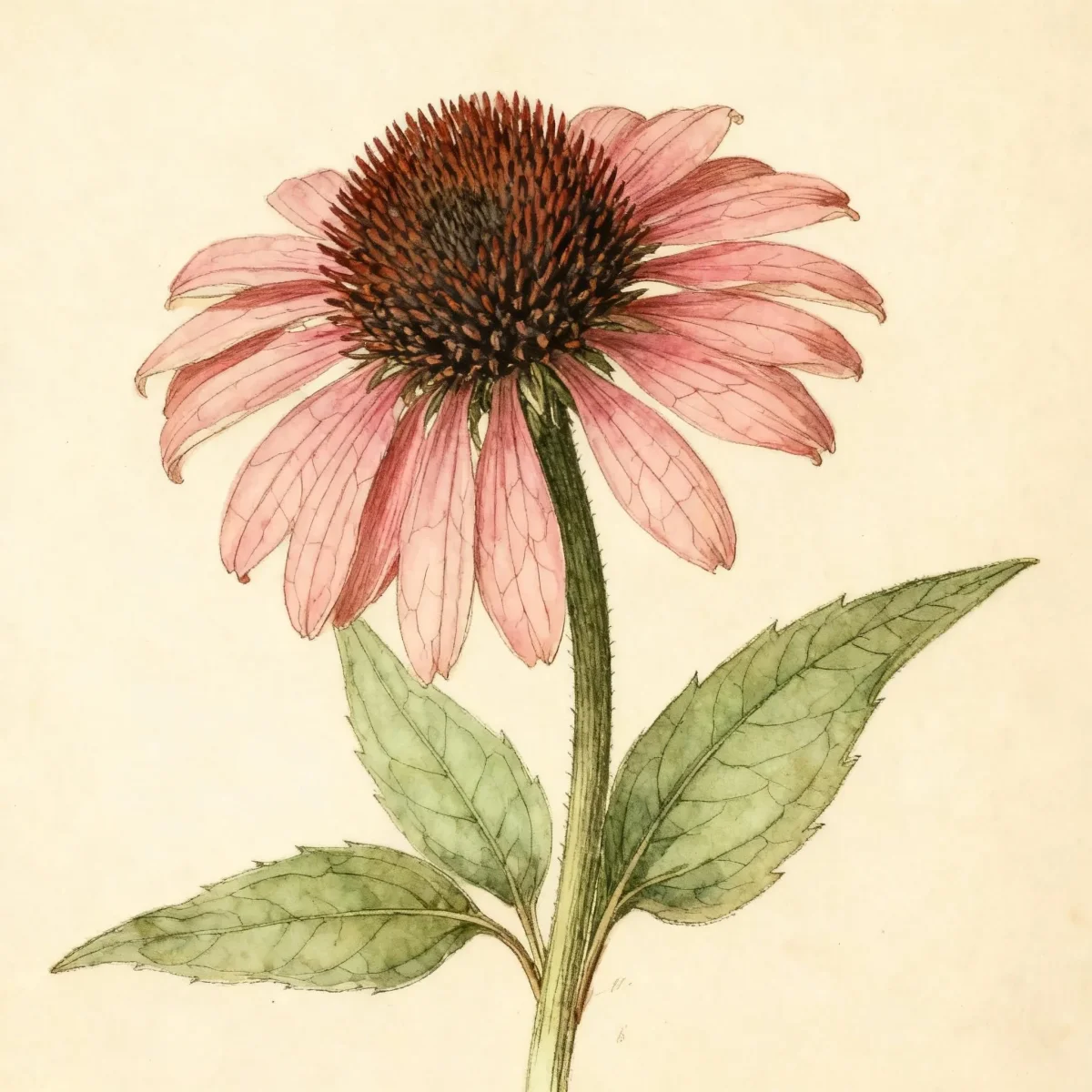
Coneflower (Echinacea 'Aloha')
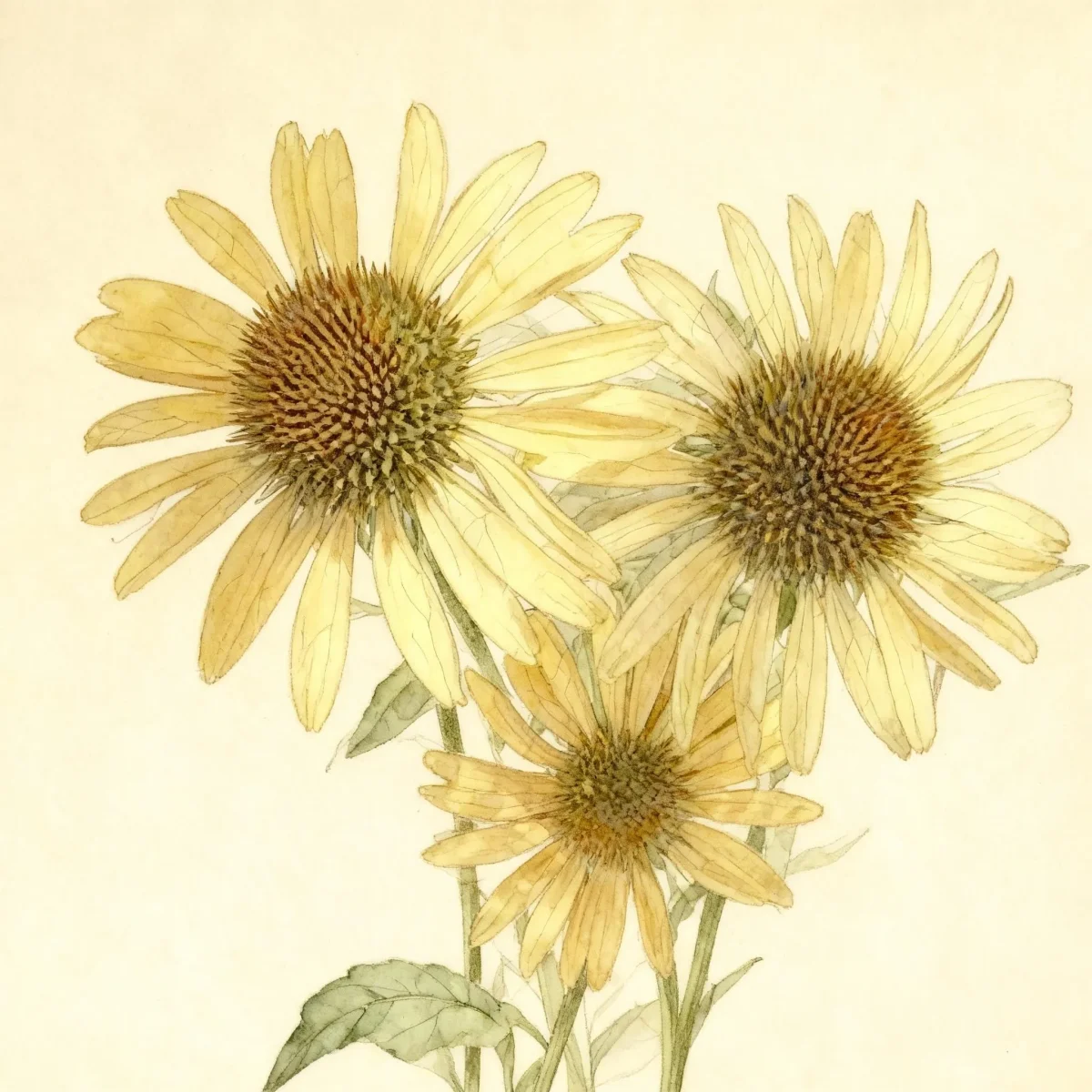
Meet Echinacea 'Aloha', a low-maintenance Coneflower featuring showy, fragrant, creamy yellow blooms. Hardy in zones 3-8.
Scroll down to discover growing tips, care requirements, companion plants, and more
Complete Plant Information
Overview
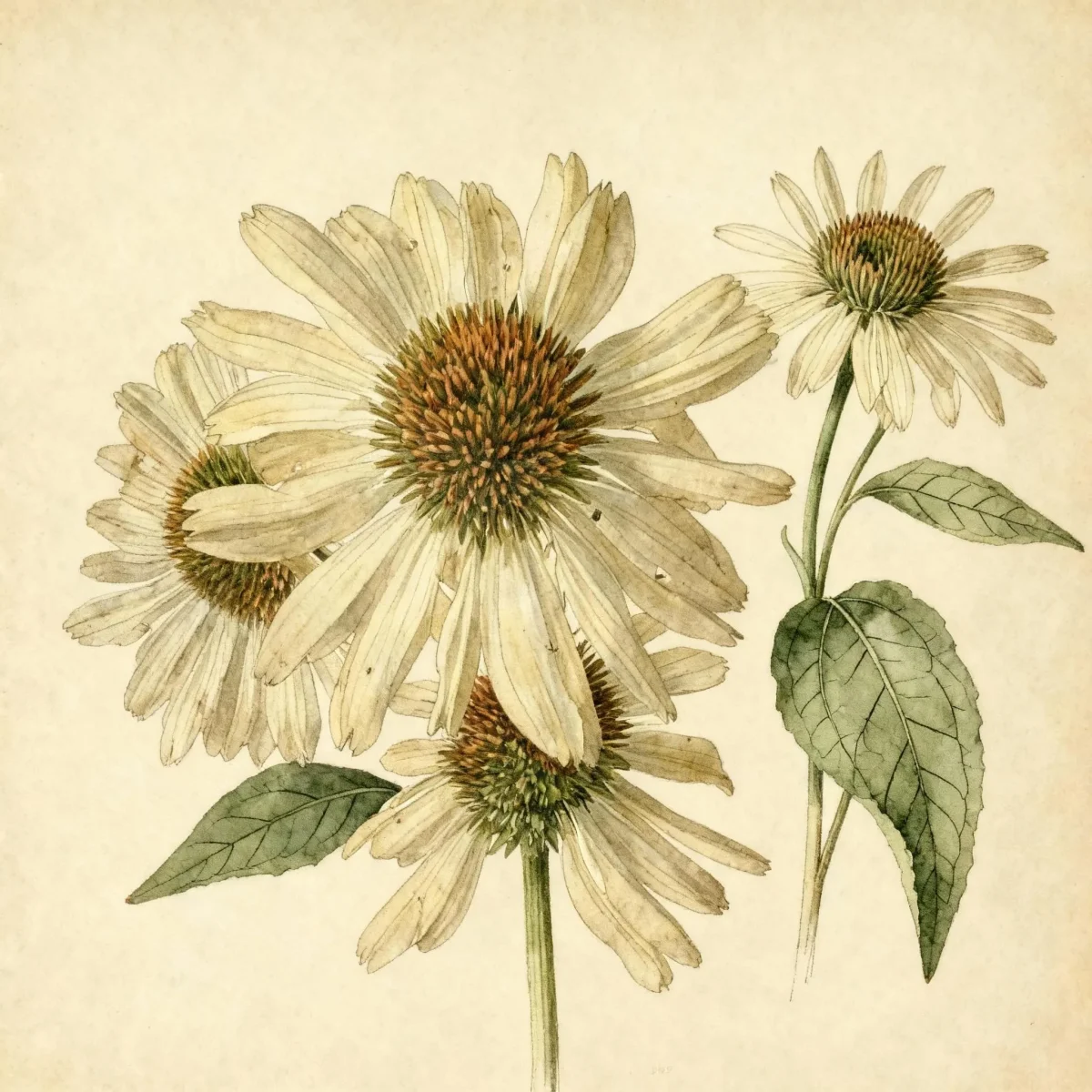
Echinacea ‘Aloha’ is a highly desirable herbaceous perennial, offering a stunning display of creamy yellow flowers accented by a warm orange cone. Bred for superior structure as part of the Prairie Pillar™ series, this Coneflower exhibits a strong, upright habit ideal for contemporary garden designs. Gardeners value this cultivar not only for its long season of bloom from June to August but also for its practical resilience in various soil conditions.
This adaptable Coneflower thrives with minimal fuss, making it an excellent choice for both novice and experienced gardeners seeking reliable summer color. Echinacea ‘Aloha’ is attractive to essential pollinators like butterflies, and the spent heads provide winter interest and seeds for goldfinches. Its robust nature ensures that the lovely, fragrant flowers of Echinacea ‘Aloha’ contribute textural and color value throughout the growing season.
The genus name, Echinacea, references the spiny central cone, giving the plant its common name, Coneflower. The specific cultivar ‘Aloha’ showcases excellent breeding, resulting in well-branched stems supporting numerous long-lasting blooms, establishing it as a staple for borders and mass plantings.
Fast Facts
- Plant Family: Asteraceae
- Plant Type: Herbaceous perennial
- Hardiness Zones: USDA Zones 3-8
- Size at Maturity:
- Height: 1.5-2.5 ft
- Spread: 2-2.5 ft
- Bloom Time: June to August
- Bloom Description: Creamy yellow with an orange cone
- Sun Exposure: Full sun to part shade
- Water Needs: Dry to medium
- Maintenance Level: Low
How to Grow
Plant Echinacea ‘Aloha’ during the spring or fall in a location receiving full sun for the best flowering performance, although it tolerates light afternoon shade. This Coneflower is highly adaptable, preferring average, well-drained soils, but it successfully handles drought, heat, humidity, and even clay or shallow-rocky soils once established. Good drainage is crucial to prevent root issues during wet periods.
Water needs for the Coneflower are generally low to medium; aim for consistently dry to medium soil moisture levels. No heavy fertilization is usually necessary, as this plant prefers lean growing conditions. While plants rebloom well without intervention, promptly removing spent flowers (deadheading) encourages a continuous flush of new blooms and maintains a tidier appearance.
If clumps of Echinacea ‘Aloha’ become overcrowded, typically every four years, they benefit from division to maintain vigorous growth and excellent bloom production. Prepare for winter by leaving the dead flower stems standing, as they provide pleasant winter structure and serve as a food source for birds, particularly goldfinches investigating the blackened cones.
Landscape Uses
Echinacea ‘Aloha’ excels when incorporated into mixed perennial borders, offering vertical interest from mid-summer until frost. Its manageable size (1.5 to 2.5 feet tall) makes it perfectly suited for border fronts, where its bright, creamy yellow flowers can be easily appreciated up close. Planting these Coneflowers in groups or masses creates a significant visual impact, transforming sunny areas of the garden.
Beyond traditional beds, this cultivar performs admirably in rock gardens, catching the light beautifully against stone textures. They also integrate well into naturalized settings or open woodland gardens where dappled afternoon shade provides relief from the hottest summer sun. Pair Echinacea ‘Aloha’ with complementary textures and bloom times, such as Russian Sage or ornamental grasses, for dynamic contrast.
Standout Features
Flower Qualities
- Showy
- Fragrant
- Good Cut
- Good Dried
Noteworthy Characteristics
Echinacea is a genus of seven species all endemic to eastern and central North America, and this Coneflower variety is prized for its long-lasting, fragrant blooms featuring wide, creamy yellow ray flowers surrounding an orange center cone. ‘Aloha’ was developed by Harini Korlipara and is part of the Prairie Pillar™ series, exhibiting a strong upright habit perfect for preventing flopping. An interesting feature is that if the spent flower heads remain, the dead stems stand erect into winter, offering visual appeal and feeding visiting birds.
Tolerances
- Deer
- Drought
- Clay Soil
- Dry Soil
- Shallow-Rocky Soil
Potential Problems
Coneflowers, including Echinacea ‘Aloha’, are generally tough plants, but they can occasionally be susceptible to pest and disease issues. All coneflowers are susceptible to aster yellows, a serious, untreatable phytoplasma disease often spread by leafhoppers, which causes stunted, distorted, yellow-green growth. Fungal and bacterial leaf spots can also occur, particularly in humid conditions or areas with poor air circulation.
To manage potential disease, ensure adequate spacing when planting to promote good air flow around the foliage of your Echinacea ‘Aloha’. Watch for common pests such as erythroid mites, which can cause distorted leaves, and Japanese beetles, which may chew on the petals. Choosing a site with excellent drainage is the best defense against many common fungal issues.
Frequently Asked Questions
What hardiness zones is Coneflower suitable for?
Echinacea ‘Aloha’ is reliably hardy across USDA Zones 3 through 8, offering wide adaptability across many climates.
How large does Echinacea ‘Aloha’ grow?
This Coneflower typically reaches a mature height between 1.5 and 2.5 feet tall, with a spread ranging from 2 to 2.5 feet wide, maintaining a manageable, upright stature.
What sun exposure does Coneflower need?
For optimal performance, Echinacea ‘Aloha’ requires full sun, though it will tolerate and still bloom well in areas receiving part shade throughout the day.
When does Echinacea ‘Aloha’ bloom?
This variety displays its showy flowers from June through August, characterized by creamy yellow petals surrounding a distinct orange cone.
Conclusion
Echinacea ‘Aloha’ is an outstanding choice for gardeners seeking dependability, excellent pollinator support, and bright summer color. This low-maintenance Coneflower provides high visual returns with its fragrant, uniquely colored blooms and superior upright structure. Before planting, confirm that your site offers full sun exposure and ensure soil drainage is adequate to fully enjoy the long summer performance of Echinacea ‘Aloha’.
Wildlife Benefits
The structure of the Coneflower is inherently beneficial for local ecosystems. The central cones are incredibly attractive to seed-eating birds, most notably American Goldfinches, during the late fall and winter months if you leave the stems standing. Planting Echinacea ‘Aloha’ directly supports biodiversity by providing vital nectar for countless butterfly species throughout its long bloom period.
This genus is a crucial member of the pollinator garden palette. Butterflies and native bees are reliably drawn to the composite flower heads, ensuring essential pollination services occur in your garden space. Planting in groups allows pollinators to forage more efficiently, maximizing the ecological impact of your vibrant Coneflower display.
Companion Planting
Because Echinacea ‘Aloha’ thrives in full sun and prefers dry to medium moisture levels, companion plants should share similar hardiness and water profiles. Excellent companions include other drought-tolerant prairie natives like Russian Sage (Perovskia atriplicifolia), various ornamental grasses for textural contrast, or Rudbeckia (Black-Eyed Susan) for complementary gold tones. Avoid planting high-water-need perennials directly adjacent to this drought-tolerant beauty to ensure all plants remain healthy.