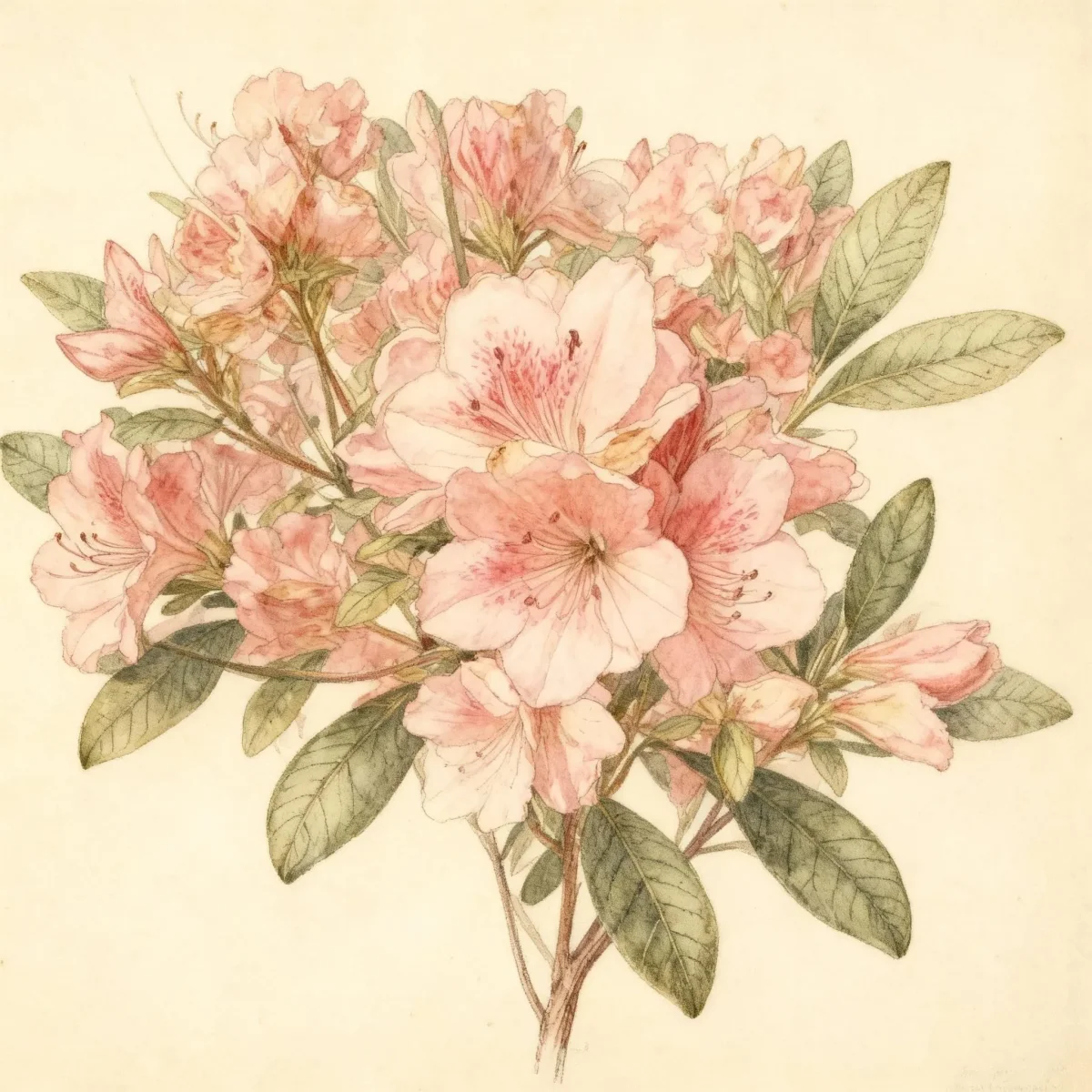
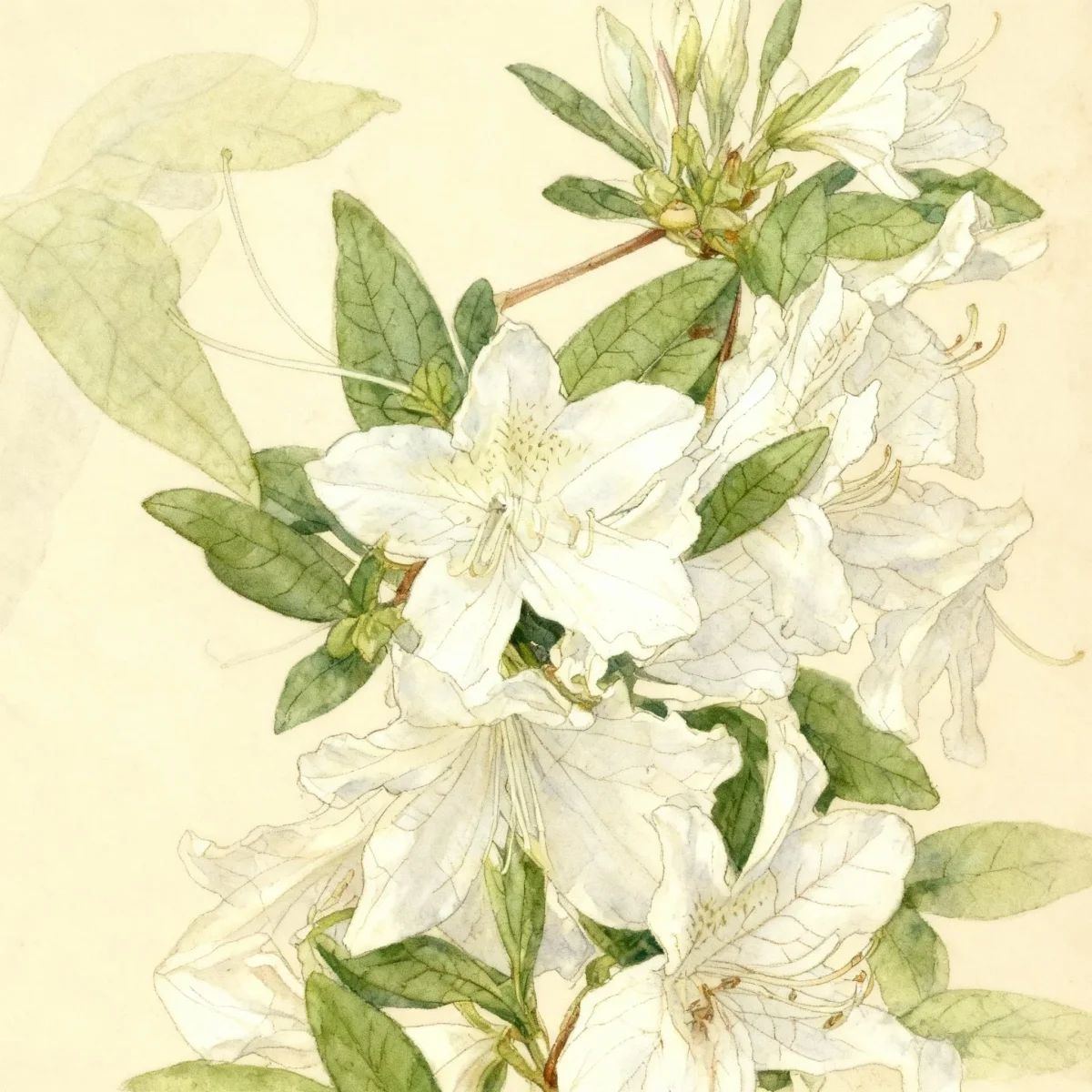
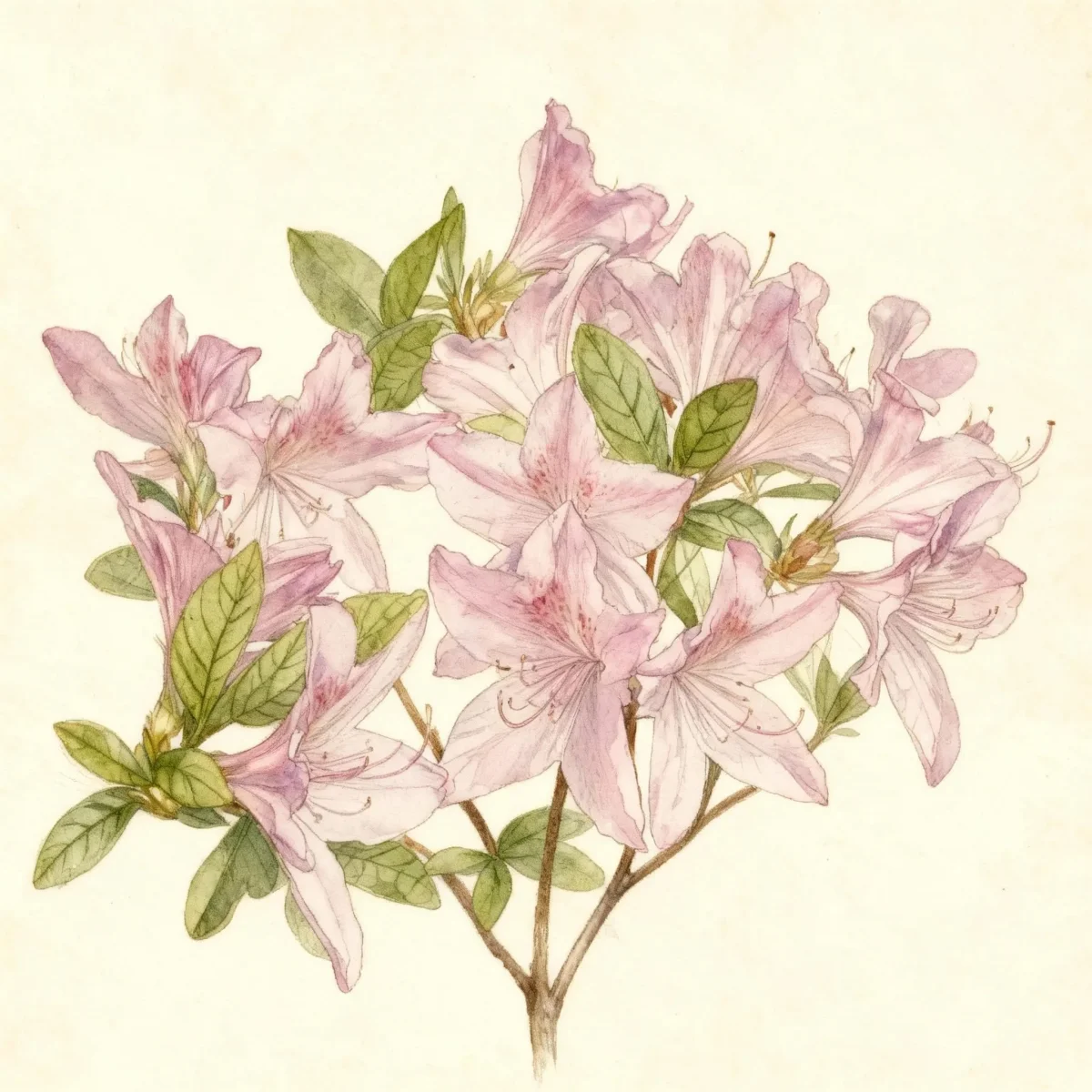
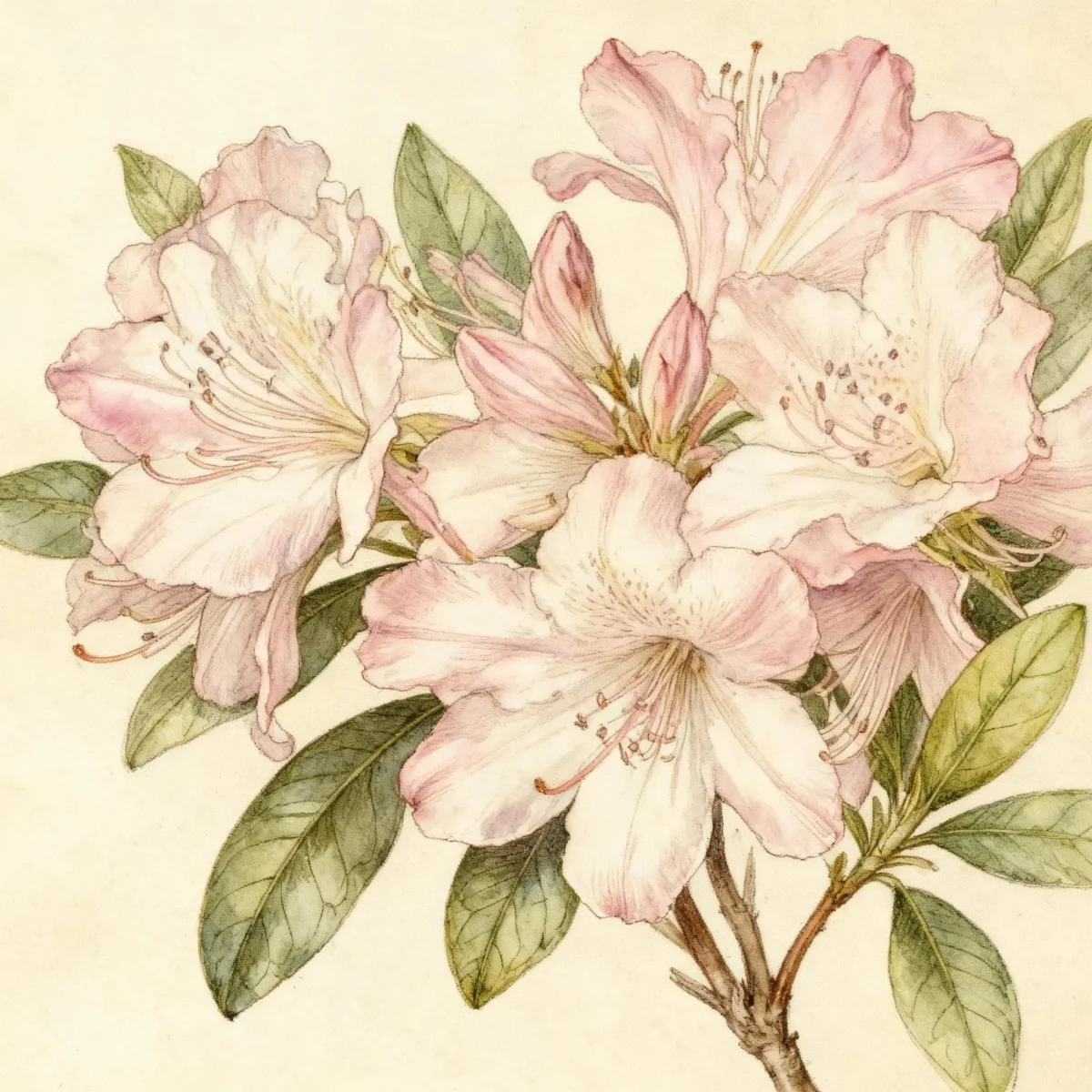
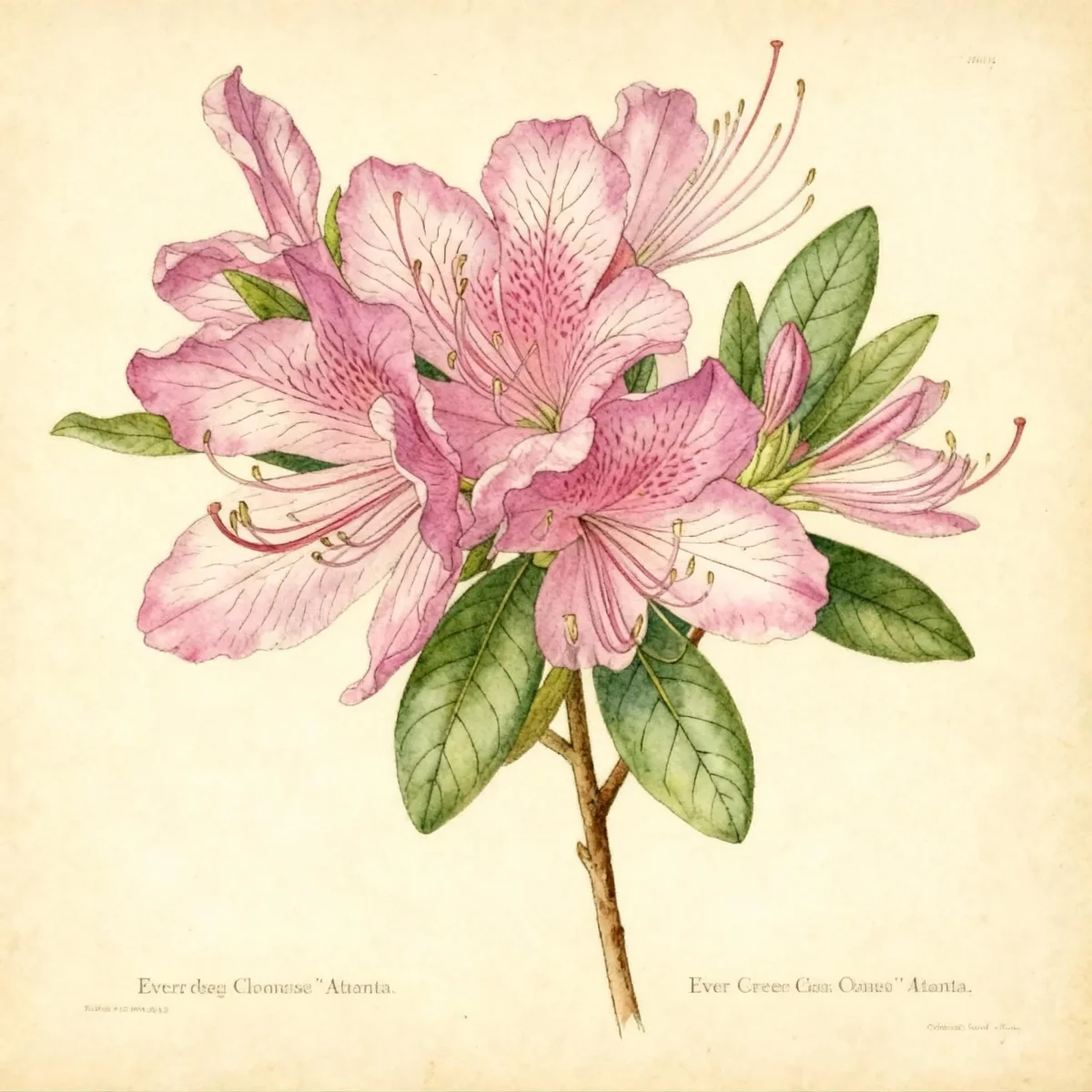
Evergreen azalea (Rhododendron 'Atalanta')
Rhododendron 'Atalanta' is a beautiful evergreen azalea blooming reddish-purple in May. Ideal in USDA Zones 5-7.
Scroll down to discover growing tips, care requirements, companion plants, and more
Complete Plant Information
Overview
Rhododendron ‘Atalanta’ is a highly valued cultivar within the group commonly known as evergreen azaleas, celebrated for retaining attractive foliage year-round, even when not in spectacular bloom. This shrub develops a neat, upright-rounded form, typically reaching 3 to 4 feet in height and spread over time, making it a versatile garden structure. Gardeners appreciate this specific variety, Rhododendron ‘Atalanta’, for its mid-season display of striking reddish-purple flowers each May.
As a broadleaf evergreen, it provides necessary structure and color consistency in the landscape where deciduous shrubs fade in winter. Its moderate size and requirements make it a reliable choice for foundation plantings or when used effectively as a neat hedge where space is somewhat limited. Achieving success with this Rhododendron ‘Atalanta’ centers heavily on providing the precise acidic, well-drained soil conditions it requires.
Fast Facts
- Plant Family: Ericaceae
- Plant Type: Broadleaf evergreen
- Hardiness Zones: USDA Zones 5-7
- Size at Maturity:
- Height: 3-4 ft
- Spread: 3-4 ft
- Bloom Time: May
- Bloom Description: Reddish-purple
- Sun Exposure: Part shade
- Water Needs: Medium
- Maintenance Level: Medium
How to Grow
Planting Rhododendron ‘Atalanta’ should prioritize location accuracy, as mature specimens dislike relocation. Site this evergreen azalea in areas receiving dappled sun or high open shade; morning sun followed by afternoon shade proves beneficial, especially in warmer climates where intense afternoon heat can scorch the leaves of Rhododendron ‘Atalanta’. Soil preparation is critical; the mixture must be acidic (pH 5.0 to 5.5), humusy, organically rich, and maintain medium moisture without becoming waterlogged, as poor drainage causes root rot.
Watering requirements are medium; ensure the fibrous, shallow root system never totally dries out, particularly during dry spells. A thick layer of mulch, such as pine needles or wood chips, is essential to stabilize soil temperature and retain moisture around the roots. If your soil pH is too high, incorporate sulfur or iron sulfate to acidify it gradually.
Pruning for this evergreen azalea primarily involves deadheading; clip off spent flower clusters immediately after blooming finishes to encourage energy redirection toward next year’s buds rather than seed production. Avoid cultivating or digging near established plants, as their roots are shallow; rely on surface mulch for soil improvement. Importantly, never plant Rhododendron ‘Atalanta’ near walnuts or hickories due to chemical sensitivity (juglones).
Landscape Uses
The compact, well-mannered nature of this evergreen azalea makes it exceptionally flexible in design schemes. Rhododendron ‘Atalanta’ excels when massed for significant spring color against evergreen backdrops or utilized formally as a low-maintenance hedge bordering a walkway or garden bed. Consider using this plant in partial shade areas where woodland gardens thrive, perhaps near taller, acid-loving companions like dogwoods or Japanese maples.
Its use extends well into mixed borders where its consistent foliage is appreciated throughout the year, complementing the seasonal changes of perennials surrounding it. For foundation plantings, the 3-4 foot mature size respects architectural lines without becoming overly imposing. Effective site selection involves north or east-facing slopes where soil drainage naturally assists the plant’s needs.
Standout Features
Flower Qualities
- Showy
Noteworthy Characteristics
Rhododendron is a genus of 500 to 900 species and includes both of what we commonly call rhododendrons and azaleas. This particular plant, Rhododendron ‘Atalanta’, is a low-growing evergreen azalea hybrid that matures into a sturdy, upright-rounded form. It is highly valued for its showy spring flowers and its attractive evergreen foliage that persists throughout the winter months in suitable zones.
Tolerances
- Rabbit
- Erosion
Potential Problems
Rhododendrons and evergreen azaleas are susceptible to various common pests and diseases, though a healthy plant in the right environment suffers fewer issues. Common insect targets include scale, lacebugs, and aphids, while fungal issues like root rot are often exacerbated by improper cultural care, especially poor drainage. Chlorosis, characterized by yellowing leaves, typically signals an iron deficiency caused by soil pH that is too high, warranting soil amendment toward acidity. Preventative care centers on maintaining correct soil acidity, ensuring excellent drainage (considering raised beds in heavy clay), and keeping the mulch layer intact around the shallow root zone.
Frequently Asked Questions
What hardiness zones is Evergreen azalea suitable for?
Rhododendron ‘Atalanta’ is suitable for USDA Hardiness Zones 5 through 7.
How large does Evergreen azalea grow?
This plant typically matures to a height between 3 and 4 feet, with a corresponding spread of 3 to 4 feet.
What sun exposure does Evergreen azalea need?
Rhododendron ‘Atalanta’ performs best when sited in part shade, though morning sun with afternoon shade is also acceptable.
When does Evergreen azalea bloom?
This variety blooms in May, showcasing its attractive reddish-purple flowers.
Conclusion
Rhododendron ‘Atalanta’ offers reliable evergreen structure complemented by vibrant, reddish-purple spring color, making it an excellent cultivar for the shaded reaches of the temperate garden. Successfully cultivating this specific evergreen azalea hinges on meticulous attention to acidic soil pH and flawless drainage. Before planting, confirm your garden hardiness (Zones 5-7) and soil composition to ensure this beautiful Rhododendron ‘Atalanta’ thrives for years to come.
Companion Planting
When selecting companions for your Rhododendron ‘Atalanta’, focus on other acid-loving plants that share the need for part shade and consistent moisture. Good choices include various ferns, which offer lovely textural contrast beneath the taller azalea canopy. Consider planting hostas with varying leaf colors—blues or variegated types—to brighten up the shaded environment around the base of the evergreen azalea.
For seasonal interest, early spring bulbs like snowdrops or bleeding hearts can bloom before the Rhododendron ‘Atalanta’ opens its flowers, providing sequential color. Avoid planting aggressive surface-rooting perennials too closely, as they will compete directly with the shallow fibrous roots of the azalea for water and nutrients.
Seasonal Care Calendar
Spring care for Rhododendron ‘Atalanta’ involves promptly deadheading faded blooms immediately after the May flowering period concludes. This action is crucial for redirecting the plant’s energy toward forming next season’s flower buds. As temperatures rise, ensure consistent watering, especially if the spring has been dry, as roots must not desiccate.
Summer is the time for vigilance against scorching; if afternoon sun becomes too intense, consider temporary shading or deep watering deeply and infrequently to encourage deeper root growth. In late summer or early autumn, if soil tests indicate necessary amendments, cautious application of sulfur can help maintain the required acidic pH level for optimum health on your evergreen azalea.
Winter protection requires ensuring a good layer of mulch is maintained (2-4 inches) around the drip line to insulate the roots from freeze-thaw cycles. If planting is done in the fall, ensure the plant is well-watered before the ground freezes solid, which helps reduce winter windburn on the evergreen foliage of Rhododendron ‘Atalanta’.