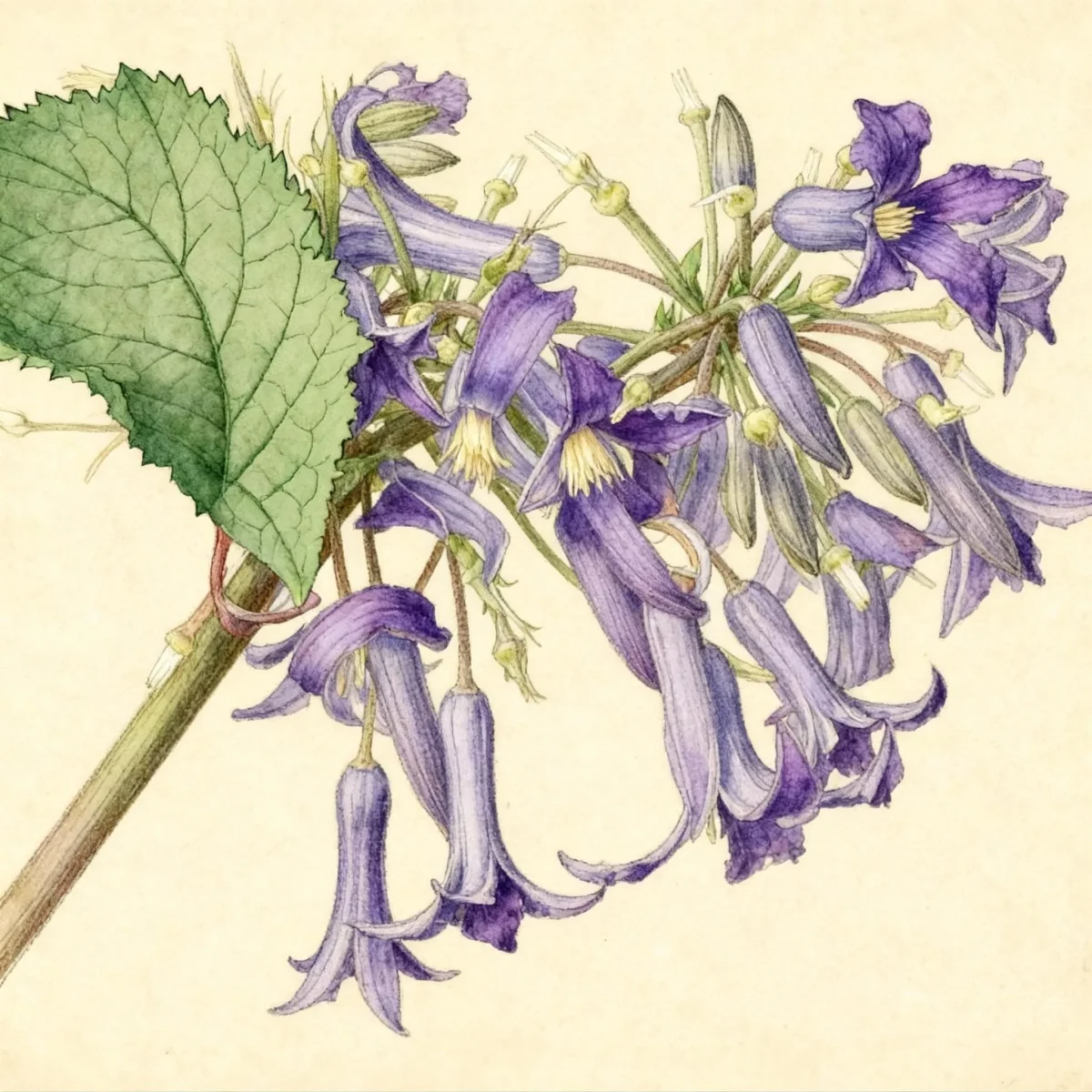
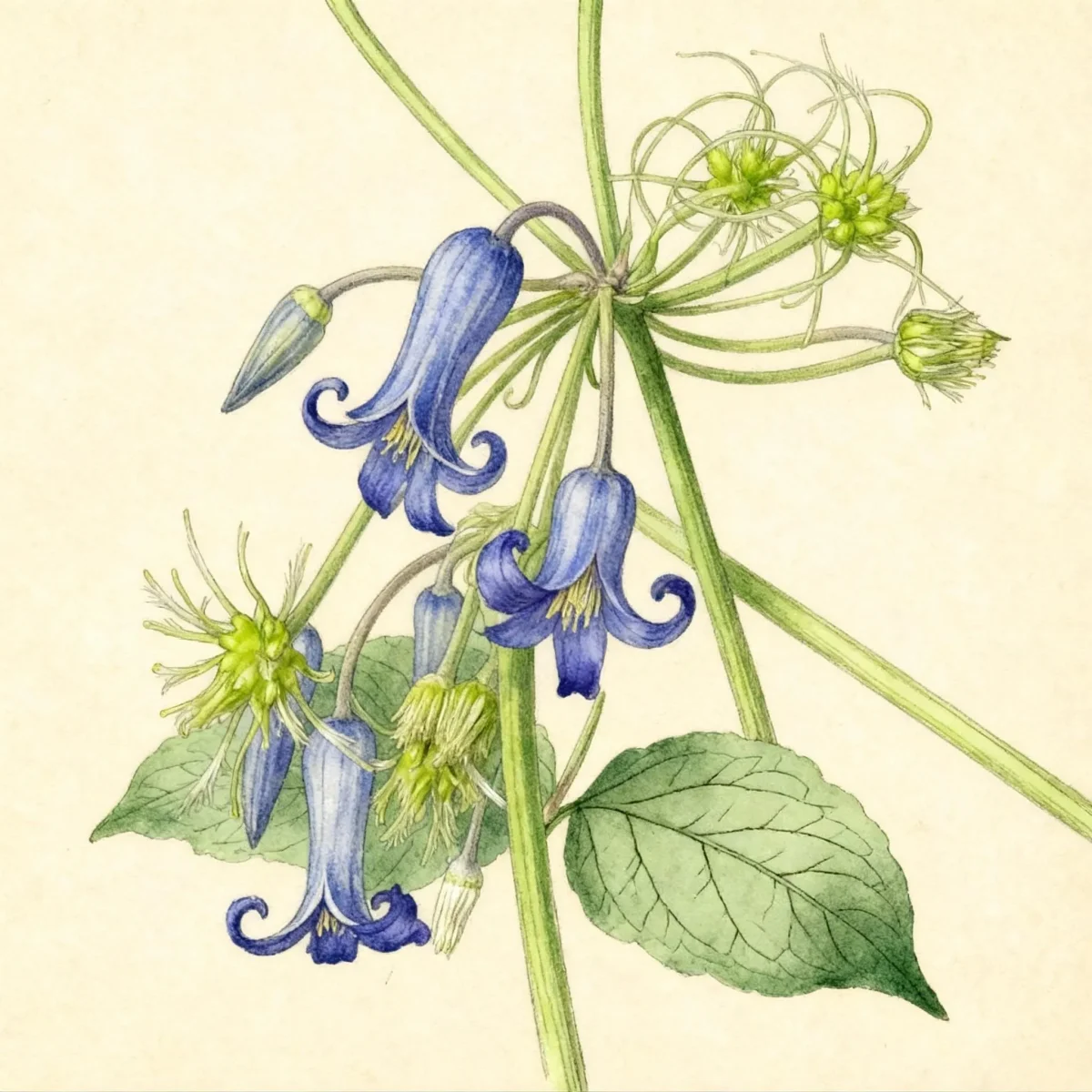
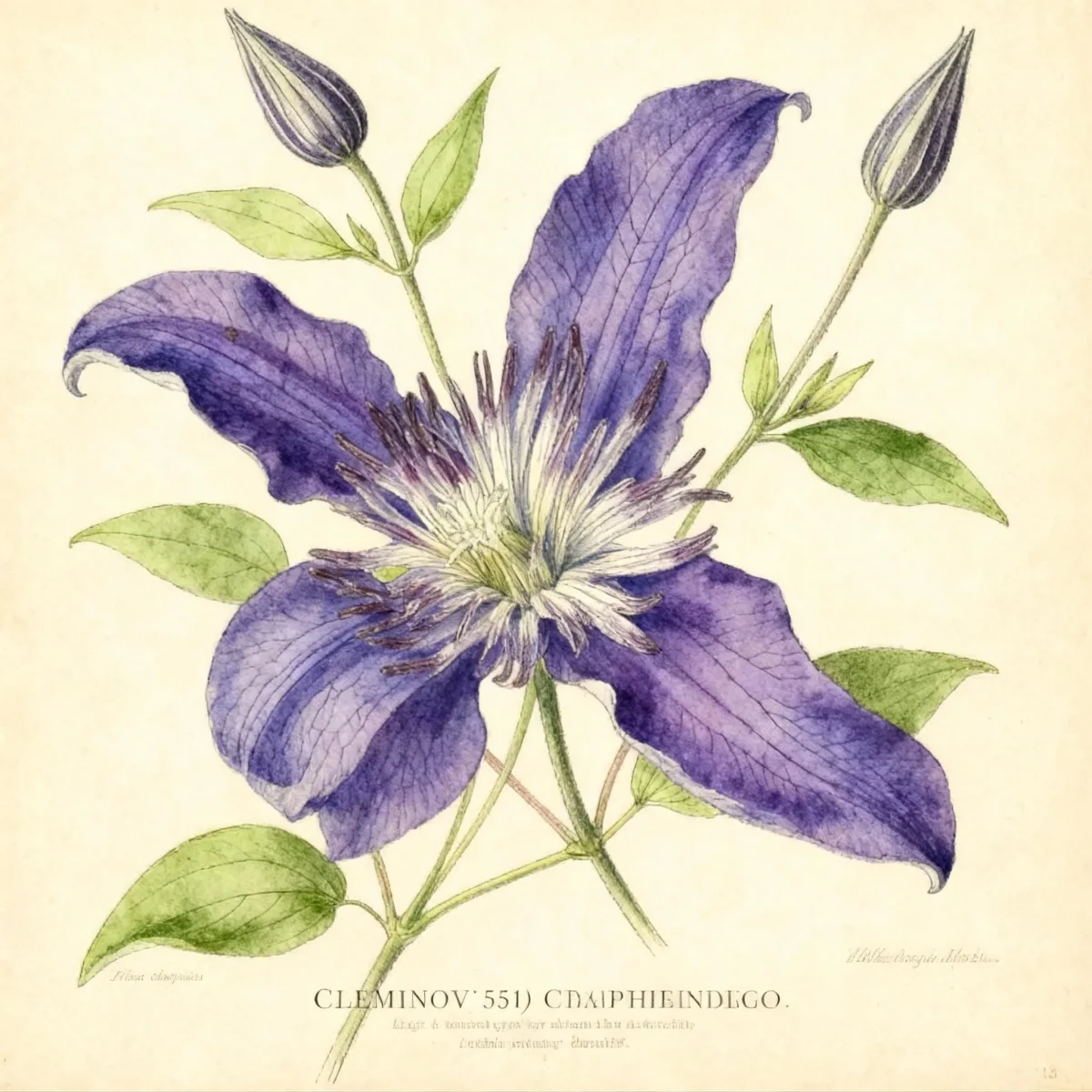
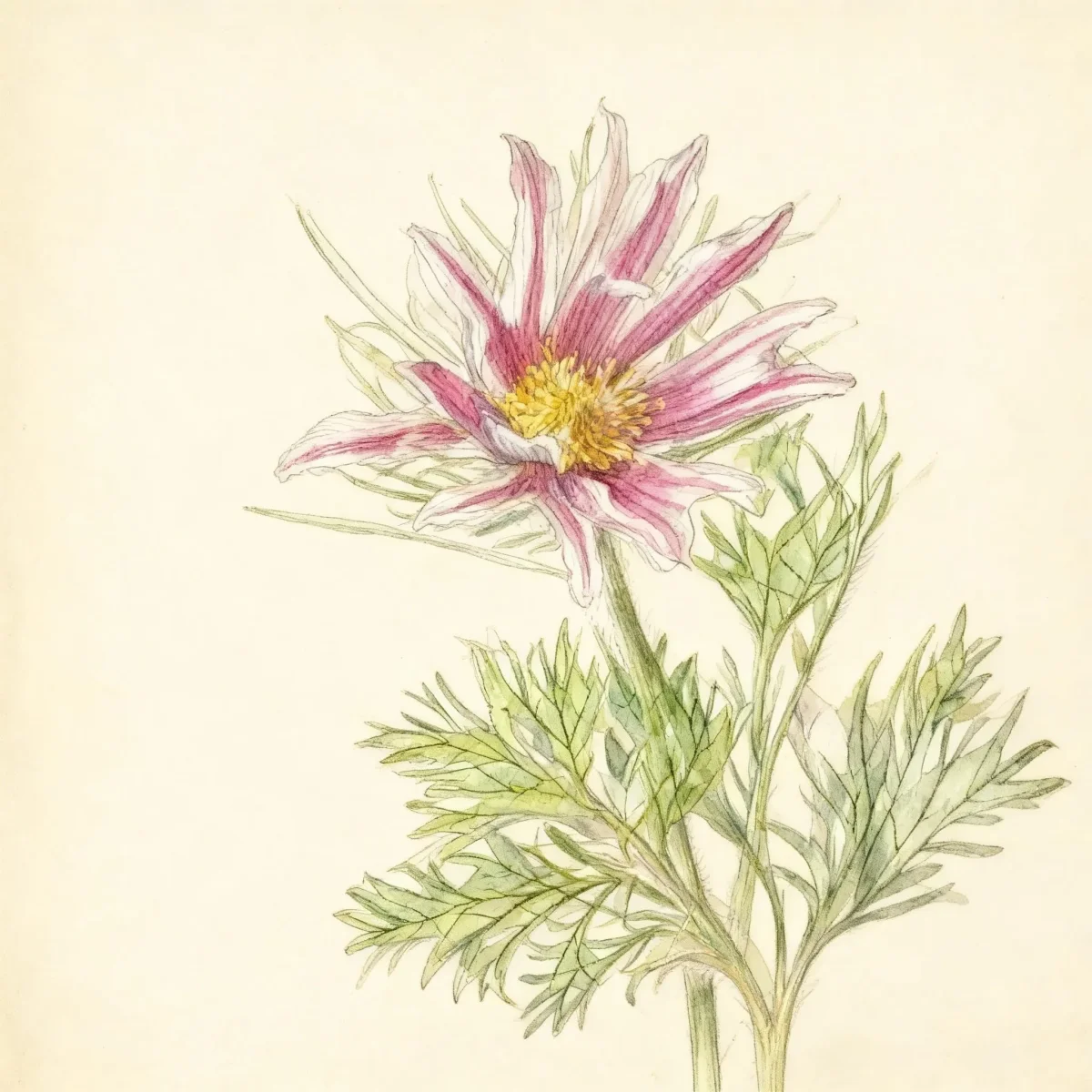
Clematis (Clematis 'Evipo030' BIJOU)
Discover Clematis 'Evipo030' BIJOU, a compact, low-maintenance herbaceous perennial known for violet blooms from June to September.
Scroll down to discover growing tips, care requirements, companion plants, and more
Complete Plant Information
Overview
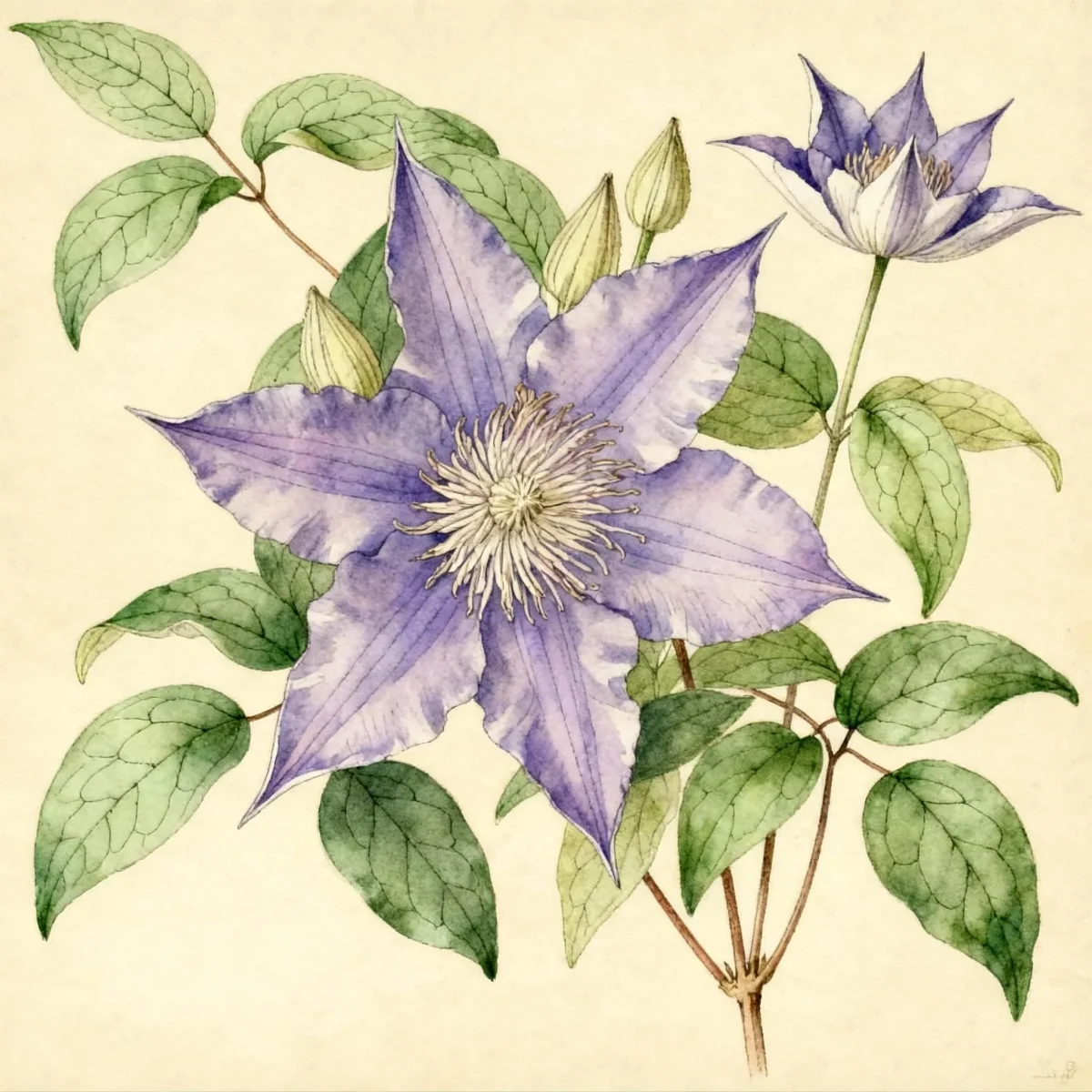
Clematis ‘Evipo030’ BIJOU is a highly desirable cultivar in the vast Clematis genus, valued for its exceptionally compact stature, making it perfect for smaller spaces and containers. This herbaceous perennial produces large, single, violet flowers measuring 3 to 4 inches across, offering a long blooming window from late spring well into early fall. Unlike many of its larger climbing cousins, Clematis ‘Evipo030’ BIJOU thrives as a mounding plant, requiring minimal structural support while still delivering significant visual impact.
Originating from a controlled cross, this specific Clematis hybrid was intentionally developed to maintain a manageable size, typically staying between one and two feet tall and wide. Its low maintenance requirements, coupled with robust flowering, make it an excellent choice for gardeners seeking established beauty without demanding constant upkeep. The dark green foliage provides a handsome backdrop for the vibrant violet blooms throughout the summer season.
This compact variety retains the classic elegance of the Clematis vine structure but is perfectly suited for use as a ground cover or as an edging plant. Enjoying a reputation for being low maintenance, Clematis ‘Evipo030’ BIJOU brings reliable color to borders, containers, and small garden beds for years across USDA Zones 4 through 8.
Fast Facts
- Plant Family: Ranunculaceae
- Plant Type: Herbaceous perennial
- Hardiness Zones: USDA Zones 4-8
- Size at Maturity:
- Height: 1-2 ft
- Spread: 1-1.5 ft
- Bloom Time: June to September
- Bloom Description: Violet
- Sun Exposure: Full sun to part shade
- Water Needs: Medium
- Maintenance Level: Low
How to Grow
The ideal establishment window for Clematis ‘Evipo030’ BIJOU is when planting in fertile, medium moisture, well-drained soils. While this Clematis appreciates full sun, ensure the roots are kept cool and shaded, even if the flowering parts receive ample light. Light afternoon shade is highly beneficial, particularly in hot, humid summer climates.
Watering should be consistent; do not allow the soil around your Clematis to dry out completely, as medium moisture is required for best performance. Although Clematis vines generally require support, the compact nature of BIJOU means it will often mound or sprawl, though you can train it if desired. Keep the root zone shaded using low perennials, small shrubs, or a thick layer of root mulch.
Crucially, this specific cultivar, Clematis ‘Evipo030’ BIJOU, is pruned as Group 2. For Group 2 Clematis, flowering occurs on both old and new wood. Little pruning is necessary; if you choose to prune for shape in the fall or spring, flowering may be slightly delayed but will not be prevented entirely.
Landscape Uses
Clematis ‘Evipo030’ BIJOU provides exceptional versatility in landscape design due to its mounding habit. While many Clematis species are used to dramatically scale walls or arbors, this compact variety excels where height is undesirable. It serves wonderfully as a sprawling ground cover, softening the edges of walkways or cascading over retaining walls.
Consider planting Clematis ‘Evipo030’ BIJOU in containers or patio pots; it was selectively bred specifically for robust growth in confined spaces without needing extensive vertical scaffolding. For garden borders, use it in the foreground combined with taller perennials that can shade its root zone effectively, supporting its cool-root requirement while its flowers provide mid-level color throughout the season.
Standout Features
Flower Qualities
- Showy
Noteworthy Characteristics
Clematis is a genus of over 250 species, most of which are woody to semi-woody deciduous vines climbing by twining leaf stalks or in some cases trailing over support, but in a few cases grow as freestanding or sprawling herbaceous perennials and small deciduous or evergreen shrubs. ‘Evipo030’, commonly sold under the trade name of BIJOU, is a very compact, early large-flowered clematis. It has large (3 to 4 in. In diameter), single, violet flowers with ruffled petals that bloom late spring to early fall, making this specific Clematis a standout feature in any display.
Tolerances
- Deer
- Black Walnut
Potential Problems
Be vigilant against common Clematis ailments, most notably wilt or stem rot, which can prove fatal to the plant if left unchecked. Symptoms often appear suddenly, affecting the plant’s ability to draw water. Ensure excellent drainage and avoid overwatering to mitigate rot risk, and treat affected areas promptly.
Pest issues common to this group include aphids, slugs, snails, and scale insects. Regularly inspect the stems and undersides of leaves for these pests. Powdery mildew, leaf spots, and rust are fungal concerns, often exacerbated by high humidity or poor air circulation; ensure plantings are not overly crowded.
Frequently Asked Questions
What hardiness zones is Clematis ‘Evipo030’ BIJOU suitable for?
This robust herbaceous perennial is suitable for growing in USDA Hardiness Zones 4 through 8.
How large does Clematis ‘Evipo030’ BIJOU grow?
Clematis ‘Evipo030’ BIJOU is compact, typically reaching a mature height between 1 to 2 feet, with a spread spanning 1 to 1.5 feet.
What sun exposure does Clematis ‘Evipo030’ BIJOU need?
This variety performs best when sited in full sun to part shade, ensuring that while the foliage enjoys the light, the vital root system remains shaded and cool.
When does Clematis ‘Evipo030’ BIJOU bloom?
You can expect beautiful violet blooms from this Clematis cultivar consistently throughout the summer, specifically from June to September.
Conclusion
The Clematis ‘Evipo030’ BIJOU offers gardeners the classic beauty of large-flowered Clematis in a uniquely compact, low-maintenance package perfect for modern landscapes and containers. With its vibrant violet blooms lasting months, this variety proves you don’t need height for dramatic effect. Before planting, confirm your garden location falls within USDA Zones 4-8 and plan to site it where roots are shaded to ensure years of reliable, low-effort flowering.
Companion Planting
Selecting appropriate neighbors is key to success with any Clematis, including the compact Clematis ‘Evipo030’ BIJOU. The primary goal is to shade the shallow root system while allowing the foliage access to necessary sun exposure. Excellent companions are low-growing perennials like Hostas, Coral Bells (Heuchera), or dwarf Astilbes, which offer contrasting foliage texture and height variation without competing aggressively for light or moisture at the soil surface.
These companion plants also contribute shade during the hottest parts of the day, helping to keep the root zone of your Clematis cool and uniformly moist, which supports the plant’s overall health and vigor. Avoid planting tall shrubs too closely, as dense shade at ground level can inhibit the lower branching structure of this low-growing form.
Seasonal Care Calendar
Spring preparation is vital for Clematis, focusing on mulching and pruning. As new growth emerges, assess your pruning needs—remembering that BIJOU is Group 2—and remove any obvious dead or damaged wood. Apply a heavy layer of organic mulch around the base to maintain cool roots throughout the growing season.
During the summer months, the focus shifts entirely to consistent watering. Since Clematis prefers medium moisture and dislikes drying out, check soil moisture regularly, especially during dry spells or when grown in containers. Avoid high-nitrogen fertilizers, opting instead for a balanced fertilizer feed applied lightly after the initial spring flush of growth.
Fall cleanup for Clematis involves preparing the roots for dormancy rather than aggressive cutting. Gently clear away fallen leaves away from the stem base to prevent potential overwintering diseases. Do not cut back stems severely unless necessary, as Group 2 pruning is often best delayed until early spring when you can clearly distinguish old wood from new growth.