Clematis (Clematis 'Diamond Ball')
Discover Clematis 'Diamond Ball', a low-maintenance vine offering showy, double white and pale lavender-blue flowers from June through August.
Scroll down to discover growing tips, care requirements, companion plants, and more

Complete Plant Information
Overview
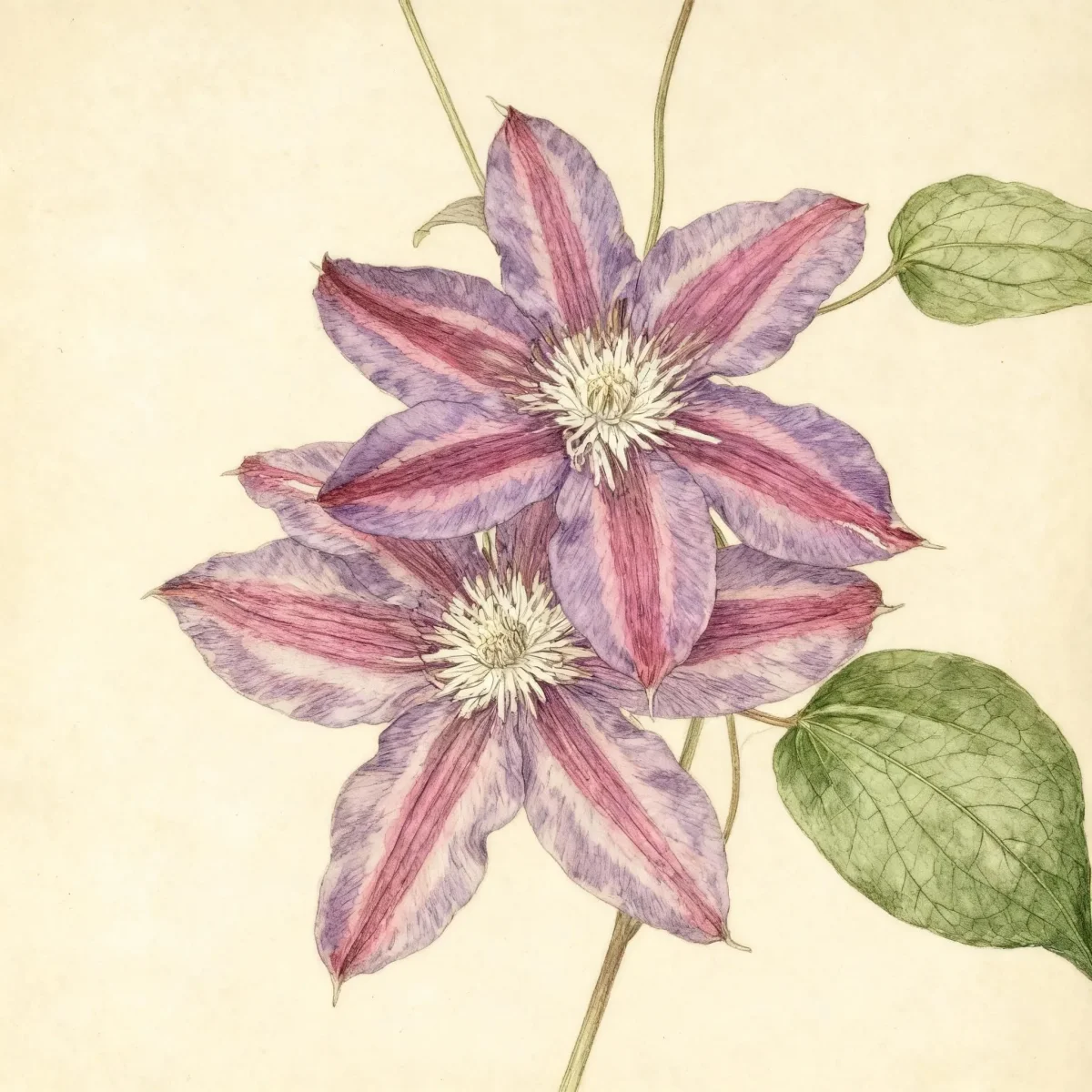
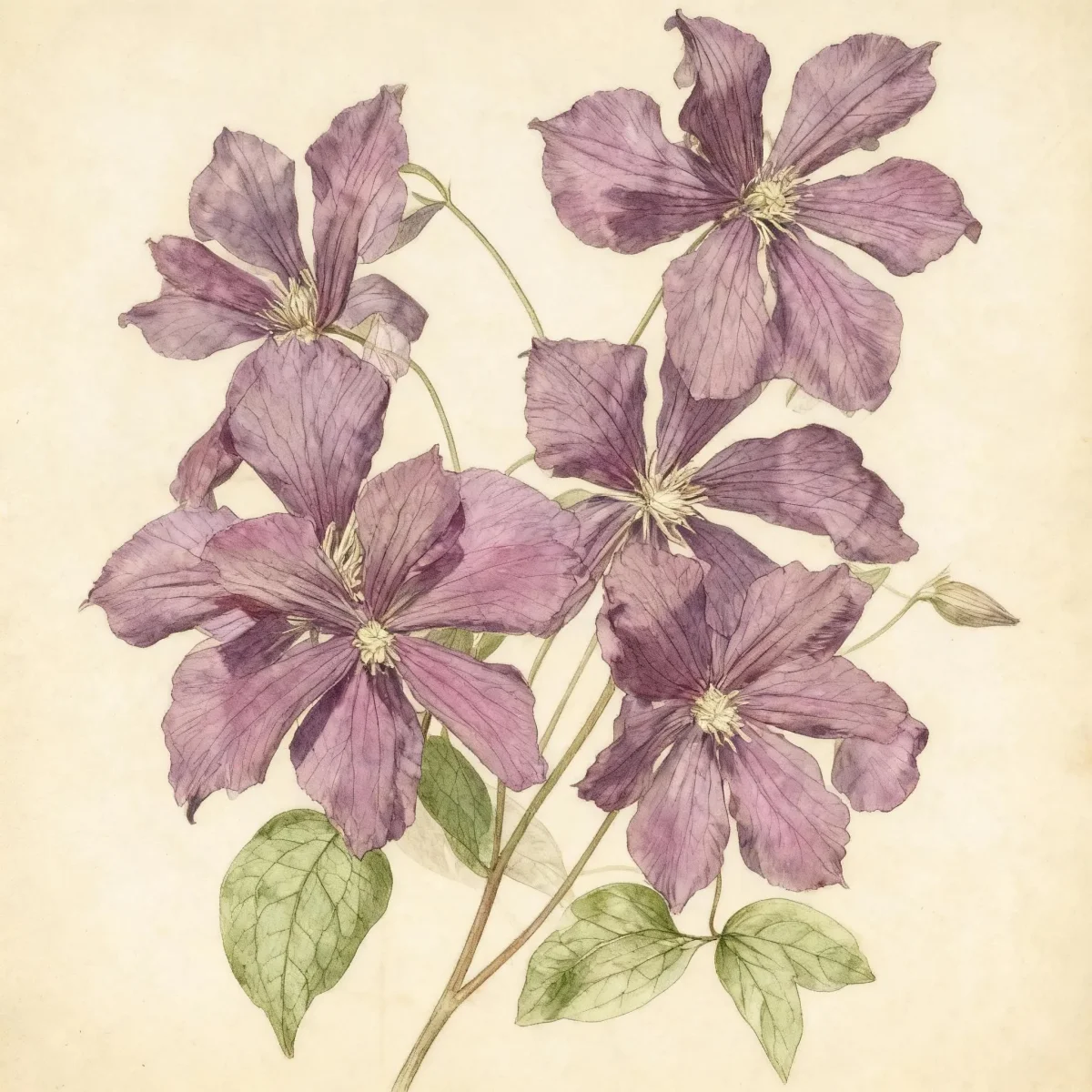
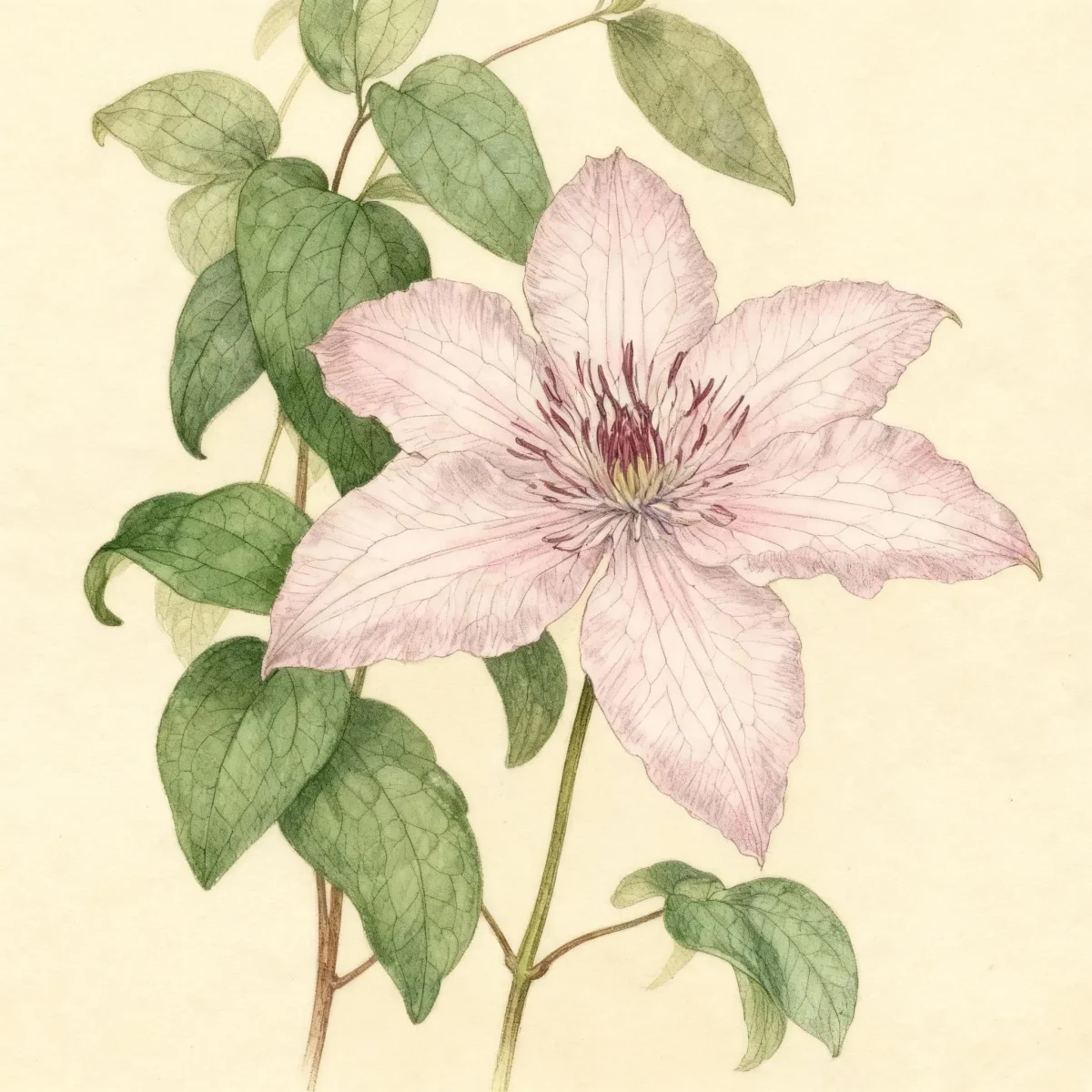
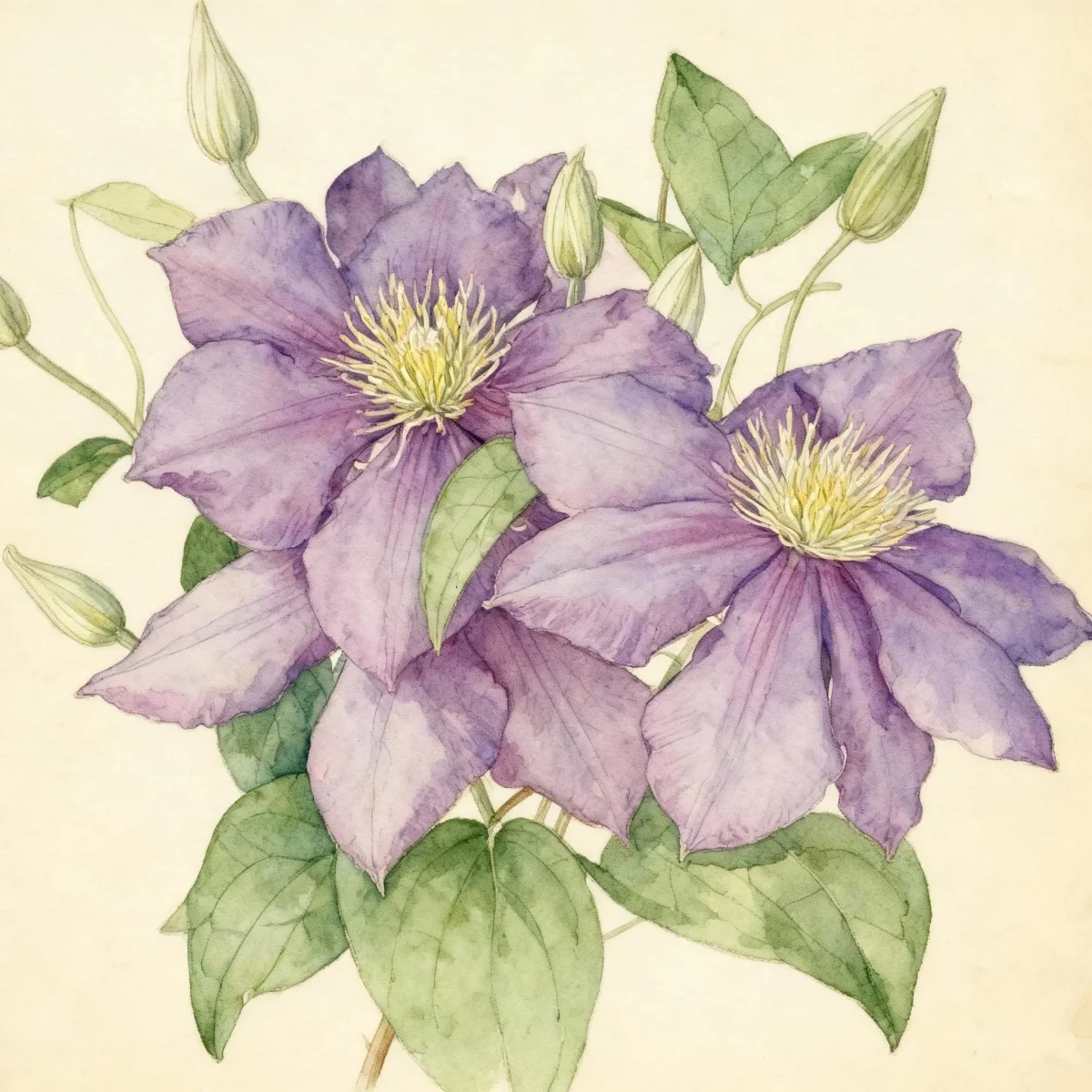
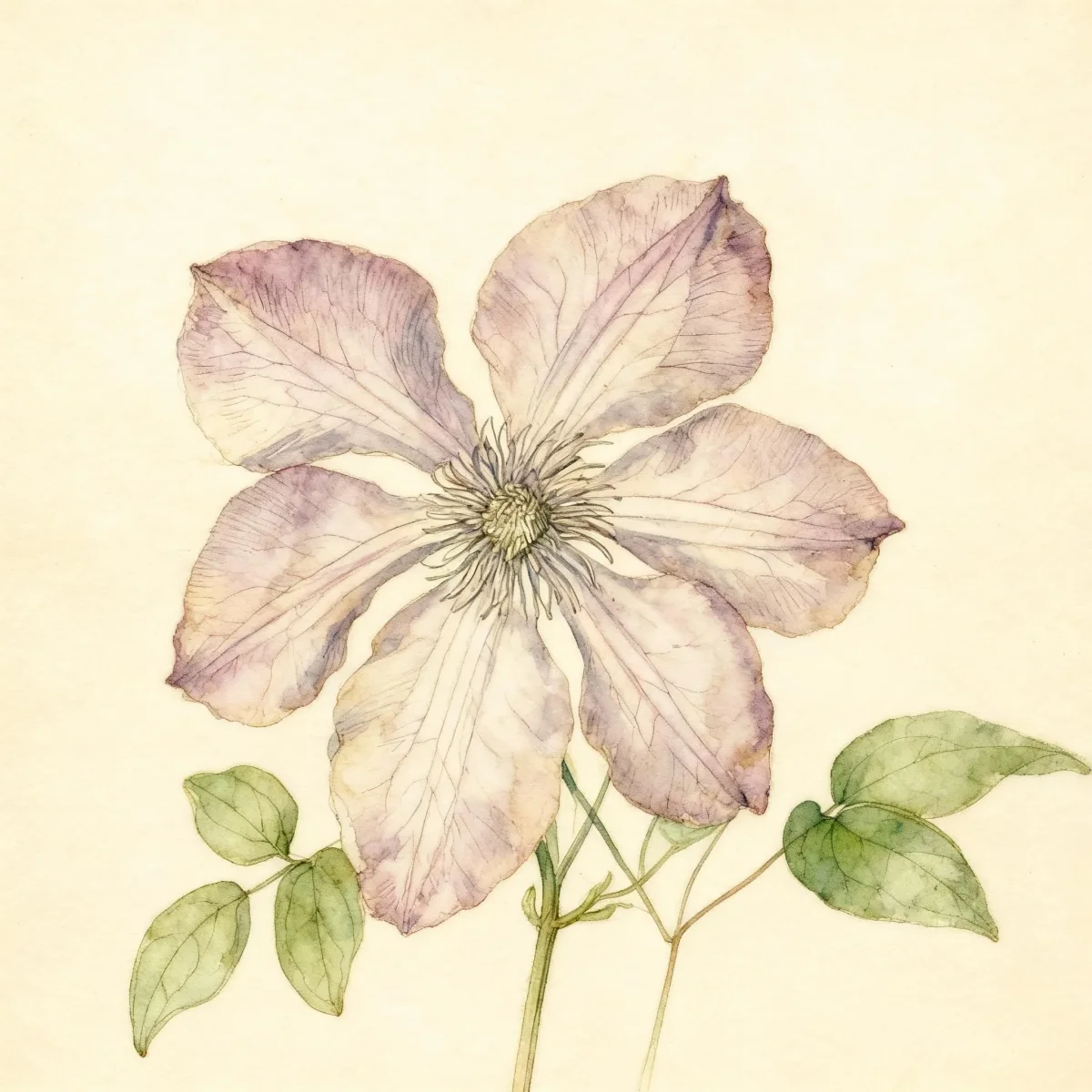
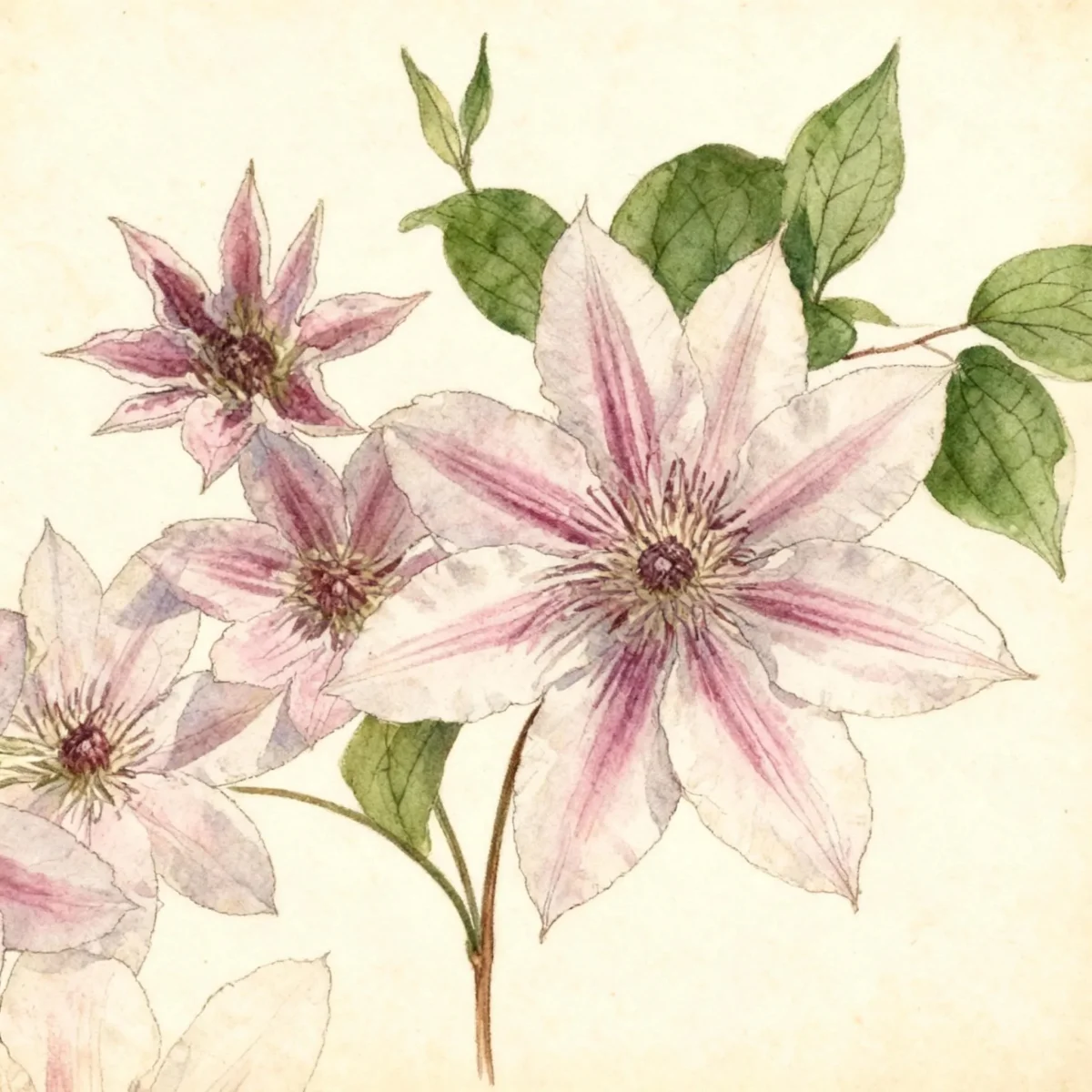
Clematis ‘Diamond Ball’ is a captivating woody vine celebrated for its robust performance and striking double flowers, making it a stellar choice for vertical accents in the garden. This cultivar features spectacular round to semi-spherical blooms, measuring 4 to 5 inches across, which display a pristine white hue lightly tinged with pale lavender blue. As a Group 2 Clematis, ‘Diamond Ball’ offers reliable flowering on both old and new wood, providing garden interest from early summer through the peak heat of mid-summer.
This specific Clematis variety is relatively compact, maturing between 5 to 6 feet tall, which suits smaller garden spaces or mixed perennial borders where height is desired without overwhelming neighboring plants. Its low maintenance needs and impressive durability across USDA zones 4 through 9 ensure that gardeners can enjoy this showy display with minimal fuss, provided the basic cultural needs of the genus are met.
A key requirement for enjoying the best performance from Clematis ‘Diamond Ball’ is ensuring the roots remain cool, shaded, and consistently moist while the leafy vines flourish in sun or partial shade. Successful cultivation results in a highly architectural plant that adds immediate, colorful impact wherever a trellis, arbor, or support structure is available.
Fast Facts
- Plant Family: Ranunculaceae
- Plant Type: Vine
- Hardiness Zones: USDA Zones 4-9
- Size at Maturity:
- Height: 5-6 ft
- Spread: 2-3 ft
- Bloom Time: June to August
- Bloom Description: White to very pale lavender blue
- Sun Exposure: Full sun to part shade
- Water Needs: Medium
- Maintenance Level: Low
How to Grow
Planting Clematis ‘Diamond Ball’ is best achieved in fertile, medium moisture, well-drained soils. Ideal placement involves positioning the roots in shade while allowing the main body of the vine to receive full sun to part shade exposure. In hot, humid climates, providing some light afternoon shade helps protect the foliage during the hottest part of the day.
Care requires consistency, particularly regarding moisture; do not allow the soils surrounding Clematis vines to dry out. Water deeply when needed to keep the root zone uniformly moist. To maintain cool roots, which is crucial for this variety, shade the root area using low-growing perennials, small shrubs, or a thick layer of mulch.
This variety, Clematis ‘Diamond Ball’, falls under Group 2 pruning guidelines. This means pruning is minimal; typically, you only remove dead or damaged stems in late winter or early spring. Major pruning is acceptable but may delay or slightly reduce flowering compared to light touch-ups. Always ensure a sturdy trellis or support structure is in place before the vine establishes itself.
Landscape Uses
Clematis vines are masters of vertical gardening, offering excellent architectural height that suits nearly any structure requiring coverage. Clematis ‘Diamond Ball’ can be elegantly trained up a wall, fence, trellis, or arbor, providing a dense screen or focal point. Its relatively moderate height (5–6 ft) prevents it from becoming overly aggressive in smaller yards.
Beyond traditional supports, this Clematis can be planted deliberately to sprawl over and through supporting shrubs, adding seasonal flower interest to the shrub’s frame. It also functions beautifully sprawling over old stumps or used in large containers, enhancing patios or decks. The clean white flowers of Clematis ‘Diamond Ball’ contrast beautifully against dark green foliage shrubs or reddish-leafed companions.
Standout Features
Flower Qualities
- Showy
Noteworthy Characteristics
Clematis is a genus of over 250 species, most of which are woody to semi-woody deciduous vines climbing by twining leaf stalks or in some cases trailing over support, but in a few cases grow as freestanding or sprawling herbaceous perennials and small deciduous or evergreen shrubs. ‘Diamond Ball’ originated from an open-pollination of two unidentified selections of Clematis hybrida in Pruszkow, Poland, featuring double-petaled, 4 to 5 in. across, round to semi-spherical flowers that are white and lightly tinted with pale lavender blue. Cultivated plants are often divided into three groups based on pruning needs; specifically, ‘Diamond Ball’ is pruned as Group 2, meaning flowers appear on both old and new wood.
Tolerances
- Rabbit
- Deer
- Black Walnut
Potential Problems
Clematis vines, including Clematis ‘Diamond Ball’, can be susceptible to serious issues like wilt or stem rot, which can prove fatal if not spotted early. Prevention is key, focusing on excellent drainage and avoiding overwatering to mitigate root problems. Fungal diseases like powdery mildew, leaf spots, and rust are common, especially during humid periods; ensure good air circulation around the foliage.
Monitor for common pests such as aphids, slugs, snails, and scale insects. Regular inspection, especially on new growth, allows for quick treatment, often achievable with insecticidal soap for softer-bodied pests. Watch closely for spider mites when conditions are hot and dry, as they can rapidly infest the leaves of your Clematis.
Frequently Asked Questions
What hardiness zones is Clematis ‘Diamond Ball’ suitable for?
Clematis ‘Diamond Ball’ is robustly hardy, thriving in USDA Zones 4 through 9.
How large does Clematis grow?
This vigorous vine typically reaches a desirable height of 5 to 6 feet, with a spread of 2 to 3 feet at maturity.
What sun exposure does Clematis need?
For optimal blooming, Clematis ‘Diamond Ball’ prefers full sun to part shade, though the roots must always be shaded and kept cool.
When does Clematis bloom?
You can expect the dazzling white to pale lavender-blue double blooms of Clematis to appear consistently from June through August.
Conclusion
Clematis ‘Diamond Ball’ provides exceptional value through its reliable summer color and its low overall maintenance requirements once established in the correct location. Utilizing this charming Clematis to introduce vertical appeal ensures months of eye-catching beauty from its semi-spherical white flowers. Before planting, confirm your site offers the dappled light and root shade necessary to keep your new Clematis thriving.
Companion Planting
Selecting companions for Clematis ‘Diamond Ball’ should prioritize plants that thrive in similar soil moisture levels (medium) and, critically, those that provide the beneficial shade required for the Clematis roots. Low-growing, shade-tolerant perennials work perfectly in this role, essentially serving as a living mulch. Consider pairing it with Hostas or Astilbes, whose broad leaves keep the soil cool during summer heat.
For seasonal interest following the Clematis bloom, late-season bloomers can take over the spot where the vine attracts attention. Plants with contrasting leaf textures, such as Japanese Forest Grass or Heuchera (Coral Bells) with dark foliage, enhance the structure of the garden even when the Clematis is dormant or just beginning its cycle. Ensure companions do not aggressively compete with the relatively shallow root system of the Clematis vine.
Seasonal Care Calendar
Spring: This is the prime time for structural assessment and very light pruning, as ‘Diamond Ball’ is a Group 2 type. Apply a slow-release fertilizer formulated for flowering vines around the base, avoiding direct contact with the stem. Begin shading the base area immediately with mulch or low plantings.
Summer: Maintain consistent, medium watering, focusing deeply at the root zone during dry spells. Deadhead spent flowers if desired, though this is not often necessary for this variety. Monitor actively for mildew during high humidity periods and apply preventive treatments if prone to the issue.
Autumn/Winter: As foliage drops, this vine is dormant. Protect the crown area with an extra layer of insulating mulch in colder regions (Zone 4/5). Avoid heavy pruning unless removing damaged wood, as aggressive cuts in late fall or winter can affect the following spring’s flowering, given its Group 2 classification.