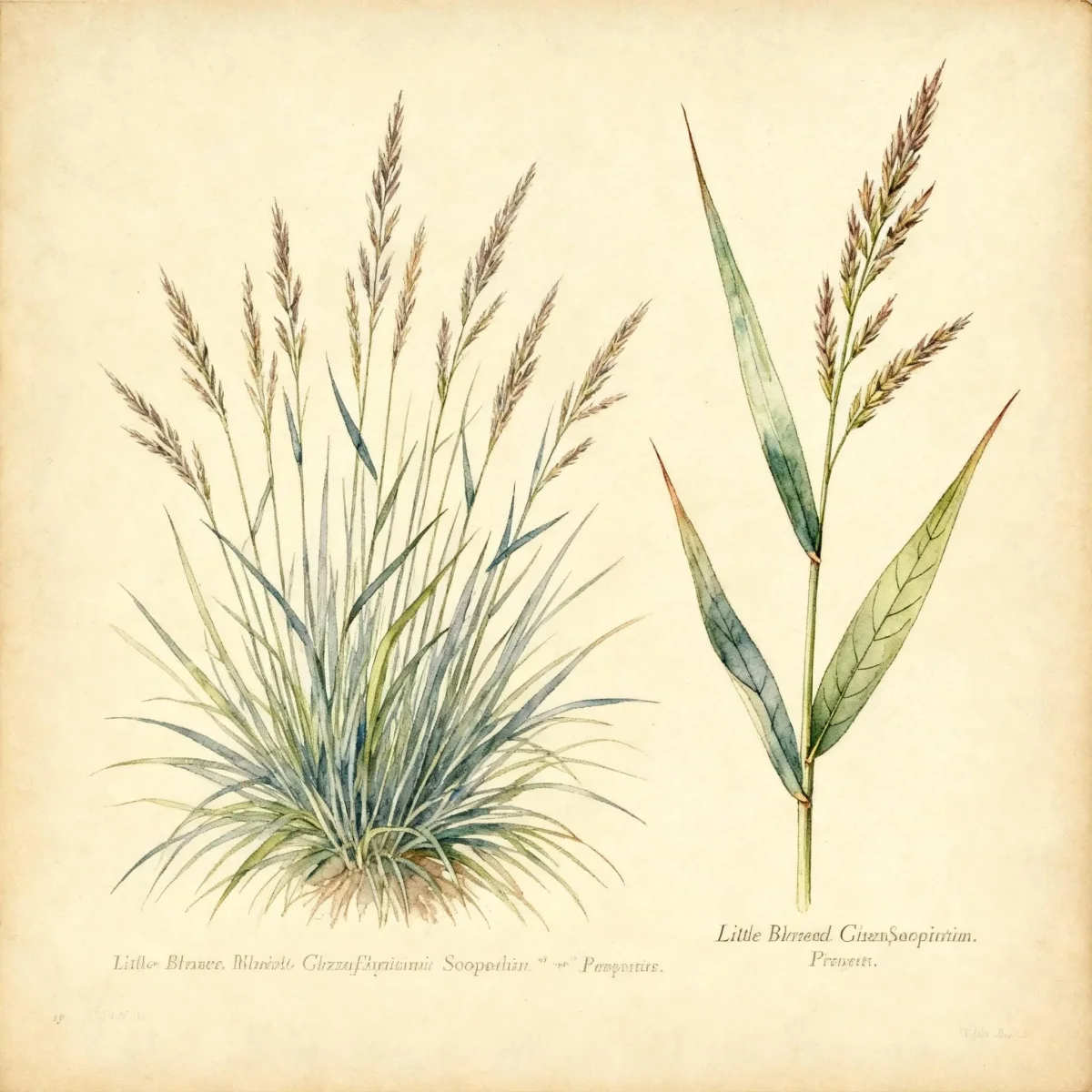
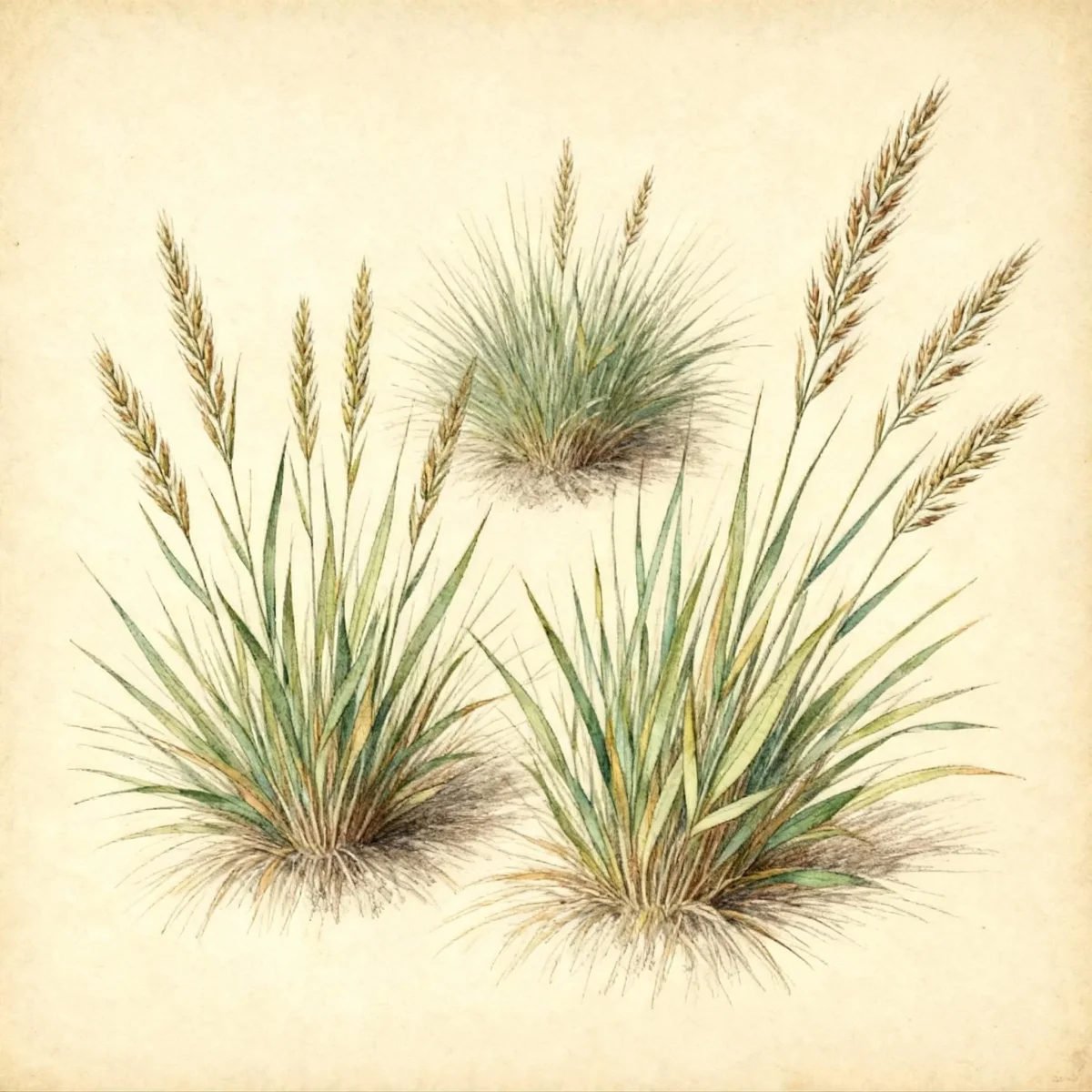
Little bluestem (Schizachyrium scoparium 'Carousel')
Discover Schizachyrium scoparium 'Carousel', a compact Little bluestem celebrated for its tough, four-season interest and low maintenance.
Scroll down to discover growing tips, care requirements, companion plants, and more
Complete Plant Information
Overview
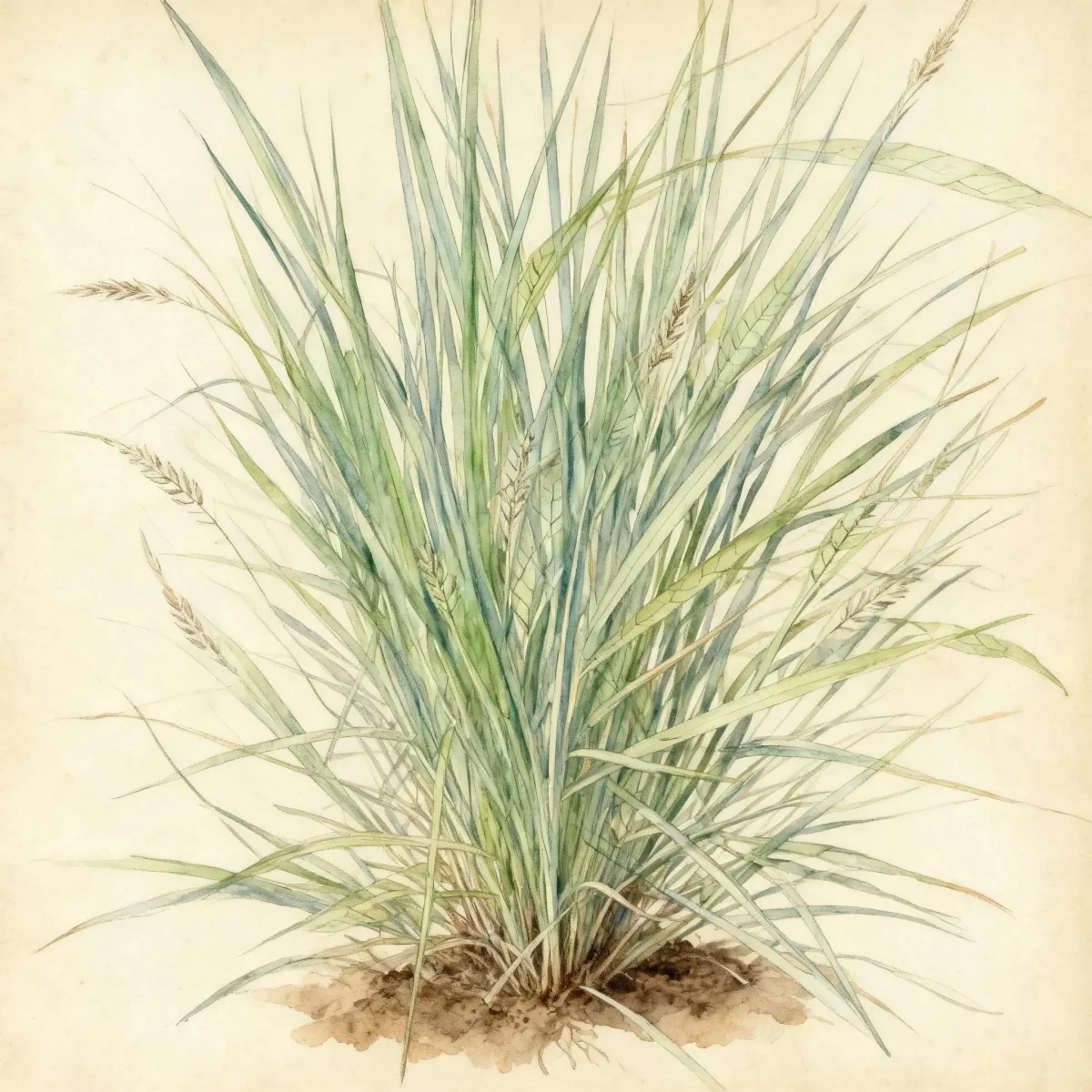
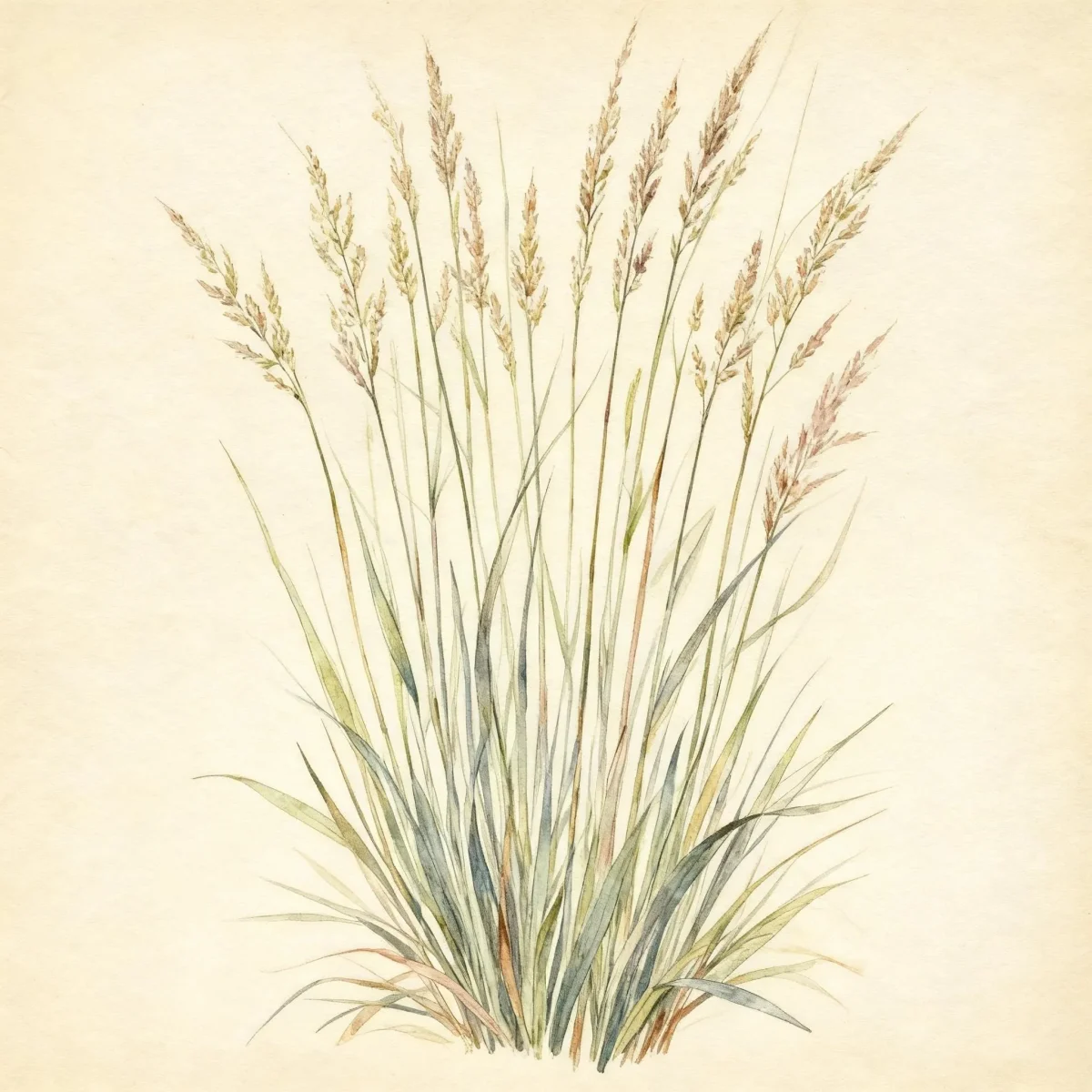
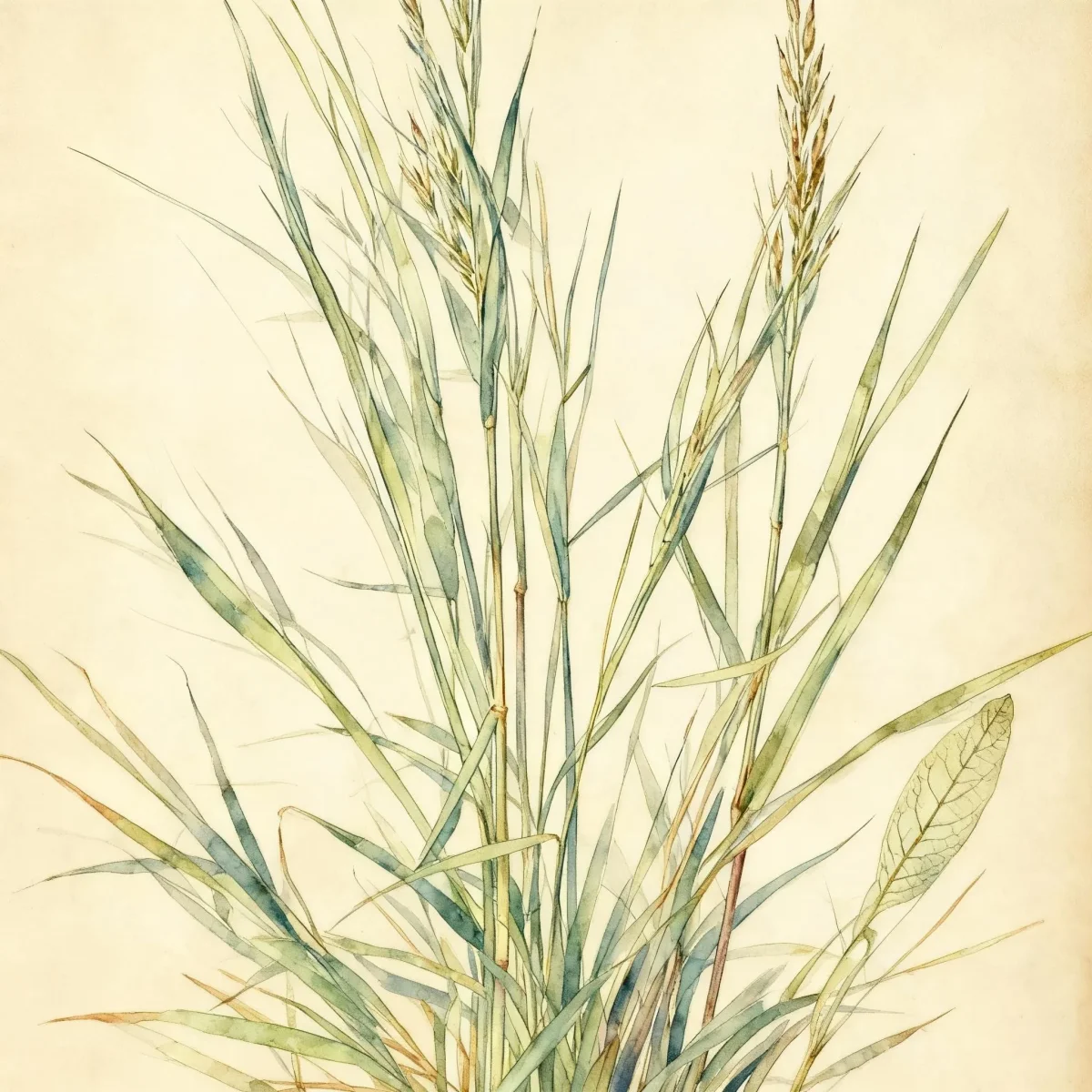
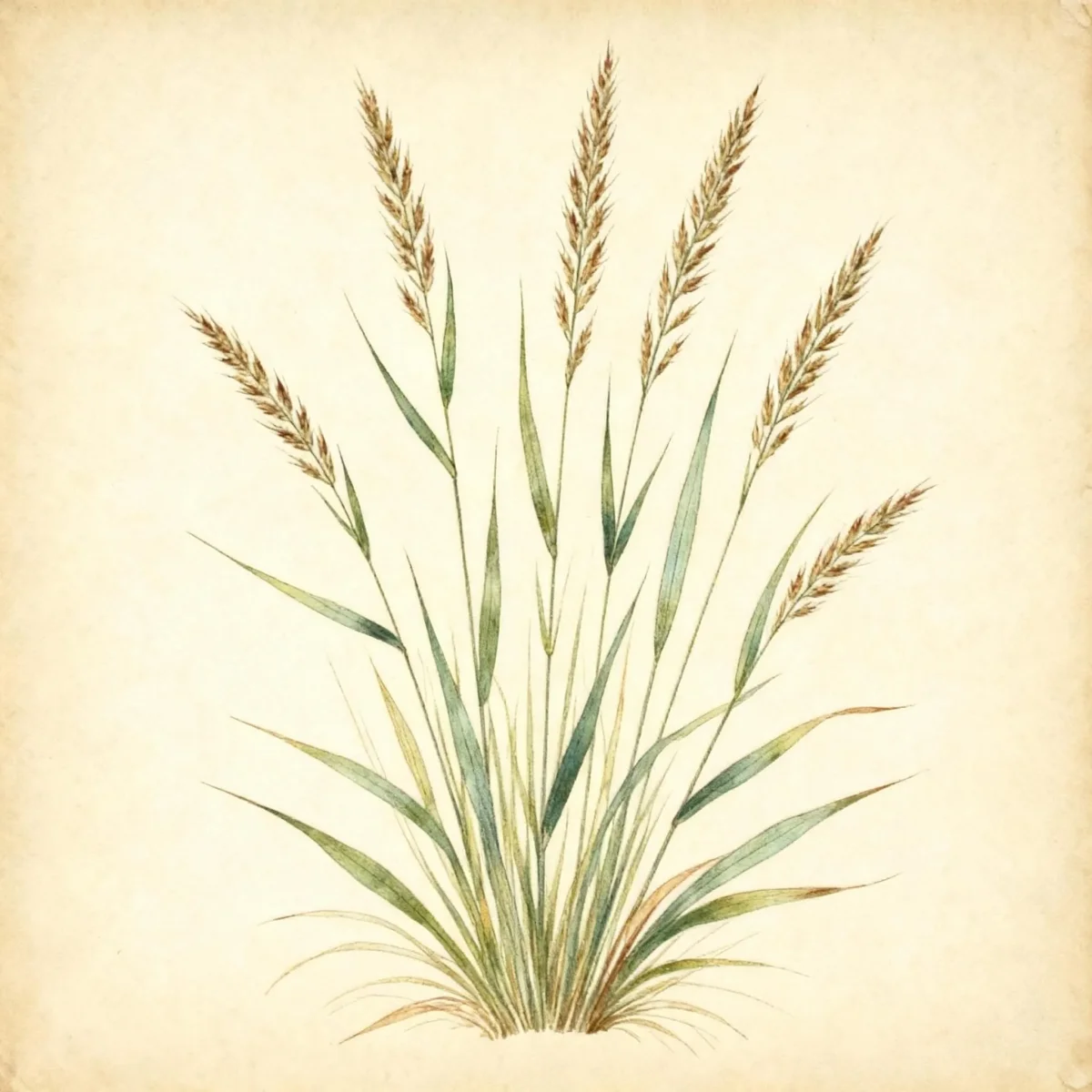
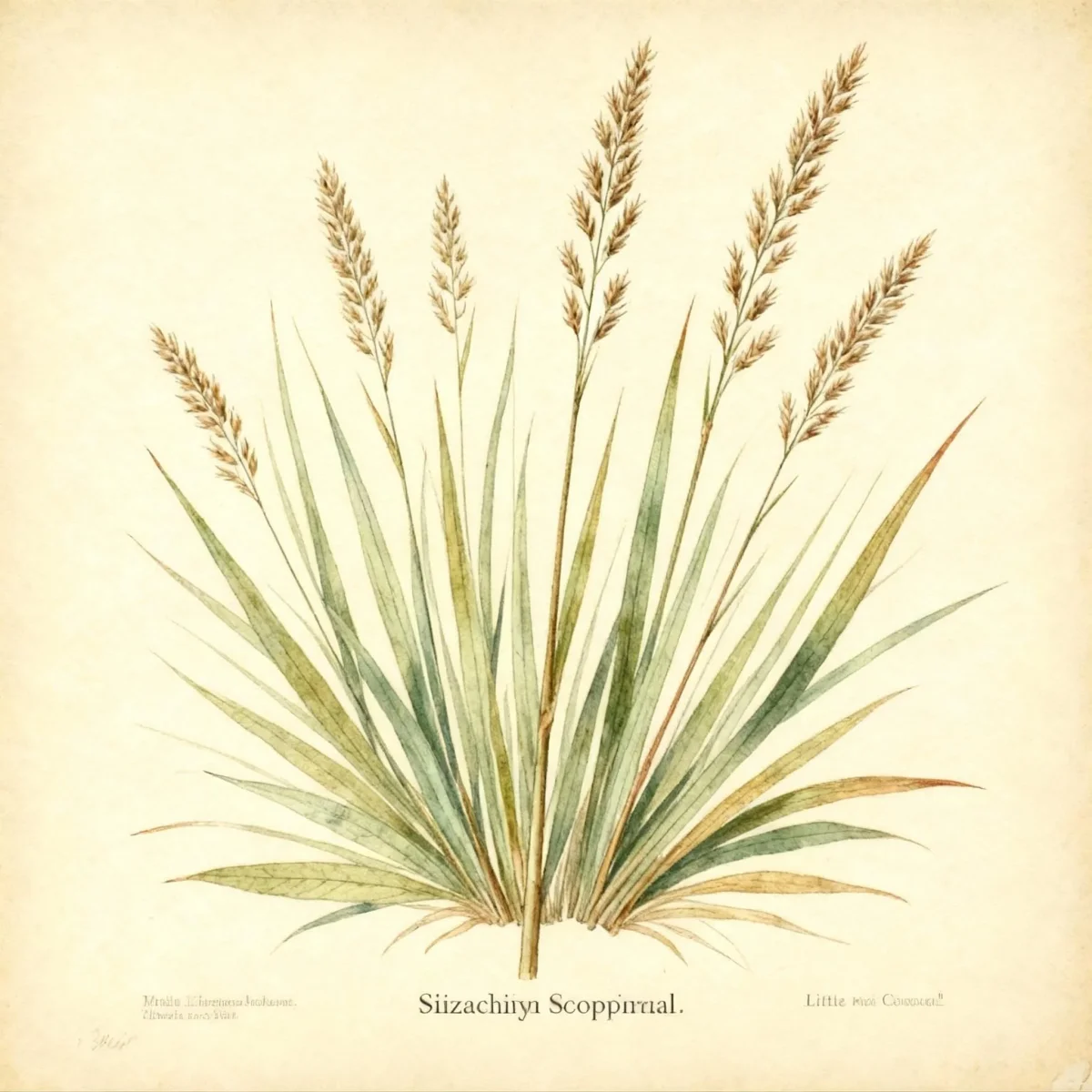
Schizachyrium scoparium ‘Carousel’, commonly known as Little bluestem, is a stunning native ornamental grass prized for its rugged constitution and exceptional four-season display. Unlike the species, the ‘Carousel’ cultivar maintains a notably compact, rounded habit, making it exceptionally reliable for structured garden designs without lodging. This selection brings dynamic color shifts, starting with blue-green summer foliage accented by rosy streaks, transforming into rich coppers and reds in autumn.
This tough native grass thrives in demanding sites where many other perennials struggle, offering ecological benefits alongside low water needs once established. The structural contribution of Little bluestem throughout the winter, marked by persistent silvery seed heads, ensures visual interest long after the summer bloom ends. Gardeners rely on Schizachyrium scoparium ‘Carousel’ for adding texture and vertical interest effortlessly.
The compact nature of Schizachyrium scoparium ‘Carousel’—staying around 2.5 feet tall—makes it perfect for edging borders or integrating into layered perennial beds where its superior hardiness shines. Its ability to withstand poor soils, heat, and drought confirms its status as a cornerstone plant for sustainable, low-effort landscaping.
Fast Facts
- Plant Family: Poaceae
- Plant Type: Ornamental grass
- Hardiness Zones: USDA Zones 3-9
- Size at Maturity:
- Height: 2-2.5 ft
- Spread: 2-2.5 ft
- Bloom Time: August to February
- Bloom Description: Purple-brown maturing to silvery white
- Sun Exposure: Full sun
- Water Needs: Dry to medium
- Maintenance Level: Low
How to Grow
Little bluestem thrives when planted in full sun conditions; insufficient light encourages the stems to flop later in the season, diminishing its upright form. It prefers average, dry to medium moisture, well-drained soils but exhibits remarkable adaptability, performing well even in clay soils or poor, dry substrates. Planting in spring is ideal, giving the root system time to establish before the intense heat of summer arrives.
Maintenance for Schizachyrium scoparium ‘Carousel’ is decidedly low. It requires no supplemental fertilizer once established, as good soils can actually encourage excessive growth that reduces its excellent drought tolerance. Watering should be minimal; allow the soil to dry between waterings, knowing this grass handles dry spells with ease, even tolerating occasional inundation.
The primary cultural task involves rejuvenation pruning. Cut the entire clump close to the ground in late winter or very early spring before new growth begins. This practice removes the old beige winter foliage and encourages the fresh, colorful upright growth that defines the beauty of this Little bluestem cultivar.
Landscape Uses
Schizachyrium scoparium ‘Carousel’ is exceptionally versatile, moving seamlessly from formal borders to naturalistic settings. Its compact, upright structure makes it a standout choice for mass plantings within rain gardens, capturing runoff while providing seasonal texture. It also functions beautifully in rock gardens or along wood margins where it requires minimal hands-off care.
For cottage or wild gardens, massing this ornamental grass creates a restful, prairie-like sweep that contrasts well with mounding perennials. Grouping Little bluestem alongside plants that share its love for full sun and sharp drainage—such as coneflowers, black-eyed Susans, or native sedges—will ensure a cohesive, highly resilient planting scheme. Its manageable size prevents it from overpowering neighbors, making it a dependable mid-layer structure plant.
Standout Features
Flower Qualities
- Insignificant
Noteworthy Characteristics
Schizachyrium scoparium, commonly called little bluestem, is native to prairies, fields, clearings, hills, limestone glades, roadsides, waste areas and open woods from Alberta to Quebec south to Arizona and Florida. It was one of the dominant grasses of the vast tallgrass prairie region which once covered rich and fertile soils in many parts of central North America. The cultivar ‘Carousel’ was specifically selected for its compact and rounded habit and its upright stems that do not lodge in fall and winter, standing significantly shorter than the species reaching only 2 to 2.5 feet tall. Its fall coloration includes a mixture of copper, beige, orange red and mahogany, while its plumes of silvery-white seed heads offer ornamental value well into the cold season.
Tolerances
- Deer
- Drought
- Erosion
- Dry Soil
- Shallow-Rocky Soil
- Black Walnut
- Air Pollution
Potential Problems
This tough Little bluestem variety generally exhibits no serious insect or disease problems, which contributes significantly to its low maintenance appeal. Preventative care focuses mainly on proper siting to ensure adequate sun exposure; planting in deep shade is the primary cause of poor performance, leading to weak stems that cannot support the foliage or flowers. Avoid overly rich soils or excessive watering, as these conditions can cause rot or promote flopping behavior that obscures the handsome cultivar traits.
When cultural needs are met, gardeners can expect consistent, worry-free performance year after year from Schizachyrium scoparium ‘Carousel’.
Frequently Asked Questions
What hardiness zones is Little bluestem suitable for?
This variety is quite cold-hardy, thriving in USDA Zones 3 through 9, making it suitable for a very large portion of the contiguous United States.
How large does Schizachyrium scoparium ‘Carousel’ grow?
This cultivar has a compact size ideal for borders, typically reaching heights and spreads between 2 and 2.5 feet tall and wide.
When does Little bluestem bloom?
The flowering period extends from August into February, with the purple-brown flowers maturing into ornamental, silvery-white seed heads persisting through winter.
What sun exposure does Schizachyrium scoparium ‘Carousel’ need?
To maintain its upright habit and best coloration, this ornamental grass must be planted in full sun.
Conclusion
The adaptability, stunning seasonal color shifts, and extremely low demands make Schizachyrium scoparium ‘Carousel’ an essential choice for sustainable garden design. Its compact structure solves common height issues associated with native grasses, ensuring reliable performance whether used as an accent or mass planting. Check your local hardiness zone compatibility and plan to implement your spring or fall planting schedule to establish this beautiful Little bluestem.
Companion Planting
When selecting companions for Schizachyrium scoparium ‘Carousel’, focus on plants that share its requirement for full sun and appreciate dry to medium soil conditions. Pairing it with drought-tolerant perennials creates a tapestry effect that requires minimal supplemental irrigation once the planting is mature. Consider Dracaena (Sentry Iris) or Coreopsis varieties, whose contrasting textures and forms complement the fine blades of the grass.
For a cohesive, prairie-inspired look, utilize other tough natives like Echinacea purpurea (Purple Coneflower) or Rudbeckia fulgida (Black-Eyed Susan). In the fall and winter, when the grass shows its best color, companions that offer late-season structure, such as ornamental onions or late-blooming Sedum, provide excellent visual anchors near the base of the Little bluestem clump.
Wildlife Benefits
As a dominant grass of the original tallgrass prairie ecosystem, Little bluestem offers substantial ecological value, which is retained in the ‘Carousel’ cultivar. The dense clumps provide excellent cover and nesting material for small birds and beneficial insects over the winter months. Furthermore, the abundant seed production, noted by the fluffy, silvery-white plumes following the flowers, serves as a valuable food source for many bird species throughout the dormant season.
Planting Schizachyrium scoparium ‘Carousel’ in masses can help stabilize erosion-prone slopes due to its robust root system, simultaneously creating habitat structure. By choosing this native grass, gardeners support local biodiversity while reducing the intensity of garden maintenance required for a beautiful display.