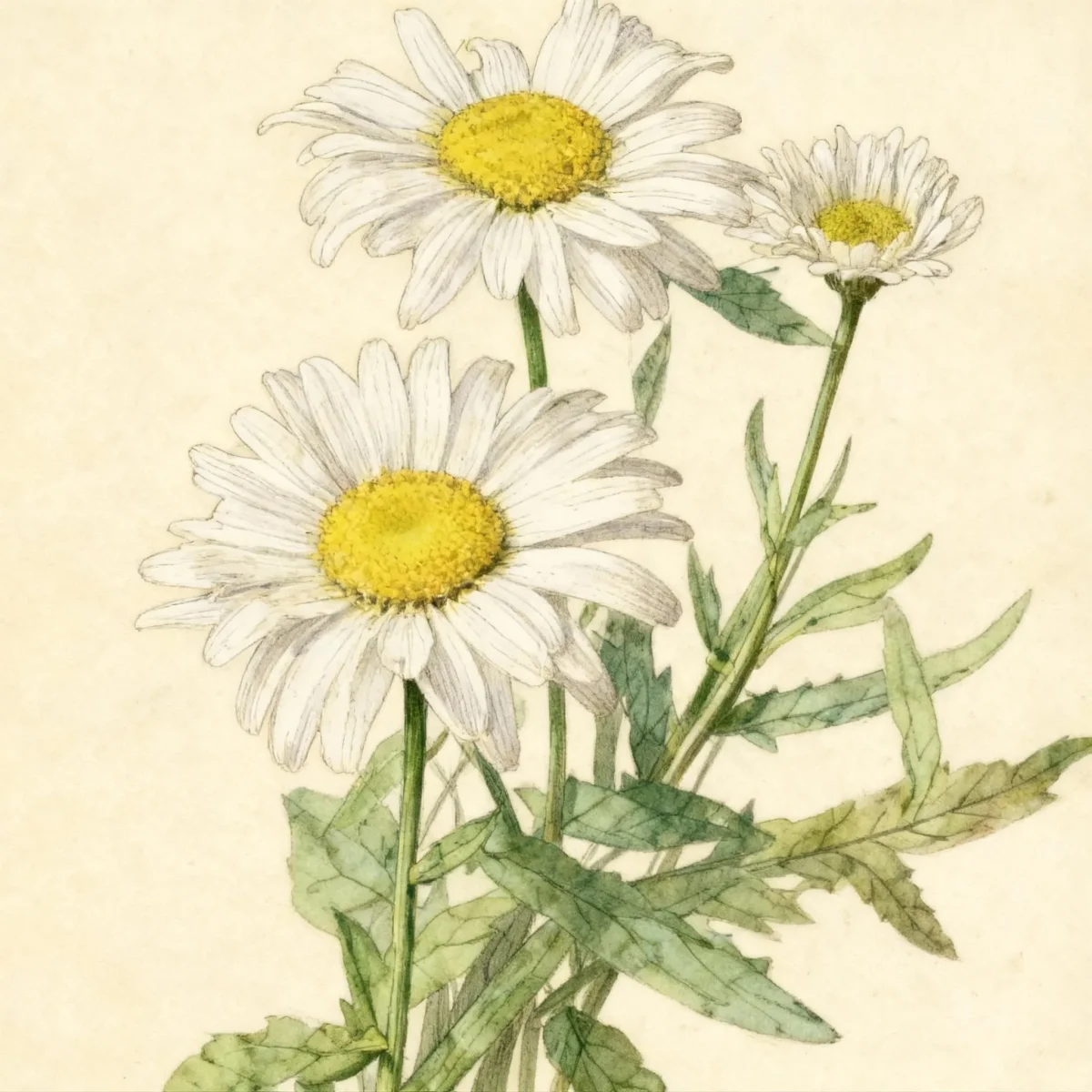
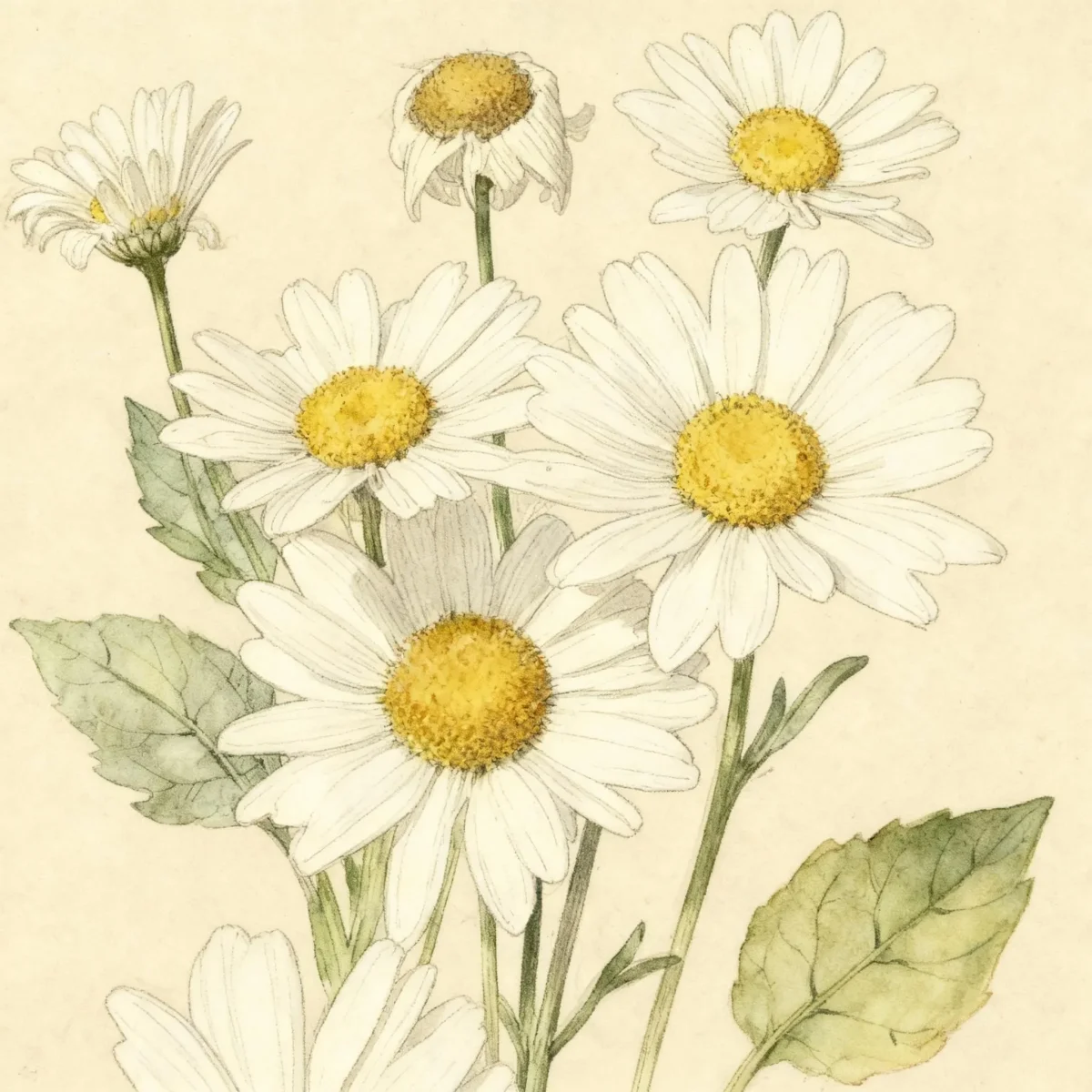
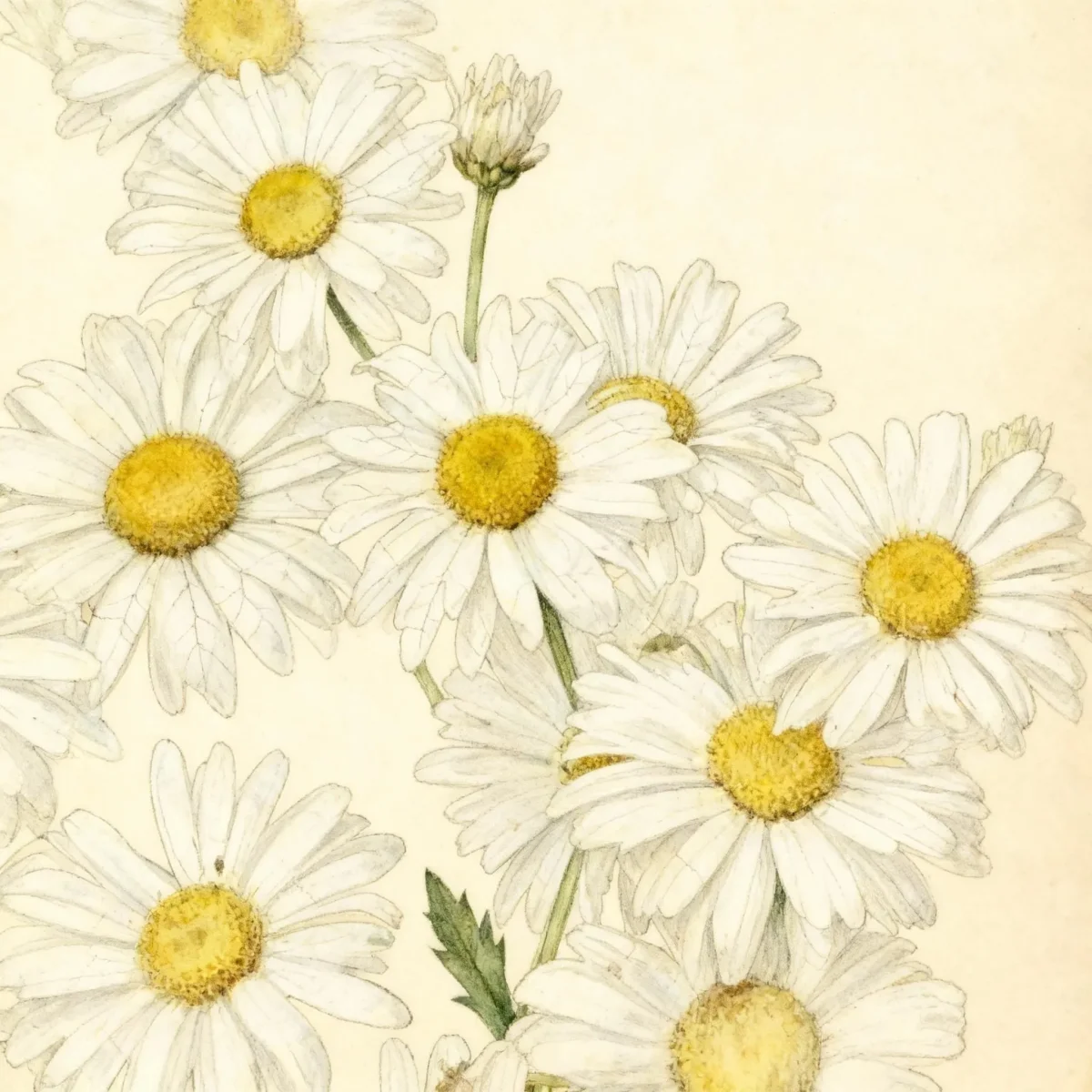
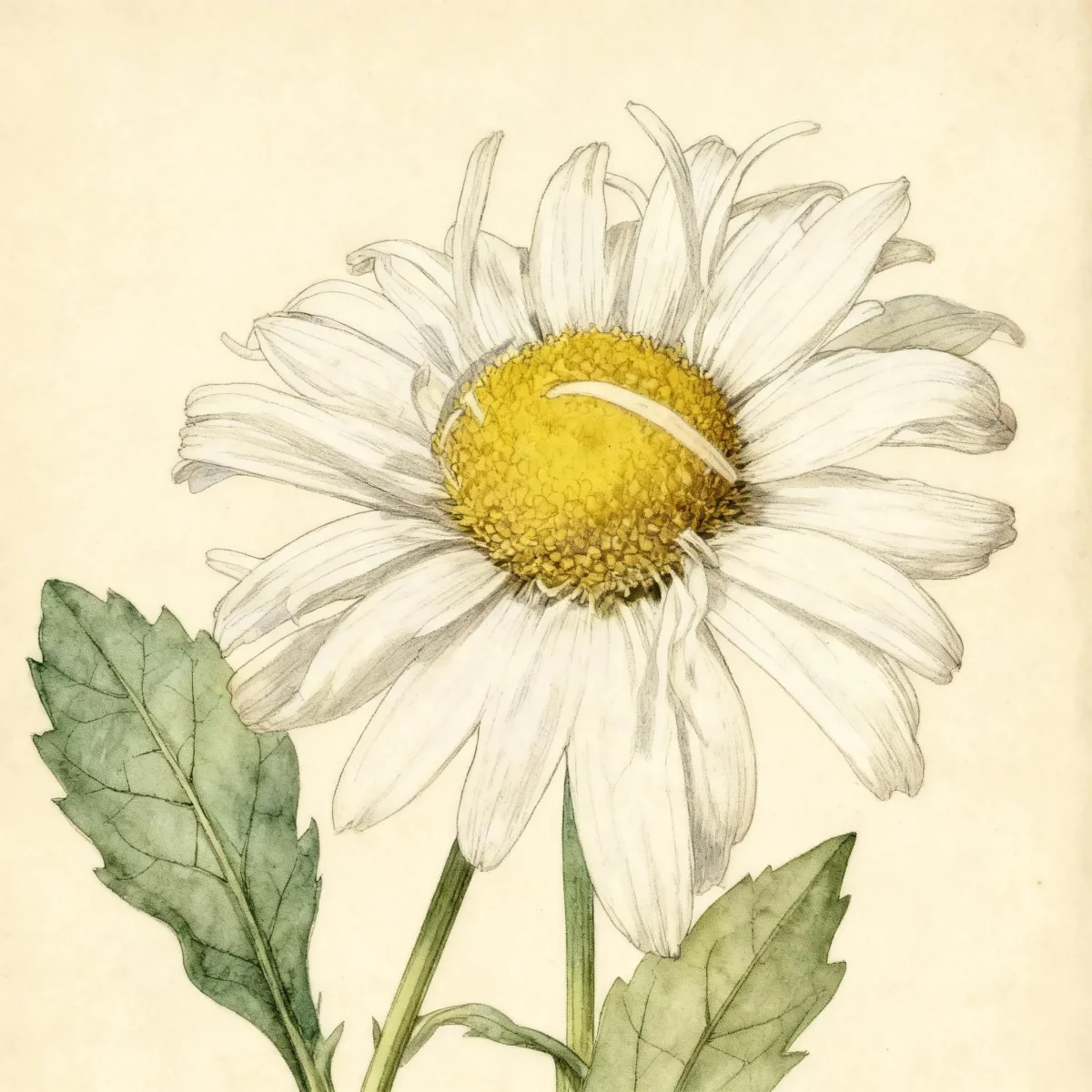
Shasta daisy (Leucanthemum × superbum 'Whoops-a-Daisy')
Leucanthemum × superbum 'Whoops-a-Daisy' is a compact Shasta daisy offering showy white flowers from June-July. Low maintenance perennial for zones 5-9.
Scroll down to discover growing tips, care requirements, companion plants, and more
Complete Plant Information
Overview
Leucanthemum × superbum ‘Whoops-a-Daisy’ brings the classic charm of the Shasta daisy to modern, smaller spaces. This improved cultivar forms a dense, rounded mound ideal for gardeners seeking reliable, bright white summer color without excessive height. Its cheerful bloom provides excellent contrast in mixed plantings.
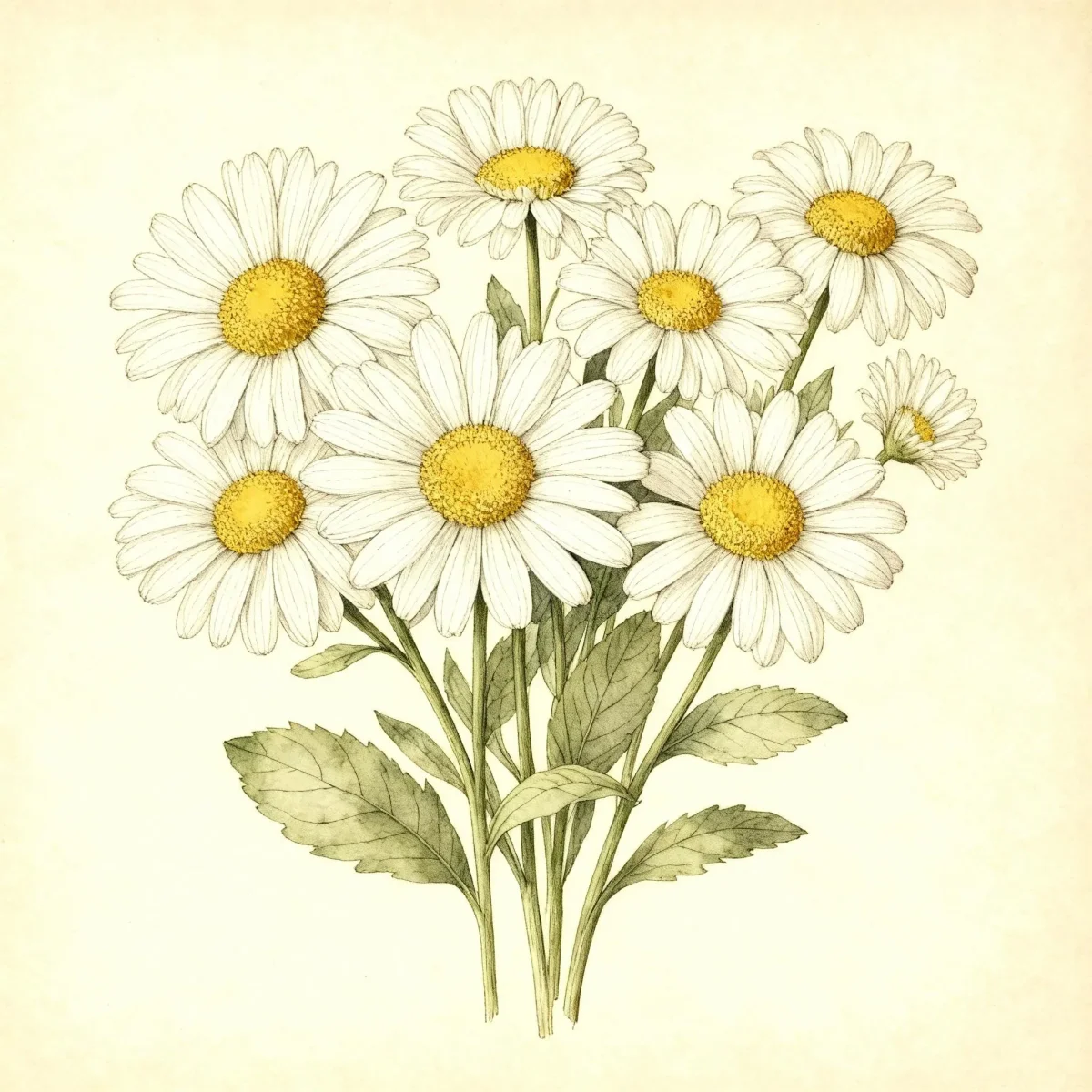
Originating from complex hybridizations pioneered by Luther Burbank, the modern Shasta daisy remains a staple for its vigorous, low-maintenance performance. Leucanthemum × superbum ‘Whoops-a-Daisy’ is valued for its ability to produce numerous, fluffy white flowers with brilliant yellow centers throughout the early to mid-summer season.
This herbaceous perennial is drought-tolerant once established, making it supremely adaptable to various garden settings where drier soils prevail. For a dependable, long-lasting flash of white, the compact Leucanthemum × superbum ‘Whoops-a-Daisy’ is a superb choice for adding structure and brilliance to the perennial border.
Fast Facts
- Plant Family: Asteraceae
- Plant Type: Herbaceous perennial
- Hardiness Zones: USDA Zones 5-9
- Size at Maturity:
- Height: 1-1.5 ft
- Spread: 1.5-2 ft
- Bloom Time: June to July
- Bloom Description: White with a yellow eye
- Sun Exposure: Full sun
- Water Needs: Dry to medium
- Maintenance Level: Low
How to Grow
Planting your Leucanthemum × superbum ‘Whoops-a-Daisy’ should be done when soil conditions are workable in spring or early fall. Ensure the location provides full sun exposure for the best flower production, though light afternoon shade is tolerated, especially in very hot climates. They thrive in average soils, but good drainage is absolutely crucial; wet winter soils can quickly prove fatal to these otherwise robust plants.
Watering should be moderate. Once established, this Shasta daisy variety handles dry conditions well, aligning with its dry to medium water needs. Avoid excessive moisture, which can encourage foliage rot issues. Fertilization is generally unnecessary if the soil is decent; over-fertilizing often leads to weaker stems.
Maintenance for Leucanthemum × superbum ‘Whoops-a-Daisy’ is generally low. Deadheading—removing spent flower heads—is highly recommended as it encourages the plant to produce more blooms throughout the season. Since these plants can be somewhat short-lived, dividing the clumps every two to three years will maintain vigor and produce fresh young plants. For an overall tidy appearance and to conserve energy, consider cutting the stems back to the basal foliage after the initial flush of summer flowering concludes.
Landscape Uses
Shasta daisies, including the wonderfully sized ‘Whoops-a-Daisy’ variety, serve as essential workhorses in perennial landscapes. They provide long-lasting, dependable summer bloom, making them mainstays in any traditional perennial border or cottage garden setting. Their bright white faces are excellent for creating focal points or lighting up partially shaded drifts.
Because Leucanthemum × superbum ‘Whoops-a-Daisy’ is moderately compact, reaching only 1 to 1.5 feet tall, it performs beautifully towards the front or middle of borders where taller varieties might look too bulky. They are exceptional additions to cutting gardens due to their long vase life; harvest them when the blooms are just opening for best results indoors. Furthermore, their sturdy, neat mounds work perfectly in containers or tucked into rock gardens where drainage is naturally excellent.
Standout Features
Flower Qualities
- Showy
- Good Cut
Noteworthy Characteristics
Leucanthemum × superbum, commonly called Shasta daisy, is a hybrid developed by Luther Burbank in the 1890s near Mt. Shasta, created by crossing several species of wild daisies. The hybrid name superbum aptly means superb, referencing its excellent garden performance. The improved cultivar ‘Whoops-a-Daisy’ was introduced in 2014, forming a dense mound covered in 3-4 inch fluffy white flowers with bright yellow disks from early through mid-summer.
Tolerances
- Rabbit
- Deer
- Drought
- Dry Soil
Potential Problems
Leucanthemums are relatively tough, but they can occasionally suffer from a few fungal diseases, particularly in overly humid or poorly drained conditions. Watch for susceptibility to verticillium wilt, which causes wilting in sporadic stems, as well as leaf spots and stem rots. Proper air circulation and avoiding wet winter soils are the best preventative measures.
Insects are minor pests; aphids may occasionally cluster on new growth, and leaf miners or mites can sometimes appear, especially during hot, dry spells. Generally, these issues can be managed by inspecting plants regularly and employing insecticidal soap if infestations become problematic. Healthy, vigorous plants—maintained by regular division—are naturally more resistant to both pests and diseases.
Frequently Asked Questions
What hardiness zones is Shasta daisy suitable for?
Leucanthemum × superbum ‘Whoops-a-Daisy’ is hardy in USDA Zones 5 through 9, providing reliable summer color across a wide range of climates.
How large does Leucanthemum × superbum ‘Whoops-a-Daisy’ grow?
This cultivar is relatively compact, typically reaching a height between 1 and 1.5 feet and spreading between 1.5 and 2 feet wide when fully mature.
When does Shasta daisy bloom?
This variety offers consistent blooms from June right through July, featuring its classic white ray flowers surrounding a bright yellow eye.
What sun exposure does Shasta daisy need?
For optimal health and the best display of flowers, Leucanthemum × superbum ‘Whoops-a-Daisy’ requires full sun exposure in the garden.
Conclusion
The Leucanthemum × superbum ‘Whoops-a-Daisy’ offers gardeners the classic, cheerful appeal of the Shasta daisy in a modern, manageable size. Its low maintenance needs, coupled with drought tolerance and spectacular summer bloom, make it an indispensable component for bright borders and cutting arrangements. Check your local USDA zone compatibility now and plan to incorporate this superb perennial into your sunny garden spaces this season.
Companion Planting
When designing a border around Leucanthemum × superbum ‘Whoops-a-Daisy’, select companions that appreciate similar sun and moisture regimes. Plants that prefer average, well-drained soil and full sun will thrive alongside this daisy. Good neighbors include hardy Alliums, which offer vertical structure, and late-blooming perennials like Rudbeckia or Sedum, which can take over the border display once the daisy begins to fade.
Avoid placing the Shasta daisy directly next to heavy feeders that require constant high moisture, as the excess water can compromise the daisy’s health, especially during dormancy. Grouping it with other drought-tolerant stars like Lavender or ornamental Grasses reinforces its adaptability and provides varied texture throughout the season.
Seasonal Care Calendar
Early Spring: Clean up any old dried foliage from the previous season once new growth begins to emerge. Divide overcrowded clumps of Leucanthemum × superbum ‘Whoops-a-Daisy’ now to maintain vigor, ensuring each division has adequate root mass.
Summer (Bloom Season): Practice diligent deadheading. Removing spent flowers weekly encourages the plant to refocus energy into setting new buds rather than setting seed. Water during extended dry periods, remembering this plant prefers dry to medium conditions rather than saturated soil.
Late Summer/Fall: After the main bloom is over, you have the option to cut the stems back hard to the basal leaves; this helps keep the plant tidy over winter and supports the plant’s survival, as these perennials can be somewhat short-lived. Ensure the area has good air circulation to prevent overwintering fungal spores.