Bee balm (Monarda 'Grape Gumball')
Monarda 'Grape Gumball' bee balm offers vibrant magenta-purple blooms, low maintenance, and attracts pollinators. Ideal for rain gardens.
Scroll down to discover growing tips, care requirements, companion plants, and more
Complete Plant Information
Overview
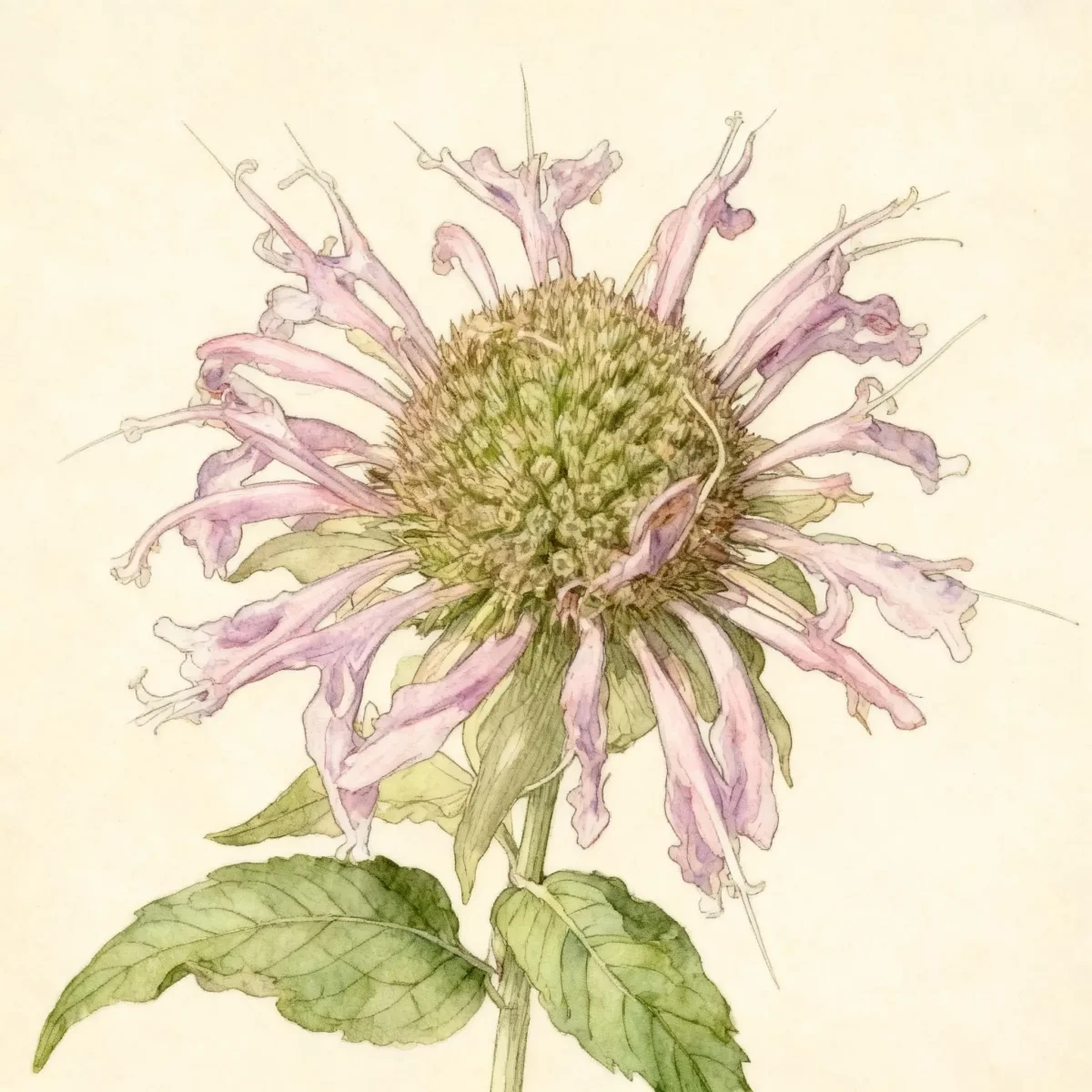
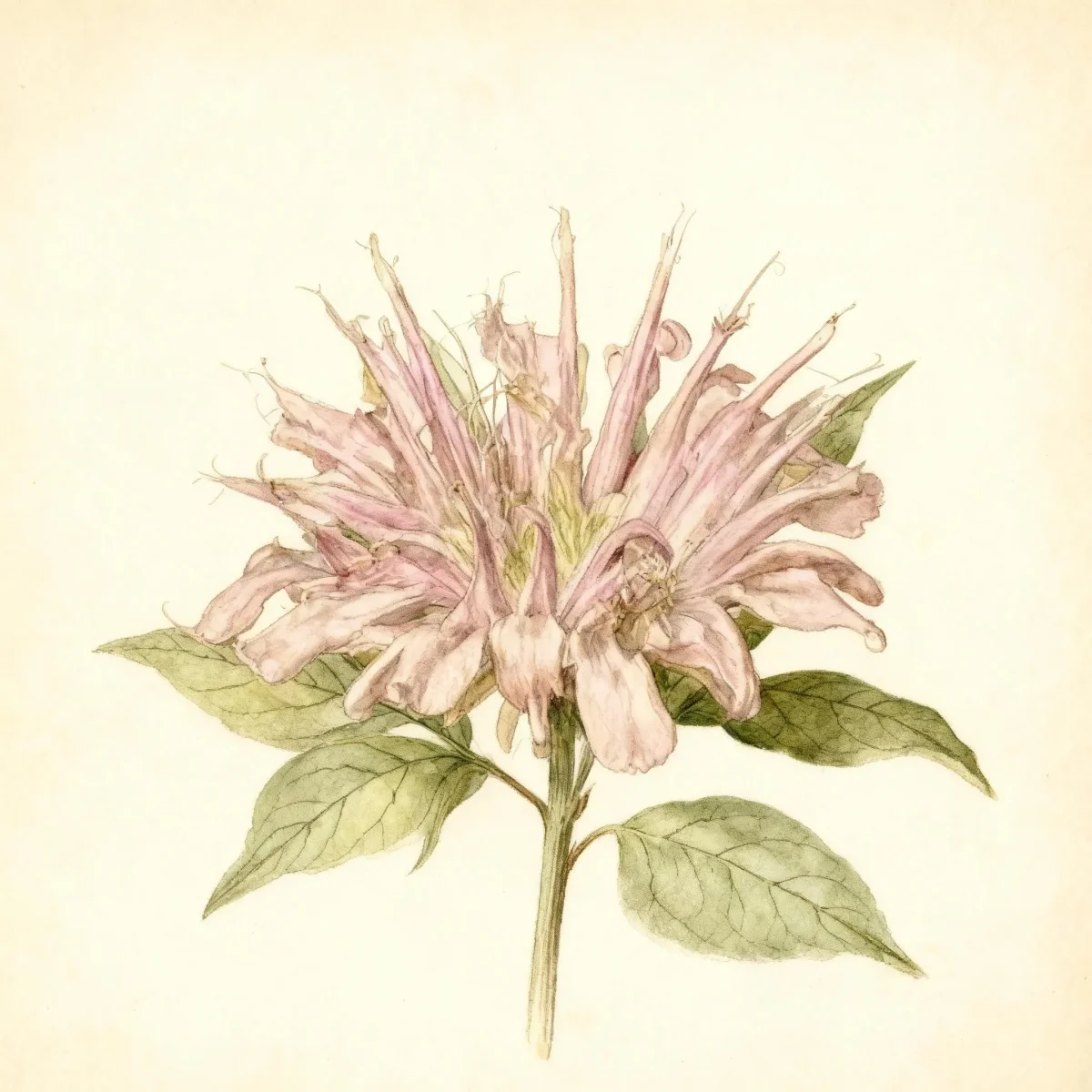
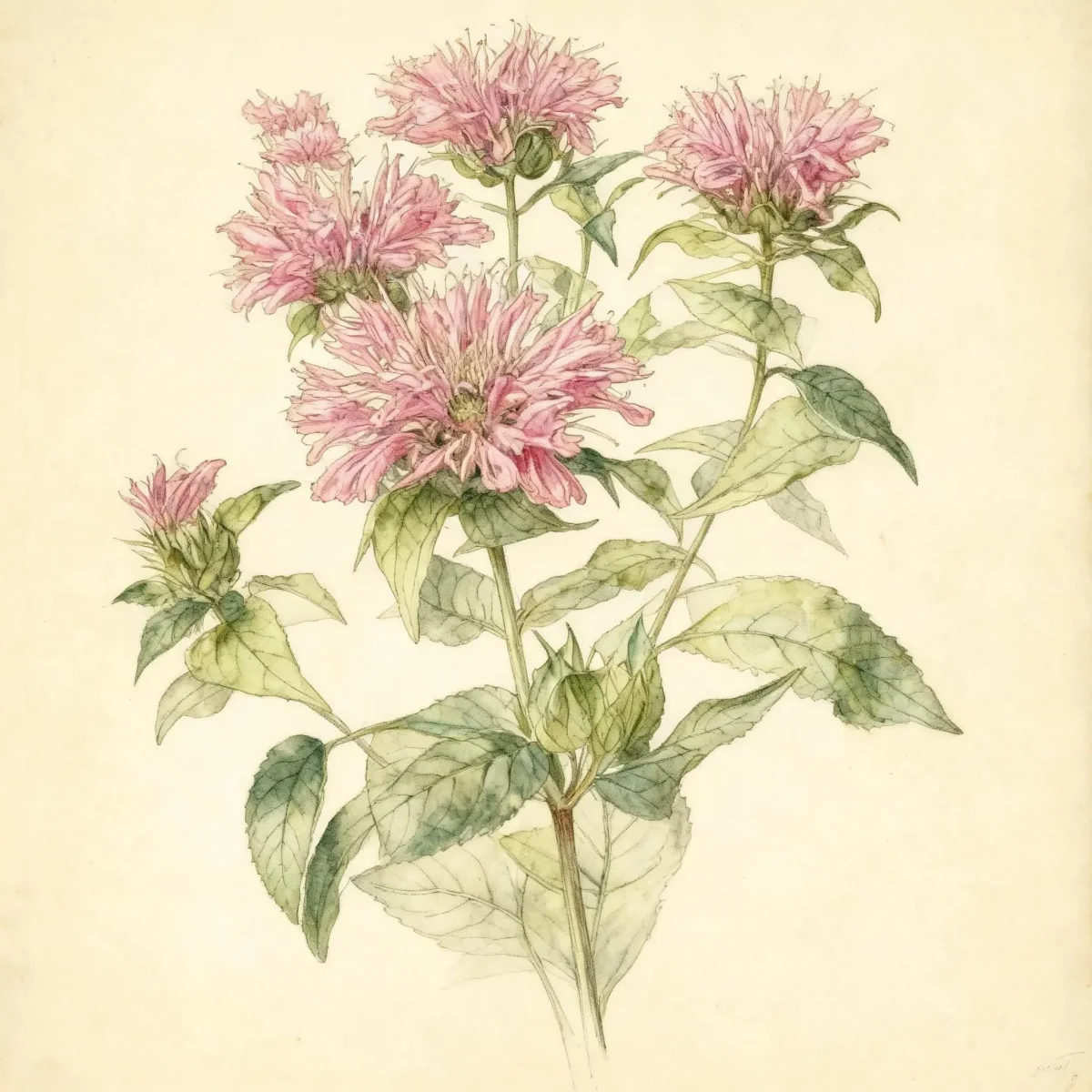
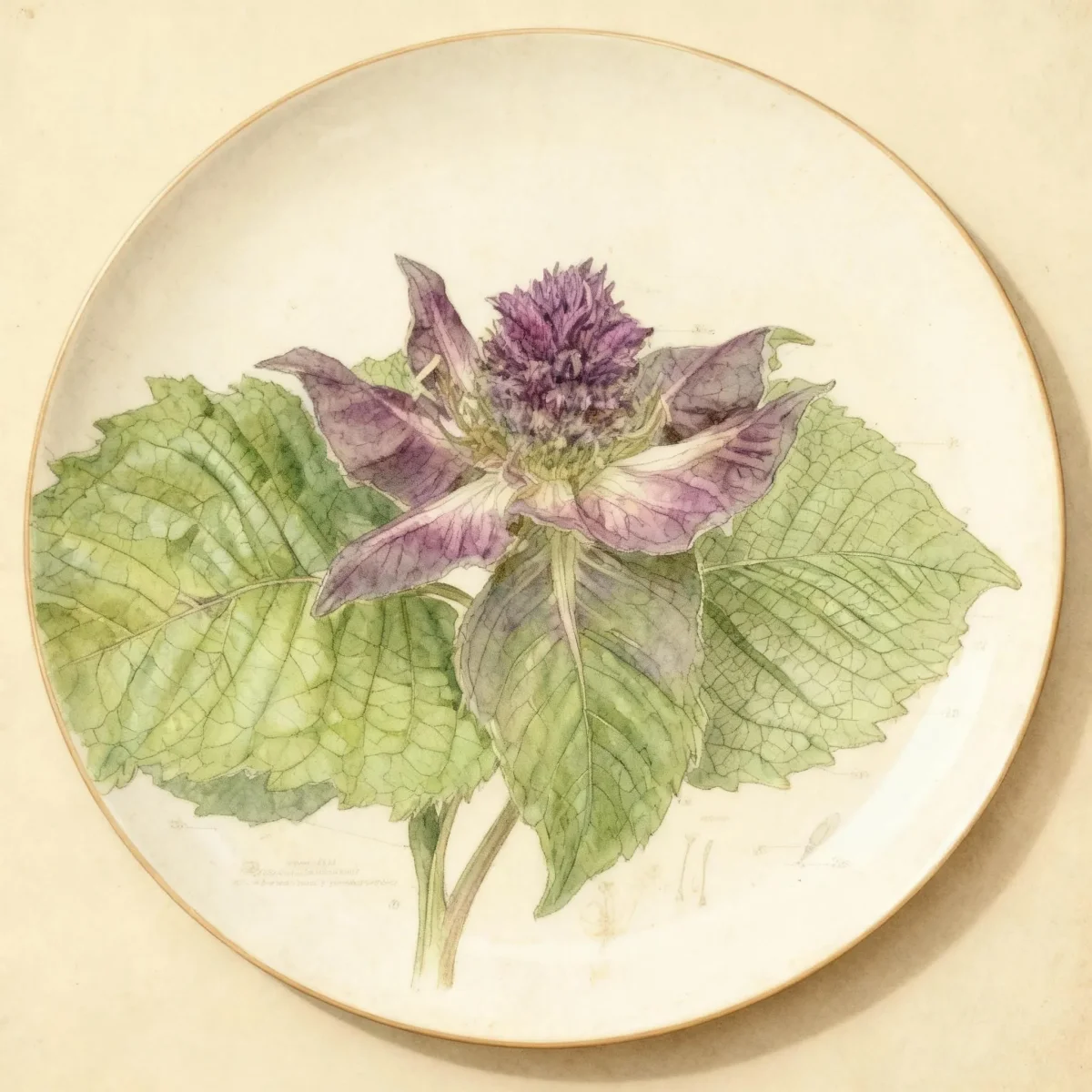
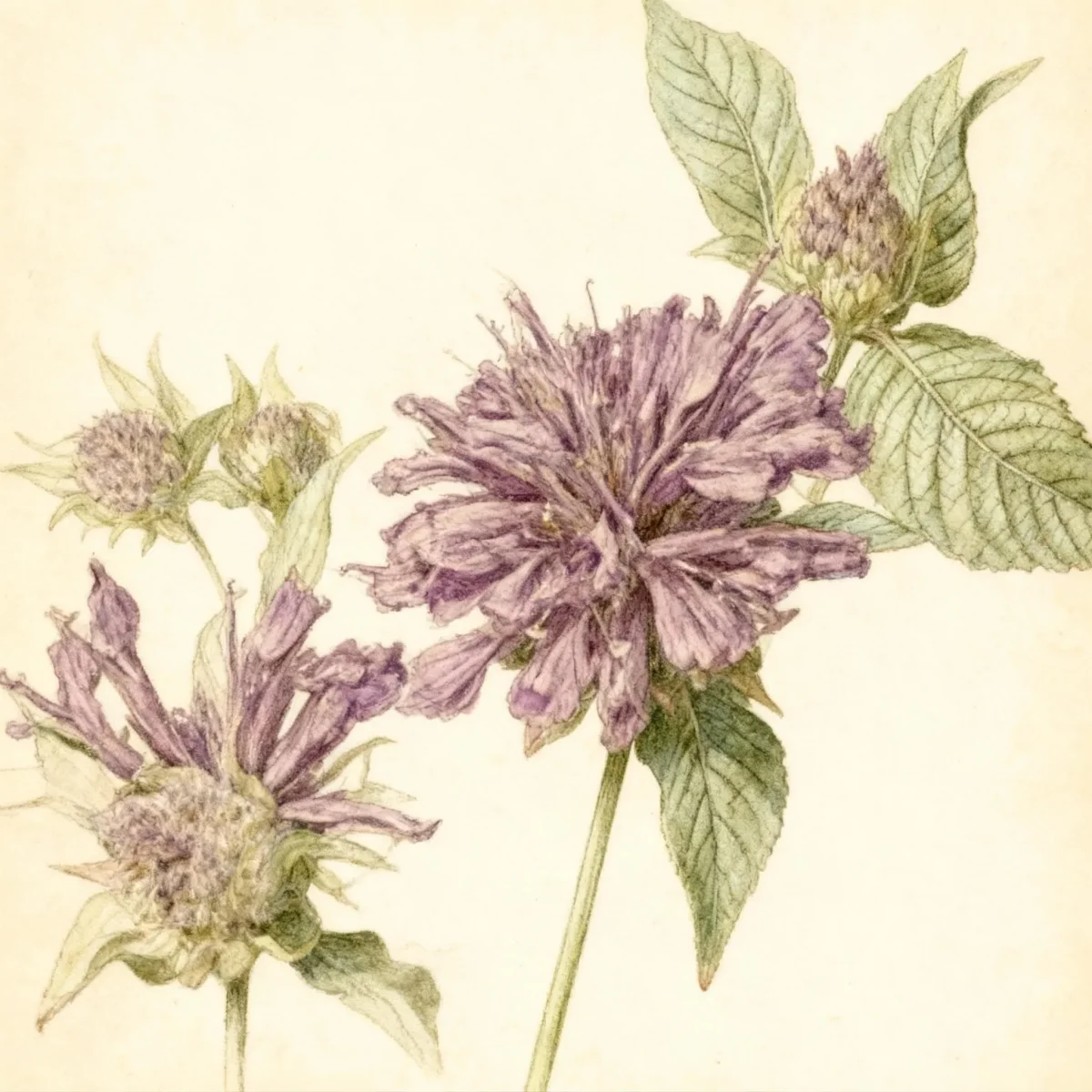
Monarda ‘Grape Gumball’ is a highly desirable herbaceous perennial, part of the Sugar Buzz® series known for robust performance and beautiful color. This Bee balm variety stands out with its dome-shaped clusters of vibrant, magenta-purple flowers that reliably emerge in midsummer. It is a fantastic choice for gardeners looking to combine low maintenance with significant visual impact and strong support for native pollinators.
As a semi-dwarf cultivar reaching only 1.5 to 2 feet tall, Monarda ‘Grape Gumball’ fits neatly into perennial borders without becoming overly aggressive. It thrives in medium to wet, moisture-retentive soils, making it uniquely suited for damp areas of the landscape where other perennials might struggle. Its upright habit and aromatic foliage provide excellent texture throughout the growing season.
Gardeners value this specific Bee balm for its extended bloom time from July into August, offering consistent color when many spring bloomers fade. Furthermore, this cultivar has been specifically bred for above-average resistance to powdery mildew, addressing a common weakness of many Monarda types. Incorporating Monarda ‘Grape Gumball’ ensures a colorful, functional spot in your garden that invites bees and hummingbirds.
Fast Facts
- Plant Family: Lamiaceae
- Plant Type: Herbaceous perennial
- Hardiness Zones: USDA Zones 4-9
- Size at Maturity:
- Height: 1.5-2 ft
- Spread: 1.5-2 ft
- Bloom Time: July to August
- Bloom Description: Magenta purple
- Sun Exposure: Full sun to part shade
- Water Needs: Medium to wet
- Maintenance Level: Low
How to Grow
Planting Monarda ‘Grape Gumball’ is best done in spring or fall, ensuring the soil remains consistently moist as the plant establishes itself. This Bee balm variety prefers rich, humusy, moisture-retentive soils, doing exceptionally well in rain gardens or areas receiving adequate moisture. While it tolerates full sun, providing some afternoon shade in the hottest summer climates will help maintain leaf quality and reduce stress.
Care for this perennial is straightforward. Keep the soil consistently watered, as monardas must not be allowed to dry out, especially during bloom time. Maintenance is low, though removing spent flowers enhances its appearance and might encourage a lighter second flush of blooms. Annual division, ideally every 3 to 4 years, prevents the clumps from becoming overcrowded and helps control its mildly spreading rhizomatous nature.
A key cultural requirement for all Monarda species is air circulation. Ensure plants are spaced appropriately to allow airflow around the foliage. This practice is critical for preventing the development of fungal issues like rust or powdery mildew, even though Monarda ‘Grape Gumball’ exhibits good resistance. Good air movement is vital for the long-term health of this perennial.
Landscape Uses
Monarda ‘Grape Gumball’ shines in settings where consistent moisture is available. Its recommended use as a component in a Rain Garden leverages its tolerance for wet soils, providing structure and color where runoff collects. Beyond functional wet areas, this Bee balm is fantastic when integrated into established Perennial Borders, where its vibrant magenta-purple provides a strong mid-summer accent nestled among later-blooming perennials.
For a cottage garden aesthetic, plant groups of Monarda ‘Grape Gumball’ near herbs or plants requiring similar rich soil. It also performs admirably in containers, provided the potting mix is moisture-retentive and drains adequately. When designing, pair it with foliage plants that contrast nicely with its dark green leaves, or use it near the edge of a pond or stream in moist sunny areas.
Standout Features
Flower Qualities
- Showy
- Fragrant
Noteworthy Characteristics
Monarda is a diverse genus of North American prairie and woodland perennials, often called bee balm due to historical use of the leaves for treating bee stings. The ‘Grape Gumball’ cultivar is celebrated for its semi-dwarf nature and its terminal whorls of two-lipped, 2.5-inch vibrant magenta purple flowers forming a colorful dome in midsummer. Bred for improved disease resistance, this plant is highly attractive to essential pollinators like bees and hummingbirds.
Tolerances
- Deer
- Wet Soil
Potential Problems
While Monarda ‘Grape Gumball’ boasts good resistance, powdery mildew remains the most commonly discussed issue for the genus. Rust is an occasional problem in humid conditions. The susceptibility of any Monarda to foliar diseases increases significantly if the plants are grown in dry soil or allowed to become drought-stressed. The best prevention method is twofold: ensuring excellent air circulation by proper spacing, and religiously maintaining consistent soil moisture levels across summer.
Frequently Asked Questions
What hardiness zones is Bee balm suitable for?
Monarda ‘Grape Gumball’ is highly adaptable and performs well in USDA Zones 4 through 9.
How large does Monarda ‘Grape Gumball’ grow?
This cultivar typically reaches a mature height and spread between 1.5 and 2 feet wide.
When does Bee balm bloom?
You can expect vibrant magenta purple flowers on Monarda ‘Grape Gumball’ throughout the peak summer months, specifically from July into August.
What sun exposure does Monarda ‘Grape Gumball’ need?
This plant thrives best when situated in full sun, but it appreciates light afternoon shade, especially in the hottest regions of its hardiness range.
Conclusion
Monarda ‘Grape Gumball’ offers exceptional value as a low-maintenance perennial that delivers brilliant midsummer color and vital sustenance for pollinators. Its strong flower qualities and improved mildew resistance make it a dependable feature in any water-wise or moist garden setting. Before planting, confirm your soil and sunlight meet its preference for medium to wet conditions, ensuring a spectacular show year after year.
Companion Planting
When integrating Monarda ‘Grape Gumball’ into borders, select companions that enjoy similar moisture levels but offer contrasting textures or bloom times. Plants like Astilbe or Ligularia thrive in moist, partial shade conditions and pair beautifully texturally, although Monarda prefers more sun. In sunnier, wetter spots, consider partnering Bee balm with Siberian Iris or certain ferns that offer structure after the Monarda bloom fades. Proper spacing remains crucial, allowing air to circulate freely between all neighboring plants to maintain the foliage health of your Monarda.
Design Ideas for Moist Gardens
Leverage the vertical interest and bright color of Monarda ‘Grape Gumball’ by grouping it in drifts of three or more plant specimens. Since it is a magnet for hummingbirds and bees, place planting areas where they can be easily observed, perhaps near a patio edge or walkway. Its tolerance for wet soil makes the rain garden application ideal; use it as a mid-border plant, backed by taller Bog Primrose or Iris, and softened in the front by moisture-loving groundcovers like Creeping Jenny. This consistent color and pollinator draw ensure the ‘Grape Gumball’ remains a focal point.