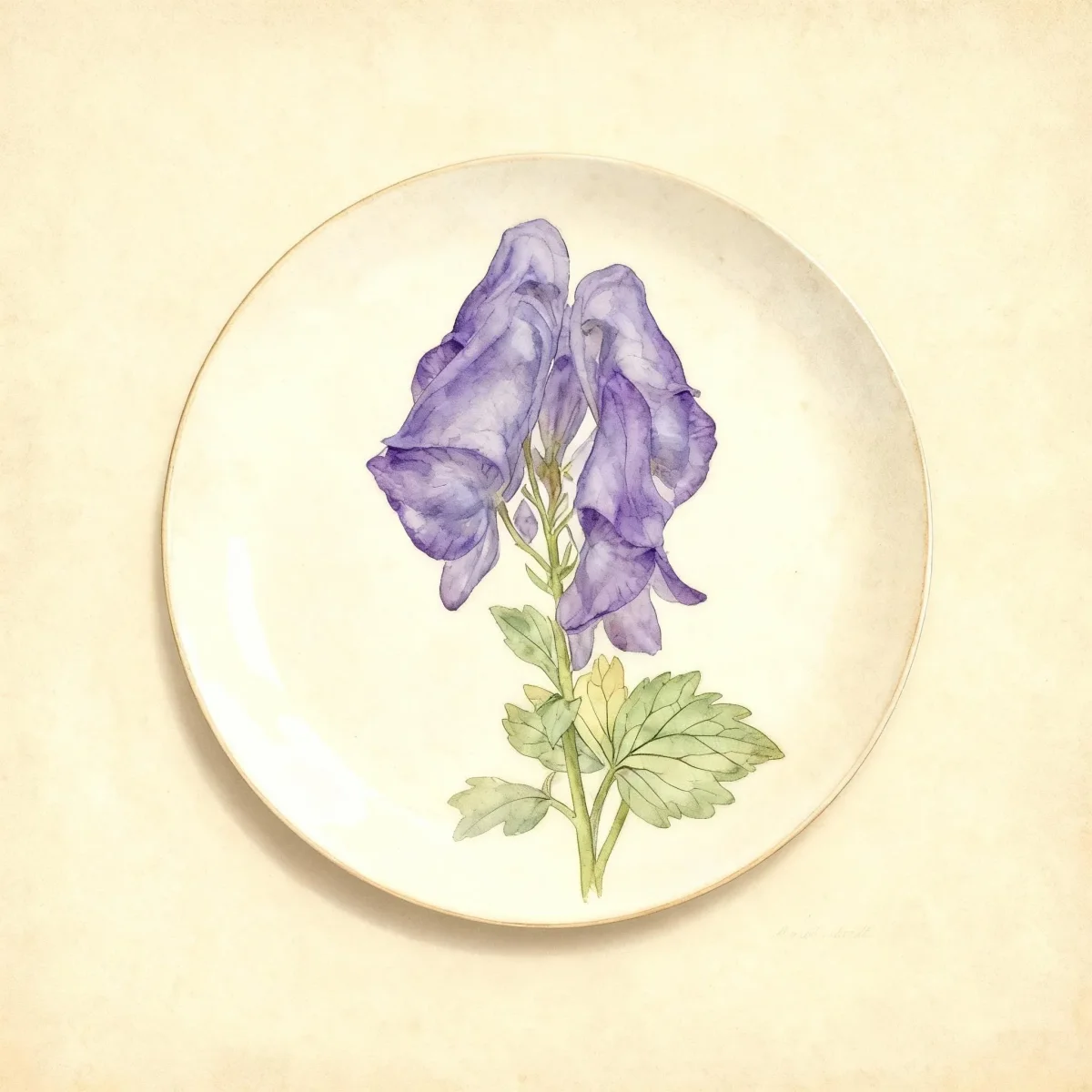
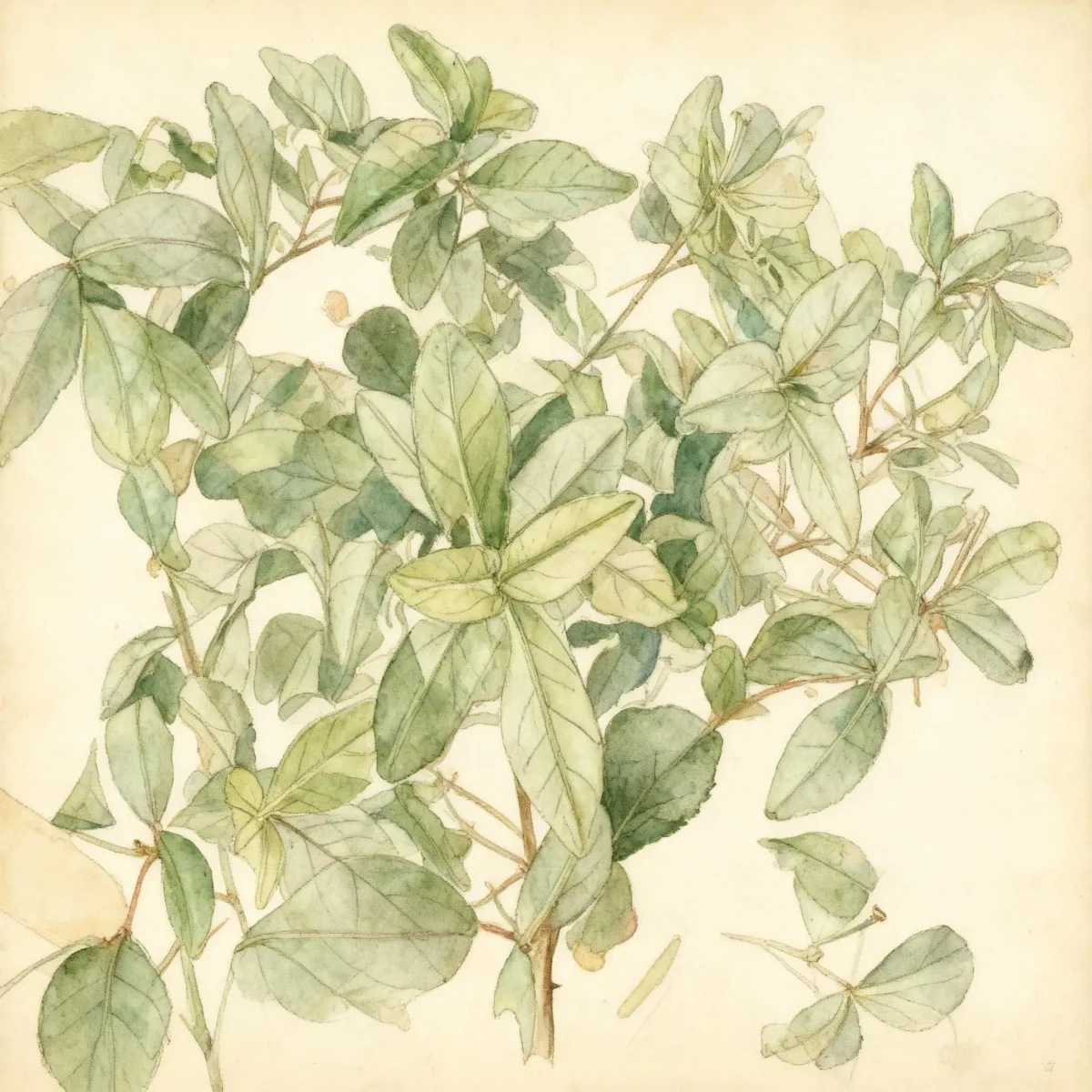
Rampion bellflower (Campanula rapunculoides)
Rampion bellflower (Campanula rapunculoides) is an herbaceous perennial known for showy, bluish-purple blooms in summer, though it requires management due to its invasive spread.
Scroll down to discover growing tips, care requirements, companion plants, and more
Complete Plant Information
Overview
Campanula rapunculoides, commonly known as Rampion bellflower, is a robust herbaceous perennial recognized by its tall stems topped with nodding, bell-shaped, bluish-purple flowers that bloom profusely from June through August. While attractive in the garden, its aggressive spreading habit via deep taproots and rhizomes means it is often treated as a persistent weed. This species offers reliable stature, usually reaching 2 to 4 feet tall, providing excellent vertical accents during the summer season in the right—or perhaps unintended—locations.
The striking appearance of Campanula rapunculoides, with its abundant campanulate flowers, is deceptive, as its vigor demands careful consideration before planting. It thrives generally in average, well-drained soils, adapting well to conditions ranging from full sun in cooler climates to partial shade where summers are very hot. Gardeners must be prepared for medium maintenance, primarily focused on diligent control measures to prevent the spread of this deep-rooted perennial.
Historically, Rampion bellflower has naturalized across much of the cooler parts of North America after escaping cultivation. Its edibility, mentioned in historical records, does not outweigh the modern consensus that Campanula rapunculoides should be avoided in managed garden settings due to its tenacious, hard-to-eliminate nature.
Fast Facts
- Plant Family: Campanulaceae
- Plant Type: Herbaceous perennial
- Native Range: Europe and western Siberia
- Hardiness Zones: USDA Zones 3-9
- Size at Maturity:
- Height: 2-4 ft
- Spread: 1-3 ft
- Bloom Time: June to August
- Bloom Description: Bluish-purple flowers
- Sun Exposure: Full sun to part shade
- Water Needs: Medium
- Maintenance Level: Medium
How to Grow
Planting of Campanula rapunculoides is best done using divisions in the fall, although its ease of establishment means it colonizes readily through specialized root structures. It requires average, medium-moisture, well-drained soil to thrive. While it tolerates various light conditions, ensure full sun if you are in a cool northern climate, or opt for partial shade if you garden where summer heat is intense.
Ongoing care involves ensuring consistent moisture, as this species requires regular watering, especially during dry spells. To manage its appearance and potentially encourage a second, smaller flush of bloom, promptly remove spent flower stems before they set seed, which is crucial for minimizing self-seeding across the area. Divide clumps every 3 to 5 years in the autumn to maintain plant vigor and manage its overall spread.
The most critical aspect of Rampion bellflower culture revolves around suppression, not traditional cultivation. Because it spreads persistently via rhizomes and possesses deep taproots, chemical or mechanical control is often challenging. While digging out the tubers can be effective, removing every small piece of the root system is difficult, leading to frequent re-emergence.
Landscape Uses
The suggested use for Campanula rapunculoides is categorized as Naturalize, but contemporary horticultural advice strongly cautions against introducing it into ornamental landscapes. This evaluation stems directly from its invasive nature, spreading aggressively via stolons and rhizomes in moist soils, making it a persistent headache for gardeners attempting to maintain defined borders or neat beds.
If this plant is already present or if one is specifically attempting to utilize it in a highly controlled, secluded naturalized area where aggressive spread is acceptable (and monitored), its height and summer bloom provide good infill. However, due to the difficulty in eradication, consider companion plants that can tolerate or compete against its spreading roots, though no true companion can prevent the growth of this persistent perennial. Avoid placing Campanula rapunculoides near sensitive wildflower plantings or vegetable gardens.
Standout Features
Flower Qualities
- Showy
Noteworthy Characteristics
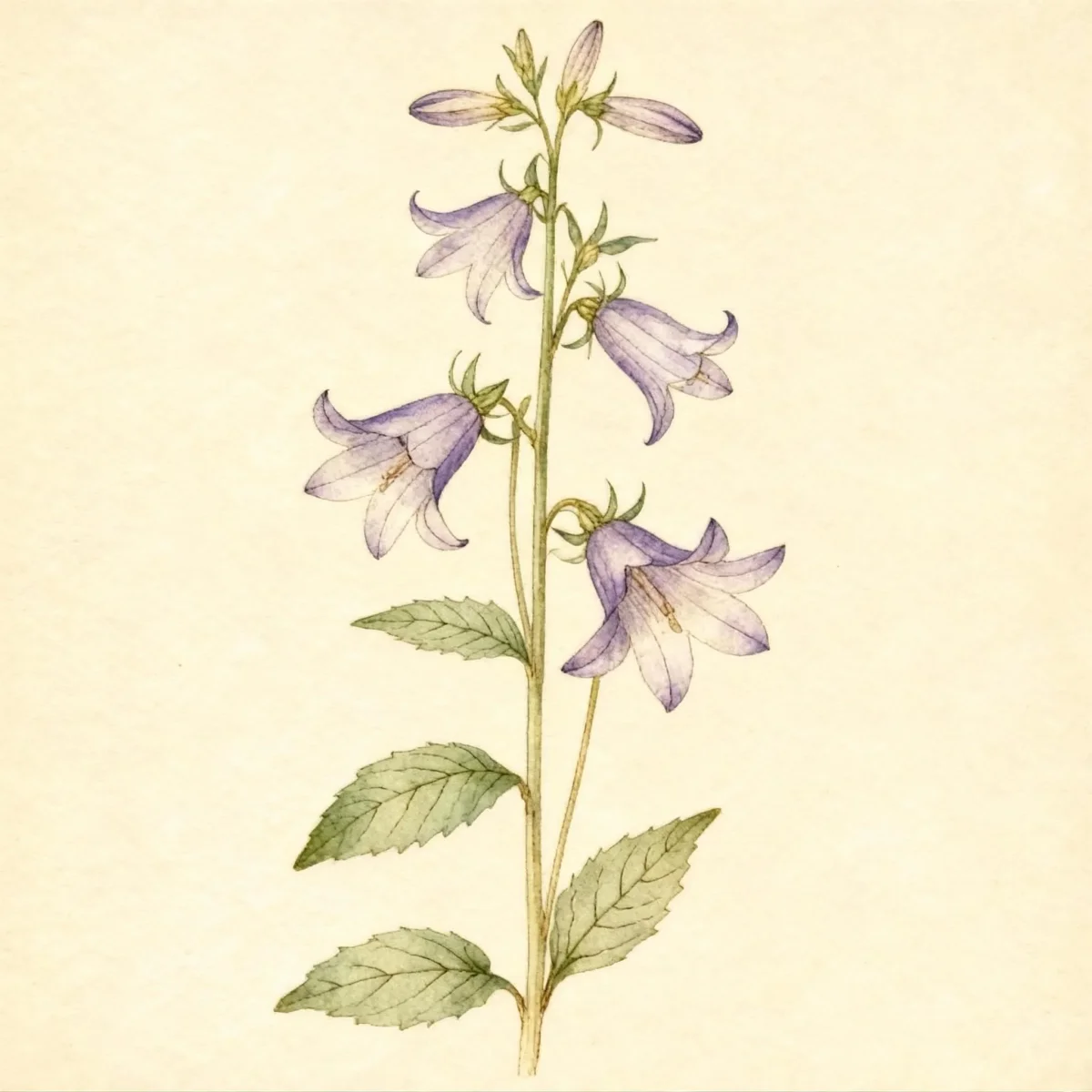
Campanula rapunculoides, commonly known as creeping bellflower, rover bellflower or European bellflower, is a deeply-taprooted, rhizomatous perennial that is native to a variety of habitats in Europe and western Asia including open woodlands, forest margins and meadows. It was long ago introduced into North America where it subsequently escaped gardens and naturalized over time in Alaska, Canada, and across the northern U. S. From Washington to Maine south to Nevada, Texas, Tennessee and North Carolina. Nodding, bell-shaped, campanulate, 5-lobed, bluish-purple flowers (each to 1” long) with flaring petals bloom abundantly in usually one-sided terminal racemes atop slender, upright, leafy flowering stems rising well above the basal foliage clump to 2-4’ tall. Leaves, shoots and roots are edible for humans.
Potential Problems
This species generally avoids serious insect or disease issues, providing a relatively clean facade throughout its growing season. The primary pests gardeners may encounter occasionally are common garden nuisances such as snails and slugs, which can graze on the foliage, especially when the plants are young or growing in damp conditions. Management should focus on routine monitoring for these mollusks, utilizing baits or physical barriers as necessary.
Frequently Asked Questions
What hardiness zones is Rampion bellflower suitable for?
Campanula rapunculoides is reliably hardy across USDA Zones 3 through 9.
How large does Rampion bellflower grow?
This perennial typically reaches heights between 2 and 4 feet, with a spread generally contained between 1 and 3 feet, though its underground spread is far more aggressive.
What sun exposure does Campanula rapunculoides need?
It performs best in full sun, particularly in cooler northern areas, but requires partial shade protection when grown in hotter summer climates.
When does Rampion bellflower bloom?
The blooming period for Campanula rapunculoides spans from June to August, showcasing masses of bluish-purple flowers.
Conclusion
The Rampion bellflower offers significant summer color with its showy, bluish-purple blossoms and reliable stature upward of four feet. However, the management required to curb the spread of Campanula rapunculoides due to its invasive root system offsets its aesthetic value for most cultivated landscapes. Before allowing this plant to naturalize anywhere on your property, thoroughly evaluate your tolerance for persistent weed control in that specific area.
Seasonal Care Calendar
For gardeners who have Campanula rapunculoides present, timely preventative care is essential to manage its spread. Spring involves inspecting the area for new shoots emerging from the rhizomes and tackling them immediately before they establish deep anchor roots.
Mid-season attention, coinciding with the bloom time of June through August, requires diligent deadheading. Promptly trimming spent flower stems for Campanula rapunculoides helps reduce prolific self-seeding and encourages the plant to put energy back into less widespread growth rather than seed production.
Fall is the ideal time for maintenance aimed at controlling the clump size. If division is necessary to refresh older plants or to attempt removal, perform this task in the fall, ensuring that all pieces of the deep taproot and rhizomes are extracted, a process that often requires repeated effort over subsequent seasons.
Companion Planting Considerations
When attempting to manage or coexist with tenacious plants like Rampion bellflower, selecting robust companions is key. In areas where Campanula rapunculoides is already established or permitted, pair it with other vigorous, mid-summer perennials that do not mind competition. Plants that spread horizontally might help fill in gaps quickly, providing physical barriers or visual distraction from the bellflower’s vertical ascent.
Consider pairing it with heavily clump-forming perennials that have dense root systems, such as certain varieties of robust Hostas or tall ornamental grasses, planted nearby but not directly competing in the same tight space. The goal is to utilize plants that require medium water and tolerate similar light conditions while making the area less hospitable to the uncontrolled spread of the Campanula rapunculoides roots.