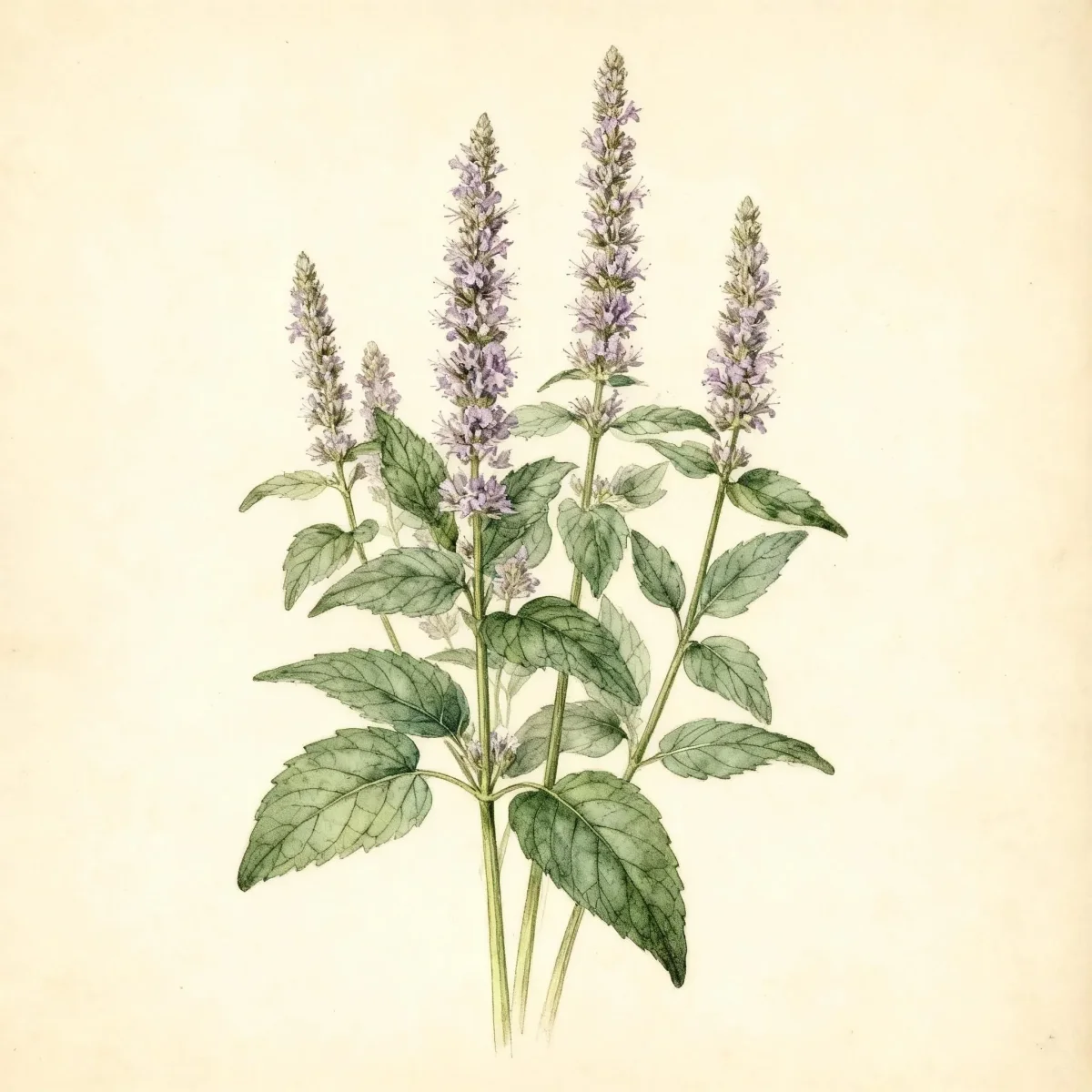
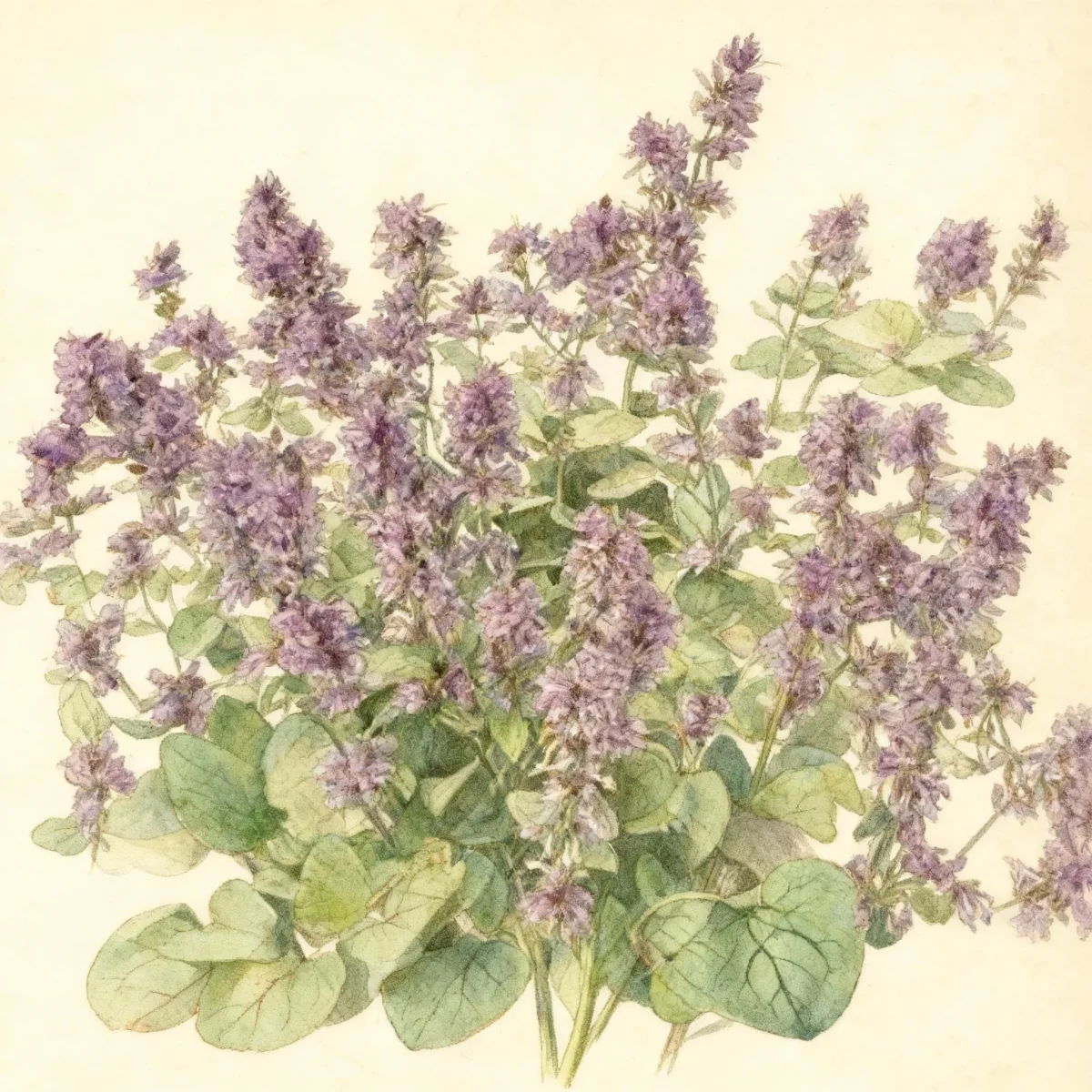
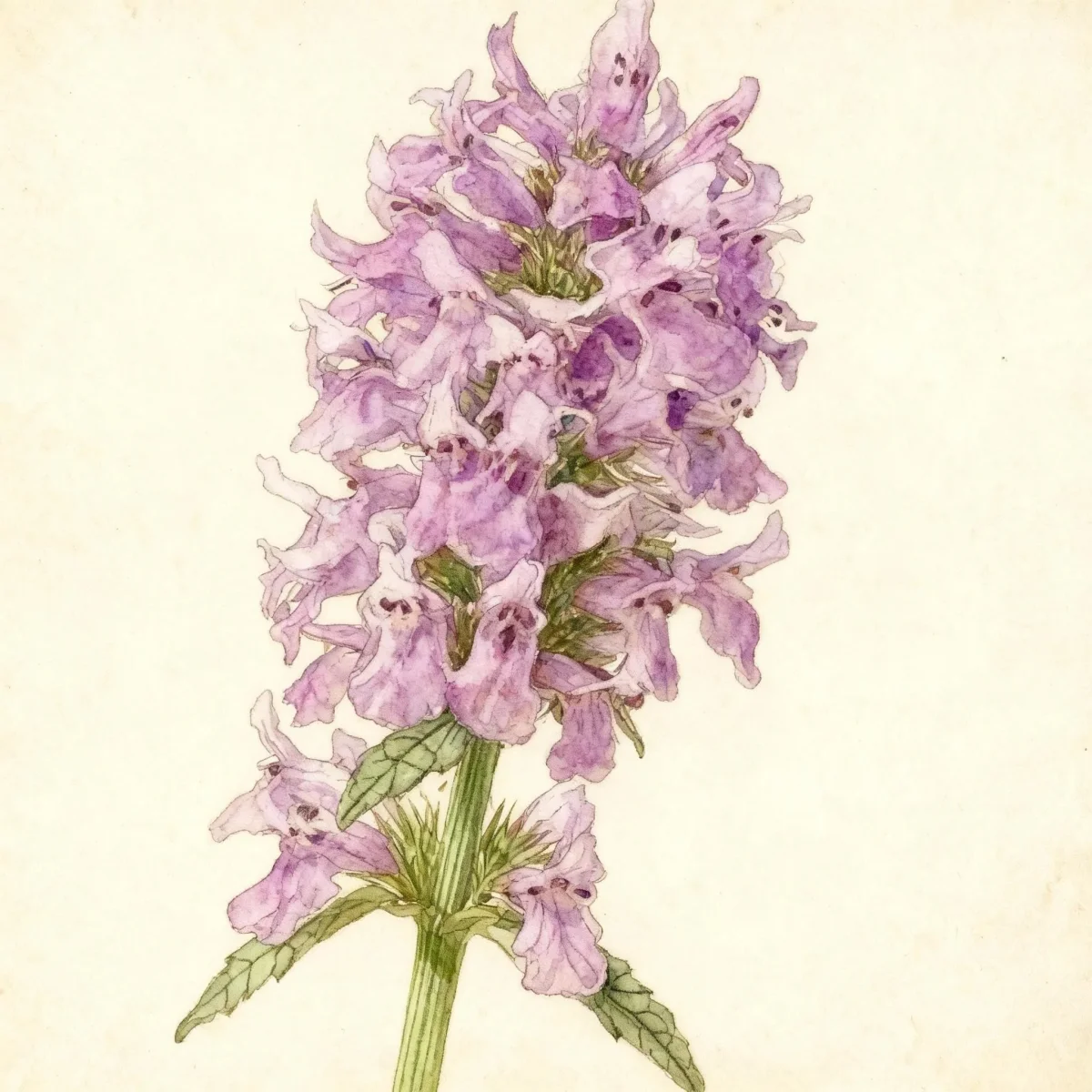
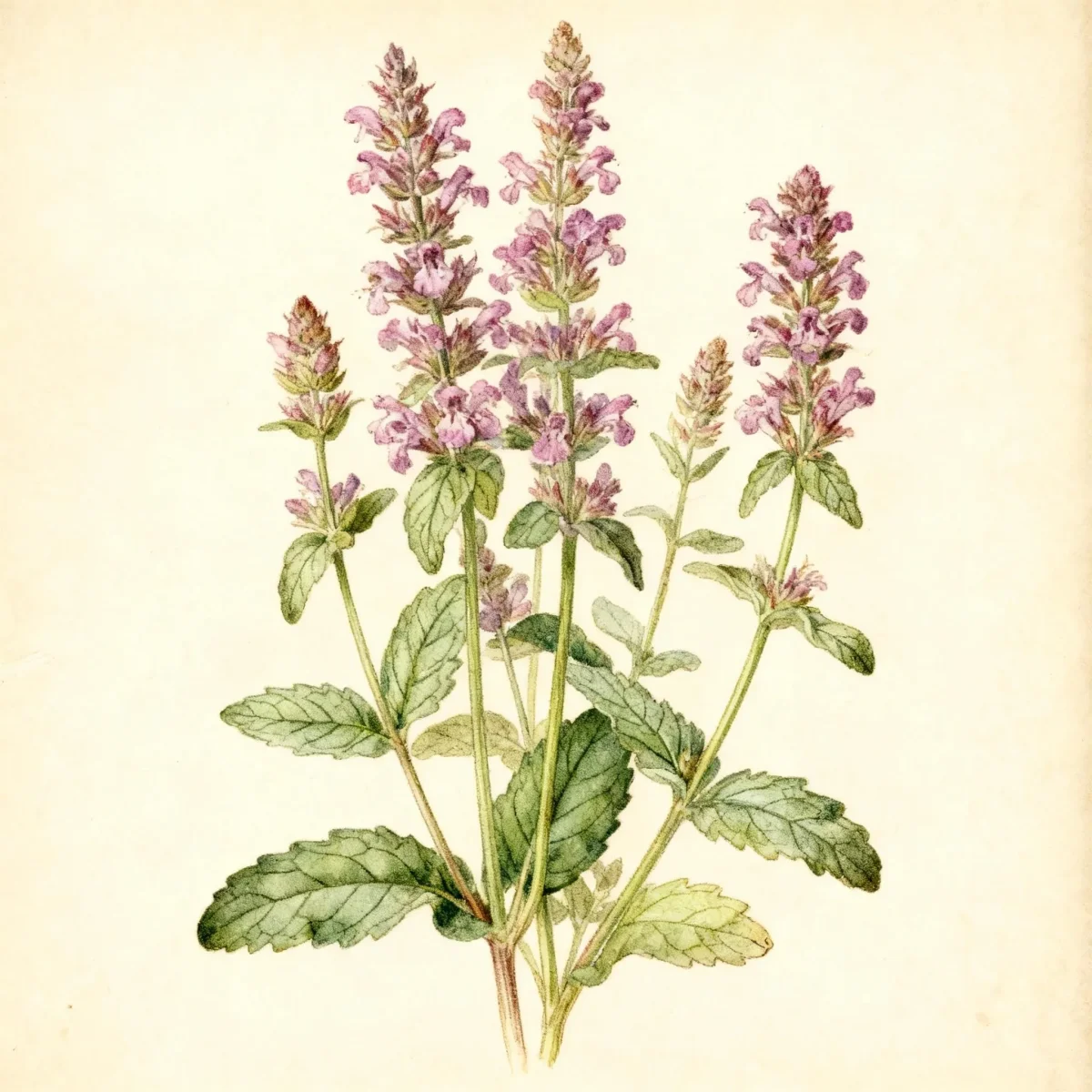
Hummingbird's mint (Agastache 'Violet Vision')
Agastache 'Violet Vision' offers showy, fragrant violet-blue spikes from June to September, thriving in full sun.
Scroll down to discover growing tips, care requirements, companion plants, and more
Complete Plant Information
Overview
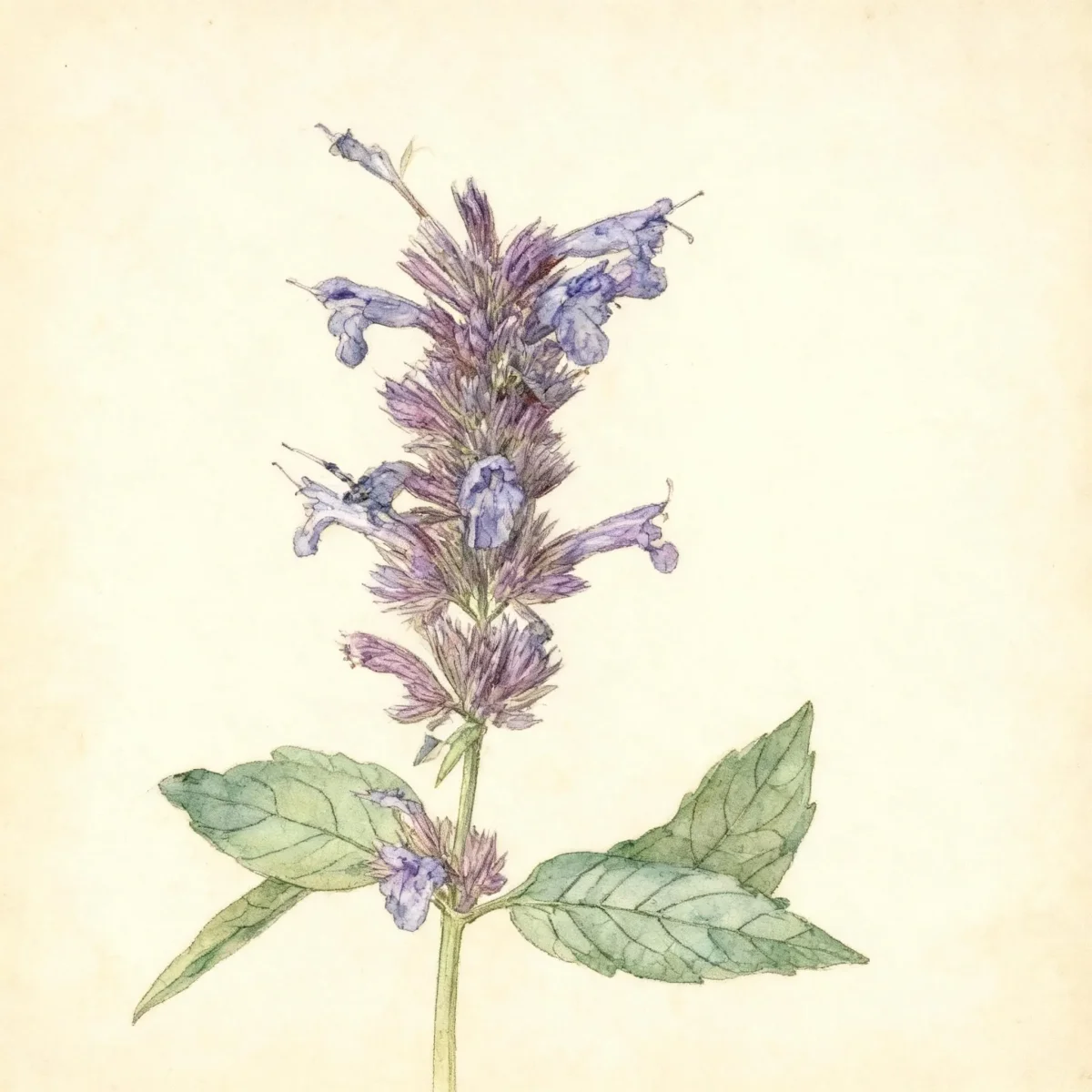
Agastache ‘Violet Vision’, widely known as Hummingbird’s mint, is celebrated by gardeners for its extended bloom time and outstanding aromatic qualities. This upright, clumping perennial offers dense spikes of vibrant violet to violet blue blossoms, attracting hummingbirds and bees throughout the hottest parts of the summer. Its compact habit and low maintenance requirements make Agastache ‘Violet Vision’ a staple for sunny borders and cottage gardens.
This hybrid giant hyssop provides continuous color from June well into September, adding textural contrast with its gray-green foliage that releases a refreshing honey-licorice scent when bruised. While prized for its aesthetic appeal, the primary functional benefit of planting Agastache ‘Violet Vision’ is its exceptional efficacy in wildlife gardens.
Growing reliably across USDA Zones 5 through 10, this plant establishes quickly, tolerating summer heat and periods of dryness once its roots are established. Gardeners seeking long-lasting color and reliable pollinator support will find Agastache ‘Violet Vision’ an indispensable addition to their perennial collection.
Fast Facts
- Plant Family: Lamiaceae
- Plant Type: Herbaceous perennial
- Hardiness Zones: USDA Zones 5-10
- Size at Maturity:
- Height: 1-2 ft
- Spread: 1-2 ft
- Bloom Time: June to September
- Bloom Description: Violet to violet blue
- Sun Exposure: Full sun
- Water Needs: Medium
- Maintenance Level: Low
How to Grow
Planting should occur in spring after all danger of frost has passed, ensuring the location provides full sun exposure for the best bloom production. The essential requirement for success with Agastache ‘Violet Vision’ is excellent soil drainage; these plants perform poorly and may suffer winter loss in heavy, moisture-retentive clay. An average, medium-moisture soil is usually sufficient, though they tolerate some dryness once mature.
Water moderately during dry spells, especially for newly planted specimens. Little fertilization is usually necessary; excessive richness can lead to floppy stems. To prolong the spectacular bloom period of your Hummingbird’s mint, practice regular deadheading by snipping back the spent flower spikes.
For overwintering success, especially in the colder end of their range (Zone 5/6), avoid heavy fall cleanup. Leave the stems and leaves in place over winter to provide insulation protection. Where winter survival is a concern, position plants toward a sheltered, perhaps south-facing, aspect.
Landscape Uses
Agastache ‘Violet Vision’ is perfectly suited for adding bold, aromatic accents to sunny borders and cottage garden designs. Its upright form makes it an excellent middle-layer plant that doesn’t overwhelm shorter companions. Because the fragrant leaves and flowers are excellent for cutting, place them close to patios or along frequently used walkways where their scent can be easily appreciated.
These perennials pair beautifully with silver foliage plants or contrasting textures, such as ornamental grasses or spiky Salvias. The extended bloom time means Hummingbird’s mint provides reliable texture and color even when other mid-summer bloomers begin to fade.
Standout Features
Flower Qualities
- Showy
- Fragrant
- Good Cut
Noteworthy Characteristics
Agastache, commonly called giant hyssop, is a genus containing about 30 species of upright herbaceous perennials, most of which are native to North America. Agastache hybrids often have showier flowers and better winter hardiness than species plants. Hybrid flowers come in a variety of different flower colors including shades of red, orange, pink, yellow and white. Hybrids typically feature dense terminal spikes of tiny 2-lipped tubular flowers which bloom mid-summer to fall in many-flowered verticillasters (false whorls) atop 2-4’ tall stiff square stems clad with opposite pairs of serrate, fragrant (anise/licorice scented) gray-green to medium green leaves. Flowers are attractive to bees, hummingbirds and butterflies.Genus name comes from the Greek words agan meaning “very much” and stachys meaning “ear of wheat” in reference to the appearance of the flower spikes. ‘Violet Vision’ was bred by Janet N. Egger of Terra Nova Nurseries, Inc. Of Canby, Oregon. It was selected from seedlings bred by crossing Agastache cusickii and Agastache rugosa. ‘Violet Vision’ won “Best of Species” in the Penn State University Trials in 2013. It is an upright, clumping perennial that is more compact than many other agastaches. It has dense spikes of violet to violet blue blossoms that rise above heart-shaped leaves. Both leaves and flowers have a sweet honey-licorice fragrance. It can be grown as a short-lived perennial or as an annual and will not reseed. ‘Violet Vision’ grows 1 to 2 ft. Tall and wide. U. S. Plant Patent #25,274 awarded January 27, 2015
Tolerances
- Deer
Potential Problems
The main threat to Hummingbird’s mint is poor soil health, which can lead directly to crown or root rot. Ensure excellent drainage is maintained at all times. While generally resistant to serious pests, gardeners should monitor for common fungal issues like rust, powdery mildew, or leaf spots, which usually indicate poor air circulation or excess humidity. Deer typically avoid browsing on this aromatic plant.
Frequently Asked Questions
What hardiness zones is Hummingbird’s mint suitable for?
Agastache ‘Violet Vision’ is reliably hardy across USDA Zones 5 through 10, offering flexibility in various climates.
How large does Agastache ‘Violet Vision’ grow?
This variety achieves a moderate size, typically reaching 1 to 2 feet in height and spreading to a similar width, making it a good intermediate border element.
When does Agastache ‘Violet Vision’ bloom?
Expect beautiful violet to violet blue flower spikes to appear consistently from June and last through September, providing long-lasting nectar for pollinators.
What sun exposure does Hummingbird’s mint need?
For optimum performance, Agastache ‘Violet Vision’ requires full sun, though it can tolerate very light shade provided drainage remains superb.
Conclusion
Agastache ‘Violet Vision’ offers gardeners a low-maintenance powerhouse admired for its dense spikes of fragrant, violet-blue flowers and its strong appeal to hummingbirds. Its drought tolerance once established, combined with its relatively small footprint, ensures it fits into numerous garden settings. Before planting, confirm that your garden site offers the necessary full sun and, critically, very well-drained soil conditions to ensure this Hummingbird’s mint thrives long-term.
Wildlife Benefits
The flowers of Agastache ‘Violet Vision’ are miniature powerhouses of nectar, making them irresistible to beneficial insects. The tubular shape of the blossoms is perfectly adapted for the long bills of hummingbirds, hence the common name. Planting significant groupings of this variety creates a reliable food source throughout mid-to-late summer, supporting local ecosystems.
Beyond hummingbirds, you will notice increased activity from honeybees and numerous species of butterflies visiting the spikes. The genus Agastache is widely recognized for its potent pollinator support, and the ‘Violet Vision’ cultivar does not disappoint in drawing in these essential garden visitors.
Companion Planting
When designing borders around your Hummingbird’s mint, select companions that share similar needs for excellent drainage and full sun exposure. Varieties of Lavender (Lavandula) or Russian Sage (Perovskia) create pleasing color and texture contrasts while thriving in similar dry, sunny conditions. For a cottage garden feel, integrate shorter ornamental grasses or drought-tolerant perennials like Sedum ‘Autumn Joy’ that won’t compete heavily for root space.
Successful companion planting often involves pairing strong vertical elements like Agastache ‘Violet Vision’ with billowing, mounding shapes. This dynamic interplay enhances the visual interest of the border throughout the growing season, ensuring continuous appeal long after the initial spring bloom rush subsides.