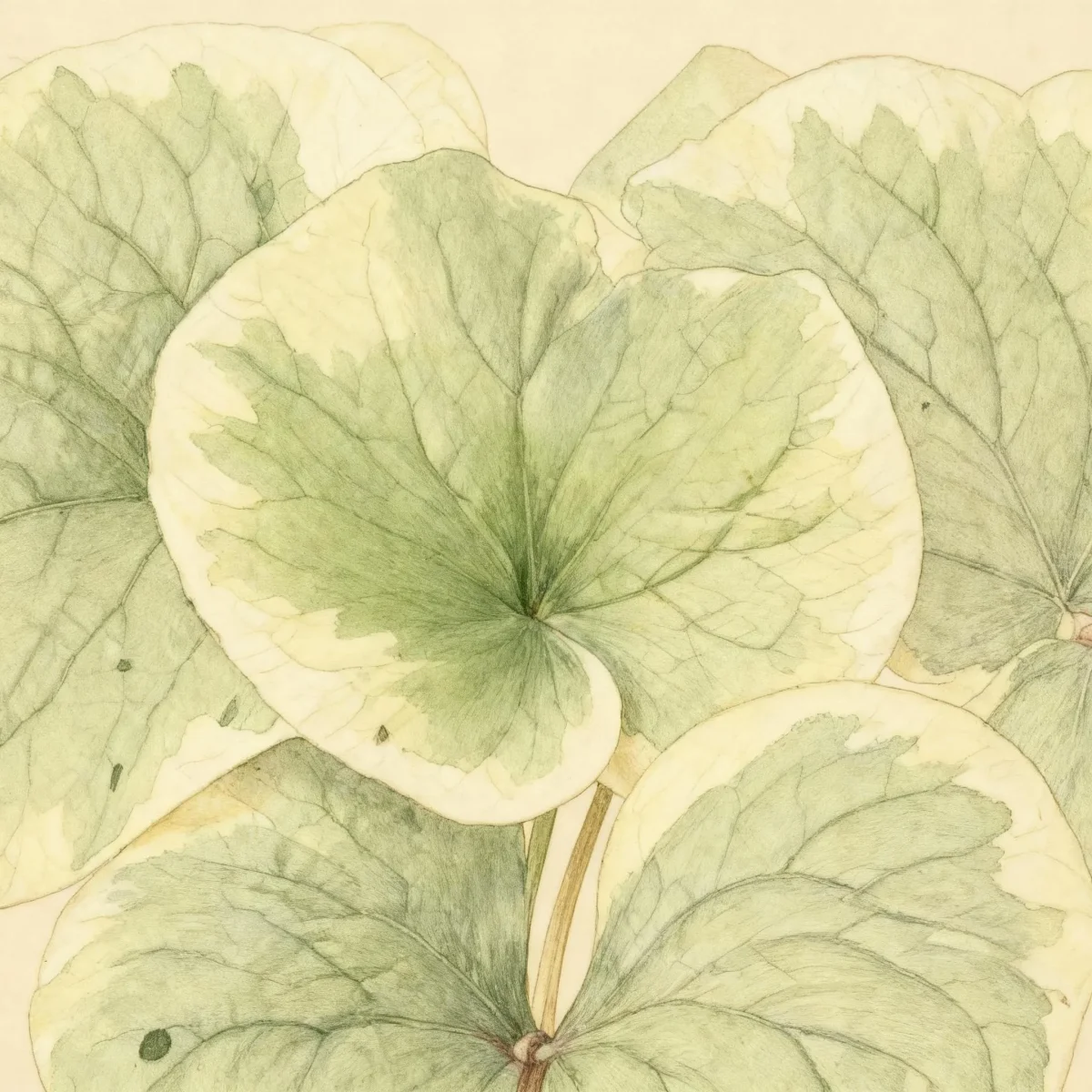
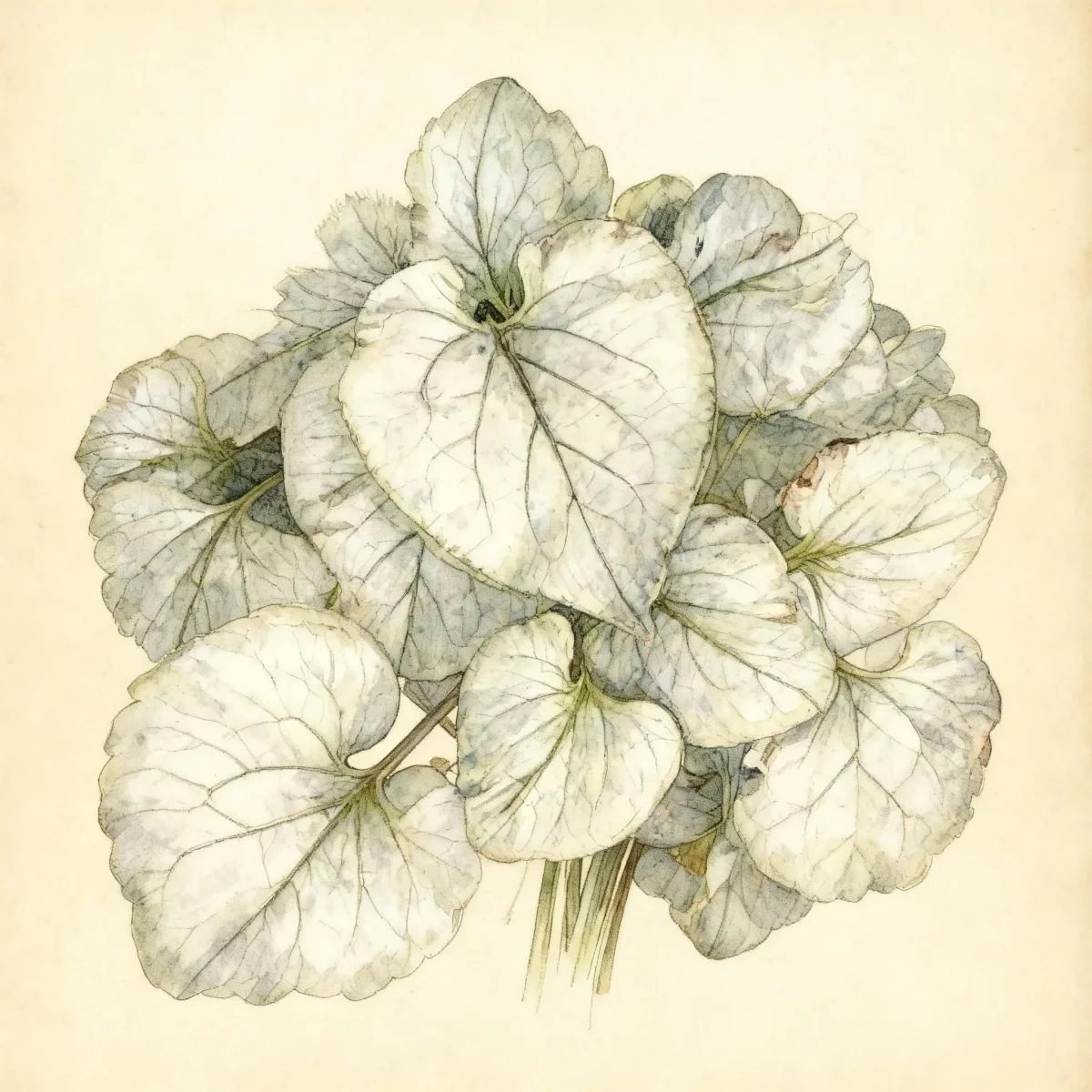
Siberian bugloss (Brunnera macrophylla 'Alexander's Great')
Brunnera macrophylla 'Alexander's Great' is a striking perennial featuring large, silvered foliage and sky blue flowers. Siberian bugloss offers low maintenance shade interest.
Scroll down to discover growing tips, care requirements, companion plants, and more
Complete Plant Information
Overview
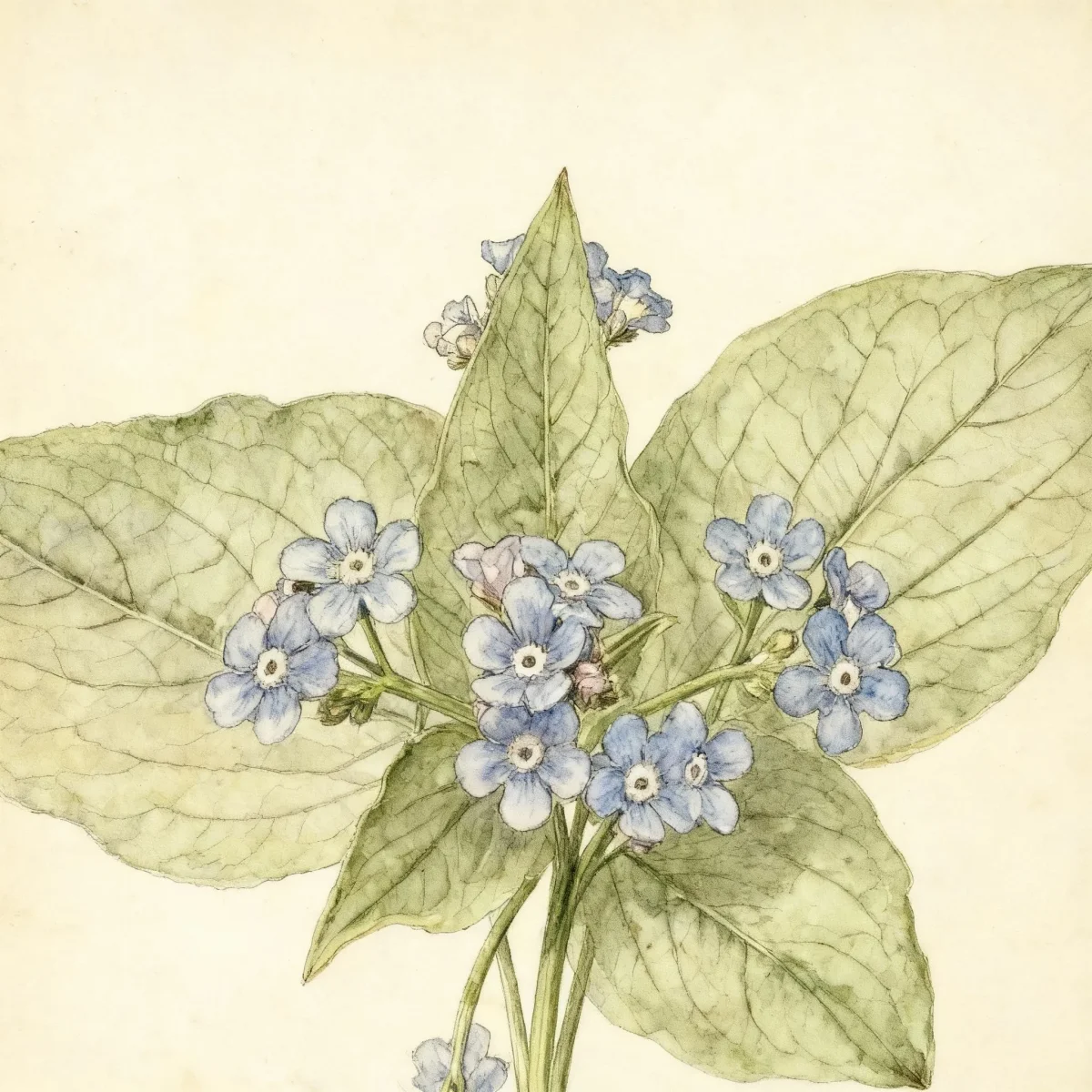
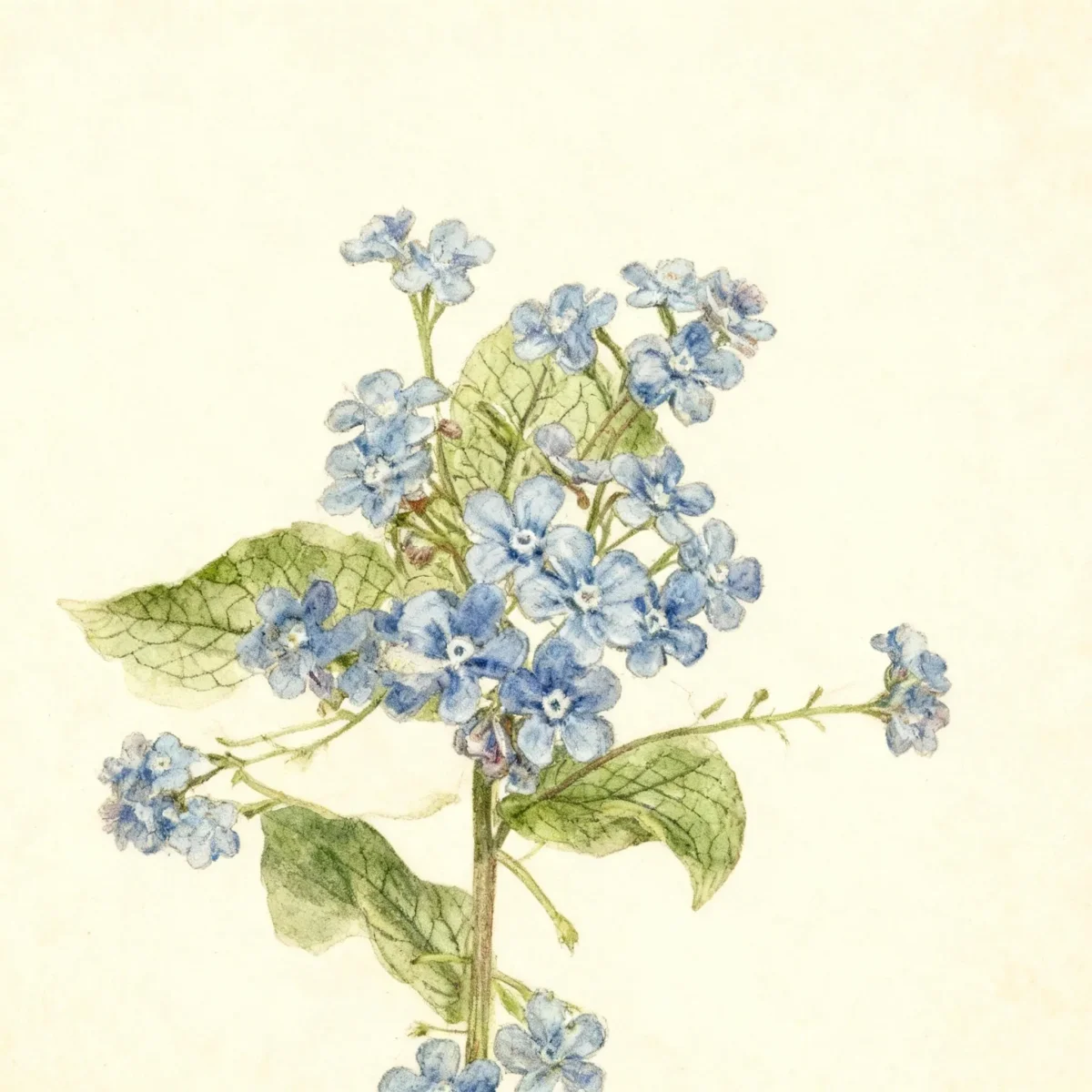
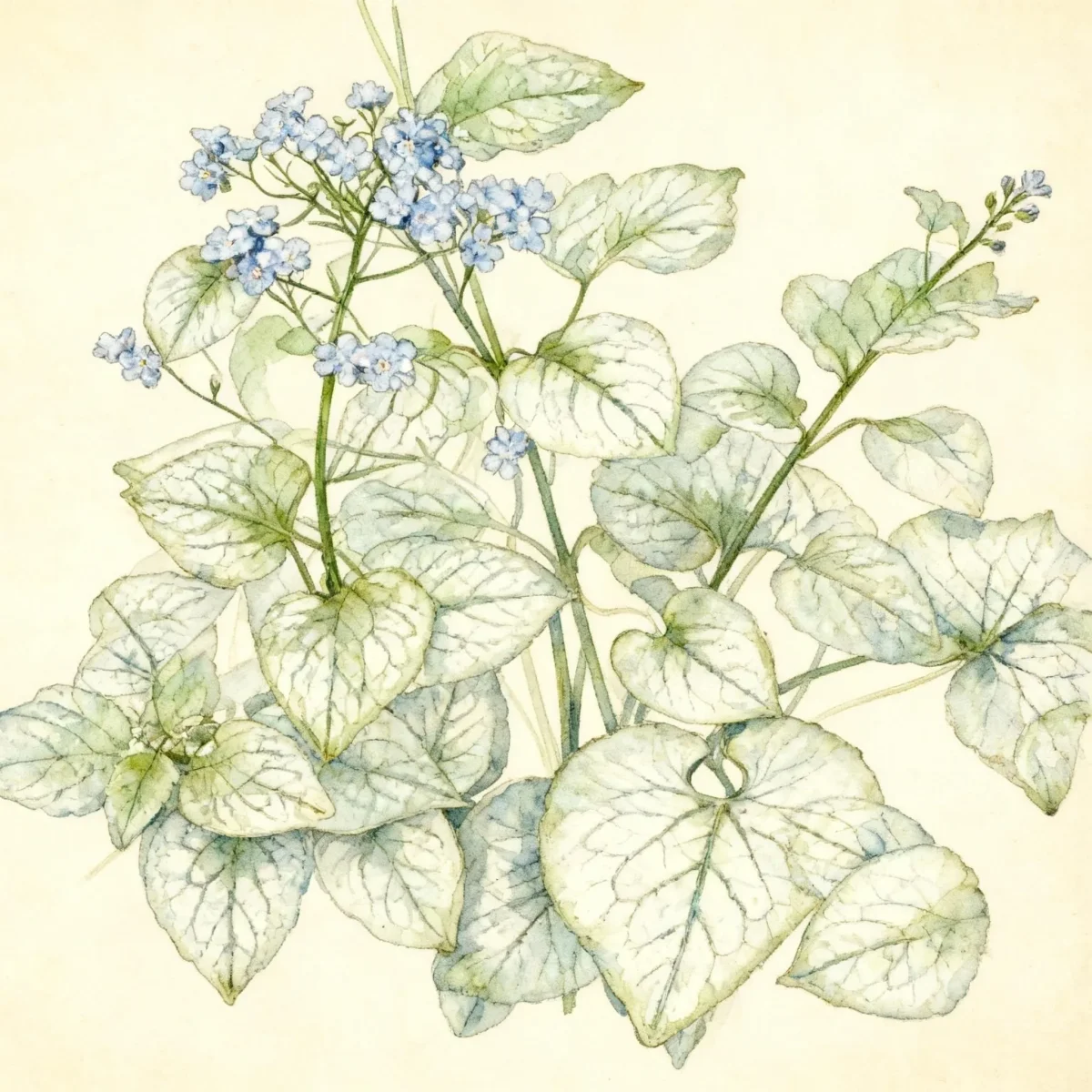
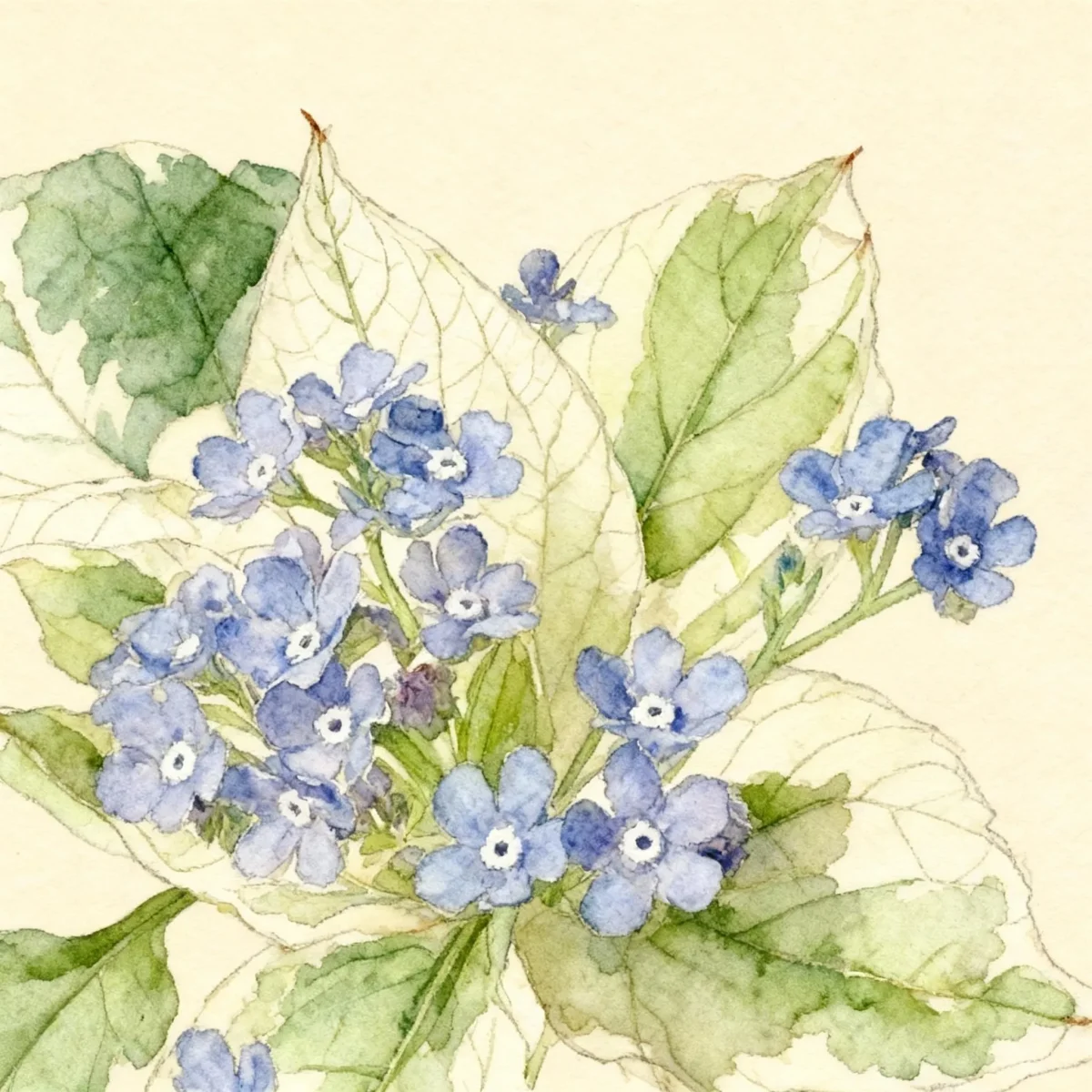
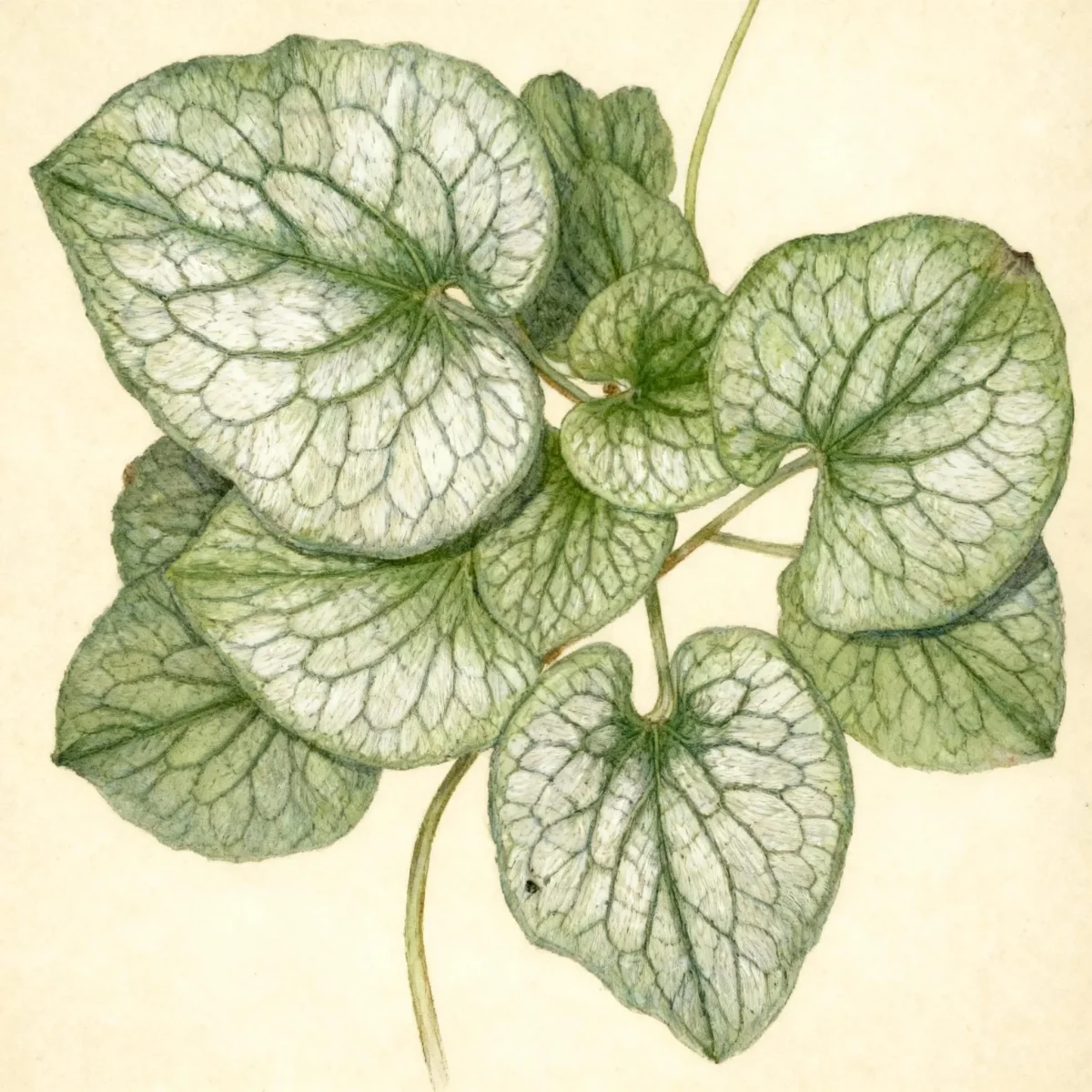
Brunnera macrophylla ‘Alexander’s Great’ is highly valued for its exceptional, large, heart-shaped foliage that creates a dramatic statement in shady garden spots. This cultivar stands out with its leaves heavily washed in silver, accented by strong green veins and margins, providing season-long texture. Commonly known as Siberian bugloss, this herbaceous perennial emerges in spring to display sprays of delicate, sky-blue flowers reminiscent of forget-me-nots.
As a rhizomatous perennial, Siberian bugloss slowly spreads to form dense, manageable colonies, making it an excellent choice for mass plantings or as a living mulch. The appeal of Brunnera macrophylla ‘Alexander’s Great’ is rooted in its robust performance with minimal effort, thriving where many other plants struggle due to lack of light. Gardeners prize this plant for its combination of reliable color and magnificent foliage structure.
This cultivar is noted for being larger than some earlier selections, offering more impact in woodland or shade borders. While the flowers are fleeting, the persistent, bold leaf texture of Brunnera macrophylla ‘Alexander’s Great’ ensures that the garden remains visually interesting throughout the entire growing season.
Fast Facts
- Plant Family: Boraginaceae
- Plant Type: Herbaceous perennial
- Hardiness Zones: USDA Zones 3-8
- Size at Maturity:
- Height: 1-1.5 ft
- Spread: 2-2.5 ft
- Bloom Time: April to May
- Bloom Description: Sky blue
- Sun Exposure: Part shade
- Water Needs: Medium
- Maintenance Level: Low
How to Grow
Plant Brunnera macrophylla ‘Alexander’s Great’ in the spring or early fall once the chance of hard frost has passed, or before extreme summer heat sets in. It performs best in average, medium-moisture, well-drained soil, but it absolutely prefers consistently moist, organically rich soils located in shadier areas of the garden. While it tolerates some dryness better than other varieties, avoid letting the soil dry out completely, especially during hot spells.
Care for this Siberian bugloss is typically simple due to its low maintenance requirement. Fertilizing is rarely necessary if the soil is organically rich; incorporate compost around the base annually to boost vigor. Water deeply and regularly when establishing and during periods of drought, as foliage scorch can occur in hot, dry conditions.
In the deep South (hot and humid summers), growth may slow dramatically, and the plants will struggle to perform optimally. Cutting back foliage after it declines in late summer can refresh the appearance, though the clumps should remain untouched otherwise. Clumps spread slowly via creeping rhizomes, naturally forming attractive ground covers.
Landscape Uses
As a ground cover, Brunnera macrophylla ‘Alexander’s Great’ excels at suppressing weeds while brightening darker corners of the landscape. It is perfect for massing along shaded slopes, under deciduous trees, or in naturalized areas where its low, mounding habit can define edges. Groupings of this perennial provide excellent textural contrast against ferns or hostas.
Consider utilizing the silver and green pattern of Brunnera macrophylla ‘Alexander’s Great’ in woodland garden settings or along the edges of ponds and streams where moisture levels are reliably high. While it works well in borders due to its manageable height, be aware that allowing variegated cultivars to self-seed may result in offspring losing their desirable variegation. This plant also adds significant color contrast when grown in decorative containers placed in a sheltered patio area.
Standout Features
Flower Qualities
- Showy
Noteworthy Characteristics
Brunnera macrophylla, commonly called Siberian bugloss, is primarily grown in shady areas for its attractive basal foliage. The cultivar ‘Alexander’s Great’ is notable for forming a large mound of heart-shaped, silvered leaves that feature contrasting green veins and narrow green edges. In spring, stalks of small sky blue flowers rise above this magnificent foilage mound, creating a stunning display before the summer heat fully arrives.
Tolerances
- Rabbit
Potential Problems
Brunnera macrophylla ‘Alexander’s Great’ enjoys a largely trouble-free existence regarding pests and diseases, which is one of its great merits as a garden staple. Slugs and snails, however, occasionally find the lush new growth appealing, especially during damp periods. Protect young foliage by employing standard slug control measures like diatomaceous earth or baits if necessary. Fortunately, deer and rabbits typically avoid consuming the foliage of this Siberian bugloss cultivar.
Frequently Asked Questions
What hardiness zones is Siberian bugloss suitable for?
Brunnera macrophylla ‘Alexander’s Great’ is suitable for USDA Zones 3 through 8, allowing it to thrive across a wide range of continental climates.
How large does Brunnera macrophylla ‘Alexander’s Great’ grow?
This perennial typically reaches a mature height between 1 and 1.5 feet, spreading out to a width of 2 to 2.5 feet, forming a substantial mound of foliage.
What sun exposure does Brunnera macrophylla ‘Alexander’s Great’ need?
This plant requires part shade conditions to perform best; full, direct afternoon sun can cause the striking foliage of Brunnera macrophylla ‘Alexander’s Great’ to scorch.
When does Siberian bugloss bloom?
Siberian bugloss blooms early in the season, usually from April into May, producing delightful sprays of sky blue blossoms above the emerging basal leaves.
Conclusion
The combination of incredibly bold, silvered foliage and delicate spring blue flowers makes Brunnera macrophylla ‘Alexander’s Great’ an indispensable plant for adding year-round structure to shade gardens. This Siberian bugloss cultivar offers low maintenance and striking visuals, proving itself a worthwhile investment for shady zones 3 through 8. Before planting, ensure your intended location provides consistent moisture and adequate protection from the intense summer sun.
Companion Planting
When selecting partners for Brunnera macrophylla ‘Alexander’s Great’, focus on plants that share its preference for medium moisture and part shade. Hostas provide excellent textural contrast, particularly those with deep green or blue-toned leaves that complement the silver of the bugloss. Ferns, such as Japanese Painted Ferns or Autumn Ferns, create a naturalistic woodland scene when planted alongside the spreading clumps of this ground cover.
Consider using shade-tolerant spring bulbs like Daffodils or Muscari as early color accents; these will bloom and fade before the full mound of foliage from the Siberian bugloss dominates the space. The overall goal is to layer plants with varying heights and textures to maintain interest throughout the non-flowering months when Brunnera macrophylla ‘Alexander’s Great’ is relying solely on its leaves.
Propagation Tips
While Brunnera macrophylla ‘Alexander’s Great’ naturally spreads slowly via creeping rhizomes, division is the most effective method for propagation and maintaining cultivar integrity. Wait until early spring, just as new growth is emerging, or in the fall after flowering. Carefully dig up the clump and gently separate the rhizomes, ensuring each new division has several healthy eyes or growth nodes attached. Replant the divisions immediately at the same depth in well-prepared, moist soil.
If seeds are gathered, be cautious; the culture notes indicate that seedlings of variegated forms like ‘Alexander’s Great’ may not come true to form and often revert to a less silvered appearance. Therefore, relying on division is strongly recommended if you wish to preserve the specific striking silver and green leaf pattern that makes this cultivar so desirable.