Shasta daisy (Leucanthemum 'Belgian Lace')
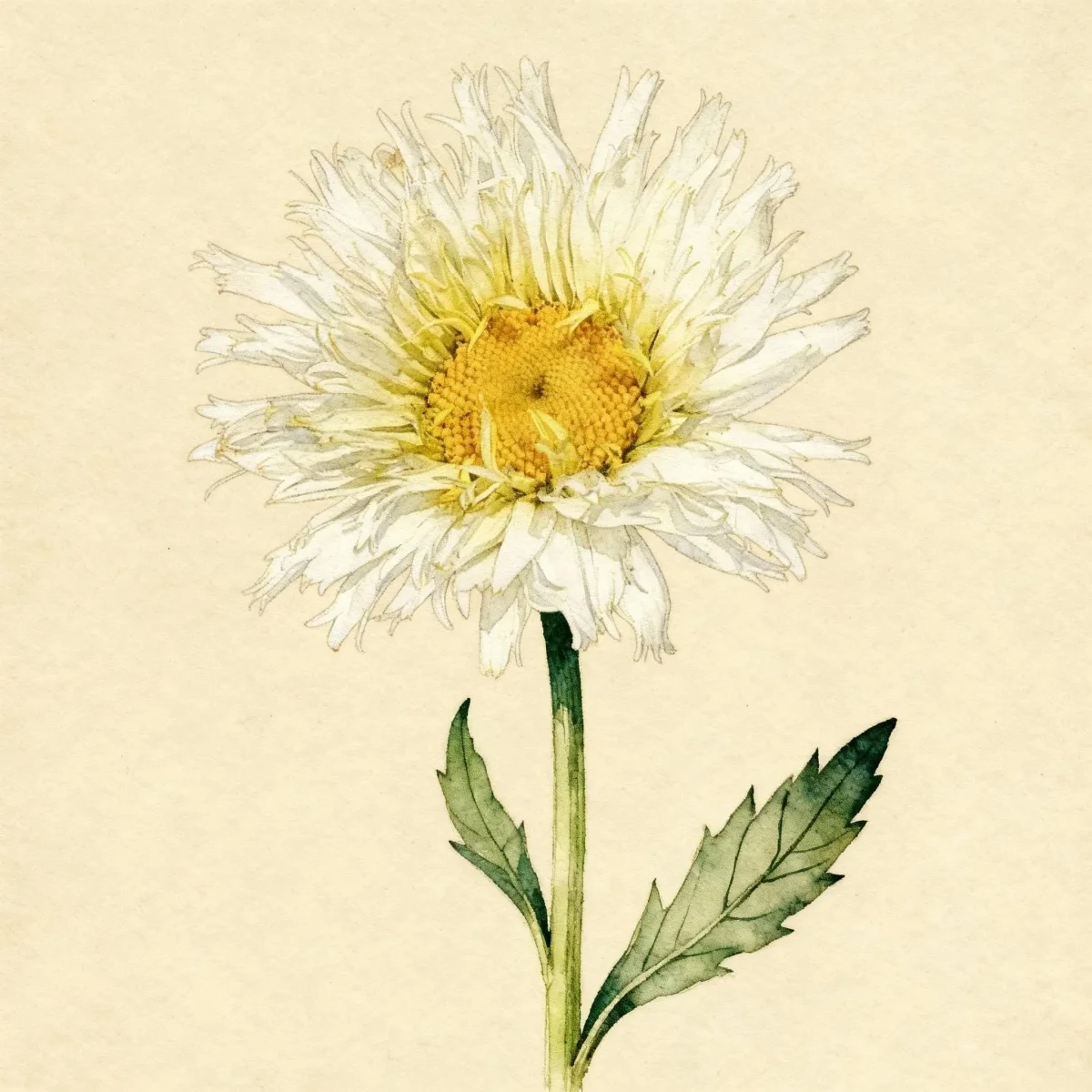
Leucanthemum 'Belgian Lace' Shasta daisy offers frilly, double white blooms from June to August. Low maintenance and deer resistant.
Scroll down to discover growing tips, care requirements, companion plants, and more
Complete Plant Information
Overview
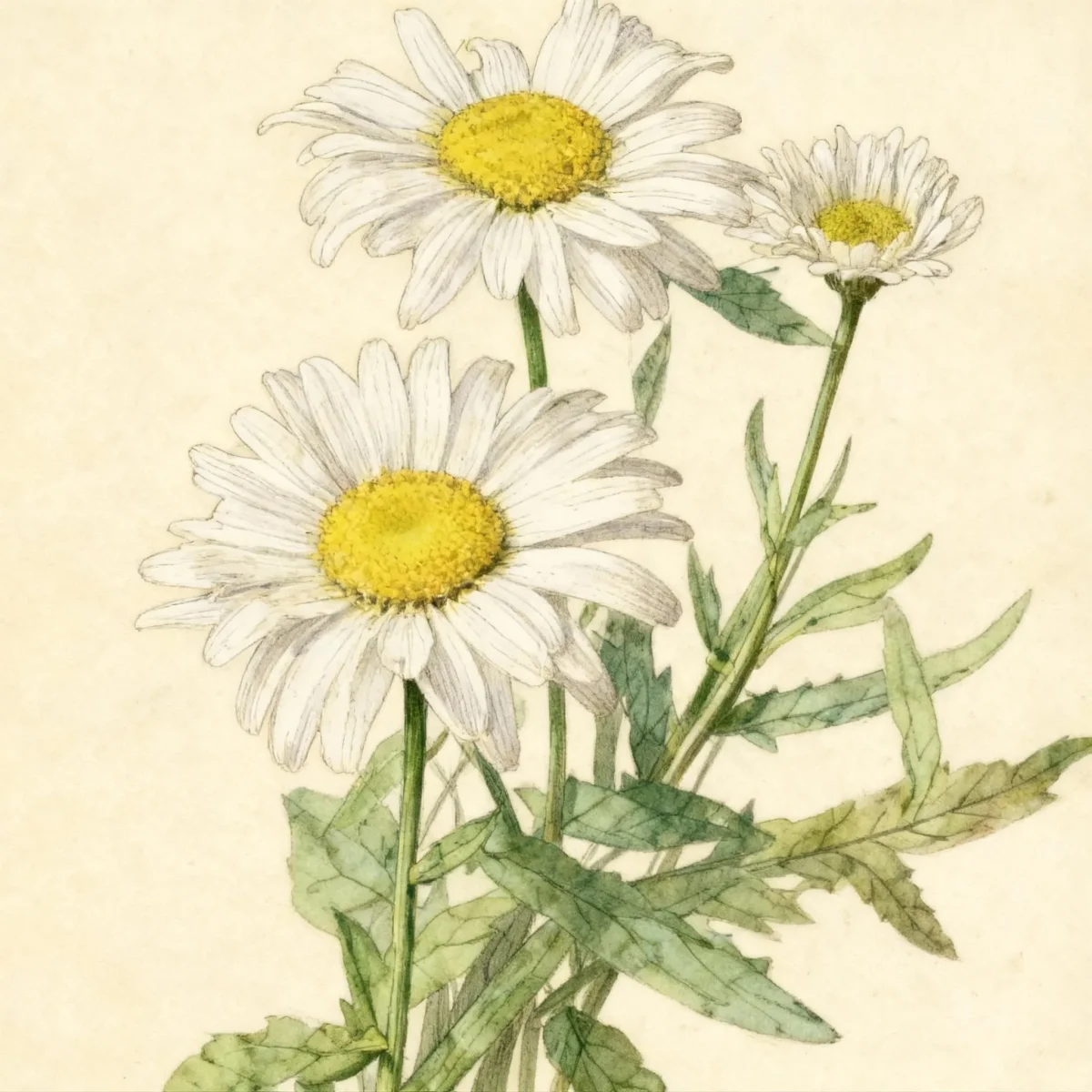
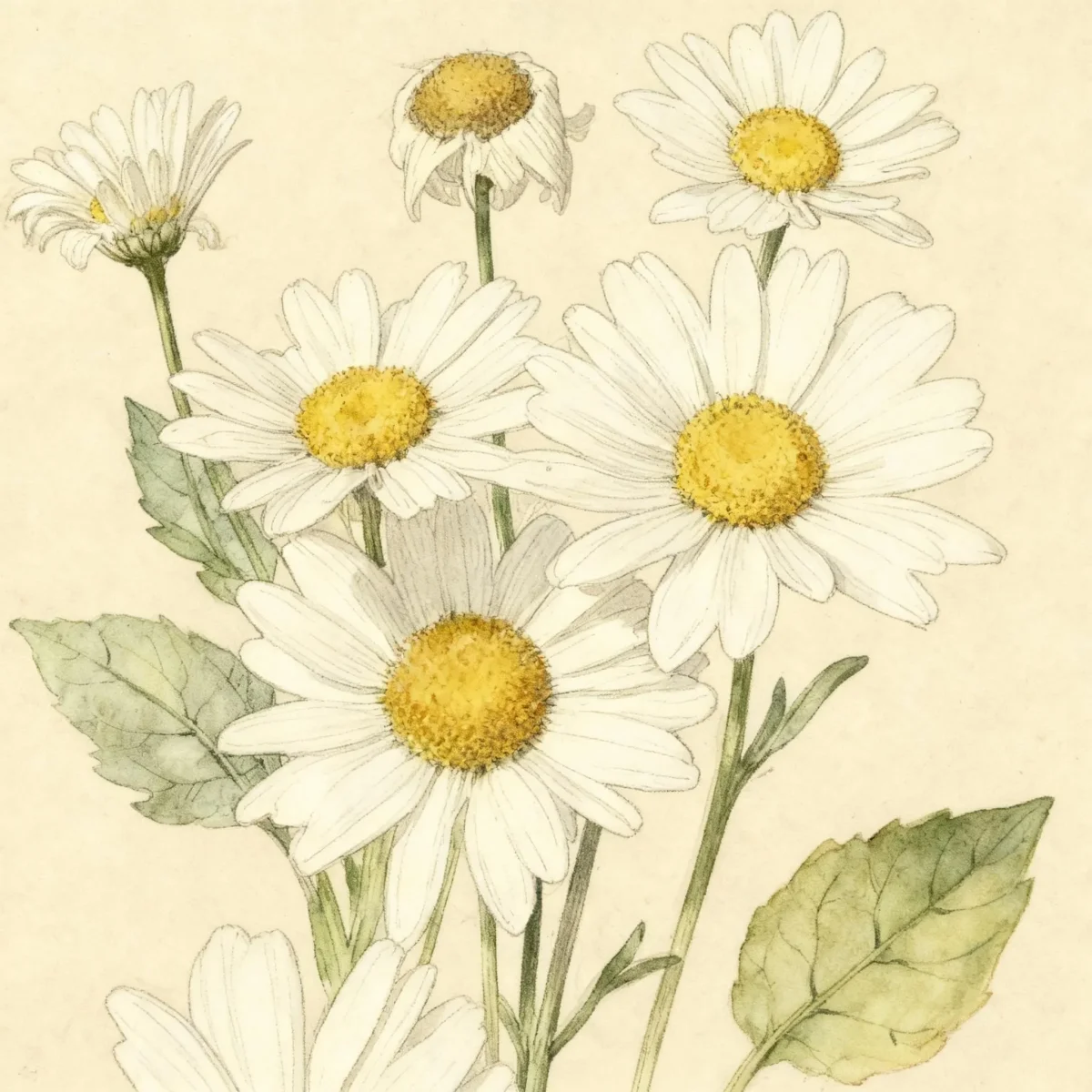
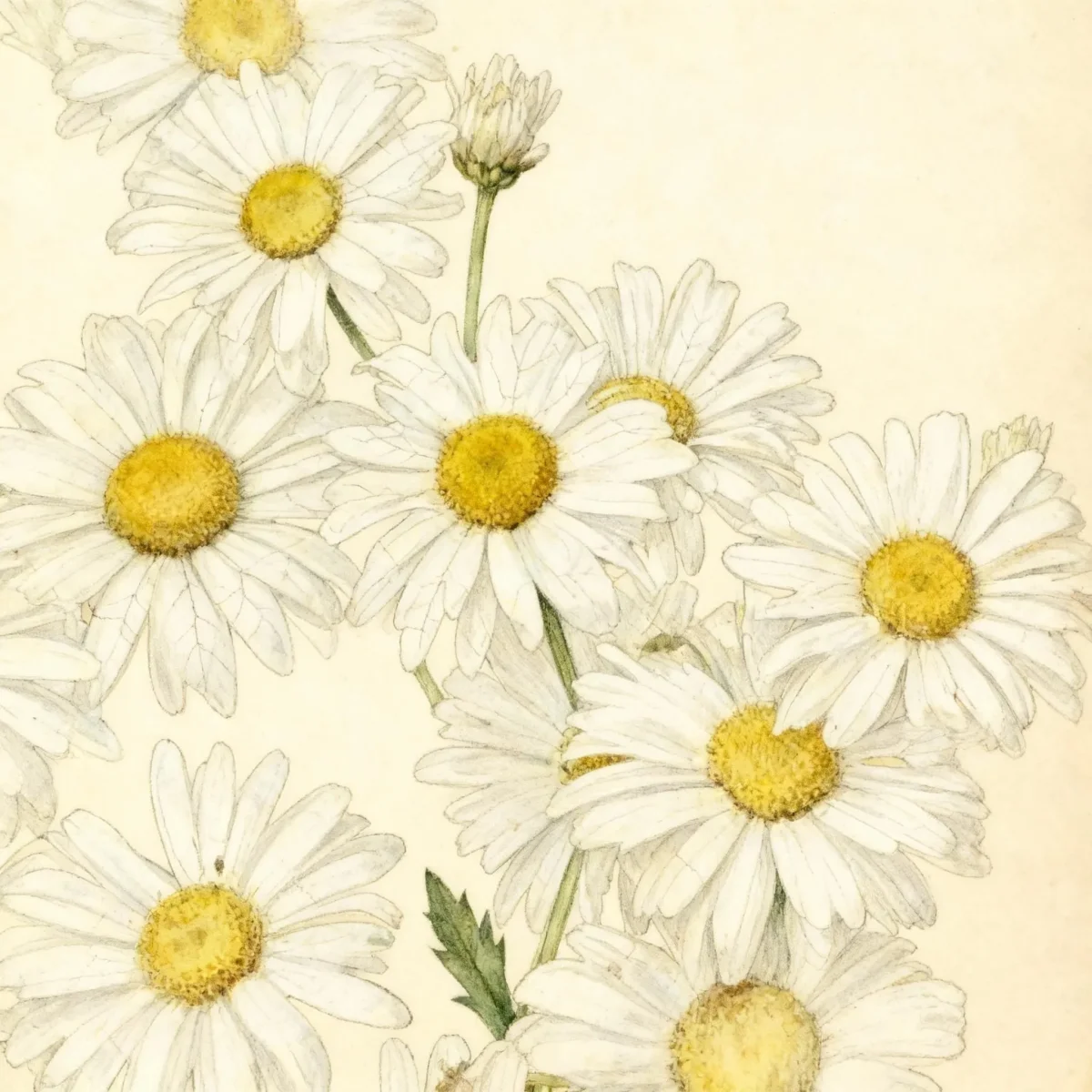
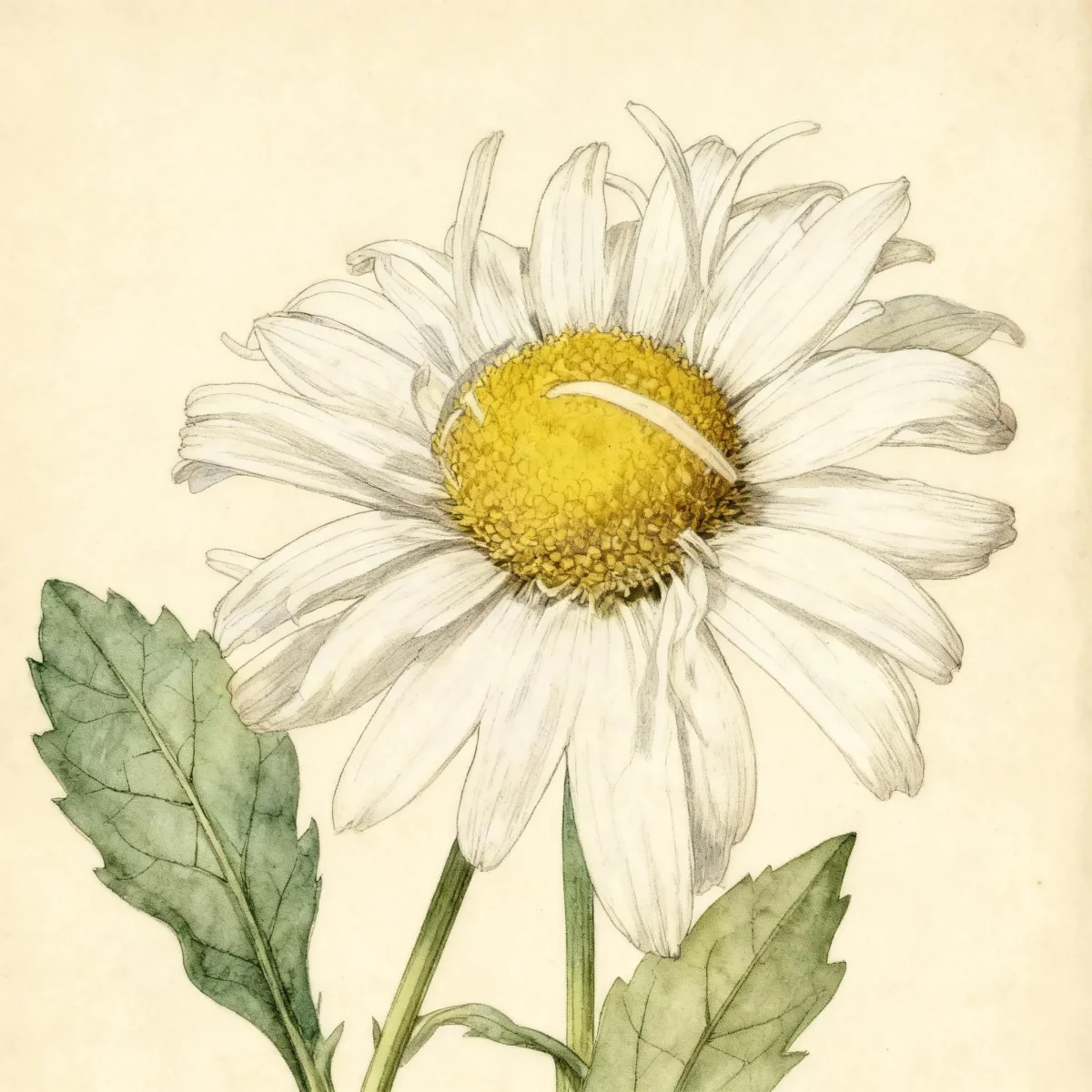
Leucanthemum ‘Belgian Lace’ is a standout cultivar within the beloved Shasta daisy family, prized for its unique, double flower form. This variety presents 3 1/2 inch wide blooms where the white ray petals are distinctly frilly at the tips, surrounding a large, vibrant yellow center that sometimes matures to white, offering exceptional visual texture in the summer garden. As a short-lived but high-impact herbaceous perennial, the Shasta daisy species guarantees long-lasting color when established in optimal conditions.
This compact cultivar forms a dense mound, remaining tidy even without staking, typically reaching 3/4 to 1 foot high. Its resilience makes it a favorite among gardeners seeking low-effort beauty; the Leucanthemum ‘Belgian Lace’ thrives in average soils when drainage is excellent. Providing reliable bloom from early summer into midsummer, this plant is invaluable for both dedicated flower borders and in containers where its tidy habit shines.
The genus name Leucanthemum references the classic white flower structure, but ‘Belgian Lace’ elevates this with its intricate petal structure. Gardeners appreciate its robust nature, handling dry spells once established, and its inherent resistance to common garden pests. Incorporating the Leucanthemum ‘Belgian Lace’ into your landscape ensures classic daisy appeal with a contemporary twist.
Fast Facts
- Plant Family: Asteraceae
- Plant Type: Herbaceous perennial
- Hardiness Zones: USDA Zones 5-9
- Size at Maturity:
- Height: 0.75-1 ft
- Spread: 1-1.5 ft
- Bloom Time: June to August
- Bloom Description: White with a gold center
- Sun Exposure: Full sun
- Water Needs: Dry to medium
- Maintenance Level: Low
How to Grow
The key to success with the Leucanthemum ‘Belgian Lace’ is proper site selection, focusing intensely on drainage. Plant these perennials in spring or fall in locations receiving full sun, which ensures the strongest stems and best flowering performance for your Shasta daisies. They perform best in average soils, provided they are well-drained; be warned that sitting in wet soils, especially during winter dormancy, can prove fatal to the clumps.
Watering should be consistent but moderate during the first growing season to establish the root system. Afterward, this variety tolerates dry conditions well, requiring supplemental water primarily during prolonged summer heatwaves. Fertilization is usually unnecessary in average garden soils; excess richness can lead to floppy growth.
Maintenance for Leucanthemum ‘Belgian Lace’ is straightforward. Deadheading—removing spent flower heads—encourages continuous cycles of bloom throughout the summer. To preserve the plant’s energy and potentially extend its somewhat short lifespan, consider cutting stems back to the basal foliage once the main flush of flowering fades. Clumps benefit from division every two to three years to maintain vigor and prevent overcrowding.
Landscape Uses
Shasta daisies provide long-lasting summer bloom and are mainstays of the perennial border, cottage garden, and cutting garden. The compact nature of the ‘Belgian Lace’ cultivar makes it exceptionally flexible for modern garden designs where space saving is crucial. This tidy, low mound is ideal for edging pathways or integrating into mixed perennial beds, providing consistent white accents against deeper green foliage.
Because of their robust flower production, these daisies are stellar as cut material, and Leucanthemum ‘Belgian Lace’ elevates bouquet work with its unique, frilly texture. Use them near the front or middle of borders where they won’t be overshadowed by taller neighbors. They integrate beautifully with other sun-loving perennials that share dry-to-medium water needs, such as ornamental grasses or coneflowers.
This variety also performs remarkably well in rock gardens, where excellent drainage is naturally provided, allowing the plant to develop a dense, neat structure. Furthermore, their contained size makes Leucanthemum ‘Belgian Lace’ a surprisingly effective choice for larger patio containers, offering season-long impact near seating areas.
Standout Features
Flower Qualities
- Showy
- Good Cut
Noteworthy Characteristics
Leucanthemums were formerly grouped under Chrysanthemum, with the genus name derived from Greek words meaning “white flower.” ‘Belgian Lace’ was developed by Terra Nova Nurseries in Oregon, originating from a controlled cross. Its signature feature is the double, 3 1/2 inch daisy flower, which boasts lacy, white ray petals opening from light yellow buds, forming a compact mound perfect for smaller spaces.
Tolerances
- Rabbit
- Deer
- Dry Soil
Potential Problems
This plant generally proves highly resistant to serious pest or disease issues, contributing to its low maintenance rating. However, like many members of the Asteraceae family, Leucanthemum ‘Belgian Lace’ can occasionally be susceptible to soil-borne issues such as Verticillium wilt or stem rots if poor drainage persists. Control of moisture is the best prevention.
Occasionally, minor infestations of aphids, leaf miners, or spider mites may appear. These usually do not cause significant damage but can be managed early with horticultural oil or a strong jet of water, especially targeting the undersides of leaves where pests might hide. Selecting a site with high sun exposure and guaranteed sharp drainage mitigates most cultural stress.
Frequently Asked Questions
What hardiness zones is Shasta daisy suitable for?
Leucanthemum ‘Belgian Lace’ is hardy across USDA Zones 5 through 9, offering wide adaptability across many temperate regions.
How large does Leucanthemum ‘Belgian Lace’ grow?
This compact cultivar reaches a mature height between 0.75 and 1 foot tall, with a spread of 1 to 1.5 feet wide, forming a neat, low mound.
What sun exposure does Shasta daisy need?
Leucanthemum ‘Belgian Lace’ requires full sun exposure for the best habit and most plentiful blooms, though it can manage light afternoon shade in very hot climates.
When does Leucanthemum ‘Belgian Lace’ bloom?
You can expect the attractive white flowers with gold centers of this Shasta daisy from June through August.
Conclusion
The Leucanthemum ‘Belgian Lace’ delivers the iconic, cheerful look of the classic Shasta daisy but in a more refined and compact package ideal for modern borders and smaller gardens. With its low maintenance requirements and notable deer and rabbit resistance, this plant offers outstanding value throughout the summer months. Before planting, ensure your garden spot has excellent drainage, and then enjoy the uniquely frilly, white blooms of Leucanthemum ‘Belgian Lace’ season after season.
Companion Planting
Selecting companions that share the preference for full sun and well-drained soil will enhance the performance of Leucanthemum ‘Belgian Lace’. Consider pairing it with drought-tolerant neighbors like Salvia species, Achillea (Yarrow), or ornamental grasses such as Festuca glauca. These plants offer contrasting textures and bloom times, ensuring continuous garden interest around your sturdy Shasta daisies.
Avoid planting this variety directly alongside moisture-loving plants, as the excess humidity and water will compromise drainage critical to the health of Leucanthemum ‘Belgian Lace’. Integrating plants with silver or dark foliage can make the bright white and gold centers of the blooms truly pop visually.
Propagation Tips
Since Leucanthemum ‘Belgian Lace’ clumps are known to be somewhat short-lived, proactive division is essential for maintaining robust stands. The primary method of propagation is division, which should be carried out every two to three years, preferably in early spring before new growth begins or in early autumn. Carefully dig up the entire clump and gently separate the offsets, ensuring each division has healthy roots and basal growth. Replant divisions immediately into well-prepared, well-drained soil at the same depth they were previously growing. This rejuvenates the clump and provides free replacements for your favorite Leucanthemum.