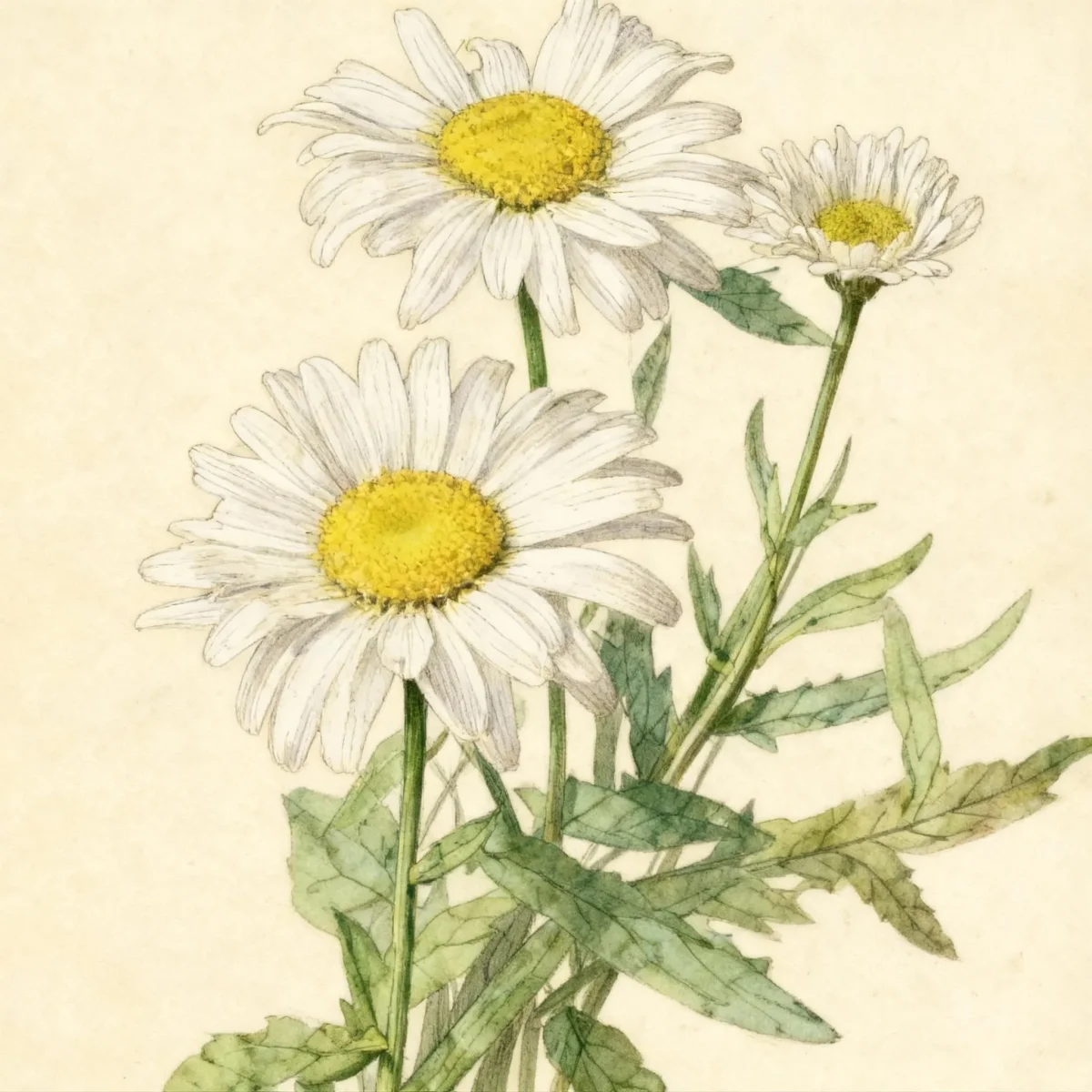
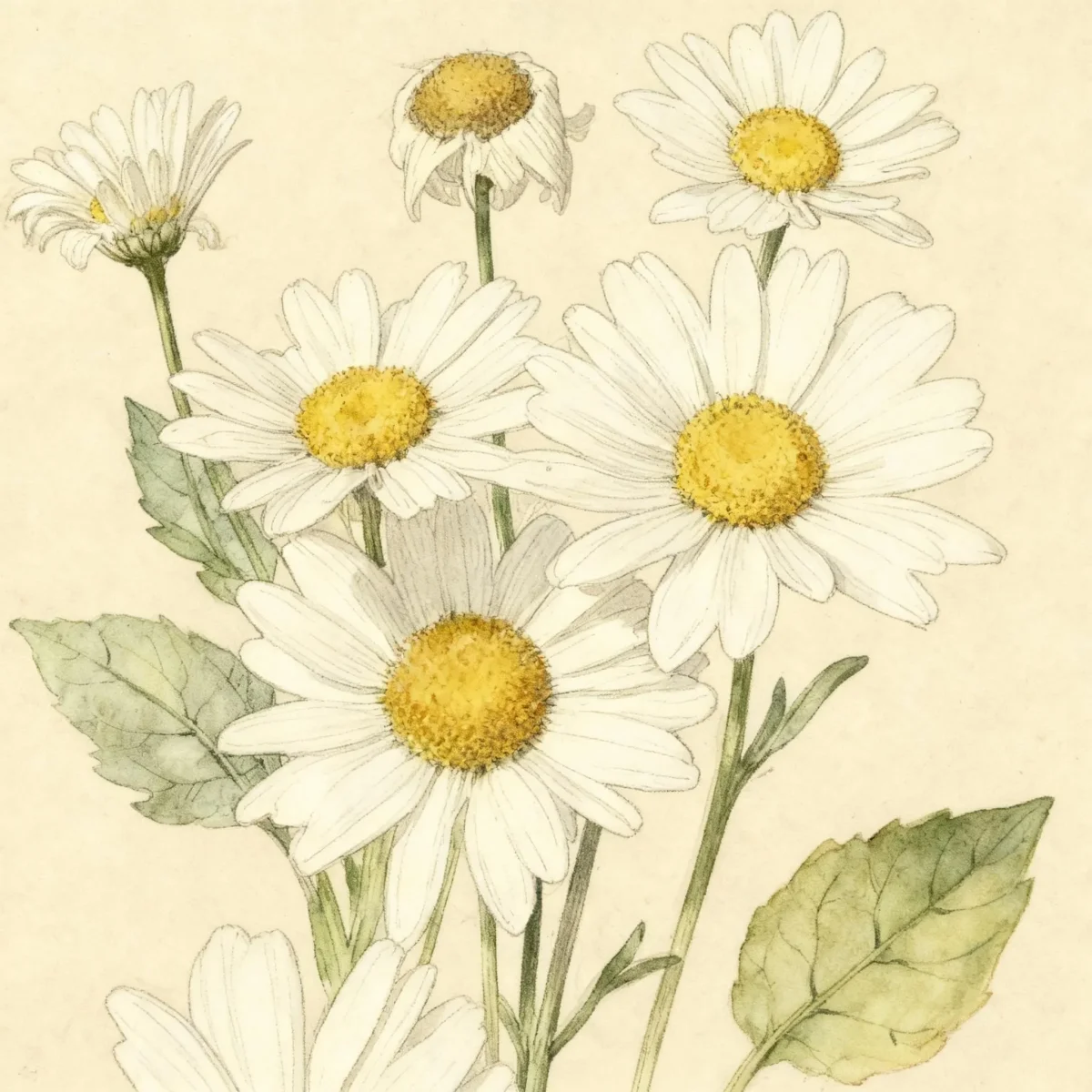
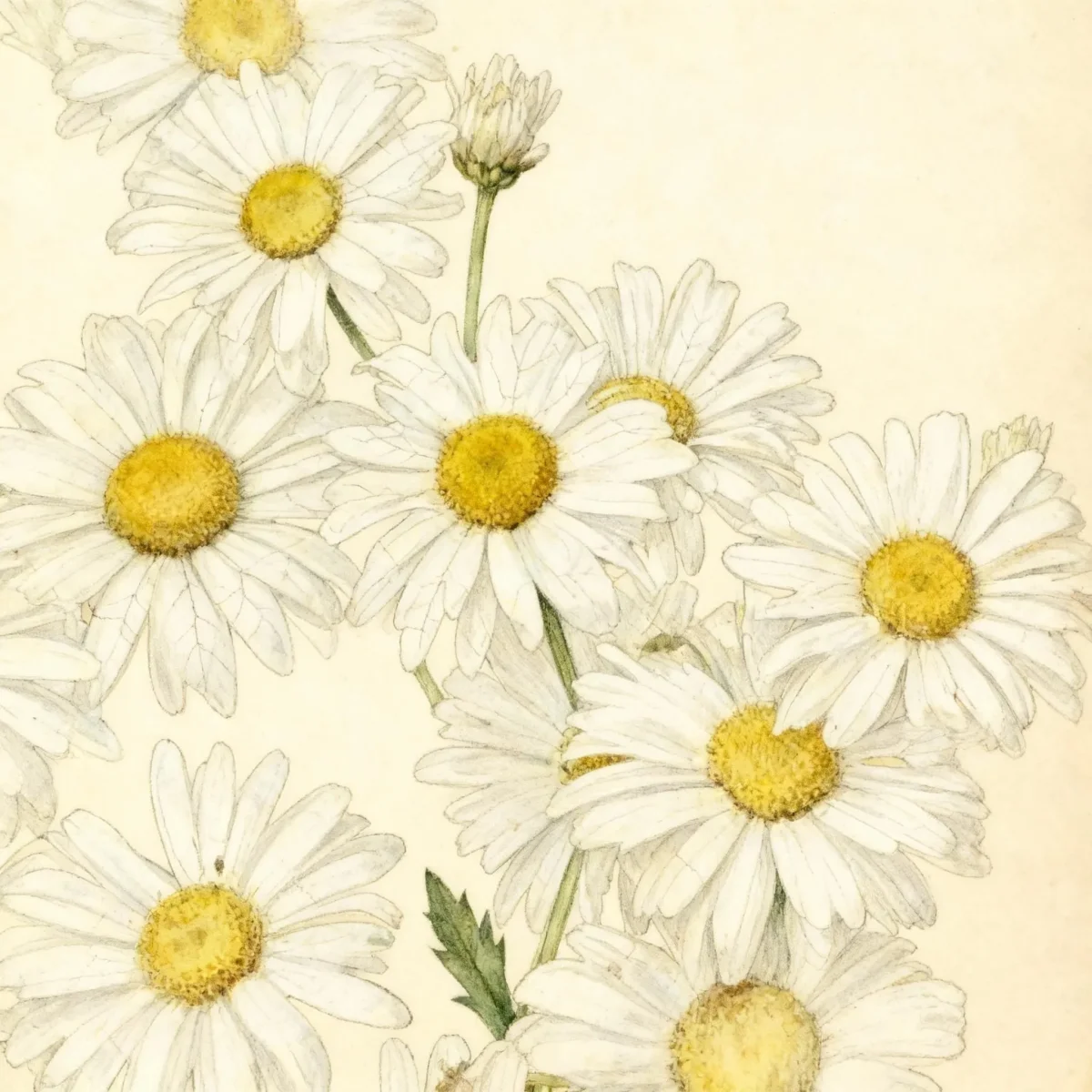
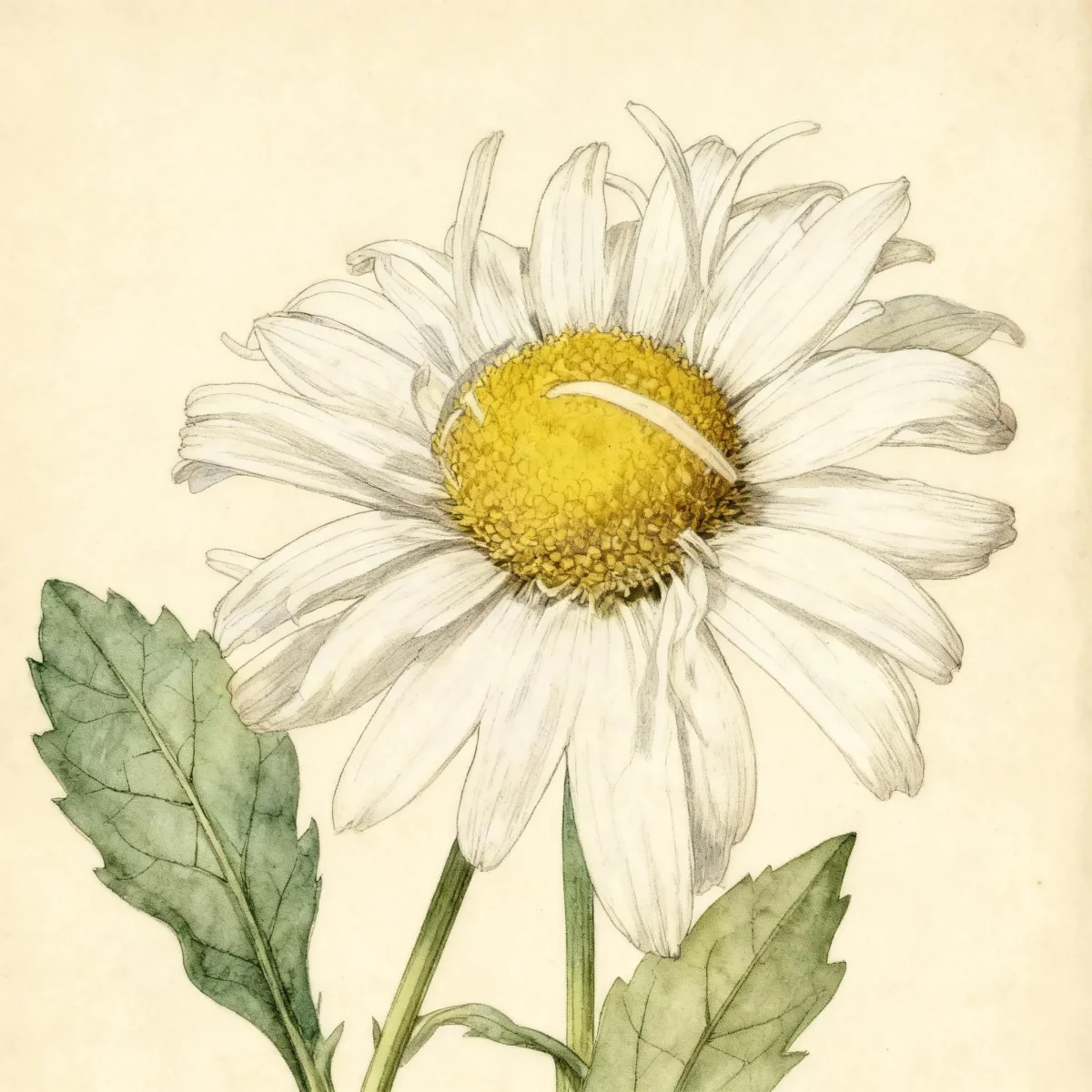
Shasta daisy (Leucanthemum 'Macaroon')
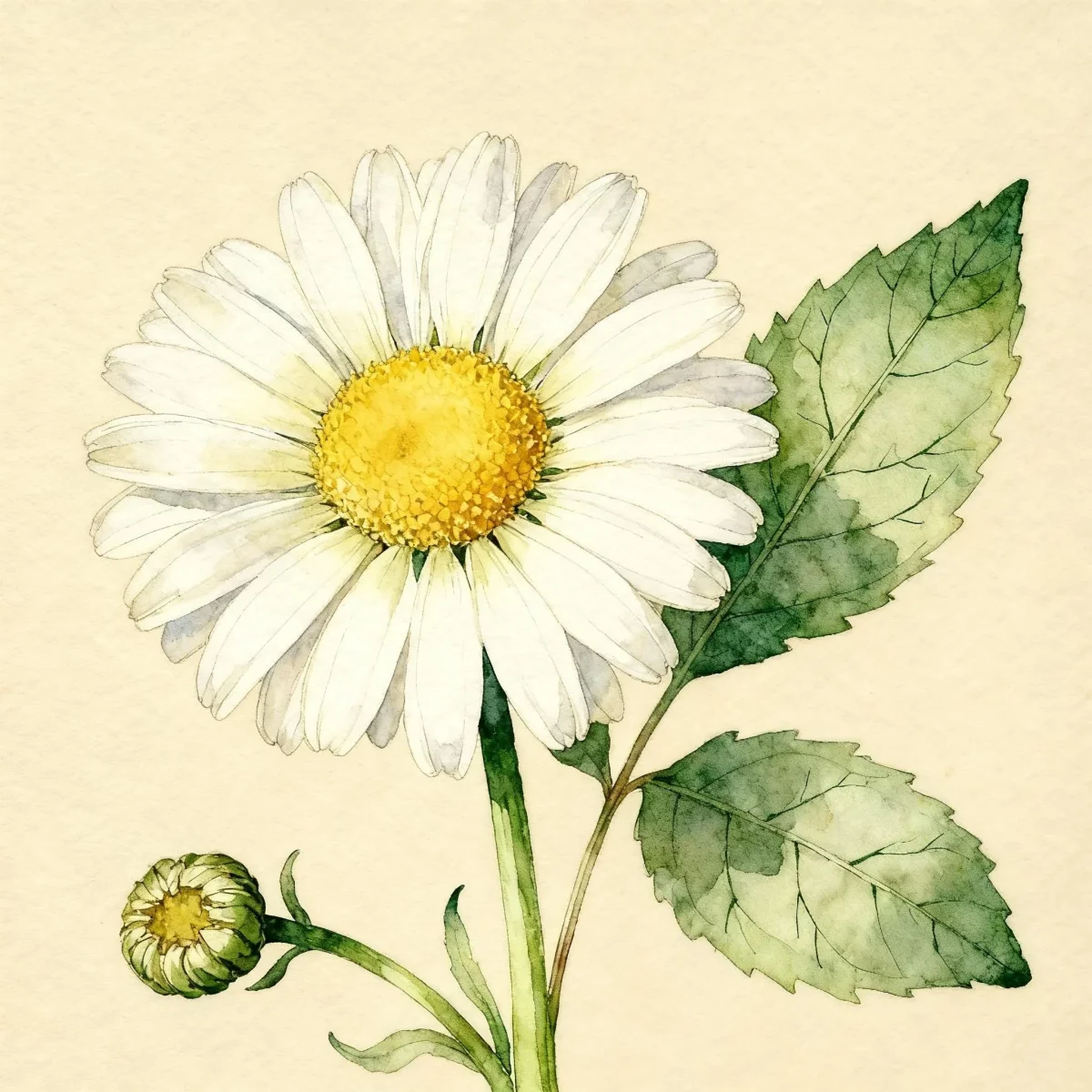
The compact Leucanthemum 'Macaroon' Shasta daisy offers showy, white and gold flowers perfect for borders and cutting gardens from June to August.
Scroll down to discover growing tips, care requirements, companion plants, and more
Complete Plant Information
Overview
Leucanthemum ‘Macaroon’ is a highly valued herbaceous perennial, known affectionately as the Shasta daisy, bringing reliable, cheerful color to the summer landscape. This specific cultivar forms a low, compact mound prized for its abundant stems bearing flowers with bright yellow centers that mature to pure white. Gardeners benefit from the long blooming window of Leucanthemum ‘Macaroon’, which reliably delivers excellent visual impact from early summer well into August.
Bred for manageable size and excellent garden performance, this Shasta daisy cultivar is perfect for integrating into structured beds where larger perennials might overwhelm the space. It boasts low maintenance needs, provided its crucial soil drainage requirements are met. The presence of white, daisy-type flowers remains a cottage garden staple, making the compact Leucanthemum ‘Macaroon’ an essential choice for both new and seasoned gardeners.
Fast Facts
- Plant Family: Asteraceae
- Plant Type: Herbaceous perennial
- Hardiness Zones: USDA Zones 5-9
- Size at Maturity:
- Height: 1-1.25 ft
- Spread: 1.5-2 ft
- Bloom Time: June to August
- Bloom Description: White with a gold center
- Sun Exposure: Full sun
- Water Needs: Dry to medium
- Maintenance Level: Low
How to Grow
Plant Leucanthemum ‘Macaroon’ best in the spring or fall after the danger of hard frost has passed. Choose a location providing full sun; while it tolerates light shade, dense shade will reduce flowering quality. The most critical cultural requirement is excellent soil drainage; the plant is highly susceptible to root rot if grown in moist or wet soils, especially during winter dormancy.
Once established, this Shasta daisy requires only dry to medium moisture levels. Water deeply when the soil begins to dry out, but avoid consistently saturated conditions. Fertilizing is usually unnecessary if planted in average soil, as over-fertilizing can lead to weak stems. Deadheading, or removing spent flower heads, encourages continuous reblooming throughout the peak summer season.
To maximize the lifespan of your plants, plan to divide the clumps every two to three years; these perennials are somewhat short-lived and division helps maintain vigor. After the main flush of bloom concludes, strongly consider cutting the stems back down to the basal foliage. This practice helps conserve plant energy which may encourage longevity for your Leucanthemum ‘Macaroon’.
Landscape Uses
Shasta daisies, including the compact Leucanthemum ‘Macaroon’, are essential components in traditional perennial borders, offering bright, late-season structure. Their vibrant white and gold blooms contrast beautifully against deep green foliage and work well alongside purples and blues typically found in the mid-border. This cultivar’s compact stature makes it an excellent choice for smaller gardens or mass plantings where traditional Shasta daisies might grow too large.
Furthermore, the strong stems and clean flower form ensure that Leucanthemum ‘Macaroon’ is a favorite in the cutting garden, providing cheerful, long-lasting material for indoor arrangements. Consider planting them near rock gardens, where the need for excellent drainage aligns perfectly with their cultural preferences, or use them as anchors in mixed containers for seasonal patio displays.
Standout Features
Flower Qualities
- Showy
- Good Cut
Noteworthy Characteristics
Leucanthemum ‘Macaroon’ was developed by Terra Nova Nurseries in Oregon from a controlled cross of unnamed Leucanthemum x superbum seedlings. This cultivar is noted for forming a well-branched, low, compact mound, reaching about 1.25 feet tall. Its distinctive flowers feature yellow buds that open to 3-inch wide, double, daisy-type heads, where the ray flowers transition from yellow to pure white surrounding a large, prominent gold disc.
Tolerances
- Rabbit
- Deer
- Dry Soil
Potential Problems
Leucanthemum ‘Macaroon’ is generally resistant to most common garden pests and diseases, which contributes to its low maintenance appeal. However, all Leucanthemums carry a slight risk of developing fungal issues like leaf spots or stem rots, particularly if airflow is poor or humidity is too high. Verticillium wilt is another potential issue to watch for in stressed soil conditions.
Occasional minor pest activity may include aphids, leaf miners, or spider mites, particularly during hot, dry spells. Inspect plants regularly, and address pest issues promptly using insecticidal soap or horticultural oil if infestations become problematic. Proper spacing, as noted in the cultural requirements, remains the best preventative measure against fungal issues.
Frequently Asked Questions
What hardiness zones is Shasta daisy suitable for?
Leucanthemum ‘Macaroon’ is suitable for USDA Hardiness Zones 5 through 9, provided soil drainage is meticulously managed.
How large does Leucanthemum ‘Macaroon’ grow?
This compact Shasta daisy typically reaches a modest height of 1 to 1.25 feet and spreads 1.5 to 2 feet wide at maturity.
When does Leucanthemum ‘Macaroon’ bloom?
This variety blooms consistently from June through August, displaying beautiful white flowers accented by a substantial gold center disc.
What sun exposure does Shasta daisy need?
Leucanthemum ‘Macaroon’ thrives best when planted in full sun conditions to maximize blooming performance.
Conclusion
The Leucanthemum ‘Macaroon’ offers gardeners a neat, sturdy, and reliable flowering punch, combining the classic beauty of a Shasta daisy with a modern, compact habit. Its low-maintenance nature and tolerance for drier soils make it an easy winner for bright summer displays. Before planting, ensure your chosen location offers abundant sunlight and, most importantly, soil that drains rapidly to secure many seasons of enjoyment from this excellent perennial.
Companion Planting
Selecting companions for Leucanthemum ‘Macaroon’ should focus on plants that share a preference for full sun and dry to medium moisture conditions. Avoid moisture-loving companions that might compromise the Shasta daisy’s critical drainage needs. Excellent partners include ornamental grasses like Little Bluestem (Schizachyrium scoparium), which offer textural contrast.
For complementing colors, consider pairing the bright white and gold of the Leucanthemum with deep purple Salvia or blue Russian Sage (Perovskia atriplicifolia). These companions provide complementary colors and thrive under similar sun exposure, creating a balanced, low-water perennial bed that sings throughout the summer months.
Seasonal Care Calendar
Spring care should focus on cleaning up any winter debris and assessing plant vigor before new growth begins. If plants look crowded, this is the ideal time to divide clumps of Leucanthemum ‘Macaroon’ nearing their third year, which rejuvenates the clump’s flowering ability. Ensure the area around the base of the plant is clear for good air circulation.
Summer maintenance is largely focused on deadheading—the regular removal of spent flowers. This simple task encourages the Shasta daisy to produce repeat blossoms right up until August. Only water during extended dry periods, keeping moisture away from the crown of the plant to prevent rot.
In the autumn, once flowering has ceased entirely, cut the stems of the Leucanthemum ‘Macaroon’ back to just above the basal rosette of leaves. This limits the chances of winter moisture sitting on old foliage and reduces potential overwintering sites for disease spores, preparing the plant for its winter rest period.