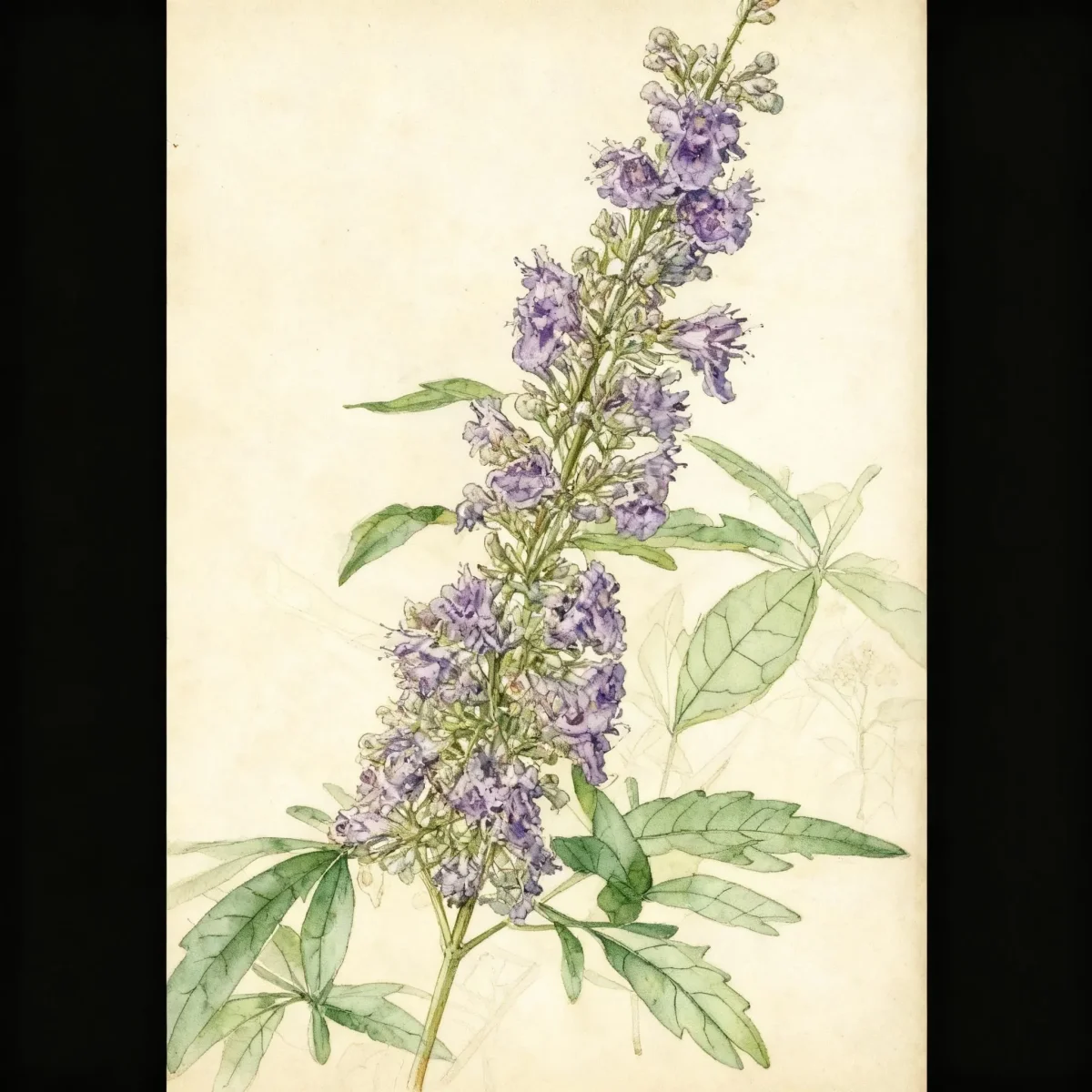
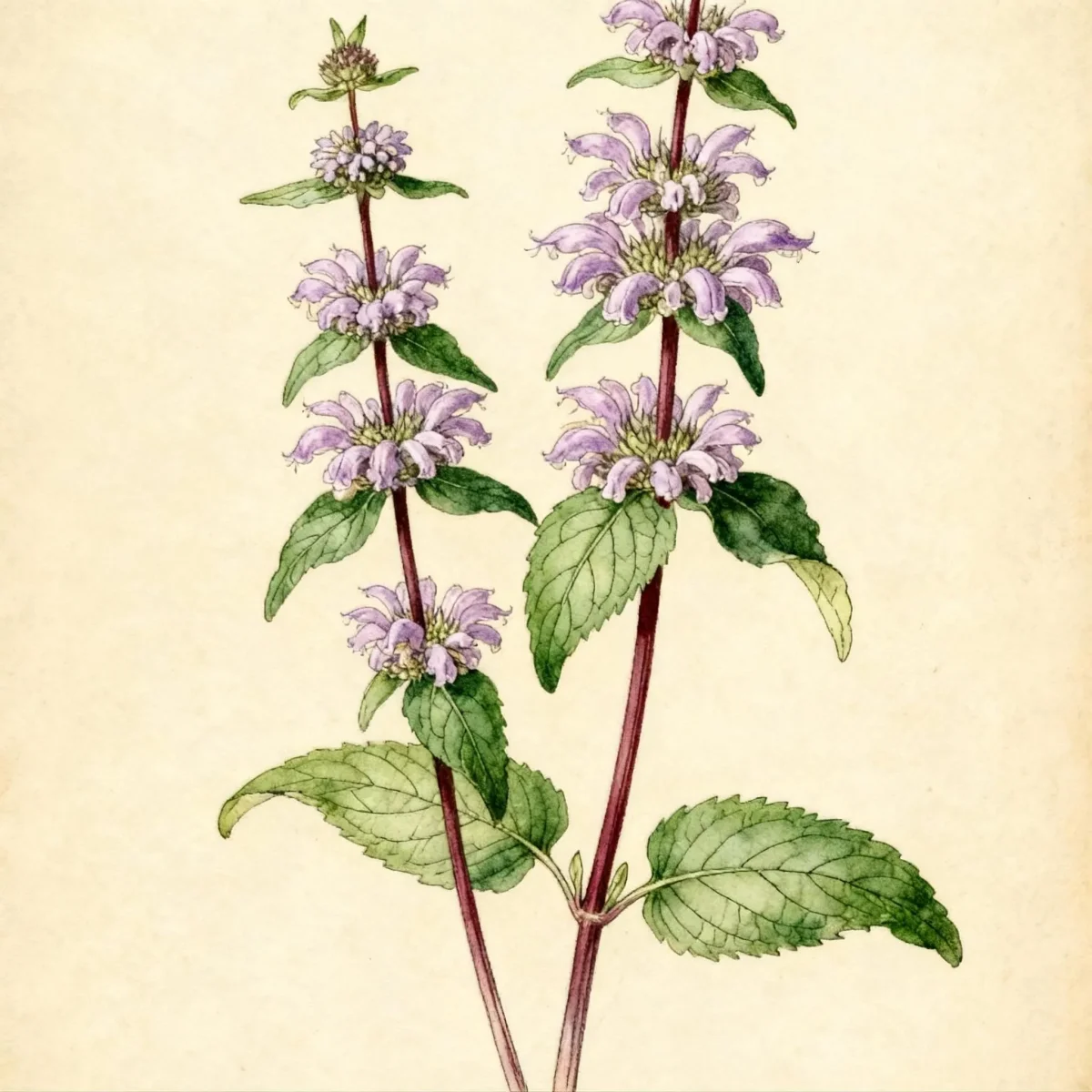
Weeping buddleja (Rostrinucula dependens)
Rostrinucula dependens, the Weeping buddleja, is a unique, weeping deciduous shrub ideal for zones 7-10.
Scroll down to discover growing tips, care requirements, companion plants, and more
Complete Plant Information
Overview
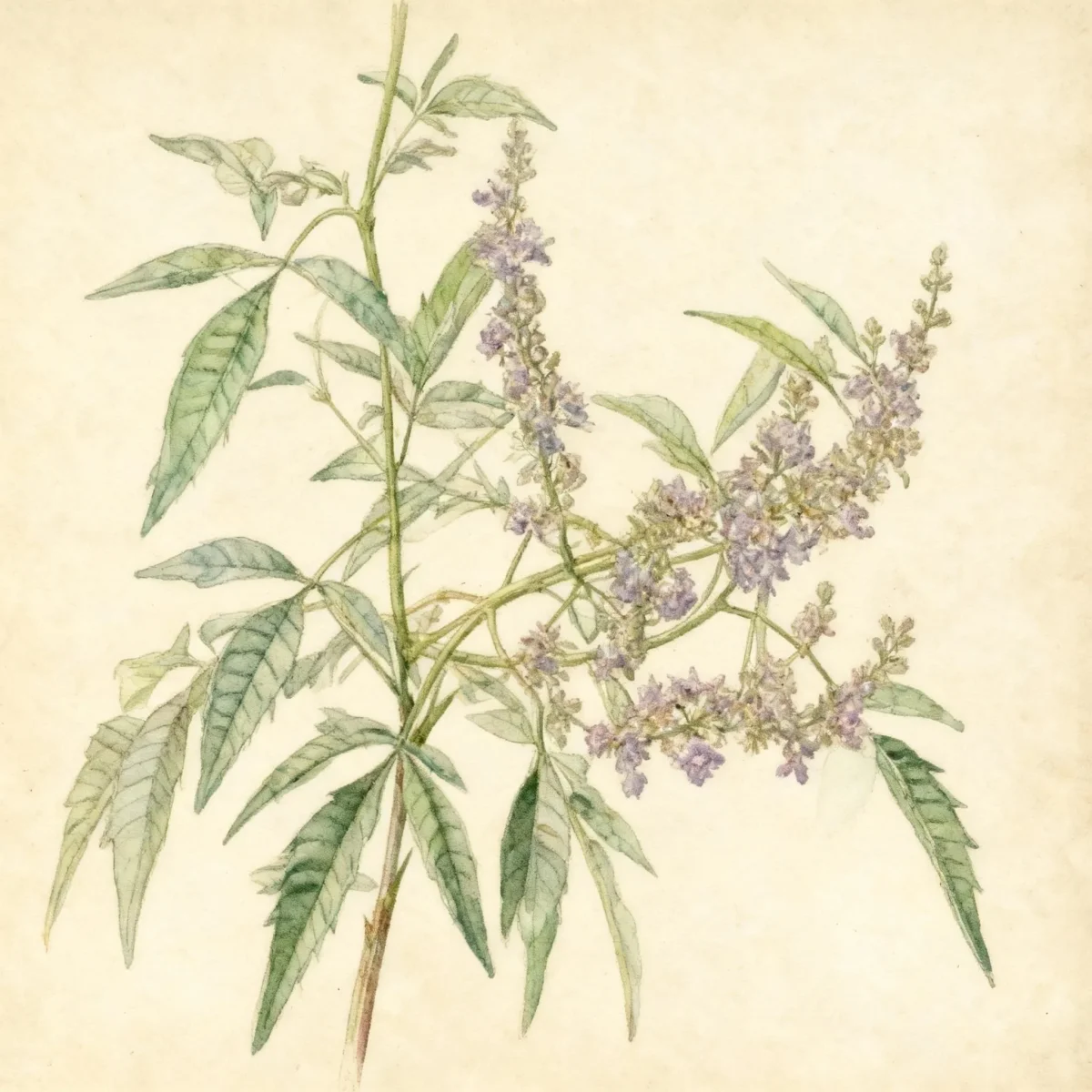
The Rostrinucula dependens, frequently known as the Weeping buddleja, offers delightful texture and late-season color to the landscape. While its common name references Buddleia, this member of the Mint family (Lamiaceae) stands apart with its gracefully arching, weeping habit, lending a soft, cascading appearance to borders. Gardeners value the Weeping buddleja for its unusual form and its prolonged bloom period, which extends color well into the autumn months.
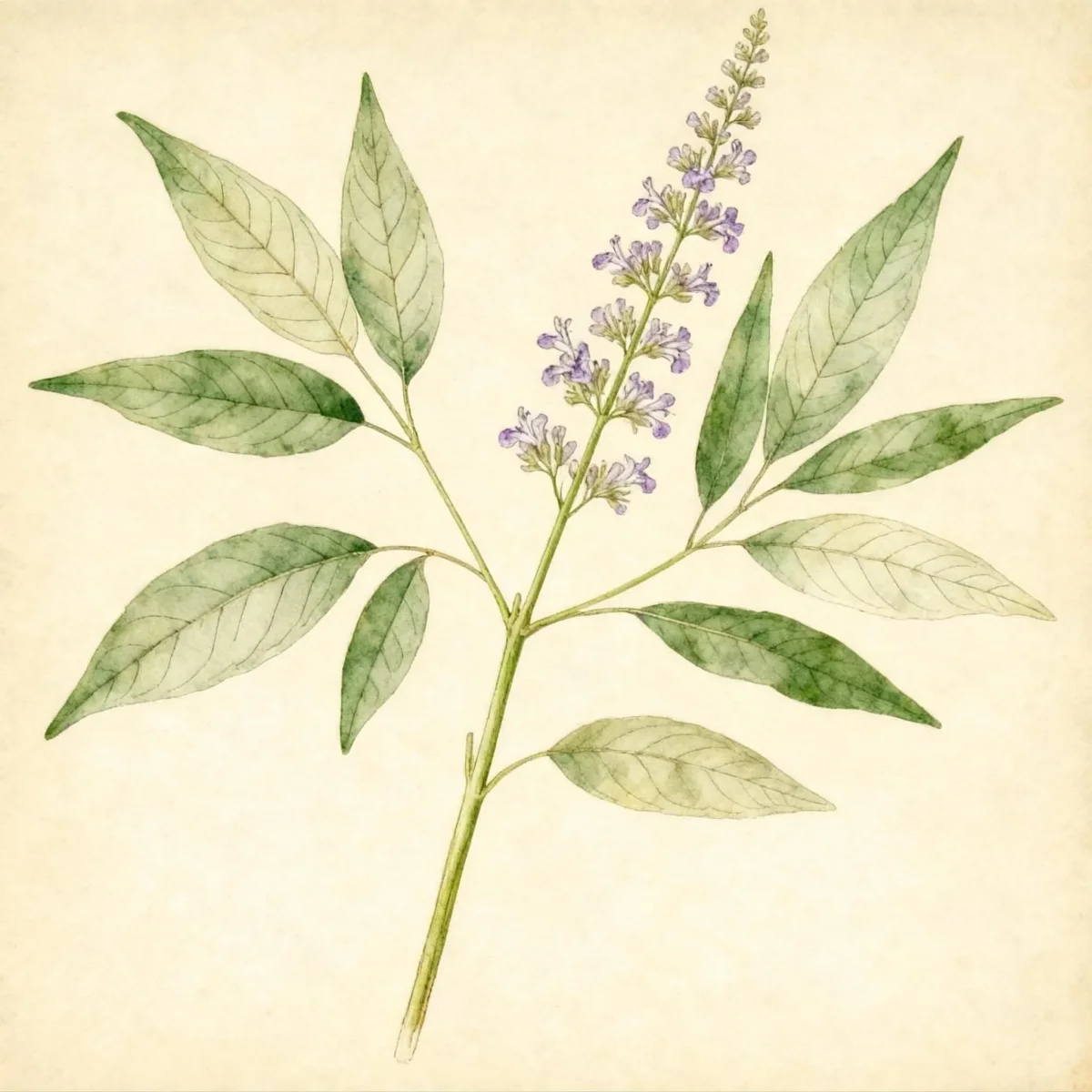
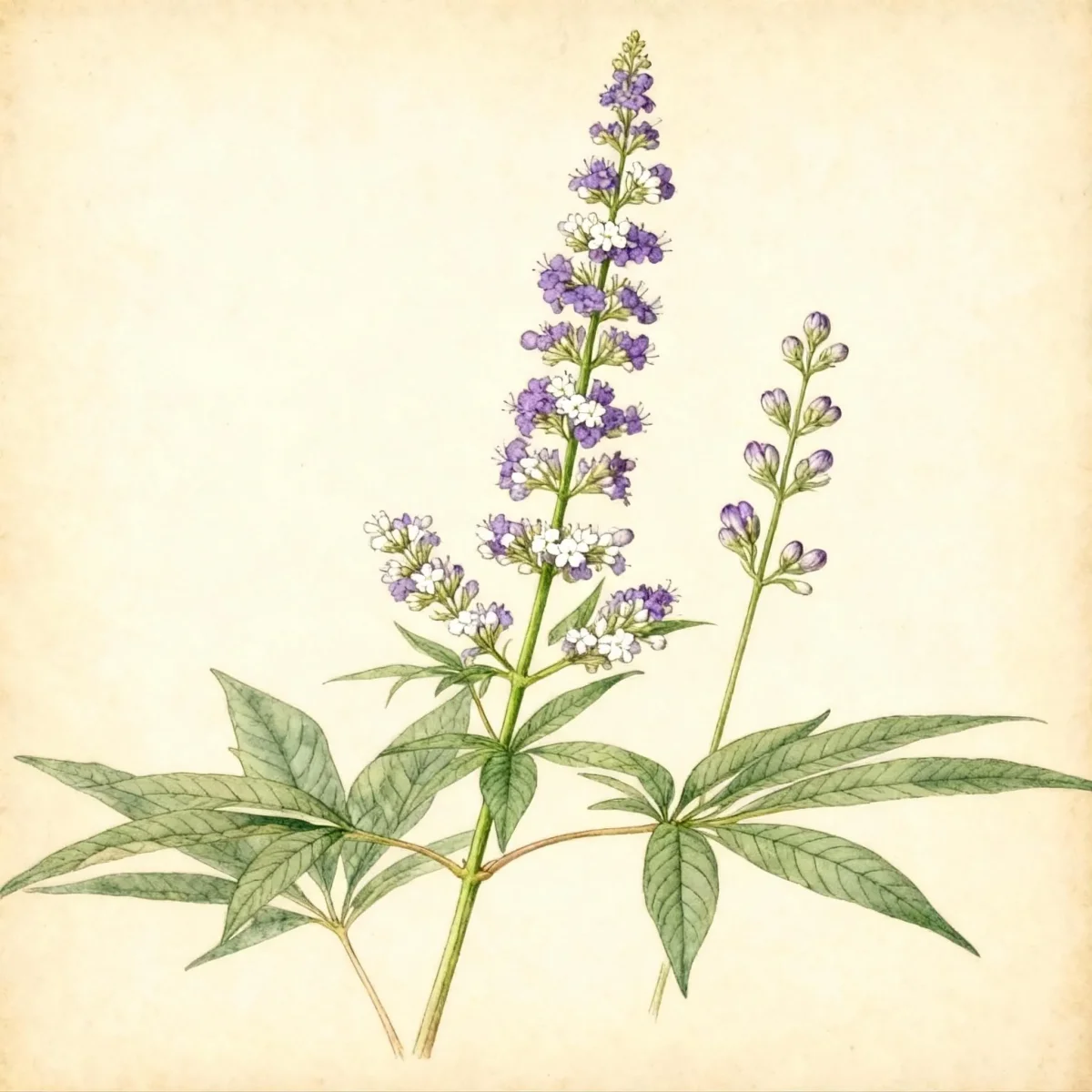
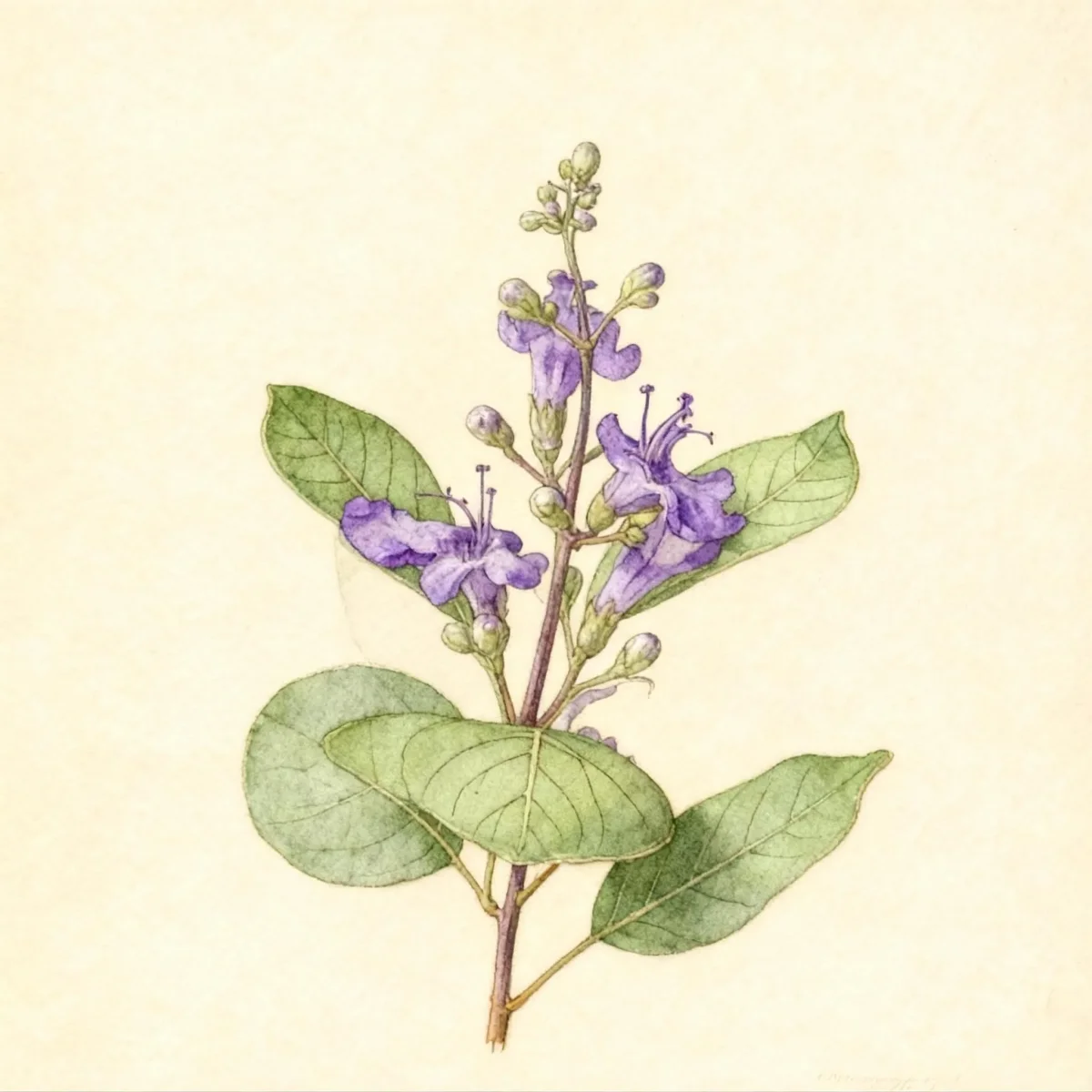
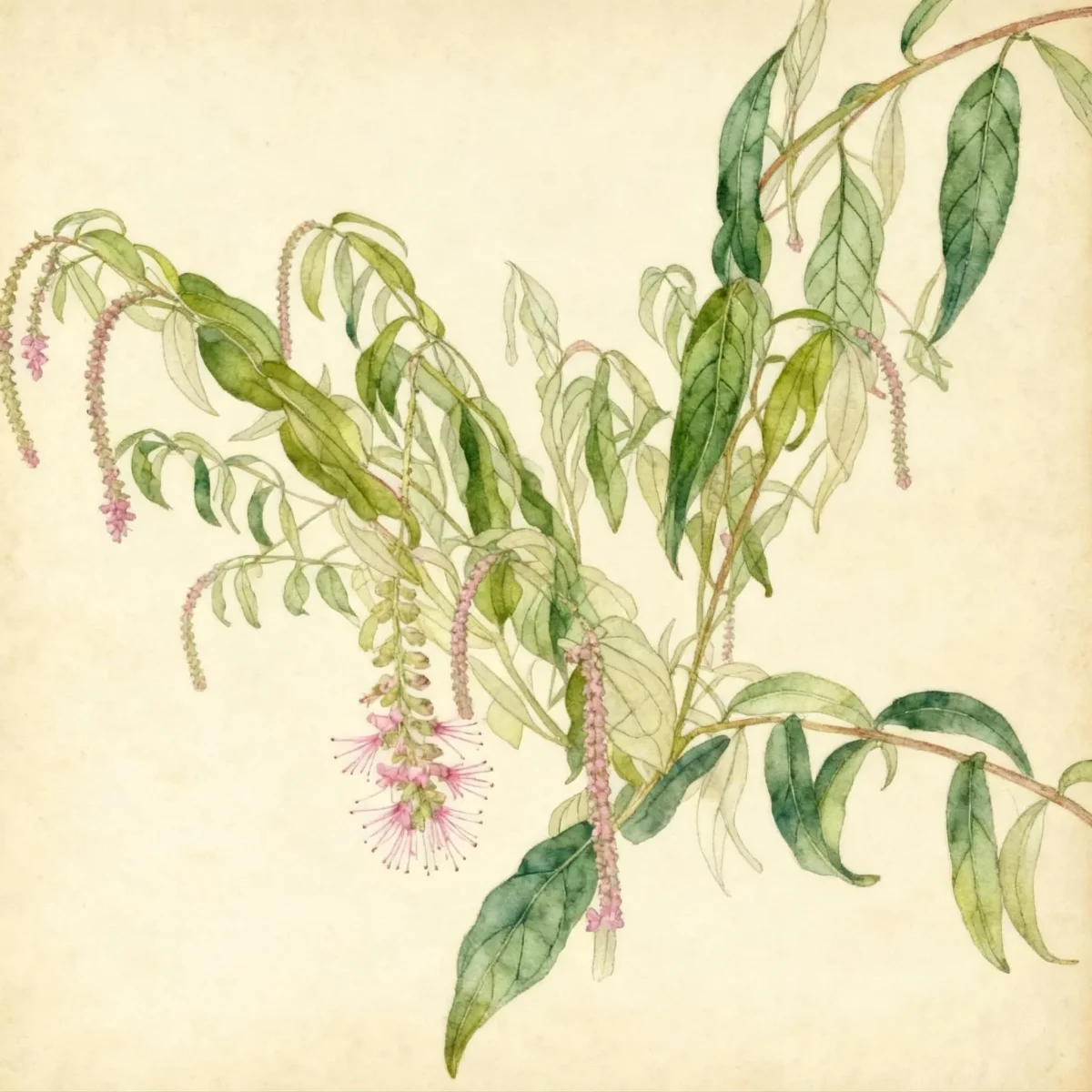
Native to the hilly regions of central China, Rostrinucula dependens is a versatile, suckering shrub reaching modest mature dimensions of 3 to 6 feet tall and wide. Its most recognizable feature is the abundance of tiny, fragrant lavender-pink flowers held in weeping racemes up to 14 inches long. This shrub is adaptable, thriving in bright sunlight but forgiving enough to handle some light shade, making it a practical choice for diverse garden settings.
For many gardeners in cooler regions (lower end of its zone range), this plant acts as a dieback perennial, returning reliably each spring from its roots even after the stems succumb to winter cold. Establishing this graceful Rostrinucula dependens provides unique structural interest that differs significantly from upright shrubs typically utilized in foundation plantings.
Fast Facts
- Plant Family: Lamiaceae
- Plant Type: Deciduous shrub
- Native Range: Central China
- Hardiness Zones: USDA Zones 7-10
- Size at Maturity:
- Height: 3-6 ft
- Spread: 3-6 ft
- Bloom Time: August to October
- Bloom Description: Lavender-pink
- Sun Exposure: Full sun
- Water Needs: Medium
- Maintenance Level: Medium
How to Grow
Site the Weeping buddleja where it receives full sun exposure for the best flowering performance, though it successfully tolerates light shade. Planting should occur when soil is workable, ensuring the location features moist, well-drained conditions; this plant dislikes standing water. Incorporate organic matter into the planting hole to enhance drainage and improve long-term fertility.
Provide medium watering, especially during dry spells, until the Rostrinucula dependens is fully established. Once mature, established specimens exhibit surprising drought tolerance, aligning with its native habitat requirements. General fertilizing is usually unnecessary if the soil is adequate, but a spring application of balanced, slow-release fertilizer can encourage robust growth.
Pruning is a key cultural practice, particularly in colder zones where the stems die back. In early spring, cut back the dead wood of the Rostrinucula dependens to the ground to encourage vigorous new summer growth. In warmer zones, light shaping can be done after flowering to maintain the weeping form, removing any crossing or damaged branches.
Landscape Uses
The elegant, mounding form of the Weeping buddleja makes it perfectly suited for shrub or perennial borders where its cascading habit can be easily appreciated. Use it in sunny foundation areas, ensuring adequate space (3-6 ft spread) is allowed so the weeping effect is not constrained by hardscaping. Its adaptable nature also allows it to thrive near water margins, softening the hard transition between lawn and pond edge.
Consider grouping Rostrinucula dependens with contrasting textures or colors. Plants with fine, upright foliage, such as ornamental grasses or slender spires of Russian Sage, provide an excellent foil to the shrub’s loose, weeping outline. Its late bloom time means it pairs well with summer perennials fading out, ensuring your garden remains interesting through early autumn.
Standout Features
Flower Qualities
- Showy
Noteworthy Characteristics
Rostrinucula dependens, commonly known as weeping rostrinucula or weeping buddleia, is a mounding, suckering, deciduous sub-shrub of the mint family that typically grows in a weeping form to 3-6’ tall and as wide. Tiny lavender-pink flowers bloom at the stem ends in weeping racemes (to 14” long) from late summer into fall (August-October). Its upright-arching, gray-brown stems are clad with oblong-elliptic leaves that are green above and gray-green beneath, contributing to its distinctive appearance.
Tolerances
- Drought
Potential Problems
Fortunately, the Weeping buddleja generally avoids serious pest or disease issues, offering relatively low-stress garden enjoyment. Gardeners should primarily focus on cultural alignment—ensuring the soil drains well is the most critical management strategy to avoid root issues common in overly wet conditions. Monitoring for common sap-sucking insects is good practice, but severe infestations requiring constant chemical intervention are rare for this species.
Frequently Asked Questions
What hardiness zones is Weeping buddleja suitable for?
The ideal growing range for Rostrinucula dependens is USDA Zones 7 through 10.
How large does Weeping buddleja grow?
This deciduous shrub typically reaches a mature height and spread between 3 and 6 feet.
When does Weeping buddleja bloom?
This plant provides late color, blooming from August through October with distinctive lavender-pink flowers.
What sun exposure does Weeping buddleja need?
The Rostrinucula dependens prefers full sun for optimal flowering, though it shows moderate tolerance for light shade.
Conclusion
The Rostrinucula dependens remains a worthwhile addition for gardeners seeking late-season drama and a unique weeping structure in a manageable shrub size. Its medium water needs and tolerance for drought once established make the Weeping buddleja surprisingly resilient for such an ornamental specimen. Before planting, verify that your site falls within USDA Zones 7-10 and ensure excellent soil drainage is maintained to support this unique Chinese native.
Propagation Tips
Since Rostrinucula dependens is described as a suckering plant, propagation by division is often the simplest and most successful method. Wait until early spring, just as new growth is emerging, to separate small clumps of suckers that have developed around the base of the main plant. Ensure that each division has a healthy section of root attached before transplanting it to its new location immediately.
For propagation via cuttings, softwood cuttings taken in early summer perform best. Select healthy, non-flowering stems and remove the lower leaves, dipping the base into rooting hormone if desired. Plant these cuttings in a moist, sterile propagation mix under humid conditions, ideally in a protected environment, until roots develop later in the season or the following spring.
Companion Planting
When designing borders using Rostrinucula dependens, select plants that complement its medium-sized structure and late bloom time. Pair it with perennials that require similar sun and moisture conditions, such as hardy Geraniums or low-growing Sedums, which appreciate the full sun exposure the Rostrinucula demands. Avoid placing very tall, dense shrubs directly adjacent, as this might obscure the attractive weeping habit of the Weeping buddleja.
For contrast, utilize plants with strongly contrasting leaf shapes or colors. Silver-leaved plants, like Lamb’s Ears (Stachys byzantina), placed near the front of the border, enhance the muted, gray-green tones on the undersides of the Rostrinucula leaves, creating textural interest across the growing season.