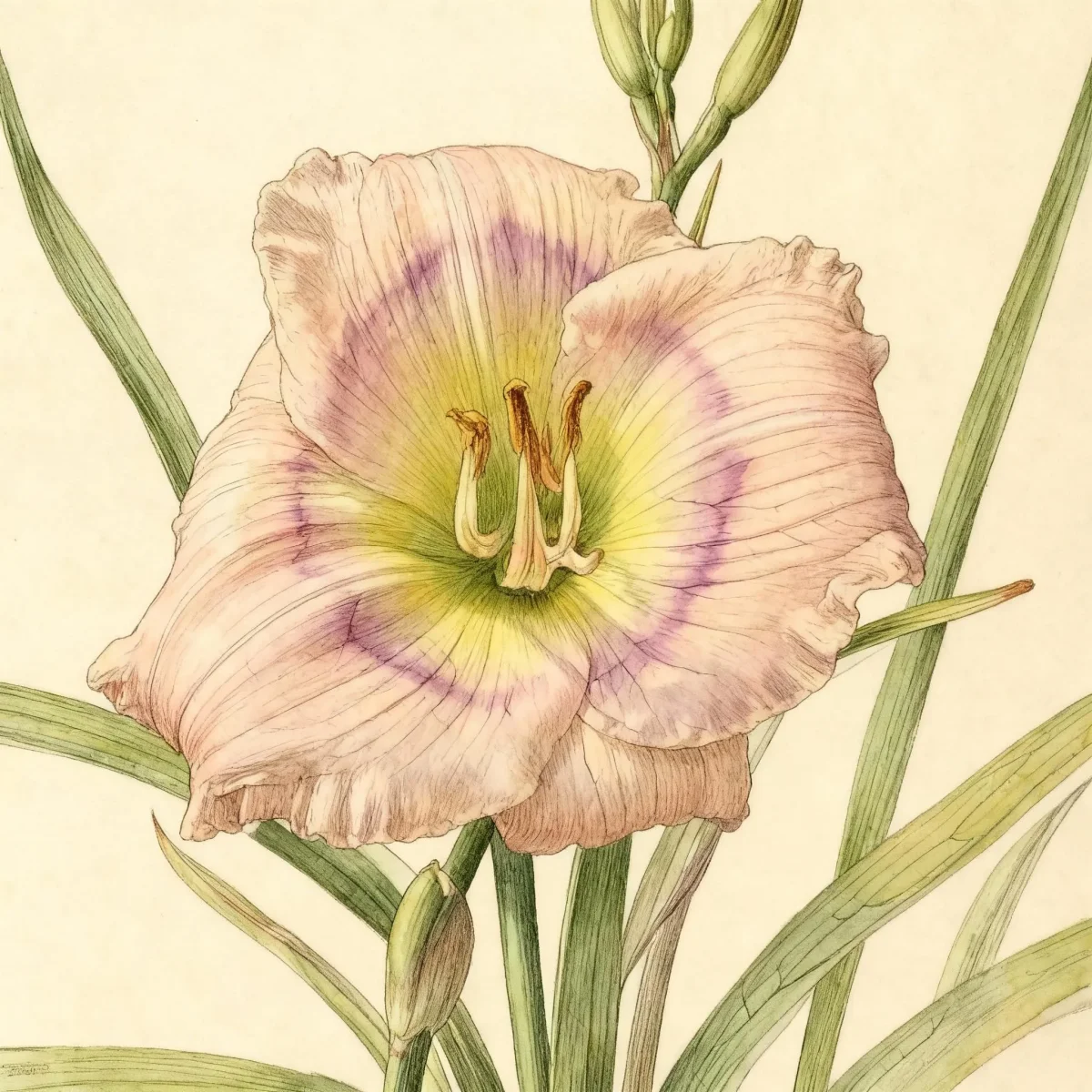
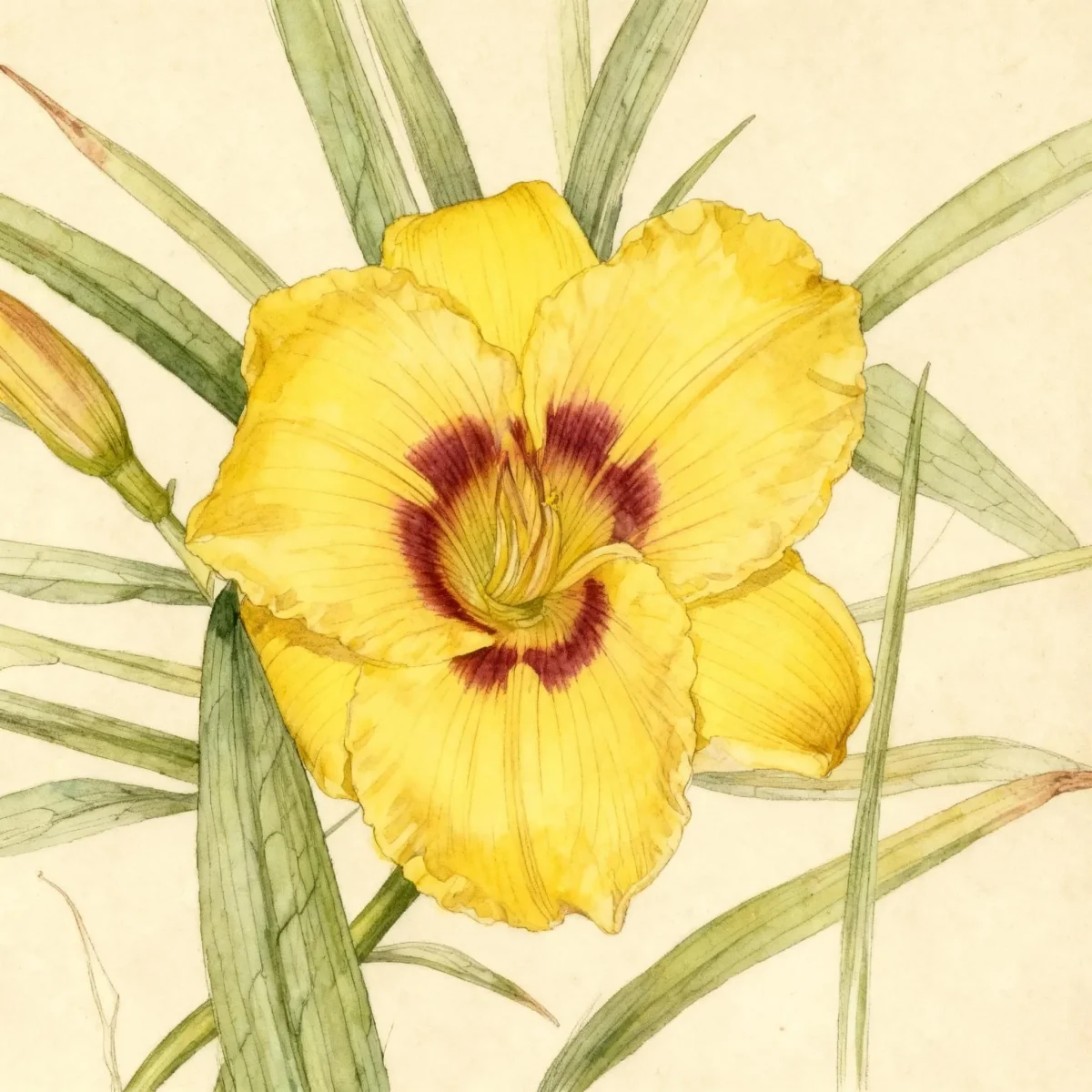
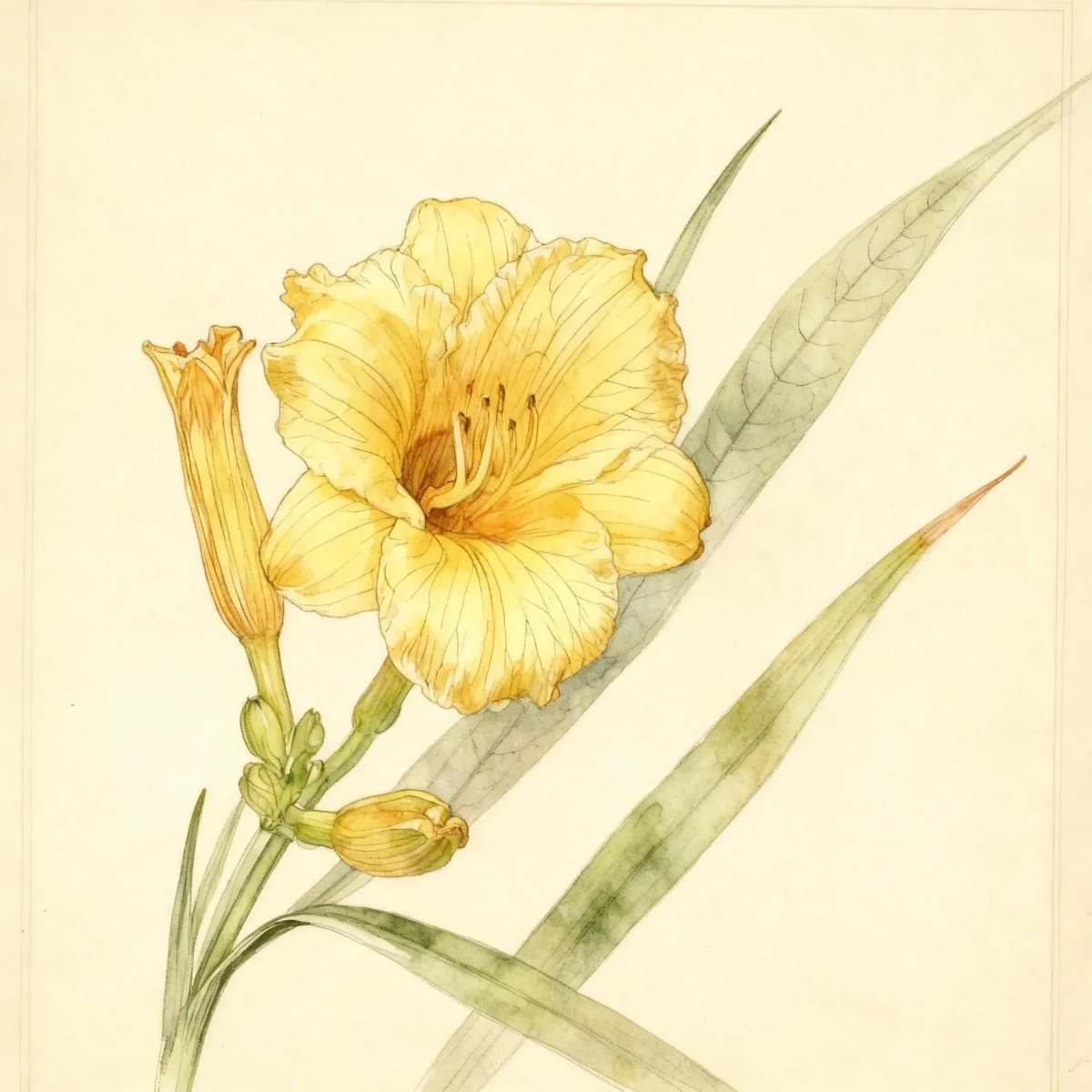
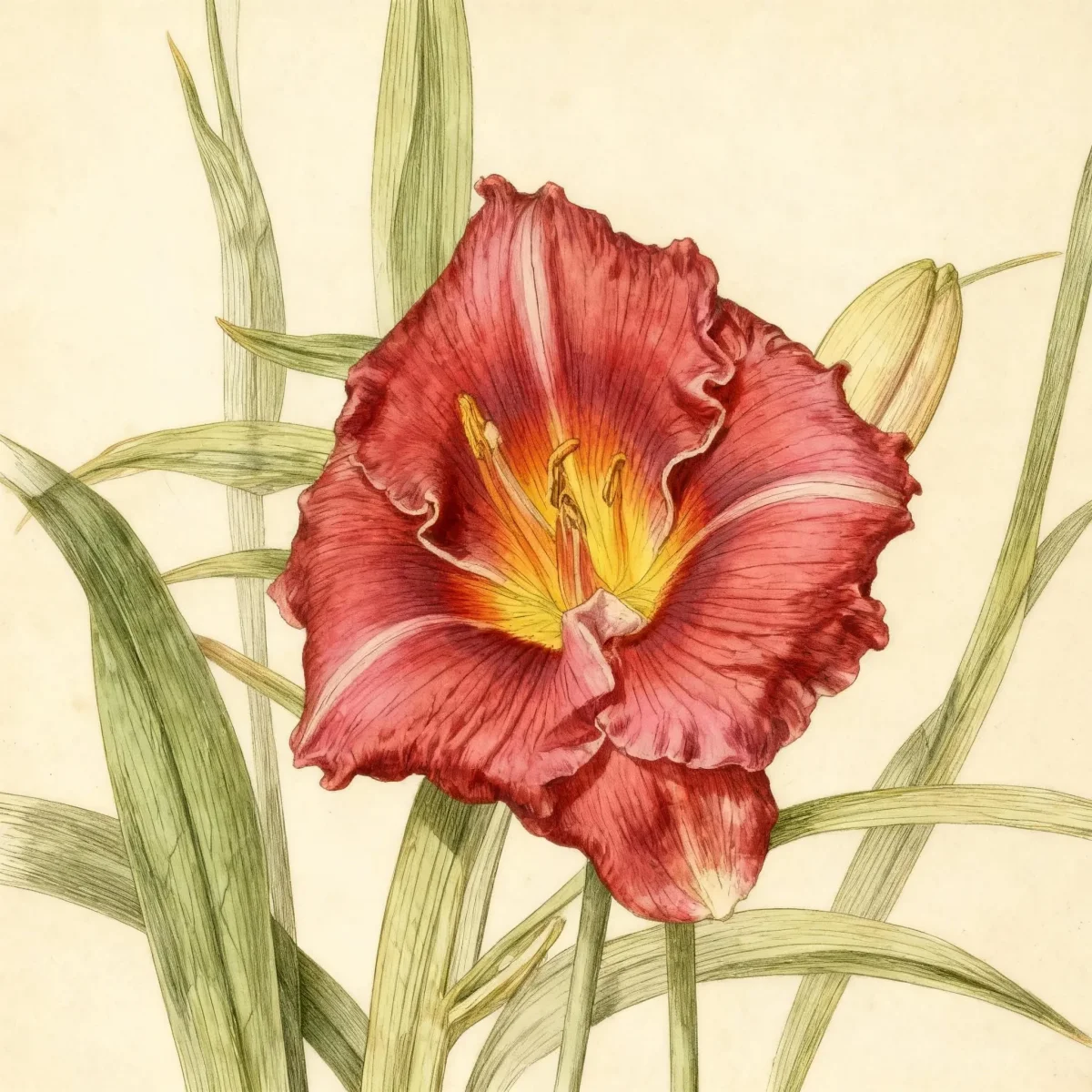
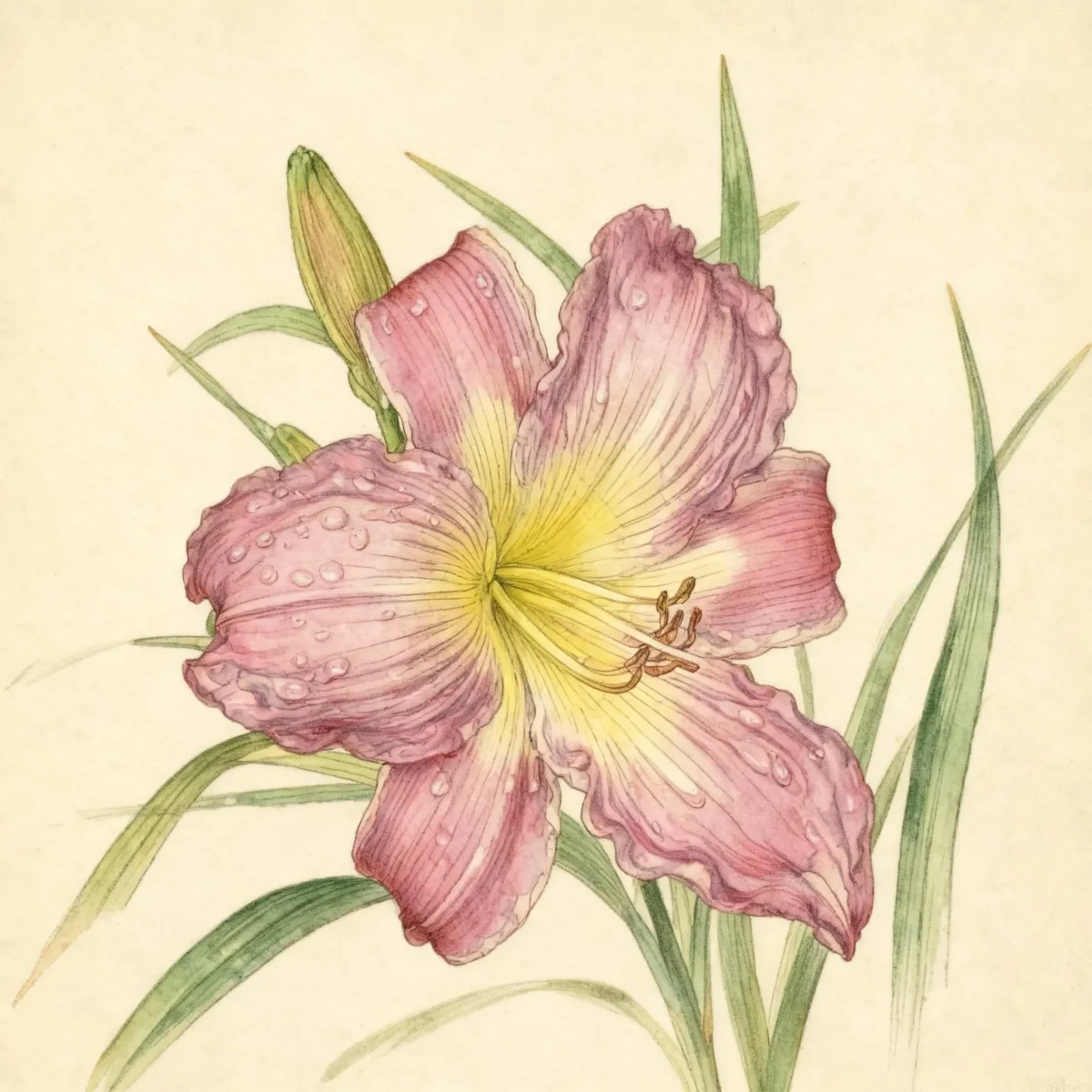
Daylily (Hemerocallis 'Red Hot Returns')
Vibrant scarlet Daylily, Hemerocallis 'Red Hot Returns', offers low-maintenance beauty from June to August with reliable rebloom.
Scroll down to discover growing tips, care requirements, companion plants, and more
Complete Plant Information
Overview
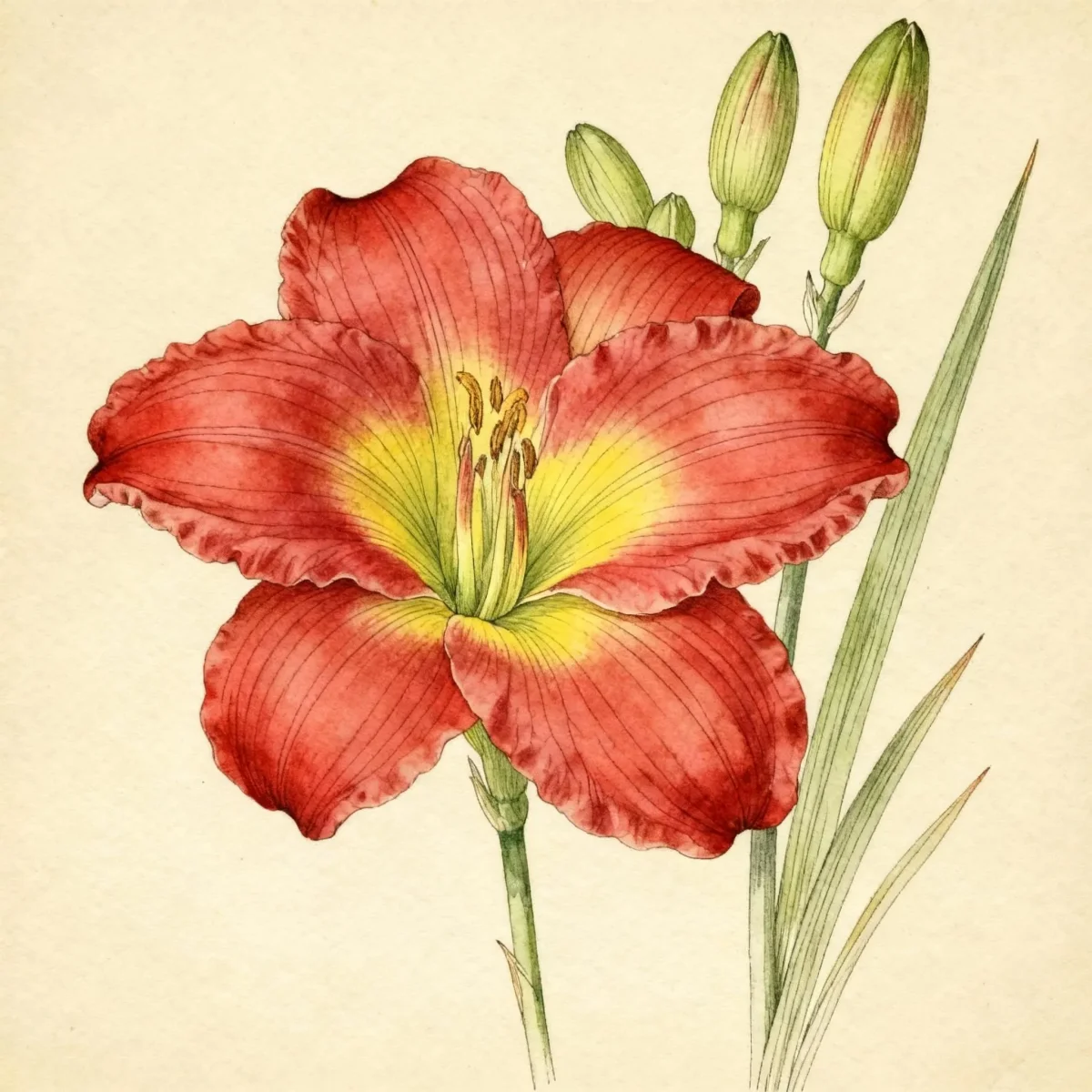
Hemerocallis ‘Red Hot Returns’ is a spectacular herbaceous perennial lauded for its saturated color and dependable flowering habit. This Daylily cultivar provides striking scarlet blooms accented by a distinct lemon-yellow halo, offering excellent visual impact throughout the summer months. Known for its low maintenance requirements, the Hemerocallis ‘Red Hot Returns’ quickly establishes into attractive clumps of grass-like foliage, making it a versatile staple in mixed borders and landscapes.
As a hybrid Daylily, ‘Red Hot Returns’ benefits from decades of breeding focused on strong performance and superior flower production, often reblooming reliably from early summer until frost approaches. It thrives across a wide range of conditions, easily tolerating heat and humidity once established. This reliable performer brings continuous, vibrant color without demanding constant attention, proving why the common Daylily remains one of the most popular garden perennials globally.
Fast Facts
- Plant Family: Asphodelaceae
- Plant Type: Herbaceous perennial
- Hardiness Zones: USDA Zones 4-9
- Size at Maturity:
- Height: 1-2 ft
- Spread: 0.75-1.5 ft
- Bloom Time: June to August
- Bloom Description: Scarlet with lemon-yellow halo and green throat
- Sun Exposure: Full sun to part shade
- Water Needs: Medium
- Maintenance Level: Low
How to Grow
Planting Hemerocallis ‘Red Hot Returns’ is best done in spring or fall when the soil temperature is moderate, ensuring the development of a strong root system before extreme weather hits. These Daylilies thrive in average, medium moisture, well-drained soils, though they achieve their best performance in deep, fertile loams. Ensure the crown of the plant is situated right at the soil surface; planting too deeply is a common cause of poor blooming.
General care for this Daylily is straightforward. Deadhead spent flowers daily to maintain neatness and remove the entire scape once blooming has finished for the season. Although tolerant of summer heat and humidity, provide deep watering during extended dry spells to keep the strap-like foliage attractive and vigorous. While hybrid daylilies will not come true from seed, maintaining yearly vigor is easily achieved through periodic division.
For optimal display, plan to divide clumps of Hemerocallis ‘Red Hot Returns’ every three to four years, typically performed in spring, especially in colder northern climates. Because this cultivar is a winter-dormant type, it requires a cold dormancy period for the best rebloom sequence and is not recommended for the mildest zones (9 and above). In colder areas, foliage may die back, but in milder regions, you may cut back damaged evergreen foliage to maintain a clean appearance.
Landscape Uses
The manageable height (1-2 ft) and moderate spread of the Hemerocallis ‘Red Hot Returns’ make it exceptionally useful for defining the edges of garden beds or providing reliable color in the middle layer of a border. Their low maintenance nature also suits mass plantings over large areas, creating sweeping seas of scarlet that look stunning against softer, contrasting textures. Consider grouping this bright Daylily with chartreuse foliage plants or silver-leaved species to enhance the vibrancy of the scarlet blooms.
This cultivar functions beautifully as edging along walkways where their defined clump structure is appreciated. Furthermore, because they grow well in clumps, these Daylilies are excellent substitutes for less reliable annuals where you need season-long structure. If you are cultivating in rock gardens, dwarf cultivars of daylilies are excellent choices, though the standard size of ‘Red Hot Returns’ fits well in defined perennial groupings rather than tight rock crevices.
Standout Features
Flower Qualities
- Showy
Noteworthy Characteristics
Hemerocallis is a genus widely known as the Daylily, featuring flowers that typically last only one day, though they bloom in such quantity that the overall display is quite long. Hybridizers have created thousands of cultivars, and ‘Red Hot Returns’ exemplifies modern breeding with its funnel-shaped scarlet flowers, complete with a bright lemon-yellow halo and green throat. This specific diploid cultivar grows between 16-24” tall, featuring strap-shaped, semi-evergreen leaves and is noted for its strong reblooming capability well into the summer.
Tolerances
- Rabbit
- Erosion
- Air Pollution
Potential Problems
Daylilies are renowned for being extremely adaptable and are generally pest-free, which adds significant value to the garden concerning Hemerocallis ‘Red Hot Returns’. Occasionally, you may observe minor infestations of mites, aphids, or thrips, which can usually be managed with a strong spray of water or insecticidal soap if necessary. In certain humid regions, Daylily rust can become an issue; prevention involves ensuring good air circulation and avoiding overhead watering late in the day to keep foliage dry. Rabbits generally avoid consuming daylilies.
Frequently Asked Questions
What hardiness zones is Daylily suitable for?
Hemerocallis ‘Red Hot Returns’ is hardy for USDA Zones 4 through 9. When planting this Daylily, ensure your garden falls within this range for best winter survival and spring rebloom.
How large does Daylily grow?
This cultivar typically achieves a height between 1 and 2 feet tall, with a spread ranging from 0.75 to 1.5 feet wide at maturity, forming a neat, upright clump.
What sun exposure does Hemerocallis ‘Red Hot Returns’ need?
This dependable Daylily thrives best when planted in locations receiving full sun, though it will also perform adequately in areas with partial shade.
When does Daylily bloom?
Hemerocallis ‘Red Hot Returns’ generally begins blooming in June and continues flowering into August, providing consistent color described as scarlet with a lemon-yellow halo and green throat.
Conclusion
The reliable performance, stunning scarlet coloration, and low-maintenance nature make Hemerocallis ‘Red Hot Returns’ an essential component for any sunny perennial border. This Daylily cultivar consistently delivers vibrant summer interest with minimal fuss. Before planting, confirm your USDA hardiness zone compatibility and prepare well-drained soil to ensure your new Hemerocallis ‘Red Hot Returns’ provides years of joyful blooms.
Companion Planting
Selecting appropriate neighbors is key to maximizing the aesthetic appeal of this vibrant Daylily. Because the foliage of Daylilies can sometimes look sparse late in the season after the initial flush of flowers fades, pair Hemerocallis ‘Red Hot Returns’ with plants that offer later or contrasting summer texture. Consider companions like Russian Sage (Perovskia atriplicifolia) or ornamental grasses, whose airy structures provide a beautiful contrast to the upright, sword-like leaves of the Daylily.
For a strong color combination, planting the hot scarlet of ‘Red Hot Returns’ near cool blues or purples works exceptionally well. Catmint (Nepeta) or Salvia offer complementary cool tones that make the Daylily’s warm colors pop, while their shared preference for full sun and well-drained soil ensures they thrive side-by-side. This combination also supports prolonged interest throughout the entire growing season.
Seasonal Care Calendar
Early Spring: As new growth emerges, clean out any old, dead foliage inherited from the previous year. If necessary, apply a balanced granular fertilizer just as the fans begin to show significant new growth, being careful not to bury the crown.
Summer (Bloom Season): Deadhead the spent scarlet flowers of Hemerocallis ‘Red Hot Returns’ daily to encourage continuous rebloom and keep the plant tidy. Monitor moisture levels, especially during heatwaves, ensuring medium water needs are met through deep, infrequent soaking rather than shallow sprinkling.
Fall: Once frosts occur and the foliage begins to yellow or brown, cut the foliage back down to just a few inches above the crown, particularly if you notice signs of Daylily rust or want a cleaner look over winter dormancy. This is also an excellent time for divisions if needed.