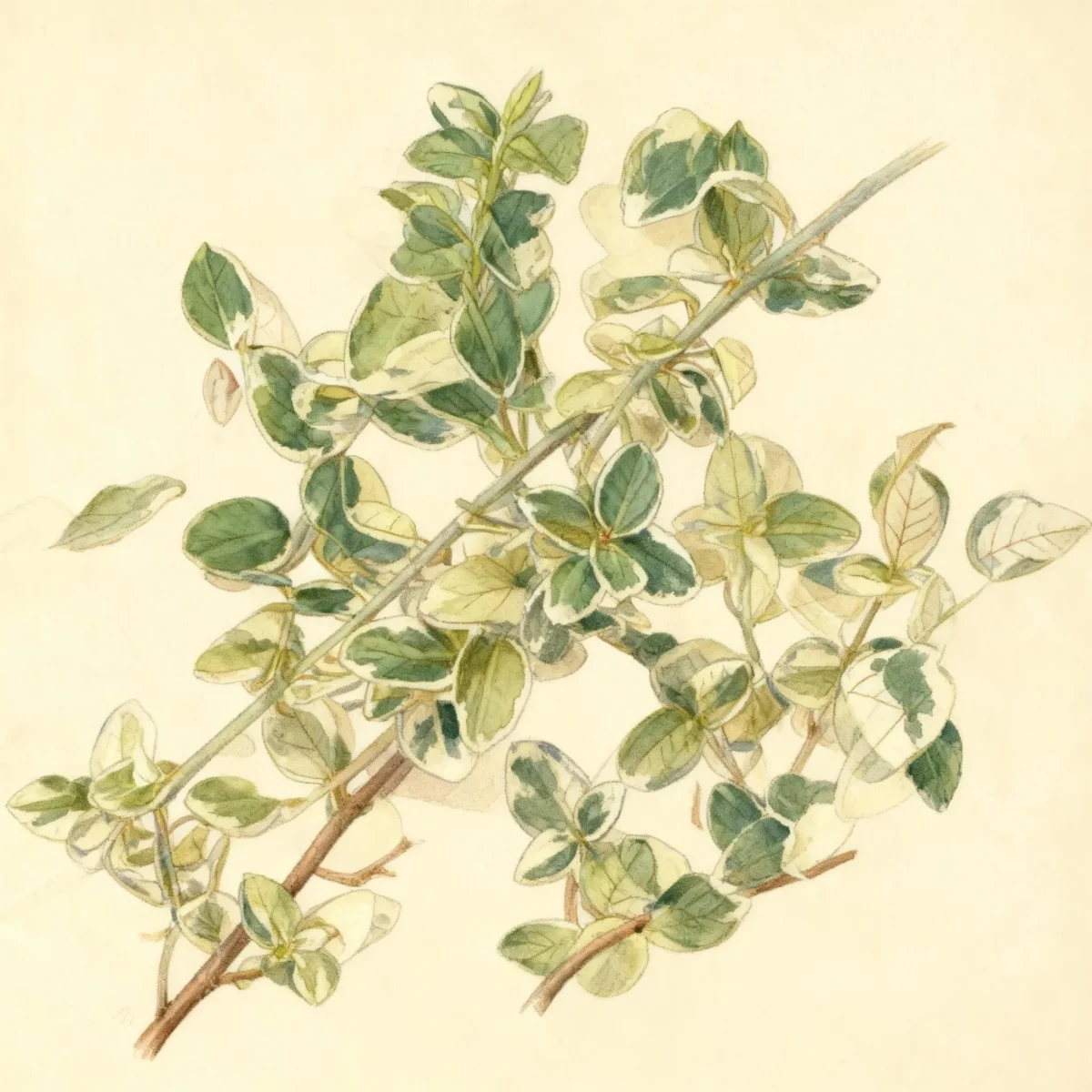
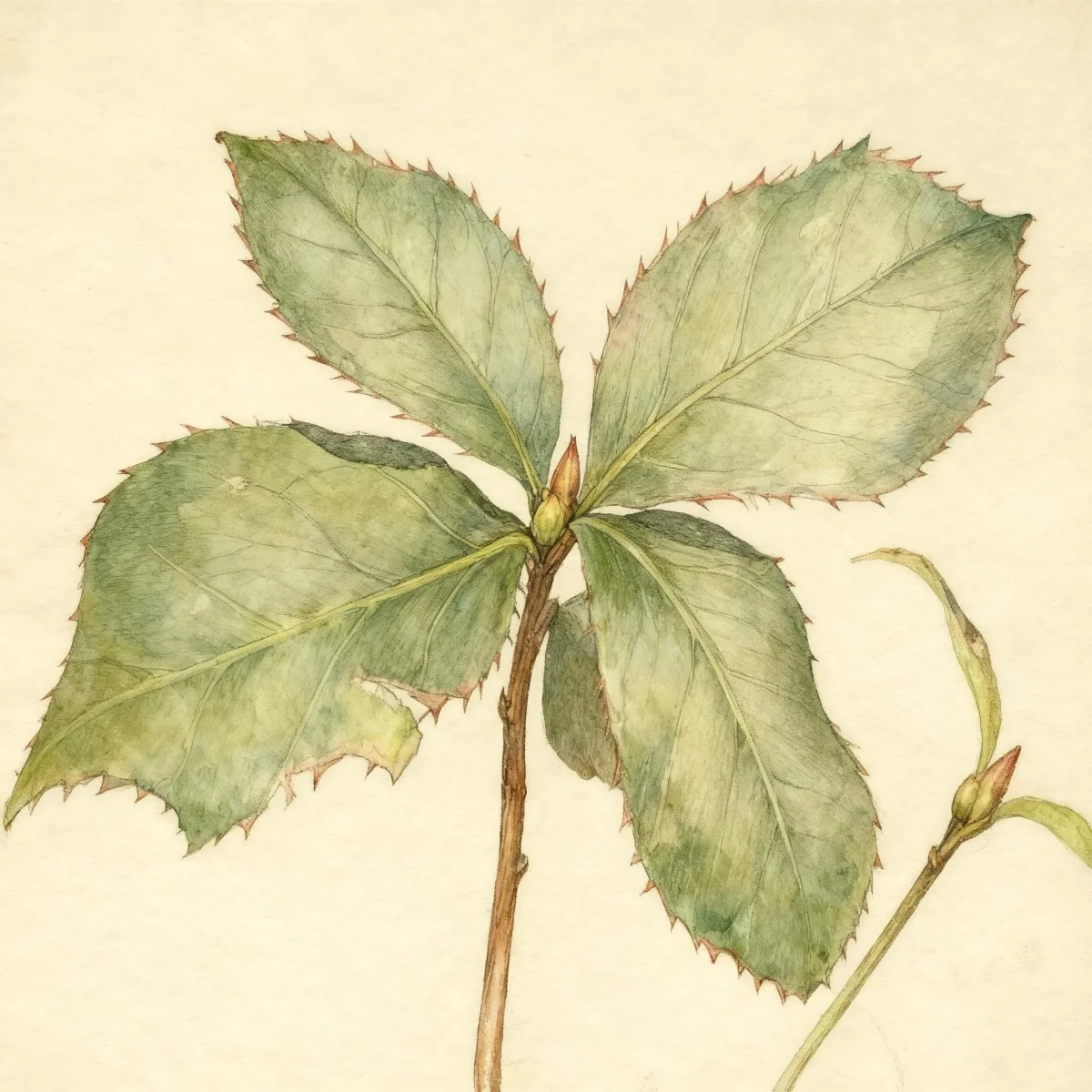
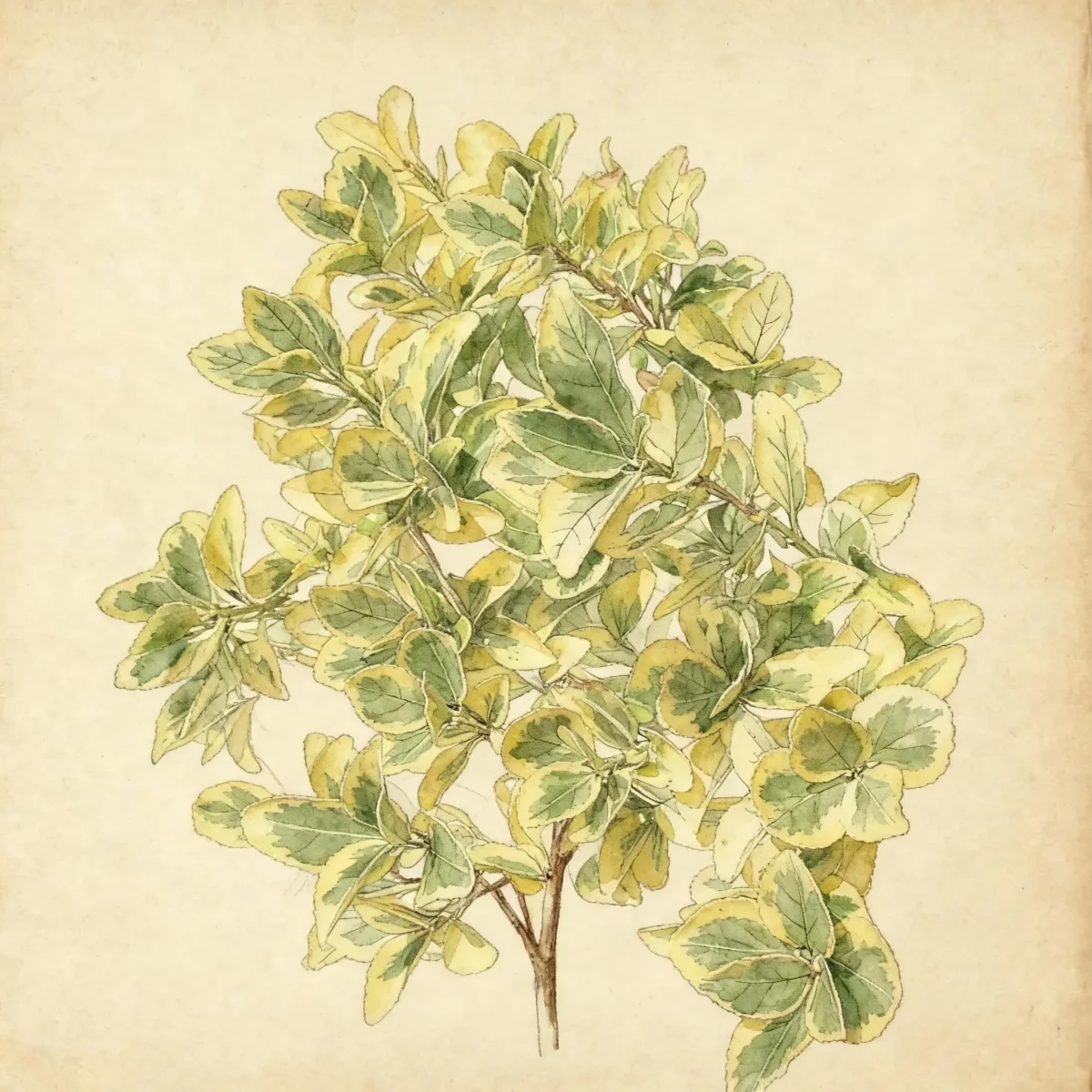
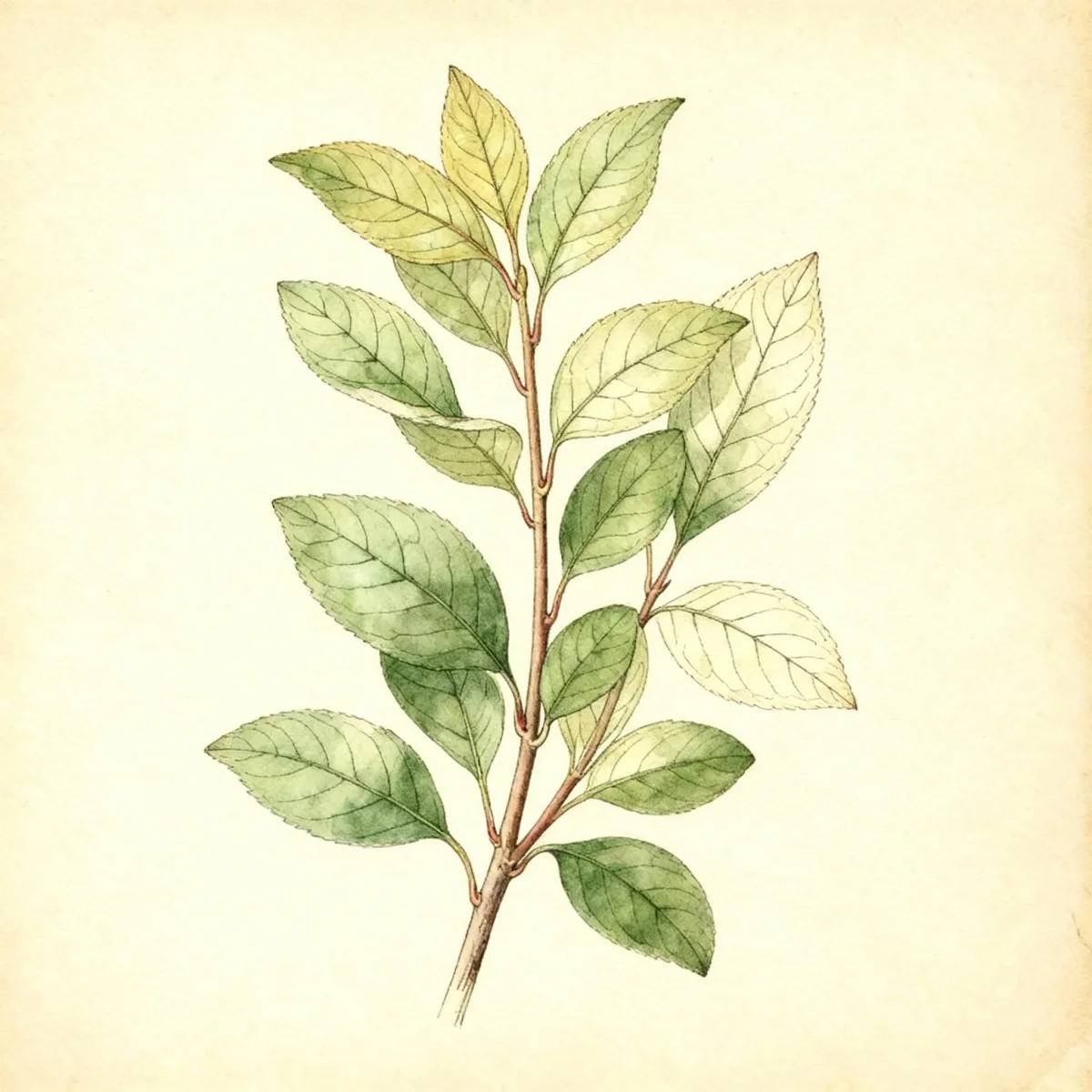
Spindletree (Euonymus grandiflorus)
Euonymus grandiflorus, or Spindletree, is a low-maintenance tree native to Asia, valued for wine-purple fall color and showy fruit.
Scroll down to discover growing tips, care requirements, companion plants, and more
Complete Plant Information
Overview
Euonymus grandiflorus, commonly known as Spindletree, offers reliable structure and seasonal interest, making it a worthwhile inclusion in Asian-inspired or woodland garden settings. This plant transitions gracefully through the seasons, starting with spring flowers and ending with vibrant autumn foliage, though it is relatively underutilized in Western landscaping. As a semi-evergreen to deciduous large shrub or small tree, Euonymus grandiflorus provides year-round presence, especially where it retains some foliage through milder winters.
This robust specimen is native to the forests and woodlands of China, India, and surrounding regions, where it has adapted to thrive under dappled sunlight conditions. Gardeners appreciate the low maintenance requirements of Euonymus grandiflorus, which generally only requires standard pruning for shaping or removing deadwood. The growth habit is generally dense, achieving heights between 15 and 20 feet, making it suitable for screening or as a modest accent tree.
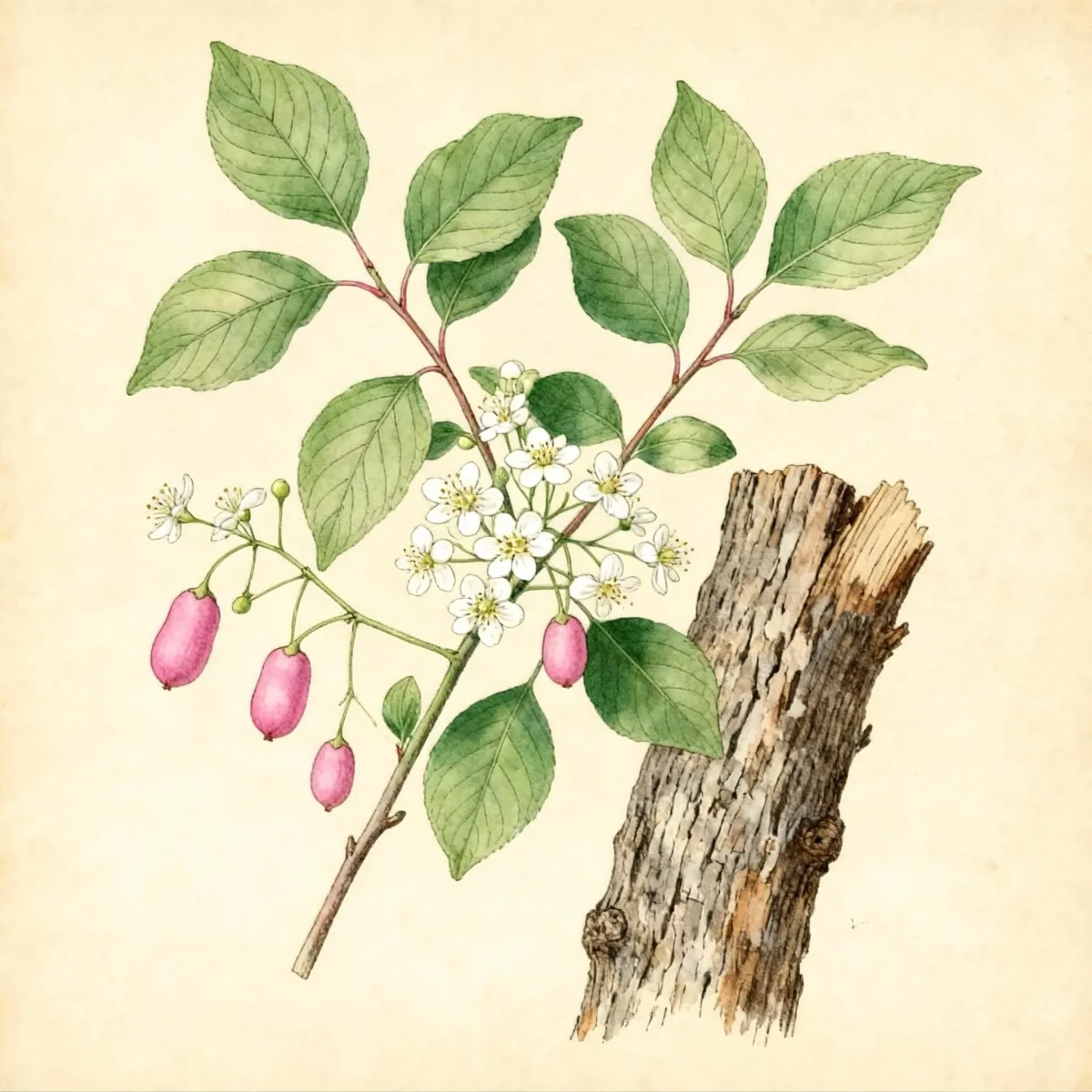
The aesthetic appeal of Spindletree stems from its dark green, lustrous leaves, which transform into a showy wine-purple hue as temperatures cool in the fall. This color shift, combined with pendulous pink fruit capsules in autumn, ensures this selection of Euonymus provides visual impact long after flowering ceases. Proper placement ensures this beautiful Spindletree achieves its best performance.
Fast Facts
- Plant Family: Celastraceae
- Plant Type: Tree
- Native Range: Bhutan, China, India, Myanmar, Nepal, and Vietnam
- Hardiness Zones: USDA Zones 6-10
- Size at Maturity:
- Height: 15-20 ft
- Spread: 15-20 ft
- Bloom Time: March to May
- Bloom Description: Yellow-beige
- Sun Exposure: Full sun to part shade
- Water Needs: Medium
- Maintenance Level: Low
How to Grow
The best time to plant Euonymus grandiflorus is typically in the spring after the danger of hard frost has passed, allowing it time to establish roots before summer heat. Ensure placement in moist, rich, humusy, and well-drained soils. While this Spindletree tolerates full sun, it truly thrives in sun-dappled locations, where it benefits from some afternoon shade, particularly in hotter climates.
Watering requirements are medium; establish a consistent deep watering schedule for young trees. Once established, drought tolerance increases, but supplemental watering during prolonged dry spells will maintain vigor. Fertilizing is rarely necessary if the planting site offers rich soil, but a balanced, slow-release fertilizer in early spring can benefit older specimens.
Maintenance for this species is generally low. Pruning should be observational—focused primarily on removing crossing branches or damaged wood. Be vigilant in inspecting the foliage for early signs of common pests like scale, as early detection improves treatment success for Euonymus grandiflorus.
Landscape Uses
The versatility of Spindletree makes it valuable across several landscape applications. Its mature height and density allow it to function exceptionally well when used formally as a hedge, creating a substantial green barrier that offers privacy and structure. Alternatively, planted as a specimen tree, the architectural outline and seasonal color shifts of Euonymus grandiflorus provide a strong focal point.
For larger properties or settings mimicking natural woodlands, planting Euonymus grandiflorus along woodland margins leverages its preference for filtered light. This species also complements foundations when kept pruned to a manageable size. Consider pairing it with later-blooming or contrasting foliage plants; its spring flowers are subtle, so focus design around the summer foliage and fall fruit displays.
Standout Features
Flower Qualities
- Showy
Fruit Qualities
- Showy
Noteworthy Characteristics
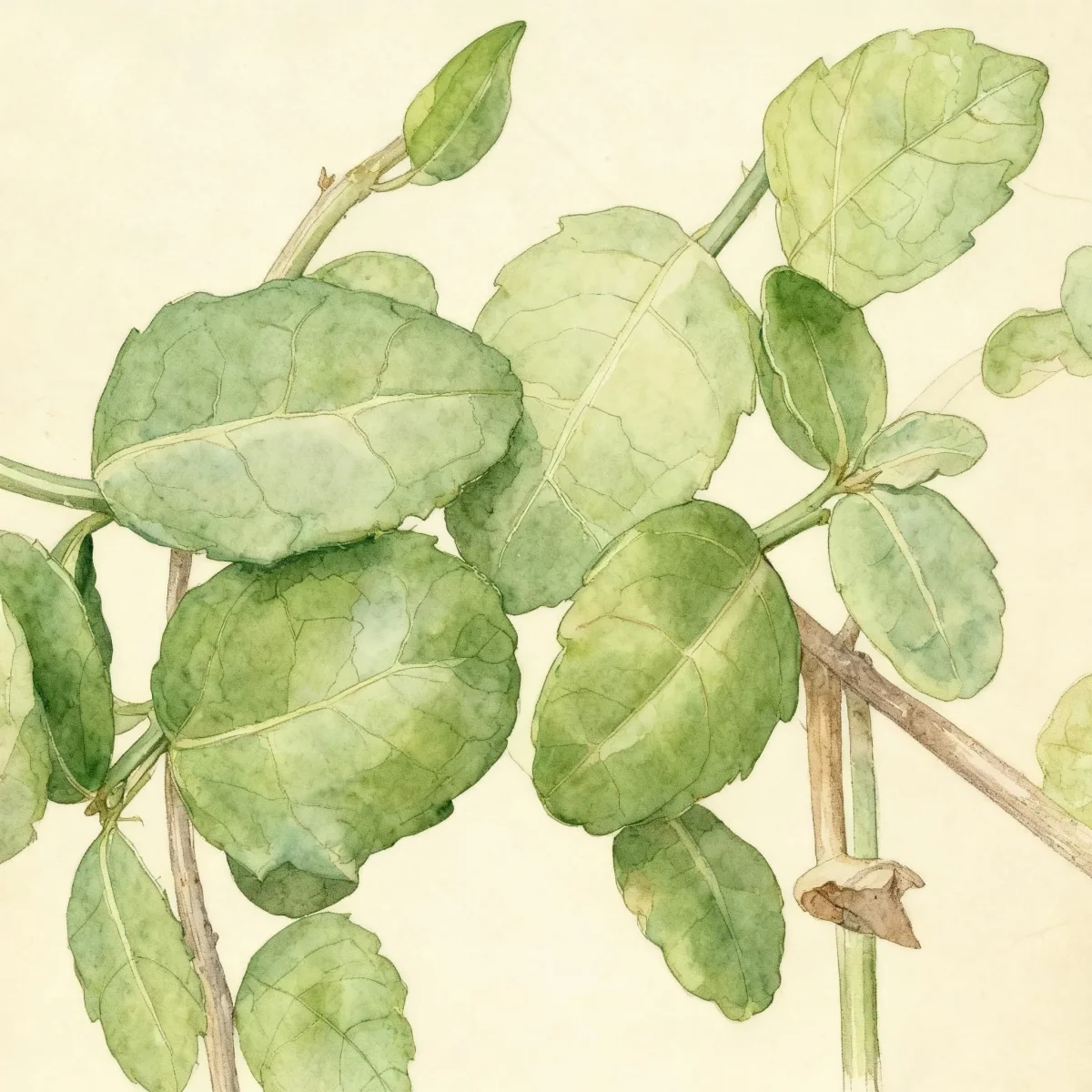
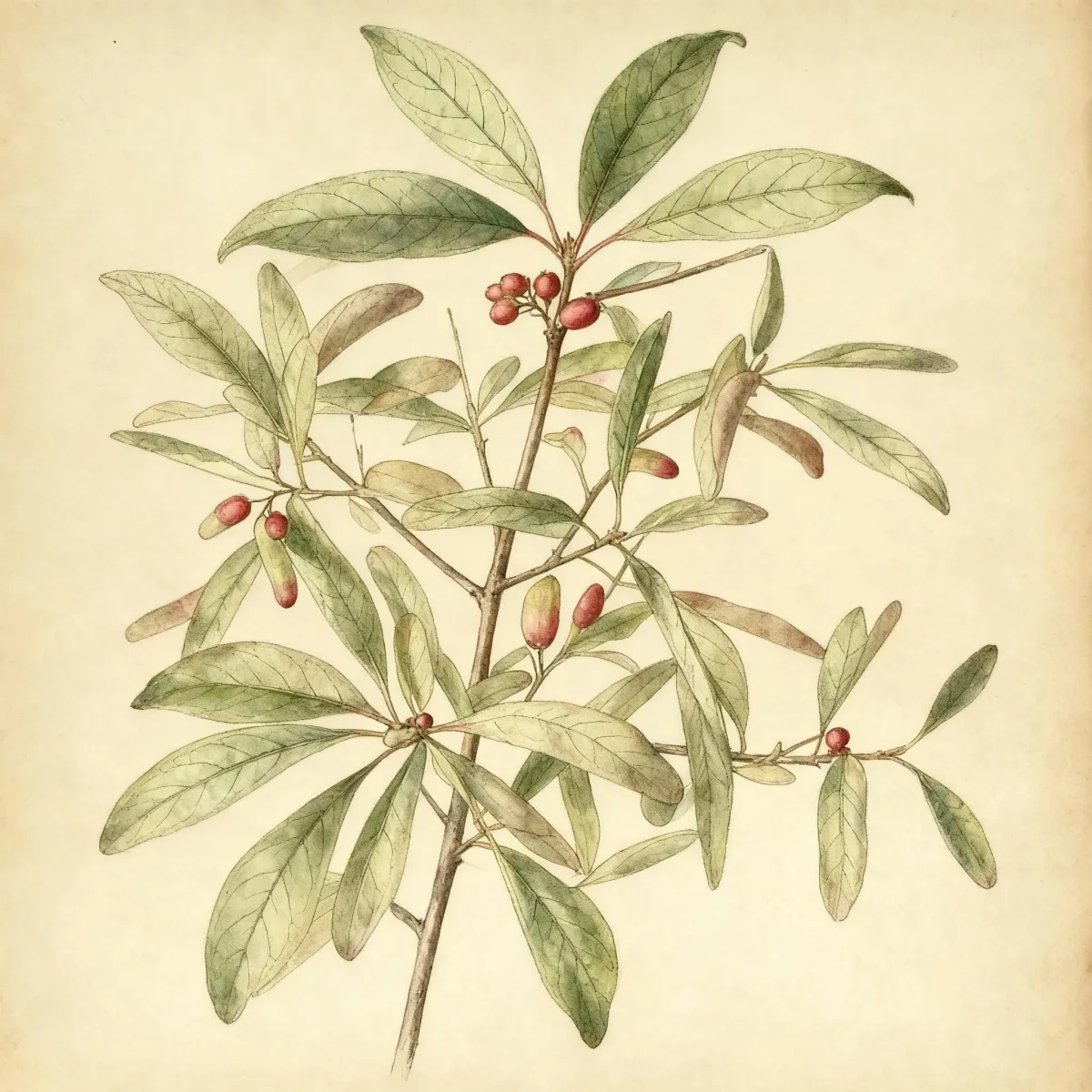
Euonymus grandiflorus, commonly known as euonymus, is a semi-evergreen to deciduous large shrub or small tree of the spindle tree family that typically grows to 15-20’ tall, but occasionally soars to as much as 45’ tall. It is native to forests and woodlands in India, Myanmar, Bhutan, Nepal, Vietnam and China. Lustrous, oblong-elliptic to obovate-elliptic, dark green leaves (2-4 3/4” long) with pointed tips, finely toothed margins and cuneate to attenuate bases turn a showy wine-purple in fall. Four-petaled pale yellow to beige flowers in cymes (3-9 flowers per cyme) bloom in spring (March-May) and are followed by showy pendulous pink fruits that ripen in the fall.
Tolerances
- Rabbit
- Black Walnut
Potential Problems
This Spindletree generally avoids serious insect or disease problems, contributing to its low maintenance rating. However, be vigilant for euonymus scale, which can be difficult to control once established. Other minor pests like mites, leaf miners, aphids, and mealybugs may occasionally appear. Culturally, watch for signs of crown gall, stem dieback, powdery mildew, and specific fungal leaf spots, especially in overly wet or poorly ventilated conditions. Good air circulation and proper drainage are the best preventative cultural practices against most fungal issues.
Frequently Asked Questions
What hardiness zones is Spindletree suitable for?
Euonymus grandiflorus is adaptable, thriving in USDA Hardiness Zones 6 through 10.
How large does Spindletree grow?
This tree typically reaches a height of 15 to 20 feet, with a similar spread of 15 to 20 feet at maturity.
When does Spindletree bloom?
Spindletree produces its distinct yellow-beige flowers in the spring, generally between March and May.
What sun exposure does Euonymus grandiflorus need?
It prefers full sun to part shade conditions, ideally benefiting from protection from intense afternoon heat in hot climates.
Conclusion
The reliability and seasonal architecture provided by Euonymus grandiflorus—from its spring bloom to its spectacular wine-purple fall transformation—cements its value in the landscape. This low-maintenance Spindletree is perfect for gardeners seeking native Asian charm and robust performance. Before planting, always confirm your local USDA Growing Zone aligns with the 6 to 10 range supported by this excellent specimen tree.
Companion Planting
When integrating Euonymus grandiflorus into a mixed border, select companions that thrive in similar rich, moist, well-drained soil conditions and appreciate part shade. Hostas provide excellent ground cover beneath the canopy, offering contrasting foliage textures throughout the summer while the Spindletree’s leaves develop. Alternatively, consider shade-tolerant ferns or spring-blooming woodland ephemerals, such as Bloodroot or Trillium, to enhance the naturalistic look favored by this native species.
Design Ideas
Utilize Euonymus grandiflorus where year-round interest is required, though recognize that its deciduous nature means winter structure is purely woody. In formal settings, establishing a dense screen using this species as a hedge creates an excellent backdrop that highlights brighter flowering shrubs planted in front of it. For a more relaxed design, allow the tree to develop its natural form, using it as a transitional plant between an open lawn area and denser woodland plantings where it can enjoy the dappled shade it prefers.