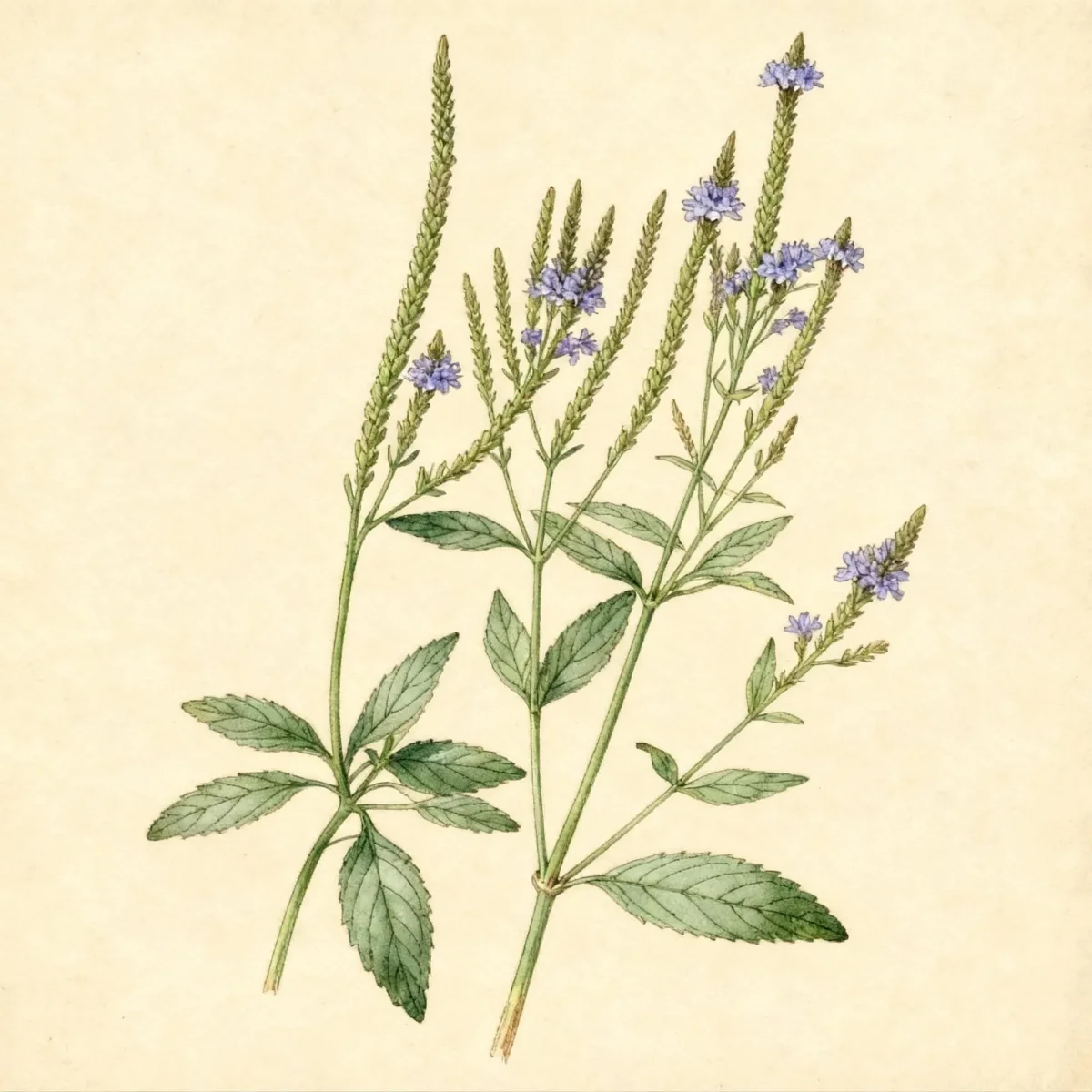
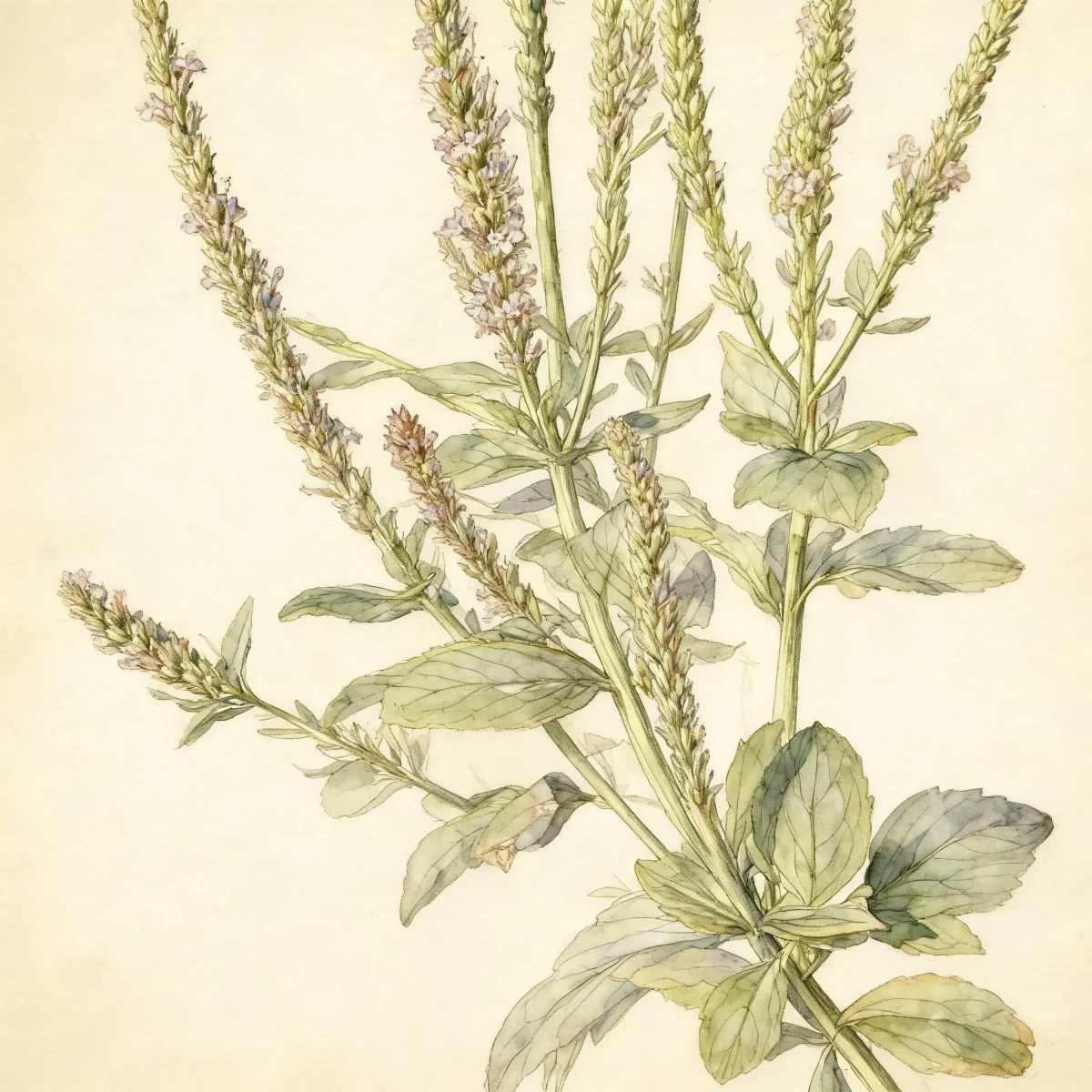
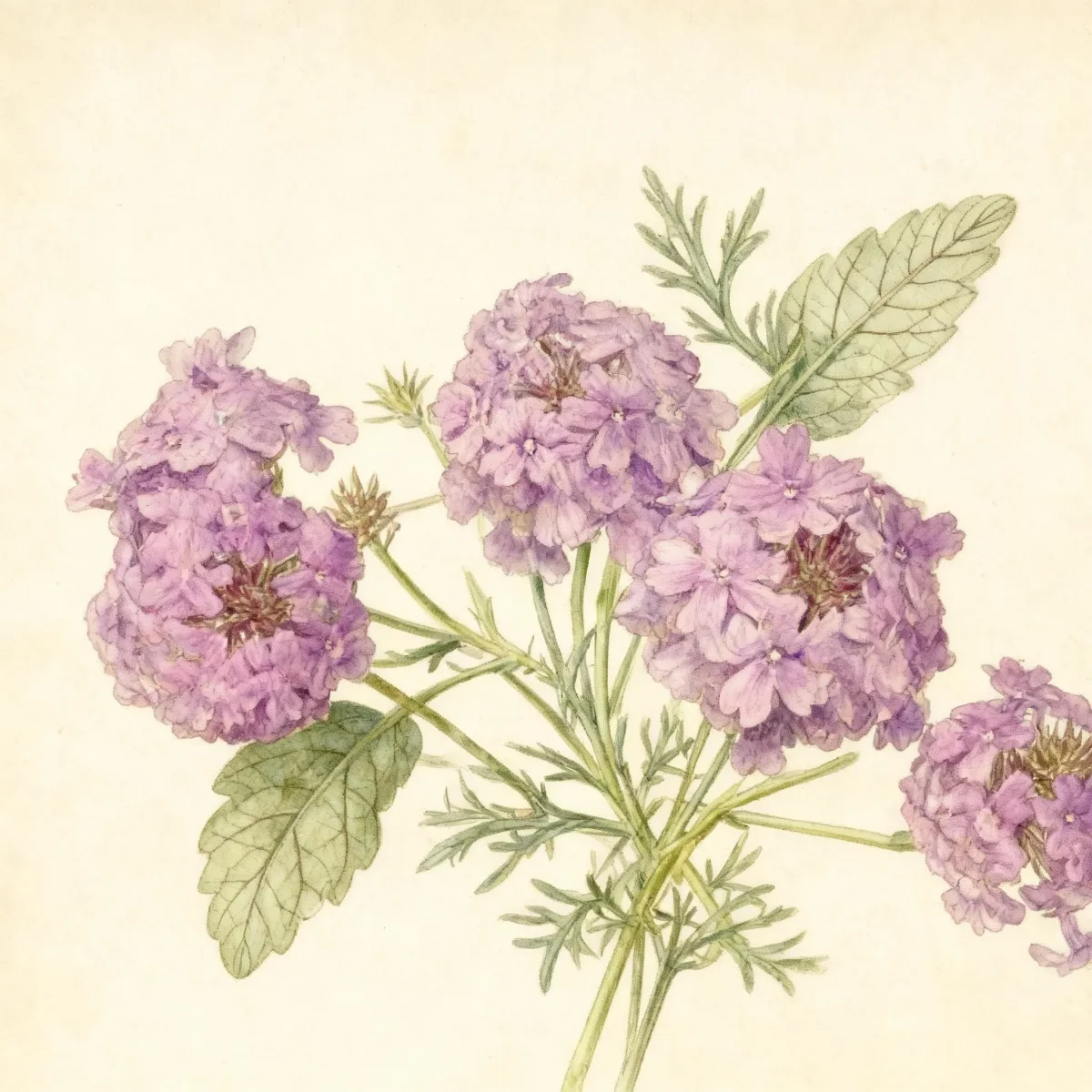
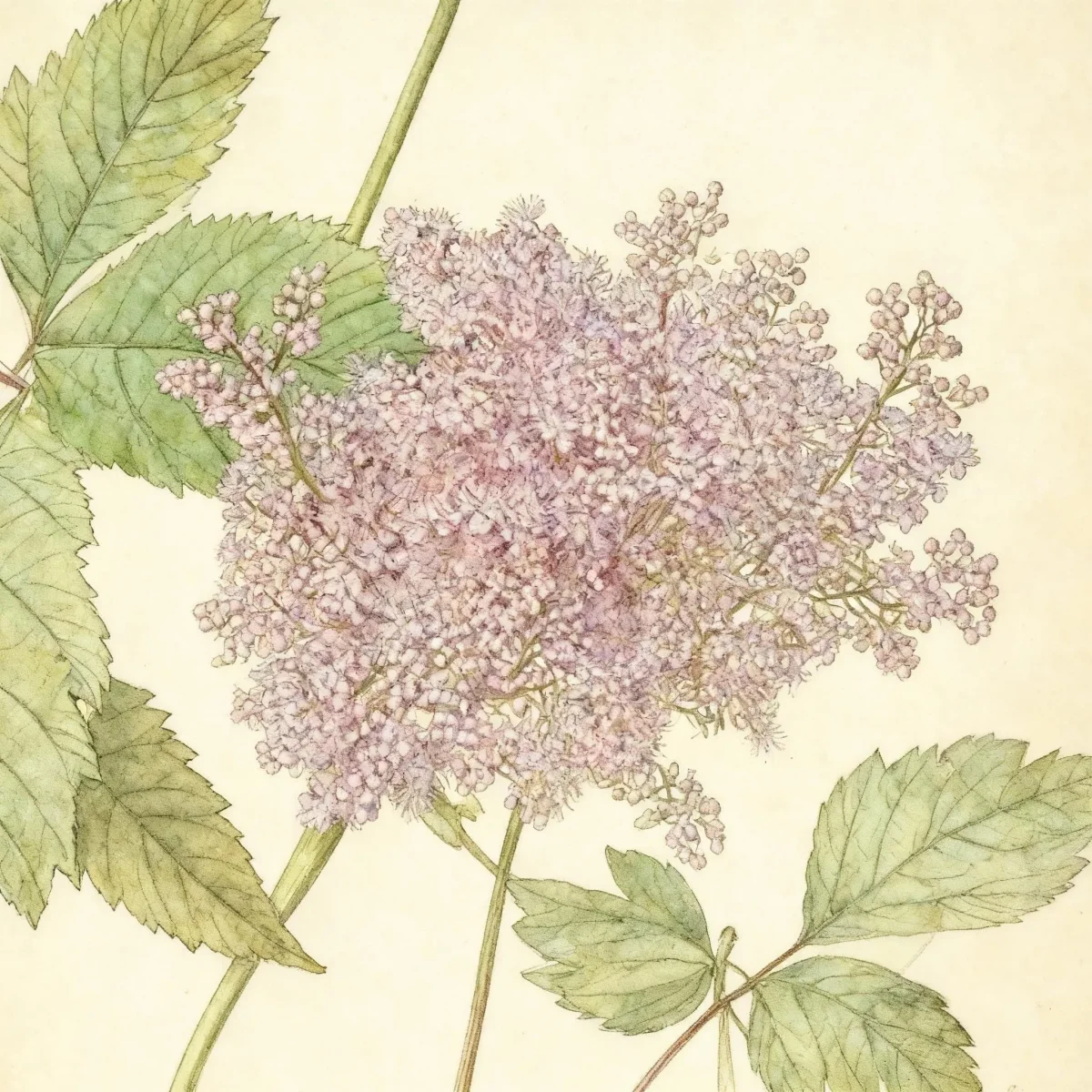
Verbena (Verbena hastata f. rosea 'Pink Spires')
A stunning pink selection, Verbena hastata f. rosea 'Pink Spires' thrives in wet areas, offering low maintenance beauty for rain gardens.
Scroll down to discover growing tips, care requirements, companion plants, and more
Complete Plant Information
Overview
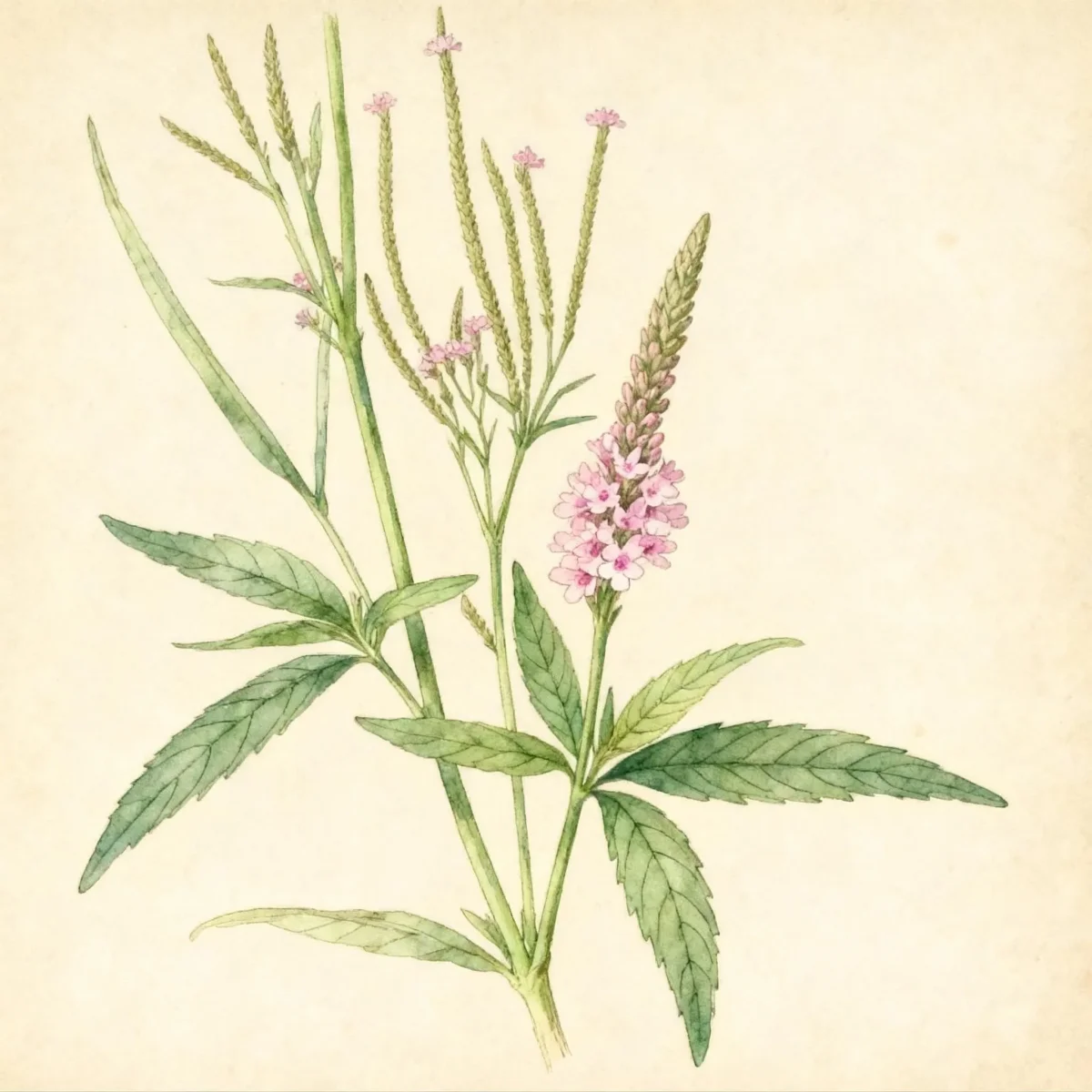
Verbena hastata f. rosea ‘Pink Spires’ is a desirable, upright herbaceous perennial that brings vertical interest and soft color to the mid-to-late summer garden. Unlike the standard blue vervain, this natural pink form, Verbena hastata f. Rosea ‘Pink Spires’, provides a unique hue across its pencil-like flower spikes, making it a vibrant focal point. Gardeners prize this variety of Verbena for its low maintenance requirements coupled with its strong ecological value.
This cultivar readily forms colonies in the wild via rhizomes and natural self-seeding, establishing well in consistently moist to wet environments. Expect Verbena hastata f. rosea ‘Pink Spires’ to reach heights between three and four feet, maintaining a slender, stiff habit ideal for the back of borders or naturalized meadows. Its extended bloom season ensures hummingbirds, butterflies, and other essential pollinators have a consistent nectar source throughout the summer months.
Fast Facts
- Plant Family: Verbenaceae
- Plant Type: Herbaceous perennial
- Hardiness Zones: USDA Zones 3-8
- Size at Maturity:
- Height: 3-4 ft
- Spread: 1.5-2 ft
- Bloom Time: July to September
- Bloom Description: Pink
- Sun Exposure: Full sun
- Water Needs: Medium to wet
- Maintenance Level: Low
How to Grow
Plant Verbena hastata f. rosea ‘Pink Spires’ in the spring after the danger of frost has passed, ensuring it receives full sun exposure throughout the day for the best flowering performance. This plant thrives in average, medium-moist soils but excels where moisture levels are consistently medium to wet, making it perfect for rain gardens or damp meadow situations. Amend heavy clay soils slightly to allow for adequate drainage while retaining necessary moisture.
Maintenance is generally minimal once established. Do not over-fertilize, as rich soil can lead to floppier stems, defeating the naturally upright habit of this Verbena. Water regularly to keep the soil moist, especially during dry spells, acknowledging its preference for wetter conditions. Deadheading spent flower spikes is generally not necessary, although cutting back old dry growth in early spring tidies the patch before new growth emerges.
Be aware that while this plant is robust, it can occasionally be short-lived in garden settings, although this is often offset by its tendency to self-seed politely. If you notice overcrowding or weaker stems, consider dividing established clumps, although heavy division is usually not required.
Landscape Uses
The upright structure of Verbena hastata f. rosea ‘Pink Spires’ makes it a perfect textural element for borders where height is needed without excessive width. Utilize it in native plant gardens or informal, naturalized areas where its colony-forming nature can be fully appreciated as it spreads naturally. Its love for wet soil also designates it as an excellent candidate for rain gardens, helping to manage runoff while providing significant seasonal interest.
Pair this pink vervain with plants that share similar moisture and sun requirements, such as Iris, Baptisia, or Joe Pye Weed, which can complement its height. In meadow plantings, allow it to mingle freely with prairie grasses to create a sophisticated yet low-input landscape design.
Standout Features
Flower Qualities
- Showy
Noteworthy Characteristics
Verbena hastata, commonly called blue vervain, is a Missouri native perennial which commonly occurs in wet meadows, wet river bottomlands, stream banks, slough peripheries, fields and waste areas throughout the State except for the Ozark region where it is uncommon (Steyermark). It is a rough, clump-forming perennial with a stiff, upright habit which typically grows 2-4’ tall (less frequently to 6’) on square hairy stems which typically branch above. Features candelabra-like inflorescences of erect, slender, pencil-like spikes (2-6” long) of tiny, tubular, 5-lobed, densely-packed, purplish-blue flowers (1/8” wide) which appear over a long July-September bloom period. Flowers on each spike bloom bottom to top, only a few at a time, and are attractive to hummingbirds, butterflies, and other pollinators. Lance-shaped, sharply toothed, green leaves (to 6” long). Forma rosea is a natural pink form of the species.‘Pink Spires’ is an upright, clump-forming perennial with dark green, toothed hairy leaves on 4-angled stems. Its bright pink flowers open from darker pink buds that bloom from the bottom of the stem up.
Tolerances
- Wet Soil
Potential Problems
This particular species and cultivar generally exhibit few serious insect or disease problems under proper growing conditions. Avoid planting in areas with poor drainage that lack air circulation, as extremely saturated conditions can sometimes invite fungal issues. Good plant placement, particularly respecting its need for full sun and wet soil tolerance, is the best preventative measure. No routine spraying or intensive management is typically necessary for healthy Verbena hastata f. rosea ‘Pink Spires’.
Frequently Asked Questions
What hardiness zones is Verbena suitable for?
Verbena hastata f. rosea ‘Pink Spires’ is suitable for USDA Hardiness Zones 3 through 8.
How large does Verbena hastata f. rosea ‘Pink Spires’ grow?
This perennial typically reaches a height of 3 to 4 feet and spreads between 1.5 and 2 feet wide.
When does Verbena bloom?
This plant displays its bright pink flowers from July through September.
What sun exposure does Verbena need?
For optimal vigor and flowering, ensure Verbena receives full sun exposure daily.
Conclusion
Verbena hastata f. rosea ‘Pink Spires’ offers gardeners a fantastic combination of upright structure, reliable summer color, and significant wildlife appeal, all wrapped up in a low-maintenance package. Integrating this native pink variety of Verbena into rain gardens or naturalized plantings provides essential late-season nectar. Always check local zoning maps to ensure your garden site falls within USDA Zones 3-8 before planning your spring planting schedule.
Companion Planting for Moist, Sunny Sites
When designing a landscape featuring Verbena hastata f. rosea ‘Pink Spires’, focus on partners that appreciate copious moisture and intense summer sun. Consider incorporating cardinal flower (Lobelia cardinalis) for brilliant contrasting red spikes, or switchgrass (Panicum virgatum) for fine-textured vertical contrast that complements the texture of the Verbena. Swamp milkweed (Asclepias incarnata) is another excellent choice, sharing similar native habitats and attracting a host of pollinators to the area.
Wildlife Benefits of Verbena
The genus Verbena is a powerhouse for beneficial insects, and the ‘Pink Spires’ cultivar is no exception, despite being a pink form of what is usually blue. The tiny, tubular flowers are perfectly shaped for hummingbirds, which actively seek out these rich nectar sources throughout the summer. Furthermore, the dense flower spikes are excellent landing pads for various butterfly species engaged in feeding and egg-laying. Establishing a grouping of Verbena hastata f. rosea ‘Pink Spires’ significantly boosts local garden biodiversity.