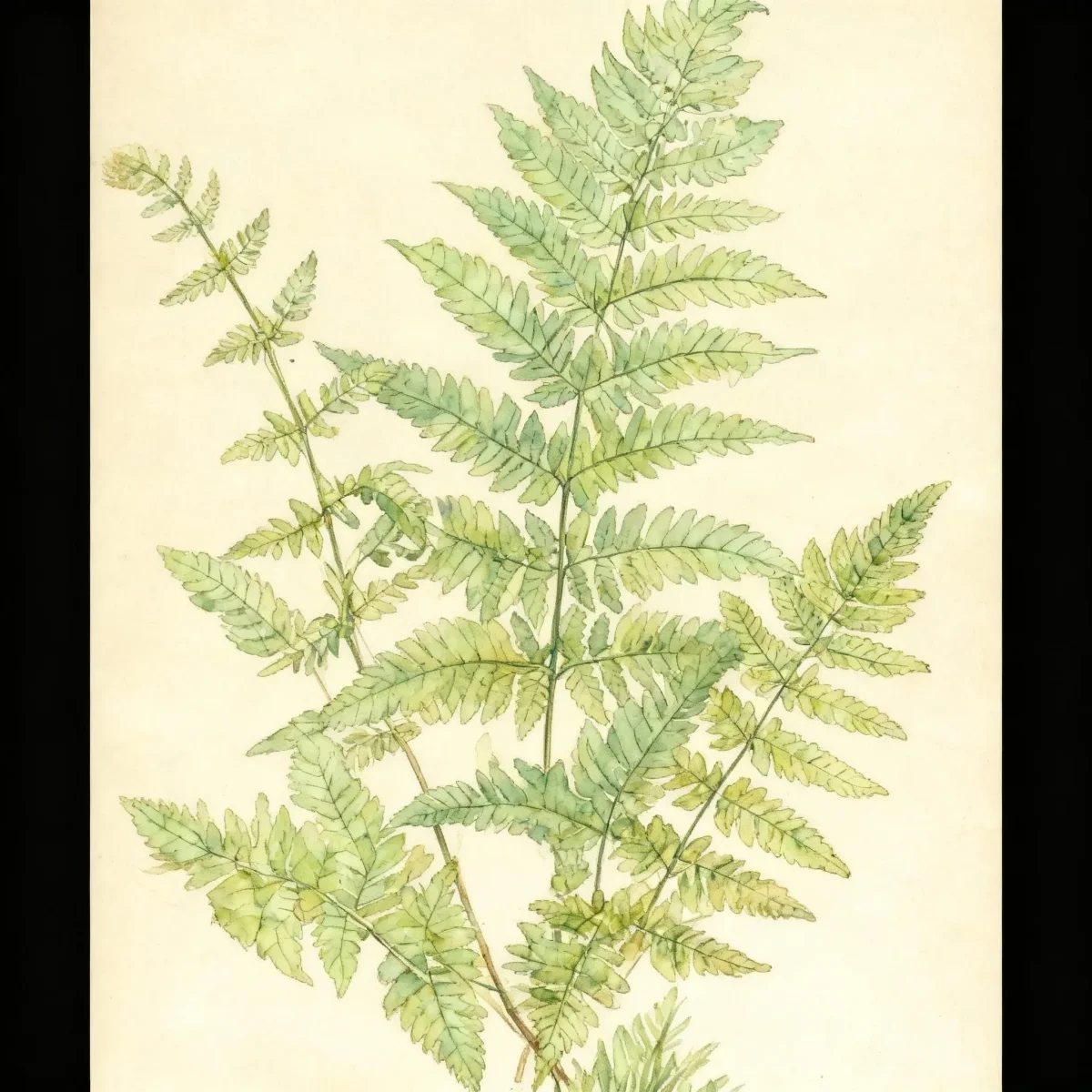
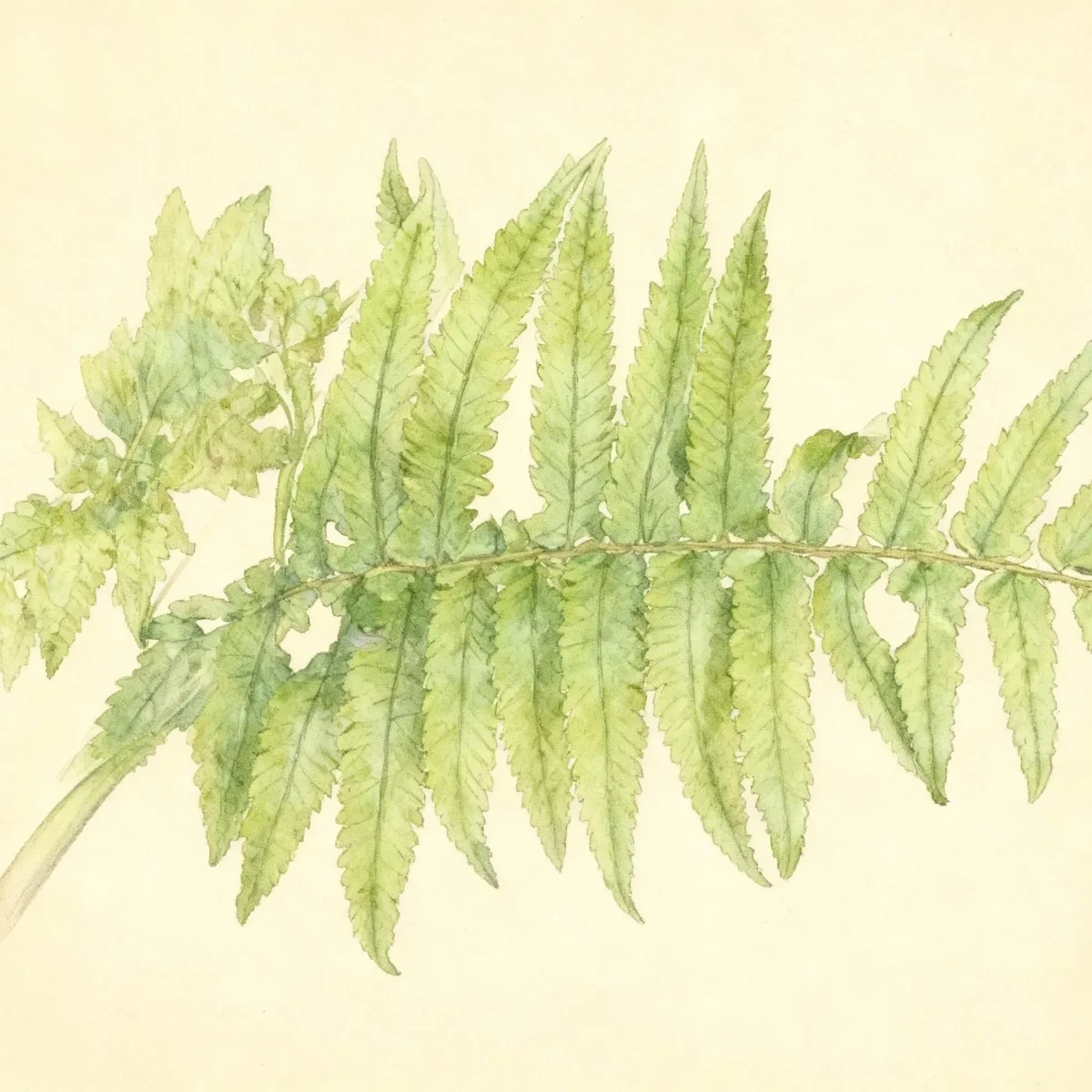
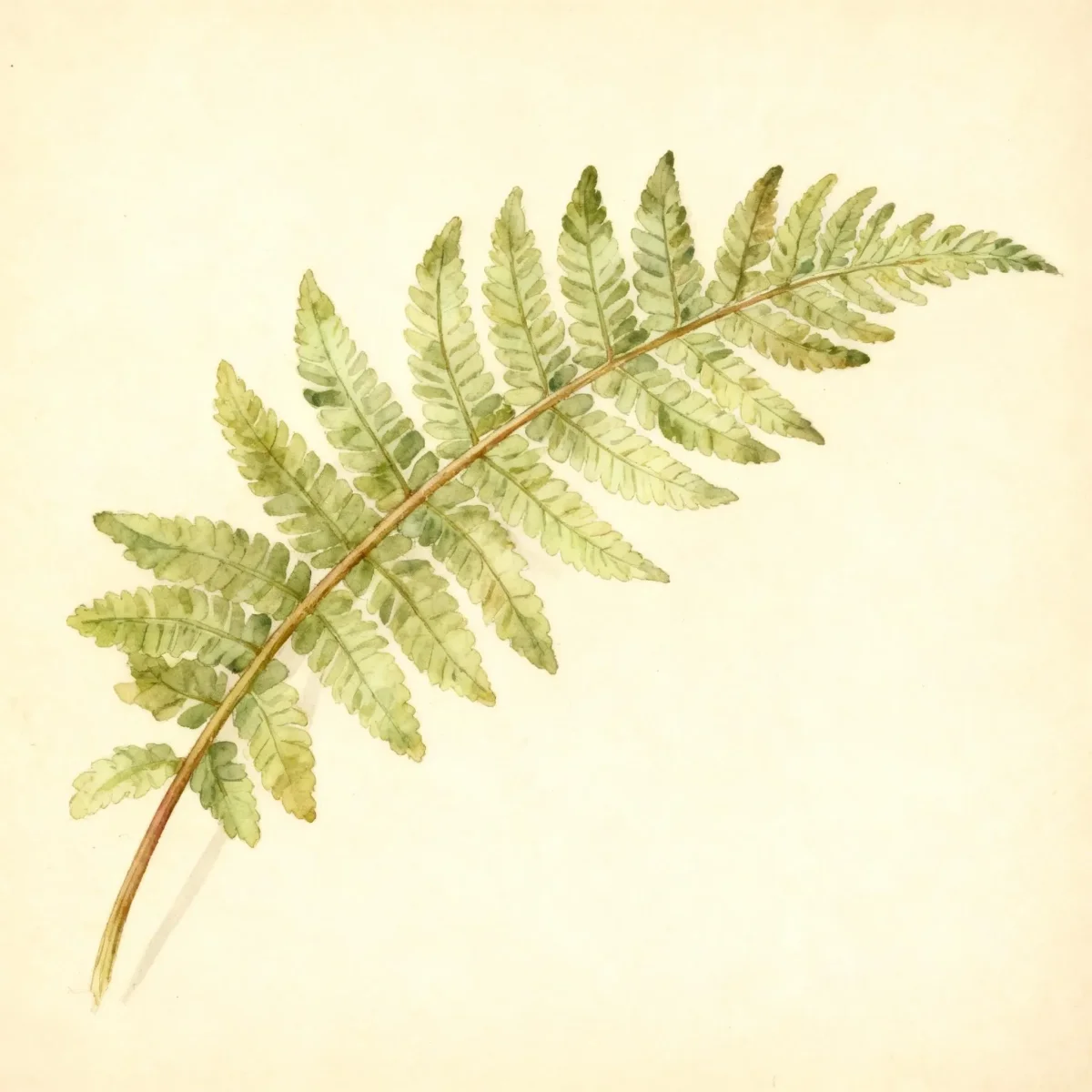
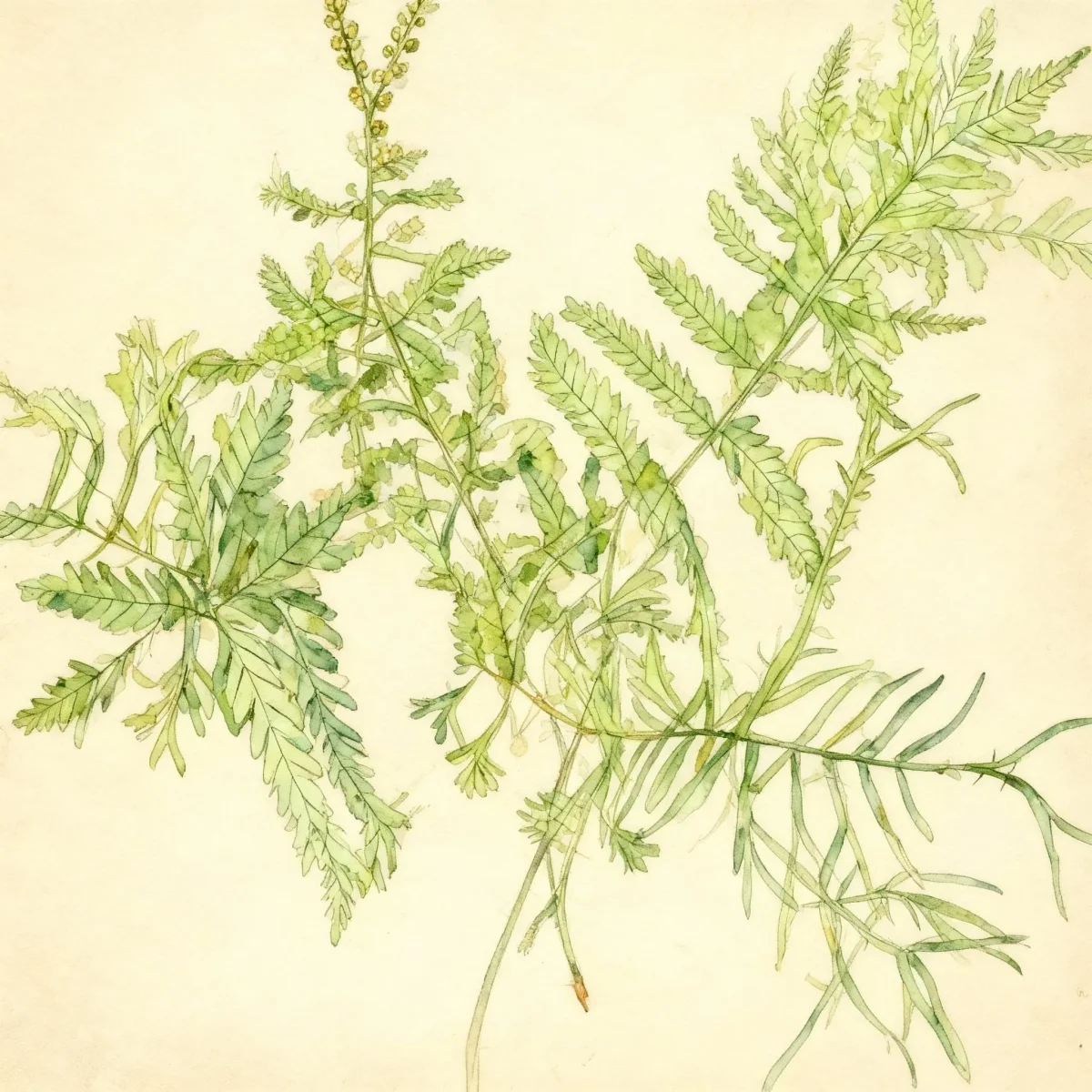
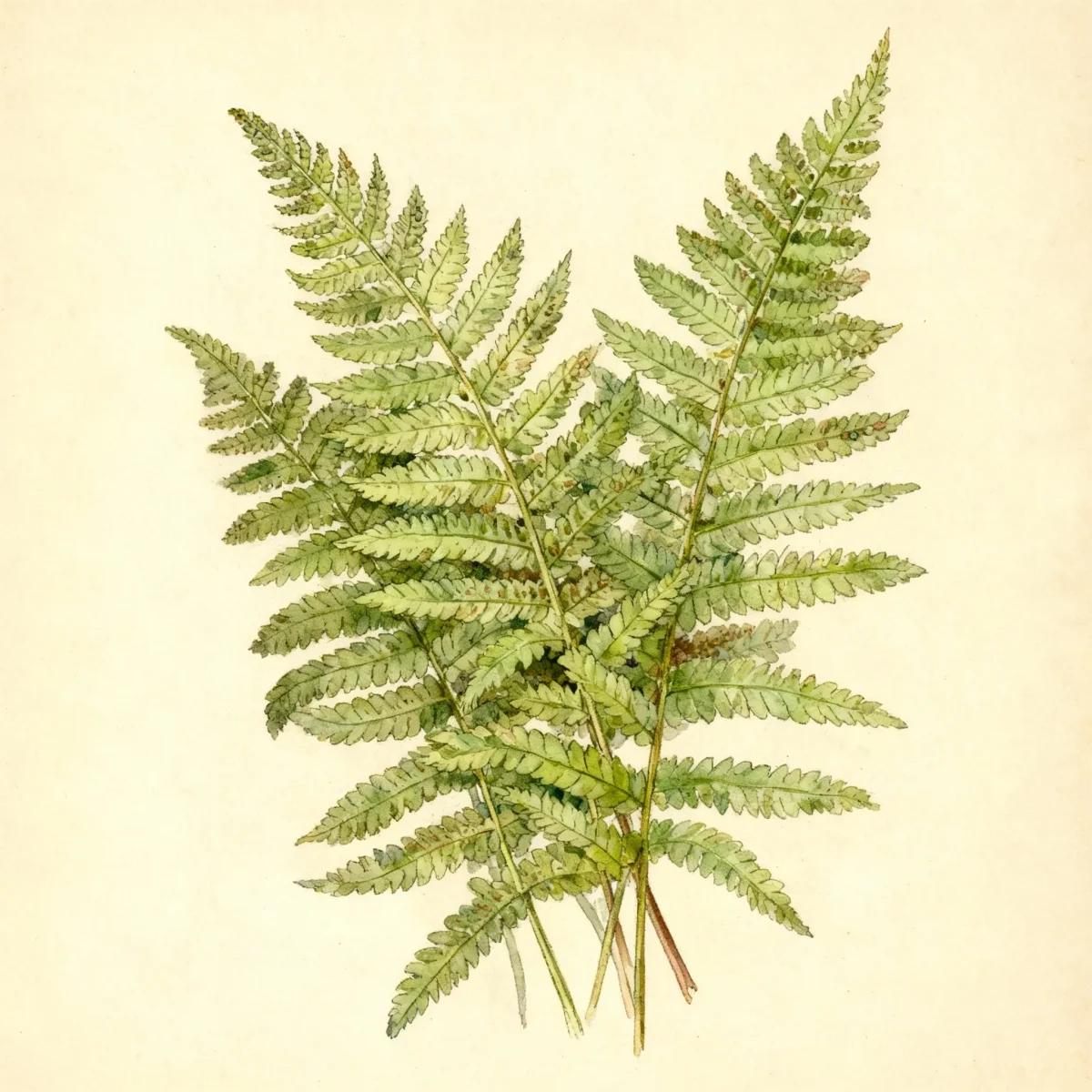
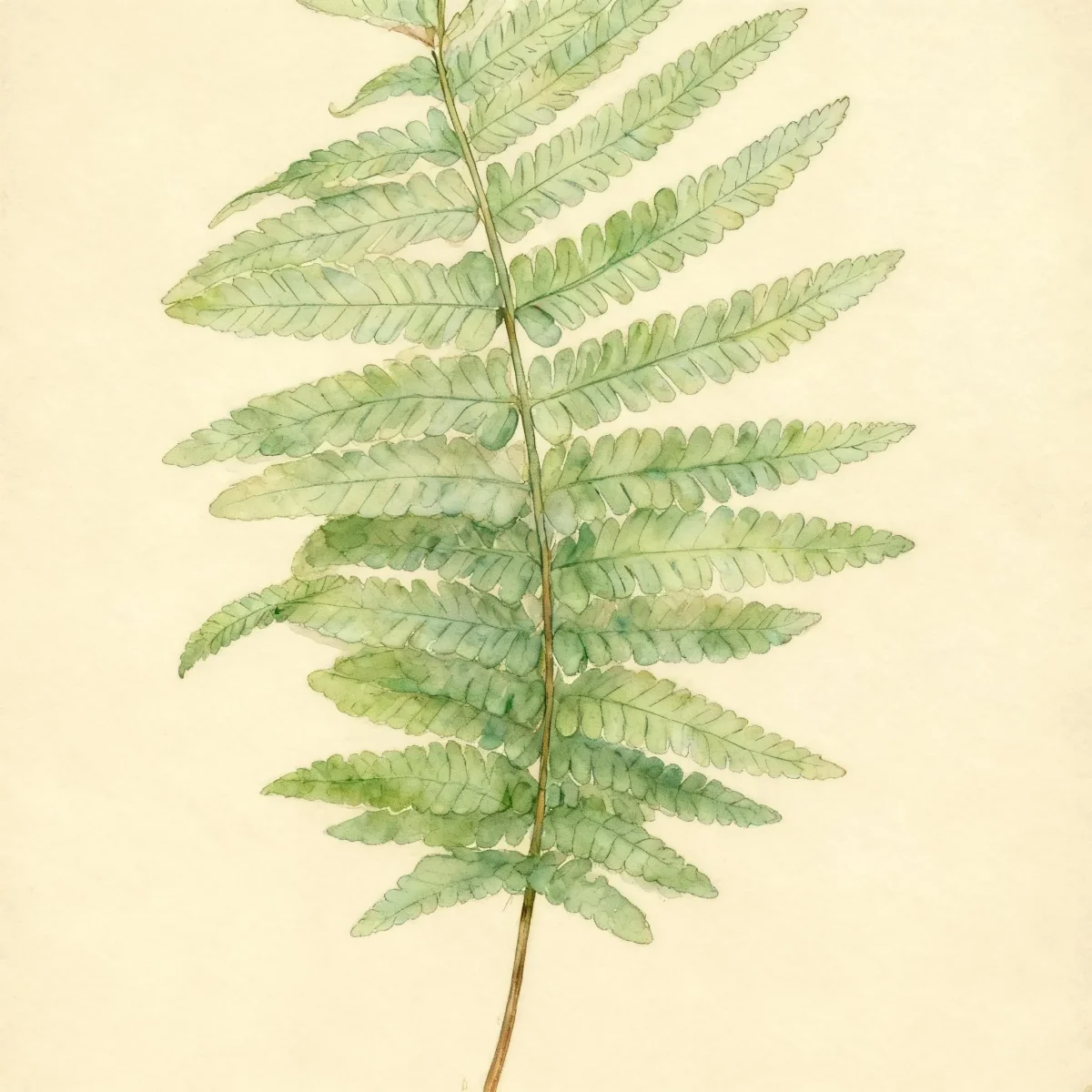
Wood fern (Dryopteris remota)
The Wood fern, Dryopteris remota, offers low-maintenance texture with semi-evergreen fronds for shady gardens.
Scroll down to discover growing tips, care requirements, companion plants, and more
Complete Plant Information
Overview
The Wood fern (Dryopteris remota) is a highly valuable addition for gardeners seeking deep woodland texture and reliable structure under dense canopy. This fertile hybrid is prized for its fine-cut, medium-green fronds that maintain some presence even through the winter months. It establishes an upright habit, lending vertical interest where color is scarce.
Native to Europe, Dryopteris remota thrives reliably in average to moist conditions, making it an easy choice for difficult shady spots. Its low maintenance regimen means gardeners can install it and enjoy its classic fern silhouette predominantly worry-free. This specific Dryopteris species offers excellent textural contrast against broader-leafed shade perennials.
Ultimately, the Wood fern imparts an essential, naturalistic feel to shade borders and woodland settings. Achieving success with Dryopteris remota hinges on providing consistent moisture and protection from harsh afternoon sun.
Fast Facts
- Plant Family: Dryopteridaceae
- Plant Type: Fern
- Native Range: Europe
- Hardiness Zones: USDA Zones 4-8
- Size at Maturity:
- Height: 2-2.5 ft
- Spread: 1.5-2 ft
- Bloom Time: Non-flowering
- Bloom Description: Non-flowering
- Sun Exposure: Part shade to full shade
- Water Needs: Medium
- Maintenance Level: Low
How to Grow
Planting the Wood fern is best executed in the spring or fall when temperatures are moderate and soil moisture is reliable. Locate Dryopteris remota in areas receiving part shade to full shade, ideally protected from strong winds which can damage the delicate fronds. This fern strongly prefers rich, humusy, acidic soils that remain consistently medium in moisture content. Amending heavy clay with plenty of organic matter is crucial to replicate its preferred woodland environment.
Once established, ongoing care for Dryopteris remota is straightforward due to its low maintenance requirements. Ensure the soil never dries out completely; supplemental watering during dry spells is necessary as it requires medium water input. Fertilization is generally unnecessary if the soil is rich in organic matter. Pruning is minimal, usually limited to cutting back older, damaged, or dead fronds in early spring before new growth appears.
Gardeners should focus heavily on soil preparation during installation. Providing bright shade and ensuring the planting site mimics the moisture levels of its native European woodlands will ensure robust growth. The semi-evergreen nature of the fronds means they will often carry through winter, offering visual interest when little else is active.
Landscape Uses
Dryopteris remota shines when used for massing or grouping, creating solid swathes of evergreen texture in deep shade where turf grass struggles. It is an ideal choice for creating the understory layer in woodland gardens, softening the base of mature trees, or providing structure along shady borders. The upright, fine texture of the Wood fern contrasts beautifully with hostas or heuchera.
Consider using Dryopteris remota to help define pathways in a shade garden, planting them along the edges for a crisp, tidy line. Because of its ability to tolerate heavy shade, it successfully fills in those dark corners that are often left bare. Allow room for its natural spread of 1.5 to 2 feet to ensure adequate air circulation, which helps keep the foliage healthy.
Standout Features
Noteworthy Characteristics
Dryopteris remota is a fertile hybrid of D. Affinis and D. Expansa, occurring naturally in the wild in Europe. Typically growing to 2-3’ tall, it features firm, erect, finely cut, medium-green fronds accented by contrasting shaggy, golden-brown central stipes (stems). Rhizomes form an erect crown, and the fronds are semi-evergreen, offering year-round structure in mild climates.
Tolerances
- Rabbit
- Heavy Shade
Potential Problems
Dryopteris remota generally exhibits excellent resilience, showing no serious insect or disease problems under proper cultural conditions. Maintaining consistently moist, well-drained soil is the best preventive measure against minor issues like fungal spots, which can occur if foliage remains wet for too long in stagnant air. Avoid excessive competition from aggressive surface roots of nearby trees.
If rabbits become an issue, physical exclusion or applying repellents labeled for fern protection may be necessary, although this specific Wood fern is listed as rabbit-tolerant. Overall, the low maintenance level reflects its inherent hardiness against common garden pests and pathogens.
Frequently Asked Questions
What hardiness zones is Wood fern suitable for?
The Wood fern (Dryopteris remota) is reliably hardy in USDA Zones 4 through 8.
How large does Dryopteris remota grow?
This semi-evergreen fern typically reaches a mature height between 2 and 2.5 feet tall, with a spread ranging from 1.5 to 2 feet wide.
What sun exposure does Dryopteris remota need?
Dryopteris remota prefers a location that receives part shade to full shade. It thrives best in bright shade, protected from harsh midday and afternoon sun.
When does Wood fern bloom?
As a fern, Dryopteris remota is non-flowering and does not produce conventional blooms or fruit structures.
Conclusion
The low-maintenance nature paired with the elegant, fine texture of its semi-evergreen foliage makes the Wood fern (Dryopteris remota) an essential textural plant for deeply shaded landscapes. It offers reliable structure and contrast throughout the year. Check your site conditions to ensure you can provide the consistently moist, acidic soil it requires, and plan your planting for spring or fall establishment.
Companion Planting
Selecting companions that share the cultural needs of Dryopteris remota ensures a harmonious, thriving shade garden. Pair the upright habit of this Wood fern with broad-leaved groundcovers or clumps of ferns that offer different textures, such as Japanese Painted Ferns or large-leafed Hosta varieties. Plants that prefer rich, humusy soil are ideal neighbors; think of Astilbe for summer color or woodland specialties like Trillium.
Avoid planting aggressively competitive shallow-rooted perennials too close to the Dryopteris remota, as the fern prefers its space to maintain consistent moisture without root competition. Combining it with mosses or low-growing shade sedges can enhance the overall woodland aesthetic this species naturally suggests.
Propagation Tips
Propagation of Dryopteris remota is typically achieved through division, as it produces fertile sporangia but is often grown commercially as a hybrid. In late winter or very early spring, gently excavate the clump of the Wood fern. Using a sharp, clean spade or knife, carefully separate the rhizomes, ensuring each new division has several healthy croziers (developing fiddleheads) or a substantial amount of established root mass attached.
Replant the divisions immediately into prepared soil that mirrors the original location’s rich, moist conditions. Water thoroughly after division and keep the newly potted or planted sections consistently moist for several weeks to encourage rapid establishment of the root system. Division is the most practical method for increasing your stock of this desirable Dryopteridaceae member.