Matteuccia struthiopteris subsp. pensylvanica (Matteuccia struthiopteris subsp. pensylvanica)
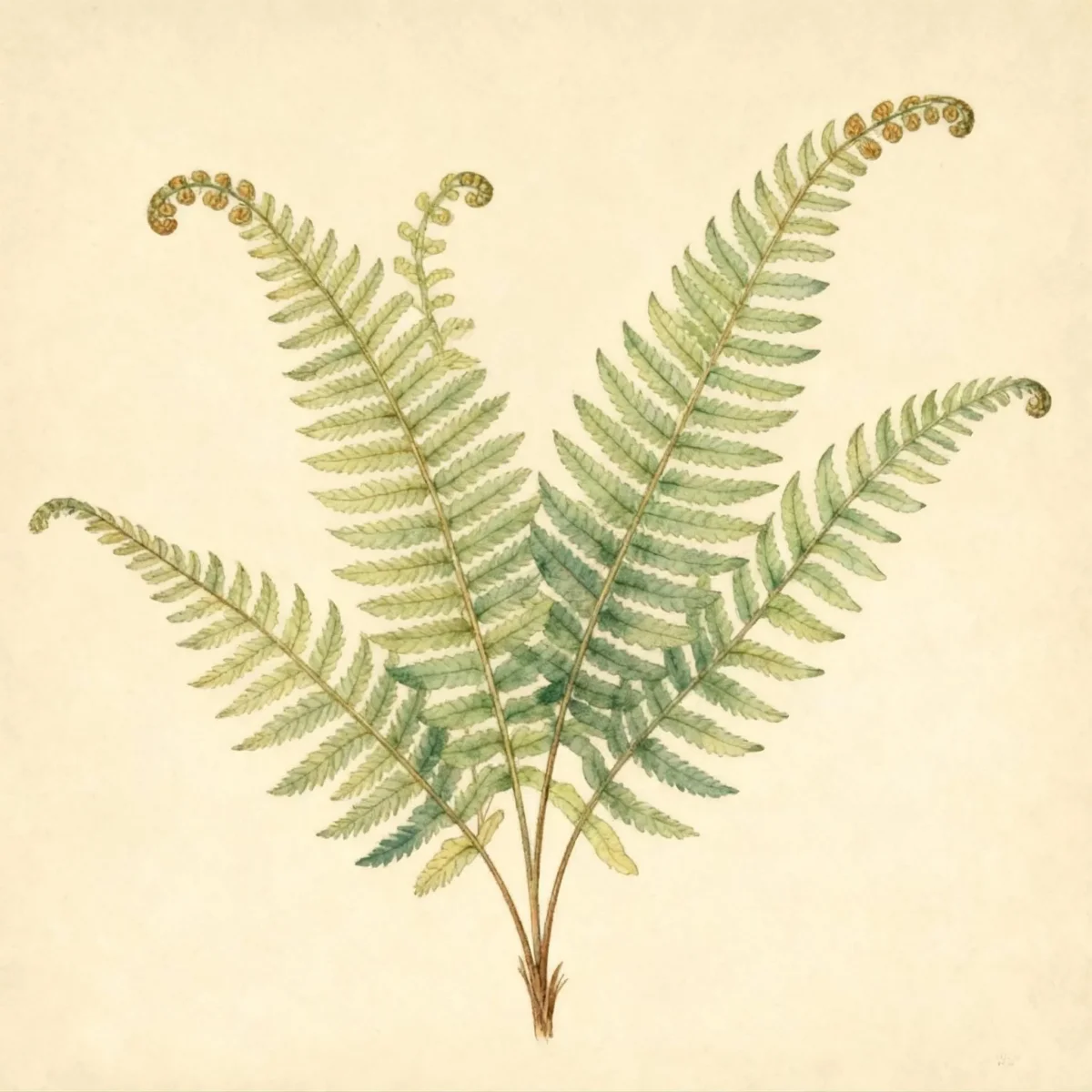
Matteuccia struthiopteris subsp. pensylvanica is a dense, vase-shaped deciduous fern native to North America, prized for its edible fiddleheads.
Scroll down to discover growing tips, care requirements, companion plants, and more
Complete Plant Information
Overview
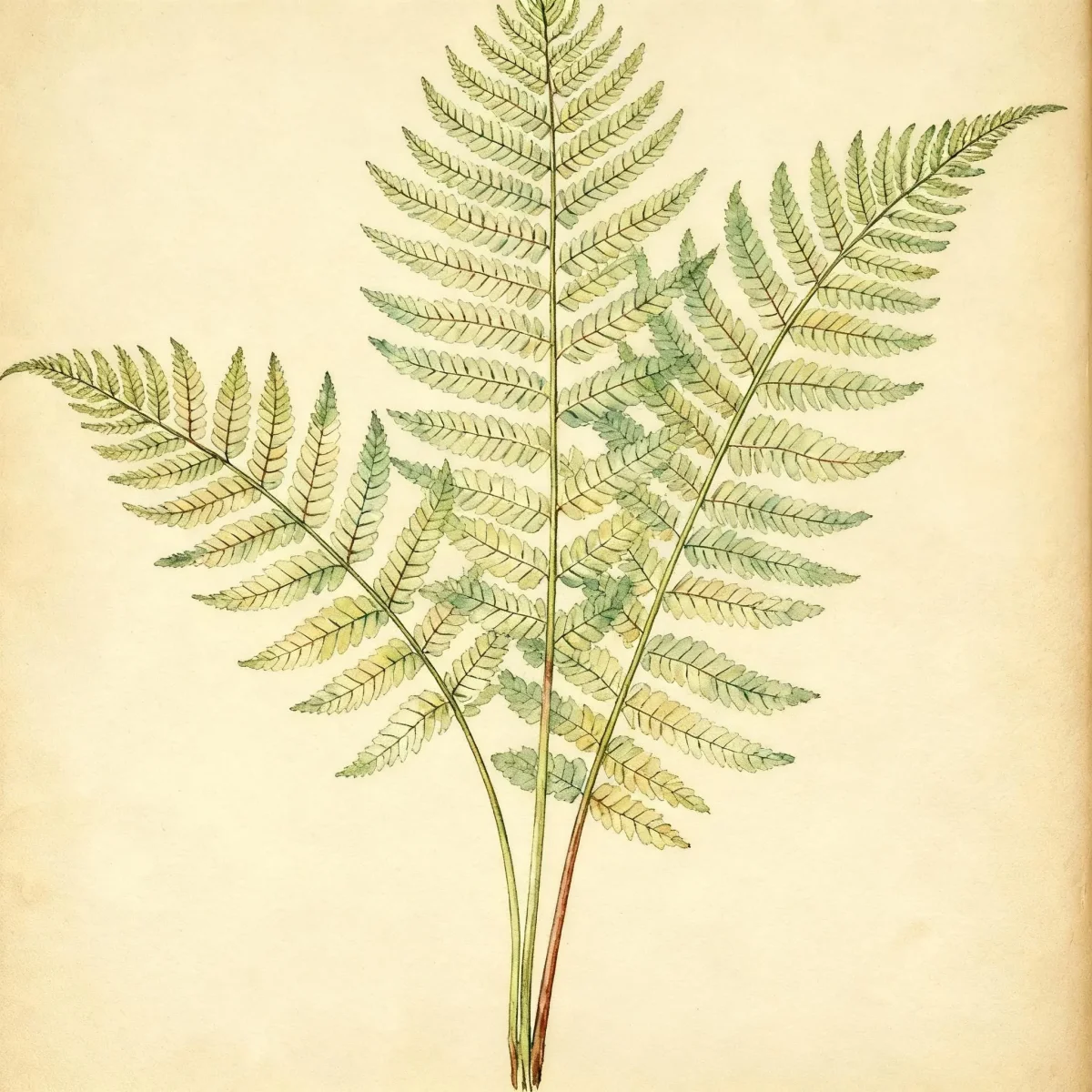
Matteuccia struthiopteris subsp. Pensylvanica, known generally as the Ostrich Fern, is a highly ornamental and robust fern native to the wet woodlands of Northeastern North America. It forms striking, upright, vase-shaped clumps defined by finely dissected, feathery green sterile fronds, which give it its plume-like appearance. Gardeners value this species for its dramatic vertical accent in deep shade and for the edible spring growth known as fiddleheads.
This rhizomatous plant quickly spreads via underground runners under optimal conditions, making Matteuccia struthiopteris subsp. pensylvanica perfect for naturalizing large shady areas where grass struggles. It thrives where some moisture is guaranteed and generally prefers cooler summers, making careful siting essential in hotter regions. Its structure offers year-round interest, as the darker, erect fertile fronds persist into the winter months.
For those seeking impactful, low-maintenance texture under a dense canopy, Matteuccia struthiopteris subsp. pensylvanica delivers exceptional performance. Successful cultivation hinges on providing consistent moisture and protection from harsh summer heat or drying winds, ensuring the plant remains a vigorous staple in the woodland garden.
Fast Facts
- Plant Family: Onocleaceae
- Plant Type: Fern
- Native Range: Northeastern North America
- Hardiness Zones: USDA Zones 3-8
- Size at Maturity:
- Height: 2-6 ft
- Spread: 2-3 ft
- Bloom Time: Non-flowering
- Bloom Description: Non-flowering
- Sun Exposure: Part shade to full shade
- Water Needs: Medium to wet
- Maintenance Level: Medium
How to Grow
Planting Matteuccia struthiopteris subsp. pensylvanica is best achieved in spring or early fall. Ensure the chosen location provides plenty of organic matter, as this fern requires rich soils to flourish. It must be situated where it receives part shade to full shade; too much direct sun will scorch the delicate fronds.
Consistent moisture is paramount for this species. It needs medium to wet conditions and the soil must never be allowed to dry out, making it an excellent choice for rain gardens or alongside water features. While easily grown, it does not tolerate hot, humid summers well, so site it in the coolest, shadiest part of the garden if you live near the warm edges of its range.
Maintenance is generally low once established. No routine fertilizing is typically required if the soil is rich and amended with compost. Pruning involves simply cleaning up the old, tattered sterile fronds in late fall or early spring before the new fiddleheads emerge. Due to its aggressive rhizomatous spread, monitor its growth to ensure it stays within its intended bounds.
Landscape Uses
One of the primary recommendations for this fern is to Naturalize large, moist, shady woodland areas where it can form dense, impactful colonies. The robust texture of the ostrich fern is unmatched for filling broad expanses under mature trees. Furthermore, its high water needs make it an ideal structural plant for Rain Garden installations, efficiently absorbing runoff while providing strong visual height.
The vase-like structure of the fronds creates an excellent backdrop or mid-layer element, contrasting beautifully with low-growing groundcovers or broad-leaved hostas. Because the sterile fronds can look tired by late summer, consider companion planting shorter shade lovers around the base of Matteuccia struthiopteris subsp. Pensylvanica that can provide coverage as the fern matures through the season.
Beyond its use in the garden beds, the dark brown, erect fertile fronds offer surprising aesthetic value. These structures make attractive, unexpected additions to dried winter floral arrangements, lending vertical interest long after the green foliage has disappeared.
Standout Features
Noteworthy Characteristics
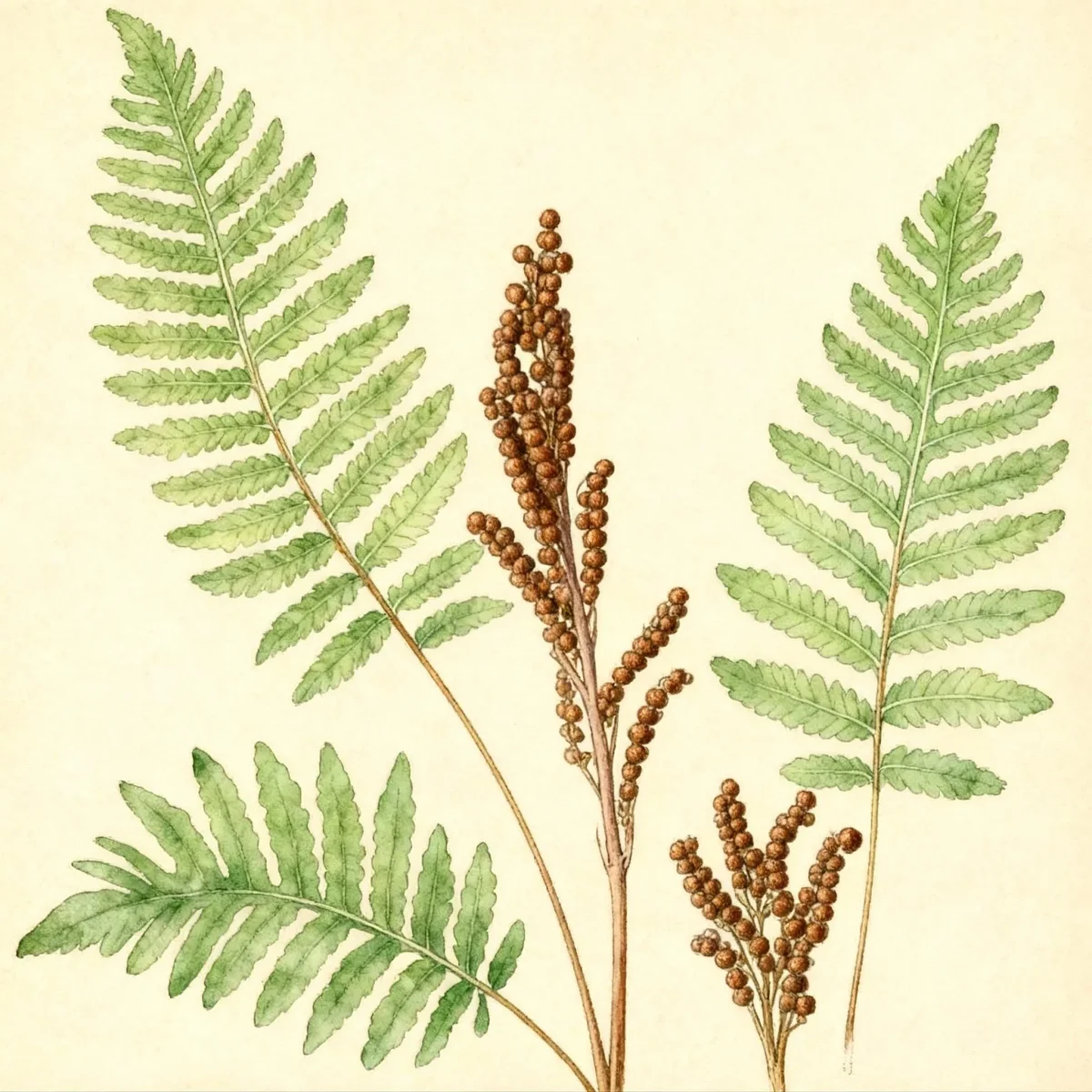
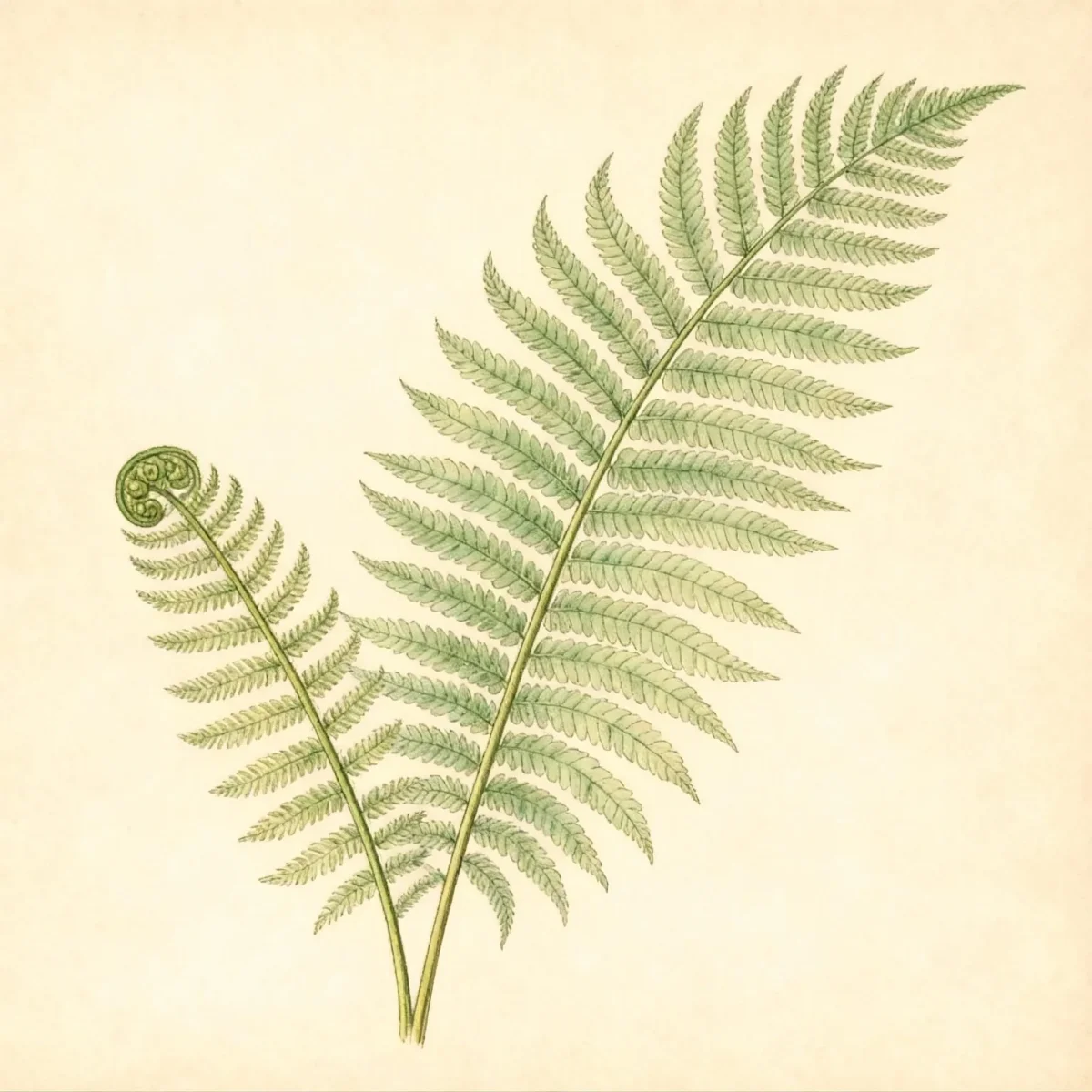
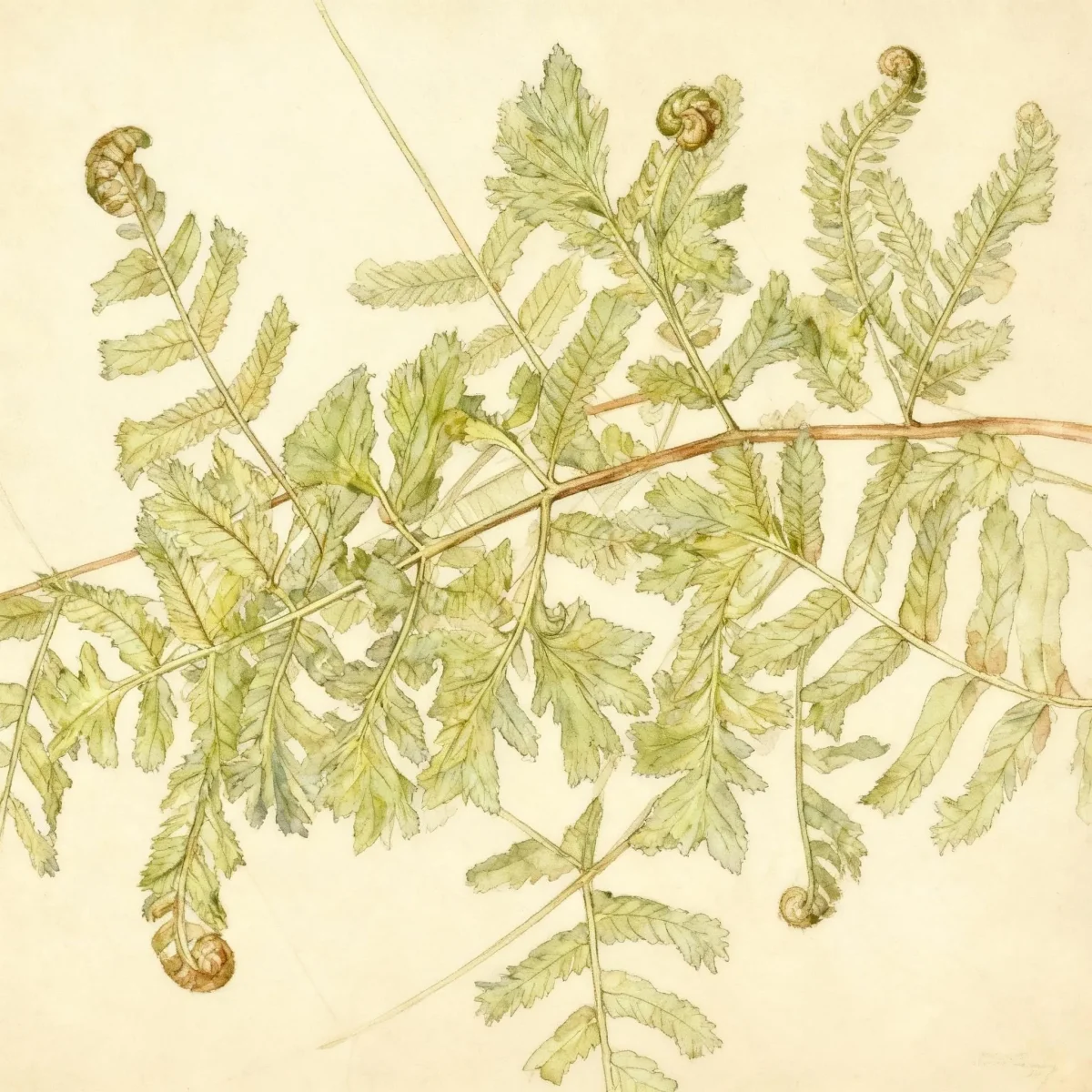
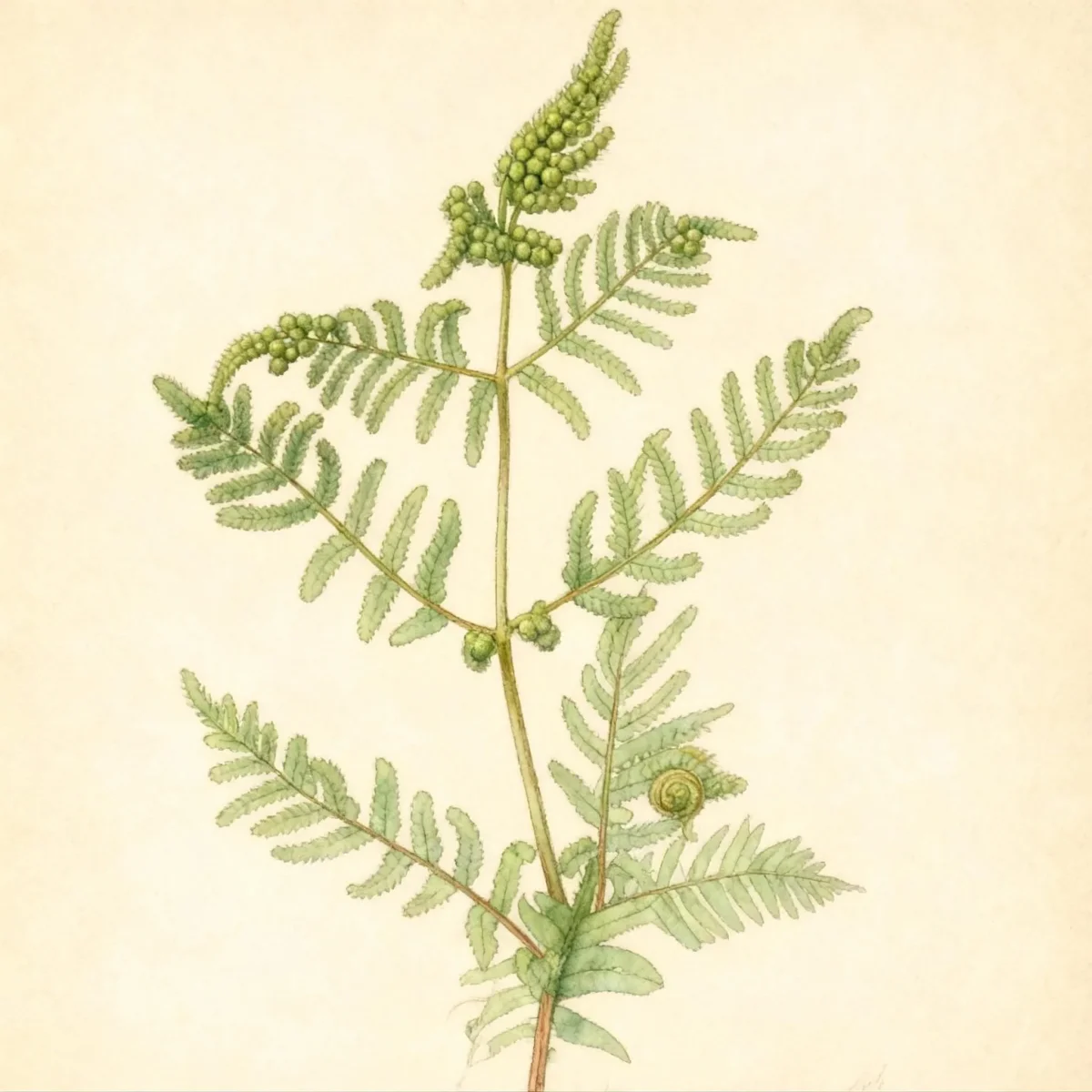
Matteuccia struthiopteris, commonly known as ostrich fern, is native to temperate regions of North America, Europe and northern Asia. It is typically found in wooded river bottomlands. It is a rhizomatous, clump-forming, deciduous fern which typically grows to 2-3’ tall in cultivation, but may reach 6’ tall in cool climates in the wild. This fern is dimorphic. The showy parts of the fern are the finely dissected, medium green sterile (vegetative) fronds which exhibit the feathery appearance of long ostrich plumes. The sterile fronds emerge at the base of the fern clump in spring as the familiar “fiddleheads” which unfold to as much as 4’ tall. The sterile fronds usually depreciate as the summer proceeds, begin to look rather tattered by early fall and finally lose their leaflets later in the fall as the plant goes dormant for winter. The sterile fronds form a huge vase-like crown around the much less showy fertile fronds which are erect, spike-like and dark brown. The fertile fronds arise in mid-summer and persist through the winter. Subsp. Pensylvanica differs from the straight species by having a dark central stripe in the scales. This subspecies is native only to North America, and use of the subspecies name is a way of distinguishing this plant from European populations of the species. The Plant List currently considers this subsp. To be a synonym of the species. Subspecies name means of Pennsylvania.Genus name honors Carlo Matteucci (1800-1863), Italian physicist
Tolerances
- Rabbit
- Heavy Shade
- Erosion
- Clay Soil
- Wet Soil
Potential Problems
No serious insect or disease problems typically affect this robust fern. Because of its natural habitat near river bottoms, its main cultural requirement and corresponding potential problem is moisture management. If soil conditions become too dry, the fern will suffer, with fronds quickly scorching and diminishing in appearance well before the natural end of the season. Ensure planting sites remain consistently moist, especially during initial establishment or during heat waves.
Frequently Asked Questions
What hardiness zones is Matteuccia struthiopteris subsp. pensylvanica suitable for?
This resilient fern is suitable for USDA Hardiness Zones 3 through 8, offering dependable perennial structure across a wide range of cold climates.
How large does Matteuccia struthiopteris subsp. pensylvanica grow?
It typically matures to a height between 2 and 6 feet tall, with a moderate spread of 2 to 3 feet, creating a significant vertical presence in shady garden spots.
What sun exposure does Matteuccia struthiopteris subsp. pensylvanica need?
This plant performs best and maintains its texture when situated in part shade to full shade. Direct, intense afternoon sun should be avoided entirely.
When does Matteuccia struthiopteris subsp. pensylvanica bloom?
As is typical for ferns, this plant is non-flowering. Its visual interest comes from the distinctive shape and texture of its sterile (vegetative) fronds and the persistent upright fertile fronds.
Conclusion
The Matteuccia struthiopteris subsp. pensylvanica excels as a structural mainstay for shaded landscapes, offering unmatched feathery texture and the added novelty of edible spring fiddleheads. Its ability to tolerate heavy shade and wet, clay-heavy soils makes it a powerful solution for difficult garden locations. Before planting, confirm your site offers consistent moisture and check that your location falls within USDA Zones 3-8 to ensure the successful establishment of this magnificent North American native fern.
Companion Planting
Successful pairing relies on plants that share the love for deep shade and consistently moist, rich soil. Consider pairing Matteuccia struthiopteris subsp. pensylvanica with moisture-loving perennials such as Astilbe, Hosta varieties with blue or variegated foliage, or native woodland companions like Trillium and Marsh Marigold (Caltha palustris). Grouping it with broad-leaved plants helps emphasize the delicate, airy texture of the ostrich fern fronds.
Design Ideas for Shade Gardens
When designing a woodland retreat, use Matteuccia struthiopteris subsp. Pensylvanica as the primary vertical element to create height, mimicking a small grove. Plant in drifts rather than single specimens, allowing its rhizomatous nature to form a natural-looking carpet that suppresses weeds. For a formal touch, edge the colonies with low-growing plants that will mask any late-season decline of the sterile fronds, maintaining visual appeal throughout the entire growing season.