Cinnamon fern (Osmundastrum cinnamomeum)
Discover the dramatic Cinnamon fern (Osmundastrum cinnamomeum), a low-maintenance fern perfect for wet, shady woodland gardens.
Scroll down to discover growing tips, care requirements, companion plants, and more
Complete Plant Information
Overview
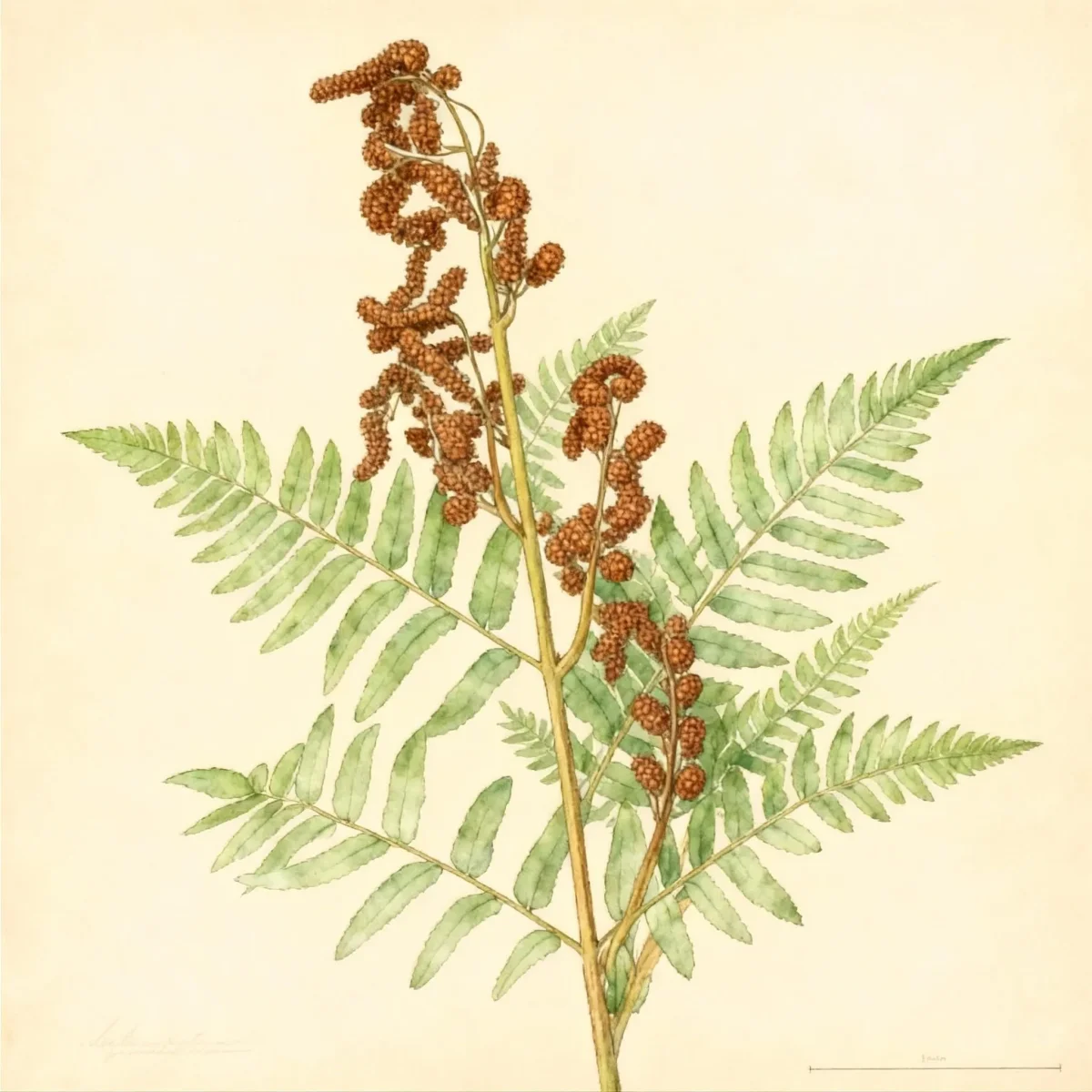
The Cinnamon fern, scientifically known as Osmundastrum cinnamomeum, is a striking, large native fern highly valued for its robust texture and adaptability to damp, shaded environments. Its appeal lies in its contrasting reproductive and sterile fronds, making it a focal point in woodland settings throughout its growing season. This species of Osmundastrum cinnamomeum is exceptionally low maintenance once established.
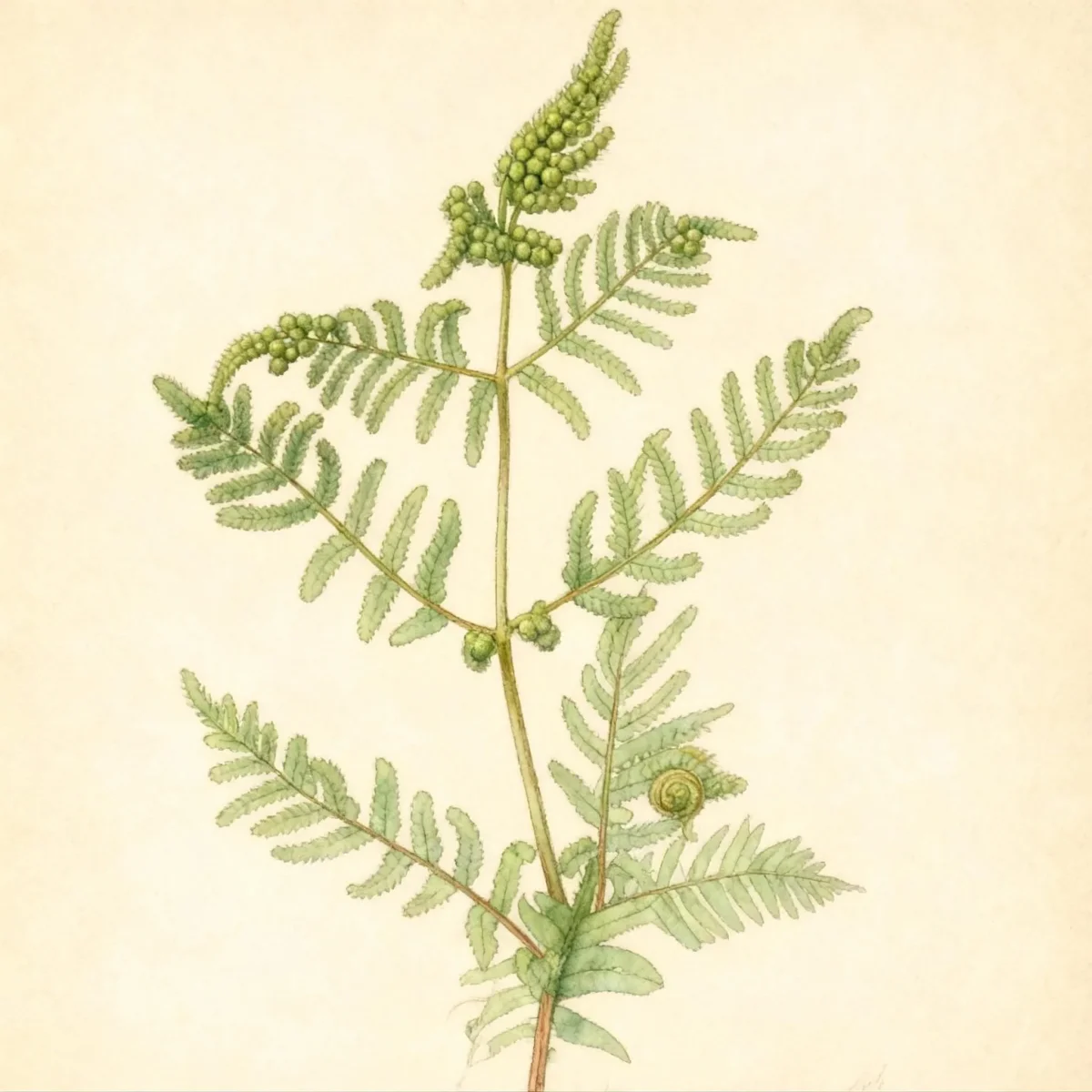
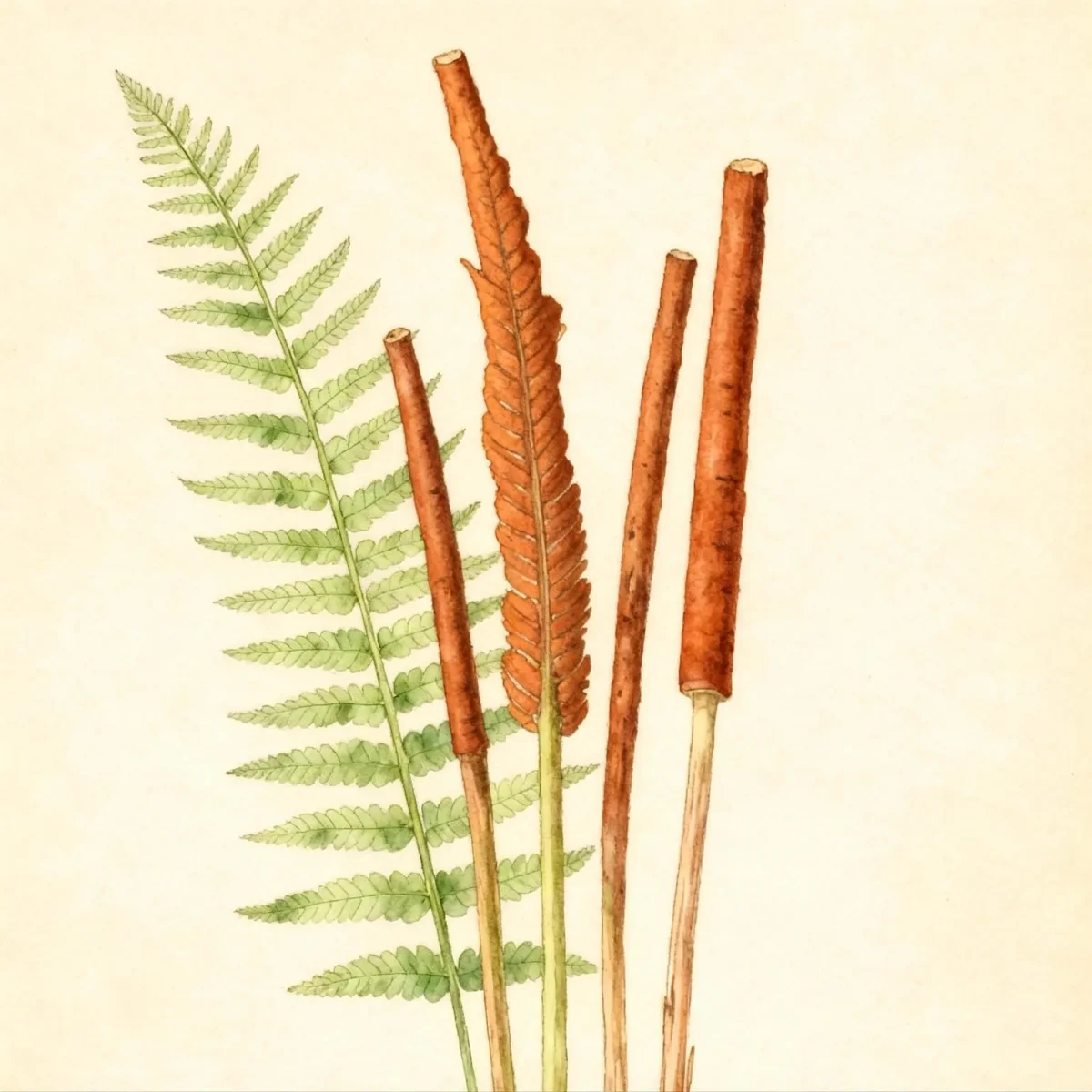
This magnificent fern typically forms clumps reaching 2 to 3 feet in height, though it can stretch taller with consistent moisture supply. It requires a consistently moist to wet environment, thriving where many other plants might falter due to overly saturated soil. The name Osmundastrum cinnamomeum refers to the distinctive, stiff, fertile fronds that emerge early, quickly taking on a brown, cinnamon hue.
Gardeners appreciate the Cinnamon fern for its ability to bring classic woodland structure to challenging, damp, shady spots. Furthermore, the roots of Osmundastrum cinnamomeum are the source of valuable Osmunda fiber utilized in orchid potting mixes, adding to its practical horticultural value.
Fast Facts
- Plant Family: Osmundaceae
- Plant Type: Fern
- Native Range: Americas, eastern Asia
- Hardiness Zones: USDA Zones 3-9
- Size at Maturity:
- Height: 2-3 ft
- Spread: 2-3 ft
- Bloom Time: Non-flowering
- Bloom Description: Non-flowering
- Sun Exposure: Part shade to full shade
- Water Needs: Medium to wet
- Maintenance Level: Low
How to Grow
Planting Osmundastrum cinnamomeum is best done in spring or fall when conditions are cool. Locate the Cinnamon fern where it receives part shade or full shade, mimicking its natural habitat along streams or shaded bluffs. The key to success is providing ample moisture; this fern must have medium to wet soils. While it adapts, it performs best in rich, humusy, acidic soils that remain consistently damp.
Care for this plant is minimal once established, aligning with its low maintenance level. Ensure a regular watering schedule that keeps the soil moist, especially during dry spells, even if established in boggy areas. Fertilization is rarely necessary if the soil is rich; avoid standard lawn fertilizers, as they can burn sensitive fern roots. There is no need for pruning the sterile fronds until they naturally turn yellow in the autumn.
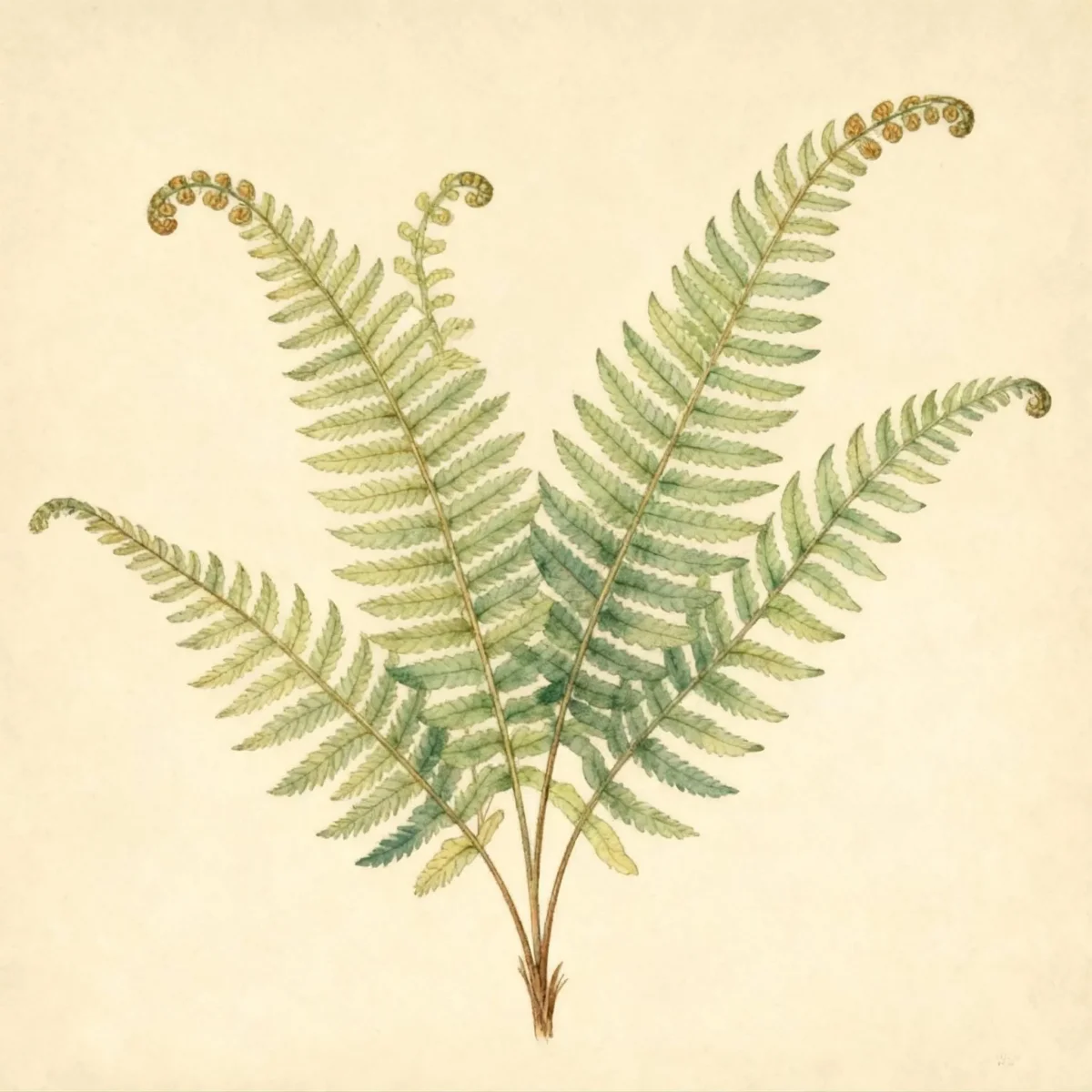
As an early spring showstopper, the fertile fronds appear before the sterile foliage. Be prepared for these fertile stalks to quickly turn brown; this is normal for Osmundastrum cinnamomeum. In late autumn or early spring, lightly tidy the area by removing any brown, spent foliage to keep the clump looking neat for the emergence of the next season’s protective fiddleheads.
Landscape Uses
The Cinnamon fern excels in specialized garden niches where moisture is abundant and sunlight is scarce. Its architecture makes it an excellent selection for wet areas along ponds, streams, or incorporated into formal water gardens and naturalized bogs. The large, light-green sterile fronds provide excellent textural contrast against shorter, darker shade-lovers.
For woodland landscapes, the Osmundastrum cinnamomeum serves beautifully in shaded borders or native plant gardens, lending an ancient, prehistoric feel. When massed, they create a stunning, cohesive ground cover effect beneath larger trees. Consider pairing Cinnamon fern with moisture-loving companions like various hostas, marsh marigolds, or cardinal flowers to enhance the swampy, shady aesthetics.
This fern is versatile enough for partially contained areas within larger woodland settings. While it spreads gradually, it stays relatively contained in a defined clump, making it manageable even in smaller shaded borders where a bold, vertical accent is desired.
Standout Features
Noteworthy Characteristics
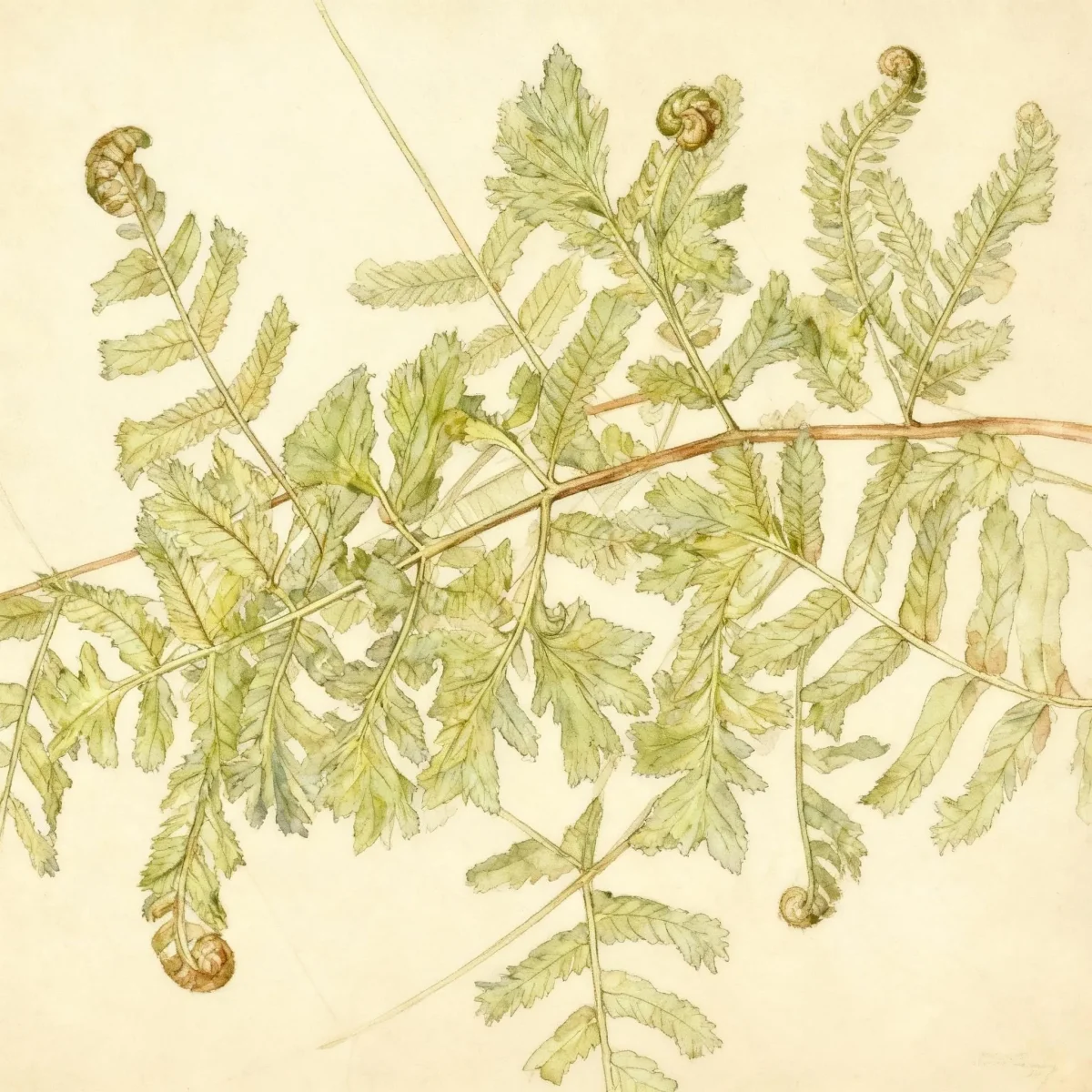
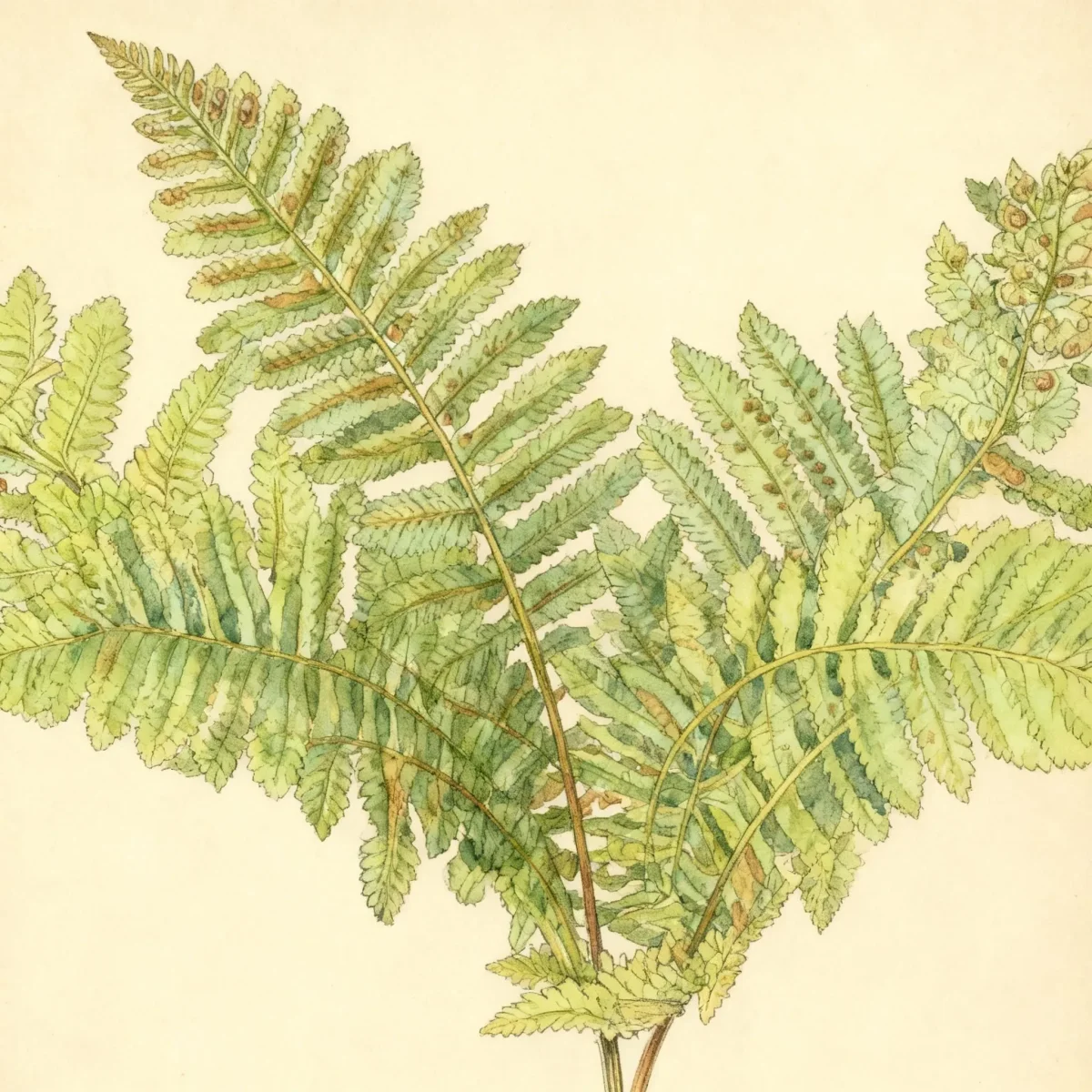
Osmundastrum cinnamomeum, commonly called cinnamon fern, is a Missouri native fern which occurs in moist, boggy ground along streams and on shaded ledges and bluffs, primarily in the eastern Ozark region of the State. Typically grows in clumps to 2-3’ tall, but with constant moisture can reach 5’ in height. Separate spore-bearing, stiff, fertile fronds appear in early spring, quickly turning brown. The familiar “fiddleheads” also emerge from the base of the plant and unfurl into large, erect, pinnately-compound, yellowish-green, sterile fronds (2-4’ long) which remain attractive throughout the summer and turn yellow in autumn.
Tolerances
- Rabbit
- Heavy Shade
- Black Walnut
Potential Problems
The Cinnamon fern generally exhibits excellent resistance to pests and diseases, meaning gardeners rarely encounter serious insect or disease problems. Professional care often involves little more than ensuring it receives the right soil moisture. If the plant struggles, it is overwhelmingly likely due to inadequate water or planting in excessively dry, sunny locations, rather than susceptibility to pathogens. Monitoring moisture levels is the primary preventative management strategy for a thriving Osmundastrum cinnamomeum.
Frequently Asked Questions
What sun exposure does Cinnamon fern need?
The Cinnamon fern thrives best when situated in part shade to full shade conditions.
How large does the Cinnamon fern grow?
This plant typically achieves a height between 2 and 3 feet, with a spread of 2 to 3 feet at maturity.
What hardiness zones is Osmundastrum cinnamomeum suitable for?
Osmundastrum cinnamomeum is resilient and suitable for broad cultivation across USDA Hardiness Zones 3 through 9.
When does Cinnamon fern bloom?
As a fern, Osmundastrum cinnamomeum is non-flowering.
Conclusion
The Osmundastrum cinnamomeum, or Cinnamon fern, brings dramatic vertical structure and lush greenery to challenging wet, shady locations in the garden. Its low maintenance requirements and tolerance for difficult spots like heavy shade and black walnut root competition make it an invaluable asset. Before planting, confirm your garden conditions match its demand for medium to wet, acidic soil, then enjoy the distinctive early spring fertile fronds of this stellar perennial.
Companion Planting
Selecting suitable companions for the Cinnamon fern involves focusing on other plants that share its love for constant moisture and deep shade. Plants that thrive in similar boggy or streamside environments will enhance the naturalistic effect of your woodland planting scheme. Consider grouping Osmundastrum cinnamomeum with moisture-loving perennials that offer complementary leaf texture or seasonal color.
For strong seasonal impact, pair the fern with wetland irises or astilbes, whose plume-like flowers contrast nicely with the rigid structure of the fern. In deep shade where the fern’s sterile fronds provide background texture, shorter, ground-hugging plants like Foamflower (Tiarella species) or various shade-tolerant sedges offer a neat edging without competing too aggressively for root space.
Remember that because the Cinnamon fern appreciates rich, humusy soil, companions should also benefit from high organic matter content. Maintaining this rich, moist layer helps suppress weeds while ensuring consistent moisture availability, which is crucial for the overall health of the Osmundastrum cinnamomeum grouping.
Seasonal Care Calendar
Spring is the most active time for the Cinnamon fern, as both the stiff, brown fertile fronds and the tightly curled fiddleheads emerge. This is the best time for a light application of well-rotted compost if the soil is exceptionally poor, though heavy fertilization is unnecessary. Ensure watering is consistent as temperatures begin to rise.
Summer care focuses almost entirely on moisture management. If you experience a drought period, actively supplement the water supply to maintain that essential medium to wet soil condition, especially if the fern is placed near thirsty tree roots like Black Walnut. The large, sterile fronds should remain attractive throughout this period.
In autumn, the sterile fronds will naturally turn yellow before dying back for the winter. Unlike some landscape plants, there is no need to rush cleanup; allowing the foliage to remain can offer minor winter protection. As temperatures drop, the dormant root structure of the Osmundastrum cinnamomeum is gearing up for survival in USDA Zones 3 through 9.