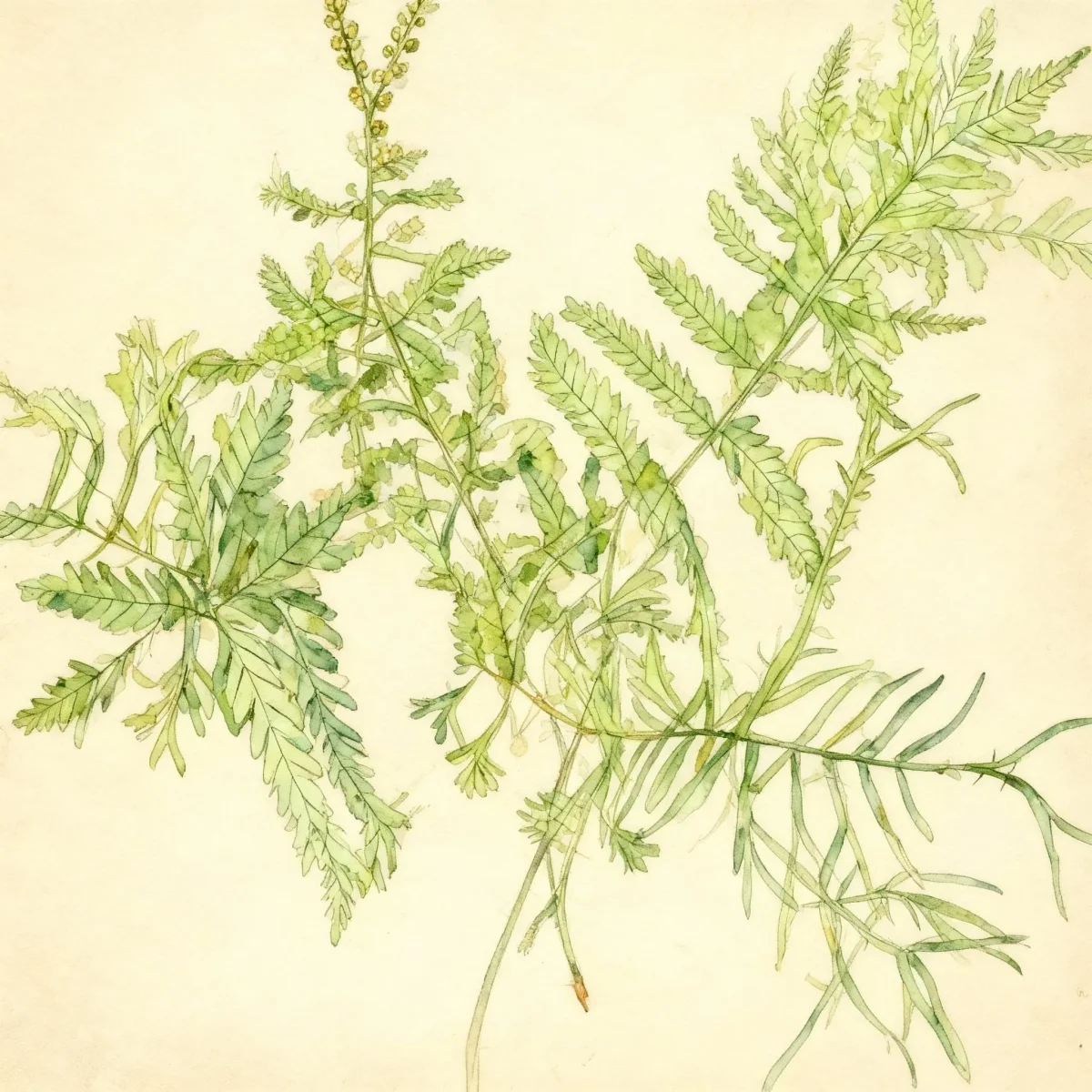
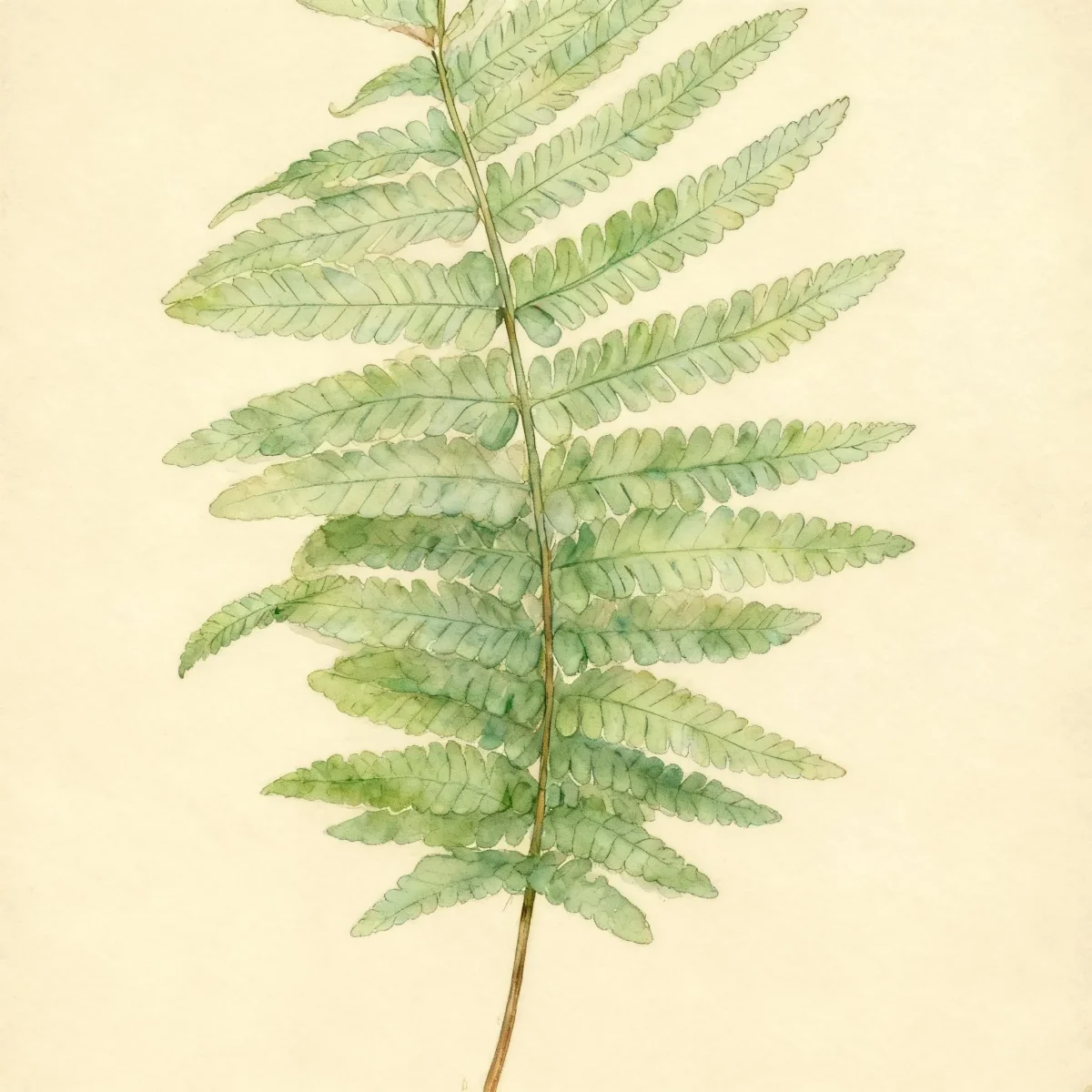
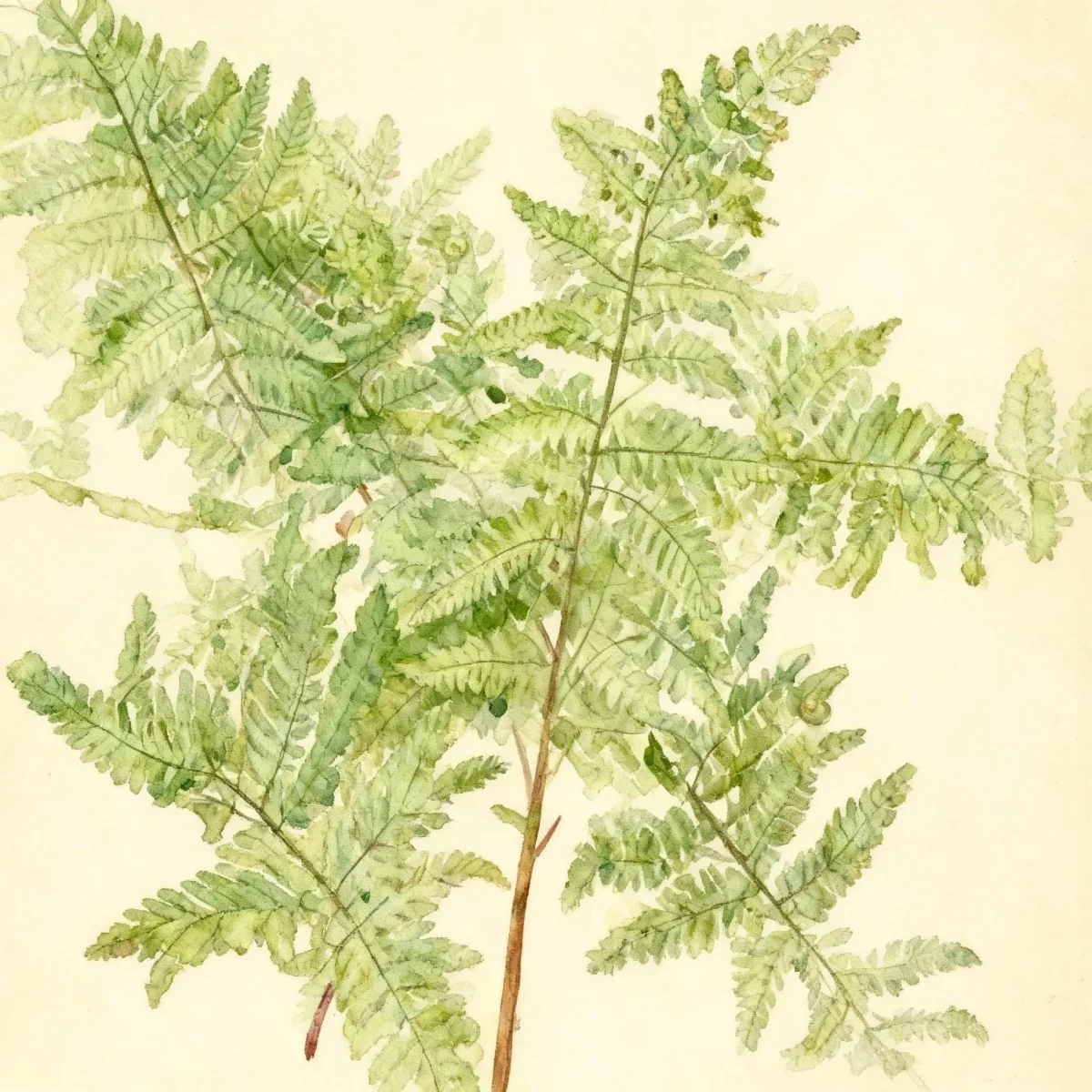
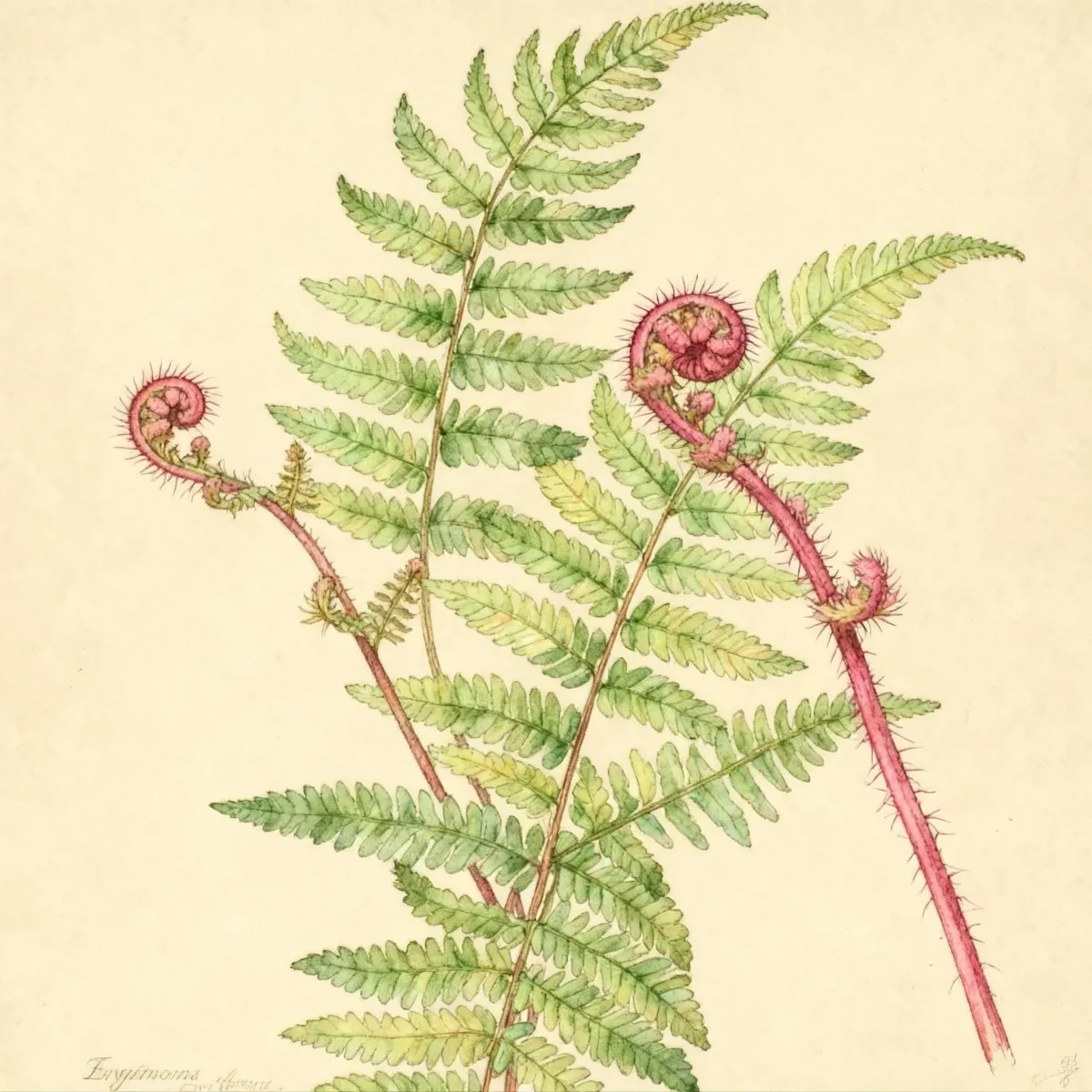
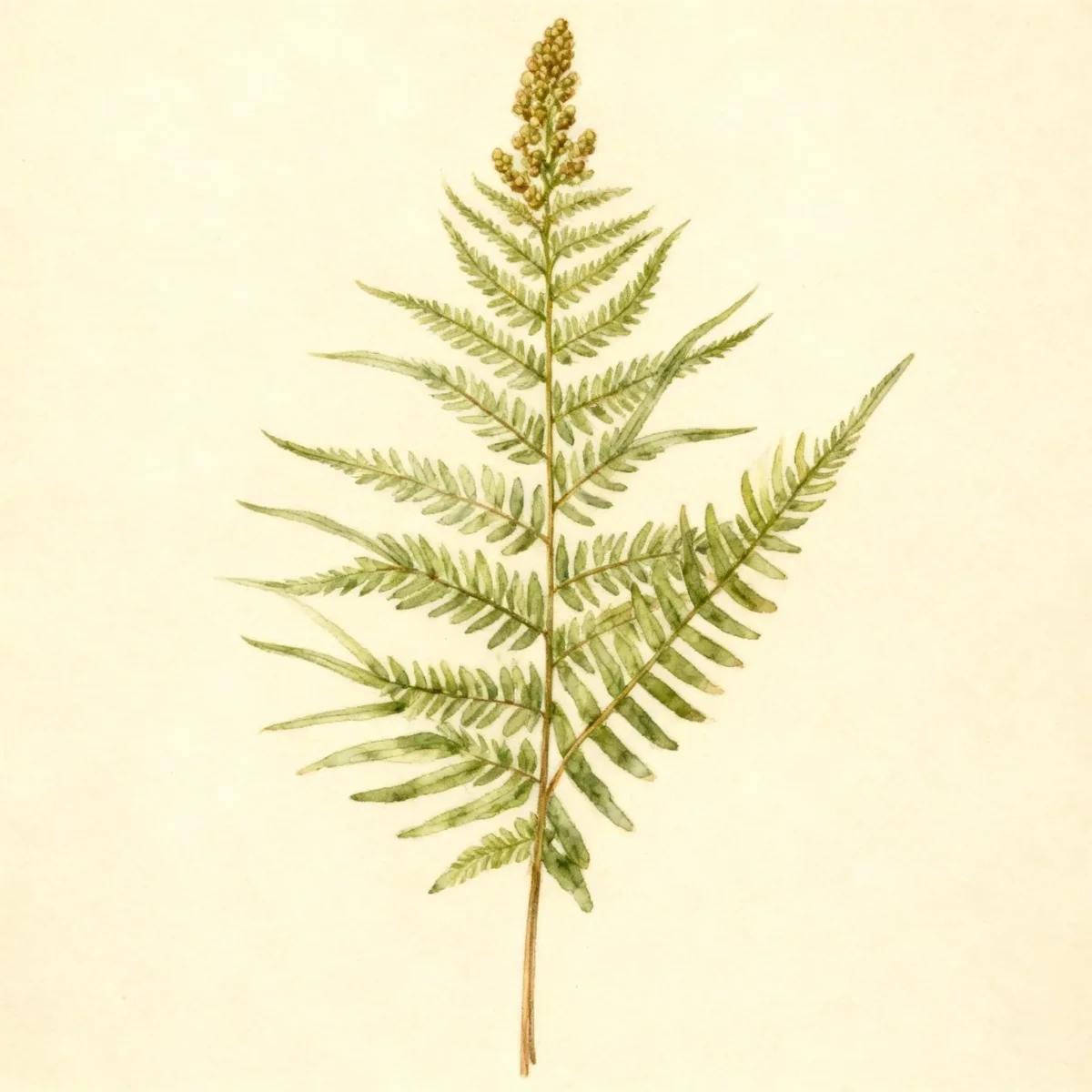
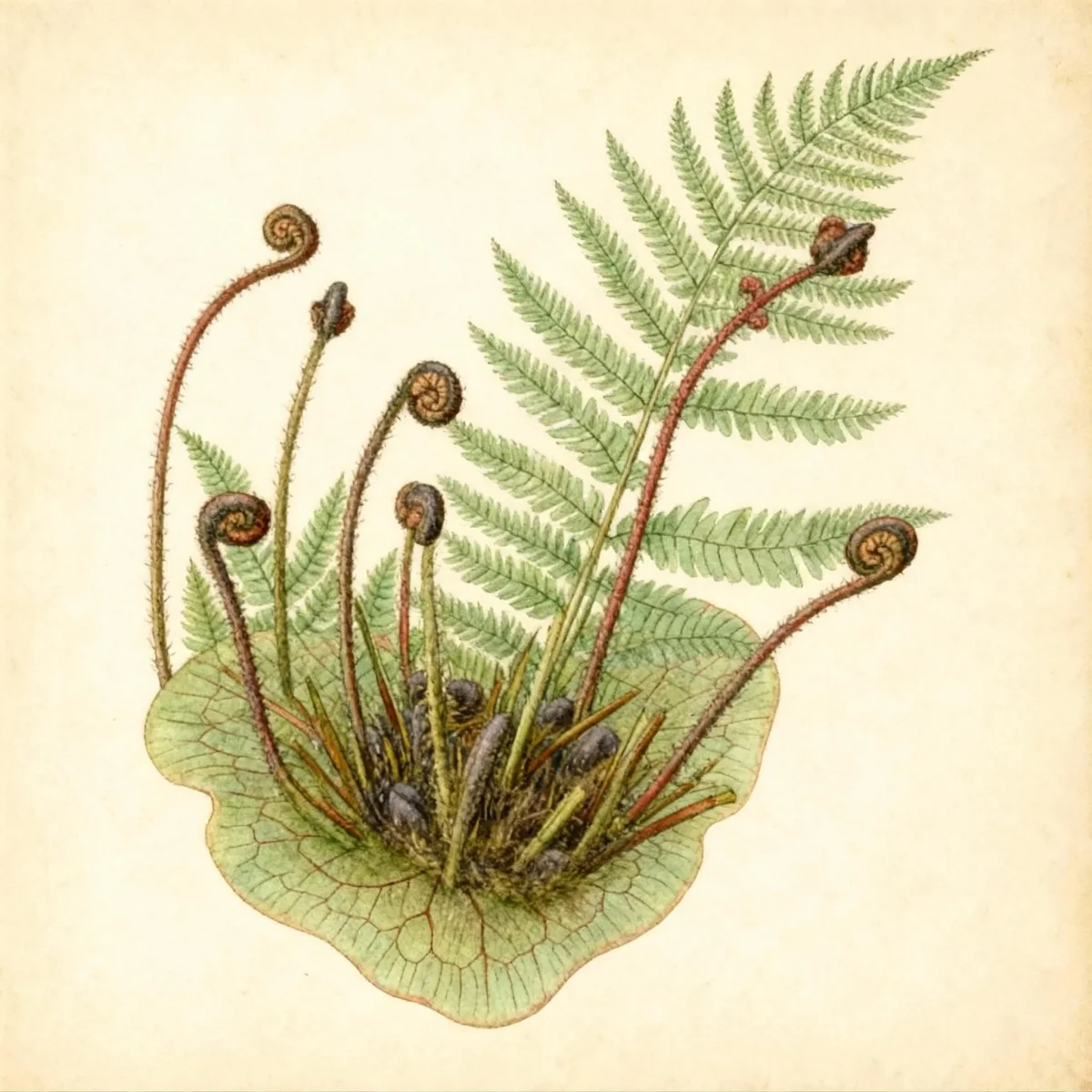
Dwarf holly fern (Polystichum luctuosum)
Discover the Dwarf holly fern (Polystichum luctuosum), a low-maintenance evergreen fern thriving in shade. Perfect for woodland borders.
Scroll down to discover growing tips, care requirements, companion plants, and more
Complete Plant Information
Overview
The Dwarf holly fern, scientifically known as Polystichum luctuosum, offers gardeners a compact, highly textured evergreen accent ideal for deep shade gardens. This species, also recognized as the Korean rock fern, forms attractive shuttlecock-like rosettes of finely divided, glossy, dark green fronds that persist throughout the year. Its low maintenance requirements and tolerance for deep shade make Polystichum luctuosum a reliable performer where many flowering plants struggle.
Valuable for its architectural structure, the Dwarf holly fern brings year-round structure and fine texture to shaded landscapes. It naturally colonizes rich, humusy soil areas, achieving a modest two-foot spread perfect for easing transitions between lawn and woodland edges. This hardy plant is well-suited for gardeners seeking reliable greenery without constant fuss.
If you have persistently shadowy areas, incorporating Polystichum luctuosum can soften hard lines and provide contrast against broader-leafed shade perennials. Its historical recognition, including an RHS Award of Garden Merit, confirms its status as an excellent and durable choice for controlled, shady environments.
Fast Facts
- Plant Family: Dryopteridaceae
- Plant Type: Fern
- Native Range: Southern Africa, central and eastern Asia
- Hardiness Zones: USDA Zones 6-9
- Size at Maturity:
- Height: 1-1.5 ft
- Spread: 1-1.5 ft
- Bloom Time: Non-flowering
- Bloom Description: Non-flowering
- Sun Exposure: Part shade to full shade
- Water Needs: Medium
- Maintenance Level: Low
How to Grow
The Polystichum luctuosum thrives when planted during the spring, allowing it time to establish before summer heat or winter cold sets in. Ideal locations feature rich, fertile, humusy soil that maintains consistent moisture but drains exceptionally well. Being a fern, consistent moisture is key, but standing water must be avoided at all costs to prevent crown rot.
Cultivation for the Dwarf holly fern is straightforward, requiring only medium water input, especially during dry spells. Minimal fertilization is usually needed if the original soil preparation was adequate and rich in organic matter. Pruning is generally limited to removing any tattered or damaged older fronds in early spring before new growth emerges.
Seasonal preparation requires focused attention on winter moisture protection. Ensure the crowns of Polystichum luctuosum are protected from excessive dampness during cold, wet winters, which is critical to preventing crown rot. Propagate this fern easily through division in the spring, or by utilizing the bulbils produced in the fall.
Landscape Uses
The versatility of the Dwarf holly fern makes it an excellent selection for numerous shady landscape applications. They excel when placed in shaded borders, integrated into woodland gardens, or strategically positioned within rock gardens where their texture can contrast with stone. Mass plantings create dense, low ground cover that effectively suppresses weeds while maintaining visual interest.
Consider using Polystichum luctuosum as an underplanting beneath larger, high-canopied shrubs or deciduous trees where sunlight is filtered. Their consistent, deep green color also makes them suitable subjects for containers or as a potted indoor plant, bringing a touch of the forest indoors during winter months. They pair nicely with Hosta, Astilbe, and native woodland ephemerals that share similar moisture and shade requirements.
Standout Features
Noteworthy Characteristics
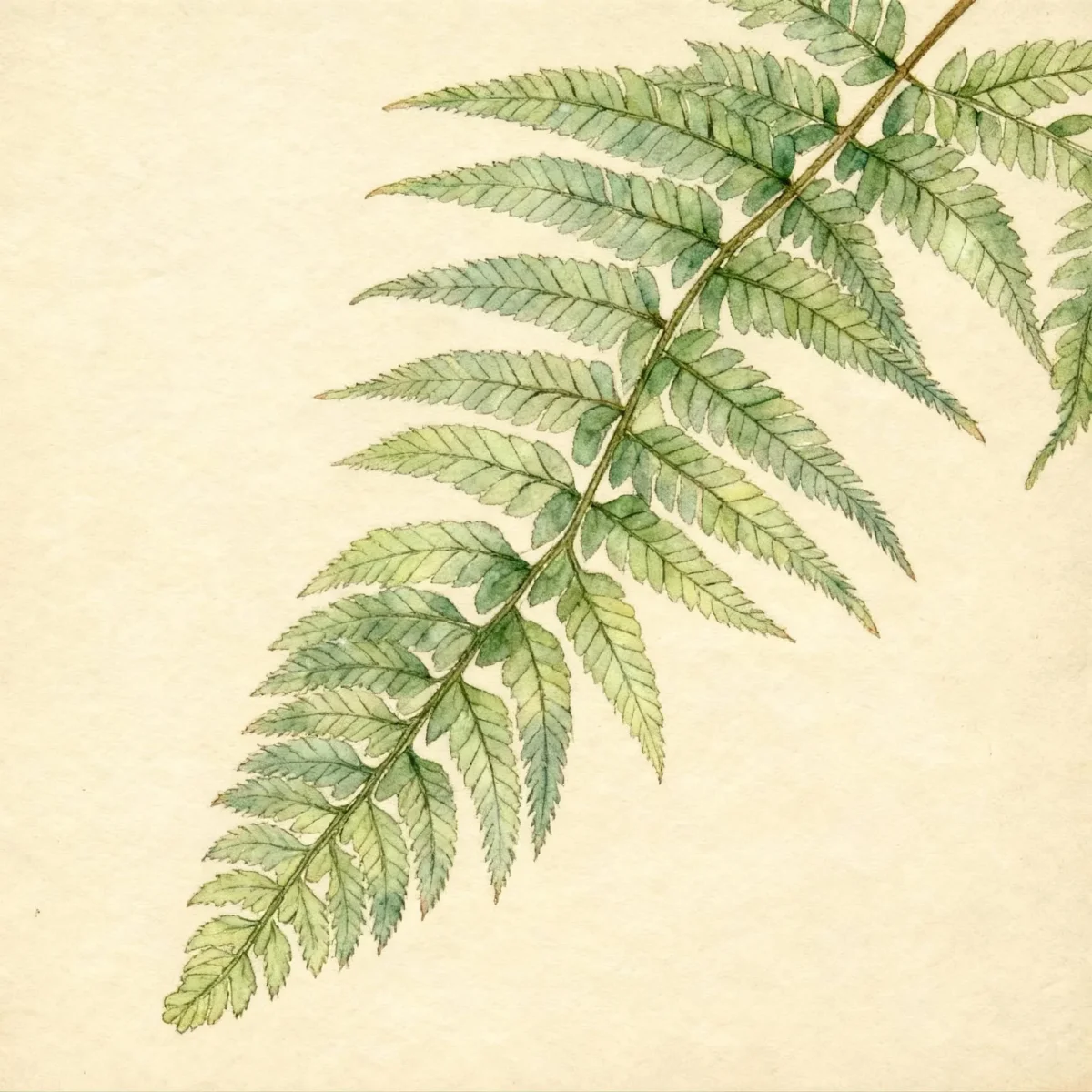
Polystichuym luctuosum, commonly called Korean rock fern or Tsushima holly fern, is a small, clump-forming, tufted, evergreen to semi-evergreen fern native to slopes and rocky forest areas across Asia. Its finely-divided, bi-pinnate, glossy, dark green fronds feature distinctive black veins and grow in striking shuttle-cock rosettes reaching up to 18 inches tall. The narrow, pointed pinnae often display spiny teeth, conferring the “holly fern” appearance to this RHS Award of Garden Merit recipient.
Tolerances
- Heavy Shade
Potential Problems
Generally, the Dwarf holly fern exhibits low susceptibility to common insect or disease issues, making routine spraying unnecessary for most gardeners. The primary concern for Polystichum luctuosum involves overly saturated soil conditions, especially during dormancy. Crown rot is a distinct possibility if drainage is poor, particularly where water pools around the crown during winter thawing and freezing cycles. Always amend heavy soils with grit or compost to ensure sharp drainage to prevent this fungal issue.
Frequently Asked Questions
What hardiness zones is Dwarf holly fern suitable for?
The Dwarf holly fern (Polystichum luctuosum) is hardy across USDA Zones 6 through 9, offering reliable performance in a wide range of temperate climates.
How large does Polystichum luctuosum grow?
This species typically reaches a mature height between 1 to 1.5 feet tall, with a similar spread of 1 to 1.5 feet, forming a neat, compact clump.
What sun exposure does Dwarf holly fern need?
The ideal siting for Polystichum luctuosum is in areas receiving part shade to full shade, thriving best away from intense afternoon sun exposure.
When does Polystichum luctuosum bloom?
As a fern, this plant is non-flowering; it reproduces via spores or bulbils rather than traditional blooms.
Conclusion
The Dwarf holly fern, Polystichum luctuosum, stands out as a superior choice for adding durable, fine texture to deep shade environments due to its low maintenance profile and evergreen nature. This dependable specimen rewards gardeners with rich, dark foliage year-round, provided its basic needs for humus-rich, well-drained soil are met. Assess your shaded borders today and ensure your climate falls within USDA Zones 6-9 before planting your Dwarf holly fern this spring.
Companion Planting
When designing a woodland or shade garden around the steadfast structure of Polystichum luctuosum, consider pairings that complement its texture or timing. Plants with broad, chartreuse, or silver foliage provide excellent color and contrast against the dark, finely cut fronds of the Dwarf holly fern. Good companions include Hosta sieboldiana cultivars, Brunnera ‘Jack Frost’, or woodland ephemerals like Trillium. These companions share the preference for consistent moisture and shade requirements, ensuring cohesive cultural management across the planting area.
Propagation Tips
While division in spring remains the simplest method for increasing your stock of healthy Polystichum luctuosum clumps, propagation via spores offers a fascinating alternative. Spores should be collected when ripe, dried slightly, and sown on sterile, moist medium under controlled, humid conditions—a process that requires patience over many months. A generally easier backup method involves harvesting the small bulbils that sometimes form on the fronds in the fall; these can be carefully detached and planted shallowly, often resulting in new plants much faster than spore culture.