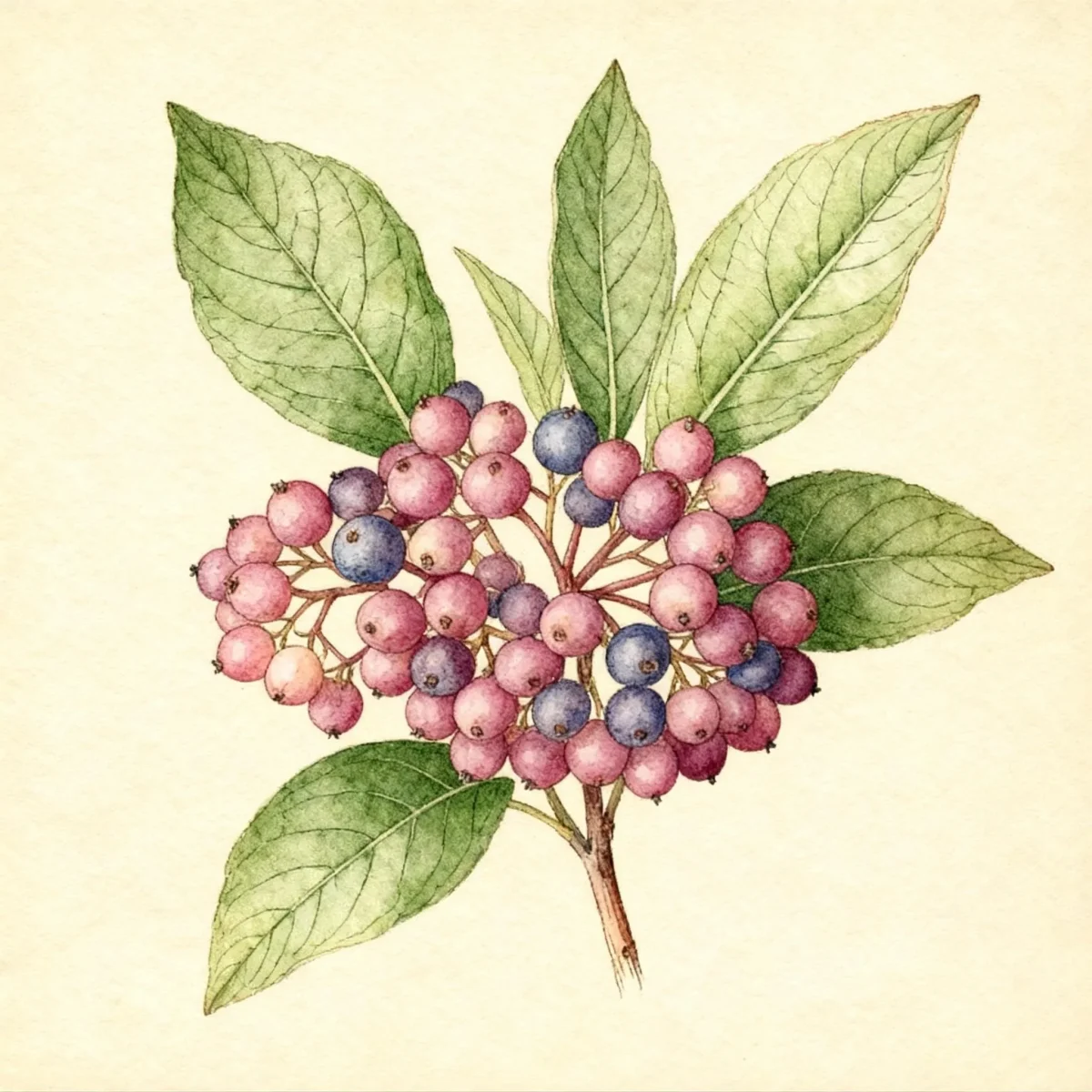
Black elder (Sambucus nigra 'Eiffel 1' BLACK TOWER)
Sambucus nigra 'Eiffel 1' BLACK TOWER, or Black elder, is an upright columnar shrub known for dark stems, pink blooms, and edible berries.
Scroll down to discover growing tips, care requirements, companion plants, and more
Complete Plant Information
Overview
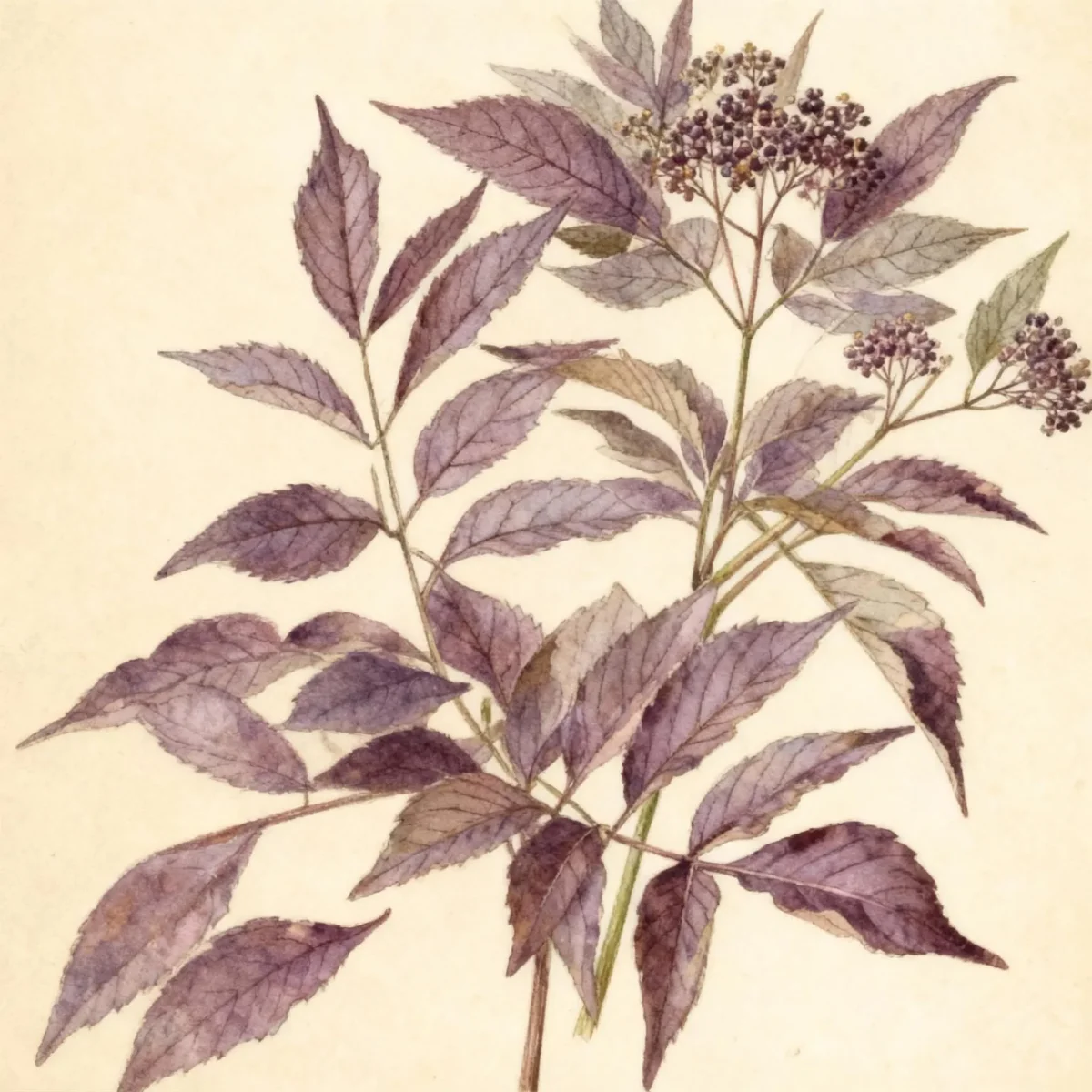
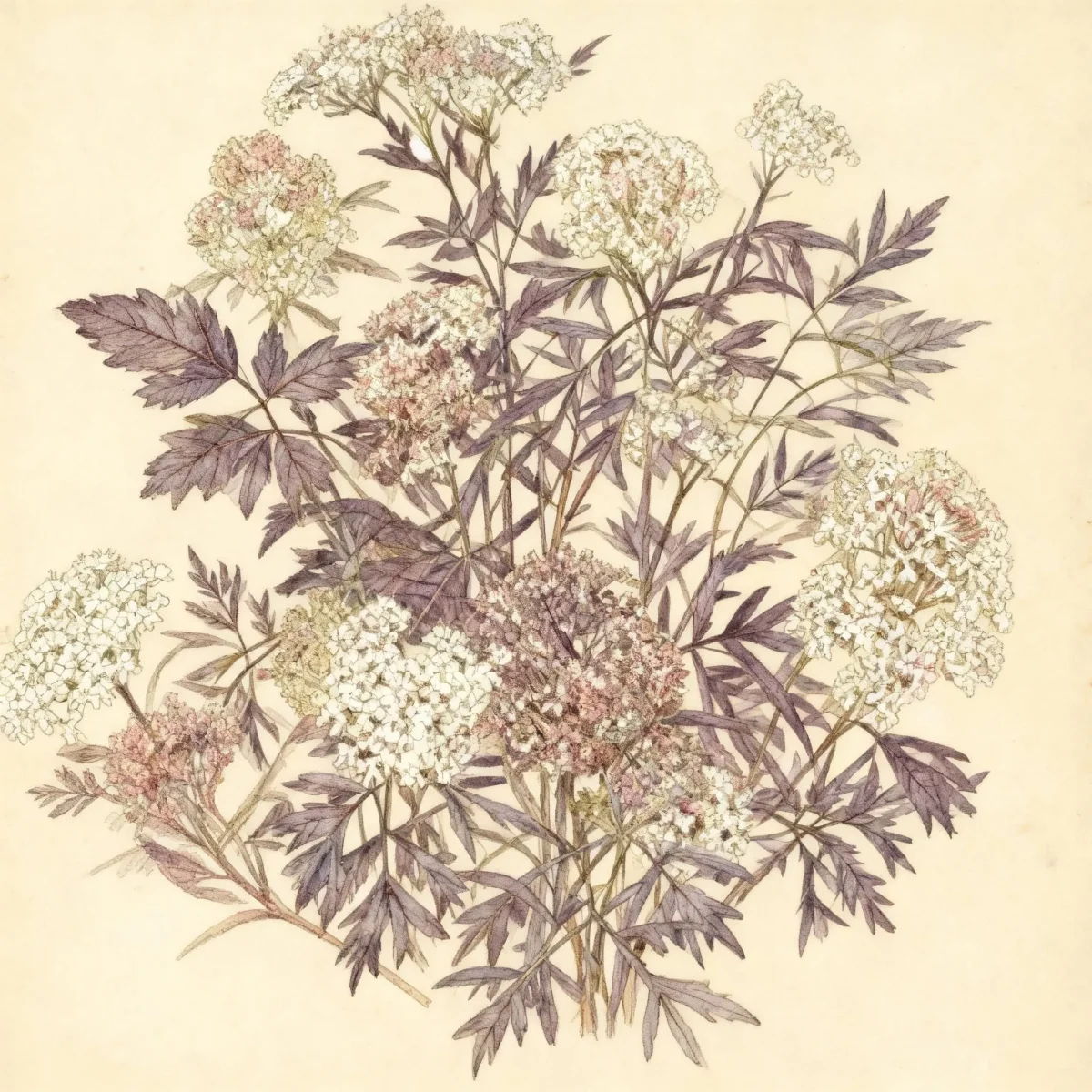
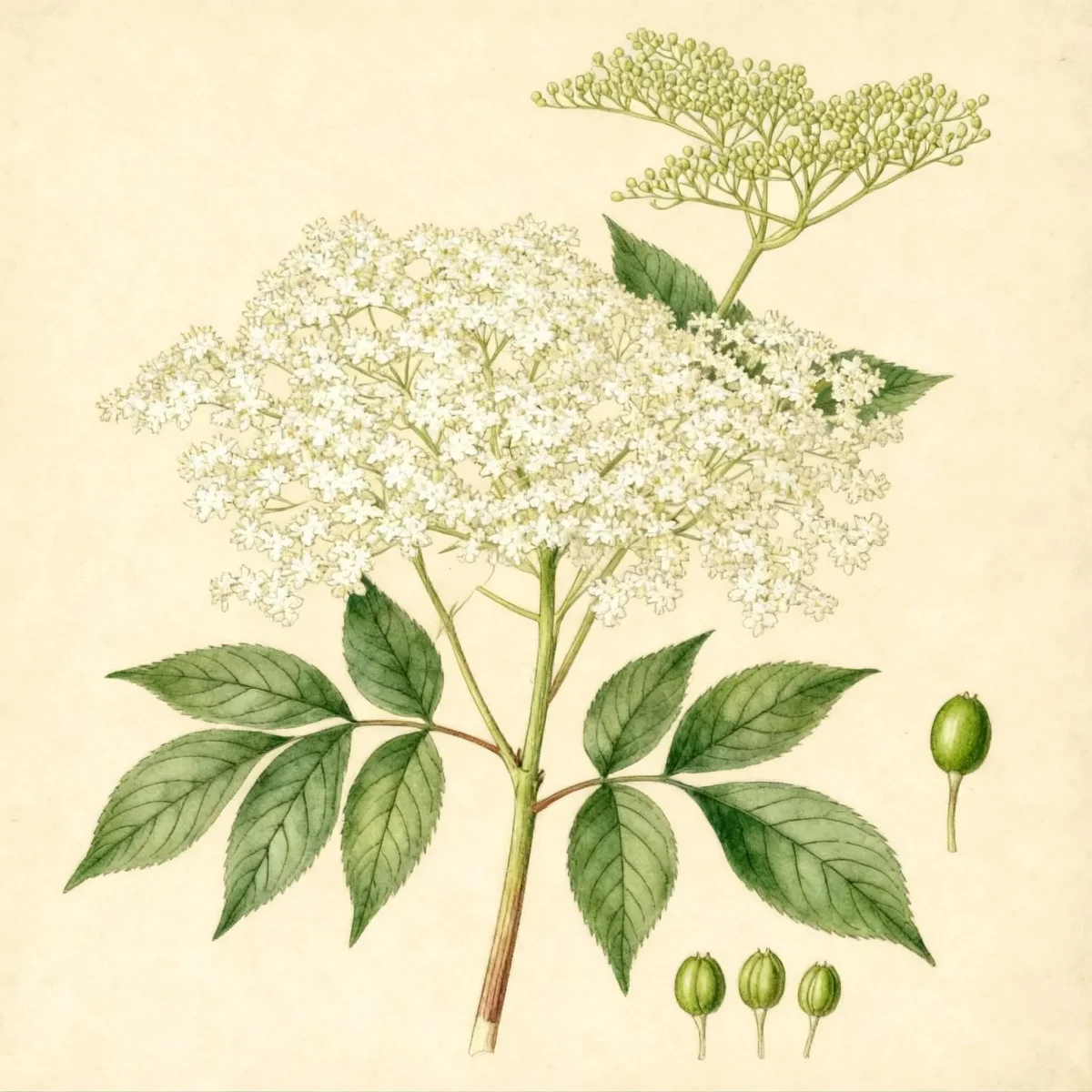
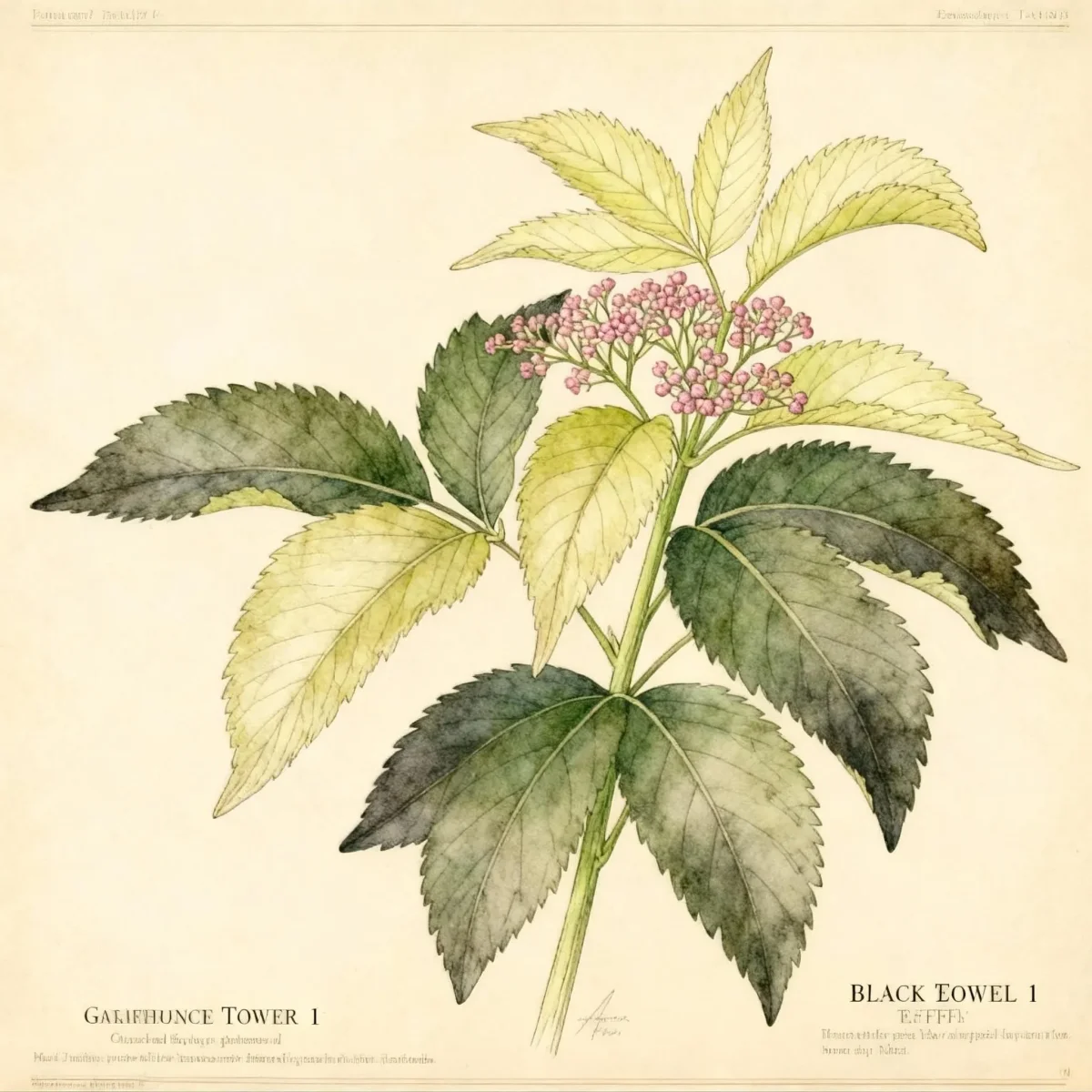
The Sambucus nigra ‘Eiffel 1’ BLACK TOWER offers striking vertical architecture, setting it apart from the typically sprawling habits of common elderberry species. This deciduous shrub, commonly known as Black elder, is highly valued for its columnar form, which is maintained by dark stems and large, serrated leaves that mature to a deep burgundy or near black hue. It provides visual interest from spring through fall, contrasting beautifully with its showy, fragrant pink blooms that appear from May to June.
Valued as an architectural specimen, the Sambucus nigra ‘Eiffel 1’ BLACK TOWER reaches 6 to 8 feet tall while maintaining a narrow 3 to 4-foot spread, making it suitable for tighter spaces where traditional elders would overwhelm the landscape. Beyond its ornamental appeal, this cultivar yields edible black-purple berries, though regular pruning is required to keep the structure tight and attractive.
Gardening success with this cultivar hinges on understanding its moisture needs and its propensity for spreading, which dictates placement and necessary maintenance. For gardeners seeking vertical accent planters or hedges that introduce seasonal fruit interest, the Black elder cultivar ‘Eiffel 1’ provides a unique, high-impact solution within USDA Zones 5 through 8.
Fast Facts
- Plant Family: Adoxaceae
- Plant Type: Deciduous shrub
- Hardiness Zones: USDA Zones 5-8
- Size at Maturity:
- Height: 6-8 ft
- Spread: 3-4 ft
- Bloom Time: May to June
- Bloom Description: Pink
- Sun Exposure: Full sun to part shade
- Water Needs: Medium to wet
- Maintenance Level: High
How to Grow
Planting should ideally occur in spring or fall, ensuring the soil is medium to wet and well-drained. While Sambucus nigra ‘Eiffel 1’ BLACK TOWER tolerates a wide range of soils, including clay, it thrives best in moist, humus-rich conditions. Maximum vigor and best foliage color development occur when sited in full sun, though it will tolerate partial shade.
Maintenance for this Black elder cultivar is listed as high, primarily due to its desire to sucker and the need for consistent pruning to maintain its desired columnar habit. If naturalizing is not the goal, actively prune root suckers as they emerge from the base. Plants spread freely via root suckers and self-seeding if conditions are optimal.
Major pruning is best performed in late winter or early spring before new growth starts. Gardeners have several options: remove completely dead or weak stems, significantly shorten one-year-old stems to shape the column, or cut the entire plant back to the ground for complete rejuvenation. Neglecting pruning leads to an unattractive, often weedy appearance quickly overshadowing the columnar benefit of Sambucus nigra ‘Eiffel 1’ BLACK TOWER.
Landscape Uses
The narrow, upright profile of Sambucus nigra ‘Eiffel 1’ BLACK TOWER makes it an exceptional choice for creating formal, yet slightly informal, vertical screens or hedges where space is limited. Its columnar shape prevents the wide, sprawling habit common in many shrubs, allowing it to serve as an excellent architectural anchor in mixed borders or as a vertical accent against a fence or wall.
Because it readily naturalizes through suckering when not aggressively managed, it is also perfect for infilling open or less formal areas of the garden, particularly in rain gardens, given its preference for medium to wet soil conditions. The attractive pink flowers and subsequent dark fruit clusters draw wildlife, increasing its utility in ecological landscaping schemes.
Standout Features
Flower Qualities
- Showy
- Fragrant
Fruit Qualities
- Showy
- Edible
Noteworthy Characteristics
The specific cultivar ‘Eiffel 1’ was bred by Kenneth Richard Tobutt and is commercially known as BLACK TOWER, originating from a cross involving Sambucus nigra ‘Pyramidalis’ and Sambucus nigra ‘Guincho Purple’. This results in its signature upright columnar shape, dark stems, and large serrated leaves that start celery green before darkening to burgundy or nearly jet black. The resulting black-purple berries that follow the pink flowers are attractive to local wildlife.
Tolerances
- Clay Soil
Potential Problems
A key management concern for the Black elder is its potential to spread aggressively through root suckering in ideal growing environments, requiring consistent vigilance to maintain neat boundaries. Furthermore, the wood structure can sometimes prove brittle, making branches susceptible to damage from heavy snow, ice accumulation, or high winds. Culturally, it can exhibit some susceptibility to common issues like canker, powdery mildew, leaf spot, borers, spider mites, and aphids; regular scouting and prompt treatment of pests or diseases are crucial for plant health.
Frequently Asked Questions
What hardiness zones is Black elder suitable for?
The Sambucus nigra ‘Eiffel 1’ BLACK TOWER is reliably hardy in USDA Zones 5 through 8.
How large does Sambucus nigra ‘Eiffel 1’ BLACK TOWER grow?
This cultivar typically reaches a mature height between 6 and 8 feet tall, maintaining a compact spread of 3 to 4 feet wide, reflecting its desirable columnar habit.
What sun exposure does Sambucus nigra ‘Eiffel 1’ BLACK TOWER need?
For best performance, site this Black elder where it receives full sun, although it is tolerant of part shade conditions.
When does Black elder bloom?
Flowering occurs primarily from May into June, displaying unique pink coloration.
Conclusion
The Sambucus nigra ‘Eiffel 1’ BLACK TOWER is a fantastic choice for gardeners needing vertical structure and seasonal color, offering fragrant blooms and wildlife-attracting edible fruits in a tidy, columnar package. Maintaining the high maintenance requirements, particularly concerning hard pruning in late winter, ensures this unique Black elder retains its architectural appeal season after season. Before planting, confirm your site falls within USDA Zones 5-8 and you can commit to vigilant structural pruning.
Companion Planting
When situating the Sambucus nigra ‘Eiffel 1’ BLACK TOWER, selecting companions that appreciate similar moisture levels greatly simplifies irrigation. Consider pairing it with moisture-loving perennials such as Astilbe, Hosta (particularly darker leafed varieties that complement the foliage), or large ferns to create lush, woodland-edge plantings. Allowing the elder to be sited near the back of a border prevents its moderate size from overwhelming smaller foreground plants.
Wildlife Benefits
A significant advantage of incorporating either the standard Black elder or this specific cultivar is its value to local fauna. The plant is noted for attracting birds once the glossy black-purple fruits mature in late summer, providing essential late-season forage. Furthermore, the flowers are appealing due to their musky fragrance, likely attracting various pollinating insects, though specific data on heavy pollinator attraction is often tied to general Sambucus nigra characteristics.