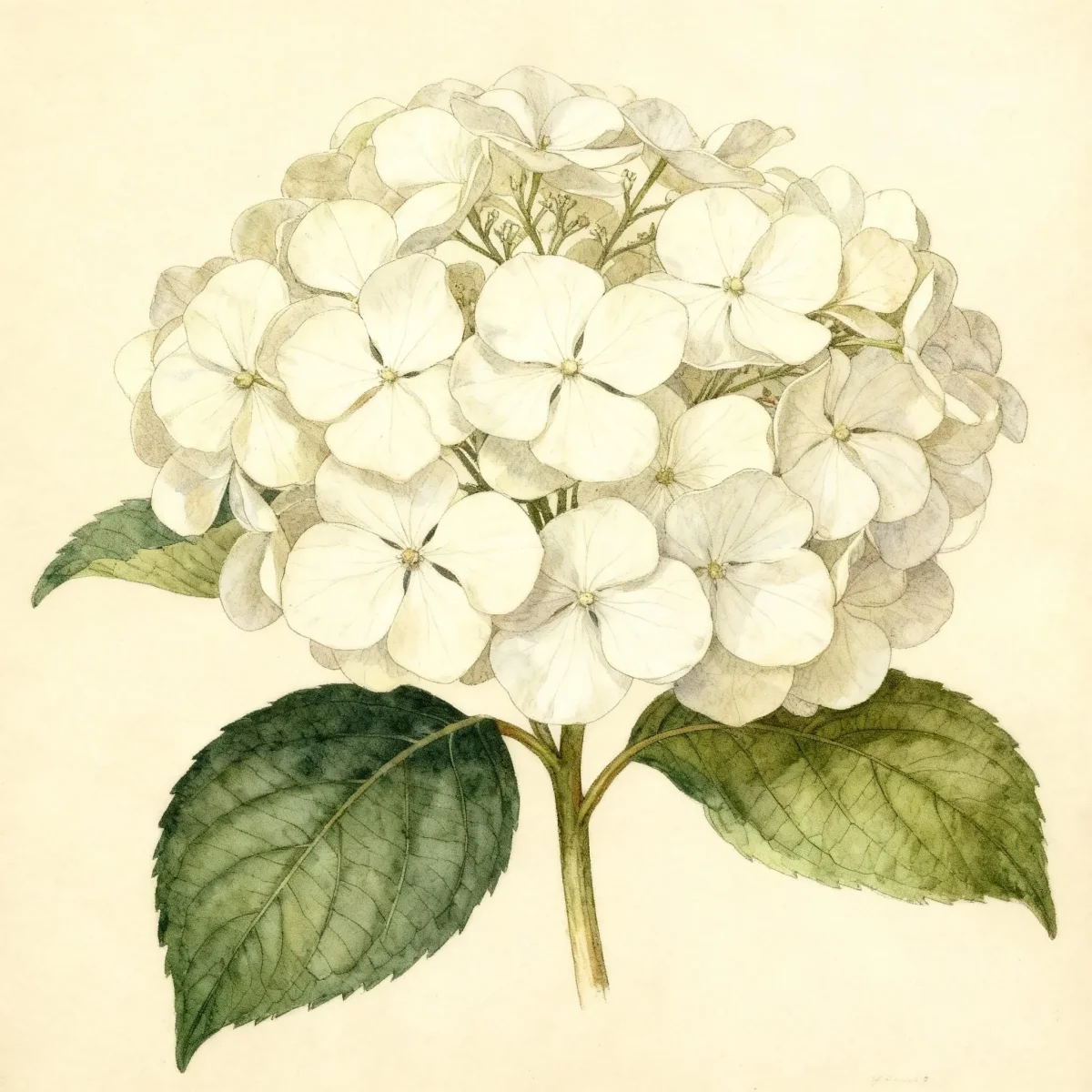
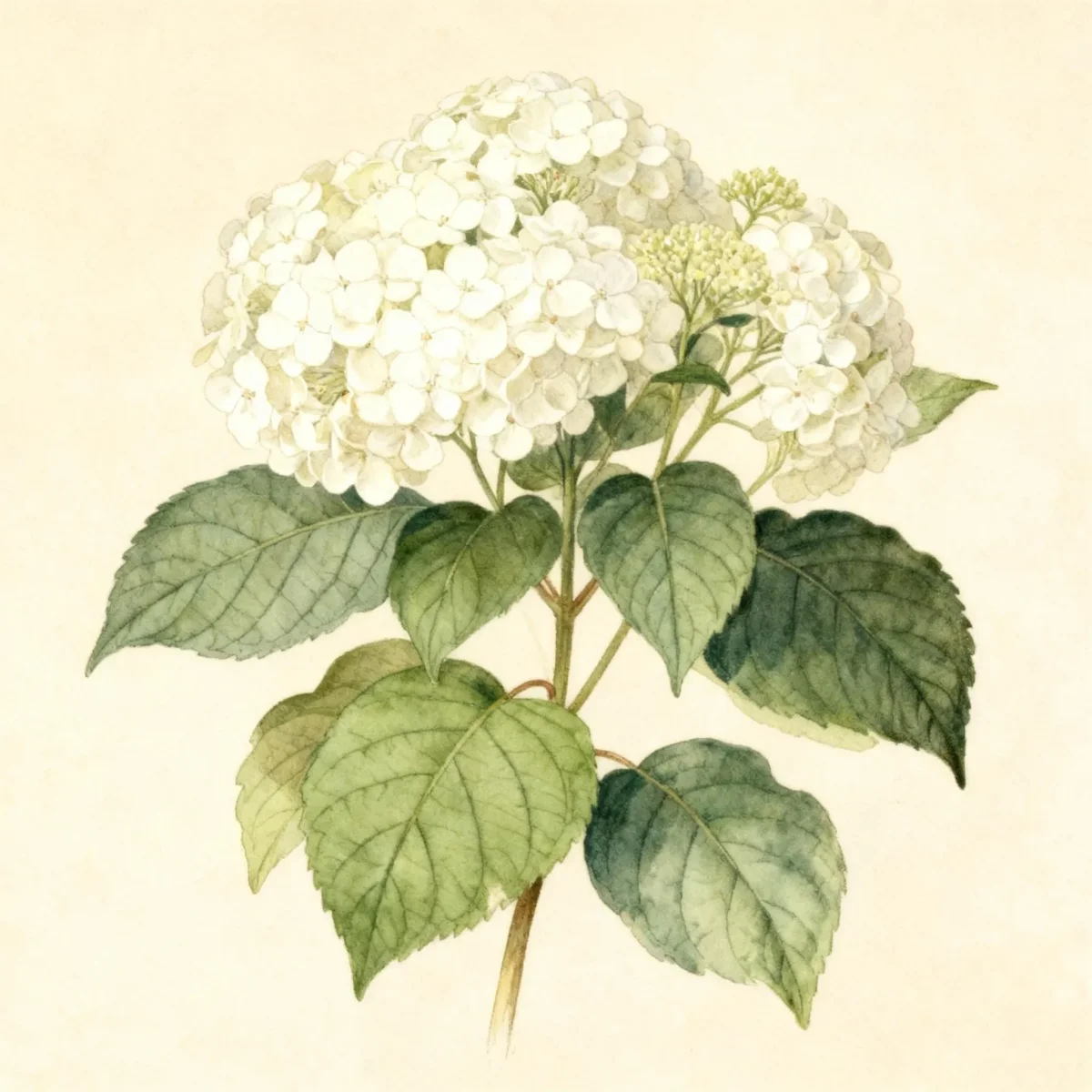
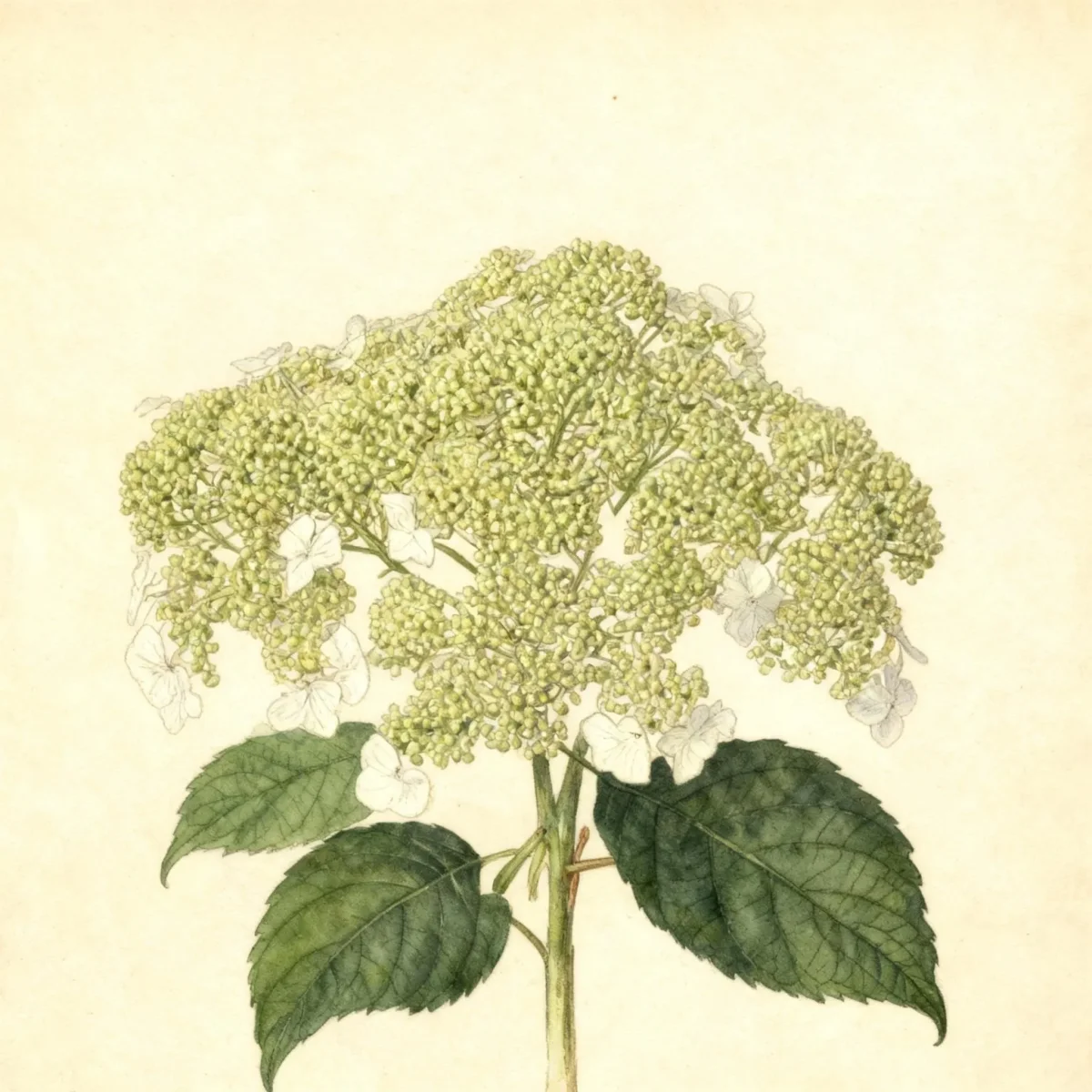
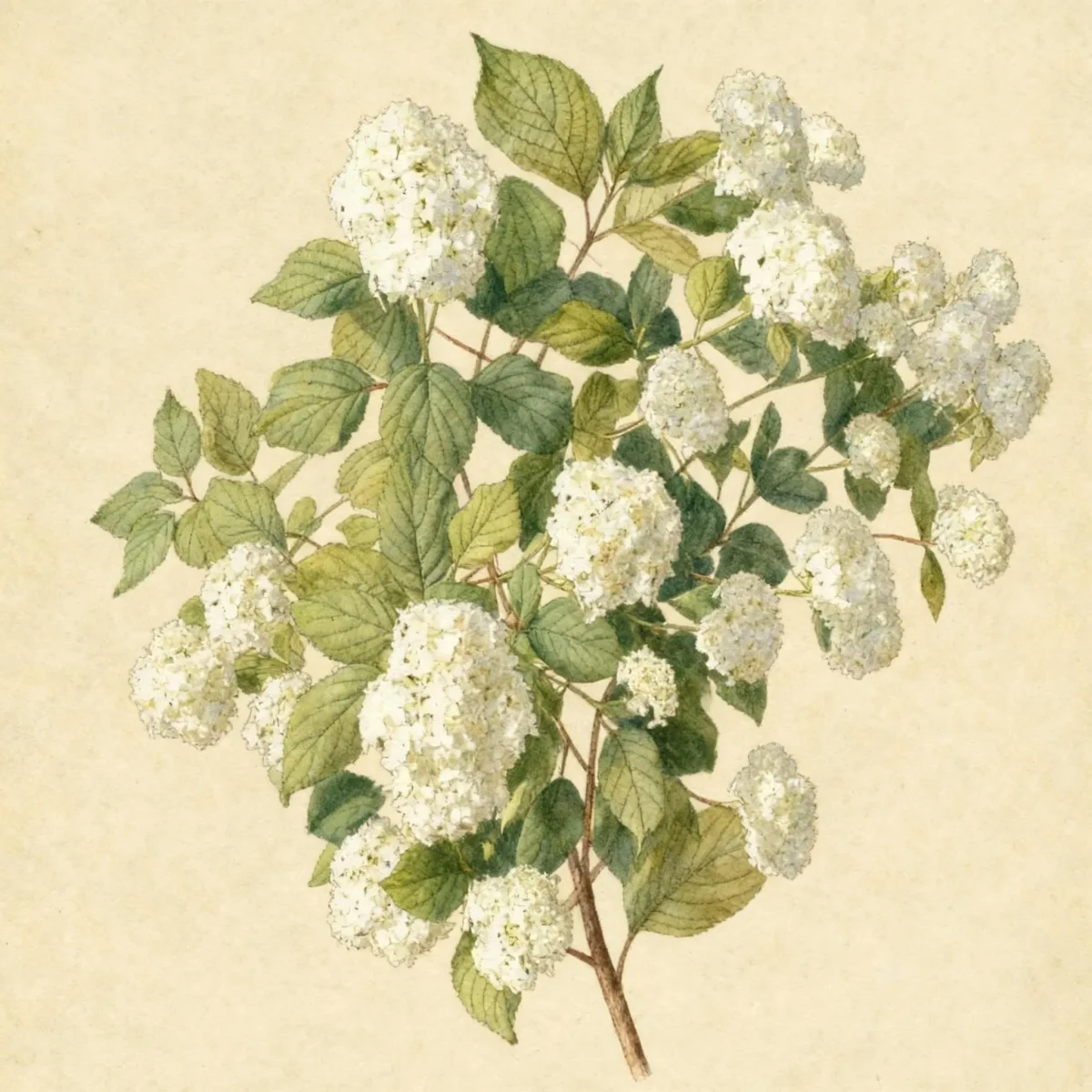
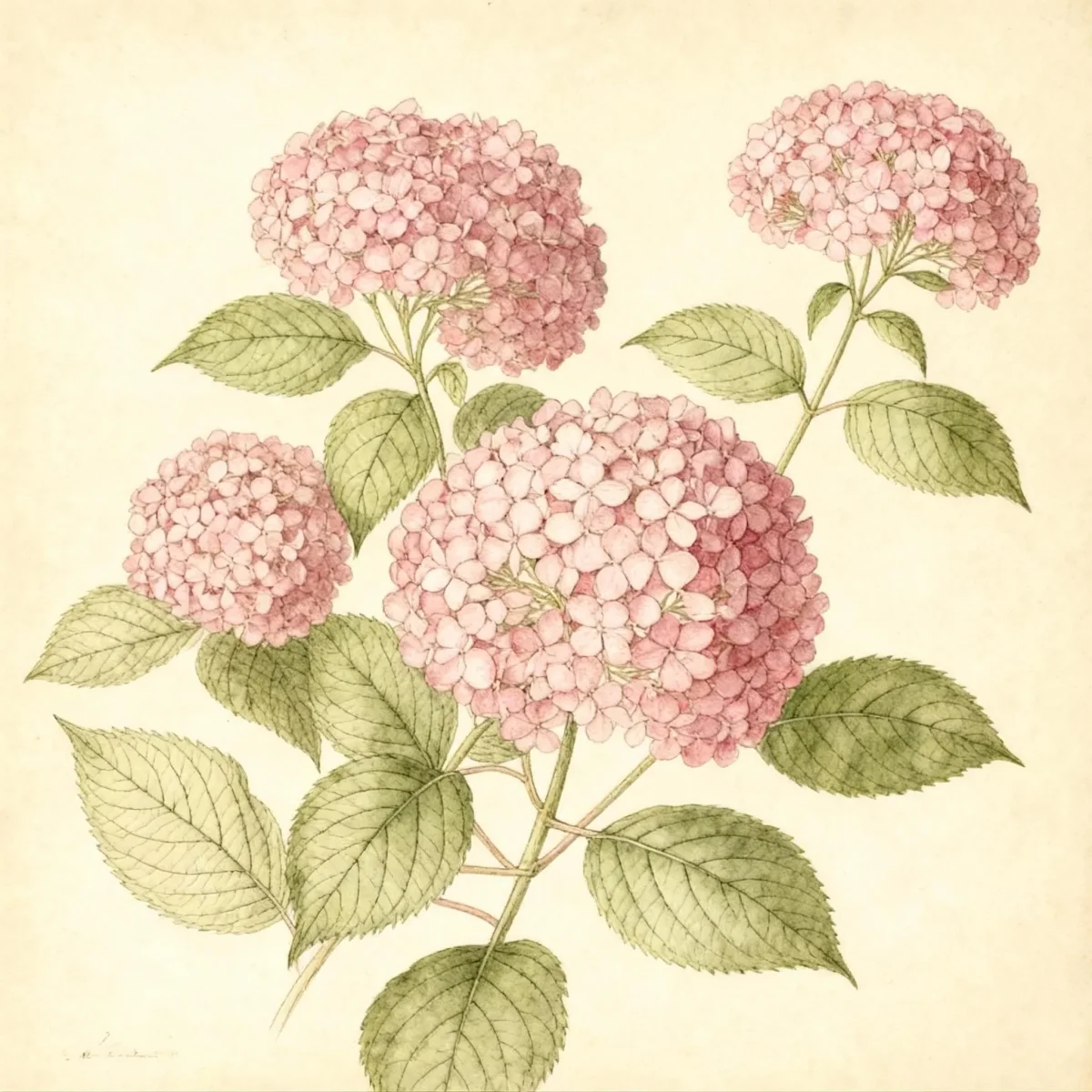
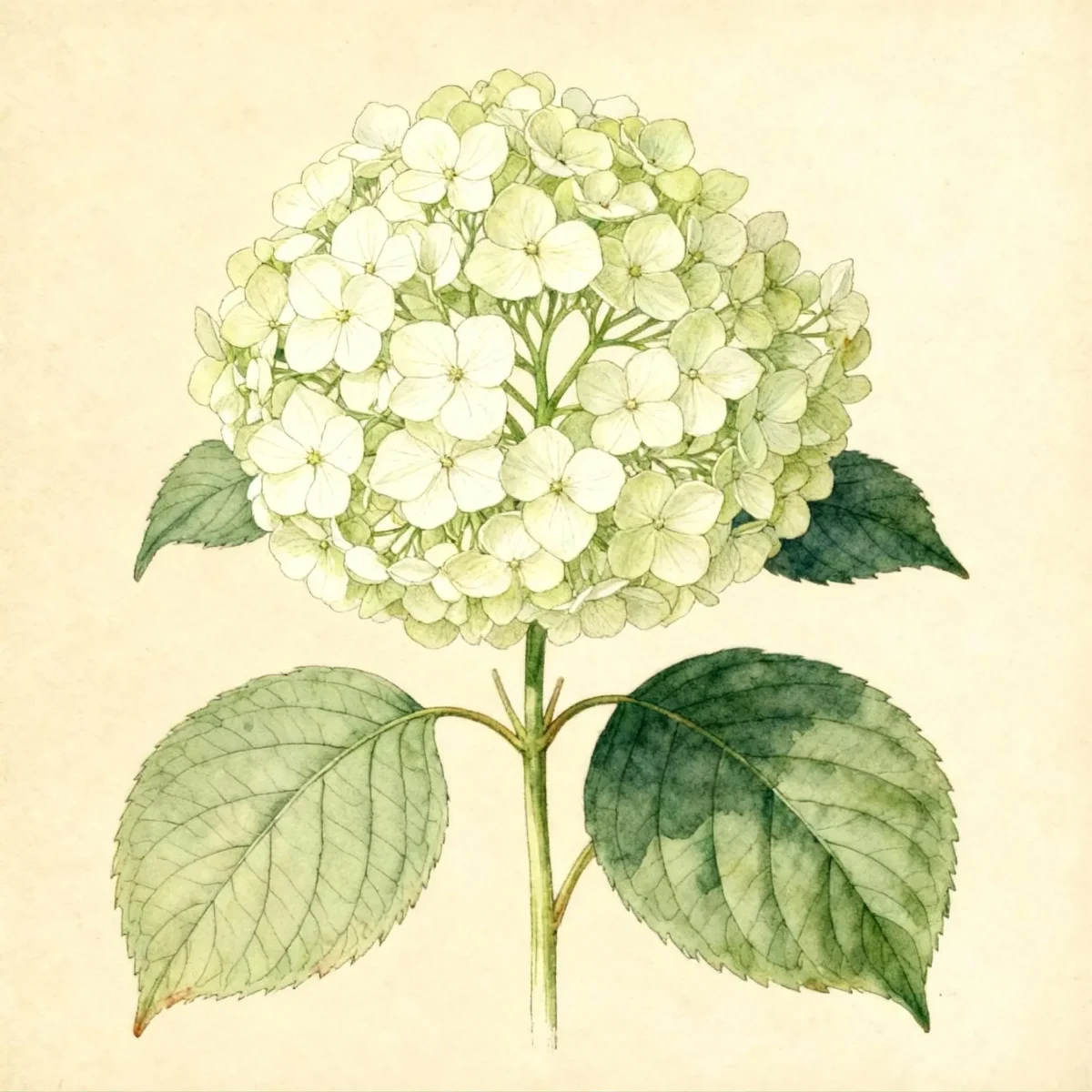
Smooth hydrangea (Hydrangea arborescens 'NCHA2' INVINCIBELLE SPIRIT II)
Hydrangea arborescens 'NCHA2' INVINCIBELLE SPIRIT II offers abundant pink bloom and low maintenance. This Smooth hydrangea excels in USDA Zones 3-9.
Scroll down to discover growing tips, care requirements, companion plants, and more
Complete Plant Information
Overview
The Hydrangea arborescens ‘NCHA2’ INVINCIBELLE SPIRIT II, commonly known as Smooth hydrangea, is a celebrated compact shrub valued for its reliable pink mophead flowers blooming from June through September. This cultivar offers improved dark pink coloration over older types, ensuring season-long visual impact in the landscape. It remains one of the easiest hydrangeas to maintain, thriving with minimal intervention once established.
As a tough deciduous shrub, the Smooth hydrangea adapts well to a broad range of conditions, extending its usefulness across USDA Zones 3 to 9. Its relatively uniform size, reaching 3 to 4 feet tall and wide, makes it perfectly suited for filling borders or providing structure in native plantings. Gardeners appreciate the Hydrangea arborescens ‘NCHA2’ INVINCIBELLE SPIRIT II for combining beauty with resilience.
Fast Facts
- Plant Family: Hydrangeaceae
- Plant Type: Deciduous shrub
- Hardiness Zones: USDA Zones 3-9
- Size at Maturity:
- Height: 3-4 ft
- Spread: 3-4 ft
- Bloom Time: June to September
- Bloom Description: Pink
- Sun Exposure: Part shade
- Water Needs: Medium
- Maintenance Level: Low
How to Grow
Plant your Hydrangea arborescens ‘NCHA2’ INVINCIBELLE SPIRIT II in spring or fall after the danger of hard frost has passed, ensuring it receives part shade protection, especially from intense afternoon sun. This shrub prefers average, well-drained soil, though it readily adapts to many soil types, including clay. Consistent moisture is key, particularly for plants situated in brighter locations, as this Smooth hydrangea is intolerant of prolonged drought.
Maintenance for this cultivar is generally low. While it tolerates diverse soil conditions, dry spells will cause noticeable foliage decline. Provide medium water, especially during establishment and dry summers, to keep the plant looking its best. It responds exceptionally well to hard pruning; for the most vigorous stems and best structure, prune the plant back close to the ground in late winter.
Since bloom occurs on new wood, winter dieback is not a major concern for flowering. If plants survive harsh winters without dying to the ground, simply remove any obviously damaged or weak stems in early spring before new growth begins. This annual rejuvenation pruning is central to maintaining the dense, compact habit of the Hydrangea arborescens ‘NCHA2’ INVINCIBELLE SPIRIT II.
Landscape Uses
The adaptability of Hydrangea arborescens ‘NCHA2’ INVINCIBELLE SPIRIT II allows it to serve multiple roles in garden design. It is an excellent choice for use in rain gardens, utilizing its tolerance for wet soil conditions. Furthermore, grouping these shrubs creates an impressive mass effect along borders or beneath taller deciduous trees in a woodland garden setting.
These plants make showy specimens on their own due to their dome-shaped, mop-head flower clusters. They also function effectively as background elements for perennial borders, where their consistent pink blooms provide a solid color foundation. Consider planting near plants that prefer similar part shade conditions and medium moisture levels to simplify overall garden care.
Standout Features
Flower Qualities
- Showy
- Good Cut
- Good Dried
Noteworthy Characteristics
Hydrangea arborescens, commonly known as smooth hydrangea or wild hydrangea, is a loosely and widely branched deciduous shrub that typically grows to 3-6’ (less frequently to 10’) tall. It is native to moist or rocky wooded slopes, ravines, streambanks and bluff bases from New York to Florida west to Iowa, Missouri, Oklahoma and Louisiana. Gray-brown stems are clad with opposite, broad egg-shaped to rounded, sharply toothed, dark green leaves (2-6” long) with pale green undersides. Leaves turn yellow in fall. Tiny white fertile flowers bloom in May-July in flattened hairy clusters (corymbs to 2-6”across). Scattered continuing flowering may occur throughout summer to September. A few large sterile flowers usually appear at the cluster margins (usually not enough for a quality lacecap effect). Flowers give way to dehiscent seed capsules which ripen in October-November.The genus name Hydrangea comes from hydor meaning “water” and aggeion meaning “vessel”, in reference to the cup-like capsular fruit.Specific epithet comes from arbor meaning “tree” in reference to the similarity of this shrub to a small tree.‘NCHA2’ is an improved selection of the pink-flowered H arborescens ‘NCHA1’ that features dark pink sterile florets and a compact habit. The dome-shaped, mop-head type inflorescences reach around 5.5” wide and have both fertile and sterile florets. Mature plants will reach up to 4’ tall with an equal spread. Commonly sold at nurseries and garden centers under the name INVINCIBELLE SPIRIT II. Plant patent number PP28316 applies to this cultivar
Tolerances
- Rabbit
- Erosion
- Clay Soil
- Dry Soil
- Wet Soil
- Shallow-Rocky Soil
- Black Walnut
Potential Problems
Many species of hydrangea, including this one, are susceptible to bud blight, bacterial wilt, leaf spots, mold, rust and powdery mildew. Watch for common pests such as aphids, mites, scale, and nematodes. Maintaining good air circulation through proper spacing and pruning helps mitigate fungal diseases.
The best proactive management technique specifically for H. arborescens is aggressive pruning. Pruning stems back to the ground in late winter each year significantly promotes stem vigor, limiting the impact of older, weakened wood and encouraging the robust new stems that carry the spring/summer blooms. Rabbits generally tend to avoid this plant, reducing browsing damage.
Frequently Asked Questions
What hardiness zones is Smooth hydrangea suitable for?
The Hydrangea arborescens ‘NCHA2’ INVINCIBELLE SPIRIT II is suitable for USDA Hardiness Zones 3 through 9, offering excellent cold tolerance.
How large does Hydrangea arborescens ‘NCHA2’ INVINCIBELLE SPIRIT II grow?
Mature plants typically reach a height and spread of 3 to 4 feet.
What sun exposure does Smooth hydrangea need?
This plant prefers part shade conditions but can tolerate full sun provided it receives consistent moisture throughout the growing season.
When does Hydrangea arborescens ‘NCHA2’ INVINCIBELLE SPIRIT II bloom?
It blooms reliably from June through September, displaying attractive pink flowers.
Conclusion
The Hydrangea arborescens ‘NCHA2’ INVINCIBELLE SPIRIT II offers exceptional value due to its low maintenance requirements and consistent pink flowering, making it a staple for easy landscape color. This improved Smooth hydrangea variety handles diverse soil extremes while providing reliable summer interest. Be sure to check your local hardiness zone compatibility before planting and plan for late winter pruning to ensure the most vigorous display next season.
Companion Planting
Companion planting around your Smooth hydrangea should focus on species that share similar light and water needs, preferring consistent moisture and afternoon shade. Excellent partners include Hosta, which offers contrasting foliage textures, and Astilbe, which thrives in dappled light and adds contrasting airy flower plumes in early summer. For groundcover options, consider ferns or shade-loving European Ginger (Asarum europaeum), which helps retain soil moisture around the base of the hydrangea.
Design Ideas
For dramatic effect, use Hydrangea arborescens ‘NCHA2’ INVINCIBELLE SPIRIT II massed in groups of three to five. This provides a substantial block of color that highlights the mophead blooms. In a woodland edge design, pair them with evergreens for winter structure, or plant them along the north side of a foundation where they can benefit from reflected light without intense sun exposure. Their consistent color from mid-summer onward makes them superb transitional plants between spring bloomers and fall foliage displays.