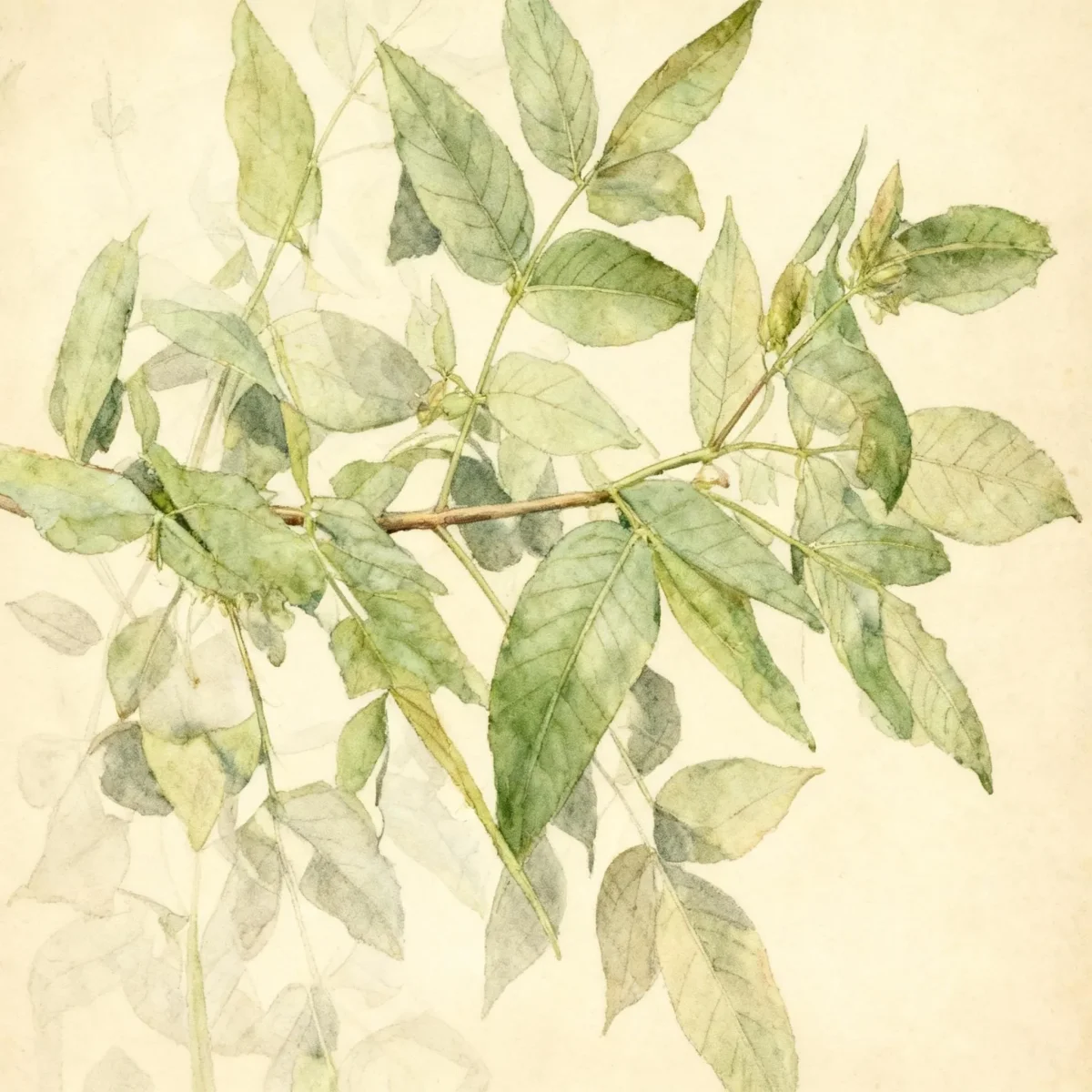
Persian ironwood (Parrotia persica 'JLColumnar' PERSIAN SPIRE)
Columnar Persian ironwood, Parrotia persica 'JLColumnar' PERSIAN SPIRE, offers spectacular red spring blooms and brilliant fall color in zones 4-8.
Scroll down to discover growing tips, care requirements, companion plants, and more
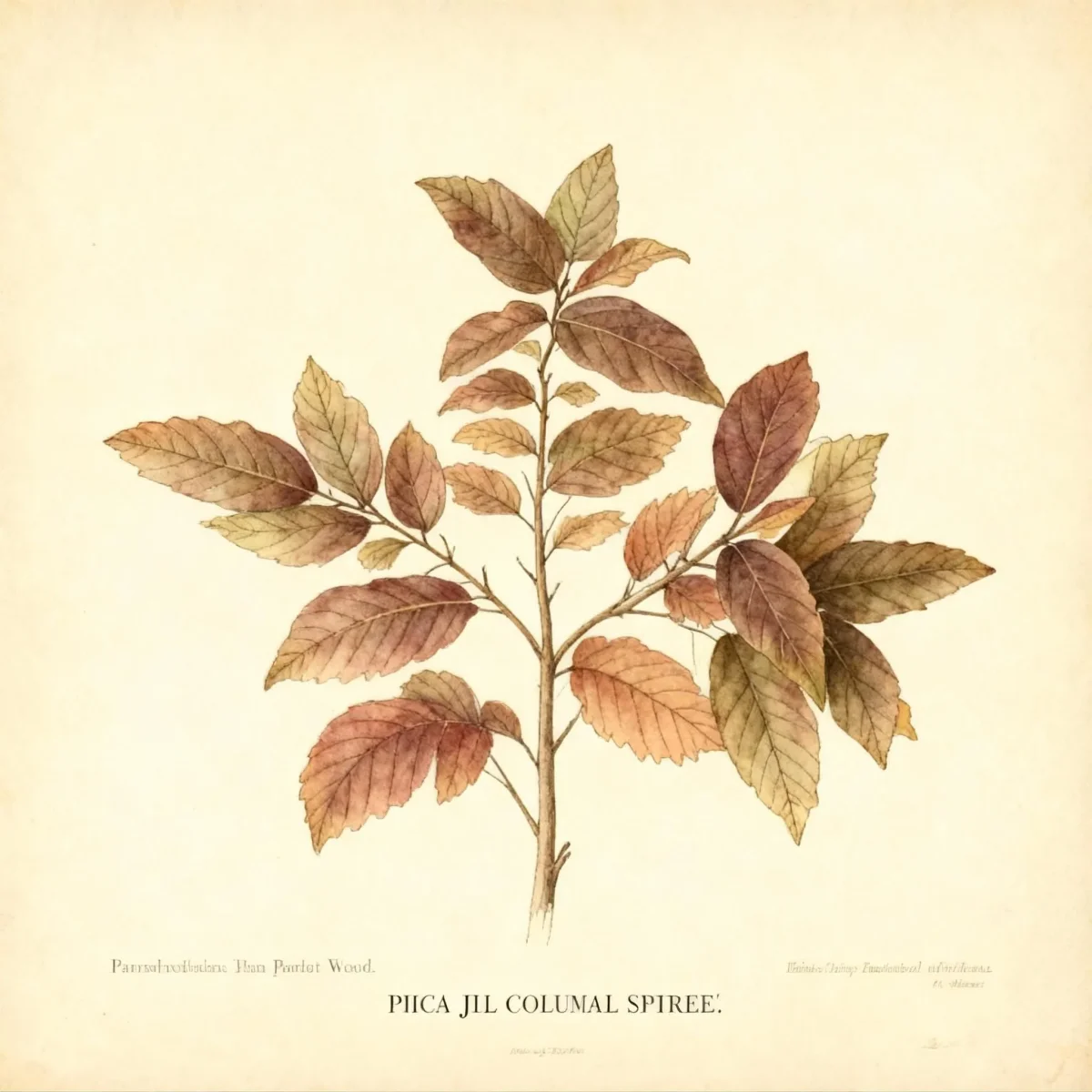
Complete Plant Information
Overview
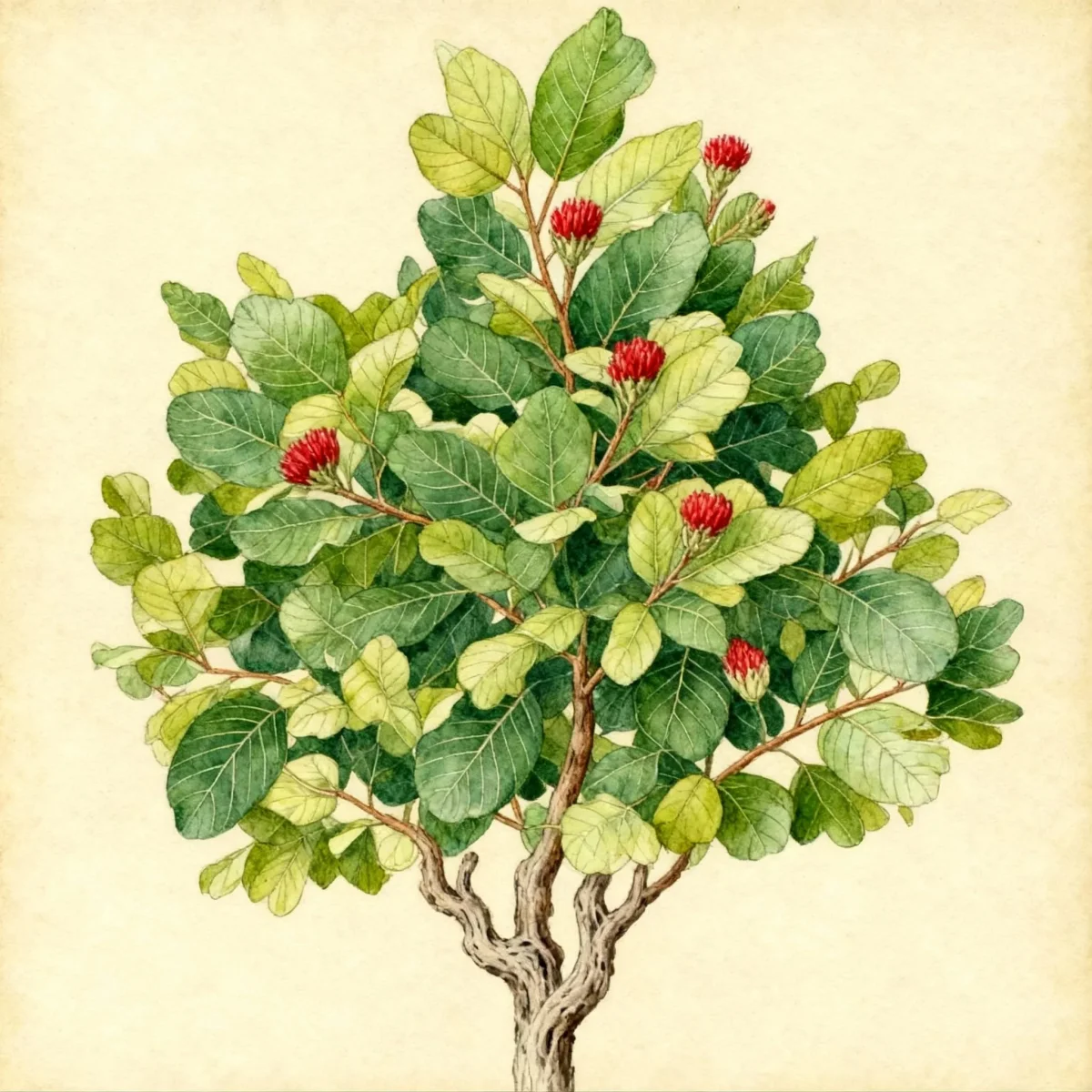
Parrotia persica ‘JLColumnar’ PERSIAN SPIRE is a highly valued cultivar of the Persian ironwood, celebrated for its narrow, upright form that fits beautifully into tighter urban landscapes where traditional spreading trees overwhelm the space. This cultivar offers year-round interest, beginning with striking red blooms just before new foliage emerges in early spring. Mature specimens of this selection—commonly known as Persian ironwood—reach a manageable height of around 25 feet, retaining excellent structure even without heavy pruning.
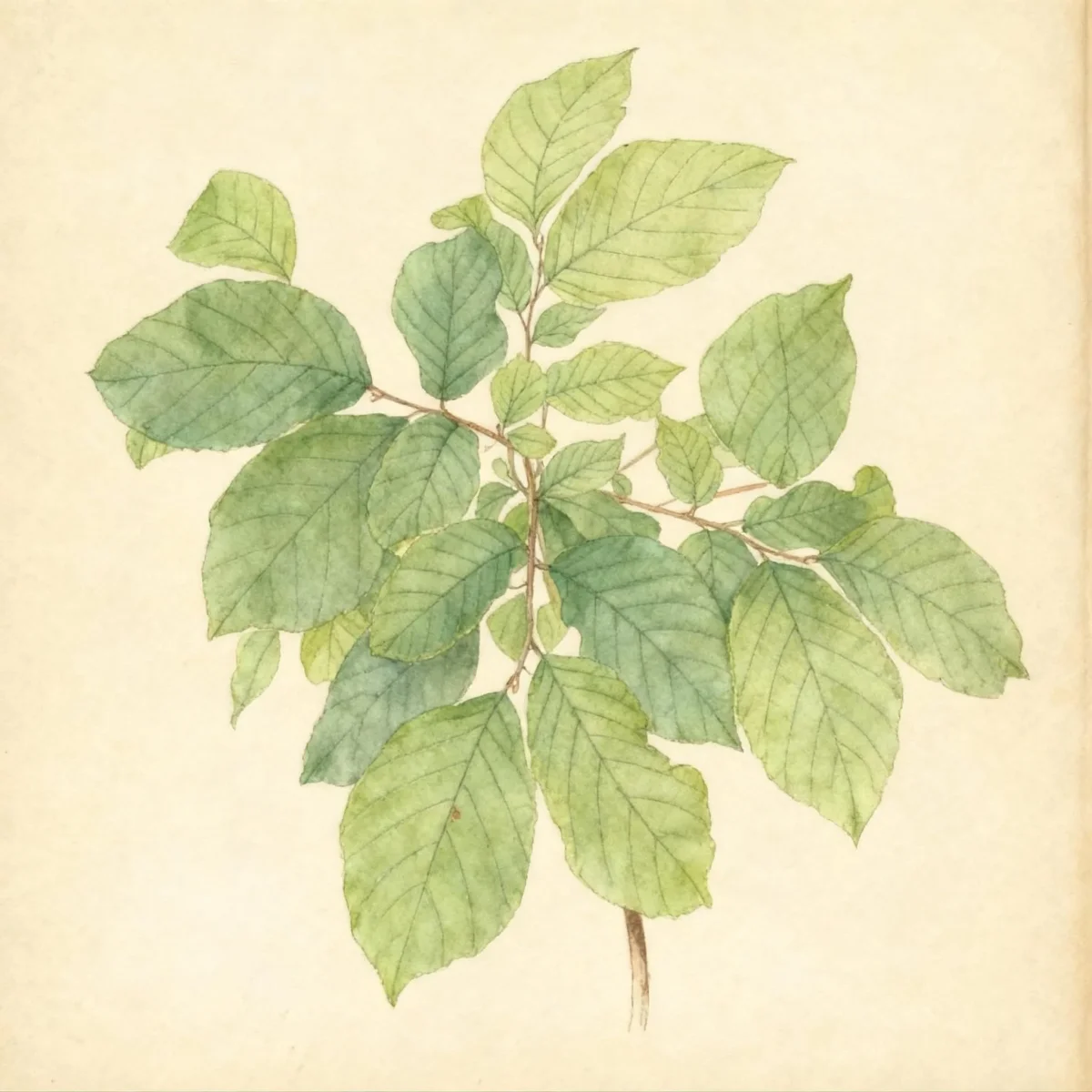
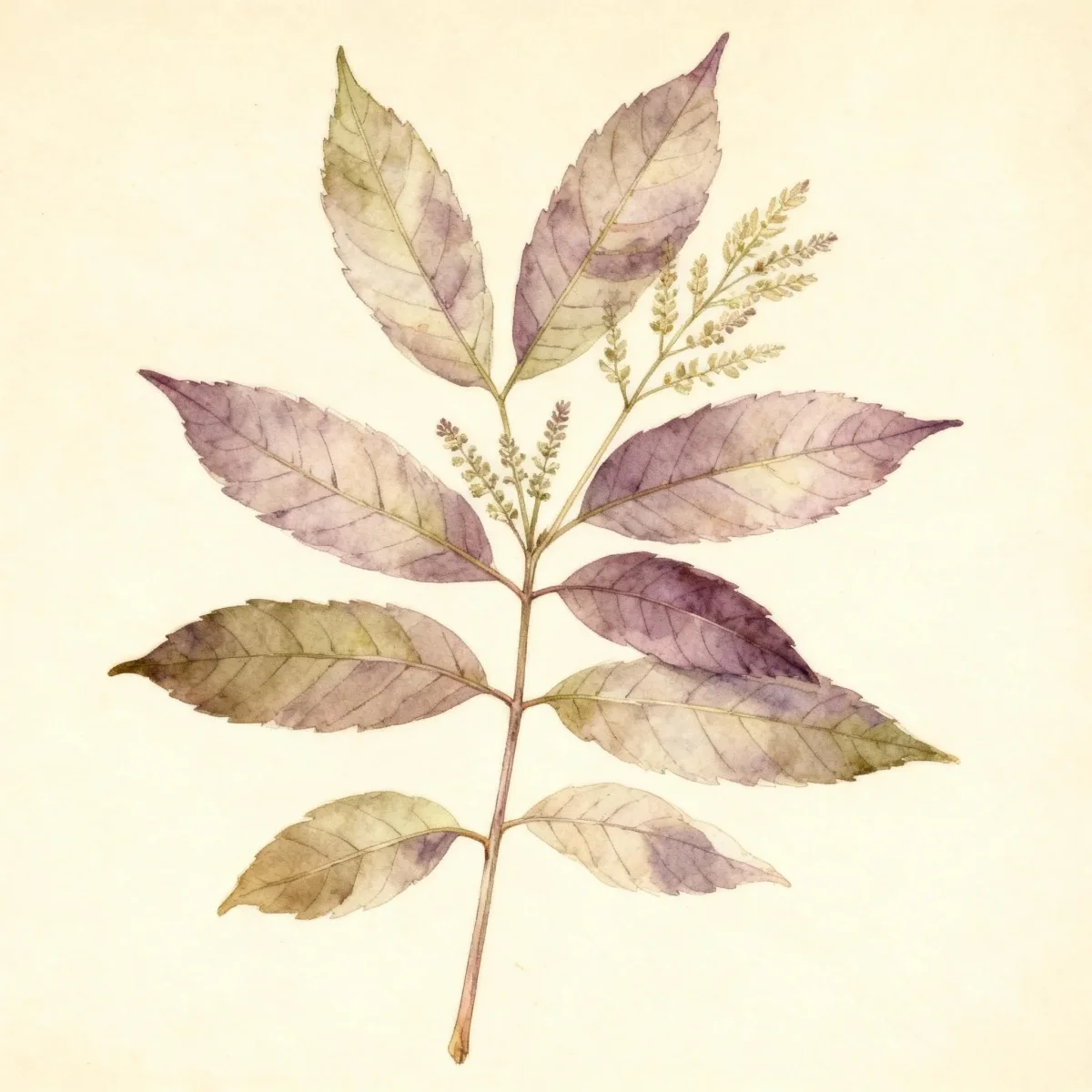
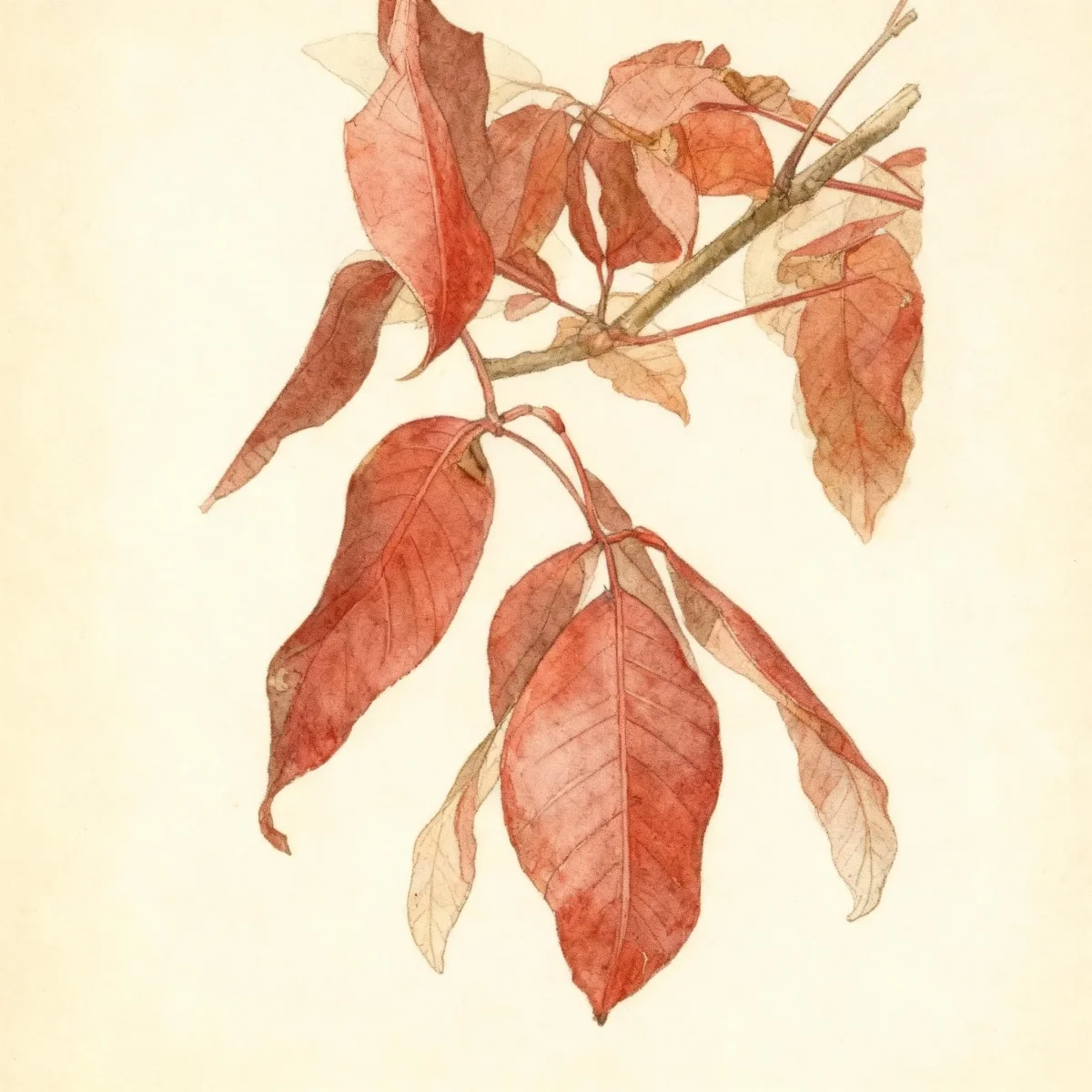
The aesthetic appeal of Parrotia persica ‘JLColumnar’ PERSIAN SPIRE is further enhanced by its exceptional seasonal foliage transformation. Leaves emerge reddish-purple, deepen to a lustrous green through the summer, and culminate in a vibrant autumn display featuring rich shades of yellow, orange, red, and burgundy. Furthermore, the peeling bark reveals attractive mottled patterns of green, white, and tan when leafless, providing crucial winter structure.
This durable, medium-maintenance tree thrives in full sun and is adaptable to various soil types, making it a reliable choice for challenging environments like street plantings. Gardeners seeking dramatic seasonal color and a strong vertical accent should strongly consider incorporating the Parrotia persica ‘JLColumnar’ PERSIAN SPIRE into their designs.
Fast Facts
- Plant Family: Hamamelidaceae
- Plant Type: Tree
- Hardiness Zones: USDA Zones 4-8
- Size at Maturity:
- Height: 20-25 ft
- Spread: 8-10 ft
- Bloom Time: March to April
- Bloom Description: Red
- Sun Exposure: Full sun
- Water Needs: Medium
- Maintenance Level: Medium
How to Grow
For optimal health, plant Parrotia persica ‘JLColumnar’ PERSIAN SPIRE during the cooler periods of fall or early spring while the ground is workable. This tree should be sited in a location receiving full sun, although it can tolerate light shade. Success hinges on planting in average, well-drained soils that maintain medium moisture levels; excellent drainage is key to preventing root issues. While adaptable to a range of conditions, slightly acidic soils are often preferred.
Establishment requires consistent watering, especially during the first few growing seasons. Once established, the Persian ironwood requires only medium water input, benefiting from deep, infrequent soakings during extended dry spells. Fertilization is generally unnecessary if the native soil provides adequate nutrients, but a slow-release fertilizer applied in early spring can support robust growth. Pruning should be minimal, focusing only on removing crossing or damaged limbs to maintain the desired columnar habit of Parrotia persica ‘JLColumnar’ PERSIAN SPIRE.
Winter preparation involves ensuring the plant is adequately watered heading into dormancy. After the last frost, monitor for early spring pests, though the variety is generally robust. The exfoliating bark needs no specific maintenance and provides reliable winter interest once the colorful leaves have dropped.
Landscape Uses
The primary appeal of Parrotia persica ‘JLColumnar’ PERSIAN SPIRE in landscape design lies in its strong vertical presence combined with unmatched seasonal color. Its narrow profile makes it an excellent street tree, capable of fitting between sidewalks and infrastructure where wider shade trees are impractical. It functions perfectly as a specimen tree in smaller lawns, acting as a focal point without dominating the entire yard.
Beyond formal uses, the upright habit of this Persian ironwood excels in transitional spaces. Consider incorporating it into foundation plantings where its slender shape guides the eye upward, or use it in mixed borders where its fall display can contrast effectively with evergreen shrubs. Because it is available patented as PERSIAN SPIRE, designers often rely on this selection for its consistent, predictable, and compact growth form compared to the species.
Standout Features
Flower Qualities
- Insignificant
Noteworthy Characteristics
Parrotia persica, commonly called Persian ironwood, is a small to medium sized, single trunk, deciduous tree eventually growing 20-40’ tall (but typically 10’ after 7-8 years) or a large, multi-stemmed shrub growing to 15’ tall. Apetalous flowers with dense, red stamens surrounded by brownish bracts appear in late winter to early spring before the foliage. Flowers are attractive on close inspection, but are generally considered to be somewhat insignificant. Oval to oblong leaves (to 4” long) emerge reddish-purple in spring, mature to a lustrous, medium to dark green in summer and change to variable shades of yellow, orange and red in fall. Bark of mature trees exfoliates to show green, white or tan patches beneath and provides good winter interest. Genus name honors F. W. Parrot (1792-1841), German naturalist and traveller who climbed Mount Arart in 1834. Specific epithet means Persian.‘JLColumnar’ is an upright selection of Persian ironwood that features colorful foliage and a columnar to narrowly oval-shaped growth form. Mature trees will reach around 25’ tall with a 10’ spread. The 2.5-3.5” long and 1.5-2” wide, ovate to obovate leaves have coarse, rounded teeth and slightly undulating margins. The foliage emerges purple in spring before maturing to deep green in summer and providing a consistent fall display in various shades of yellow, orange, red, and burgundy. Small flowers bloom in early spring and although they lack petals the clusters of bright, crimson red, pendulous stamens add interest before the leaves emerge. Commonly sold at nurseries and garden centers under the name PERSIAN SPIRE. This plant is protected by patent number PP24951.
Tolerances
- No serious insect or disease problems
Potential Problems
This cultivar, Parrotia persica ‘JLColumnar’ PERSIAN SPIRE, exhibits excellent resilience, with no serious insect or disease problems commonly reported by successful growers. This high level of resistance reduces the need for chemical intervention, making it an environmentally friendly selection for many settings.
As a relatively low-maintenance option, the main concerns generally relate to cultural adjustments, such as ensuring proper soil drainage. Avoid heavy, waterlogged soils, which can stress the Persian ironwood and potentially lead to root rot, especially in younger plantings.
Frequently Asked Questions
What hardiness zones is Parrotia persica ‘JLColumnar’ PERSIAN SPIRE suitable for?
This specific cultivar of Persian ironwood is reliably hardy in USDA Zones 4 through 8.
How large does Parrotia persica ‘JLColumnar’ PERSIAN SPIRE grow?
When mature, this columnar selection typically reaches a height between 20 and 25 feet, maintaining a narrow spread of only 8 to 10 feet wide.
What sun exposure does Persian ironwood need?
For the best density, flowering, and fall color display of Parrotia persica ‘JLColumnar’ PERSIAN SPIRE, full sun exposure is recommended, though it tolerates light shade.
When does Persian ironwood bloom?
The unique, stamen-heavy red flowers typically appear quite early in the season, from March into April, often before the deciduous foliage has fully emerged.
Conclusion
The Parrotia persica ‘JLColumnar’ PERSIAN SPIRE offers an exceptional combination of vertical form, stunning fall color, and structural winter interest, making it versatile for both specimen planting and rigorous street tree applications. This popular Persian ironwood selection provides reliable performance with minimal fuss. Before planting, always confirm that your local USDA hardiness zone falls within the 4 to 8 range to ensure long-term success.
Companion Planting
To maximize the unique features of Parrotia persica ‘JLColumnar’ PERSIAN SPIRE, select companions that thrive in similar sun and moisture profiles. Since this ironwood excels due to its upright shape, consider using low, mounding groundcovers like Sedum or creeping Phlox near its base to contrast its verticality. In foundation plantings, pair it with dark green, fine-textured evergreens, such as Japanese Holly cultivars, to emphasize the bright spring new growth and intense fall transition of the PERSIAN SPIRE.
Winter Interest Enhancement
The appeal of the Persian ironwood persists long after the leaves drop, thanks to its remarkable exfoliating bark. To best showcase this feature, deliberately position Parrotia persica ‘JLColumnar’ PERSIAN SPIRE where it catches low winter sun or is illuminated by landscape lighting in the evening. Avoid placing dense evergreen screens directly behind it, as this obscures the patches of green, white, and tan that emerge as the mature bark peels away, maximizing its value during the dormant season.