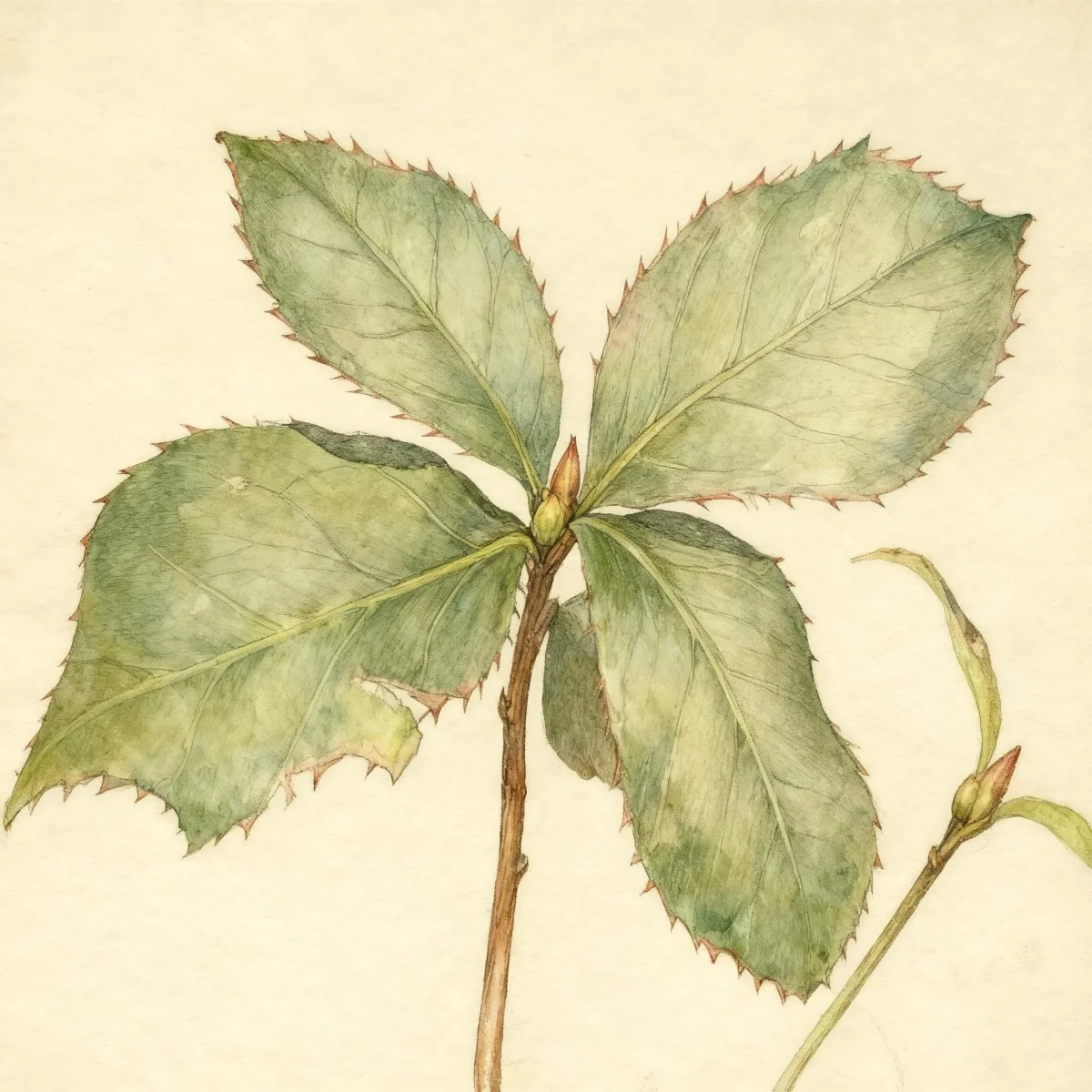
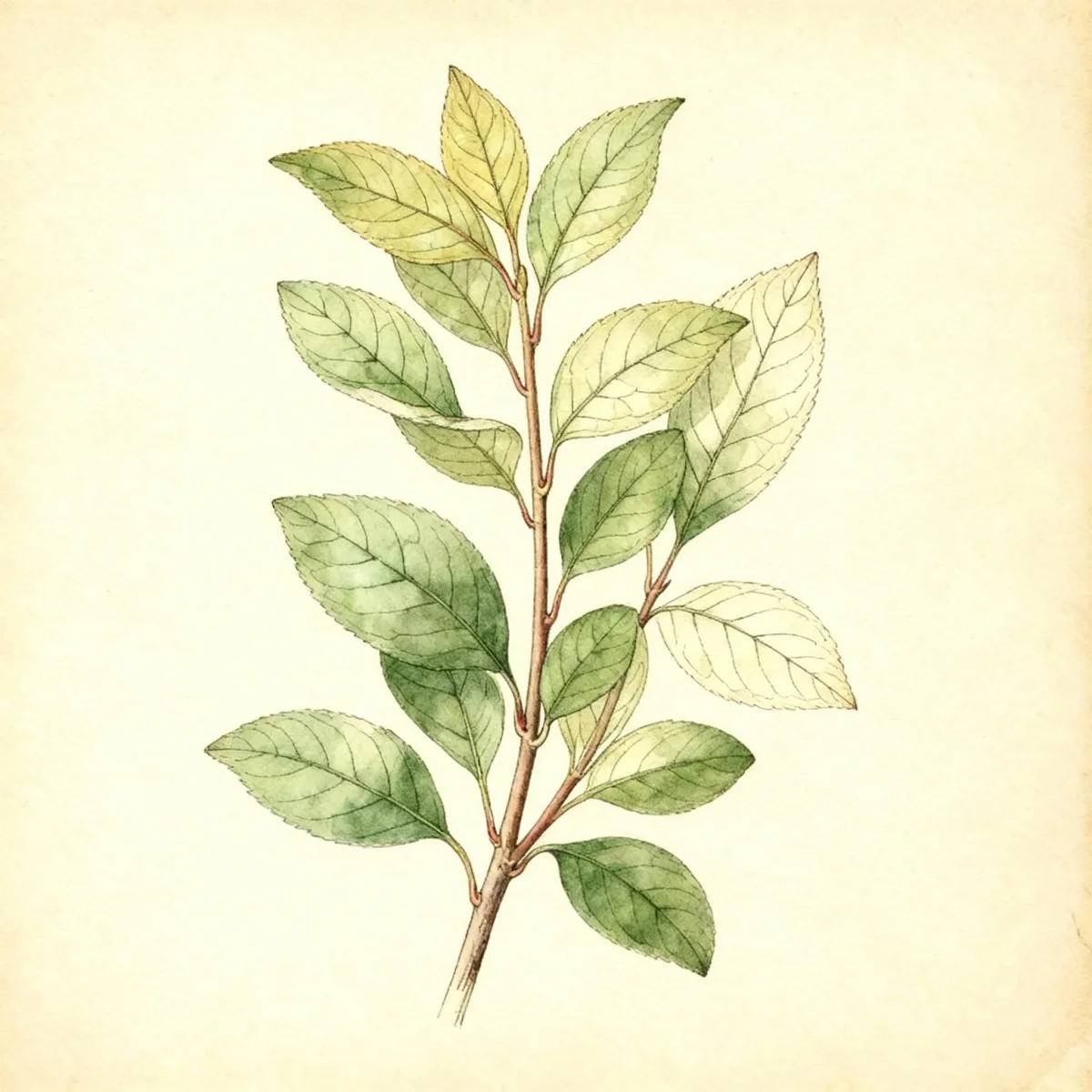
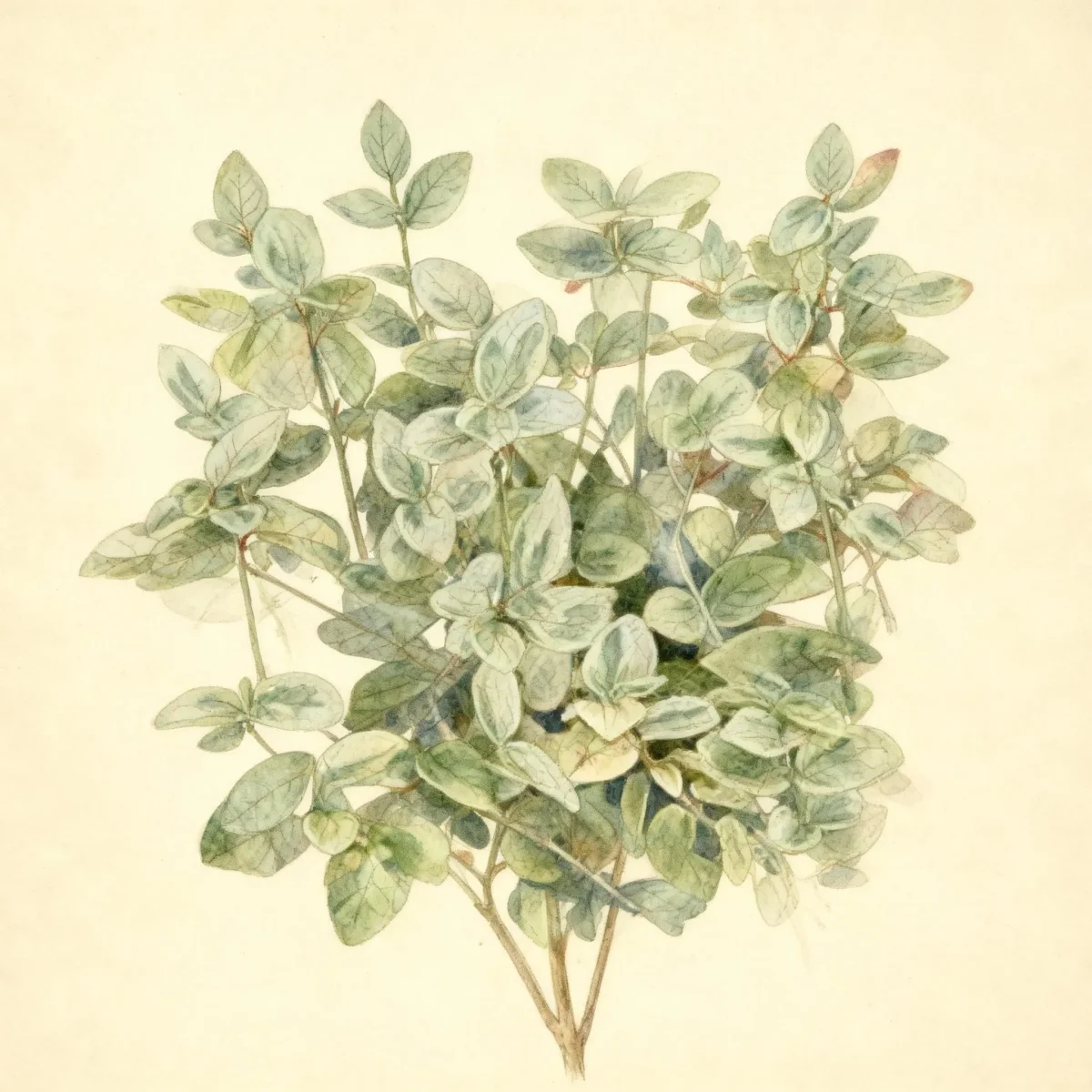
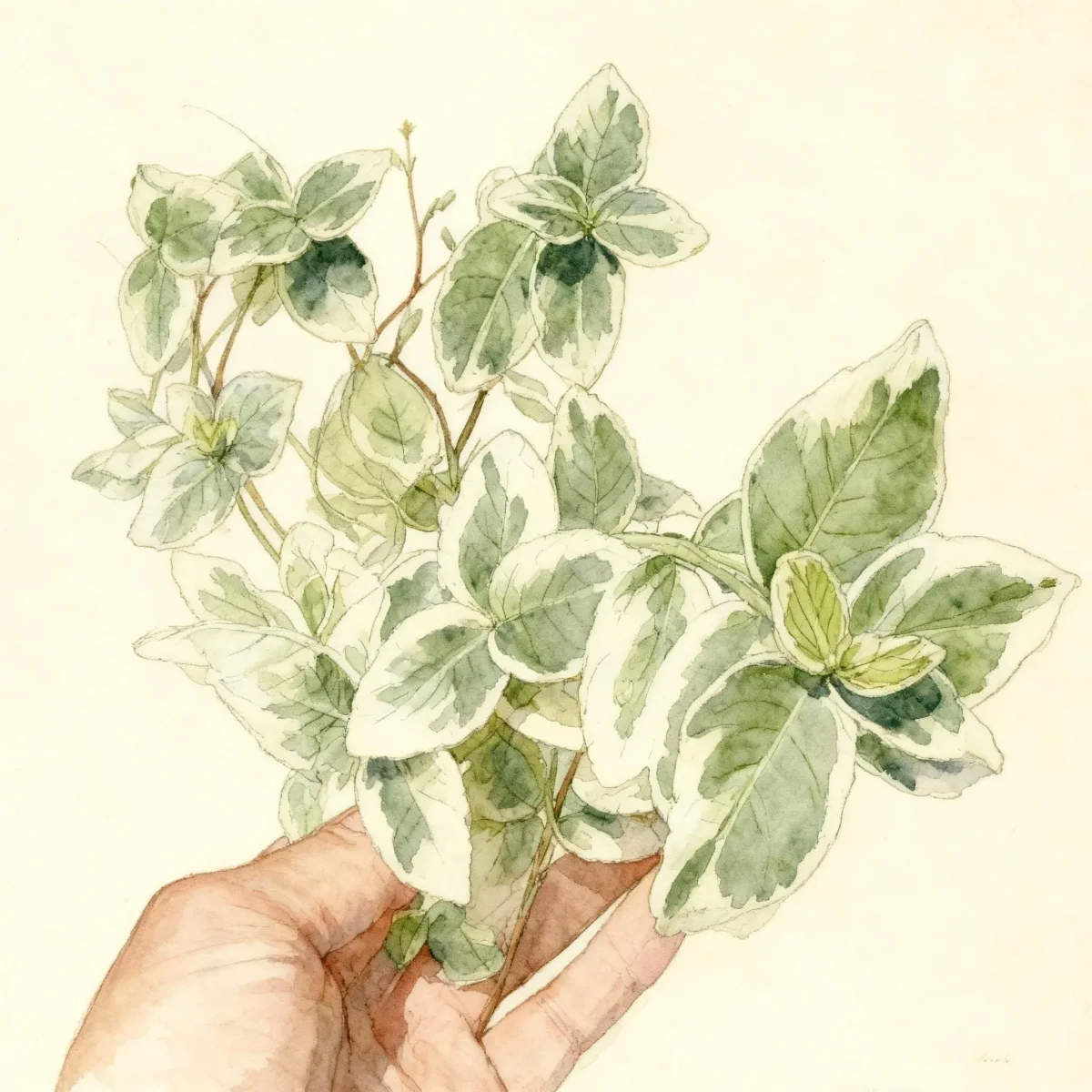
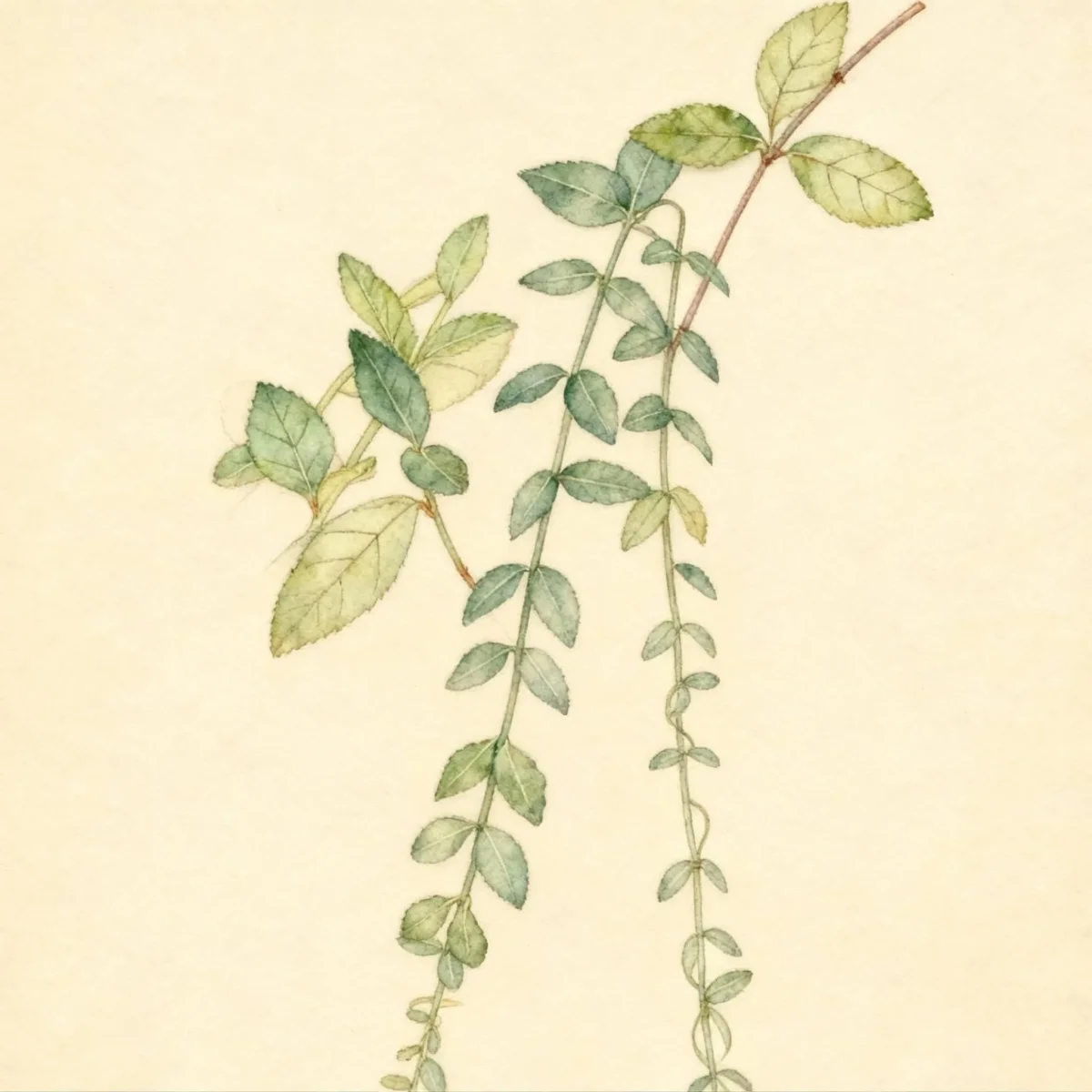
Euonymus (Euonymus japonicus 'Aureomarginatus')
Euonymus japonicus 'Aureomarginatus' is a broadleaf evergreen shrub prized for its lustrous, yellow-margined foliage. A low-maintenance choice for hedges, growing reliably in Zones 6-9.
Scroll down to discover growing tips, care requirements, companion plants, and more
Complete Plant Information
Overview
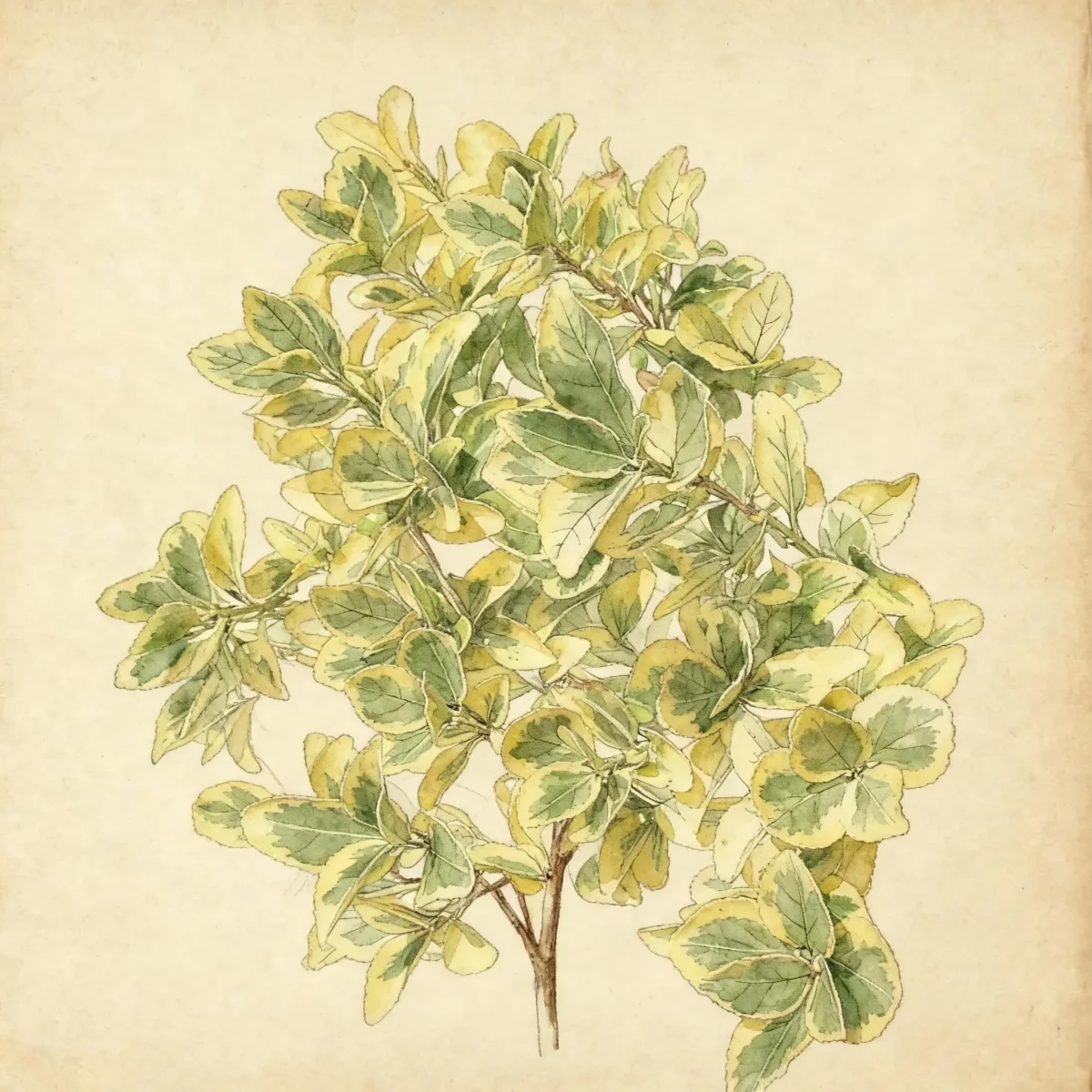
The cultivar Euonymus japonicus ‘Aureomarginatus’ provides year-round structure and vibrant color, making it an outstanding choice for formal and informal landscapes. This broadleaf evergreen, known commonly as Euonymus, is celebrated specifically for its tough, dark green leaves sharply outlined by showy yellow margins, lending brightness even in winter. While the species offers dependable screening, Euonymus japonicus ‘Aureomarginatus’ elevates the effect with its ornamental variegation.
This specific variety of Euonymus is a dense, slow-growing shrub, generally reaching manageable heights perfect for foundational plantings or creating defined borders. Its low maintenance requirements appeal greatly to busy gardeners, provided it is sited correctly relative to sun and soil moisture.
Functionally, the density of the Euonymus makes it highly versatile. It serves excellent purposes as a screen, backdrop, or formal hedge, offering reliable structure throughout the seasons where other deciduous plants may fail.
Fast Facts
- Plant Family: Celastraceae
- Plant Type: Broadleaf evergreen
- Hardiness Zones: USDA Zones 6-9
- Size at Maturity:
- Height: 5-10 ft
- Spread: 4-8 ft
- Bloom Time: June
- Bloom Description: Greenish-white
- Sun Exposure: Full sun to part shade
- Water Needs: Medium
- Maintenance Level: Low
How to Grow
Planting the variegated Euonymus is ideally done in spring or fall when temperatures are moderate, ensuring roots establish before extreme summer heat or deep winter freezes. Site your Euonymus japonicus ‘Aureomarginatus’ where it receives moist, rich, humusy, and well-drained soil. While it tolerates full sun, especially in cooler northern regions, afternoon shade is appreciated in hot summer climates; it truly thrives in sun-dappled conditions.
Medium water needs mean consistent moisture, particularly during the first year, is necessary for good establishment. Once mature, the Euonymus is relatively drought-tolerant but performs best with regular watering during dry spells. Fertilization is generally minimal, perhaps utilizing a slow-release granular fertilizer designed for acid-loving or broadleaf evergreens in early spring.
Pruning is typically required only to maintain a desired shape or size for hedges. Heavy shaping is best done in early spring before new growth begins. Be aware that variegated foliage on Euonymus japonicus ‘Aureomarginatus’ has the potential to revert to solid green, requiring prompt removal of these limbs to maintain the desired effect.
Landscape Uses
The primary landscape role for Euonymus japonicus ‘Aureomarginatus’ is providing evergreen structure and contrast. It excels when utilized as hedging, creating low to medium-height borders that hold their color year-round, unlike deciduous alternatives.
For foundation plantings, this Euonymus provides a neat, tailored look beneath windows where its variegation catches ambient light. It also serves well as a specimen plant when given space to develop its natural oval habit, acting as a bright accent against darker green backgrounds. Consider planting it near deep green conifers or dark green hostas to maximize the visual pop of its yellow margins.
Standout Features
Flower Qualities
- Showy
Noteworthy Characteristics
Euonymus japonicus, commonly called Japanese euonymus, is a dense oval evergreen shrub of the spindle tree family that typically grows to 10-15’ tall and to 5-8’ wide in cultivation, but may soar to as much as 25’ tall in the wild. It is native to Japan, Korea and China. Opposite, tough, leathery, lustrous, ovate to obovate, dark green leaves (to 3” long) are blunt to rounded at the apex and tapered at the base. Leaf margins are serrated except near the base. Inconspicuous, four-petaled, greenish-white flowers in flattened cymes (5-12 flowers per cyme) bloom in late spring (June). Flowers are followed by showy pink fruits (capsules with red arils) which ripen in fall.Genus name is an ancient Greek name referring to plants of this genus.Specific epithet means of Japan, which is part of its native range.‘Aureomarginatus’ has green leaves variegated with showy yellow margins. It typically grows to 5-10’ tall. Variegated foliage may revert to green, resulting in a shrub with a less than desirable combination of yellow-margined leaves and solid green leaves.
Tolerances
- Black Walnut
Potential Problems
Several persistent pests and diseases can affect the health and appearance of your Euonymus. Euonymus scale and powdery mildew are common issues that require proactive management.
Be vigilant for piercing-sucking insects such as mites, aphids, and mealybugs, which can weaken the shrub over time. Furthermore, watch for more serious problems like crown gall or the destructive witches’ broom. Maintaining good air circulation and avoiding overhead summer watering can help mitigate fungal issues like powdery mildew, which thrives in damp, stagnant conditions.
Frequently Asked Questions
What hardiness zones is Euonymus suitable for?
Euonymus japonicus ‘Aureomarginatus’ is reliably hardy in USDA Zones 6 through 9.
How large does Euonymus grow?
This cultivar typically matures between 5 and 10 feet tall, with a spread ranging from 4 to 8 feet wide.
What sun exposure does Euonymus japonicus ‘Aureomarginatus’ need?
This shrub performs best when given full sun to part shade, appreciating protection from the strongest afternoon sun in hotter climates.
When does Euonymus bloom?
The inconspicuous flowers appear in June, described as greenish-white, followed later by pink fruits.
Conclusion
For dependable, year-round color and structure, the variegated Euonymus, particularly Euonymus japonicus ‘Aureomarginatus’, is a resilient workhorse in the garden. Its low maintenance and striking gold-trimmed foliage ensure it remains popular for formal hedging and foundational planting schemes. Confirm that your growing conditions match USDA Zones 6-9 and provide well-drained soil to enjoy this excellent evergreen shrub.
Companion Planting Strategies
When designing borders around your Euonymus japonicus ‘Aureomarginatus’, select partners that complement its medium green and bright yellow tones, ideally sharing similar sun and water needs. Deep purple or blue foliage offers superb contrast against the bright margins of the Euonymus hedge. Consider companion plants like dark purple Loropetalum (Chinese fringe flower) or deep blue Hostas if sited in partial shade to enhance the visual impact of the variegation.
Plants that thrive in part shade and moist, well-drained soil are excellent matches. Low-growing evergreen groundcovers can be placed at the base of a larger Euonymus specimen to suppress weeds and provide textural variation without competing heavily for resources.
Seasonal Care Calendar
Spring care for the Euonymus centers on aesthetics and health renewal. Apply a balanced, slow-release fertilizer early in the season and prune lightly immediately before new growth flushes out to shape any hedges or remove errant branches. Summer care is primarily monitoring water needs, ensuring medium moisture levels are maintained during dry spells, especially for newly planted specimens.
In the fall, clean up fallen leaves, although the evergreen foliage of Euonymus japonicus ‘Aureomarginatus’ generally holds well. Winter preparation is minimal for Zones 6-9, as this plant is hardy; however, watching for winter burn might necessitate temporary burlap protection on highly exposed new plantings in the coldest edges of Zone 6.