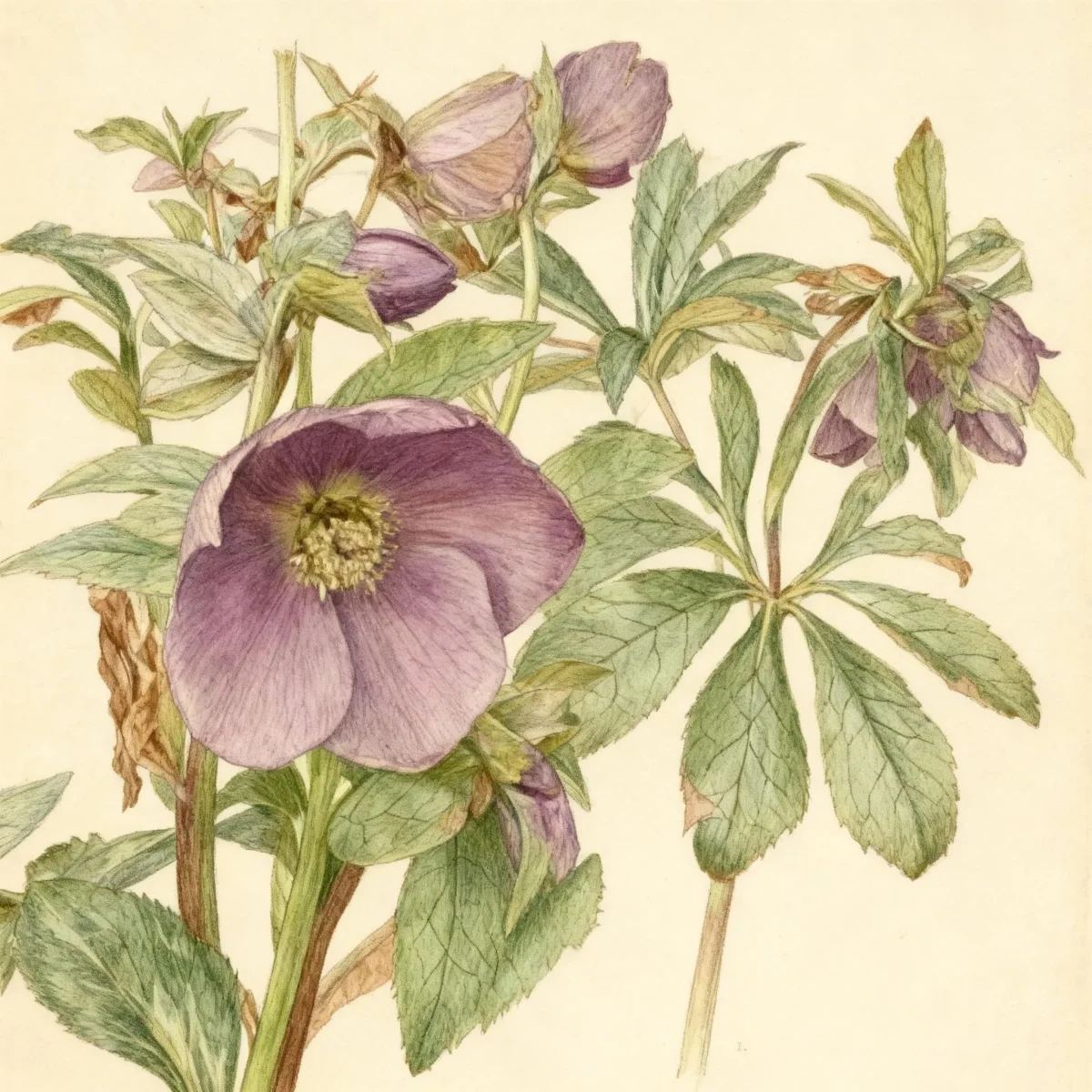
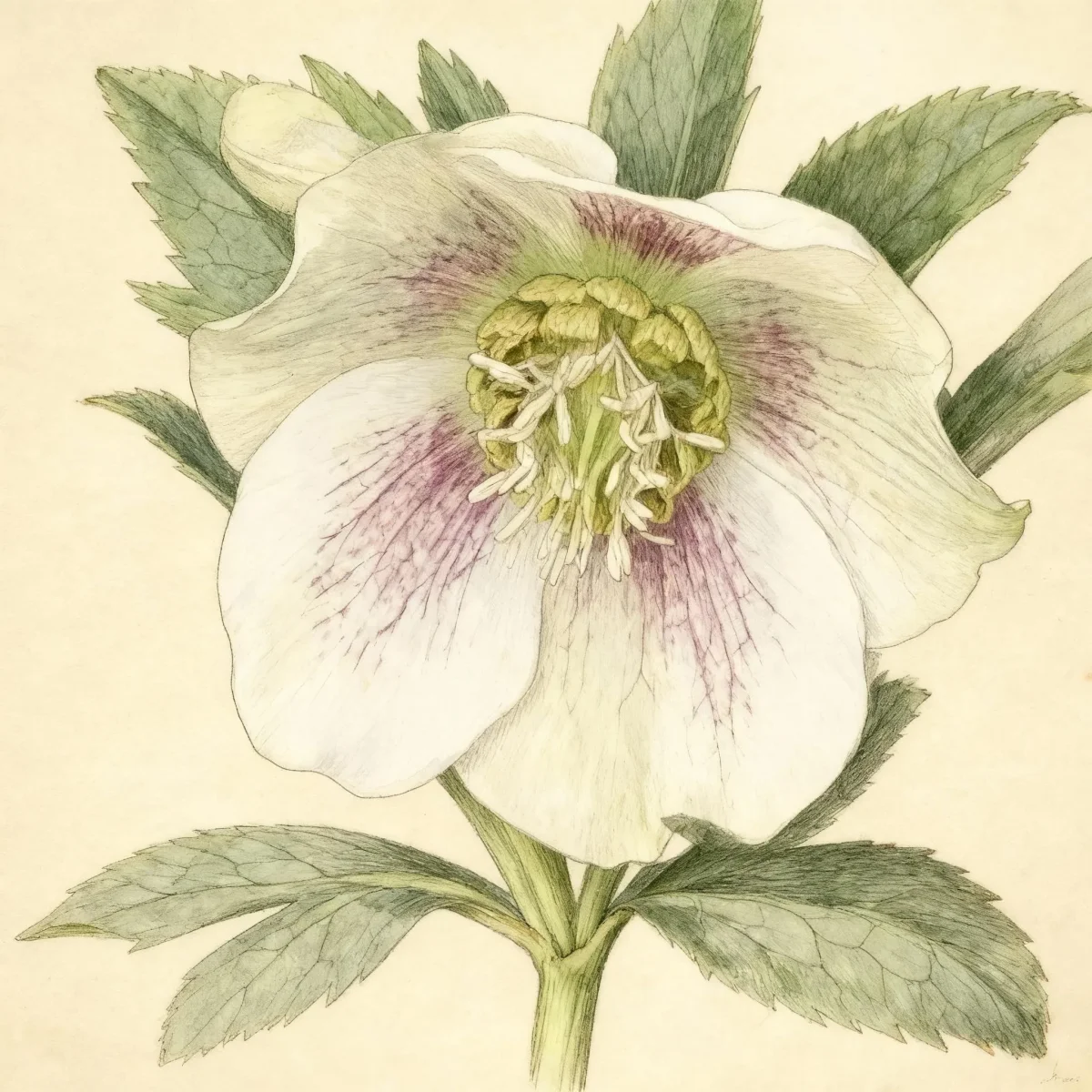
Hellebore (Helleborus 'Red Racer')
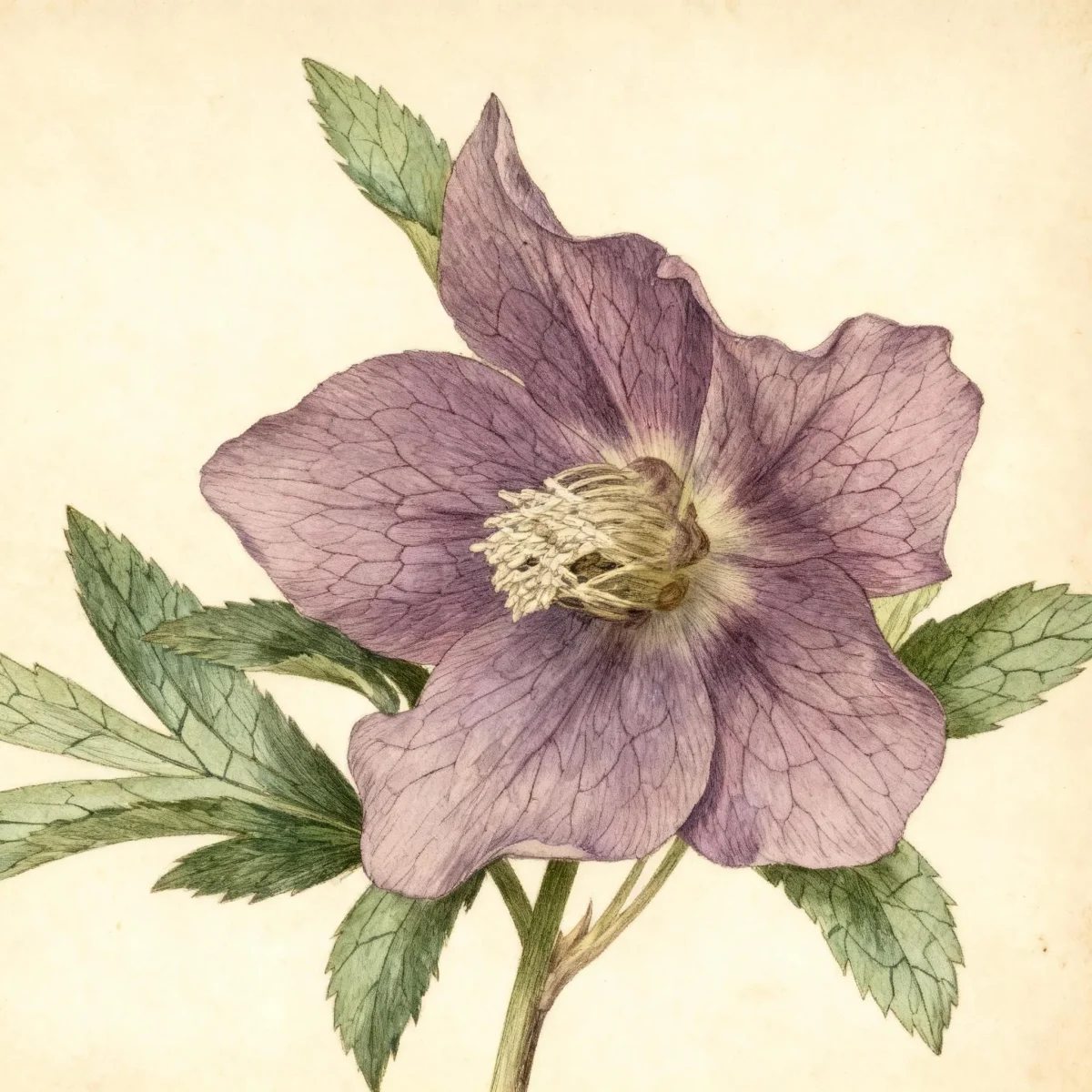
Helleborus 'Red Racer' offers velvety, deep red-burgundy blooms from late winter, perfect for low-maintenance, shady gardens.
Scroll down to discover growing tips, care requirements, companion plants, and more
Complete Plant Information
Overview
The Helleborus ‘Red Racer’ is a spectacular winter-blooming perennial valued for providing vibrant color when little else is growing. As a key member of the hybrid Lenten rose group, this Hellebore brings deep red to burgundy, velvety flowers to the late winter landscape. It is an exceptionally hardy and low-maintenance plant, offering glossy, evergreen foliage throughout the year.
This specific Hellebore cultivar, established in the Winter Thriller™ series, boasts impressive bloom duration, often flowering for up to three months starting in late winter. Its resilience against common pests and ability to thrive in deep shade makes Helleborus ‘Red Racer’ an indispensable choice for brightening dark corners. Gardeners prize this clump-forming perennial for its reliability and stunning early display.
Fast Facts
- Plant Family: Ranunculaceae
- Plant Type: Herbaceous perennial
- Hardiness Zones: USDA Zones 4-9
- Size at Maturity:
- Height: 1-2 ft
- Spread: 1.5-2 ft
- Bloom Time: February to April
- Bloom Description: Deep red to burgundy
- Sun Exposure: Part shade to full shade
- Water Needs: Medium
- Maintenance Level: Low
How to Grow
Plant Helleborus ‘Red Racer’ during cooler seasons, like fall or early spring, to allow better establishment before summer heat. These plants thrive in organically rich, fertile, humusy, alkaline, well-drained soils. Ensure your chosen spot offers part shade to full shade; light to moderate shade is preferred for optimal health.
Water needs are medium; maintain consistent moisture, especially when young, but ensure soil drainage is excellent, as crown rot is a risk. Hybrid hellebores generally require low maintenance. After the flowers fade in spring, cut back the spent flowering stems to encourage fresh, healthy foliage growth.
While the foliage is evergreen, it can suffer scorching in extremely harsh winters. Siting plants where they are shielded from harsh winter winds or benefit from snow cover insulation is recommended. Established clumps that become congested may be divided in late summer to early fall, though remember that plants grown from seed can take two years to flower.
Landscape Uses
The primary uses for this resilient Hellebore include ground cover and naturalizing areas, particularly on shady slopes or under deciduous trees where its early bloom provides crucial seasonal interest. Because Helleborus ‘Red Racer’ offers such an early burst of color, locate plants near patios, walkways, or windows to maximize enjoyment of the early blooms.
They perform excellently when grouped in large masses within woodland gardens or beneath larger shrubs. The slow self-seeding nature of these hybrid hellebores allows them to transition beautifully into naturalized settings over time, providing persistent, attractive year-round ground cover.
Standout Features
Flower Qualities
- Showy
Noteworthy Characteristics
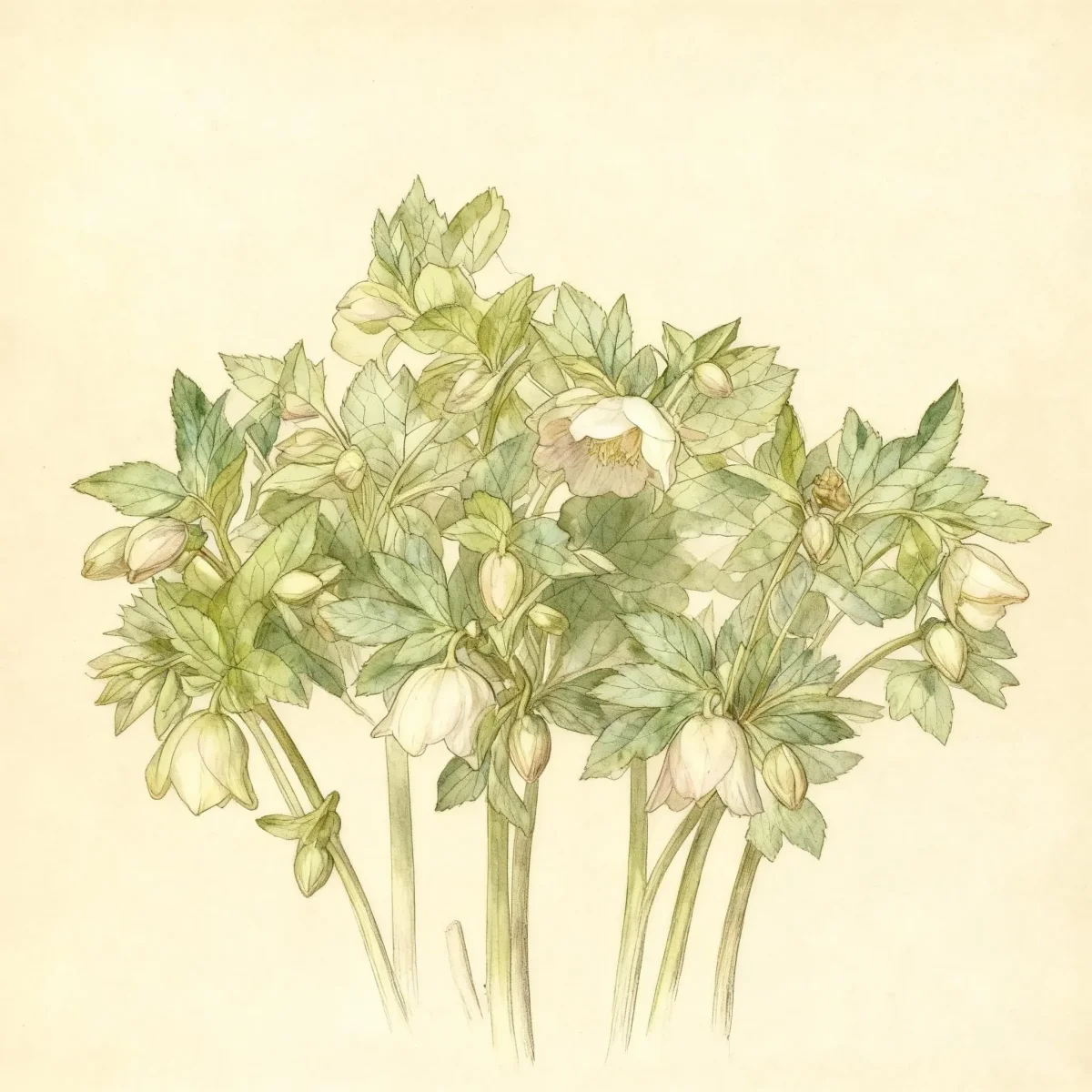
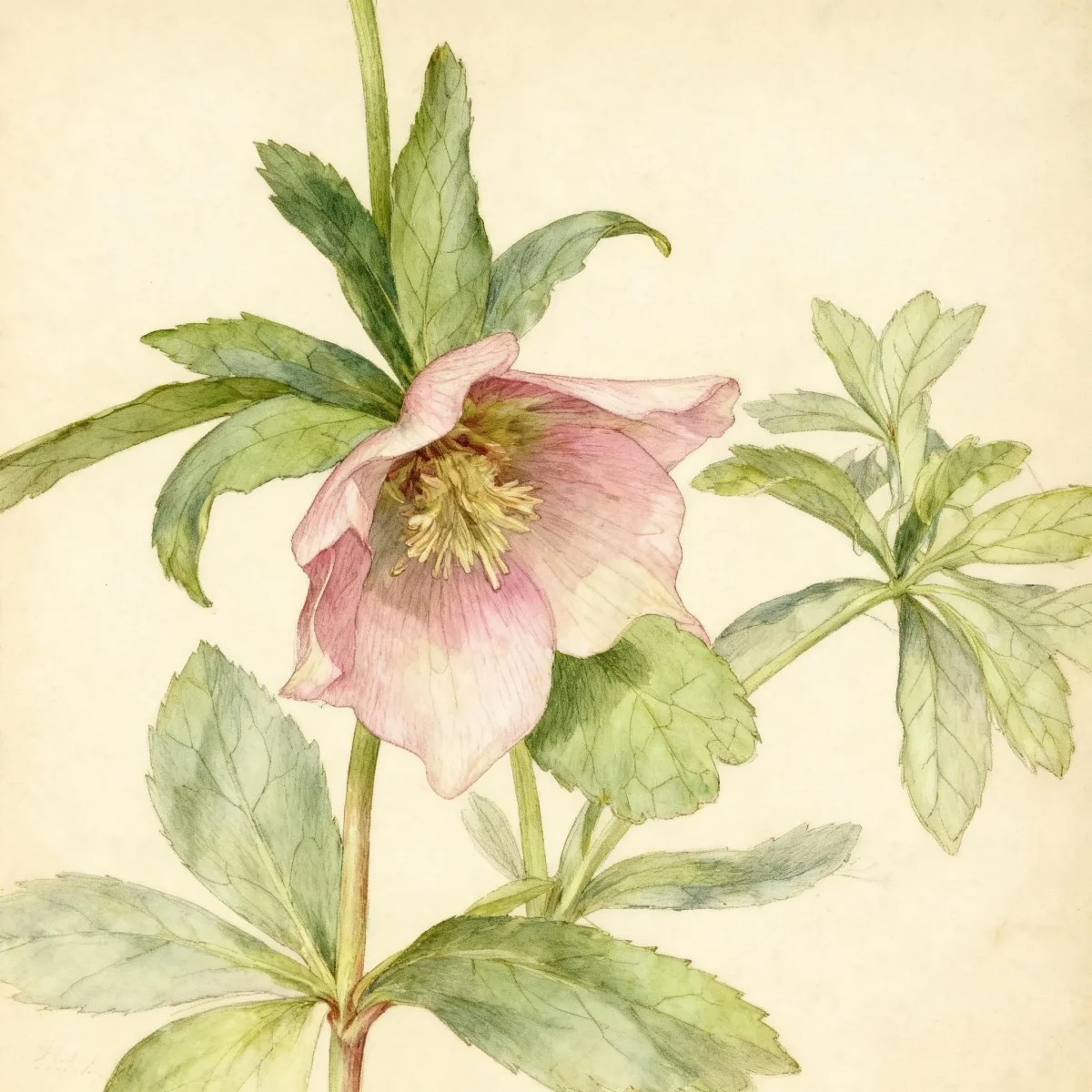
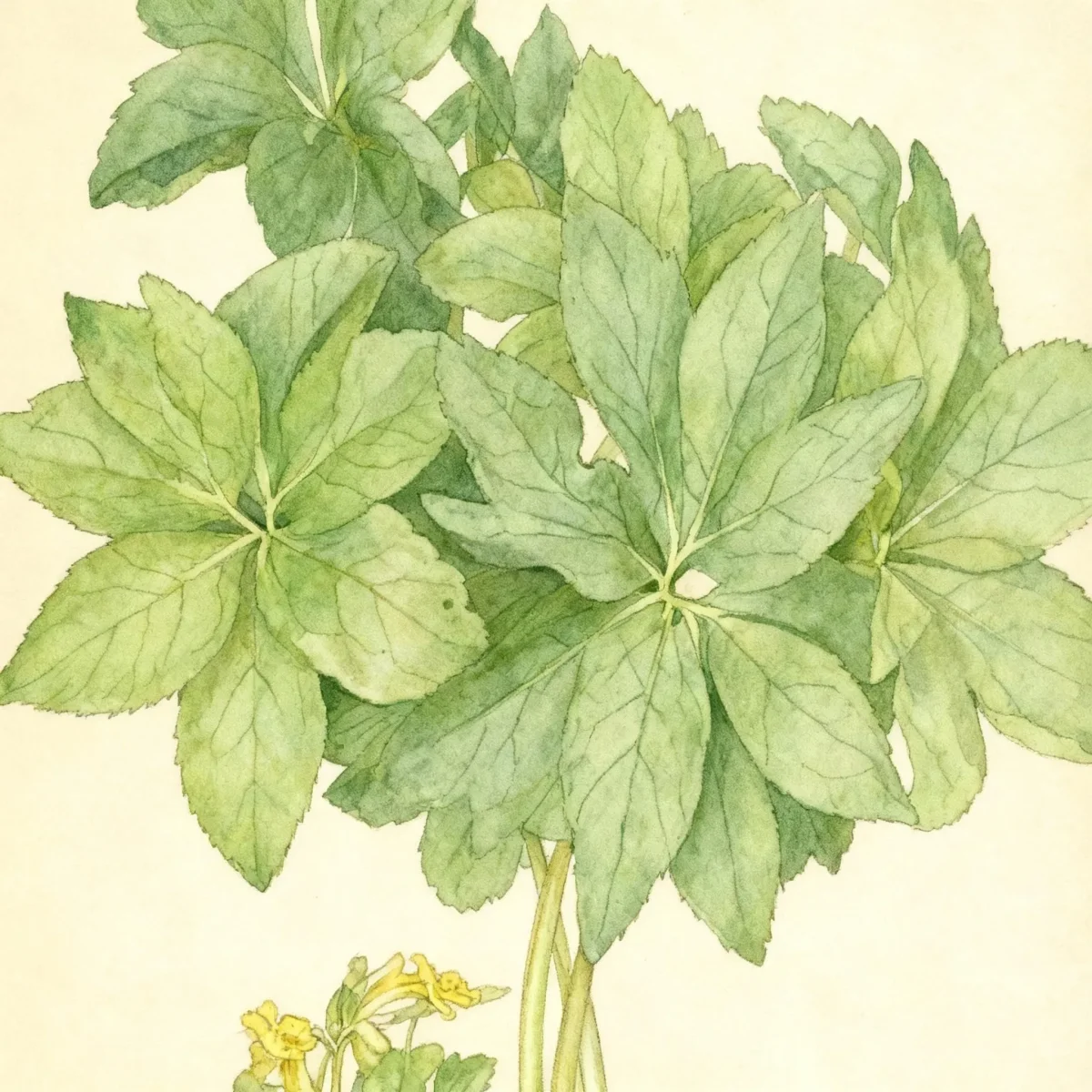
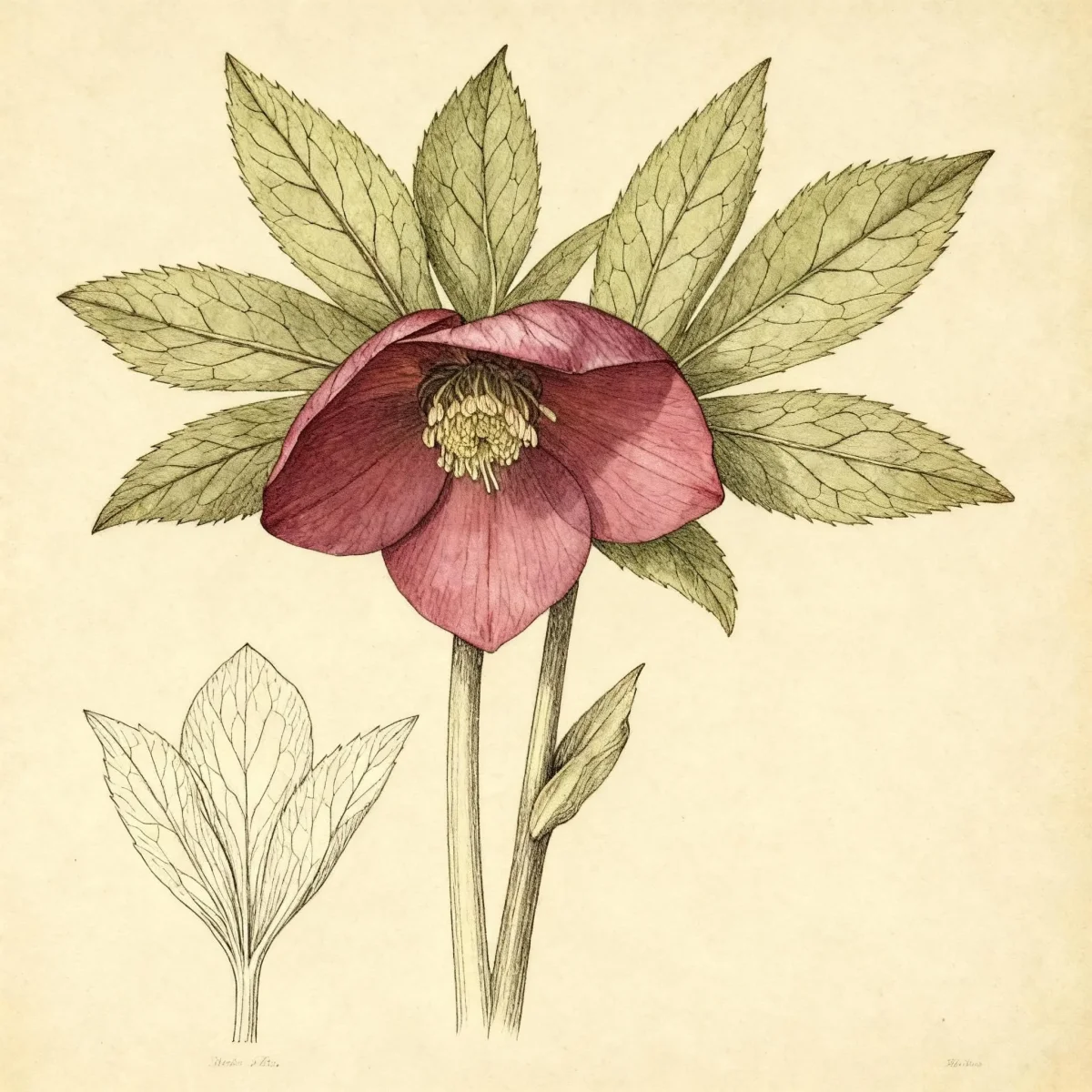
Hybrid hellebores, sometimes commonly called hybrid Lenten roses or hybrid winter roses, are bushy, clump-forming perennials which typically grow to 12-15” tall. They are noted for producing single, cup-shaped flowers (typically 2-3” diameter) with five showy, usually overlapping petals (technically sepals), but sometimes come in a double flowered form. Flowers bloom in a large variety of colors, including various shades and tints of white, pink, red, purple, and yellow, and sometimes have inside spotting. Bloom typically commences in late winter extending into early spring. Flowers appear at the tips of branched stems clad with evergreen dark green leaves which are divided into glossy, leathery, deeply-lobed, often toothed, lanceolate to elliptic segments.Genus name comes from the Greek words bora meaning “food” and helein meaning “injures/destroys” in reference to the plant’s toxic leaves, stems and roots which are poisonous to humans if ingested.Hellebores is the old Greek name for H. Orientalis.‘Red Racer’ was introduced in 2010 by Chris Hansen of Great Garden Plants. It is in the Winter Thriller™ series, hellebores that have been chosen for their large and colorful flowers. ‘Red Racer’ has 3 to 3 1/2 in. Wide, velvety, deep red to burgundy flowers that bloom up to three months starting in late winter. Its foliage emerges mahogany red and matures to a deep green. It grows 1 to 2 ft. Tall and 1.5 to 2 ft. Wide
Tolerances
- Rabbit
- Deer
- Heavy Shade
Potential Problems
Hellebores like Helleborus ‘Red Racer’ enjoy a reputation for being relatively pest and disease-free. However, be vigilant for occasional issues like crown rot, particularly where drainage is poor, and leaf spot diseases. Since the leaves, stems, and roots are poisonous if ingested, care should be taken when handling or siting these plants near pets or small children who might mouth plant material. Deer and rabbits typically avoid this plant due to its toxic nature.
Management involves ensuring excellent soil conditions to prevent rot and promptly removing heavily infected leaves to halt the spread of foliar diseases. Proper spacing allows for good air circulation, which is key to minimizing fungal issues common in shadier, damp environments.
Frequently Asked Questions
What hardiness zones is Hellebore suitable for?
This Hellebore variety is suitable for USDA Zones 4 through 9.
How large does Helleborus ‘Red Racer’ grow?
Helleborus ‘Red Racer’ typically reaches a height between 1 and 2 feet, with a spread of 1.5 to 2 feet.
What sun exposure does Helleborus ‘Red Racer’ need?
This plant prefers part shade to full shade conditions for best performance.
When does Helleborus ‘Red Racer’ bloom?
The deep red to burgundy flowers of this Hellebore bloom reliably from February into April, often providing color for up to three months.
Conclusion
The Helleborus ‘Red Racer’ is a superior, low-maintenance perennial that delivers essential early-season color with its luxurious deep burgundy blooms. Its evergreen structure and steadfast tolerance for shade make it an irreplaceable foundation plant for the winter garden. Before planting, confirm your site falls within USDA Zones 4-9 and offers the necessary shaded, well-drained soil conditions.
Companion Planting in Shade
Because Helleborus ‘Red Racer’ thrives in part to full shade and prefers humusy soil, pair it with other shade lovers that share similar cultural needs for the best results. Consider using spring ephemerals like Bloodroot (Sanguinaria) or woodland natives that emerge before the Hellebore foliage fully matures. Ferns, hostas (once they emerge), and spring-blooming bulbs like snowdrops (Galanthus) all make excellent companions beneath deciduous trees.
Propagation Tips
While established Hellebore clumps can be divided in late summer or early fall as maintenance, remember that hybrid hellebores are often grown from seed. Be aware that seed-grown plants may not come true to the parent cultivar, and patience is required since seedlings can take up to two years before they produce their first flowers. Division is best reserved for when the clumps become overly congested, typically every few years.