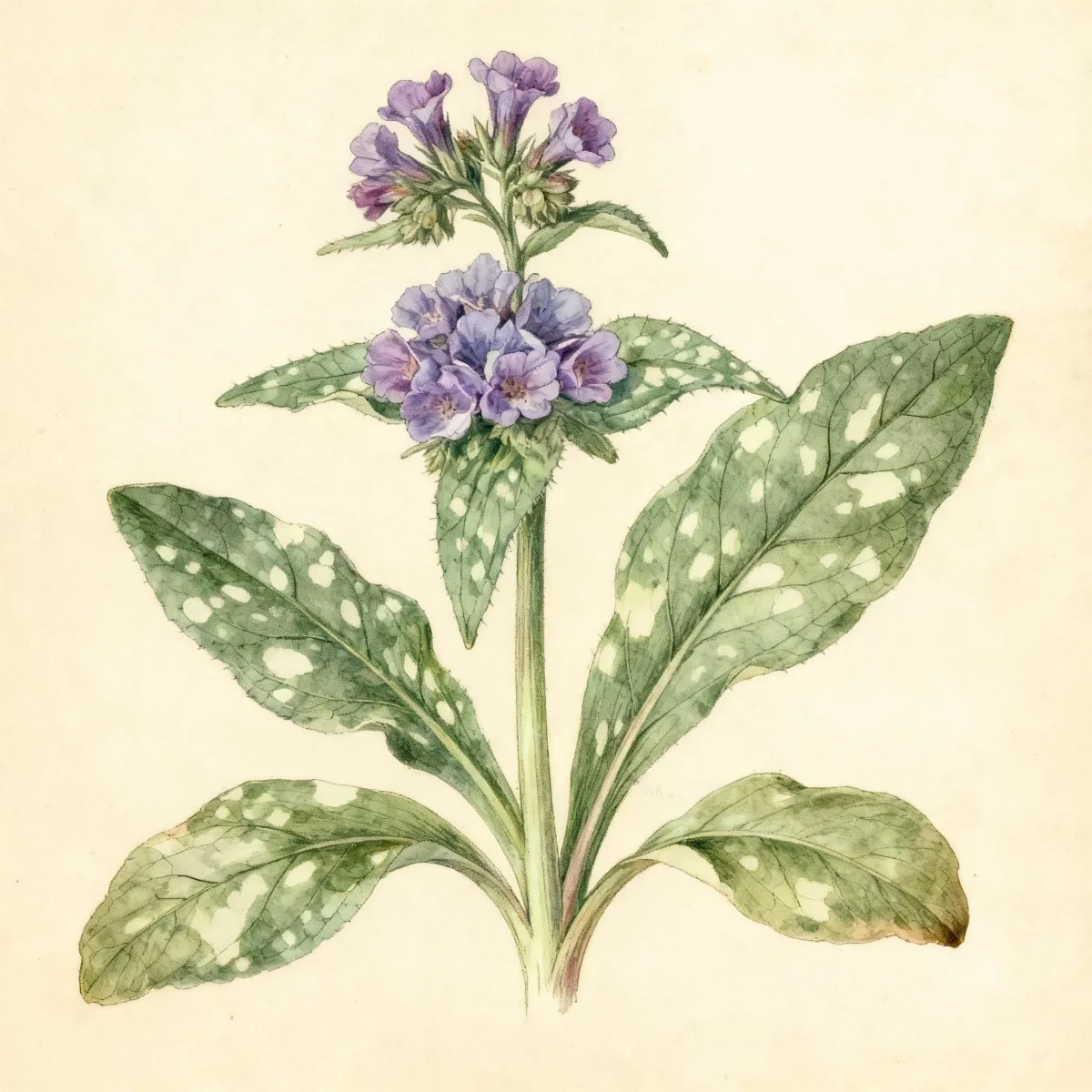
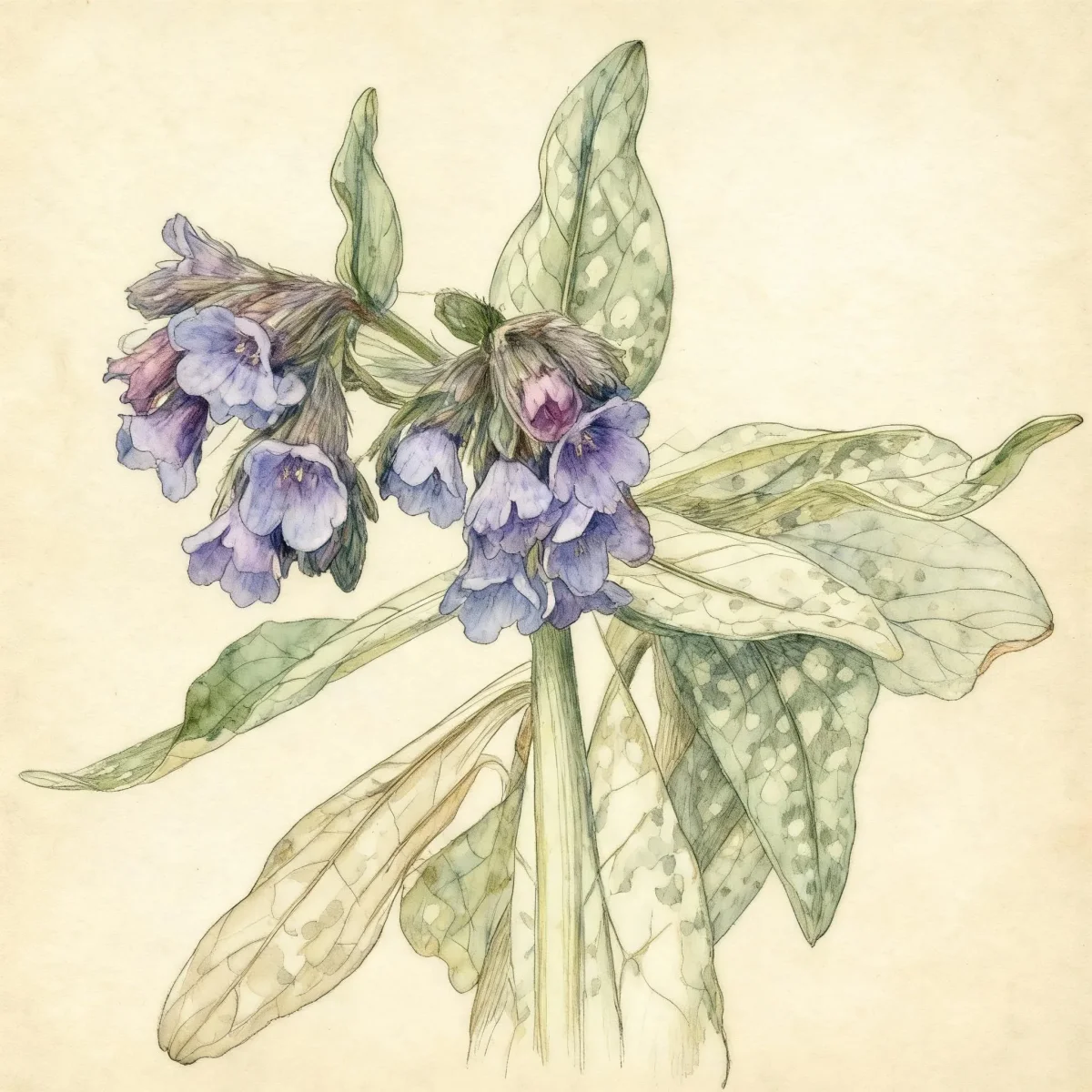
Common lungwort (Pulmonaria officinalis)
Pulmonaria officinalis (Common lungwort) is a low, spreading perennial known for spotted leaves and spring blooms aging from pink to blue.
Scroll down to discover growing tips, care requirements, companion plants, and more
Complete Plant Information
Overview
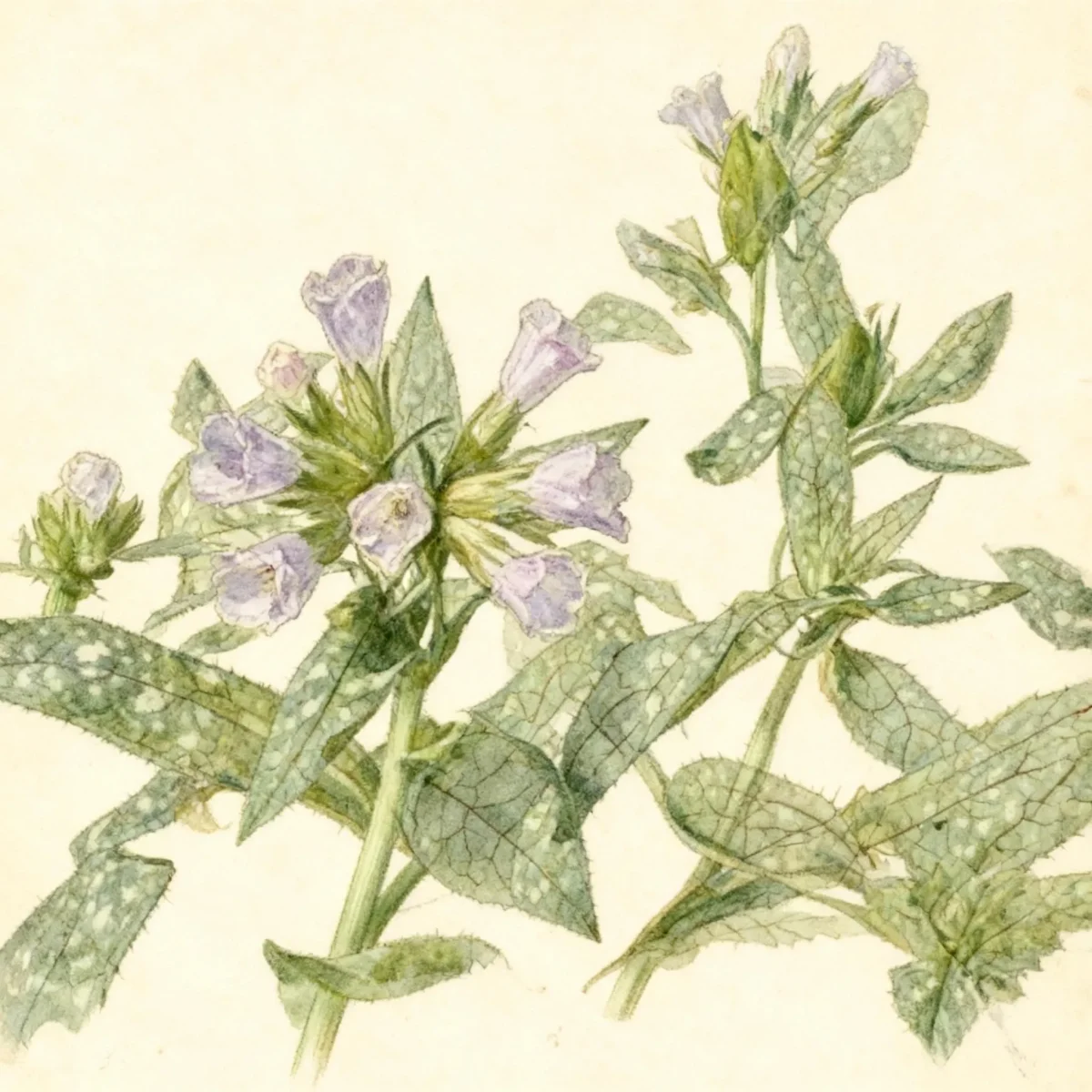
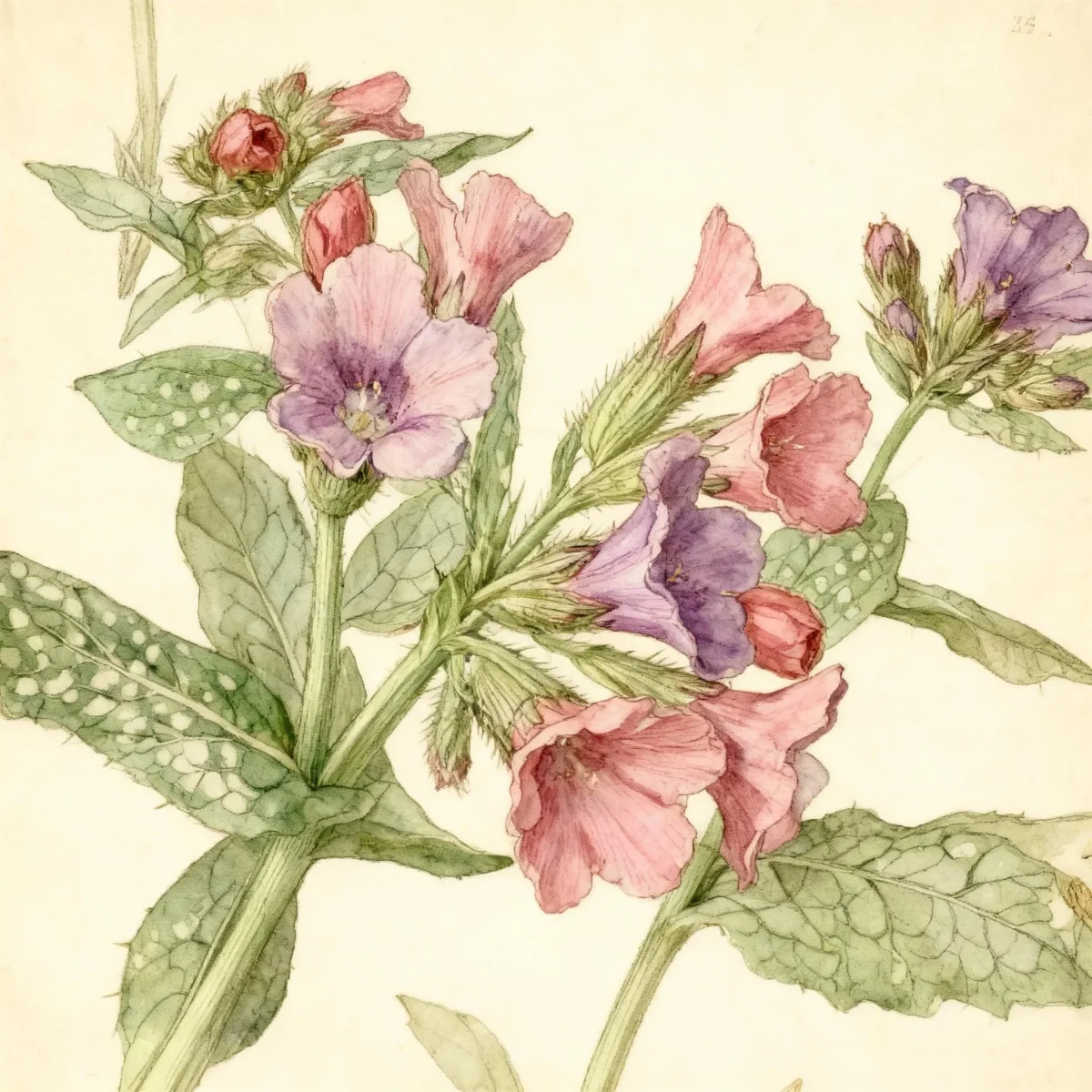
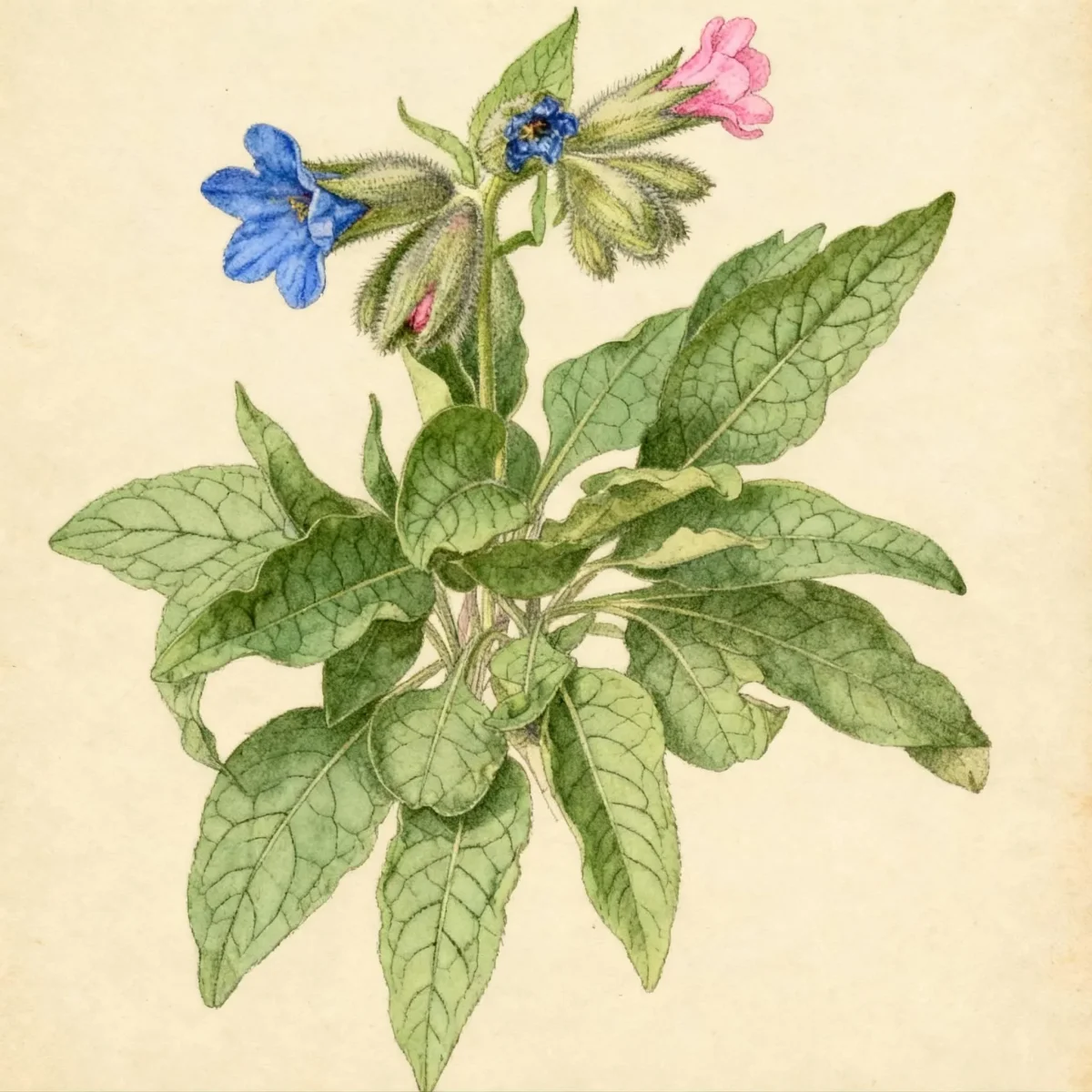
Pulmonaria officinalis, widely recognized as Common lungwort, is prized for its early spring color and intriguing foliage, which is often spotted or blotched with white. This herbaceous perennial adds texture and reliable ground coverage to shaded garden spaces where many other plants struggle. The flowers themselves offer a unique display, starting pink and gradually shifting through rose-violet hues to mature blue tones, often presenting multiple colors simultaneously on the same plant.
As a slowly spreading perennial, Pulmonaria officinalis provides excellent low-maintenance structure in woodland settings. It offers significant aesthetic value even after flowering, thanks to its persistent, often semi-evergreen leaves in milder climates. Gardeners appreciate the low maintenance demands of this species when its ideal cool, moist conditions are met.
This plant remains a garden staple, embodying the charm of classic shade perennials. Whether used as edging or massed for ground cover, Common lungwort consistently delivers visual interest in the dappled light of mature trees.
Fast Facts
- Plant Family: Boraginaceae
- Plant Type: Herbaceous perennial
- Native Range: Europe
- Hardiness Zones: USDA Zones 3-8
- Size at Maturity:
- Height: 0.5-1 ft
- Spread: 1-1.5 ft
- Bloom Time: April to May
- Bloom Description: Pink aging to rose-violet maturing to blue
- Sun Exposure: Part shade to full shade
- Water Needs: Medium
- Maintenance Level: Low
How to Grow
For successful cultivation, establish Pulmonaria officinalis in cool, humusy, organically rich soils that retain consistent moisture but drain perfectly. Planting should occur in locations receiving part shade, as full sun often causes leaf scorch or wilting, particularly if soils dry out. Soils must not be allowed to dry out, making regular watering crucial during dry spells.
Maintenance remains low for this perennial once established in suitable conditions. Avoid locations that are wet and poorly drained, as this can quickly lead to root rot. This species spreads very slowly via creeping roots and is not considered invasive, helping maintain neat garden edges.
Division is an easy method of propagation should plants become overcrowded; perform this task in the fall. In its warmer growing range, plants often retain some foliage through winter, offering semi-evergreen appeal. This plant thrives exceptionally well planted in the sun-dappled shade beneath large, established trees.
Landscape Uses
Common lungwort forms an effective, low-spreading ground cover, making it invaluable for blanketing woodland floors or shaded borders. It is best appreciated when grown in mass plantings or groups, creating wide swaths of spotted foliage and colorful blooms early in the season. Pulmonaria officinalis serves as an interesting and reliable substitute for the more common Hosta selections in deeply shaded areas.
Consider using patches of this perennial in rock gardens where moisture can be controlled, or along shady path edging where its low habit will not obstruct passage. Its architectural foliage provides excellent contrasting texture against ferns or larger shade shrubs.
Standout Features
Flower Qualities
- Showy
Noteworthy Characteristics
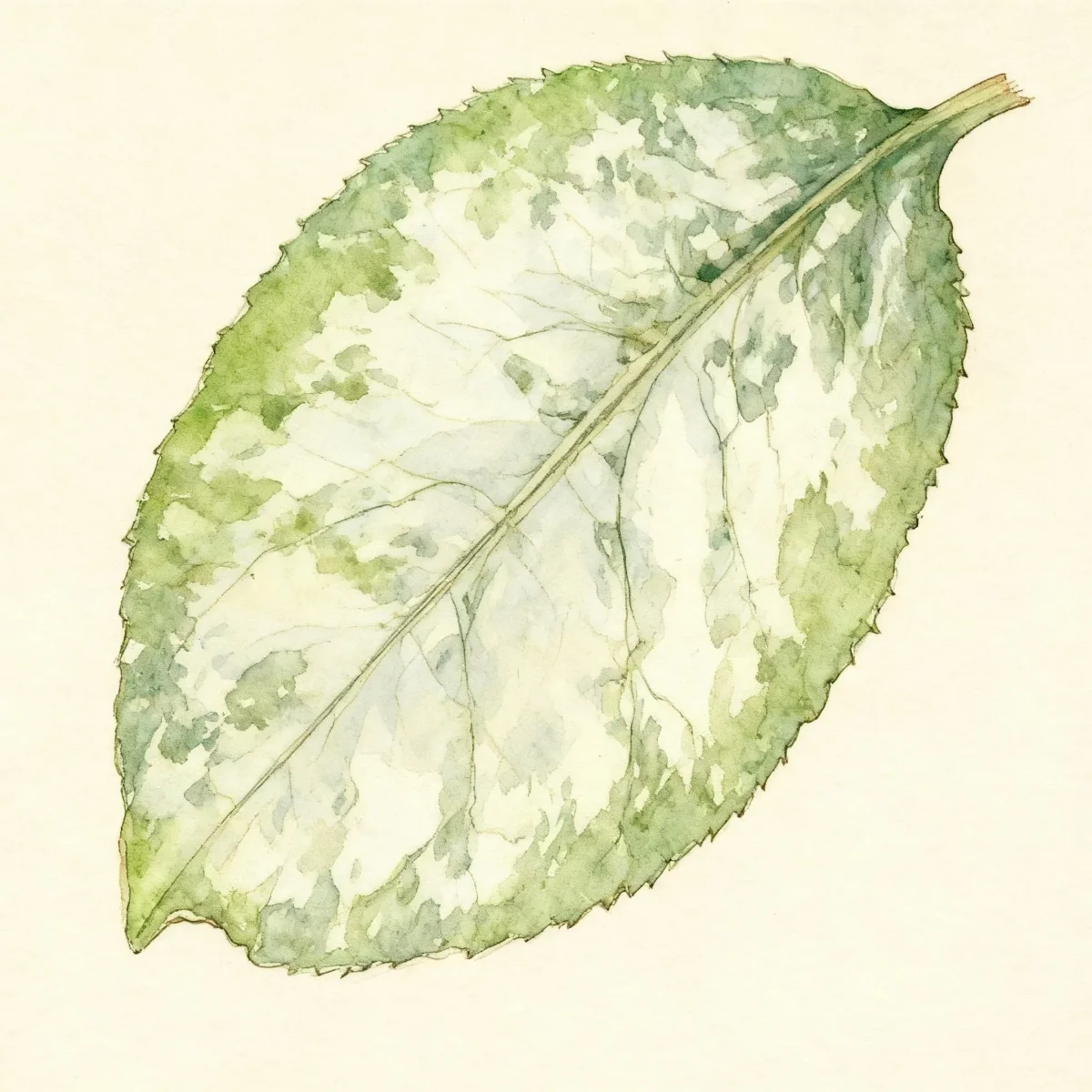
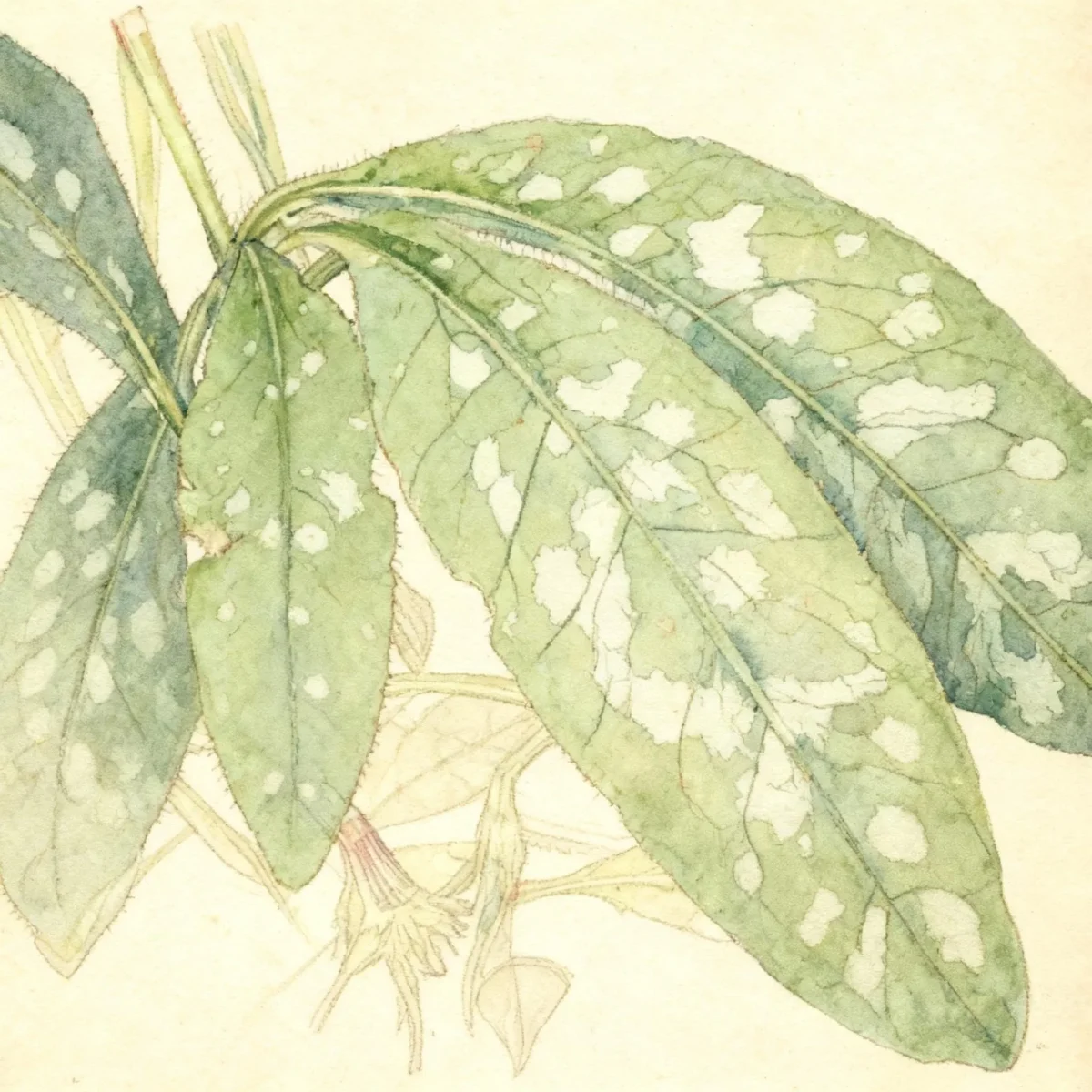
Pulmonaria officinalis, commonly known as Jerusalem-sage, Jerusalem cowslip or blue lungwort, is a bristly, clumping, slowly spreading, rhizomatous, herbaceous perennial of the borage family. It is a rough-hairy perennial that grows to 12” tall spreading to 18” wide. Petioled, ovate-cordate basal leaves (3-5” long) are spotted or blotched with white, providing continuous interest. The flowers exhibit a fascinating color transition, opening pink and aging to rose-violet before finally maturing to blue, meaning different colored flowers may appear on the plant concurrently.
Tolerances
- Deer
- Heavy Shade
- Black Walnut
Potential Problems
Fortunately, Common lungwort typically avoids serious insect or disease issues in standard garden settings. Watch occasionally for slugs and the development of powdery mildew, especially in humid conditions or where air circulation is poor. The most frequent issue arises from environmental stress: leaves depreciate significantly in extremely hot weather or under excessive sun exposure, particularly if soil moisture levels drop too low. Always ensure superb drainage, as root rot is a threat in persistently wet, poorly-drained soils.
Frequently Asked Questions
What hardiness zones is Common lungwort suitable for?
Pulmonaria officinalis thrives in USDA Zones 3 through 8.
How large does Common lungwort grow?
This perennial typically reaches a mature height between 0.5 and 1 foot tall, spreading to a width of 1 to 1.5 feet.
What sun exposure does Common lungwort need?
Pulmonaria officinalis prefers part shade to full shade for best performance; strong, direct sun should be avoided.
When does Common lungwort bloom?
The bloom time for Common lungwort is generally from April to May, featuring flowers that transition from pink aging to rose-violet maturing to blue.
Conclusion
The spotted foliage and sequentially changing spring flowers make Pulmonaria officinalis a versatile and beautiful addition to any shaded landscape plan. This low-maintenance Common lungwort excels where dependable ground cover is needed, provided its need for consistent moisture and cool spots is met. Before planting, confirm your USDA zone compatibility and prepare an organically rich, well-draining soil to ensure years of vibrant display.
Companion Planting
When selecting companions for Pulmonaria officinalis, focus on plants that share similar preferences for moist, rich soil and dappled sunlight. Hostas, while sometimes substituted by lungwort, also make excellent companions, offering contrasting leaf textures. Ferns, such as Japanese Painted Fern or Autumn Ferns, pair beautifully with the coarser texture of the lungwort leaves and thrive in the same understory environments. Astilbes are another strong choice, providing vertical, feathery flower plumes that contrast nicely with the low mounds of blue and pink flowers appearing in April and May.
Propagation Tips
The primary method for increasing your stock of Pulmonaria officinalis is through simple division. Wait until the plants have finished blooming, typically in the fall, to divide crowded clumps. Dig up the entire clump and gently separate the rhizomatous root structure into smaller sections, ensuring each division retains some roots and basal foliage. Replant these divisions immediately into prepared, humus-rich soil, keeping them well-watered until they establish new roots for the following spring. While seed is an option, divisions ensure you maintain the exact characteristics of the parent Common lungwort plant.