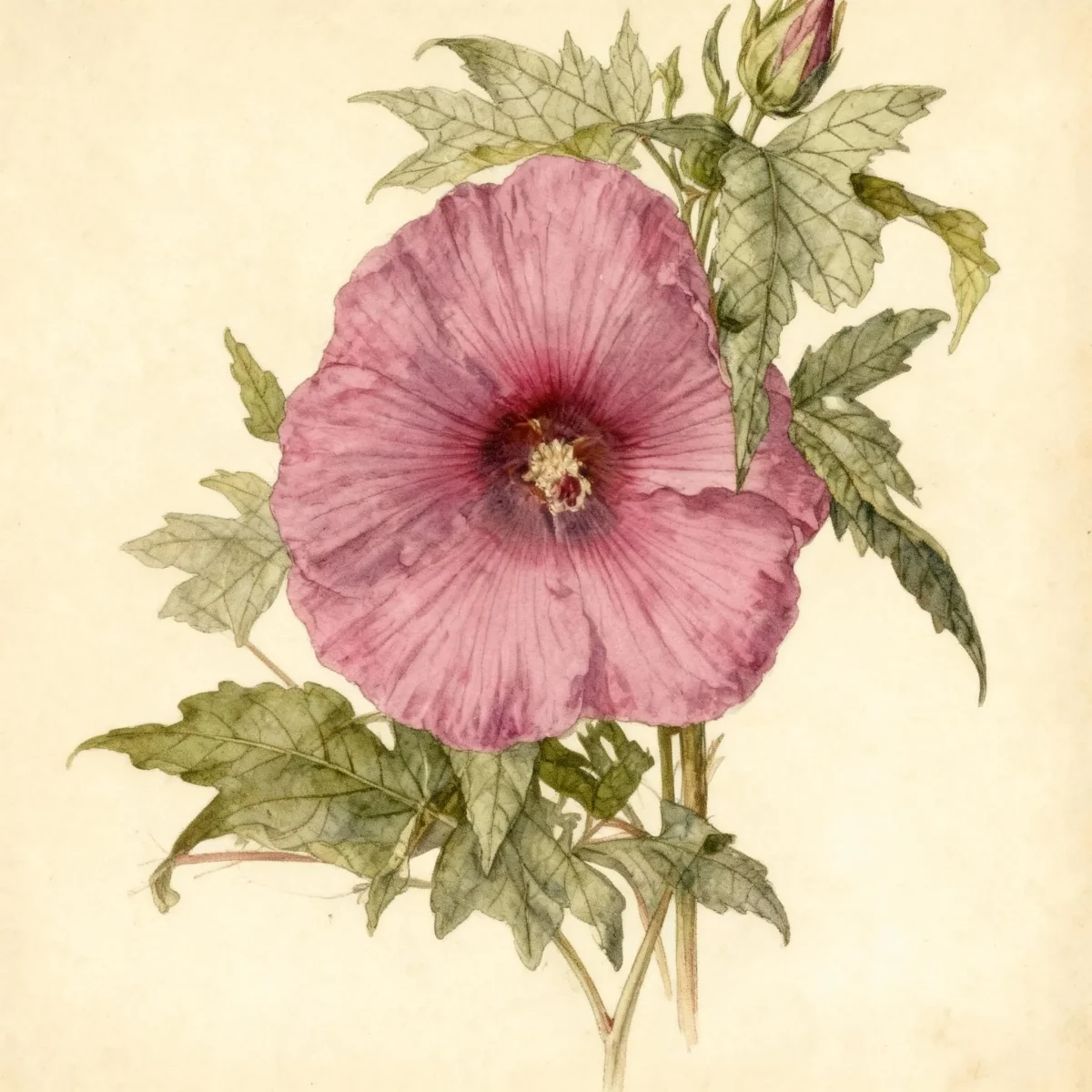
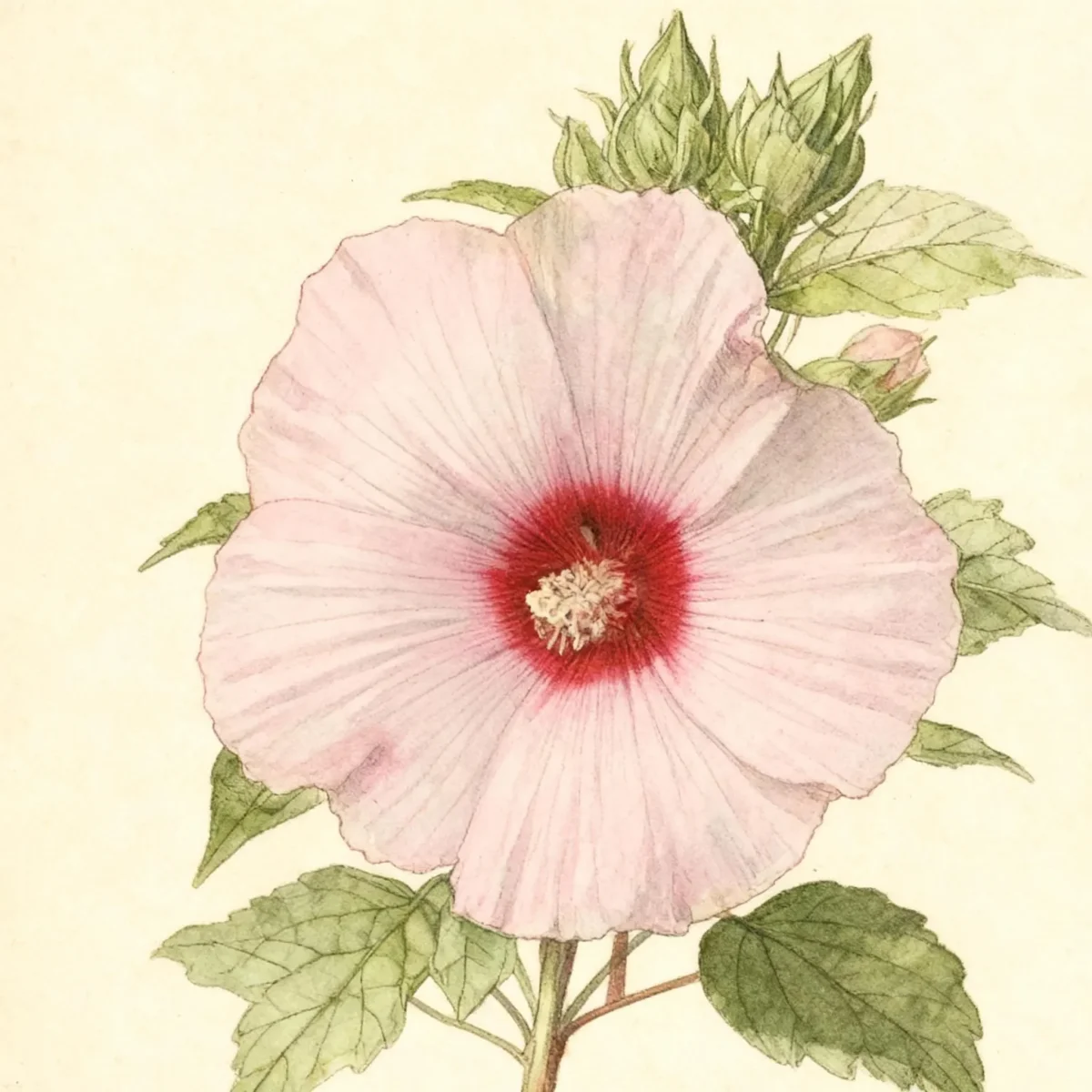
Hardy hibiscus (Hibiscus moscheutos 'Balhiblu' LUNA BLUSH)
Hibiscus moscheutos 'Balhiblu' LUNA BLUSH is a low-maintenance Hardy hibiscus offering massive white and pink-rimmed flowers from July to September.
Scroll down to discover growing tips, care requirements, companion plants, and more
Complete Plant Information
Overview
The Hibiscus moscheutos ‘Balhiblu’ LUNA BLUSH is a magnificent, low-maintenance herbaceous perennial renowned for its spectacular summer performance. This cultivar of Hardy hibiscus produces dinner-plate-sized flowers that stand out even from a distance, making it a stunning focal point in the summer garden. It thrives in conditions that many other perennials struggle in, particularly moist to wet soils.
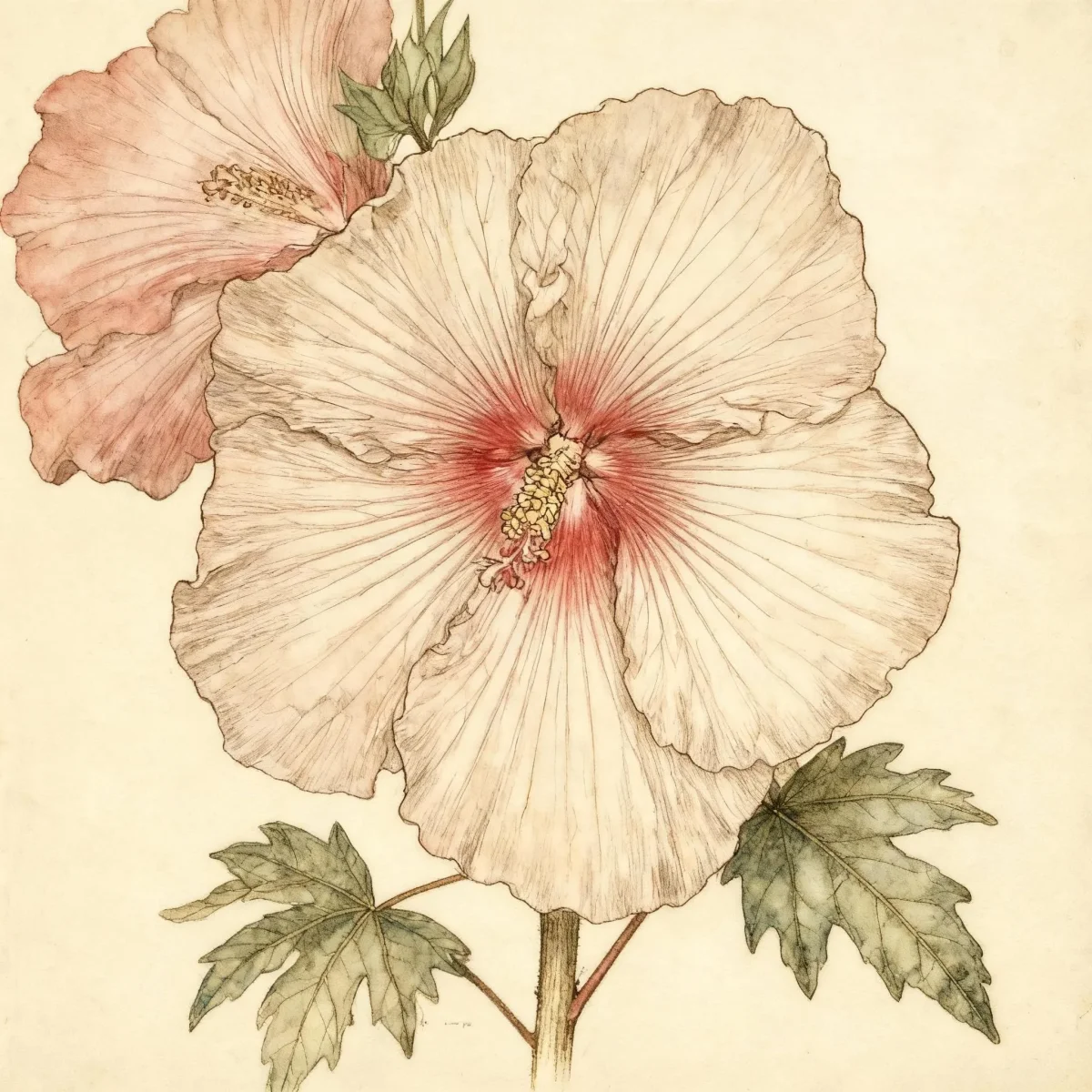
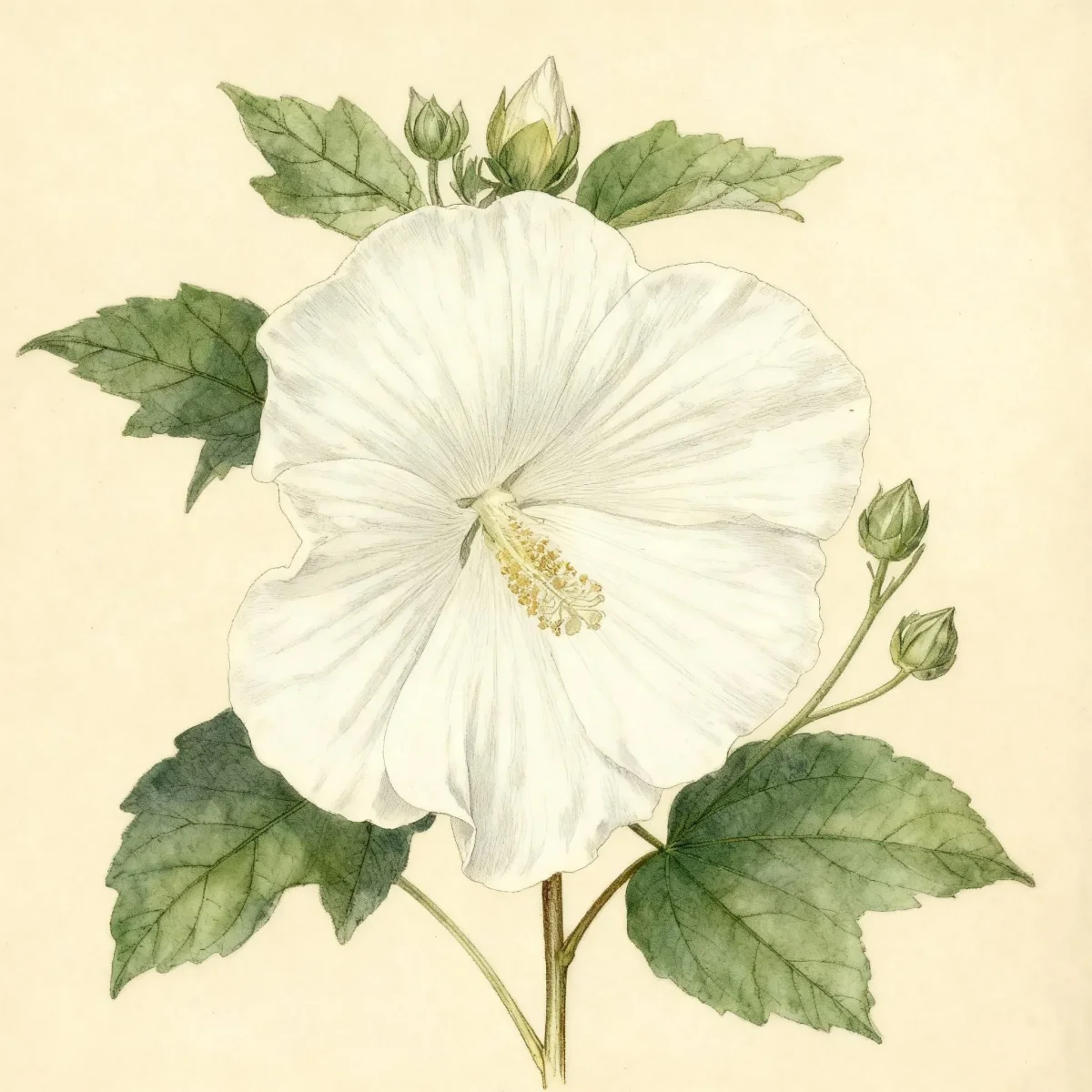
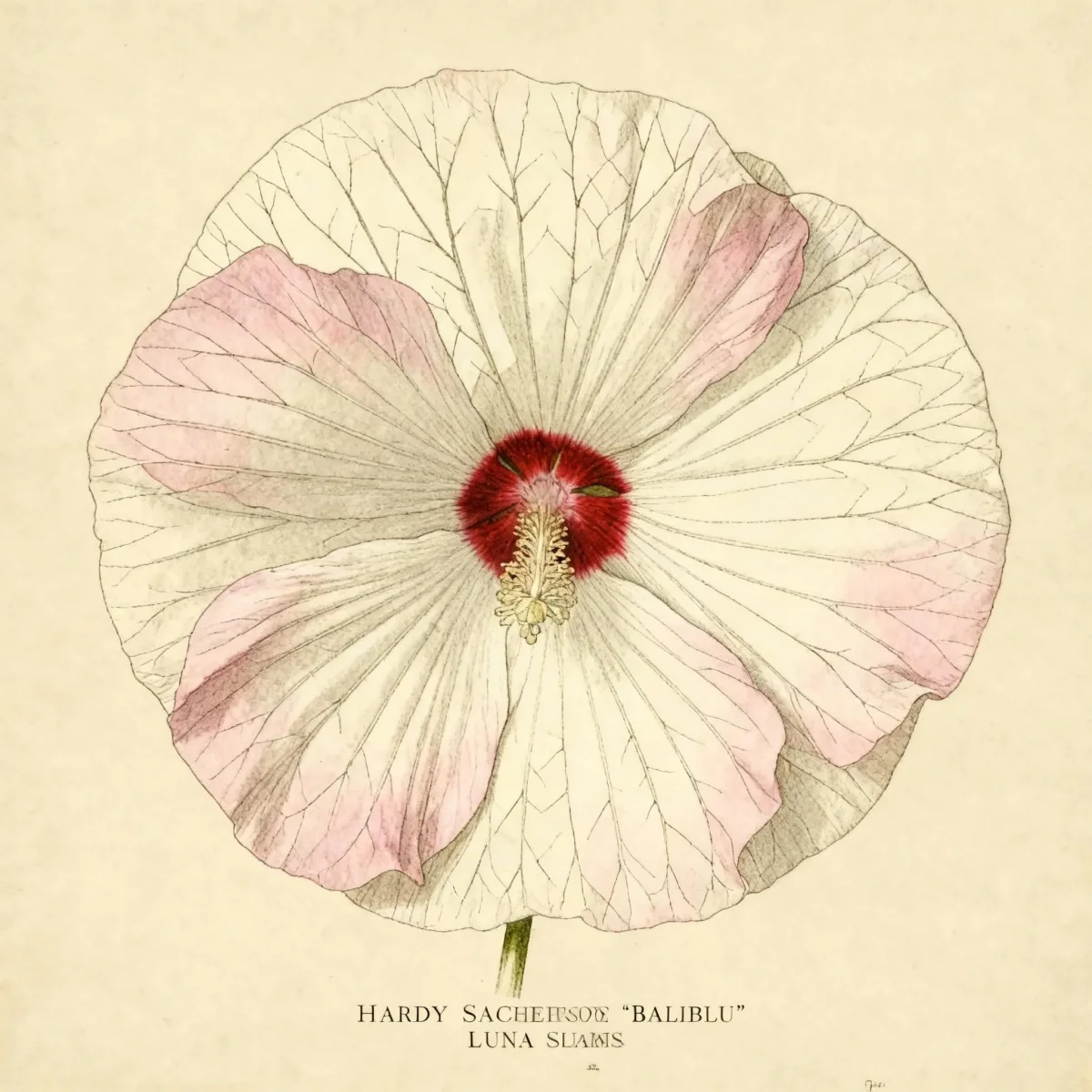
This compact Hibiscus moscheutos ‘Balhiblu’ LUNA BLUSH cultivar typically reaches 2 to 3 feet tall, fitting well into structure plantings where its large blooms provide high visual impact. Its vigor and stunning presentation of white petals tipped with a pink blush and a deep red eye make it a favorite among gardeners looking for drama without demanding constant attention.
As a Hardy hibiscus, it offers reliability, dying back completely in winter and returning reliably in late spring. Its tolerance for heat, humidity, and wet feet ensures excellent performance throughout the long bloom season from July into September.
Fast Facts
- Plant Family: Malvaceae
- Plant Type: Herbaceous perennial
- Hardiness Zones: USDA Zones 5-9
- Size at Maturity:
- Height: 2-3 ft
- Spread: 1.5-2 ft
- Bloom Time: July to September
- Bloom Description: White with pink rim and deep red eye
- Sun Exposure: Full sun
- Water Needs: Medium to wet
- Maintenance Level: Low
How to Grow
Planting established Hardy hibiscus specimens is ideally done in spring after the last frost danger has passed. Choose a location that receives full sun for the best flower production and strongest stems, although it will tolerate light shade. The Hibiscus moscheutos ‘Balhiblu’ LUNA BLUSH is best situated in moist, organically rich soils, though it adapts surprisingly well to average garden soils, provided they do not fully desiccate during dry spells.
Regular deep watering is crucial, especially during peak summer heat, to prevent leaf scorch often seen when these thirsty giants dry out. While they tolerate humidity well, ensuring good air circulation by siting them away from constant wind helps mitigate potential disease issues. Fertilization during the growing season will support this heavy bloomer.
Pruning is a key maintenance item for this perennial. While some reports suggest ‘Luna Blush’ branches well naturally, pinching back the growing tips when the stems reach 8 inches and again at 12 inches encourages a bushier habit. Remember that new growth emerges very slowly in spring; do not panic if the stems appear dead, as growth proceeds rapidly once they break ground. Cut back all spent stems to about 3 to 4 inches above the ground in late autumn.
Landscape Uses
The inherent love for moisture makes this specific Hardy hibiscus an excellent choice for specialized locations. Utilize Hibiscus moscheutos ‘Balhiblu’ LUNA BLUSH in rain gardens where runoff tends to collect, fulfilling its suggested use perfectly. It is also highly effective lining streams, ponds, or low spots in the landscape where standing water is common after heavy rains.
Beyond wet areas, these plants perform brilliantly as large specimen plantings due to their dramatic flowers held atop sturdy stems. If you require temporary vertical interest, a border of these can create an effective, though temporary, summer screen or hedge. They adapt well to being grown in large, substantial containers, provided the soil moisture is consistently maintained.
Standout Features
Flower Qualities
- Showy
Noteworthy Characteristics
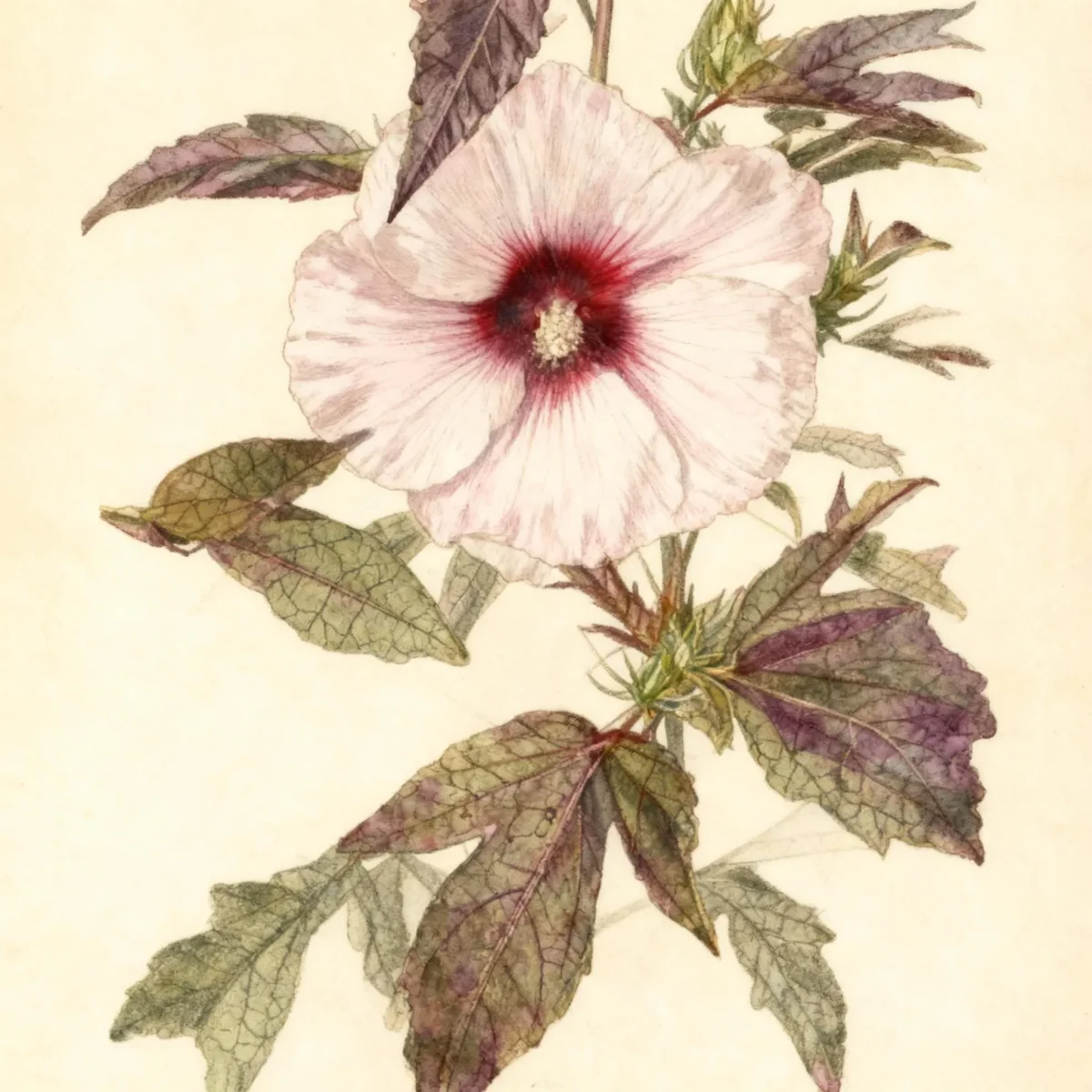
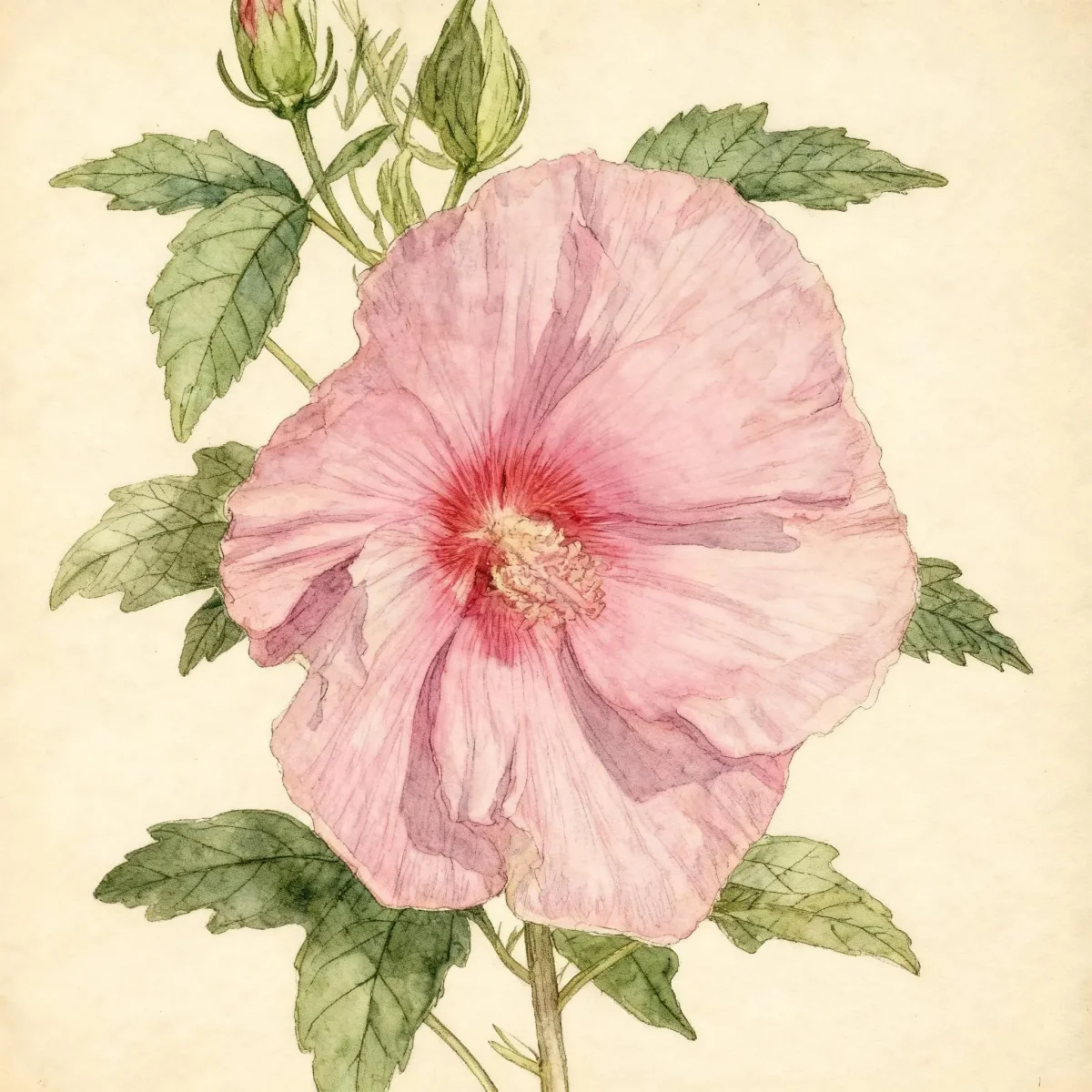
Hibiscus moscheutos, commonly known as hardy hibiscus or swamp rose mallow, is a vigorous, sturdy, rounded, somewhat shrubby, hairy-stemmed, woody-based perennial of the mallow family. The blooms are among the largest produced by any winter-hardy perennial, featuring five overlapping petals that are white with a blush pink rim and a dark red eye on the compact cultivar, Hibiscus moscheutos ‘Balhiblu’ LUNA BLUSH. Individual flowers last only a day or two, but new flowers open daily throughout the long July to September season, attracting butterflies and pollinators.
Tolerances
- Deer
- Wet Soil
Potential Problems
Hardy hibiscus generally offers low maintenance, but environmental stresses can lead to issues. Susceptibility exists for common fungal diseases like leaf spots, blights, and rusts, often exacerbated by poor air circulation or overly wet conditions without proper drainage management. Insect pests, notably Japanese beetles, can rapidly defoliate foliage if left unchecked, requiring manual removal or targeted treatments. Consistent watering is essential; allowing the soil to dry completely will result in leaf scorch.
Frequently Asked Questions
What hardiness zones is Hardy hibiscus suitable for?
The Hibiscus moscheutos ‘Balhiblu’ LUNA BLUSH is hardy and reliably perennial in USDA Zones 5 through 9.
How large does Hardy hibiscus grow?
This specific cultivar typically matures to a height between 2 and 3 feet, with a spread ranging from 1.5 to 2 feet wide.
What sun exposure does Hibiscus moscheutos ‘Balhiblu’ LUNA BLUSH need?
This plant requires full sun exposure to produce the strongest stems and the most prolific bloom set spanning July to September.
When does Hibiscus moscheutos ‘Balhiblu’ LUNA BLUSH bloom?
It blooms heavily from July through September, displaying its characteristic large flowers that are white with a pink rim and a deep red eye.
Conclusion
The Hibiscus moscheutos ‘Balhiblu’ LUNA BLUSH provides unmatched summer drama through its gigantic, colorful blooms and relatively low care requirements. As a dependable Hardy hibiscus, it thrives in moist settings, making it a perfect choice for rain gardens or waterside plantings. Ensure you verify that your site receives adequate moisture and full sunlight before planting this spectacular perennial.
Companion Planting
To complement the moisture needs and stature of the Hibiscus moscheutos ‘Balhiblu’ LUNA BLUSH, look toward other riparian or wet-tolerant perennials. Plants like cardinal flower (Lobelia cardinalis), switchgrass (Panicum virgatum), or Siberian iris (Iris sibirica) share similar cultural preferences for sun and moisture. Grouping them creates a lush, vibrant waterside feature that handles summer downpours gracefully.
Siting these companions near the Hardy hibiscus also helps mask any bare stems toward the base of the hibiscus as the season progresses. Ensure that companion plants do not aggressively crowd the base, as good air movement around the mature Hibiscus moscheutos ‘Balhiblu’ LUNA BLUSH helps minimize humidity-related fungal issues.
Wildlife Benefits
The massive, open structure of the blooms on this variety of Hardy hibiscus makes them highly accessible to large pollinators. While the flower lifespan is short, the continuous succession of blooms from July to September provides a reliable nectar source throughout the high summer months for butterflies and large native bees.
Focusing on native or well-adapted cultivars like this one ensures you are supporting local ecosystems effectively. The showy nature of the flowers, featuring a prominent central staminal column, acts as a visual beacon for beneficial insects searching for sustenance in the garden.