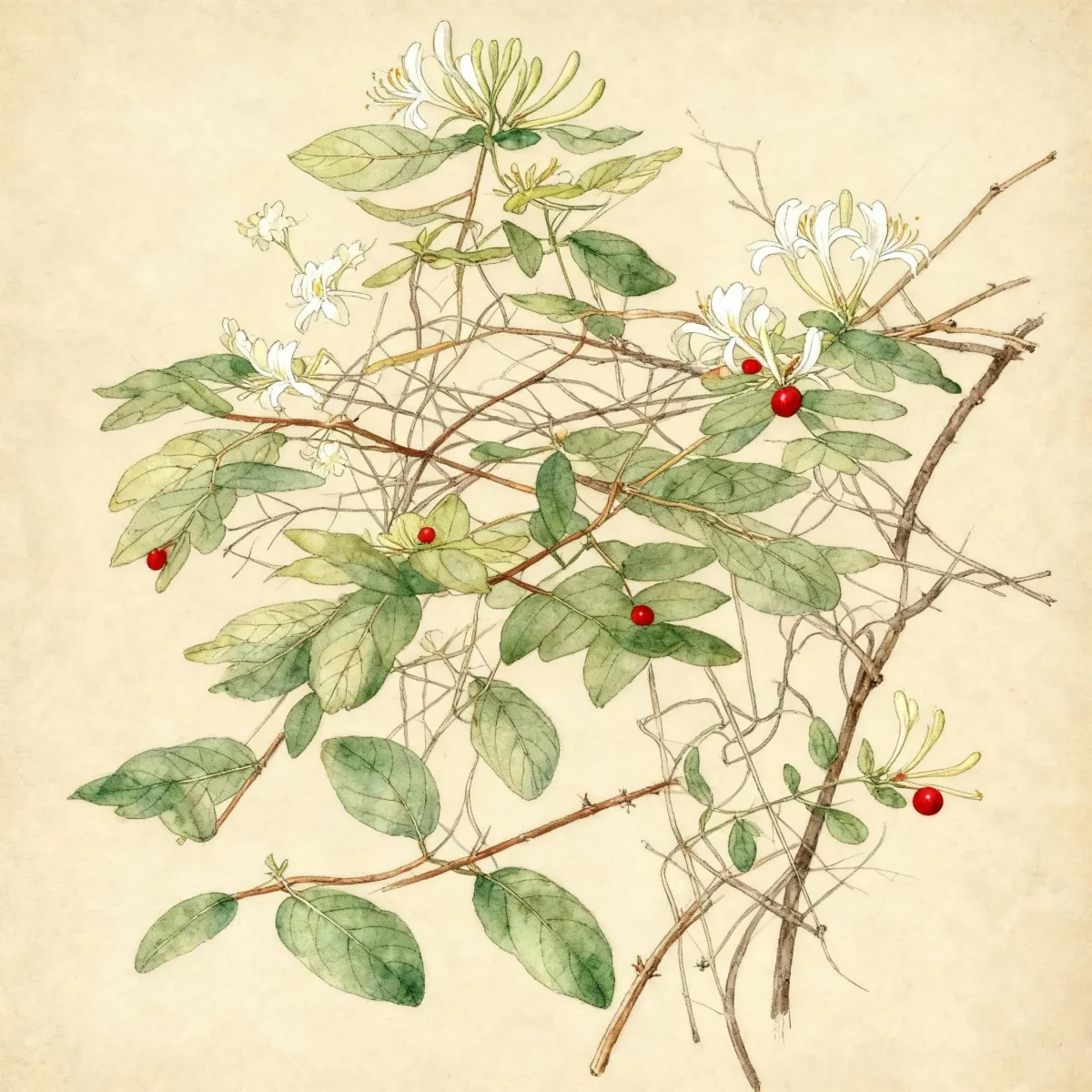
Honeyberry (Lonicera caerulea 'Blue Moon')
Discover Lonicera caerulea 'Blue Moon', the Honeyberry shrub, yielding edible, blueberry-like fruits. Ideal for cold climates (Zones 2-7) with low maintenance.
Scroll down to discover growing tips, care requirements, companion plants, and more
Complete Plant Information
Overview
Lonicera caerulea ‘Blue Moon’, widely known as Honeyberry, offers gardeners a unique and rewarding edible fruit source unlike traditional honeysuckles. This compact, deciduous shrub produces highly desirable, blueberry-like fruits that ripen early in the season, providing one of the first harvests available. Its robust nature, thriving in cold northern climates, makes the Lonicera caerulea ‘Blue Moon’ an excellent choice for extending the fruit garden bounty.
This shrub is known for being exceptionally hardy and surprisingly adaptable, fitting well into landscapes needing low upkeep. While generally tolerant of various conditions, it performs best when provided the rich, moist soils it naturally prefers in its boreal native range. Gardeners appreciate Lonicera caerulea ‘Blue Moon’ not only for its yield but also for its clean green foliage, making it versatile for both production and ornamental borders.
A crucial point for successful cultivation of Honeyberry is understanding its pollination needs. Shrubs are unisexual, meaning you must plant compatible partners within proximity to ensure abundant fruit set. Successful cultivation results in sweet, oblong, dark blue fruits ready for harvesting in late spring to early summer.
Fast Facts
- Plant Family: Caprifoliaceae
- Plant Type: Fruit
- Hardiness Zones: USDA Zones 2-7
- Size at Maturity:
- Height: 2-3 ft
- Spread: 2-3 ft
- Bloom Time: April to June
- Bloom Description: White
- Sun Exposure: Full sun to part shade
- Water Needs: Medium
- Maintenance Level: Low
How to Grow
For optimal establishment, plant your Honeyberry shrubs in early spring or fall when soils are cool. The ideal location offers full sun, although afternoon shade is beneficial in the hotter southern reaches of USDA Zone 7. Soil preparation is key; ensure the site has organically-rich soil that is consistently moist but drains well to prevent root issues. Apply shredded bark mulch liberally to help moderate soil temperature and conserve essential moisture.
Consistent moisture management is non-negotiable, especially during the first few years while the root systems develop. While established shrubs develop some drought tolerance, consistent water supply leads to better fruit production. Remember that Lonicera caerulea ‘Blue Moon’ cultivars require cross-pollination; ensure you have a compatible variety planted nearby to guarantee fruit set, as they are not self-fertile.
Pruning for Lonicera caerulea ‘Blue Moon’ should generally be done immediately following the fruit harvest. Since these shrubs are non-suckering, maintenance focuses on managing size and removing old, unproductive wood to encourage vigorous new fruit spurs. Avoid heavy pruning outside this window to prevent accidentally removing next year’s potential bloom.
Landscape Uses
Honeyberry excels in multiple landscape roles due to its manageable size and dense structure. The defined height of 2 to 3 feet makes Lonicera caerulea ‘Blue Moon’ an excellent candidate for low hedges lining walkways or defining the edge of a property. They provide functional screening without becoming overly sprawling.
Beyond hedging, these shrubs are perfectly suited for integration directly into the edible landscape. Place them alongside traditional berry favorites in the fruit garden for an extended harvest season. Because the small, white flowers bloom early, they also help draw in early-season pollinators before many other landscape plants have woken up.
When placing your Honeyberry shrubs, consider pairing them with plants that appreciate similar soil textures and moisture levels, such as spring bulbs or early-blooming perennials, ensuring aesthetic harmony as well as complementary growing needs.
Standout Features
Flower Qualities
- Showy
Fruit Qualities
- Showy
- Edible
Noteworthy Characteristics
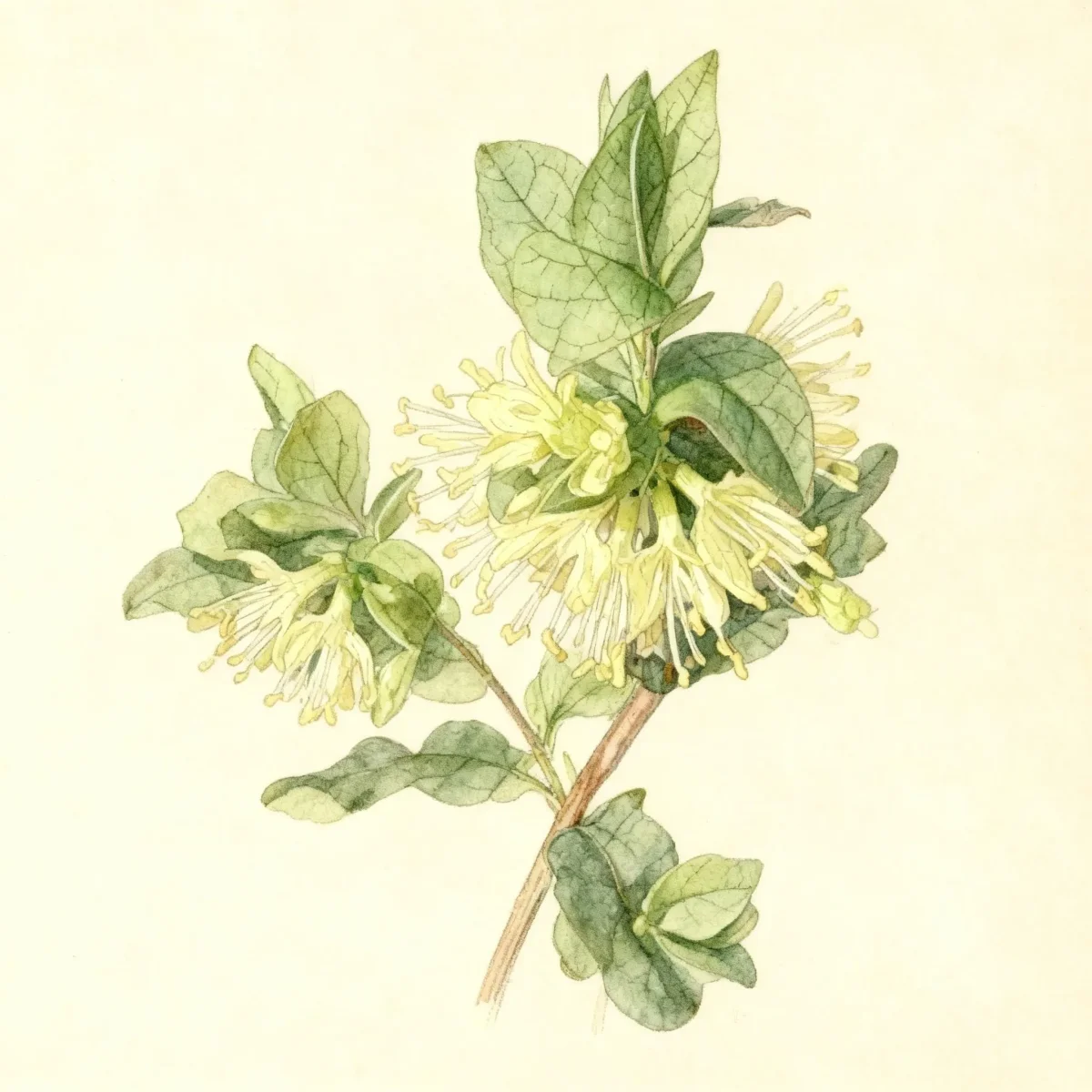
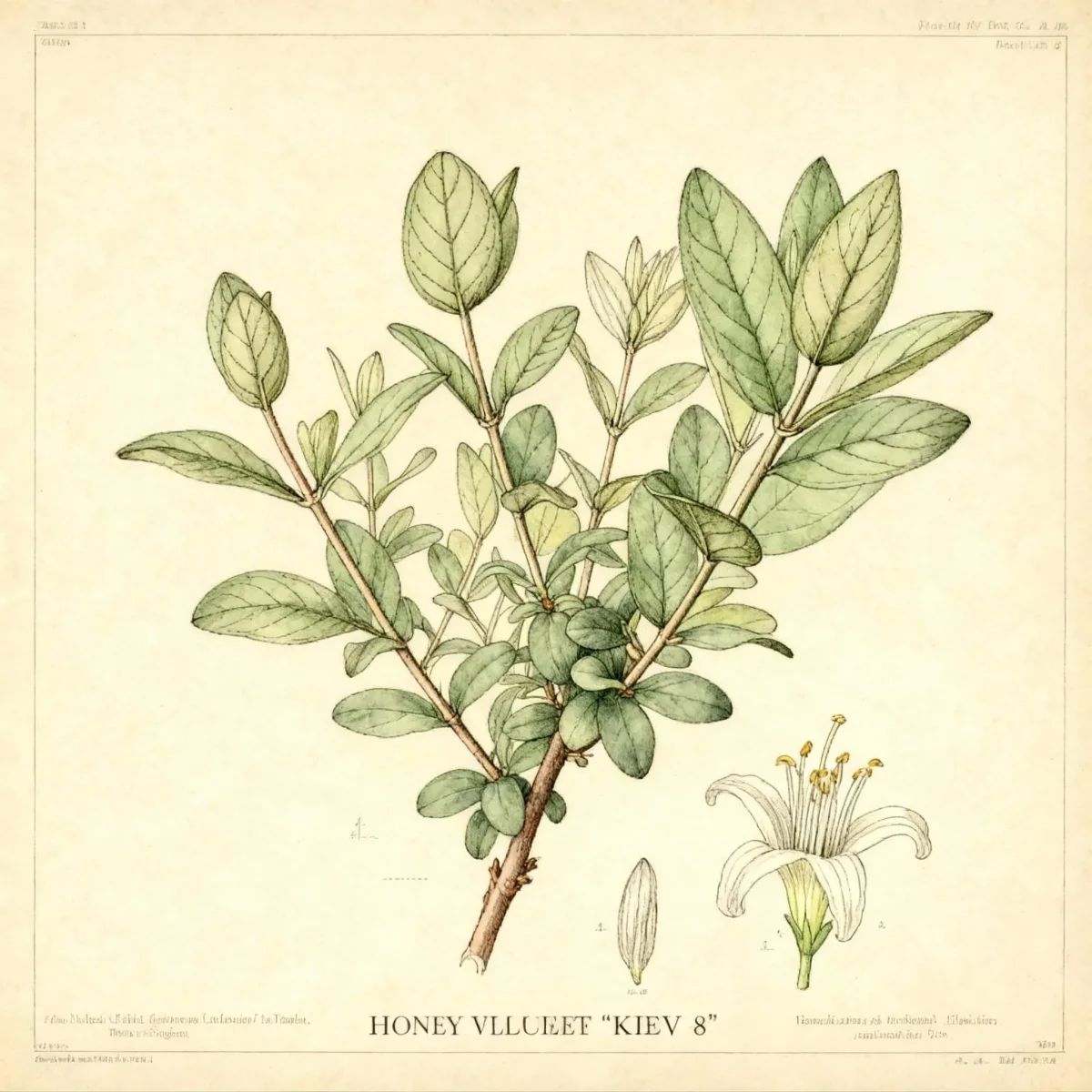
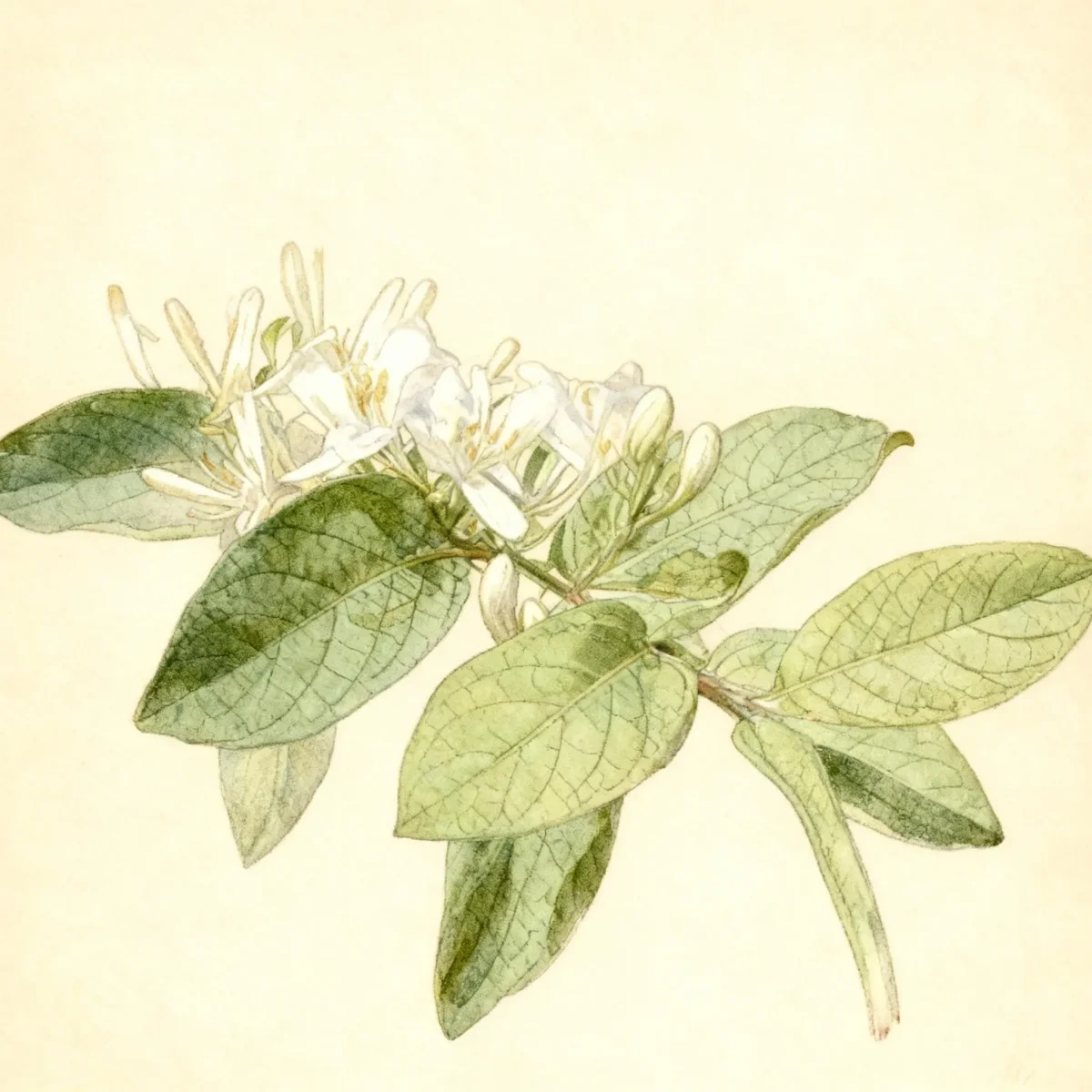
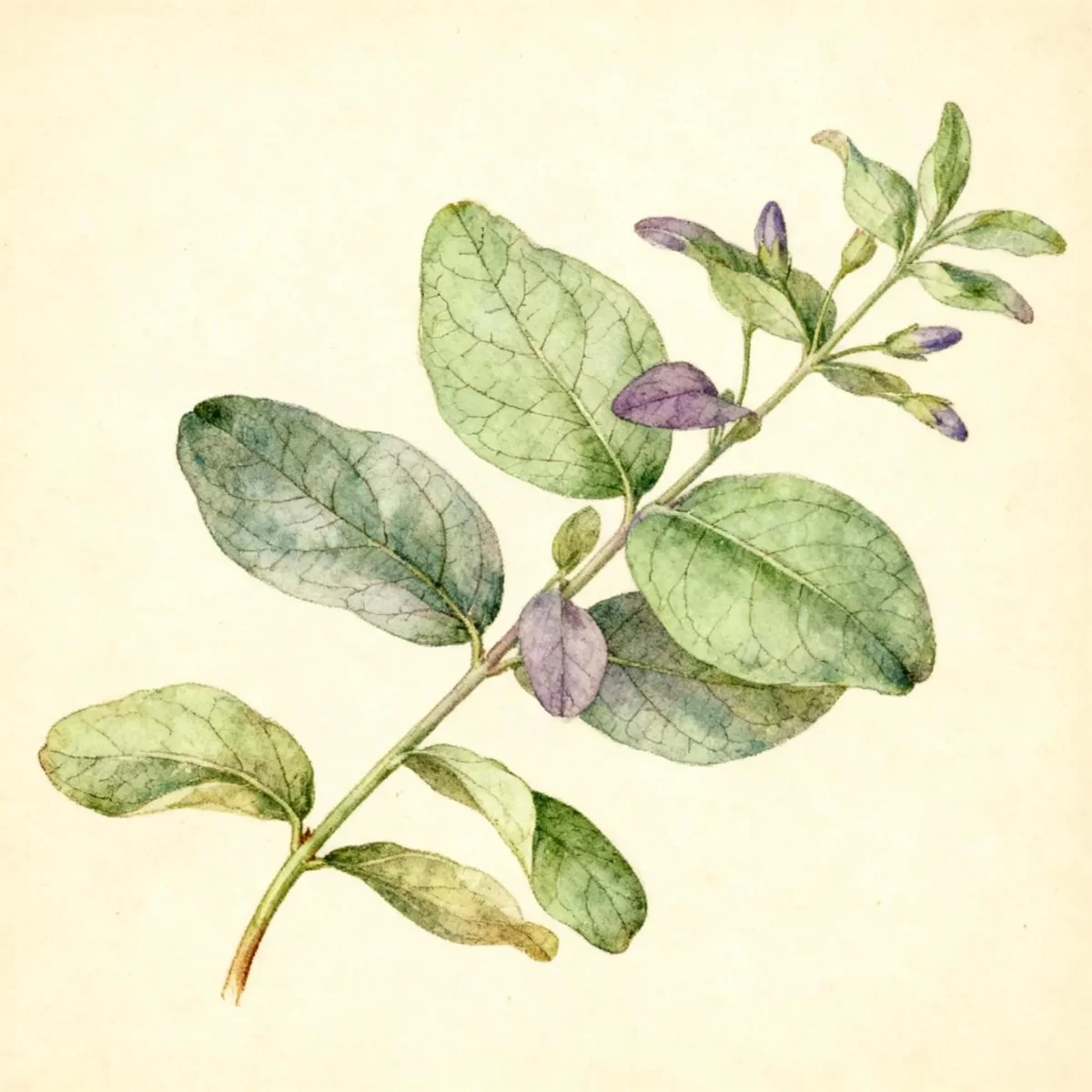
Lonicera caerulea, commonly known by names including blue honeysuckle and haskap, is distinct from many relatives because it produces an edible, tasty, blueberry-like fruit. ‘Blue Moon’ is specifically noted as a compact cultivar, typically staying between 2-3 feet tall, featuring glaucous green foliage. This shrub produces small, slightly fragrant white flowers in early spring, succeeded by dark blue, cylindrical fruits ripening in May or June.
Tolerances
- Deer
- Black Walnut
Potential Problems
Lonicera caerulea ‘Blue Moon’ is recognized for having very few serious pest or disease issues, which contributes to its low-maintenance profile. The primary potential issue noted is the occasional development of powdery mildew, particularly in areas with poor air circulation or high humidity. To prevent mildew, ensure adequate spacing between plants and prune only after harvest to maintain good airflow through the canopy. Deer generally tend to avoid browsing this shrub.
Frequently Asked Questions
What hardiness zones is Honeyberry suitable for?
Lonicera caerulea ‘Blue Moon’ is highly winter-hardy, thriving in USDA Zones 2 through 7. Gardeners planting south of Zone 7 may experience insufficient winter chilling hours required for good fruit production.
How large does Lonicera caerulea ‘Blue Moon’ grow?
This variety is a compact shrub, typically reaching mature heights between 2 and 3 feet tall, with an equal spread of 2 to 3 feet wide.
What sun exposure does Honeyberry need?
Honeyberry requires full sun to partial shade. While northern growers can place it in full sun, southern gardeners should prioritize afternoon shade to prevent stress in hotter climates.
When does Honeyberry bloom?
The shrub blooms between April and June, producing small white flowers that precede the edible, dark blue fruits.
Conclusion
The Lonicera caerulea ‘Blue Moon’ provides exceptional value by offering an early-ripening, tasty fruit crop coupled with low maintenance demands and excellent cold hardiness. Incorporating this unique Honeyberry into your landscape allows you to diversify your edible gardening portfolio successfully. Always double-check your local chilling hour requirements and plan to plant at least one compatible pollinator partner for an abundant seasonal yield.
Companion Planting
Choosing companions for Honeyberry should prioritize plants that share the need for medium moisture and do not compete heavily for nutrients in rich soil. Consider low-growing native woodland perennials like certain types of wild ginger (Asarum) or shade-tolerant groundcovers if you are providing afternoon shade in warmer zones. These companions will help cover the soil, further retaining moisture, which benefits the developing Honeyberry root system throughout the growing season.
For edibles bordering the area, planting early spring annual vegetables that prefer cooler soil, such as spinach or peas, can utilize the space productively before the summer heat fully sets in, as the Honeyberry harvest will be mostly complete by then. Avoid planting heavy feeders directly adjacent to young Lonicera caerulea ‘Blue Moon’ unless you significantly amend the soil, ensuring your shrub gets the consistent nutrients it needs without competition.
Design Ideas
Incorporating Lonicera caerulea ‘Blue Moon’ into formal hedge rows is highly effective given its uniform, compact growth habit of 2-3 feet. This size is perfect for defining formal garden rooms or providing low foundational structure along pathways where taller shrubs might obstruct views. Its deep green foliage provides a solid, dense backdrop throughout the season.
If you are designing a dedicated edible space, group the Honeyberry shrubs together in clusters of three or more to maximize cross-pollination efficiency and create a visual mass of texture and color when the blue fruit ripens. This density also aids in weed suppression directly beneath the canopy when combined with recommended mulching practices.
For contemporary Xeriscape or low-water gardens (once established), the Honeyberry can serve as a structural evergreen alternative in cooler zones, offering visual interest even outside the fruit production period. Ensure that any drought-tolerant companions you select can still handle the “medium” water needs during the critical establishment phase of the Lonicera caerulea ‘Blue Moon’.