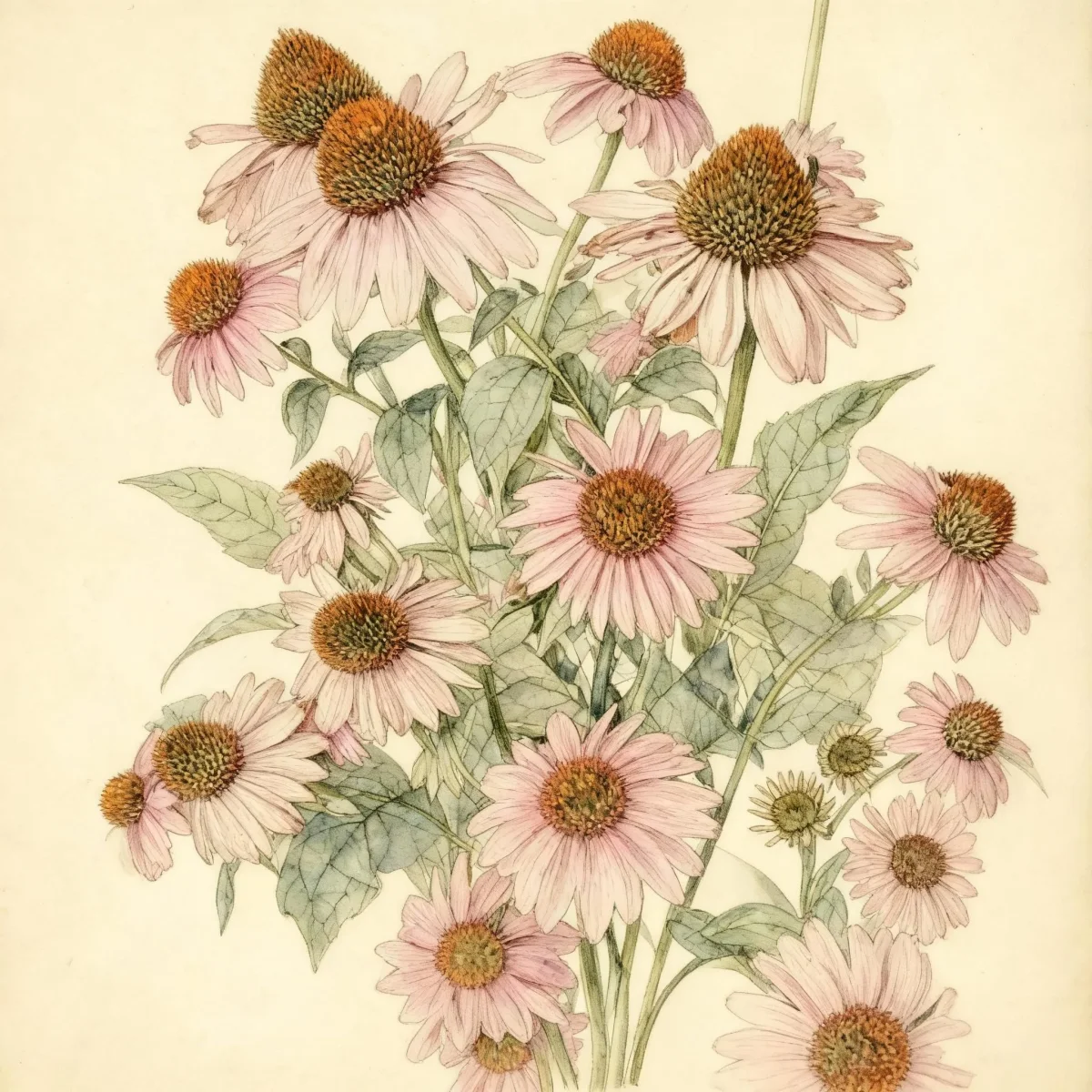
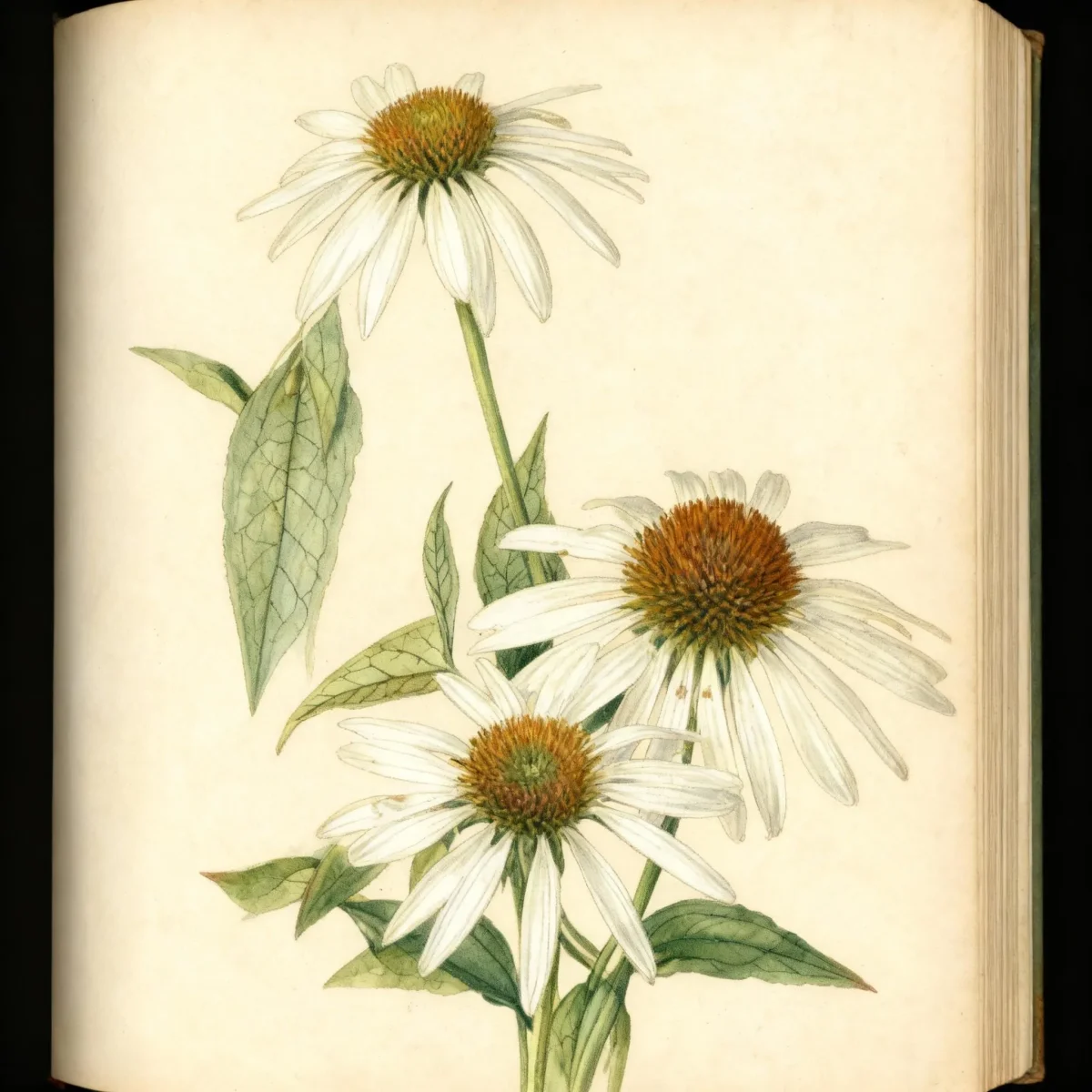
Eastern coneflower (Echinacea 'Snow Cone')
Echinacea 'Snow Cone' (Eastern coneflower) offers showy white blooms with chartreuse cones, ideal for low-maintenance, drought-tolerant spring gardens.
Scroll down to discover growing tips, care requirements, companion plants, and more
Complete Plant Information
Overview
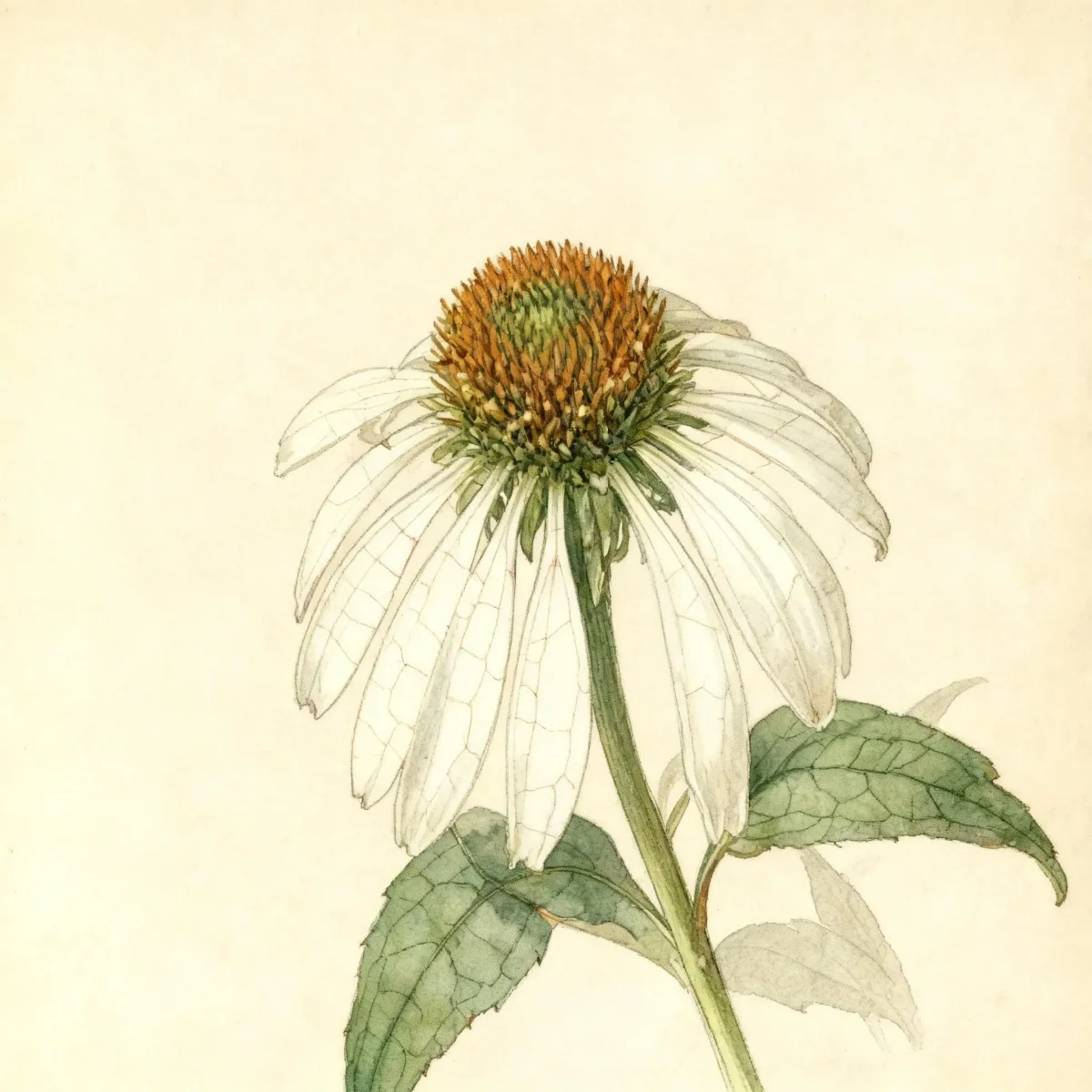
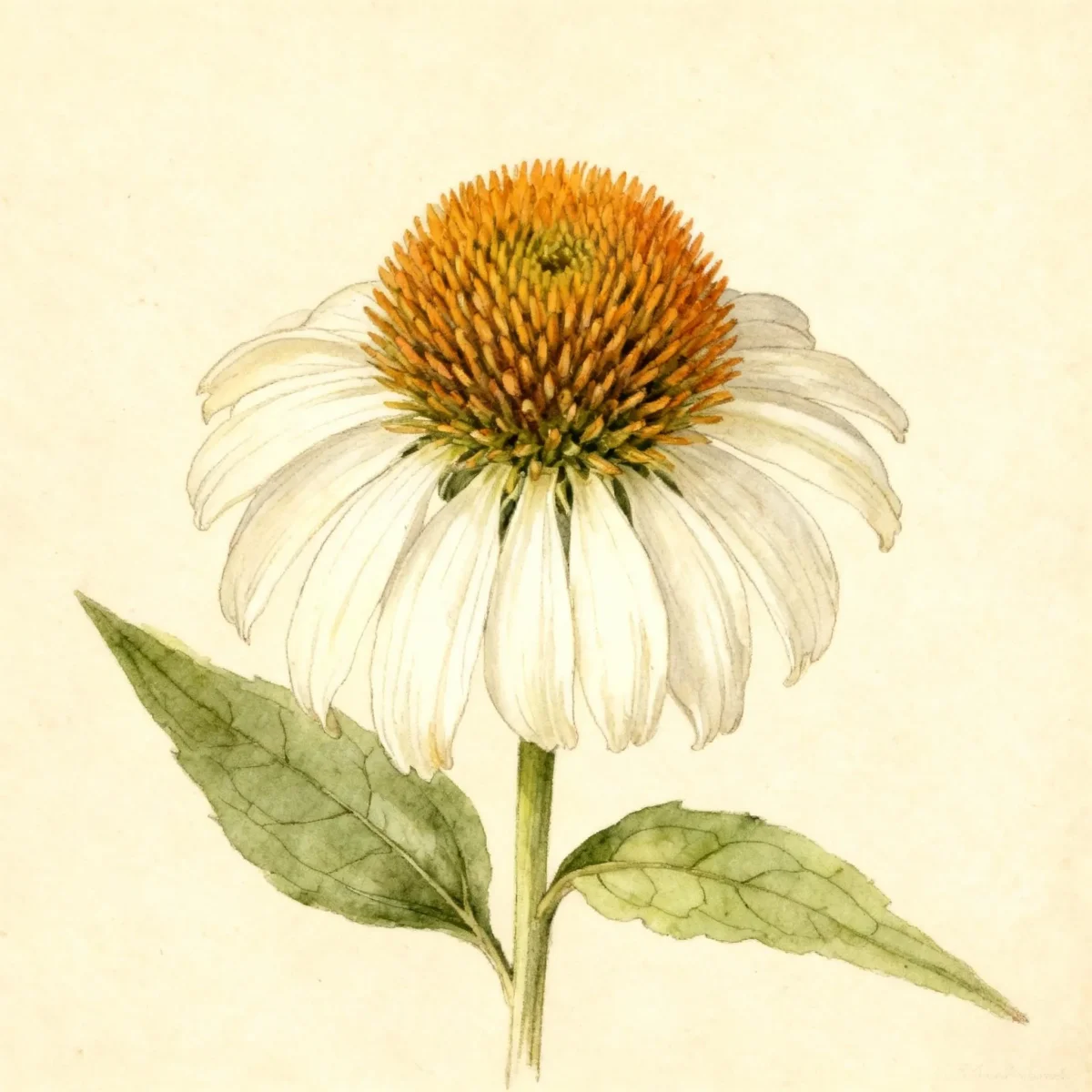
Echinacea ‘Snow Cone’, commonly known as Eastern coneflower, is prized by gardeners for its reliable summer performance and striking white flowers contrasted by a distinctive chartreuse cone. This hybrid variety is celebrated for bringing bright, showy color to perennial borders while requiring minimal intervention once established. As an adaptable plant, it thrives across a wide range of conditions, making it a staple for sustainable landscaping.
This herbaceous perennial offers significant aesthetic value from early summer through late summer, attracting numerous pollinators to the garden. Beyond its beauty, the structure of the spent flower heads offers winter interest, often feeding goldfinches. The low maintenance requirements further cement the value of Echinacea ‘Snow Cone’ in busy garden settings.
Originating from North American natives, this coneflower hybrid is tough, handling heat, humidity, and various soil types with ease. Successful cultivation capitalizes on its preference for full sun and well-drained soil, providing season-long performance that defines the American perennial garden.
Fast Facts
- Plant Family: Asteraceae
- Plant Type: Herbaceous perennial
- Hardiness Zones: USDA Zones 3-8
- Size at Maturity:
- Height: 1.5-2 ft
- Spread: 1.5-2 ft
- Bloom Time: June to August
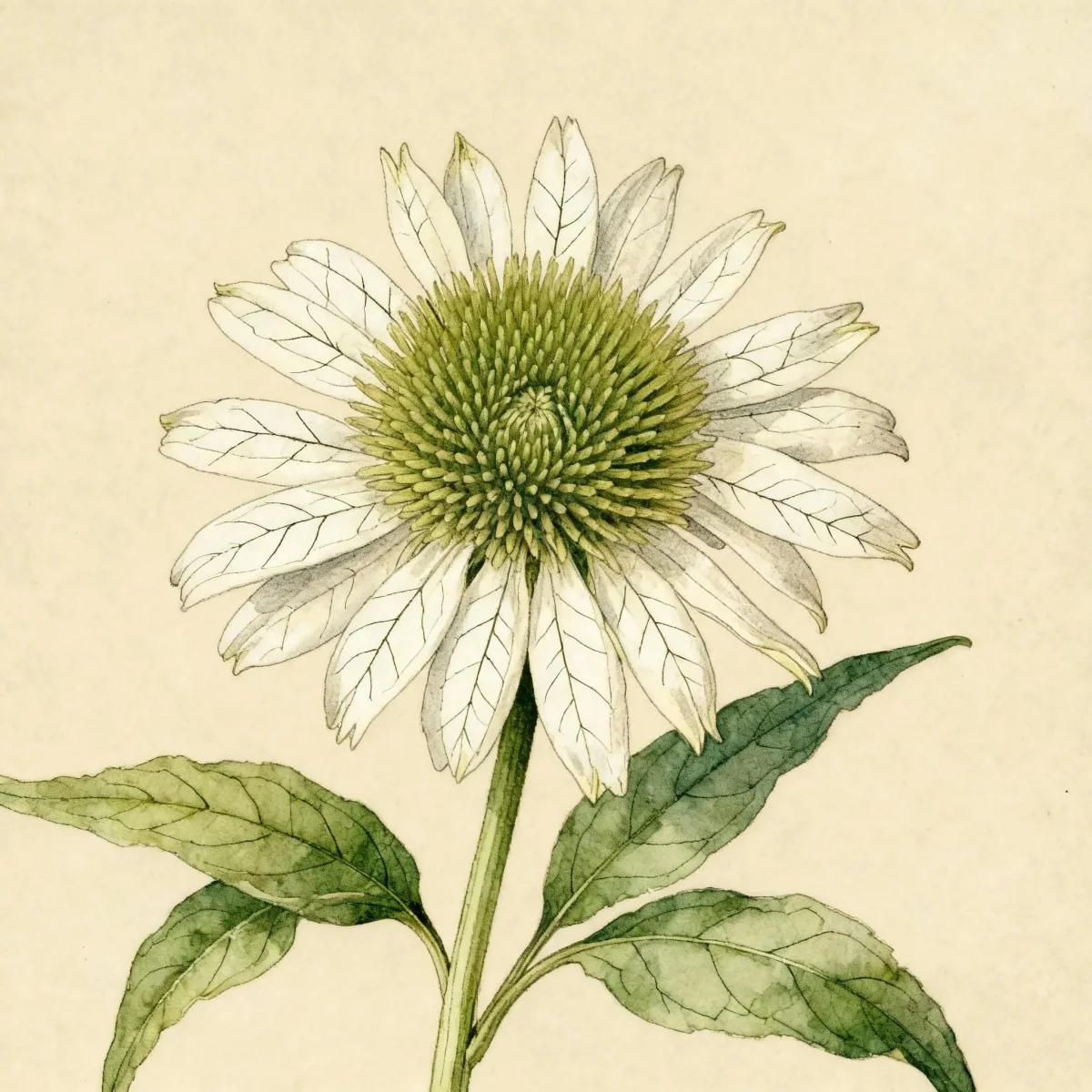
- Bloom Description: White with a chartreuse cone
- Sun Exposure: Full sun to part shade
- Water Needs: Dry to medium
- Maintenance Level: Low
How to Grow
The best time to plant Echinacea ‘Snow Cone’ is typically in the spring after the danger of hard frost has passed, allowing the roots to establish before summer heat sets in. Aim for a location receiving full sun for the best flowering, though the plant adapts well to light afternoon shade. This species thrives in average soils, provided they are well-drained, and tolerates challenging conditions including clay and dry spots.
Watering needs are minimal; once established, this coneflower handles periods of drought exceptionally well. Fertilizing is usually unnecessary; excessive richness can lead to floppier growth. If clumps become overcrowded, usually every four years, divide them to maintain vigor and optimal air circulation.
While the plants rebloom adequately without deadheading, prompt removal of spent flowers does encourage a tidier appearance and can promote a second flush of blooms. In late fall or early spring, clean up the previous season’s dried stalks. Leaving some seed heads standing provides valuable winter visual interest and food for songbirds.
Landscape Uses
Echinacea ‘Snow Cone’ excels when massed together or planted in groups, creating a stunning drift of white against the summer landscape. Its moderate 1.5 to 2-foot height makes it perfect for use in border fronts, where it won’t obscure shorter spring bloomers. The clean white color allows it to blend seamlessly with almost any color palette.
Consider utilizing this Eastern coneflower variety in rock gardens or in the slightly shadier peripheral areas of woodland gardens where dappled light persists. Its drought and heat tolerance make it an excellent choice for low-water foundation plantings or for filling spaces in drier mixed borders alongside ornamental grasses or sages.
For an impactful design, pair the white blooms of Echinacea ‘Snow Cone’ with plants that have contrasting textures or deep colors, such as deep purple Russian sage or dark-leaved Heuchera. It functions beautifully as an attractive specimen plant placed strategically to catch the eye.
Standout Features
Flower Qualities
- Showy
- Fragrant
- Good Cut
- Good Dried
Noteworthy Characteristics
Echinacea is recognized globally, yet the genus’s seven species are entirely endemic to eastern and central North America. Coneflowers like Echinacea ‘Snow Cone’ bloom reliably from June through August, providing excellent pollinator support. This specific hybrid, introduced by Intrinsic Perennial Gardens, Inc., utilizes Echinacea tennessensis in its lineage, resulting in improved hardiness and longevity for the gardener.
Tolerances
- Deer
- Drought
- Clay Soil
- Dry Soil
- Shallow-Rocky Soil
Potential Problems
All coneflowers, including Echinacea ‘Snow Cone’, can occasionally suffer from systemic issues like aster yellows, which causes abnormal, sterile growth. Fungal and bacterial leaf spots can also appear, particularly in humid conditions or if air circulation is poor. Cultural control is key; ensure optimal spacing and avoid overhead watering late in the day. Occasionally scout for pests such as erythroid mites or feeding damage from Japanese beetles.
Frequently Asked Questions
What hardiness zones is Eastern coneflower suitable for?
Echinacea ‘Snow Cone’ is reliably hardy across USDA Zones 3 through 8.
How large does Echinacea ‘Snow Cone’ grow?
This variety typically reaches a height and spread between 1.5 and 2 feet at maturity.
When does Eastern coneflower bloom?
The primary bloom time for Echinacea ‘Snow Cone’ is from June into August, featuring white ray petals and a chartreuse cone.
What sun exposure does Echinacea ‘Snow Cone’ need?
For the best display, ensure this Eastern coneflower receives full sun, although it will tolerate light part shade conditions.
Conclusion
Echinacea ‘Snow Cone’ is an outstanding choice for gardeners seeking reliable summer color combined with exceptional hardiness and low maintenance. Its crisp white flowers and chartreuse cone offer a modern twist on the traditional Eastern coneflower, adding value to pollinator gardens and dry borders alike. Before planting, confirm that your site offers dedication to full sun and well-draining soil for robust performance this season.
Wildlife Benefits
The open structure of the Echinacea ‘Snow Cone’ flower heads, especially after the initial bloom fades, provides a significant food source for seed-eating birds, notably goldfinches, throughout winter if the stems are left standing. Furthermore, like all coneflowers—such as the native Eastern coneflower relatives—the blooms are highly attractive to numerous species of butterflies and other beneficial insect pollinators during the summer months. Maximize wildlife value by using Echinacea ‘Snow Cone’ in mass plantings where they create a concentrated nectar buffet.
Companion Planting
When placing Echinacea ‘Snow Cone’ in mixed borders, select companions that share similar needs for sun and require low to moderate water. Excellent partners include ornamental grasses like Panicum virgatum (Switchgrass) for vertical contrast, or silvery foliage plants like Lamb’s Ears (Stachys byzantina) to complement the white blooms. Avoid placing them directly next to moisture-loving perennials, as the coneflowers prefer their roots to dry out moderately between watering events.