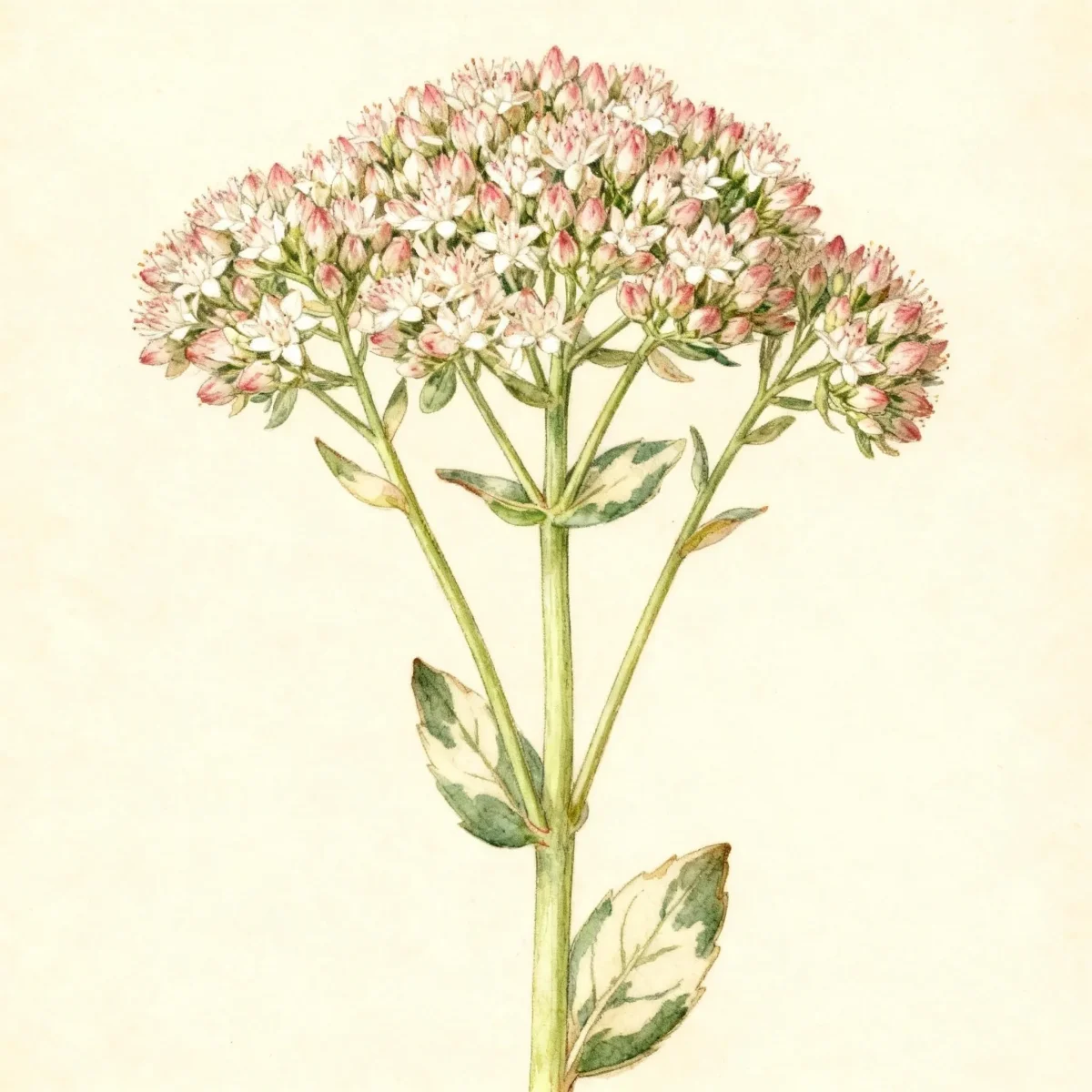
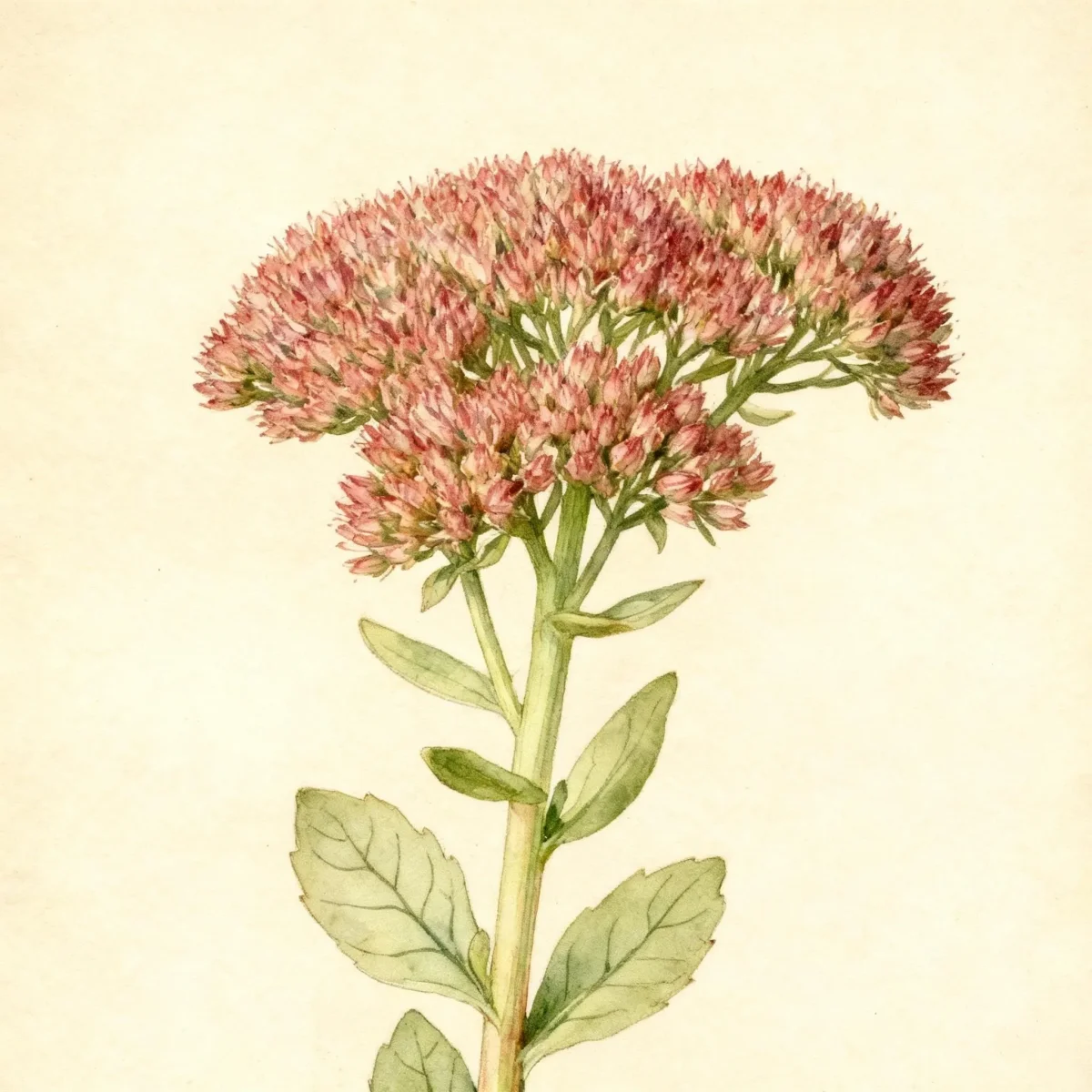
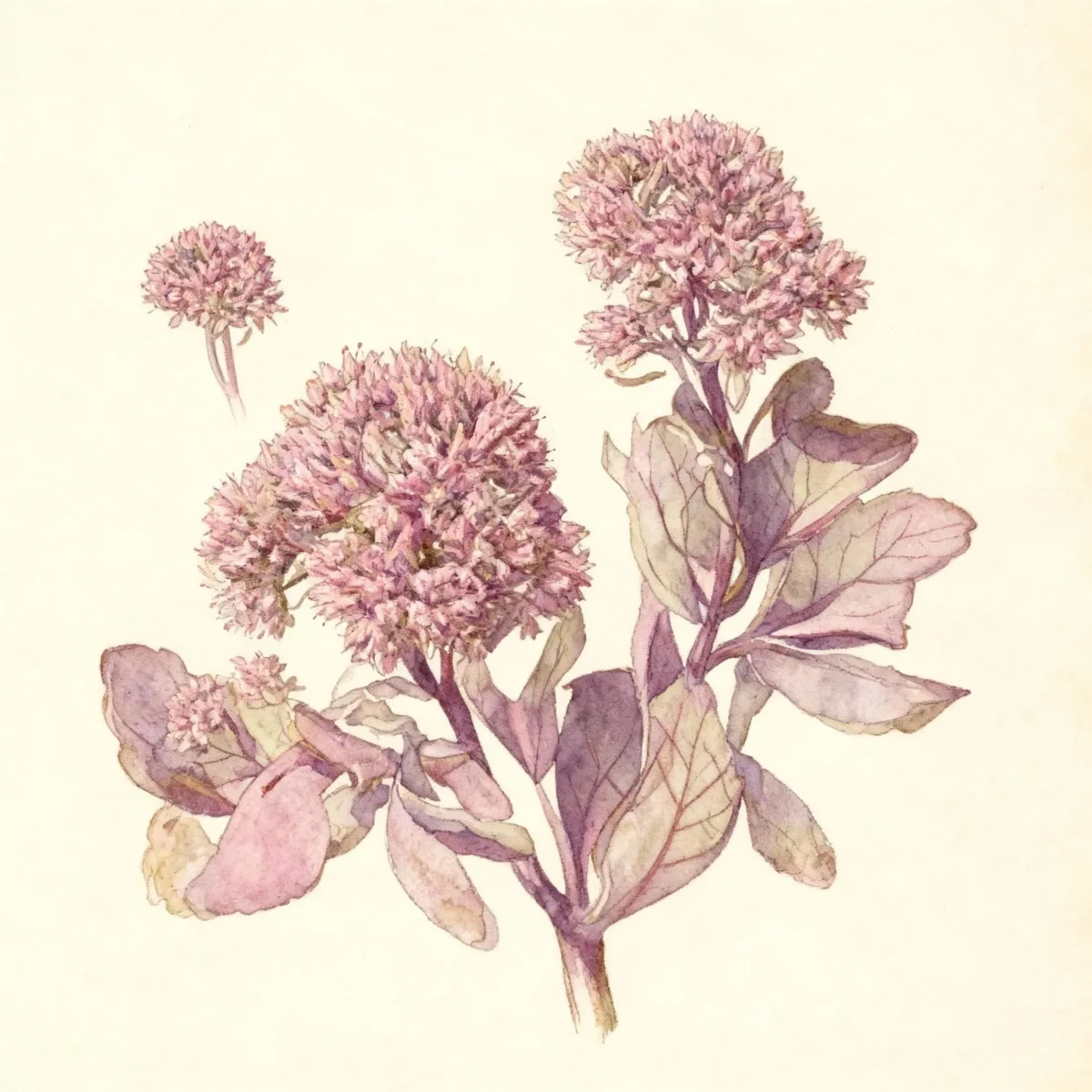
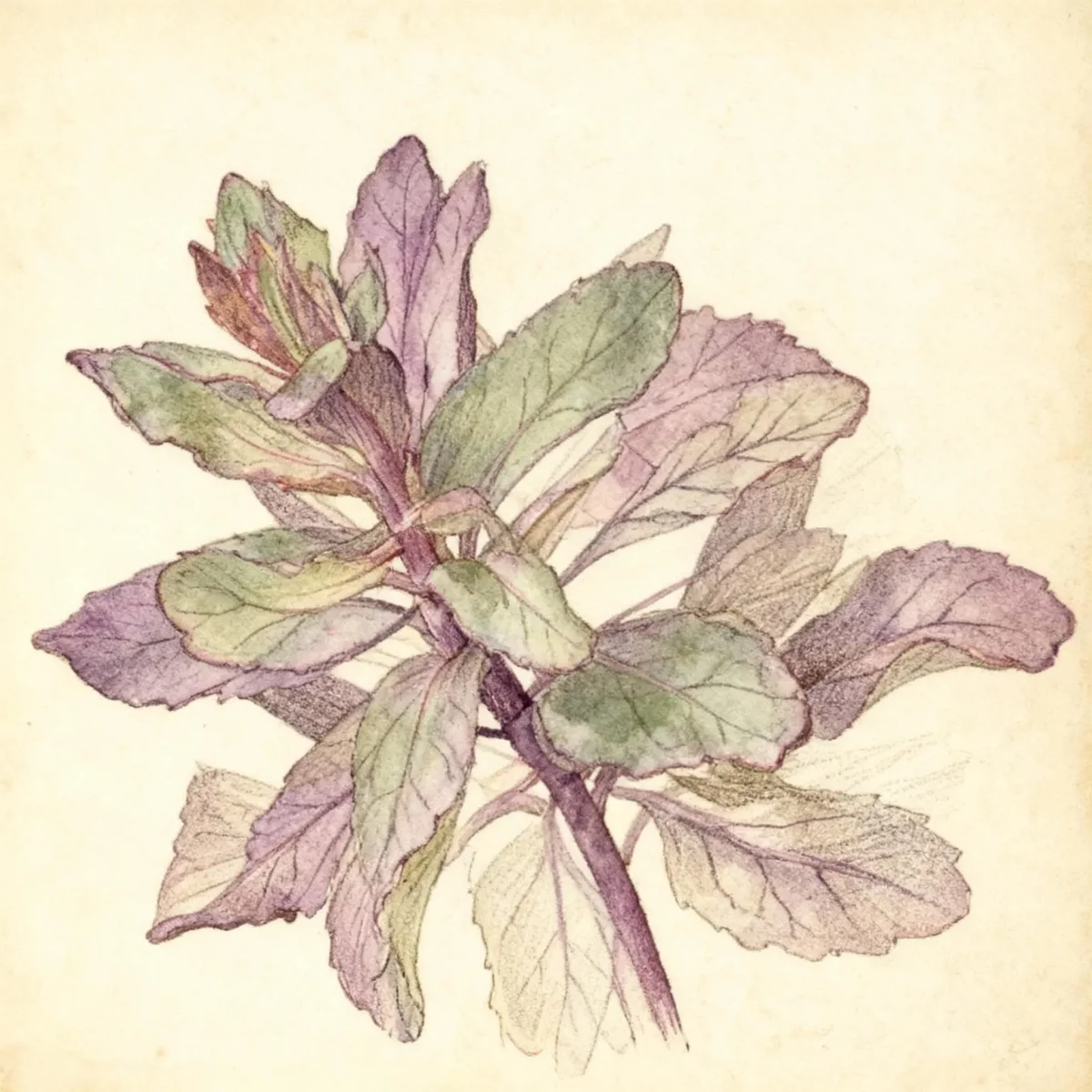
Stonecrop (Sedum 'Pillow Talk')
Sedum 'Pillow Talk' Stonecrop is a tough, low-maintenance perennial offering pink-magenta blooms in late summer.
Scroll down to discover growing tips, care requirements, companion plants, and more

Complete Plant Information
Overview
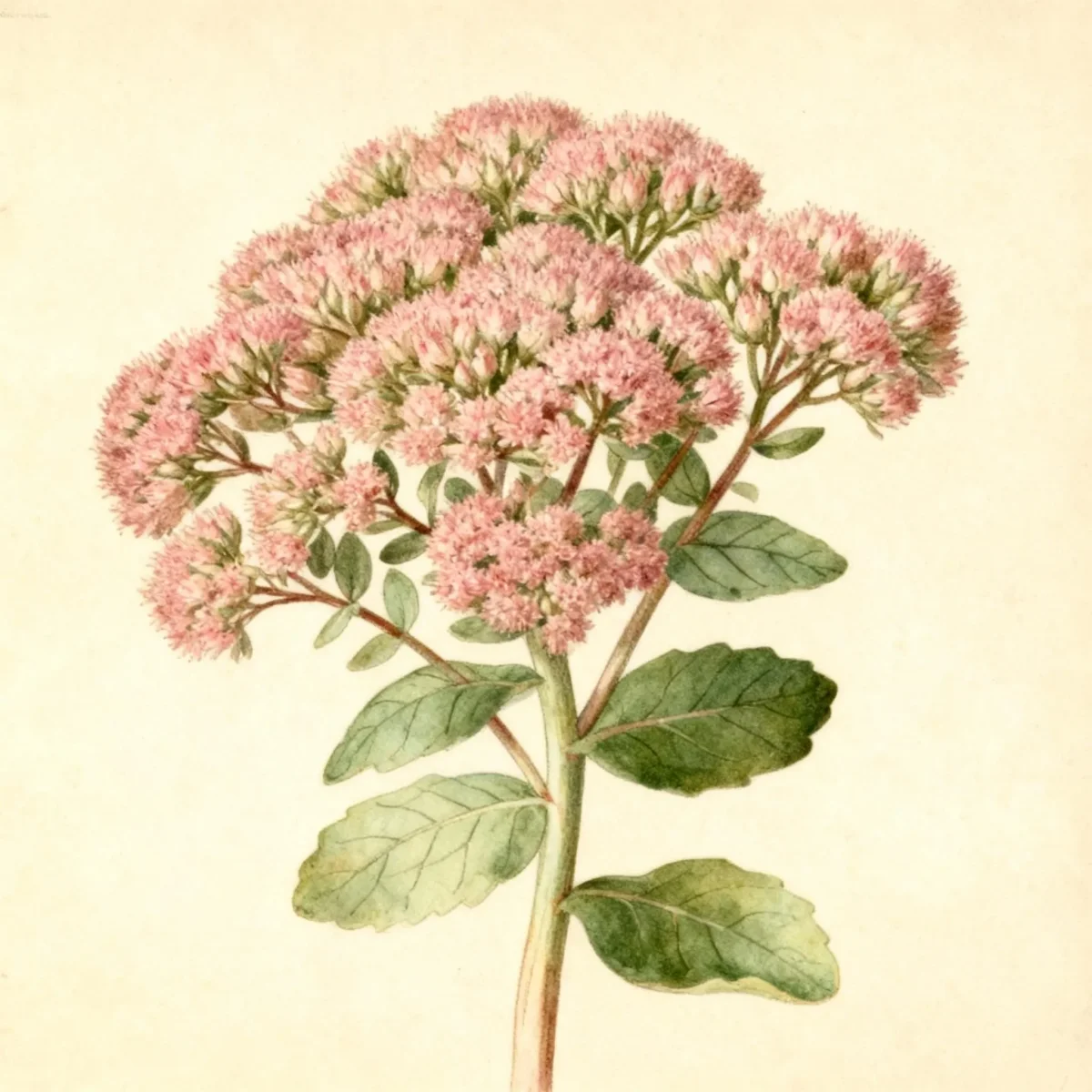
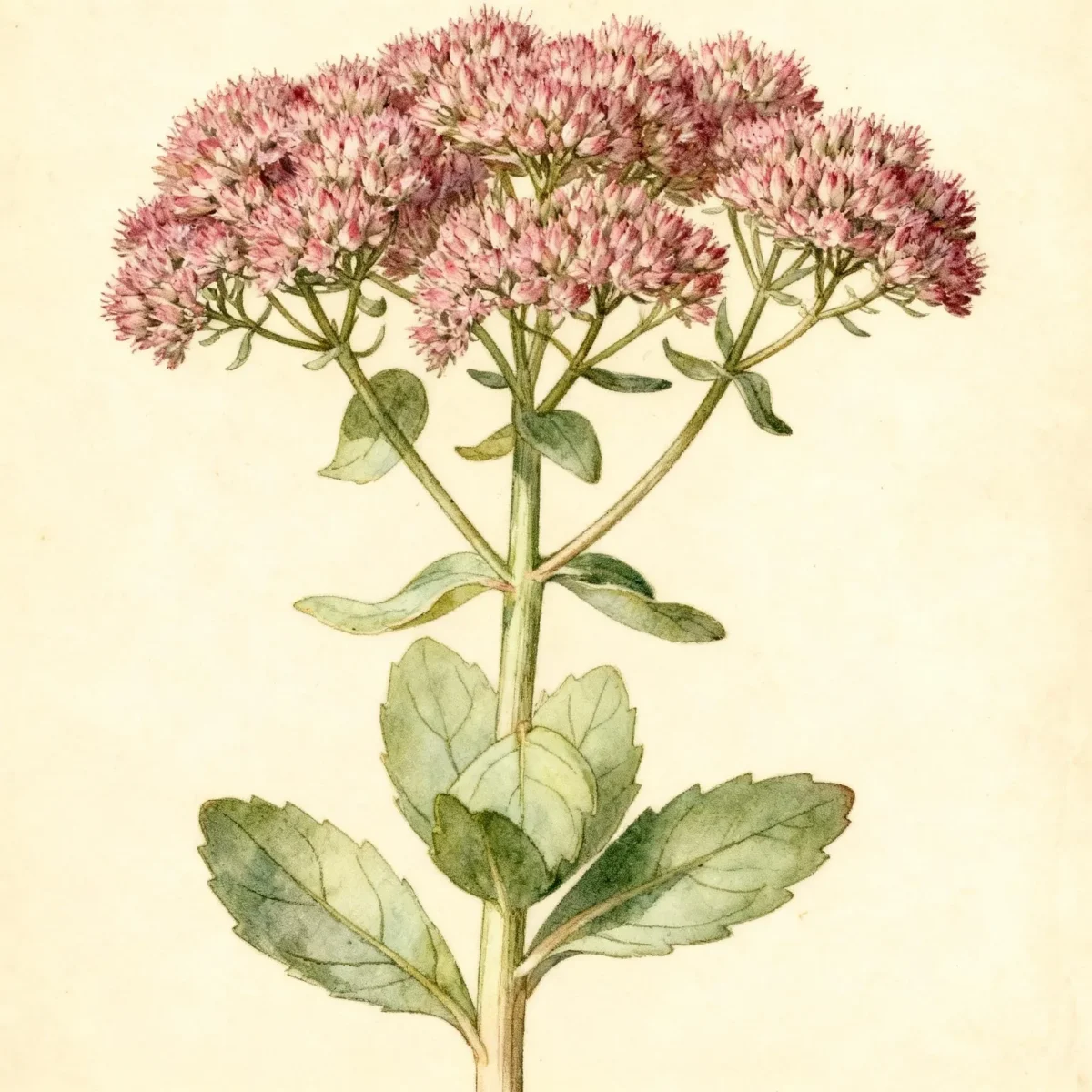
Sedum ‘Pillow Talk’ is a robust herbaceous perennial valued for its late-season color display and exceptional toughness. This variety of Stonecrop stands out with its distinctive purple-red stems and fleshy, gray-green foliage, providing consistent structure throughout the growing season. Gardeners rely on Sedum ‘Pillow Talk’ for its ability to thrive in challenging conditions where other plants might fail.
When autumn approaches, this Stonecrop erupts in clusters of star-like, pink-magenta flowers, attracting late-season pollinators. Its compact, upright mound habit keeps it tidy, minimizing maintenance needs once established. It is an outstanding, drought-tolerant perennial perfect for xeriscaping or low-input garden designs.
The appeal of Sedum ‘Pillow Talk’ lies in its reliability. It requires minimal fuss, tolerates poor soils better than many perennials, and resists many common fungal issues. Incorporating this Stonecrop ensures structural interest in the border well into fall.
Fast Facts
- Plant Family: Crassulaceae
- Plant Type: Herbaceous perennial
- Hardiness Zones: USDA Zones 4-9
- Size at Maturity:
- Height: 1.5-2 ft
- Spread: 1.5-2 ft
- Bloom Time: August to September
- Bloom Description: Pink-magenta
- Sun Exposure: Full sun
- Water Needs: Dry to medium
- Maintenance Level: Low
How to Grow
The ideal time to establish Sedum ‘Pillow Talk’ is in spring or early fall, ensuring the roots establish before extreme summer heat or winter cold. Select a location offering full sun exposure for the best performance; while it tolerates light shade, too much shade encourages weak, floppy growth. Plants perform best when they have excellent soil drainage, thriving in gravelly or sandy soils of average fertility.
Maintenance for this Stonecrop is exceedingly low. Water deeply but infrequently, especially once the Sedum ‘Pillow Talk’ is established, as it easily tolerates drought and only requires dry to medium moisture levels. Avoid rich soils and over-fertilizing, as this directly contradicts the tough conditions where this plant prefers to grow, leading to poor structure.
For taller sedum varieties, including those with large flower heads, flopping can be an issue. To prevent this, ensure maximum sun exposure and properly draining soil. Alternatively, vigorous pinching of the stems in spring forces the plant to branch out, resulting in thicker, bushier stems that support the flower heads better through the blooming period.
Poor drainage is the greatest threat to this succulent perennial. Rotting out is a real possibility if water collects around the roots, so incorporating coarse grit or gravel into heavy garden soil is highly recommended to ensure performance.
Landscape Uses
Sedum ‘Pillow Talk’ shines when utilized where its late-season color and form can be fully appreciated. Its 1.5 to 2-foot stature makes it perfect for the front or middle of mixed perennial borders, providing excellent mid-border structure. It is best employed when massed or planted in groups to create impactful drifts of foliage and flowers.
This Stonecrop is highly adaptable and serves well as a small-area ground cover or as effective spiller/filler plant in large containers. For rock gardens, its need for sharp drainage mirrors the conditions found naturally among rocky outcrops.
Consider pairing Sedum ‘Pillow Talk’ with plants that share its sun and drainage preferences, such as ornamental grasses, Rudbeckia, or other late-blooming coneflowers. The gray-green foliage of this Sedum offers a cool contrast to plants with darker, finer textures.
Standout Features
Flower Qualities
- Showy
Noteworthy Characteristics
Sedum is a genus of about 400 species found mainly in the mountainous areas of North America but some also in dry area of South America. These tough, drought-tolerant plants feature star-shaped flowers on fleshy-leaved stems. Sedum ‘Pillow Talk’, introduced in 2016, is noted for its purple-red stems and resistance to certain fungal diseases, making it a dependable choice for late summer pink-magenta blooms.
Tolerances
- Drought
- Dry Soil
- Air Pollution
Potential Problems
The primary issues gardeners face with taller Sedum hybrids relate to structure and moisture management. While tough, Sedum ‘Pillow Talk’ must have superb drainage to prevent crown rot, especially over winter in wet areas. Always monitor for slugs and snails, which may chew on the tender foliage, and scale insects can occasionally be a concern.
Flopping is a common aesthetic problem for large-flowered sedums; this occurs when the plant receives too much moisture or shade, leading to elongated, weak stems unable to hold up the dense flower heads. To combat this, ensure the planting site provides full, uncompromised sun and is not overly rich in organic material. Annual pinching of the new growth in spring can greatly increase stem thickness and overall sturdiness.
Frequently Asked Questions
What hardiness zones is Stonecrop suitable for?
Sedum ‘Pillow Talk’ is reliably hardy in USDA Zones 4 through 9.
How large does Stonecrop grow?
This Stonecrop typically matures to a height and spread of 1.5 to 2 feet.
When does Sedum ‘Pillow Talk’ bloom?
You can expect blooms from August to September, displaying attractive pink-magenta flowers.
What sun exposure does Sedum ‘Pillow Talk’ need?
This perennial requires full sun to develop the strongest stems and best flower production.
Conclusion
Sedum ‘Pillow Talk’ offers gardeners reliable, low-maintenance structure and vivid late-season color, establishing itself as a must-have variety of Stonecrop. Its notable drought tolerance and improved disease resistance make it an invaluable asset for sustainable gardening practices. Before planting, verify your garden’s sun exposure and ensure your soil offers the sharp drainage that Sedum ‘Pillow Talk’ demands for long-term success.
Companion Planting
Choosing the right companions helps maximize the visual and ecological benefits of Sedum ‘Pillow Talk’. Because this Stonecrop prefers sharp drainage and dry to medium moisture, pair it with other sun-loving, drought-tolerant perennials. Good neighbors include Russian Sage (Perovskia atriplicifolia) or hardy ornamental grasses like Little Bluestem, which appreciate similar lean soil conditions.
Avoid planting this Stonecrop directly next to moisture-loving favorites like Hostas or Astilbes; the resulting competition for water will stress the sedum, or the required watering for its neighbors will lead to rot in the Sedum ‘Pillow Talk’. Focus on plants that offer contrasting textures, such as fine-leaved Baptisia or Peonies, which look excellent before the Sedum begins its major late-summer show.
Seasonal Care Calendar
Spring is the critical maintenance period for your Stonecrop. Perform any necessary propagation via division, or begin pinching the new growth to encourage bushier habits. Cut back old, spent flower stalks from the previous season just as new growth emerges from the crown.
Summer care focuses on observation rather than intervention. Resist the urge to water frequently; allow the soil to dry between irrigation events, stressing the plant toward desirable drought resistance. If prolonged, severe heat occurs, the established roots will generally handle it well.
As autumn arrives, the pink-magenta flower heads of Sedum ‘Pillow Talk’ reach their peak, providing essential nectar for late-season bees. Consider leaving the dried flower heads standing over winter. They offer architectural interest and valuable food/shelter for wildlife during cold periods before final cleanup in early spring.