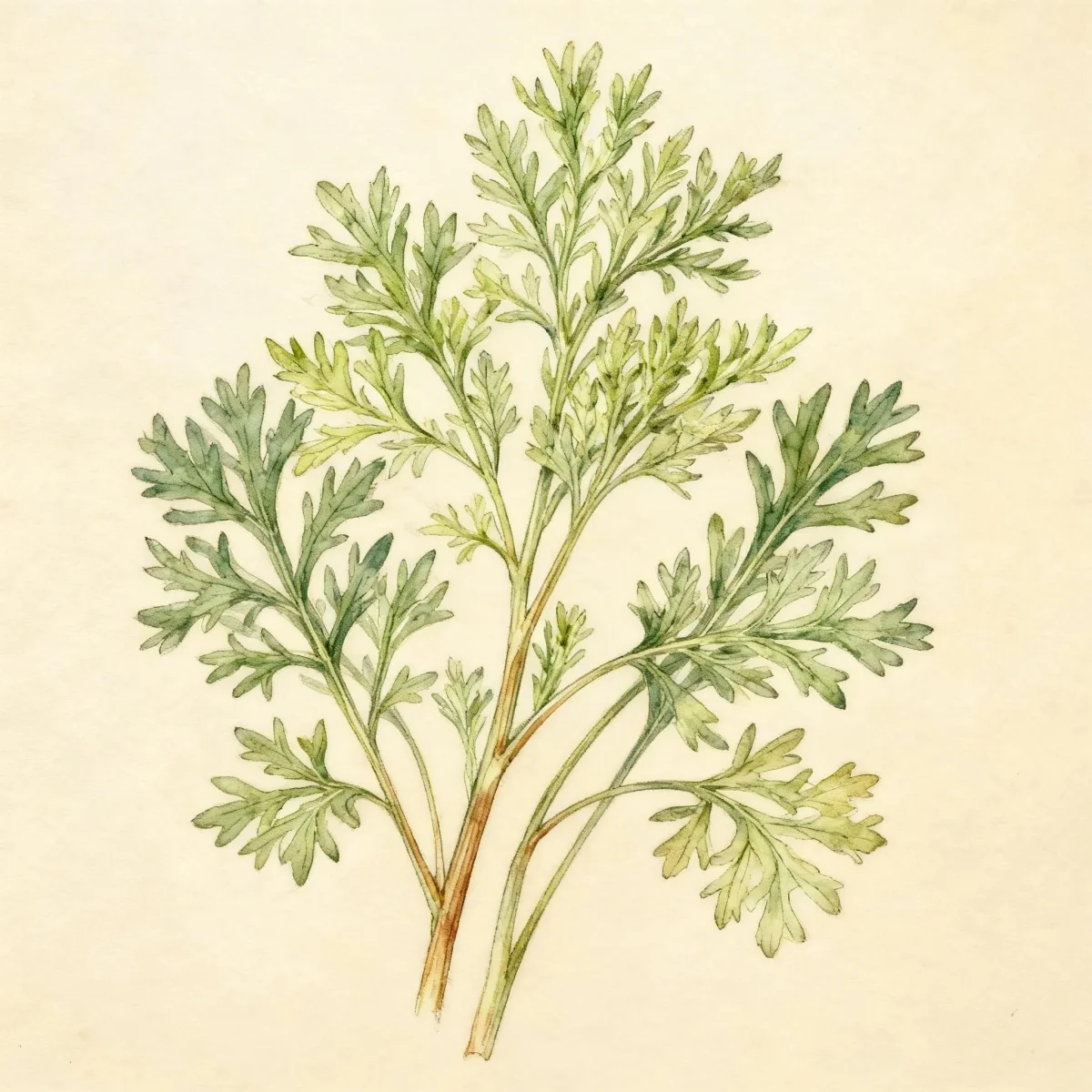
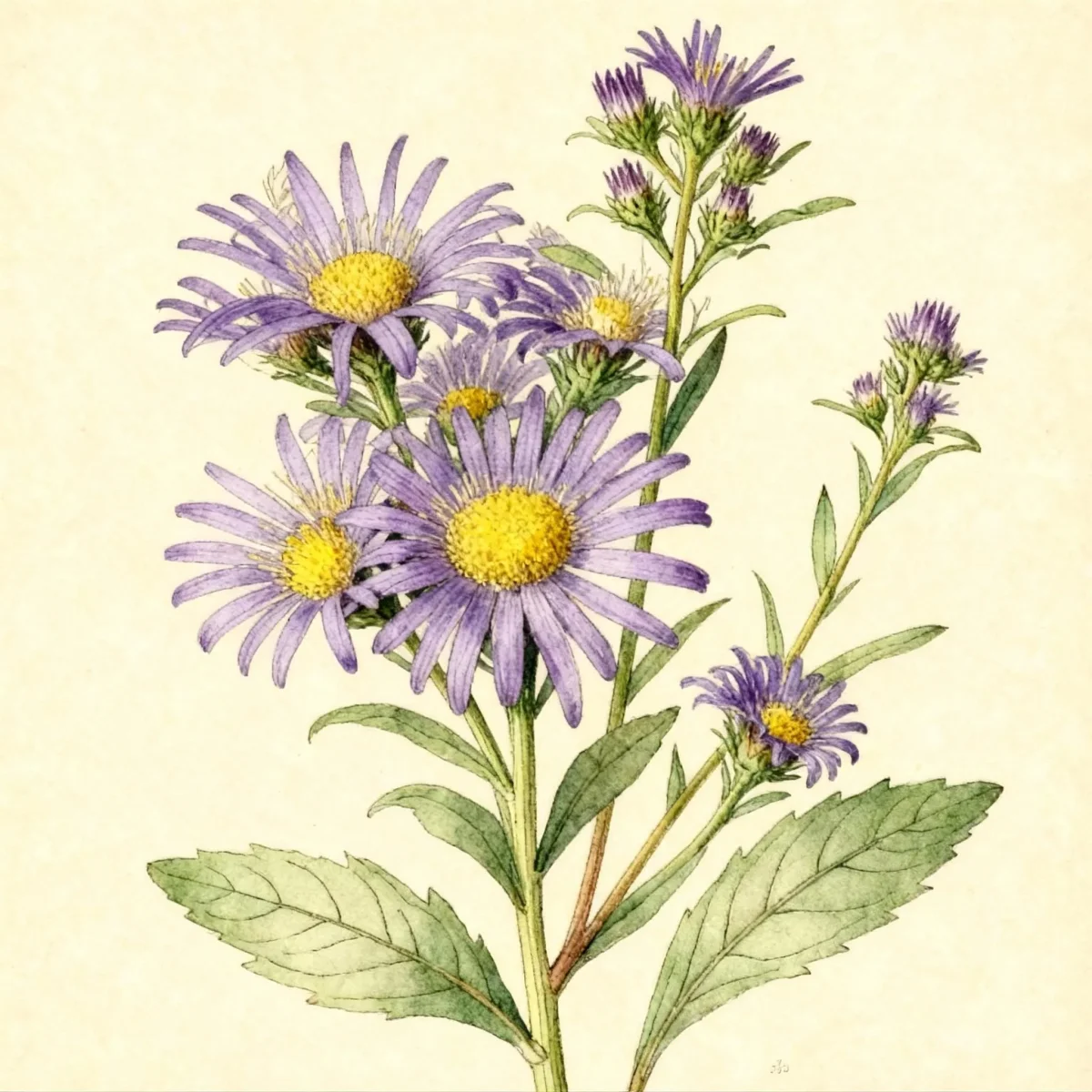
Southern prairie aster (Eurybia hemispherica)
Eurybia hemispherica, the Southern prairie aster, thrives in full sun, offering late-season purple blooms requiring low maintenance.
Scroll down to discover growing tips, care requirements, companion plants, and more
Complete Plant Information
Overview
The Southern prairie aster, Eurybia hemispherica, is a valuable addition to late-season gardens, providing essential color when many other perennials are fading. This herbaceous perennial is native to the open habitats of the south-central United States, thriving in environments ranging from dry savannas to roadsides. Gardeners appreciate this species for its low maintenance needs and its ability to offer a striking display of purple blooms near the end of the growing season.
Mature clumps of Eurybia hemispherica reach manageable heights between one and two and a half feet, spreading subtly to form established colonies over time. The upright structure and late bloom period make the southern prairie aster an excellent structural plant for naturalized areas or wildflower meadows. Furthermore, its abundant late flowers are highly attractive to essential insect pollinators, increasing the value of any garden space they inhabit.
As a hardy perennial in USDA Zones 6 through 9, the robust nature of Eurybia hemispherica ensures reliable performance with minimal fuss. It balances upright growth with a moderate spread, fitting harmoniously into native plant groupings while showcasing the classic aster bloom structure of purple ray florets around a bright yellow center disk.
Fast Facts
- Plant Family: Asteraceae
- Plant Type: Herbaceous perennial
- Native Range: South-central United States
- Hardiness Zones: USDA Zones 6-9
- Size at Maturity:
- Height: 1-2.5 ft
- Spread: 1.5-3 ft
- Bloom Time: August to October
- Bloom Description: Purple with yellow center disk
- Sun Exposure: Full sun
- Water Needs: Dry to medium
- Maintenance Level: Low
How to Grow
Establish Eurybia hemispherica during the cooler parts of the growing season, preferably spring or fall, allowing it to establish its root system before intense summer heat. The ideal site provides full sun, though this southern prairie aster can tolerate light shade, especially in warmer climates. Cultivation is easiest in slightly acidic, sandy loam soils that are allowed to drain well, preferring conditions that are evenly moist when young and dry once established.
Maintenance for this aster is notably low, aligning with its natural environment preference for open, less richly amended sites. Avoid heavy fertilization, which can encourage floppy, weak growth rather than dense, flowering stems. Watering should be consistent until the plant is settled; thereafter, its dry to medium water needs mean it rarely requires supplemental irrigation unless severe drought conditions persist.
Deadheading faded flower heads is generally unnecessary though it can tidy the appearance; the plant naturally sets seed for local wildlife. In late winter or early spring, wait until new growth appears before cutting back old, spent stems close to the ground. This simple cleanup helps maintain vigor and prepares the plant for its next flush of late-season purple blooms.
Landscape Uses
The primary landscape recommendation for Eurybia hemispherica is naturalizing, allowing the plant to slowly build colonies via stolons in larger garden spaces. This quality makes it superb for filling large areas in meadows or along wide borders where disturbance is minimal. The late bloom period ensures continuous interest throughout the fall garden tapestry.
Consider integrating the southern prairie aster into dedicated wildflower gardens or specialized pollinator patches. Its height and bloom time pair excellently with late-summer blooming grasses or fall-blooming goldenrods, creating layered texture and sequential flowering. For a truly native display, plant it near dry-loving coneflowers or various native sages that share similar sun and drainage requirements.
Standout Features
Flower Qualities
- Showy
Noteworthy Characteristics
Eurybia hemispherica, commonly called southern prairie aster, is a herbaceous perennial native to the south-central United States where it can be found growing on dry to mesic savannas, prairies, glades roadsides and other open habitats. Mature clumps will reach up to 2.5’ tall with a 3’ spread, taking on an upright to spreading habit. Can develop a woody root stock and slowly form colonies via stolons. The foliage is linear to lanceolate in shape with the lowest leaves reaching up to 6” long and 0.5” wide. The leaves become progressively smaller and held more tightly against the stems closer to the flower heads. The 1-1.5” diameter flower heads are held in terminal, loosely raceme-like clusters and consist of narrow, purple ray florets surrounding a flat-topped center eye of yellow disk florets. The late season blooms are attractive to butterflies and other insect pollinators.The genus name Eurybia comes from the Greek eurys meaning “wide” and baios meaning “few”, possibly in reference to the shape and number of the typical ray florets of this genus compared to other North American asters.The specific epithet hemispherica means “hemispherical” and refers to the shape of the involucre (whorl of bracts) of this species.The common name southern prairie aster refers to both the native range of this species and its preferred habitat.
Tolerances
There is no data provided regarding specific tolerances other than the preferred growing conditions.
Potential Problems
One of the significant advantages of growing Eurybia hemispherica is its resistance profile. There are no major pest or disease problems reported for the southern prairie aster under normal garden conditions. This native perennial is generally robust and avoids the persistent insect infestations or fungal issues common to highly cultivated garden subjects.
Because it thrives in drier, sunny conditions, the most common cultural issue to avoid is providing conditions that are too rich or overly wet. Excess moisture can lead to root rot or increased susceptibility to fungal diseases like powdery mildew, especially if air circulation is poor. Ensure proper spacing when planting to maximize airflow around the foliage.
Frequently Asked Questions
What hardiness zones is Southern prairie aster suitable for?
Eurybia hemispherica is hardy and reliably perennial in USDA Zones 6 through 9 throughout the United States.
How large does Southern prairie aster grow?
This plant typically reaches a height between 1 and 2.5 feet, with a spread ranging from 1.5 to 3 feet at maturity.
What sun exposure does Southern prairie aster need?
The ideal condition for this species is full sun exposure to ensure the best flower production and strongest, most compact growth habit.
When does Southern prairie aster bloom?
The bloom time is late, extending from August well into October, featuring distinctively colored purple flowers with bright yellow center disks.
Conclusion
The Eurybia hemispherica offers exceptional late-season garden impact combined with exceedingly low maintenance requirements, making it a superb choice for sustainable landscapes. By providing full sun and well-draining, slightly acidic soil, you can successfully cultivate this native Southern prairie aster. Check your local Hardiness Zone compatibility and plan your planting for early spring or fall establishment to enjoy its fall color show.
Wildlife Benefits
The late flowering window of Eurybia hemispherica makes it a critical resource for migrating monarch butterflies and other late-season pollinators preparing for winter. By blooming reliably from August onward, this aster provides essential late nectar well after many summer bloomers have finished their cycles. Planting the southern prairie aster directly contributes to local ecosystem health by supporting these vital insect populations.
For maximum wildlife appeal, consider planting Eurybia hemispherica in drifts rather than single specimens. Larger masses of color are more visually attractive to foraging insects and provide better landing platforms. Grouping these plants also enhances the naturalized aesthetic appropriate for meadow or prairie-style garden designs.
Companion Planting
Because the southern prairie aster prefers drier to medium, well-drained soils and full sun, it pairs best with other native species sharing similar drought tolerance. Excellent companions include Little Bluestem (Schizachyrium scoparium) or various species of Solidago (Goldenrod) that bloom concurrently or slightly earlier. These companions create a realistic representation of the open savanna habitat where Eurybia hemispherica naturally thrives.
Avoid planting this aster immediately adjacent to moisture-loving perennials like hostas or astilbes, as inconsistent watering for the latter group can stress the aster or promote undesirable fungal growth on its foliage. Focus instead on other mid-height meadow flowers that appreciate excellent drainage to maintain a unified cultural regime across the planting bed.