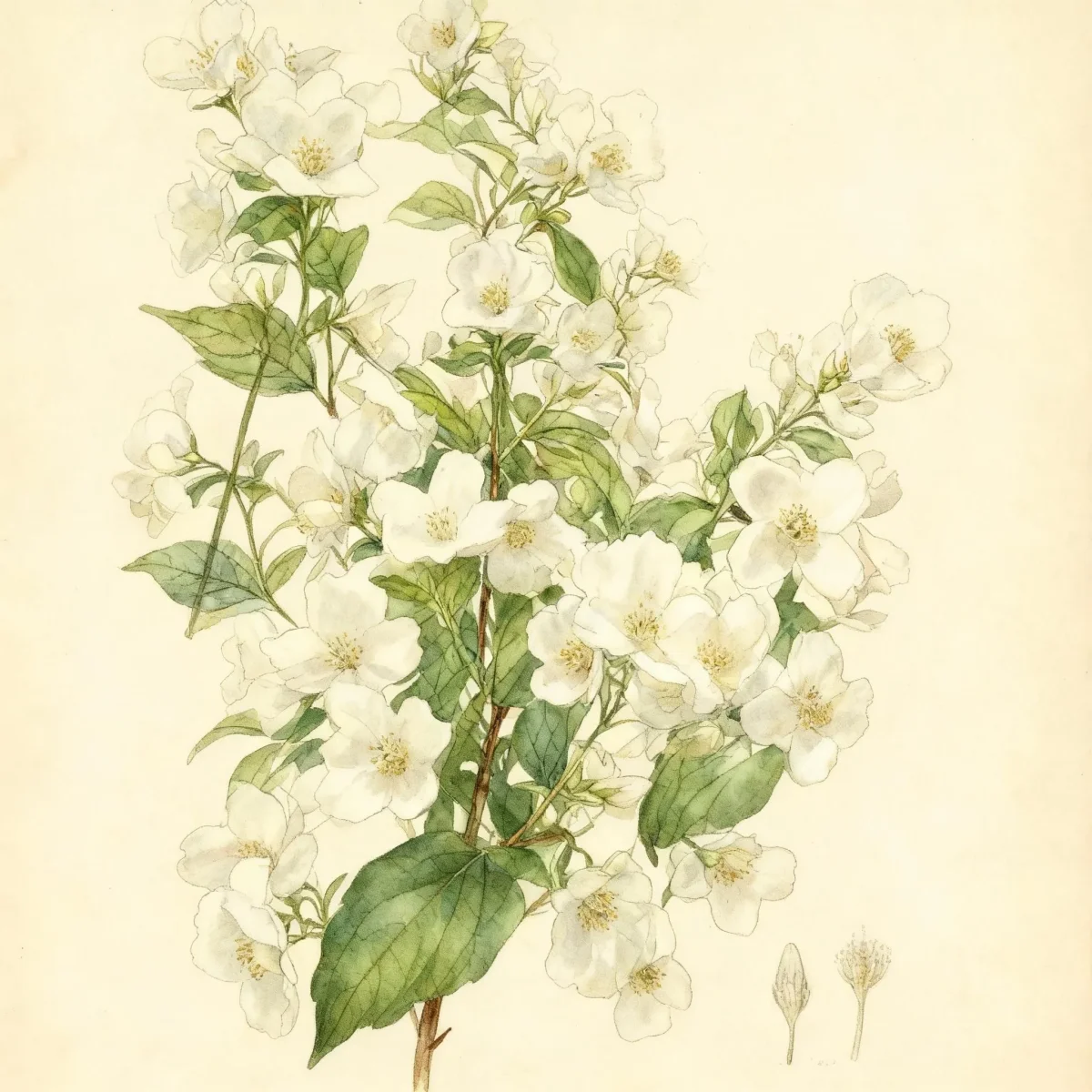
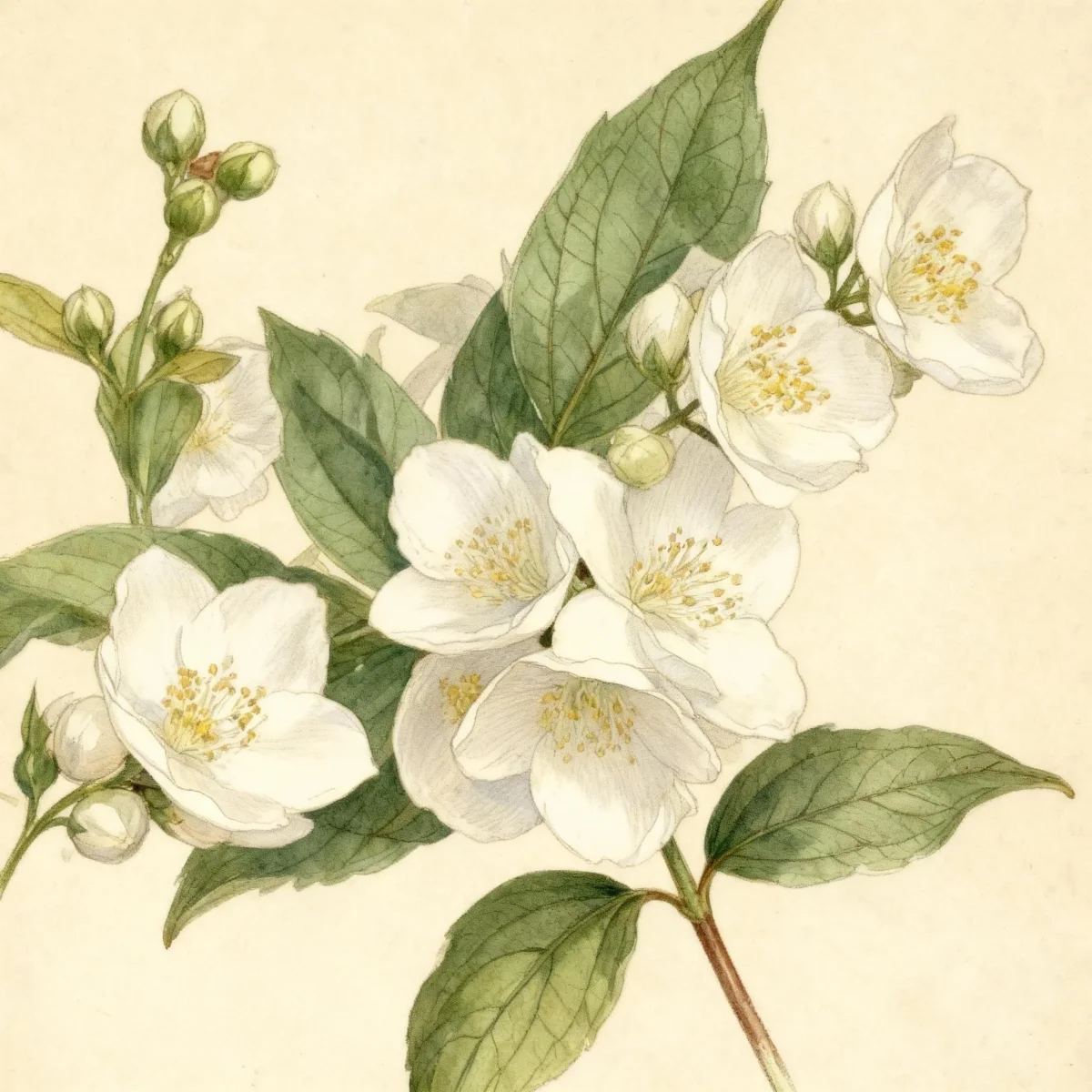
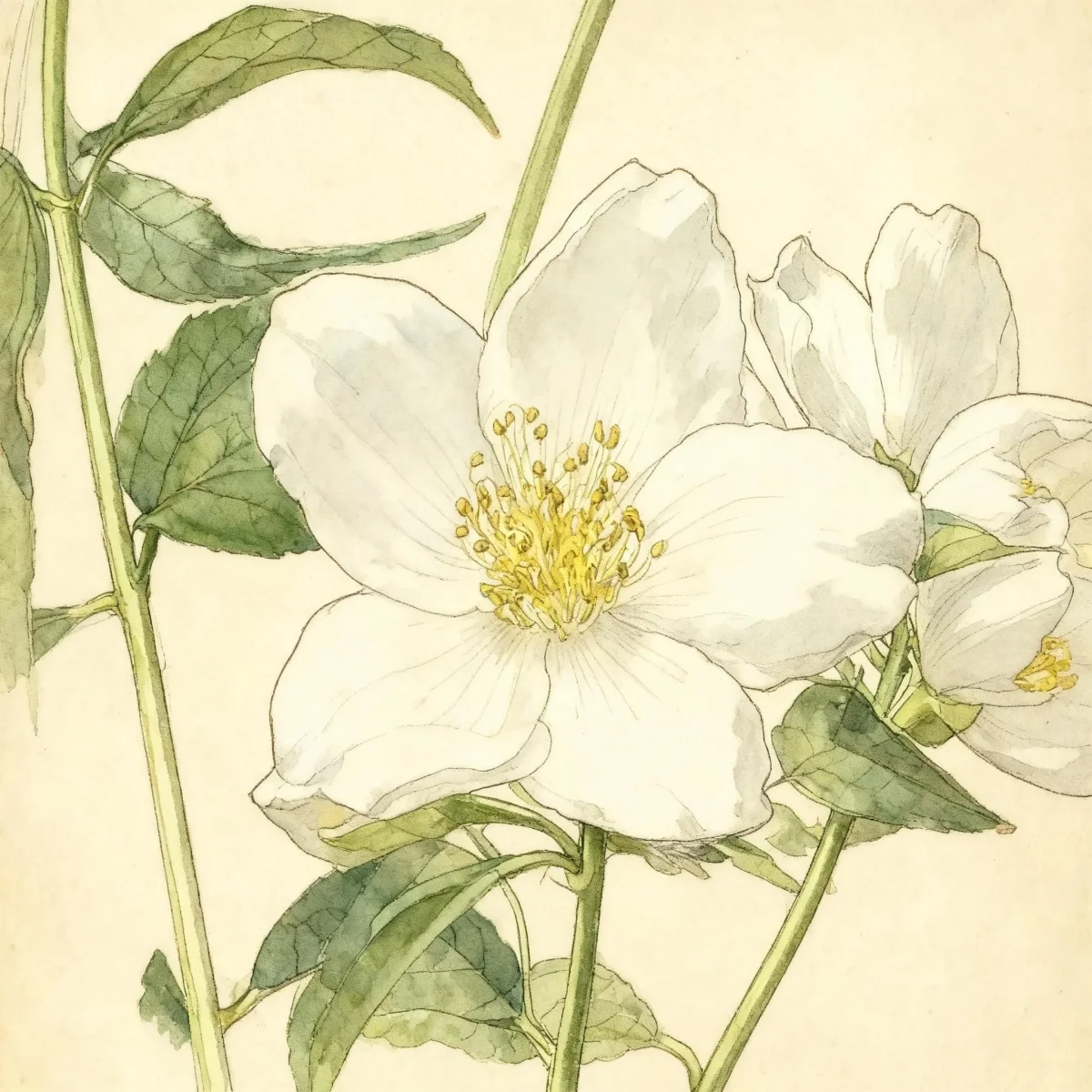
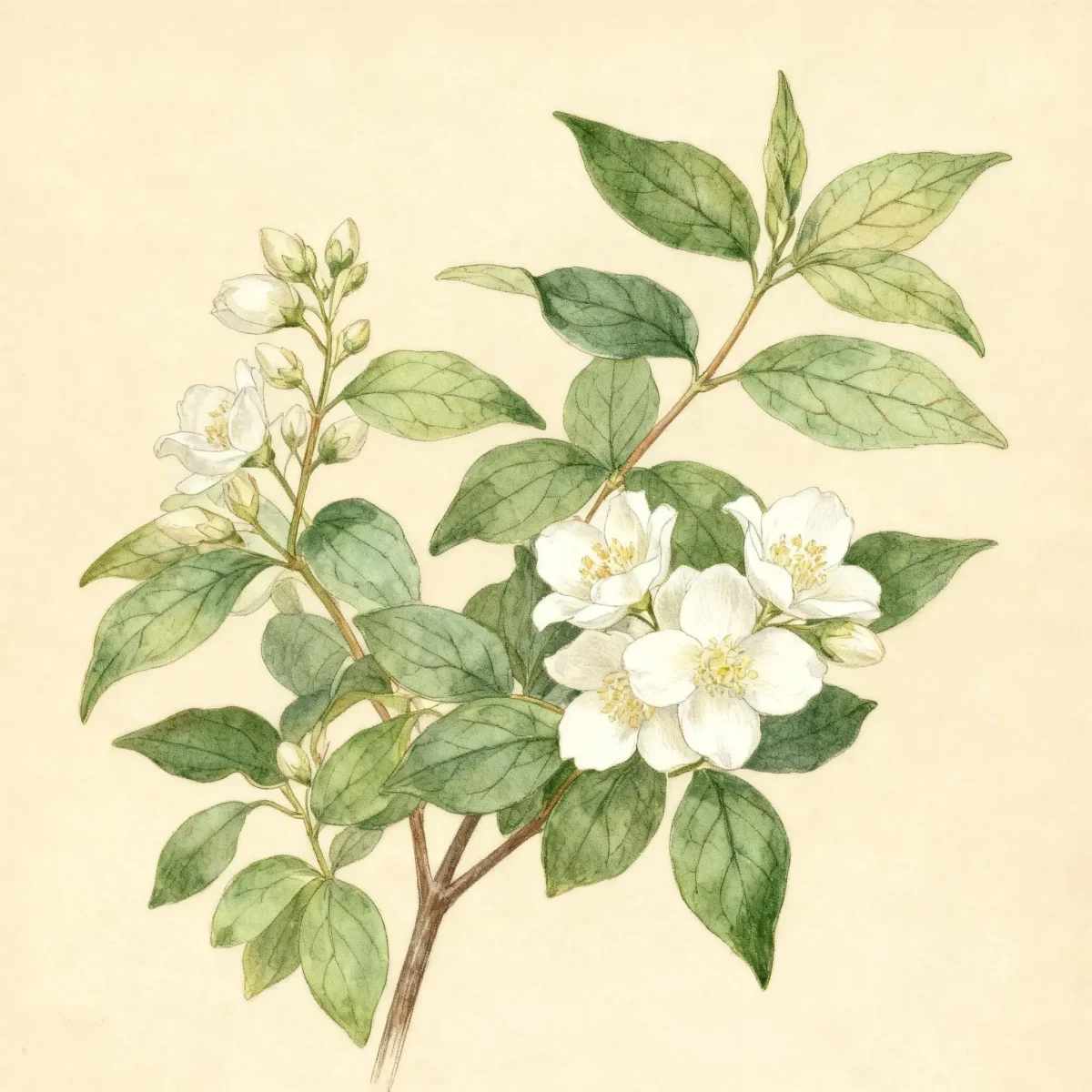
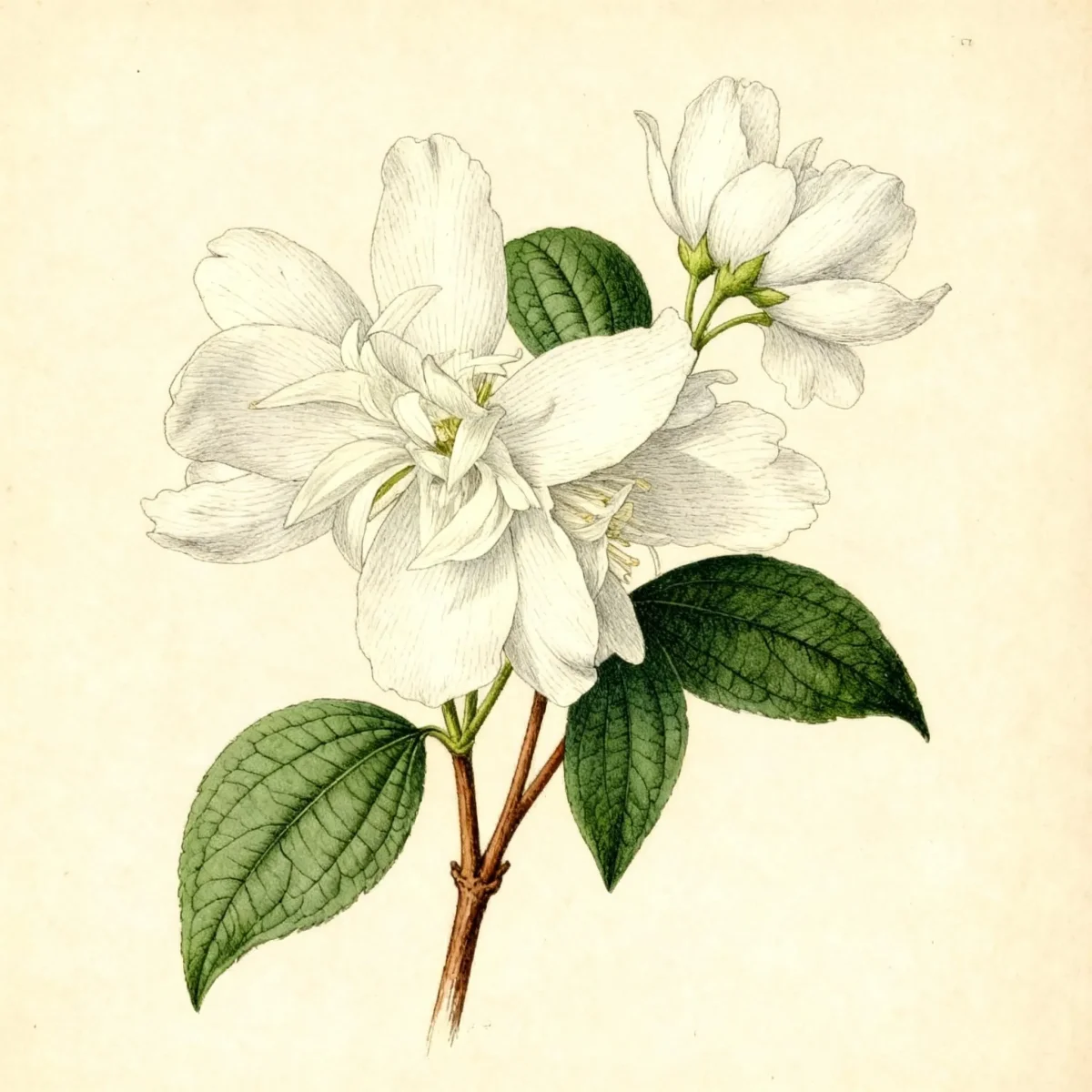
Mock orange (Philadelphus coronarius 'Romanizam' ROMANTIC KNIGHT)
Explore Philadelphus coronarius 'Romanizam' ROMANTIC KNIGHT, the Romantic Knight Mock orange, prized for large, fragrant white flowers and low maintenance in Zones 4-8.
Scroll down to discover growing tips, care requirements, companion plants, and more
Complete Plant Information
Overview
The Philadelphus coronarius ‘Romanizam’ ROMANTIC KNIGHT, commonly known as Mock orange, is a handsome deciduous shrub celebrated for its powerful spring floral display and robust nature. This specific cultivar stands out due to its exceptionally large, semi-double, fragrant white flowers, often nearly double the size of standard varieties, making it a garden highlight when in bloom. It forms a dense structure maturing to about 10 to 12 feet tall and wide, offering excellent screening capabilities or foundation structure. Gardeners value the Mock orange for its combination of showy fragrance and low maintenance requirements, thriving across USDA Zones 4 through 8 in varied light conditions.
Fast Facts
- Plant Family: Hydrangeaceae
- Plant Type: Deciduous shrub
- Hardiness Zones: USDA Zones 4-8
- Size at Maturity:
- Height: 10-12 ft
- Spread: 10-12 ft
- Bloom Time: May to June
- Bloom Description: White flowers
- Sun Exposure: Full sun to part shade
- Water Needs: Medium
- Maintenance Level: Low
How to Grow
Plant Philadelphus coronarius ‘Romanizam’ ROMANTIC KNIGHT in the spring or fall for best establishment, selecting a location that receives full sun to light shade. This shrub adapts well to consistently moist, organically rich soils, though it tolerates a wide spectrum of soil types, including clay soils, provided drainage is adequate. Avoid areas where water collects, as this shrub dislikes poorly-drained conditions.
Once established, water moderately, ensuring the soil remains medium in moisture, especially during dry spells. Maintenance is generally low for this fragrant Mock orange. Fertilization is rarely necessary unless your soil quality is very poor. The most important care task involves pruning.
Since flowers bloom on prior year’s growth, schedule any necessary pruning immediately after the May to June bloom cycle concludes. Removing old wood or shaping the shrub after flowering encourages strong basal growth and ensures abundant flowering the following season. This timely trimming helps keep the Philadelphus coronarius ‘Romanizam’ ROMANTIC KNIGHT tidy for its hedge or border roles.
Landscape Uses
The structure and size of Philadelphus coronarius ‘Romanizam’ ROMANTIC KNIGHT make it highly versatile. It is an excellent selection for creating dense, informal hedges or low screens where its summer fragrance can be greatly appreciated. Plant it near patios or walkways so the heavenly scent of the white flowers can be enjoyed up close. Furthermore, it integrates beautifully into traditional cottage gardens, providing necessary background height for smaller perennials. When used in shrub borders, its mounded, spreading habit with arching branches adds texture. Note that while highly ornamental during bloom, this Mock orange offers minimal visual interest when not flowering, so pair it with good structural evergreens or plants that provide late-season foliage color.
Standout Features
Flower Qualities
- Showy
- Fragrant
Noteworthy Characteristics
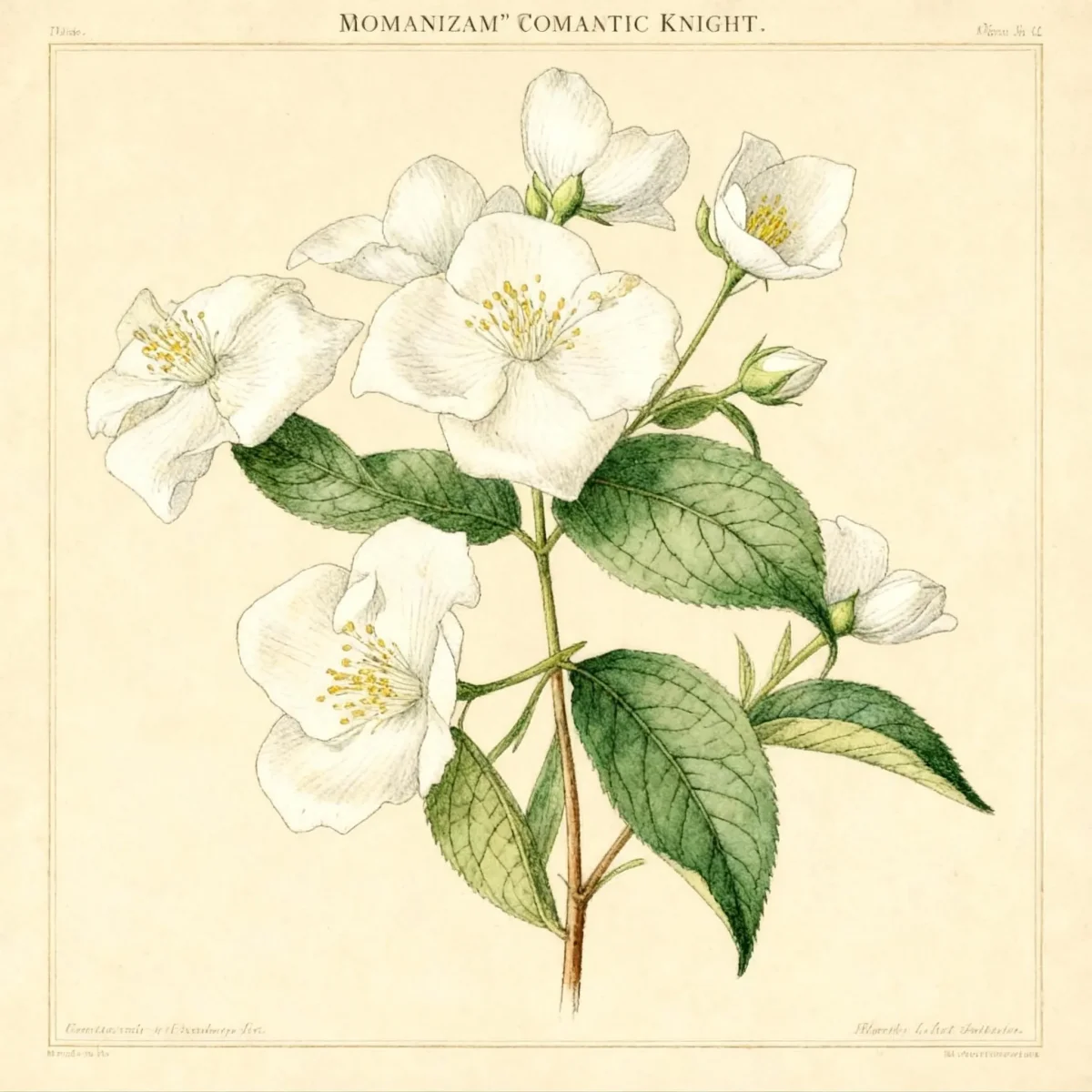
Philadelphus coronarius, commonly called mockorange or sweet mockorange, is a dense, rounded, multi-stemmed, suckering, deciduous shrub with stiff, straight, ascending but arching branches that typically matures to 10-12’ tall and as wide. It is grown primarily for its very fragrant, white flowers that bloom abundantly in May to early June in small clusters. The specific cultivar ‘Romanizam’, sold as ROMANTIC KNIGHT, features flowers nearly double the size of standard types, reaching 2” in diameter in semi-double racemes containing up to 14 flowers. The genus name purportedly references Ptolemy Philadelphus, linking this sweetly scented shrub to classical history.
Tolerances
- Deer
- Clay Soil
Potential Problems
While generally low maintenance, gardeners should monitor Philadelphus coronarius ‘Romanizam’ ROMANTIC KNIGHT for some common cosmetic issues. Susceptibility exists for fungal diseases such as leaf spot, canker, powdery mildew, and rust, particularly in humid conditions or if air circulation is poor. Watch for occasional pests like aphids, scale, and leaf miners. Maintaining proper spacing, ensuring good air movement, and pruning immediately after flowering can mitigate fungal risks. Deer tend to avoid this Mock orange variety, offering good protection in locations where browsing is common.
Frequently Asked Questions
What hardiness zones is Mock orange suitable for?
The Philadelphus coronarius ‘Romanizam’ ROMANTIC KNIGHT thrives reliably in USDA Hardiness Zones 4 through 8.
How large does Philadelphus coronarius ‘Romanizam’ ROMANTIC KNIGHT grow?
This shrub typically reaches a mature height and spread of 10 to 12 feet, developing a rounded, broad habit.
When does Mock orange bloom?
This spectacular Mock orange variety is known for blooming profusely from May into June, displaying its highly fragrant white flowers.
What sun exposure does Philadelphus coronarius ‘Romanizam’ ROMANTIC KNIGHT need?
For the best density and maximum flower production, aim for full sun exposure, though it tolerates light shade well.
Conclusion
The Philadelphus coronarius ‘Romanizam’ ROMANTIC KNIGHT delivers an exceptional fragrant punch in late spring, justifying its strong placement in mixed borders or screens. This low-maintenance Mock orange is celebrated for its notably large, showy blooms and adaptability across various soil types, including clay. Before planting, confirm your garden falls within USDA Zones 4-8 and plan your pruning schedule immediately post-bloom to ensure the best display next year.
Companion Planting Ideas
When planning your landscape around this fragrant shrub, consider companions that offer contrasting textures or late-season color, since the impact of Philadelphus coronarius ‘Romanizam’ ROMANTIC KNIGHT fades after June. Hostas provide excellent, broad foliage texture that contrasts nicely with the shrub’s arching form and remains attractive all summer long. For reliable late-season performance near hedges, consider pairing it with fall-blooming asters or tall ornamental grasses. These partners will thrive in similar medium moisture conditions and appreciate the partial shade provided by the mature Mock orange canopy.
Seasonal Care Calendar
Early Spring (Before Bud Break): Gently rake away winter debris and inspect branches for any winter damage, removing dead or broken wood now. Avoid heavy feeding, as the plant rarely requires it.
Late Spring (Post-Bloom - June/Early July): This is the critical pruning window. Immediately after flowering ceases, trim back the spent branches of your Philadelphus coronarius ‘Romanizam’ ROMANTIC KNIGHT to shape the shrub or remove older, less productive stems.
Summer (Mid-July through August): Maintain consistent, medium watering, especially if rainfall is scarce, to support the large leaf mass and prepare for next year’s flower buds, which form on the new growth stimulated by summer pruning.
Fall/Winter: The shrub is generally quite hardy and requires little protection. While deer tend to avoid it, consider protection for very young specimens in high-risk deer areas if needed.