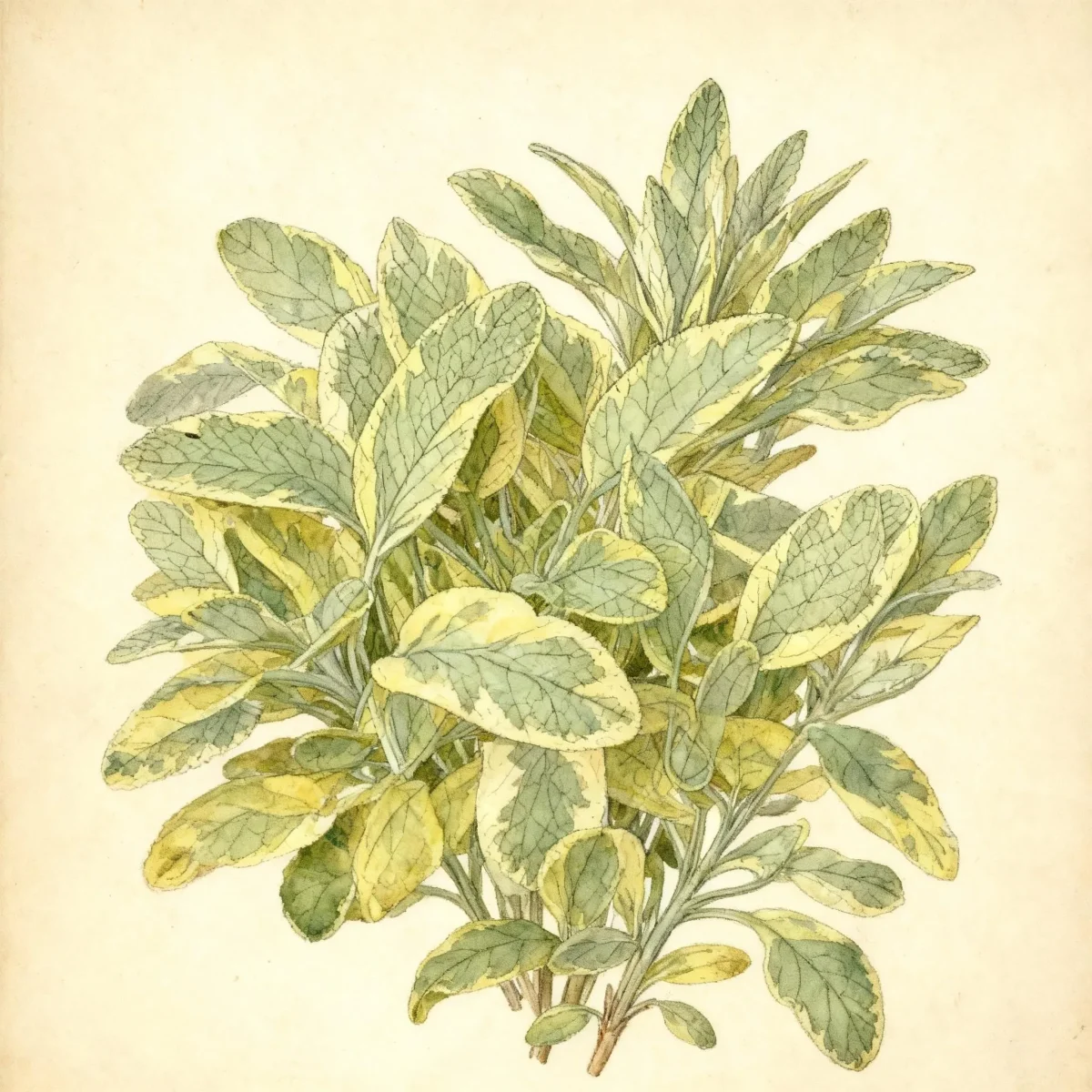
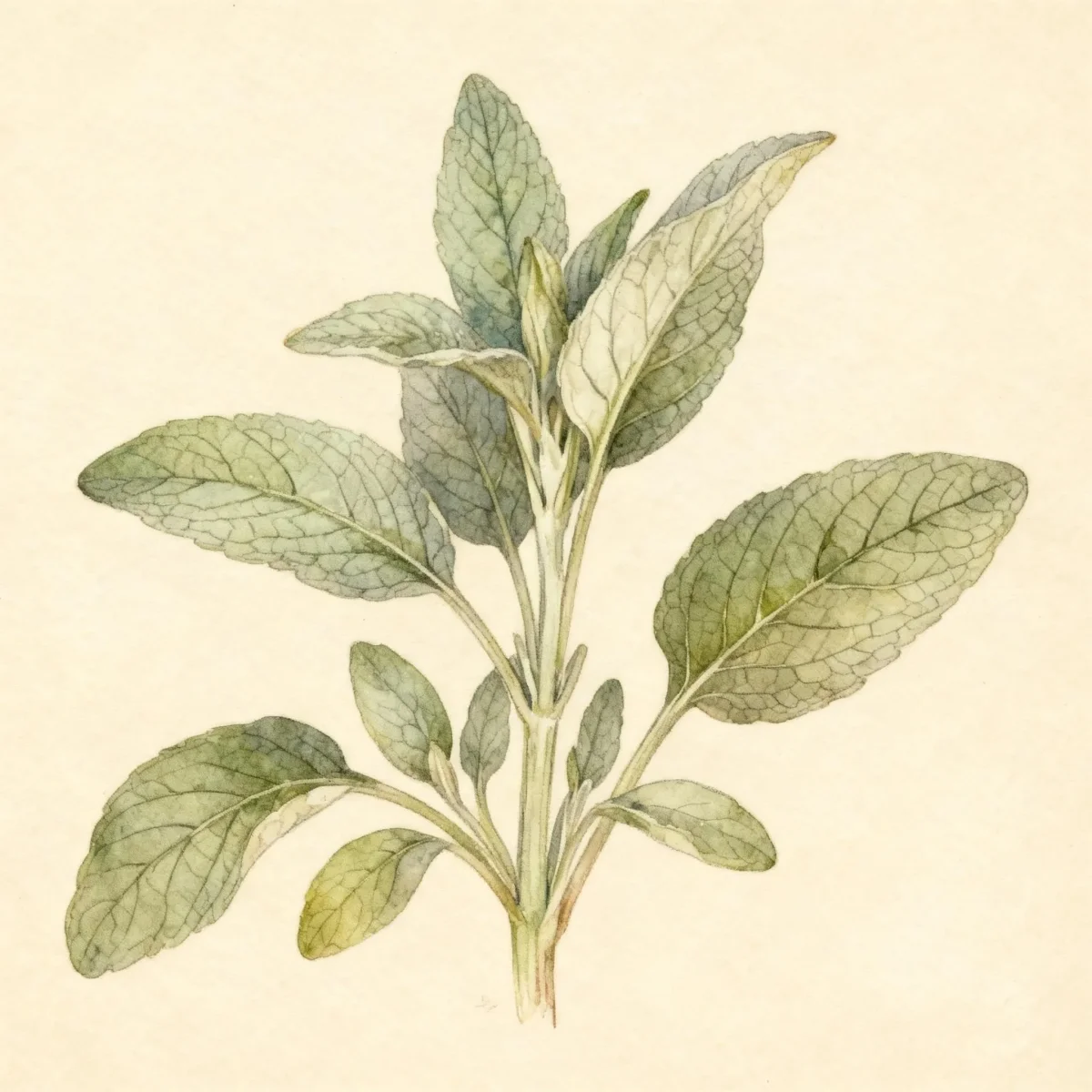
Wall germander (Teucrium chamaedrys 'Prostratum')
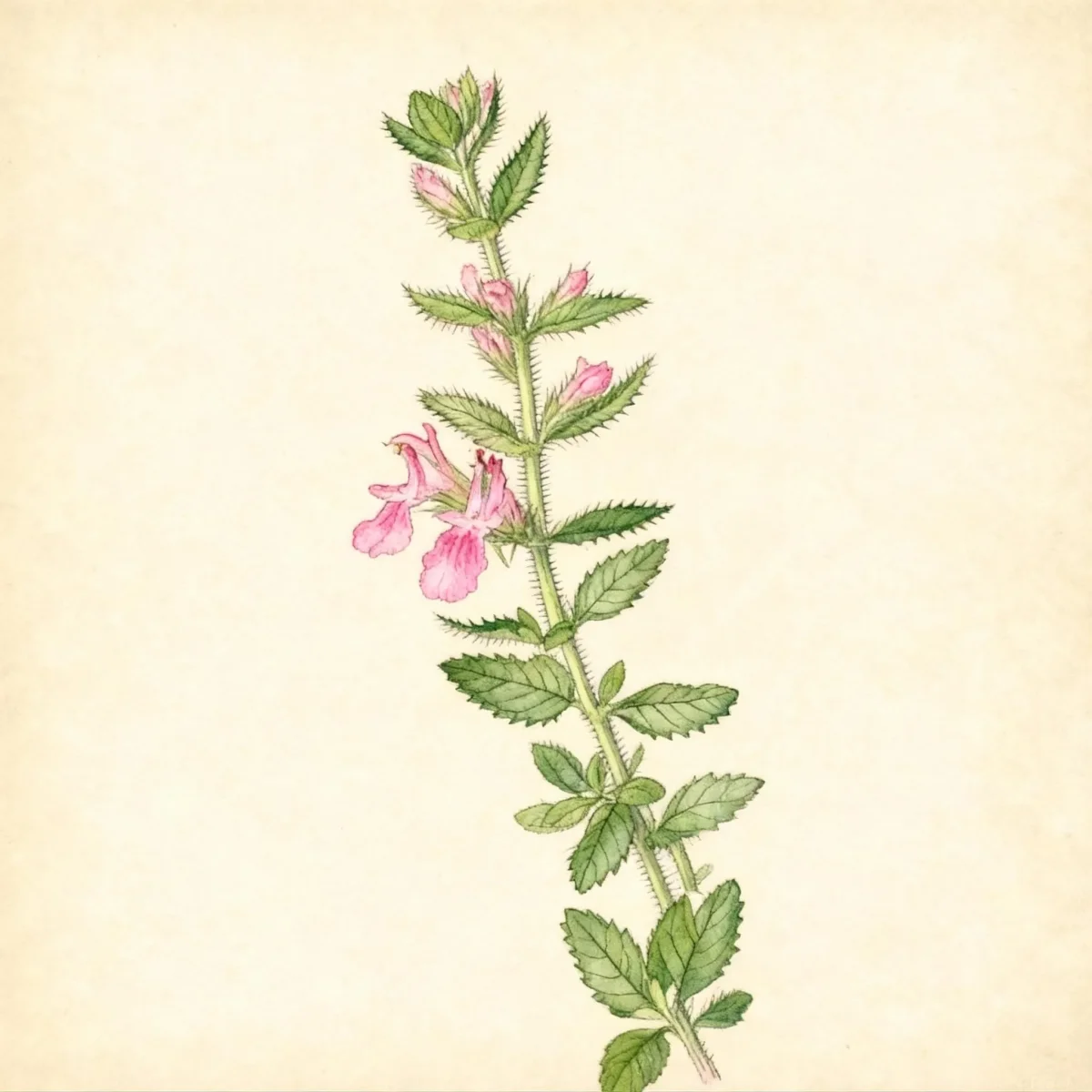
Teucrium chamaedrys 'Prostratum' (Wall germander) is a prostrate, dense evergreen offering glossy, aromatic foliage and rosy lavender spring blooms.
Scroll down to discover growing tips, care requirements, companion plants, and more
Complete Plant Information
Overview
Teucrium chamaedrys ‘Prostratum’, commonly known as Wall germander, is a valued broadleaf evergreen used for its dense, neat ground-hugging habit. This cultivar is cherished for its heavily textured, highly aromatic foliage resembling miniature oak leaves, which remains attractive throughout the year in warmer zones. It provides excellent ground cover, slowly spreading to form a low, spreading mound ideal for softening hardscape edges.
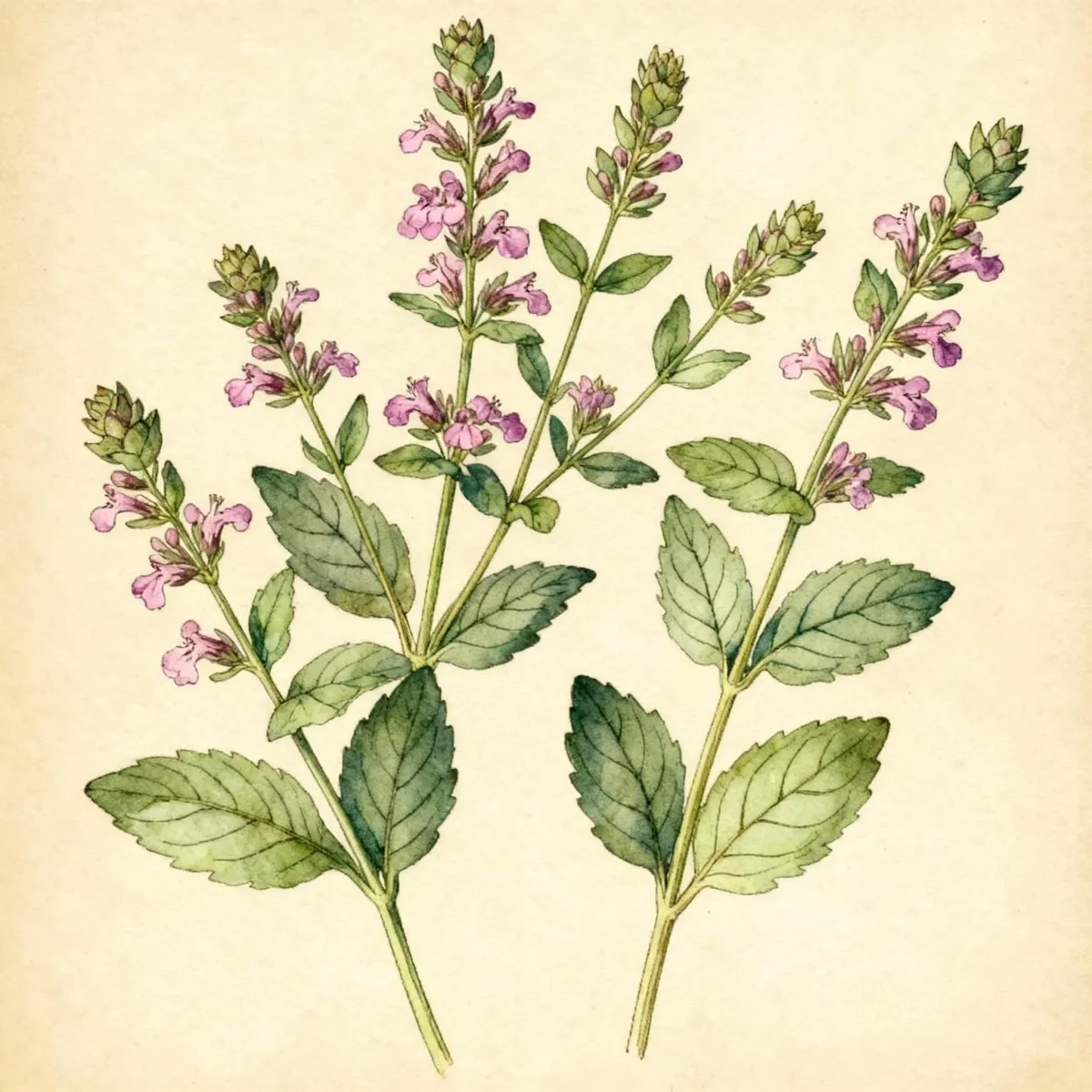
Producing whorls of attractive rosy lavender to pinkish purple flowers in early summer, the plant fits well into traditional European or herb garden designs. While generally robust, gardeners should plant Teucrium chamaedrys ‘Prostratum’ where drainage is unimpeded, as it prefers dry to medium moisture conditions once established.
The combination of evergreen texture, aromatic leaves, and moderate flowering makes Wall germander a versatile, low-growing specimen. Proper pruning after bloom ensures it maintains its compact shape, maximizing its utility as a small-scale landscape cover or low border accent.
Fast Facts
- Plant Family: Lamiaceae
- Plant Type: Broadleaf evergreen
- Hardiness Zones: USDA Zones 5-9
- Size at Maturity:
- Height: 0.5-0.75 ft
- Spread: 1.5-3 ft
- Bloom Time: July
- Bloom Description: Rosy lavender to pinkish purple
- Sun Exposure: Full sun
- Water Needs: Dry to medium
- Maintenance Level: Medium
How to Grow
For the best performance, plant Teucrium chamaedrys ‘Prostratum’ in full sun. It thrives best in average soils, provided they are well-drained; the plant tolerates poor soils happily, making it drought-tolerant once established. Planting during the spring or early fall is ideal, allowing the root system to settle before summer heat or winter cold arrives.
Once established, water sparingly; dry to medium soil moisture is preferred, demanding far less supplemental irrigation than typical garden perennials. Fertilizing is rarely necessary, as rich soils can encourage excessive, floppy growth, detracting from its neat habit.
Maintenance is relatively simple, though it warrants medium attention. Pinching or shearing the stems immediately after the main bloom period in July encourages bushy, compact growth and prevents legginess. Gardeners in Zone 5 should note that Wall germander, while listed as evergreen, may suffer winter die-back and benefit significantly from a sheltered location and possibly light winter protection.
Landscape Uses
Teucrium chamaedrys ‘Prostratum’ excels as an architectural ground cover, creating a dense, low mat that suppresses weeds effectively. Its low stature makes it an excellent, formal edging plant, providing a textural contrast similar to a diminutive boxwood hedge, though with greater tolerance for dry conditions.
Use Wall germander in rock gardens where sharp drainage is guaranteed, or mass it for filling low slopes or banks where frequent mowing or weeding is inconvenient. It integrates beautifully into old-world knot gardens or herb plantings due to its aromatic foliage. For design cohesion, pair the slightly woody structure of this plant with fine-textured ornamental grasses or tougher, low-growing sedums.
Standout Features
Flower Qualities
- Showy
Noteworthy Characteristics
Teucrium chamaedrys, commonly called wall germander, is a shrubby, woody-based, clump-forming, broad leaf evergreen which is grown ornamentally for its attractive, aromatic, evergreen foliage. Features 3/4”, oval, scalloped, shiny dark green leaves on numerous ascending and spreading stems which collectively form a mound of foliage 12-15” tall. Its rosy lavender to pinkish purple, two-lipped, tubular flowers are borne in terminal clusters on short spikes in late spring to early summer; ‘Prostratum’ grows 1/2 to 3/4 ft. Tall and 1 1/2 to 3 ft. Wide.
Tolerances
- Rabbit
- Deer
- Drought
- Dry Soil
Potential Problems
Wall germander generally exhibits few serious insect or disease issues, which contributes to its low-maintenance appeal. However, like many members of the Mint family, it can become susceptible to fungal concerns, particularly powdery mildew, leaf spot, and rust if humidity is high or air circulation is poor. Mites can occasionally become a nuisance, especially during hot, dry spells.
The most significant cultural challenge for Teucrium chamaedrys ‘Prostratum’ lies in winter hardiness in the cooler parts of its range (Zone 5). Harsh winters can lead to die-back to the ground or complete plant loss, resulting in unsightly gaps in the desired ground cover. Ensuring excellent drainage is the best preventative measure against most root and fungal issues.
Frequently Asked Questions
What hardiness zones is Wall germander suitable for?
Teucrium chamaedrys ‘Prostratum’ is hardy across USDA Zones 5 through 9, although Zone 5 gardeners should provide protection as cold damage is possible.
How large does Teucrium chamaedrys ‘Prostratum’ grow?
This prostrate variety typically reaches a height between 0.5 and 0.75 feet tall with a spread ranging from 1.5 to 3 feet wide.
What sun exposure does Wall germander need?
Wall germander requires full sun exposure for optimal growth, density, and flowering performance.
When does Teucrium chamaedrys ‘Prostratum’ bloom?
This plant typically blooms around July, displaying beautiful rosy lavender to pinkish purple flowers.
Conclusion
Wall germander, or Teucrium chamaedrys ‘Prostratum’, provides exceptional year-round evergreen texture and low-growing structure perfect for formal or drought-tolerant landscapes. Its aromatic leaves and tidy habit make it a standout choice for borders and ground cover applications. Consult your local climate zone before planting; if you are within Zones 6-9, plan for sunny, well-draining sites now to enjoy its creeping beauty.
Companion Planting
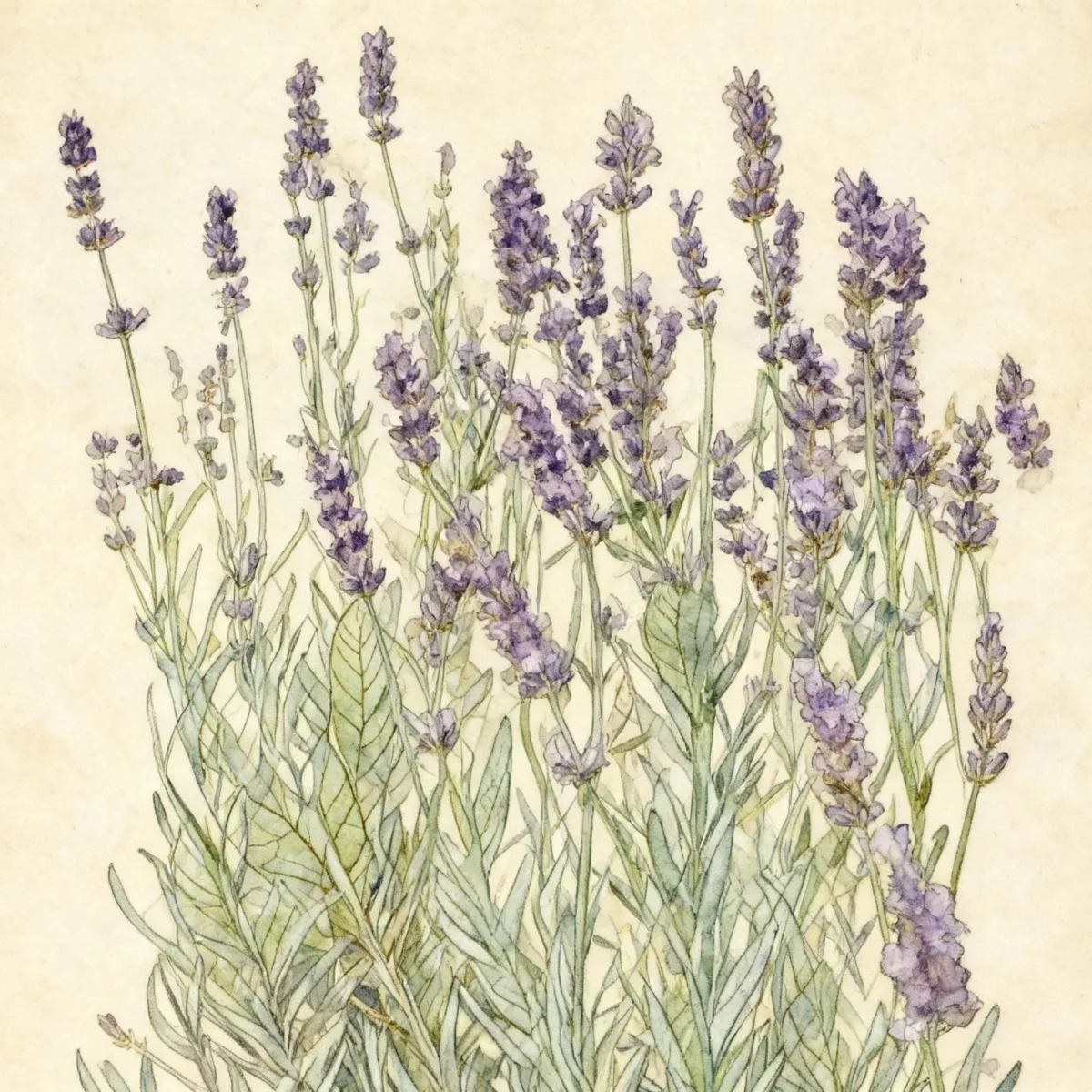
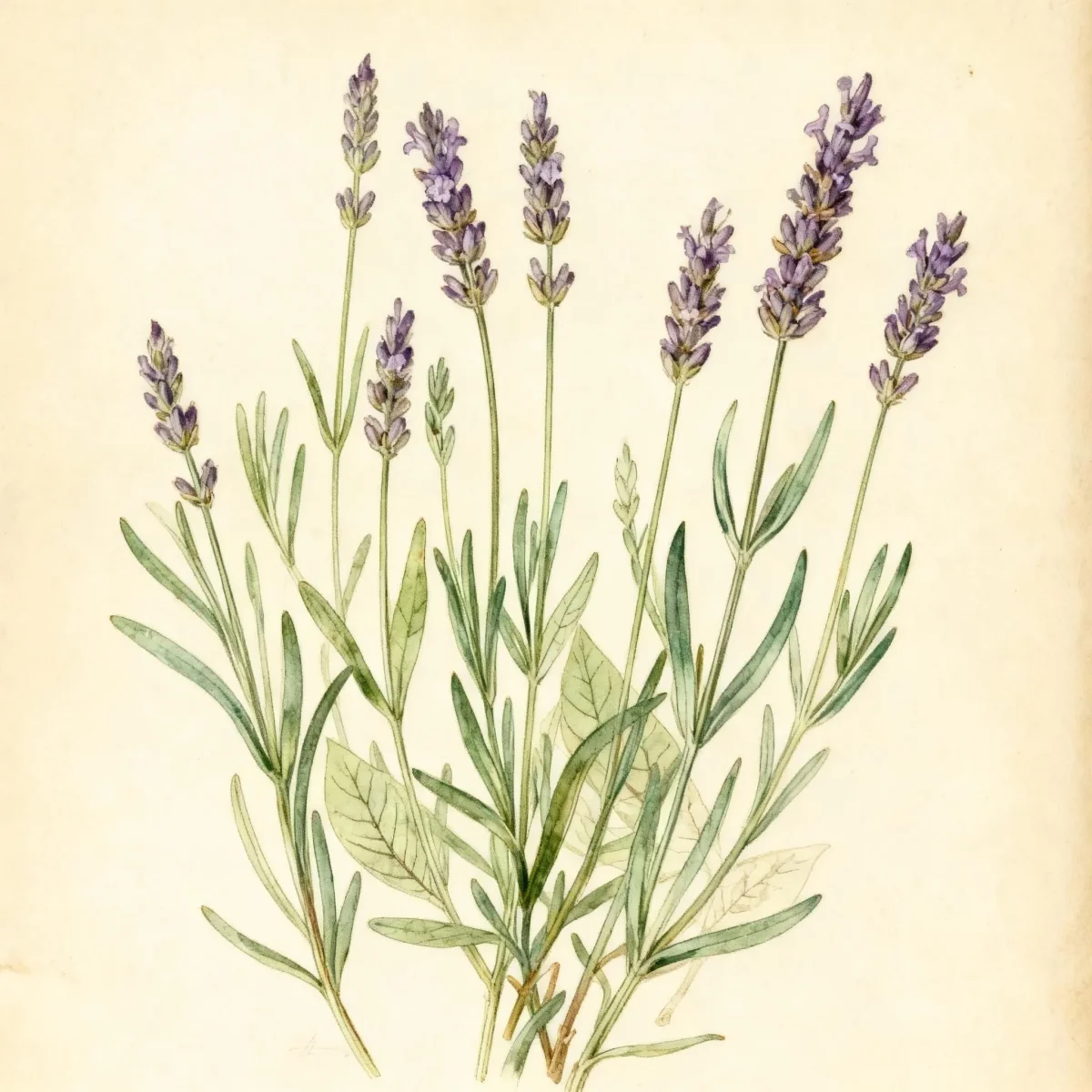
When selecting neighbors for Teucrium chamaedrys ‘Prostratum’, focus on plants that share a love for full sun and excellent drainage. Pair it with lower-growing, drought-tolerant Mediterranean herbs like Lavender (Lavandula spp.) or Thyme (Thymus spp.) to create a tapestry of fragrance and texture near pathways. Avoid moisture-loving perennials, as excessive water near the Wall germander can encourage fungal issues.
For visual contrast, consider contrasting foliage textures. Gray-leaved, silvery ground covers that also tolerate dry, poor soil, such as Cerastium tomentosum (Snow-in-Summer) or certain low-growing Sedums, complement the dark green, shiny leaves of the germander beautifully. These companions also typically share similar low-profile growth habits, ensuring the germander remains the foreground element.
Wildlife Benefits
While not primarily noted as a nectar source, the flower spikes of Teucrium chamaedrys ‘Prostratum’ attract various small pollinators during their mid-summer bloom. More significantly, its dense, low-growing structure provides excellent low cover and foraging opportunities for ground beetles and other beneficial insects that help maintain garden health naturally.
The aromatic nature of the foliage is a strong deterrent for browsing animals. Deer and rabbits typically leave this plant alone, adding to its value in landscapes where browsing pressure is high. Planting it near vegetable gardens or vulnerable border plants can sometimes act as a subtle protective perimeter, capitalizing on its listed deer and rabbit tolerances.