Evergreen azalea (Rhododendron 'Elsie Lee')
Rhododendron 'Elsie Lee' is a showy Evergreen azalea, ideal for borders, blooming pink in May. Hardy in zones 5-8.
Scroll down to discover growing tips, care requirements, companion plants, and more
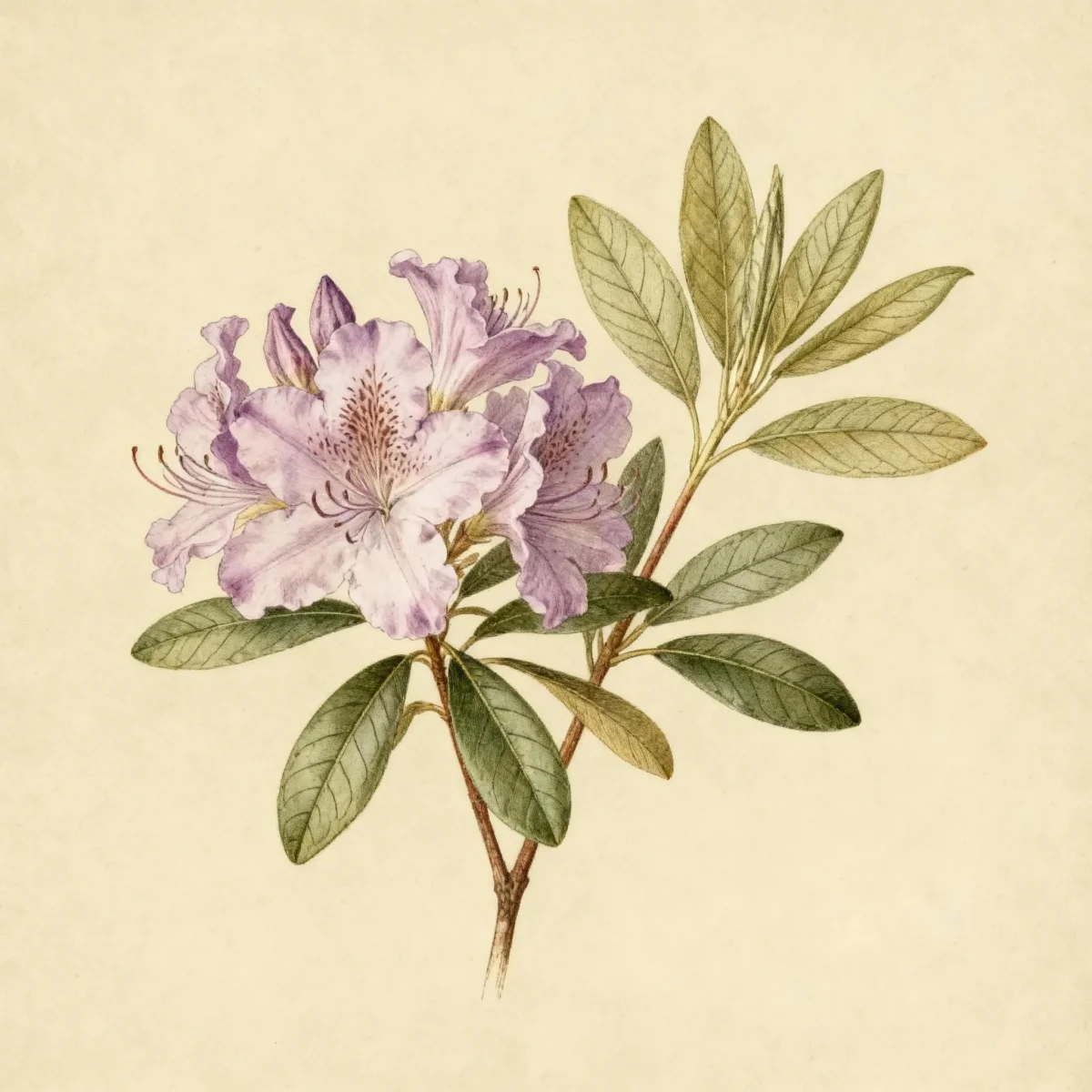
Complete Plant Information
Overview
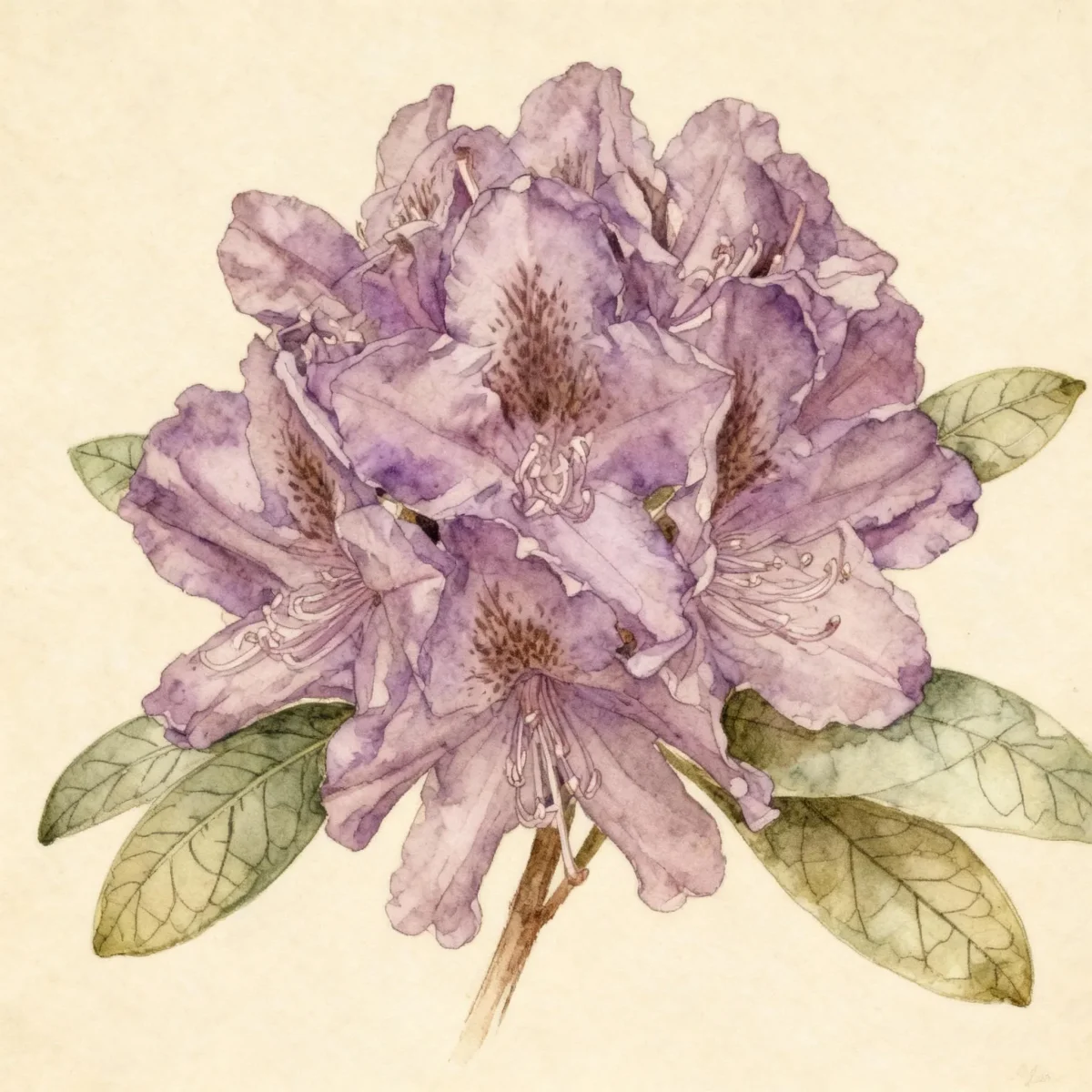
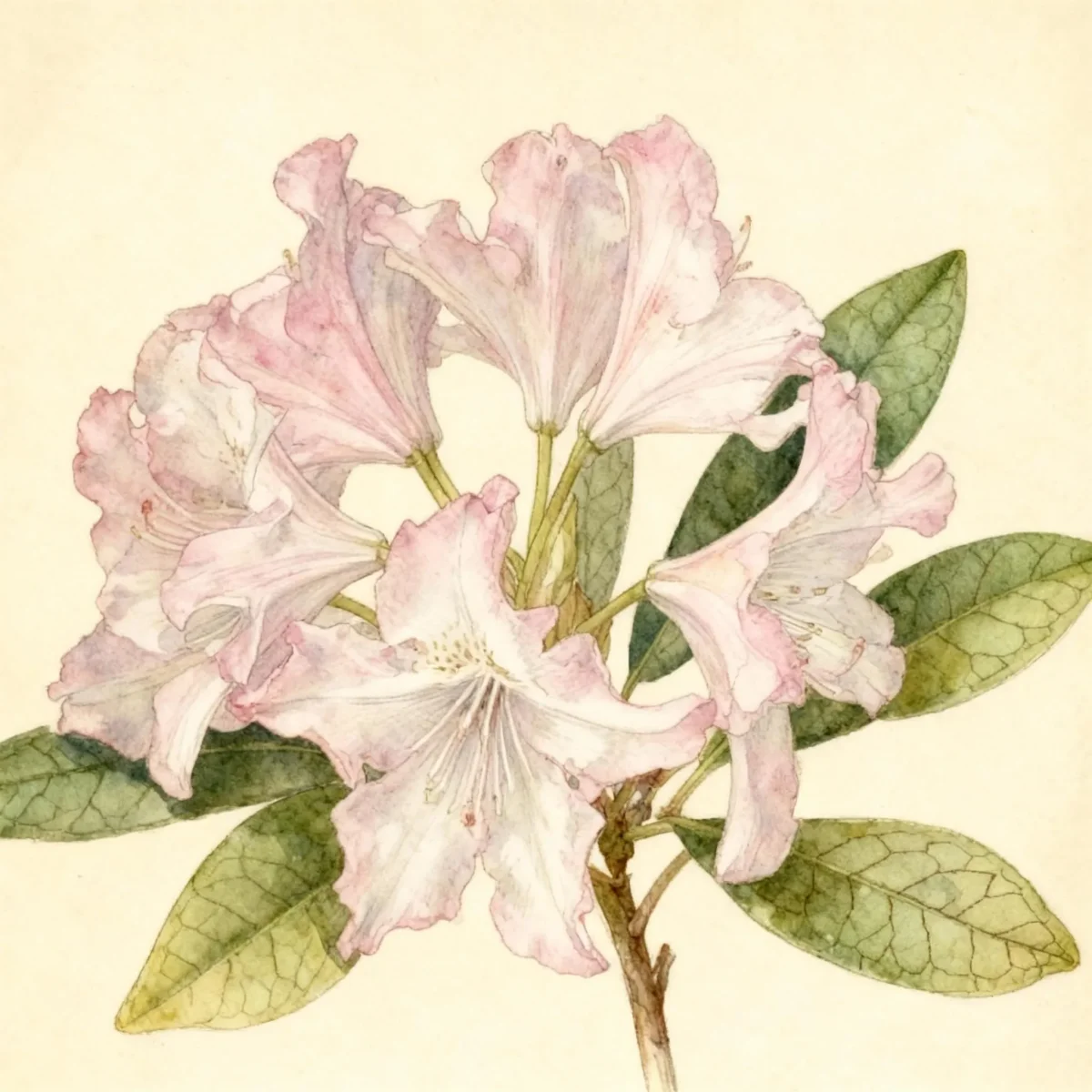
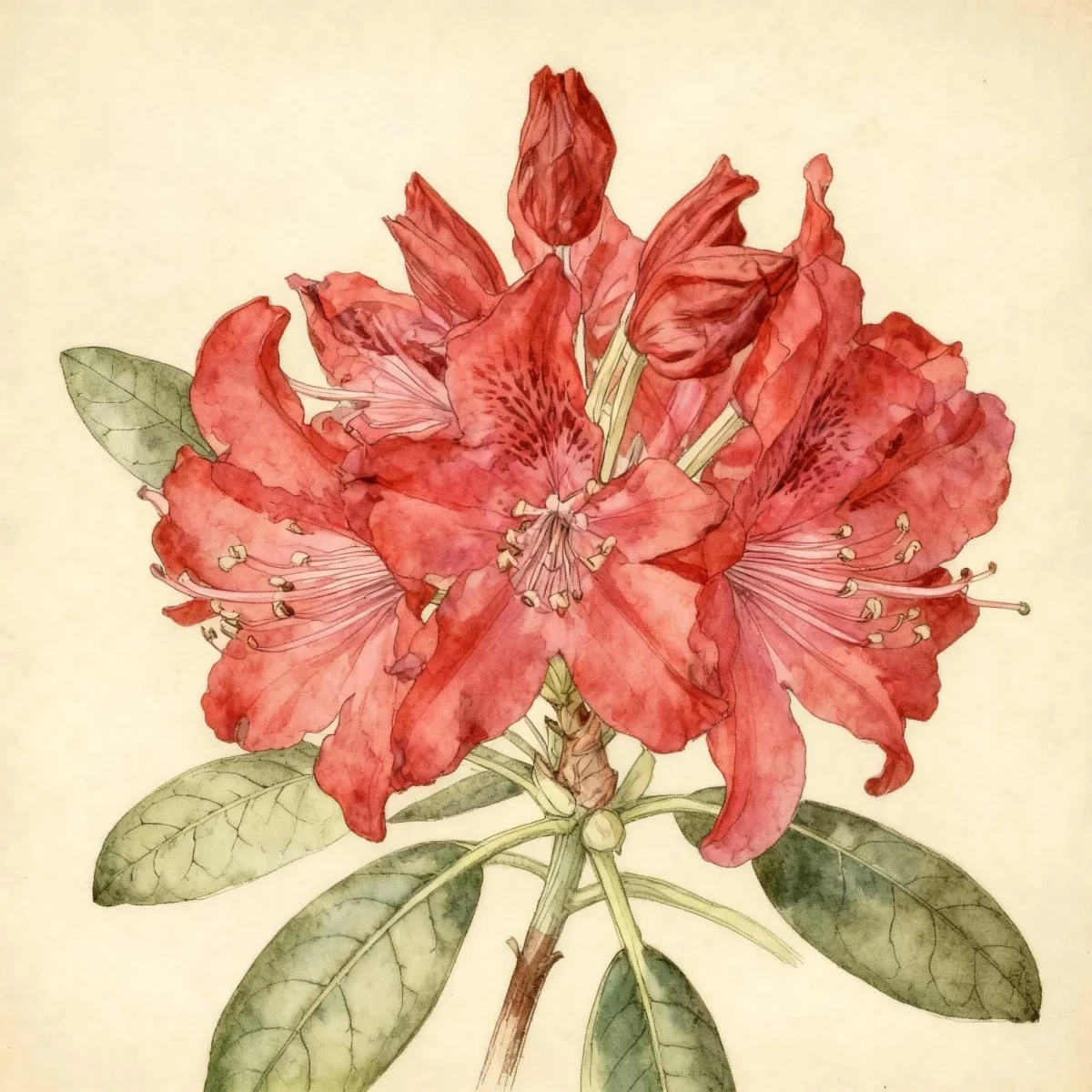
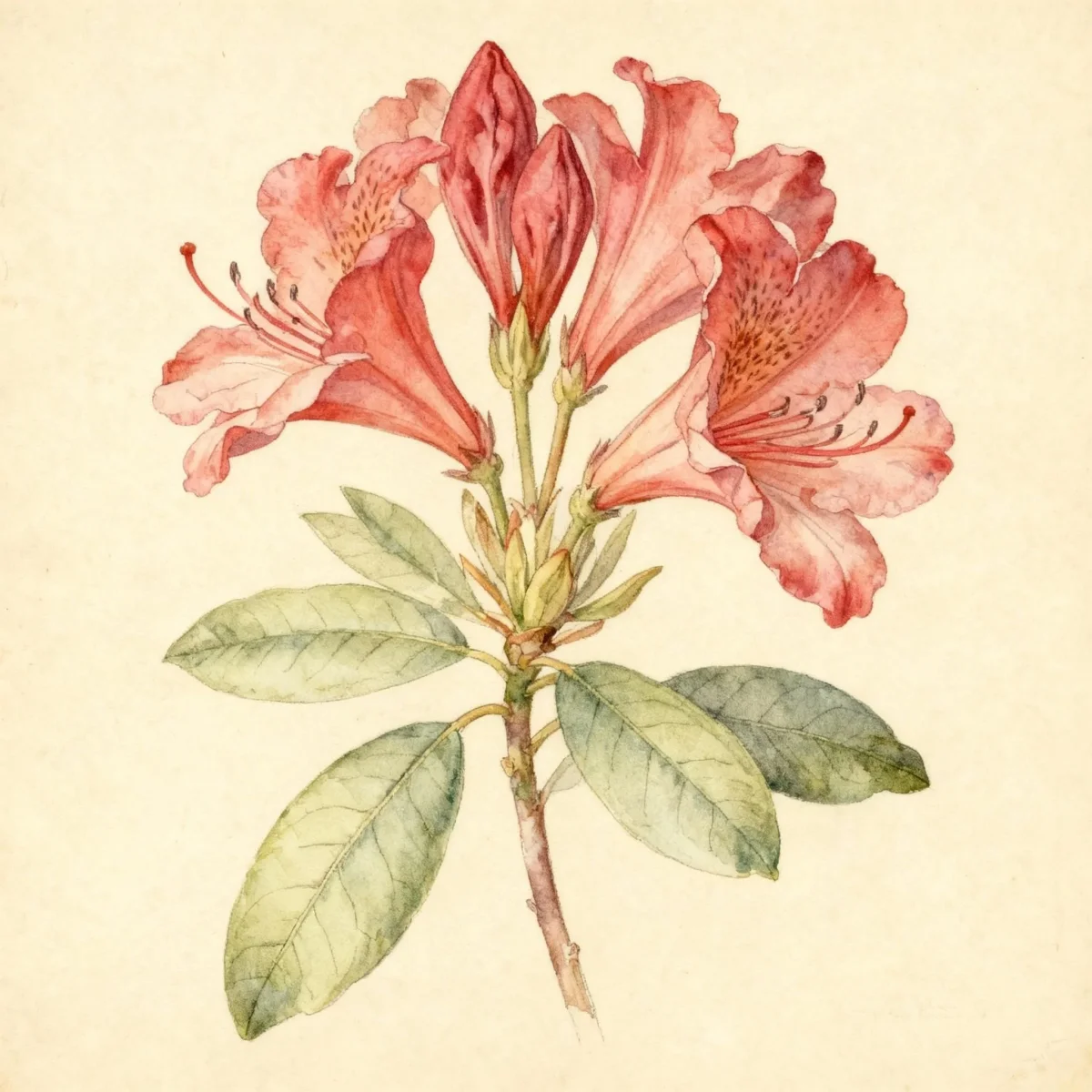
Rhododendron ‘Elsie Lee’ is a highly valued broadleaf evergreen shrub celebrated for its attractive winter foliage and vibrant spring color, classifying it as an Evergreen azalea. This cultivar produces attractive, semi-double flowers in May, notable for their distinct pink hue overlaid with delicate bluish or lavender overtones. At maturity, Rhododendron ‘Elsie Lee’ offers a pleasing, upright, semi-dwarf structure, making it an excellent choice for defined plantings where moderate size is desired.
This hybrid is an excellent addition to woodland settings or mixed borders, providing reliable structure and color contrast throughout the growing season. Successfully cultivating this Evergreen azalea requires attention to soil acidity and moisture retention, as Rhododendron species generally thrive in specific, humus-rich conditions. Gardeners will appreciate the relatively compact size of Rhododendron ‘Elsie Lee’ for foundation plantings or as a stand-alone specimen.
Fast Facts
- Plant Family: Ericaceae
- Plant Type: Broadleaf evergreen
- Hardiness Zones: USDA Zones 5-8
- Size at Maturity:
- Height: 3-4 ft
- Spread: 3-4 ft
- Bloom Time: May
- Bloom Description: Pink with bluish overtones
- Sun Exposure: Full sun to part shade
- Water Needs: Medium
- Maintenance Level: Medium
How to Grow
The ideal setting for Rhododendron ‘Elsie Lee’ is acidic, organically rich, humusy soil with medium moisture that remains well-drained. These plants prefer dappled shade or high open shade, though they tolerate morning sun followed by afternoon shade well. In cooler northern summers, they can handle more sun, but in warmer regions, afternoon shade is crucial to prevent leaf scorch. Ensure planting locations are protected from harsh, strong winds.
Good drainage is non-negotiable; these Evergreen azaleas strongly dislike “wet feet,” which invariably leads to root rot. If heavy clay soil is present, consider installing raised beds or amending heavily to ensure proper drainage. Due to their shallow, fibrous root systems, avoid cultivating near the plant base, which can cause damage. A deep layer of mulch, such as wood chips or pine needles, is highly beneficial for retaining moisture and stabilizing soil temperatures.
Soil pH management is vital for nutrient uptake, especially iron. Aim for a soil pH between 5.0 and 5.5 by adding sulfur or iron sulfate if necessary to maintain acidity. After blooming concludes in May, promptly clip off the spent flower clusters (deadheading) if possible to encourage better subsequent flowering for your Rhododendron ‘Elsie Lee’. Roots must never be allowed to suffer from drought.
Landscape Uses
Rhododendron ‘Elsie Lee’ excels in structured plantings due to its manageable size and attractive evergreen habit. It is highly recommended for formal shrub borders where consistent year-round structure is valued. As a semi-dwarf type, it functions well in mass plantings to create sweeping drifts of color, or individually as specimen accents near entryways.
This Evergreen azalea also performs beautifully in woodland margins, complementing taller trees that filter the sunlight appropriately. Consider pairing Rhododendron ‘Elsie Lee’ with other acid-loving plants such as Japanese maples, camellias, or various ferns, ensuring all companions share similar moisture and drainage requirements. Its use as a low hedge along walkways provides both year-round screening and a reliable spring floral display.
Standout Features
Flower Qualities
- Showy
Noteworthy Characteristics
Rhododendron is a genus of 500 to 900 species and includes both what we commonly call rhododendrons and azaleas, originating mainly from the Northern Hemisphere. Rhododendron ‘Elsie Lee’ was introduced in 1970, the result of a cross involving R. ‘Desiree’ and R. ‘Rosebud’, resulting in semi-double flowers 2¼ - 2½ inches wide that feature pink coloring with unique bluish or lavender overtones. This plant is an upright, broad, semi-dwarf shrub, reaching 3 to 4 feet tall and wide, making the Evergreen azalea a versatile choice for various garden designs.
Tolerances
- Rabbit
Potential Problems
Rhododendrons and azaleas face susceptibility to numerous insect and disease challenges if cultural conditions are not met. Common pests include aphids, borers, lacebugs, and scale, while diseases range from blights to root rot, often spurred by poor drainage. A key indicator of distress, chlorosis (yellowing leaves), frequently signals an iron deficiency caused by overly high soil pH, meaning the soil is not acidic enough for the Evergreen azalea. Maintaining the correct acidic pH (5.0 to 5.5) and ensuring excellent soil drainage are the best preventative cultural practices.
Frequently Asked Questions
What hardiness zones is Rhododendron ‘Elsie Lee’ suitable for?
Rhododendron ‘Elsie Lee’ is hardy and performs well in USDA hardiness zones 5 through 8.
How large does Evergreen azalea grow?
This semi-dwarf cultivar is expected to reach a mature height and spread between 3 and 4 feet tall and wide.
When does Rhododendron ‘Elsie Lee’ bloom?
This variety blooms reliably in May, showcasing semi-double flowers in shades of pink with distinct bluish overtones.
What sun exposure does Rhododendron ‘Elsie Lee’ need?
This plant prefers a location in full sun to part shade, ideally receiving morning sun and protection from intense afternoon heat.
Conclusion
Rhododendron ‘Elsie Lee’ offers gardeners a dependable burst of seasonal color combined with valuable evergreen structure, solidified by its manageable size. Ensuring consistently acidic, well-drained soil is the key to maximizing the beauty of this specific Evergreen azalea. Before planting, always confirm that your local microclimate falls within USDA Zones 5-8 to ensure long-term success with your Rhododendron ‘Elsie Lee’.
Companion Planting
Selecting appropriate neighbors is crucial for acid-loving plants like Rhododendron ‘Elsie Lee’. Companion plants should share the need for well-drained, acidic, high-organic-matter soils, and bright, diffused light conditions. Excellent partners include various species of Rhododendron (larger varieties for backdrop), Azaleas (deciduous types offer seasonal contrast), and Mountain Laurel (Kalmia).
For groundcover or intermediate texture, consider Japanese Hollies (Ilex crenata), Camellias, and acid-tolerant ferns such as Cinnamon Fern (Osmundastrum cinnamomeum). Avoid planting near members of the walnut family, as the juglones they release are toxic to this Evergreen azalea.
Seasonal Care Calendar
Early Spring (Pre-bloom): Conduct a soil test if you suspect pH drift. Apply a slow-release fertilizer formulated specifically for acid-loving plants just as new growth begins to emerge. Ensure consistent moisture as temperatures begin to rise.
Late Spring/Early Summer (Post-bloom): Immediately deadhead spent blooms from Rhododendron ‘Elsie Lee’ to conserve energy for next year’s flower buds. Apply a fresh, 2-3 inch layer of organic mulch (pine needles or bark chips) around the shallow roots, ensuring the mulch does not touch the crown of the plant.
Mid-Summer (Hot Period): Monitor watering closely, especially during dry spells. Even though the maintenance level is medium, deep, infrequent watering is preferred over light sprinkling. If the plant is in a location receiving afternoon sun, check leaves periodically for signs of scorching.
Fall/Winter: Water deeply before the ground freezes to help the broadleaf evergreen foliage survive winter desiccation. Rhododendron ‘Elsie Lee’ is sensitive to drying winds, so use temporary burlap screens if planting in an exposed location.