Sponge gourd (Luffa aegyptiaca)
Luffa aegyptiaca, or Sponge gourd, is a vigorous annual vine grown for usable fibrous fruits and edible young vegetables.
Scroll down to discover growing tips, care requirements, companion plants, and more
Complete Plant Information
Overview
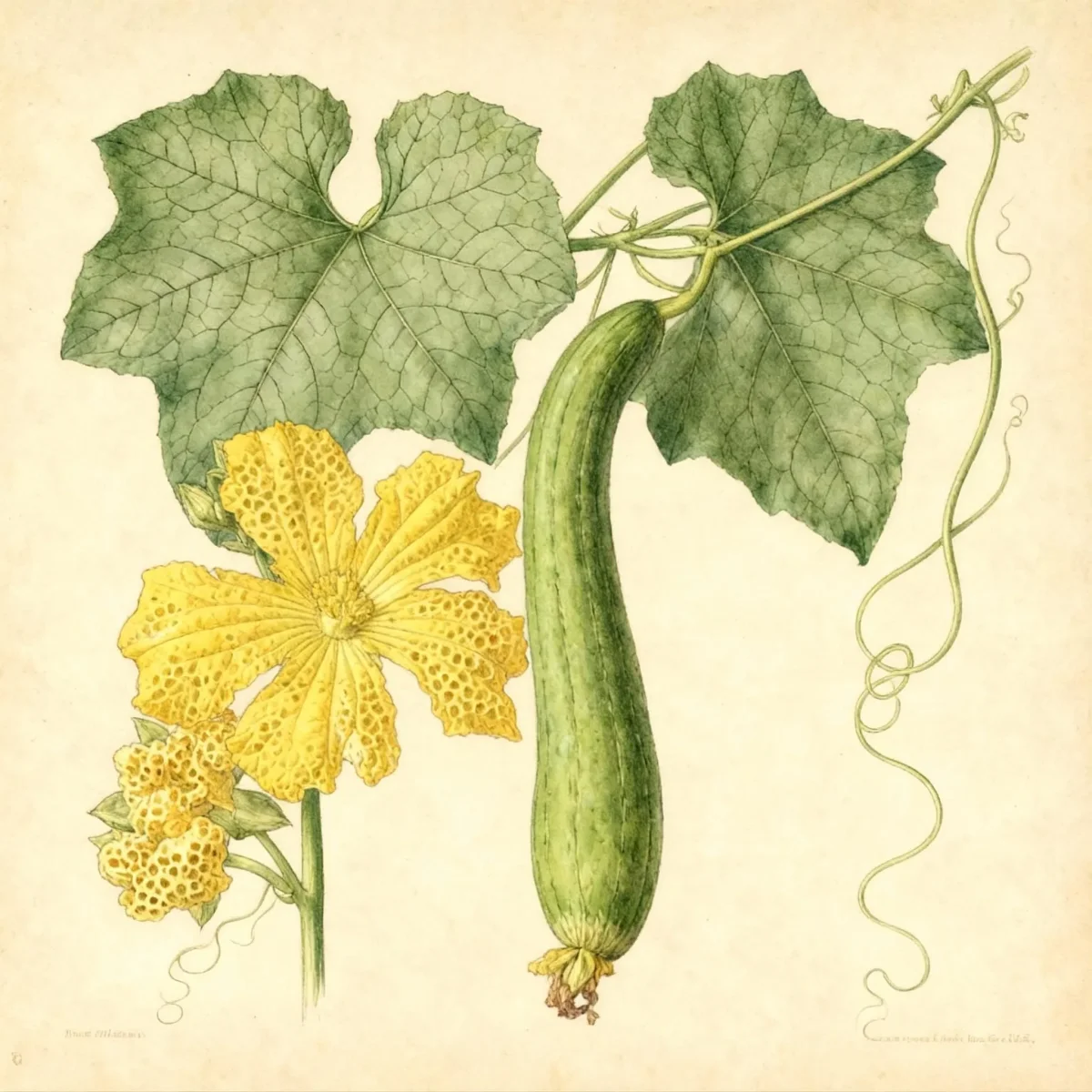
The Luffa aegyptiaca, commonly known as the Sponge gourd, is a highly vigorous, fast-growing annual vine prized both for its ornamental qualities as a towering screen and for its dual-purpose fruit. Cultivated for centuries in tropical Asian lowlands, this plant produces stunning yellow blooms before developing smooth, green fruit perfect for harvesting young vegetables. Mature fruits of the Sponge gourd develop the signature tough, fibrous interior that gives it its common name.
Gardeners must provide substantial vertical support, as healthy specimens of Luffa aegyptiaca can easily reach heights between 30 and 50 feet. This vine rapidly covers trellises, fences, or pergolas, offering dense screening during the warm growing season. Because it requires a lengthy, frost-free period to mature, successful cultivation often hinges on providing adequate warmth and a long growing window.
Beyond its utilitarian uses, the sheer speed and scale of growth make Luffa aegyptiaca a unique and showy annual feature for large gardens or structures needing quick coverage. Whether you seek culinary enjoyment from the young fruit or natural exfoliating sponges from the mature harvest, this plant delivers exceptional performance.
Fast Facts
- Plant Family: Cucurbitaceae
- Plant Type: Annual
- Native Range: Southeast Asia
- Hardiness Zones: USDA Zones 5-11
- Size at Maturity:
- Height: 30-50 ft
- Spread: 1-3 ft
- Bloom Time: Seasonal bloomer
- Bloom Description: Yellow
- Sun Exposure: Full sun
- Water Needs: Medium
- Maintenance Level: Medium
How to Grow
Planting Luffa aegyptiaca requires warmth; seeds should be sown directly outdoors in spring only after all danger of frost has passed in Zones 7 and higher. In cooler climates (Zones 5-6), starting seeds indoors 6 to 8 weeks prior to the last frost date is mandatory. Before planting, soak seeds for 24 hours, and utilize a heating pad for the best germination rates; planting into biodegradable pots minimizes transplant shock during relocation.
The Sponge gourd performs best when situated in full sun and rich, well-draining loams that are consistently moist. Due to its sprawling nature, this vine demands significant structural support, such as a sturdy fence or dedicated trellis system. Watering should be consistent, matching the ‘Medium’ needs, ensuring the soil never dries out completely, especially during fruit sizing.
To maximize productivity, especially for the mature sponge harvest, hand pollination of the yellow flowers may be necessary to ensure fruit set. The entire growing period demands a minimum of four frost-free months. Harvest the young, tender fruit for culinary uses when small, or wait until after the first frost in the fall to harvest mature fruits specifically for extracting the fibrous sponge interior.
Landscape Uses
The vigorous vining habit of Luffa aegyptiaca makes it an exceptional choice for creating temporary living walls or screens in the landscape. Utilize sturdy structures like pergolas or chain-link fences as supports, allowing the dense, palmately lobed leaves to provide deep summer shade and visual privacy. This rapid growth also makes the Sponge gourd an exciting annual addition to mixed borders where vertical interest is desired.
For culinary gardeners, planting near the vegetable patch allows easy access to the young fruits, which can be incorporated raw into salads or cooked into curries and soups. If the goal is sponge production, strategically place the vines where the mature, dried gourds are easily accessible for an autumn cleanup harvest. The plant naturally requires 1-3 feet of space between plants to allow for air circulation and full canopy development.
While focusing on its vertical reach, remember that its texture and vibrant yellow flowers add fleeting tropical flair before the fruit matures. Luffa aegyptiaca acts as functional architecture while simultaneously providing edible and non-edible products.
Standout Features
Fruit Qualities
- Edible
Noteworthy Characteristics
Luffa aegyptiaca, commonly called sponge gourd, is a fast-growing, tendriled, annual vine native to tropical Asian lowlands where it has been cultivated for centuries. Vines can reach 30-50’ long and require 1-3’ of spacing, featuring bright yellow blooms up to 4” wide. The common name sponge gourd refers to one of the typical uses of the tough, fibrous interiors of the mature fruits.
Potential Problems
This vine is known to be susceptible to several fungal issues common in the Cucurbitaceae family, including powdery mildew, downy mildew, and various leaf spot diseases. Insect pests that commonly target squash and cucumbers can also cause damage, such as cucumber beetles, squash bugs, thrips, aphids, and spider mites. Ensure excellent air circulation by providing proper support and spacing, and apply preventative fungicides if mildew pressure is high in your garden.
Tolerances
- None Listed
Frequently Asked Questions
What hardiness zones is Sponge gourd suitable for?
The Luffa aegyptiaca is adaptable and suitable for USDA Hardiness Zones 5 through 11.
How large does Luffa aegyptiaca grow?
This annual vine is quite tall, reaching mature heights between 30 and 50 feet, with a relatively narrow spread of 1 to 3 feet.
What sun exposure does Sponge gourd need?
Luffa aegyptiaca requires abundant energy to fuel its rapid growth and must be sited in a location receiving full sun throughout the day.
When does Sponge gourd bloom?
This species is a seasonal bloomer, producing distinctive yellow flowers.
Conclusion
The Sponge gourd offers incredible versatility, transitioning from a fast-growing green screen displaying bright yellow flowers to producing both edible vegetables and natural sponges. The longevity of its usefulness, from spring planting through a fall harvest of Luffa aegyptiaca sponges, makes it a rewarding annual project. Check your local spring frost dates and plan to start seeds early indoors if you live in cooler hardiness zones to ensure a successful, long growing season.
Companion Planting
Selecting beneficial companions for your Luffa aegyptiaca can help manage pests and maximize space utilization. Since this vine requires significant vertical support, consider planting shorter, ground-covering companions below. Beans or smaller herbs that do not compete heavily for the same soil nutrients or sunlight near the base can be good neighbors. Avoid planting other members of the Cucurbitaceae family too closely, as this can increase the risk of spreading shared pests and diseases like powdery mildew.
Propagation Tips
For gardeners focused on maximizing their harvest, understanding the propagation of Luffa aegyptiaca is essential, as this plant is always grown by seed—it cannot be reliably propagated through cuttings. As detailed in the culture notes, soaking the seeds for 24 hours aids germination. Because the vine needs a long, warm season, gardeners in cooler zones must use indoor starting techniques combined with a heating mat to simulate tropical conditions needed for robust seedling development before transplanting outdoors.