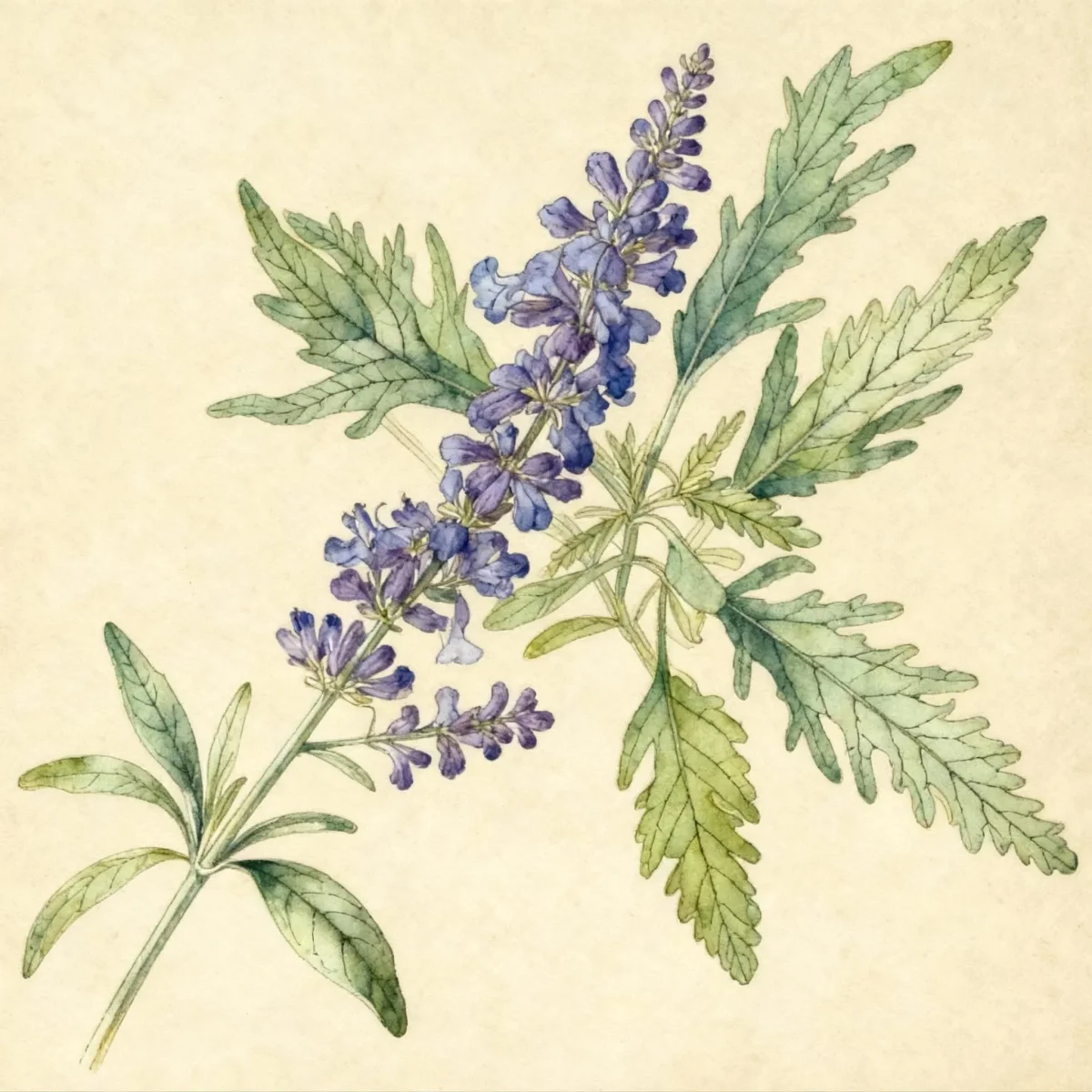
Russian sage (Perovskia atriplicifolia 'CrazyBlue')
Perovskia atriplicifolia 'CrazyBlue' (Russian sage) is a low-maintenance perennial offering silvery foliage and long summer purple-violet blooms.
Scroll down to discover growing tips, care requirements, companion plants, and more
Complete Plant Information
Overview
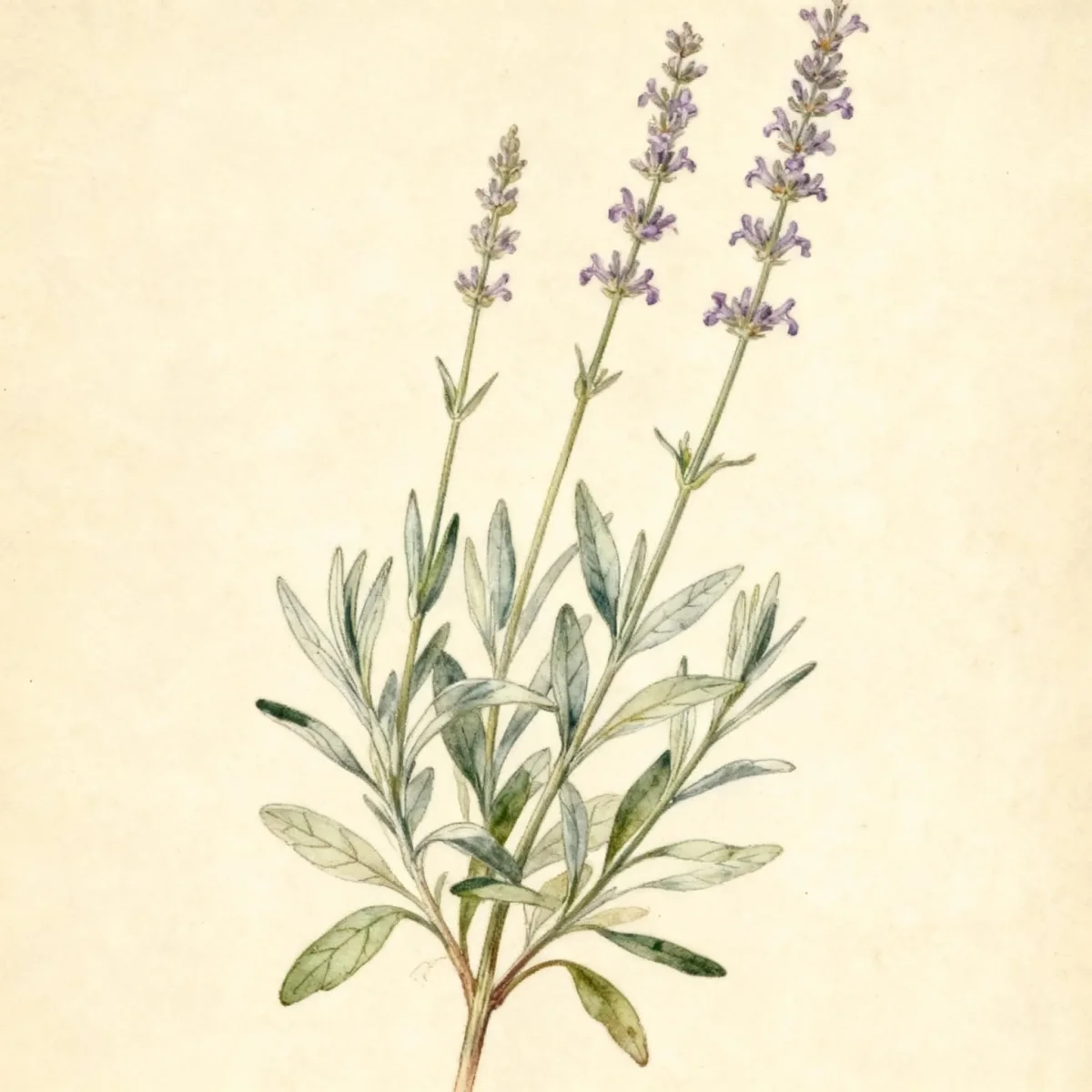
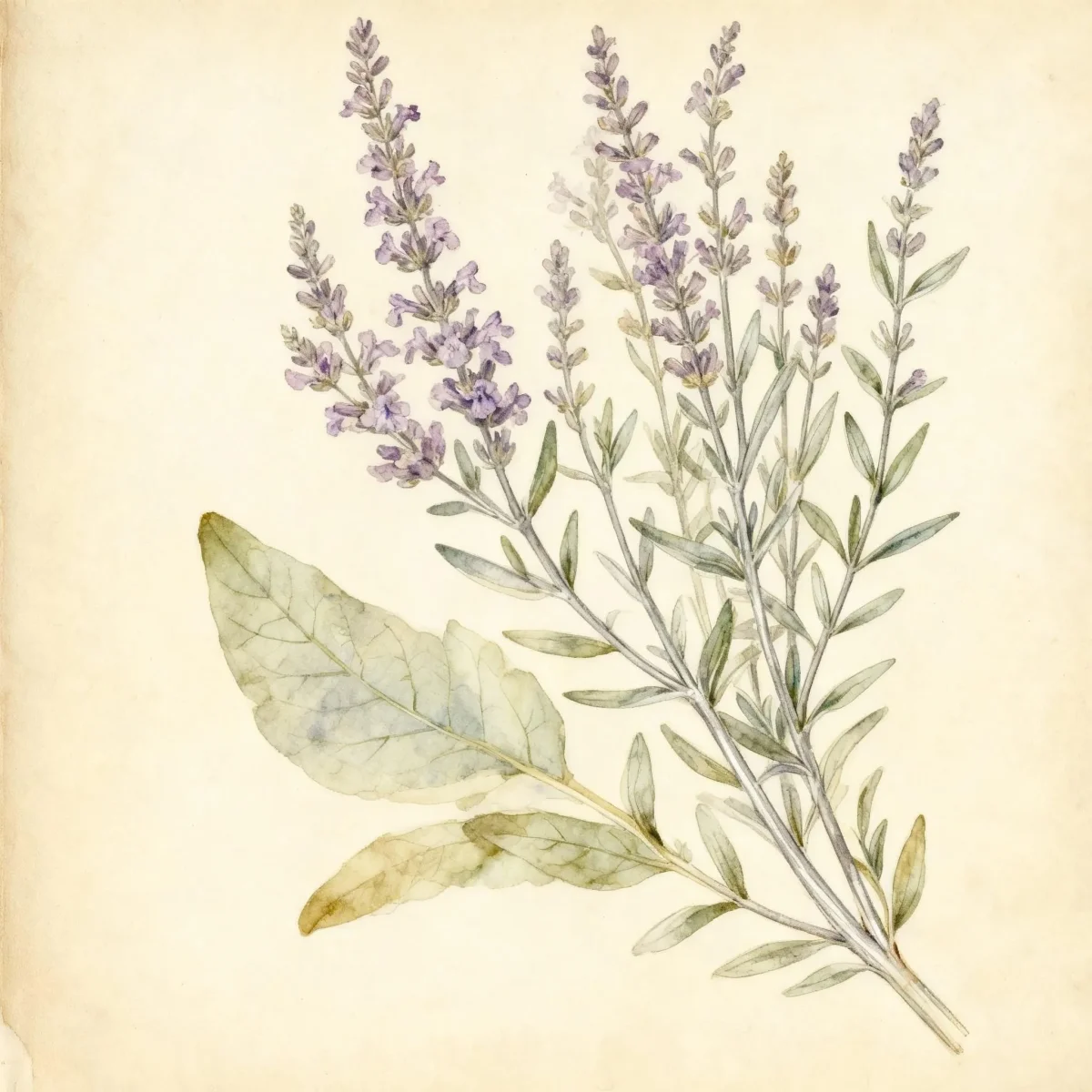
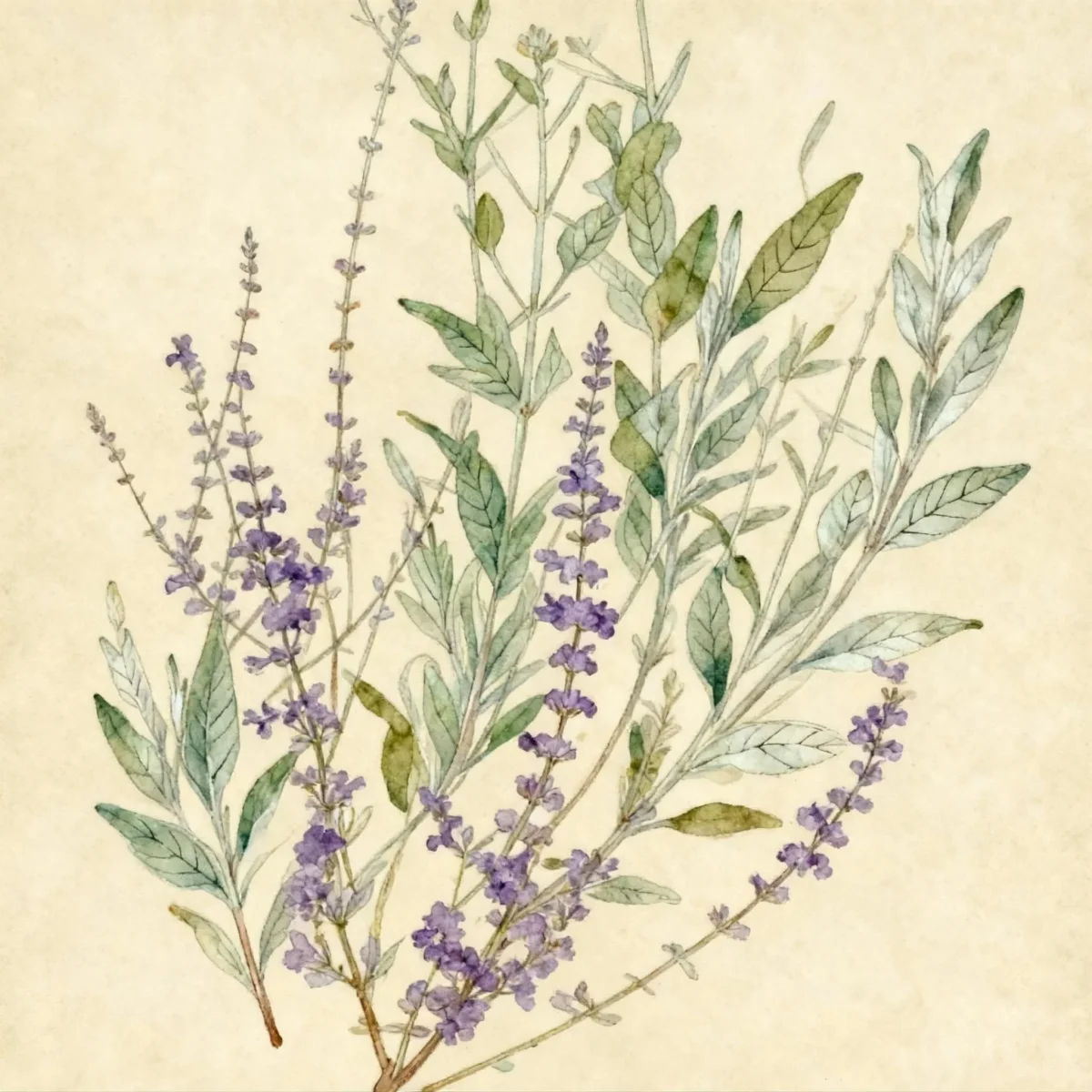
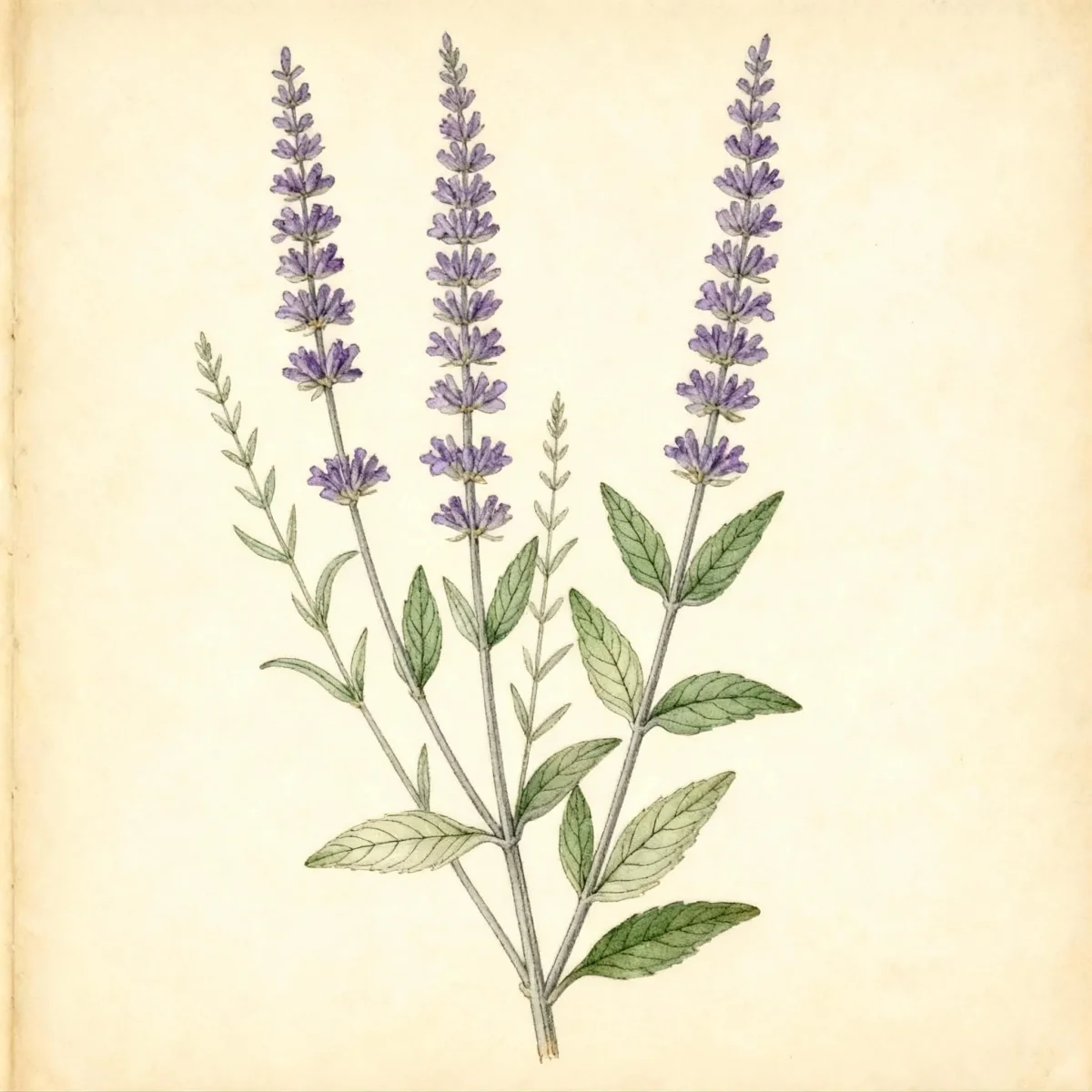
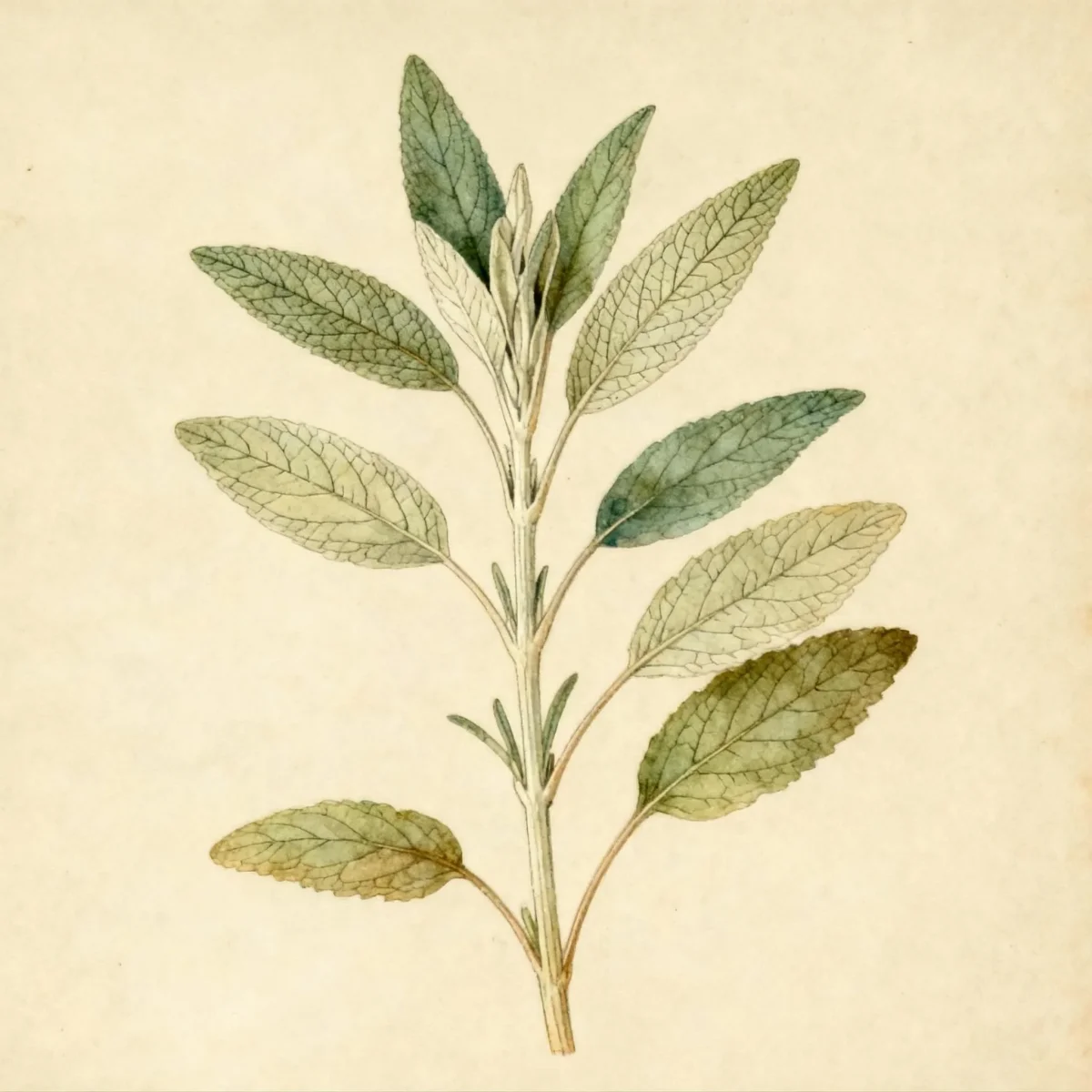
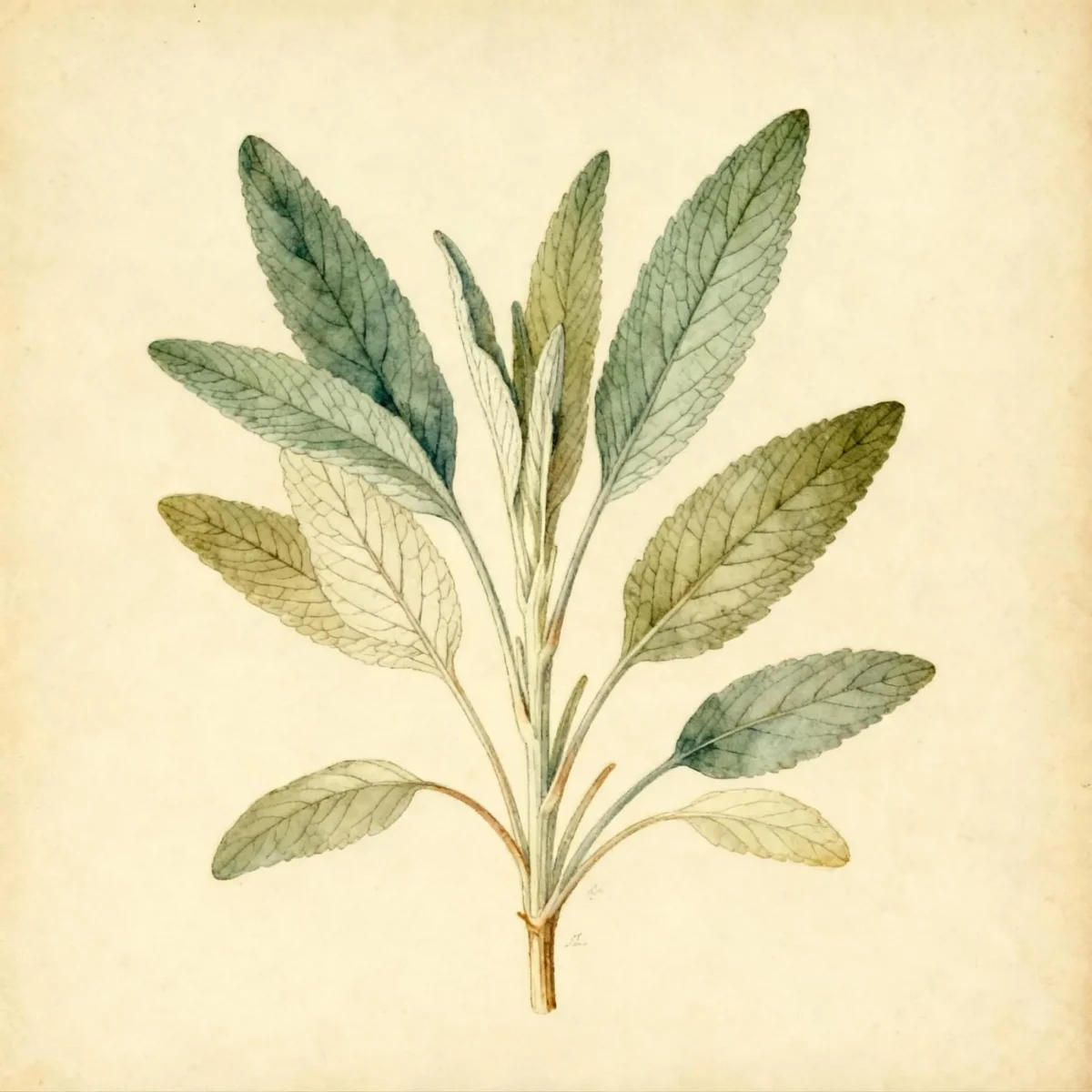
Perovskia atriplicifolia ‘CrazyBlue’, commonly known as Russian sage, provides excellent texture and long-lasting summer color for the landscape. This compact cultivar is valued for its stiff, upright silvery stems and aromatic gray-green foliage that holds up well through hot weather. Gardeners appreciate this plant for its tough nature and the fine contrast it offers against bolder textures.
The beauty of Russian sage lies both in its silvery leaves and its abundant display of purple-violet flowers, which appear reliably from early summer into autumn. It thrives in challenging, dry conditions where many other perennials struggle. This characteristic makes Perovskia atriplicifolia ‘CrazyBlue’ a perfect choice for sunny, drier borders where low water needs post-establishment are desired.
As a sturdy herbaceous perennial, this variety of Russian sage brings reliable structure to the perennial border. Its low maintenance requirements, coupled with high drought tolerance, ensure that this plant remains a staple for gardeners seeking maximum visual impact with minimal fuss throughout the blooming season.
Fast Facts
- Plant Family: Lamiaceae
- Plant Type: Herbaceous perennial
- Hardiness Zones: USDA Zones 5-9
- Size at Maturity:
- Height: 0.75-1.5 ft
- Spread: 1-1.5 ft
- Bloom Time: June to September
- Bloom Description: Purple-violet
- Sun Exposure: Full sun
- Water Needs: Dry to medium
- Maintenance Level: Low
How to Grow
Planting Russian sage is best achieved in the spring after the danger of frost has passed, although fall planting can also be successful in milder climates. Location is key: ensure it receives full, uninterrupted sun exposure, as stems are much more likely to sprawl or flop if grown in partial shade. The soil must be well-drained; Perovskia atriplicifolia ‘CrazyBlue’ strongly prefers average to dry conditions and sharp drainage over consistently wet locations.
Care for this tough perennial is minimal once established. Watering should be infrequent, allowing the soil to dry out between applications; it exhibits excellent drought tolerance. Fertilization is generally unnecessary, as rich soil can sometimes encourage weaker stems. The primary maintenance task is strategic pruning.
Pruning is crucial for maintaining the compact shape of Perovskia atriplicifolia ‘CrazyBlue’. Wait until late winter or very early spring, when new growth just begins to emerge, and cut the stems back hard, almost to the ground. This hard cutback rejuvenates the plant and promotes the stiff, upright habit for the upcoming season. Deadheading faded flowers throughout summer can encourage slightly prolonged blooming, though the plant is beautiful even when left to mature.
Landscape Uses
Russian sage excels when used en masse to create washes of hazy, soft color across the garden. Its fine texture and silvery coloration make Perovskia atriplicifolia ‘CrazyBlue’ an outstanding textural contrast plant. It performs beautifully when massed or used as a specimen near the front or middle of perennial borders, offering dependable long summer bloom.
For dramatic effect, plant this variety alongside perennials with bolder foliage or warmer colors. It contrasts exceptionally well with pink flowers, such as phlox or mallow, and pairs stunningly against bright yellows like Rudbeckia varieties. The combination of the silver-gray foliage and the deep blue flowers of Perovskia atriplicifolia ‘CrazyBlue’ ensures dynamic color and visual depth throughout the hottest months.
Standout Features
Flower Qualities
- Showy
Noteworthy Characteristics
Perovskia atriplicifolia, commonly called Russian sage, is a woody-based perennial of the mint family which typically features finely-dissected, aromatic, gray-green leaves on stiff, upright stems and whorls of light blue flowers tiered in branched panicles. The cultivar ‘CrazyBlue’ is a compact-mounded Russian sage selected for its manageable size, typically maturing to only 14” tall on stiff, upright, silvery stems clad with aromatic silvery gray-green leaves. These plants deliver purple-violet to violet-blue flowers from late spring well into late summer, providing excellent seasonal interest.
Tolerances
- Rabbit
- Deer
- Drought
- Clay Soil
- Dry Soil
- Air Pollution
Potential Problems
This plant generally suffers from no serious insect or disease problems, which adds significantly to its low-maintenance appeal. The main cultural issue encountered is physical weakness; plants tend to sprawl or flop over as the summer progresses, especially if they receive too much water or are grown in inadequate sunlight. Prevent flopping by ensuring definitive full sun exposure and adhering to the recommended late winter/early spring hard prune.
Frequently Asked Questions
What hardiness zones is Russian sage suitable for?
Russian sage, including the ‘CrazyBlue’ cultivar, is ideally suited for USDA Hardiness Zones 5 through 9.
How large does Perovskia atriplicifolia ‘CrazyBlue’ grow?
This compact cultivar typically reaches a height between 0.75 and 1.5 feet tall, with an equal spread of 1 to 1.5 feet, creating a neat, mounded presence.
What sun exposure does Perovskia atriplicifolia ‘CrazyBlue’ need?
This variety demands full sun exposure to achieve its best performance, dense habit, and vibrant bloom color. Insufficient light will cause the stems to weaken and flop.
When does Russian sage bloom?
You can expect beautiful blooms from this perennial from June all the way through September, featuring masses of unique purple-violet flowers.
Conclusion
The superb combination of exceptional drought tolerance, low maintenance, and reliable summer color solidifies the value of Perovskia atriplicifolia ‘CrazyBlue’ in modern gardens. This Russian sage cultivar offers finesse without fragility, making it an easy choice for sunny locales. Before planting, confirm your site provides full sun and sharp drainage to ensure your Perovskia atriplicifolia ‘CrazyBlue’ maintains its compact, upright form all season long.
Companion Planting
Choosing effective neighbors for Russian sage focuses on complementary textures and bloom times. Since this plant thrives in dry, full-sun conditions, select other xeriscapic perennials that appreciate similar culture. Good companions include ornamental grasses, which echo its linear quality, or plants with strong contrasting foliage colors.
Consider pairing the silver foliage of Perovskia atriplicifolia ‘CrazyBlue’ with plants featuring deep burgundy or strong chartreuse coloring for maximum visual pop. For companions that bloom simultaneously, look toward sturdy coneflowers (Echinacea) or Black-eyed Susans (Rudbeckia), which handle the heat well alongside your Russian sage. Avoid plants that require consistently moist soil, as this will compromise the health of your Perovskia.
Seasonal Care Calendar
Spring is the most active season for horticultural tasks involving Perovskia atriplicifolia ‘CrazyBlue’. As soon as you spot new greenish growth emerging near the base of the silvery stems, use sharp pruners to cut all previous year’s wood back severely, leaving only 3 to 6 inches above the soil line. This mandatory cut ensures compact re-growth.
Summer care is largely hands-off, focusing primarily on observation. If you notice any early flopping, you can lightly shear the plant by about one-third; however, heavy shearing may sacrifice some late-season blooms. During extended dry spells, water deeply but infrequently, allowing the topsoil to dry out completely between irrigation cycles.
Winter preparation for Russian sage is minimal due to its inherent toughness and tolerance for dry soil. Unlike some tender perennials, you do not need to mulch heavily after the spring pruning. Allow the structure left after pruning to remain throughout winter, as the stiff stems can offer architectural interest in a dormant garden setting.