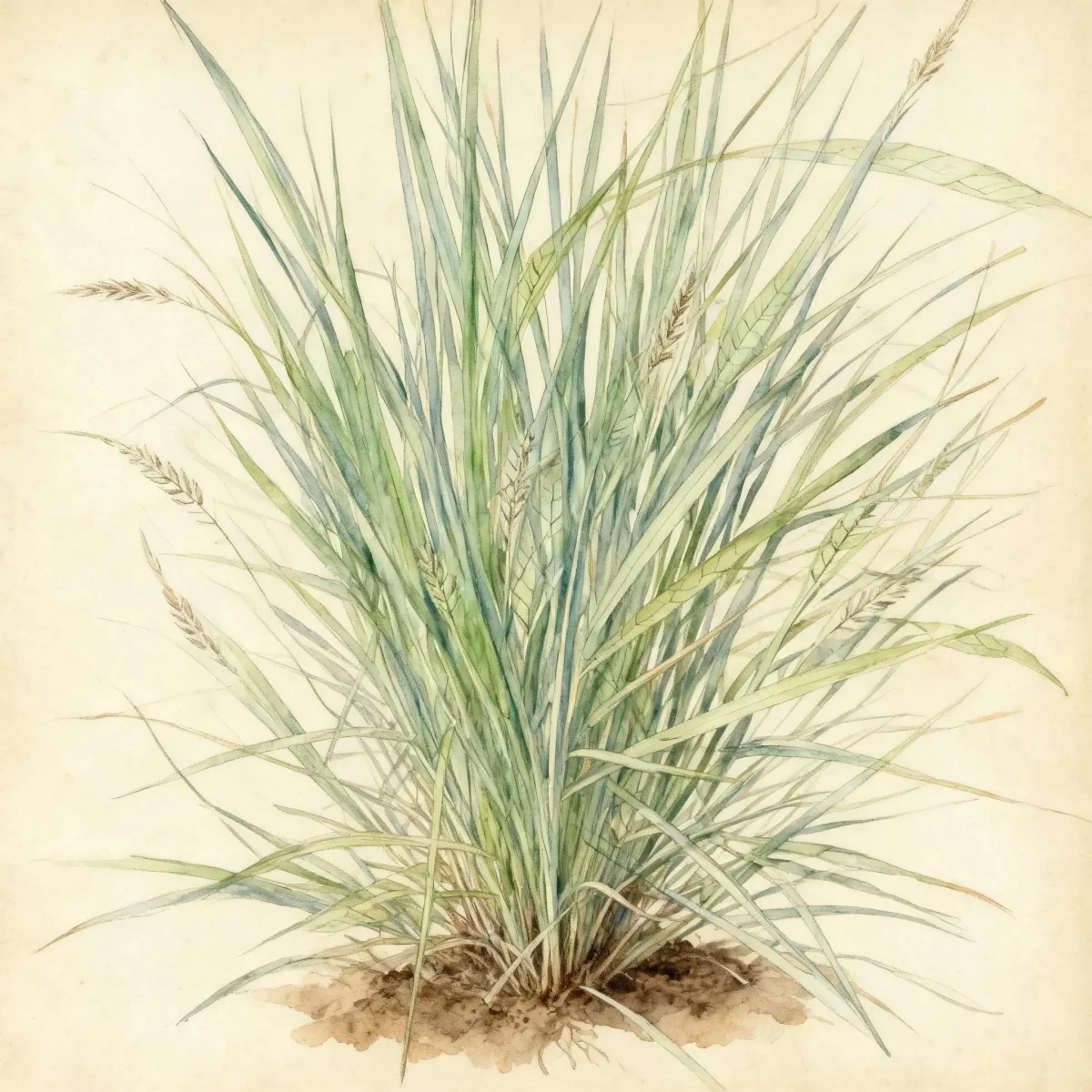
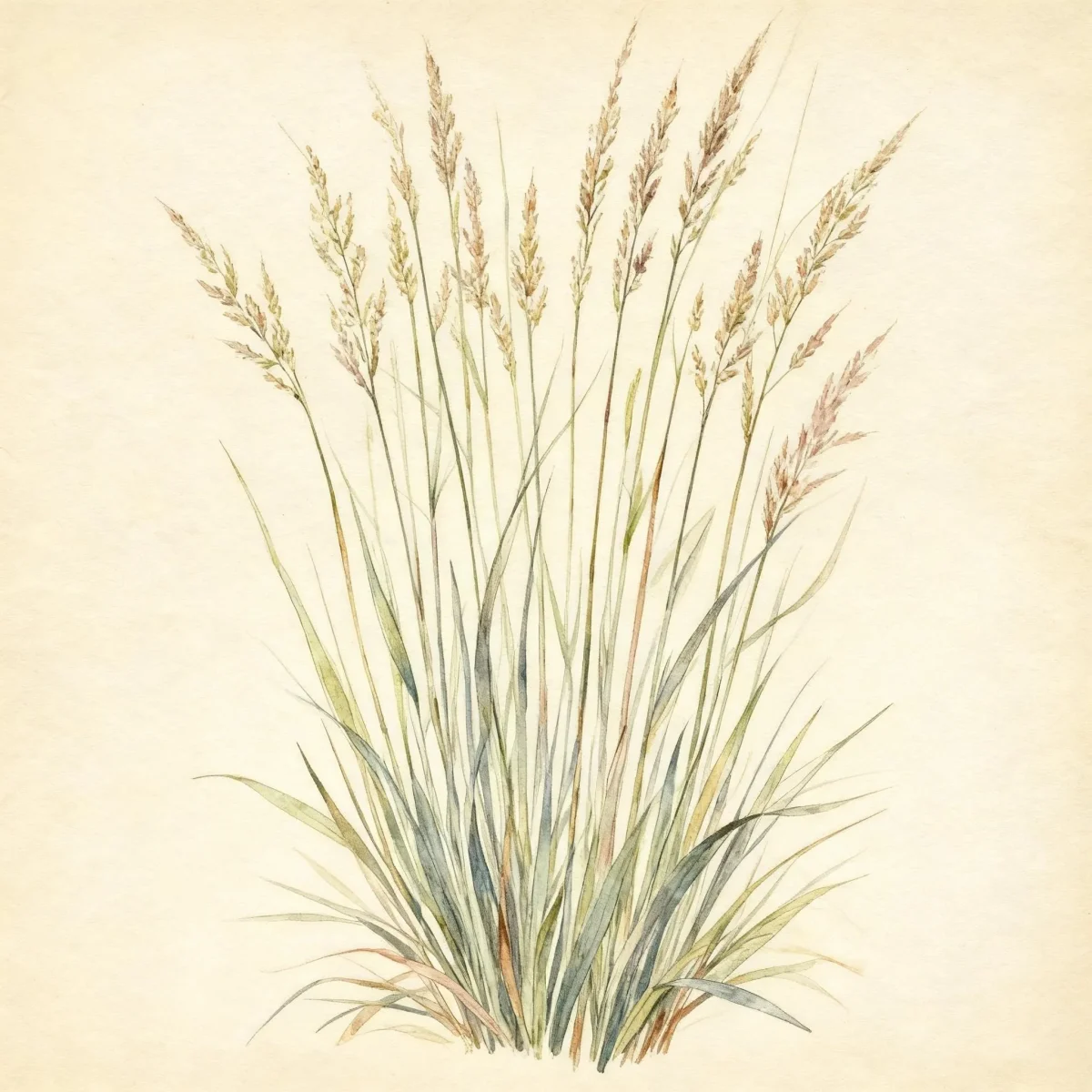
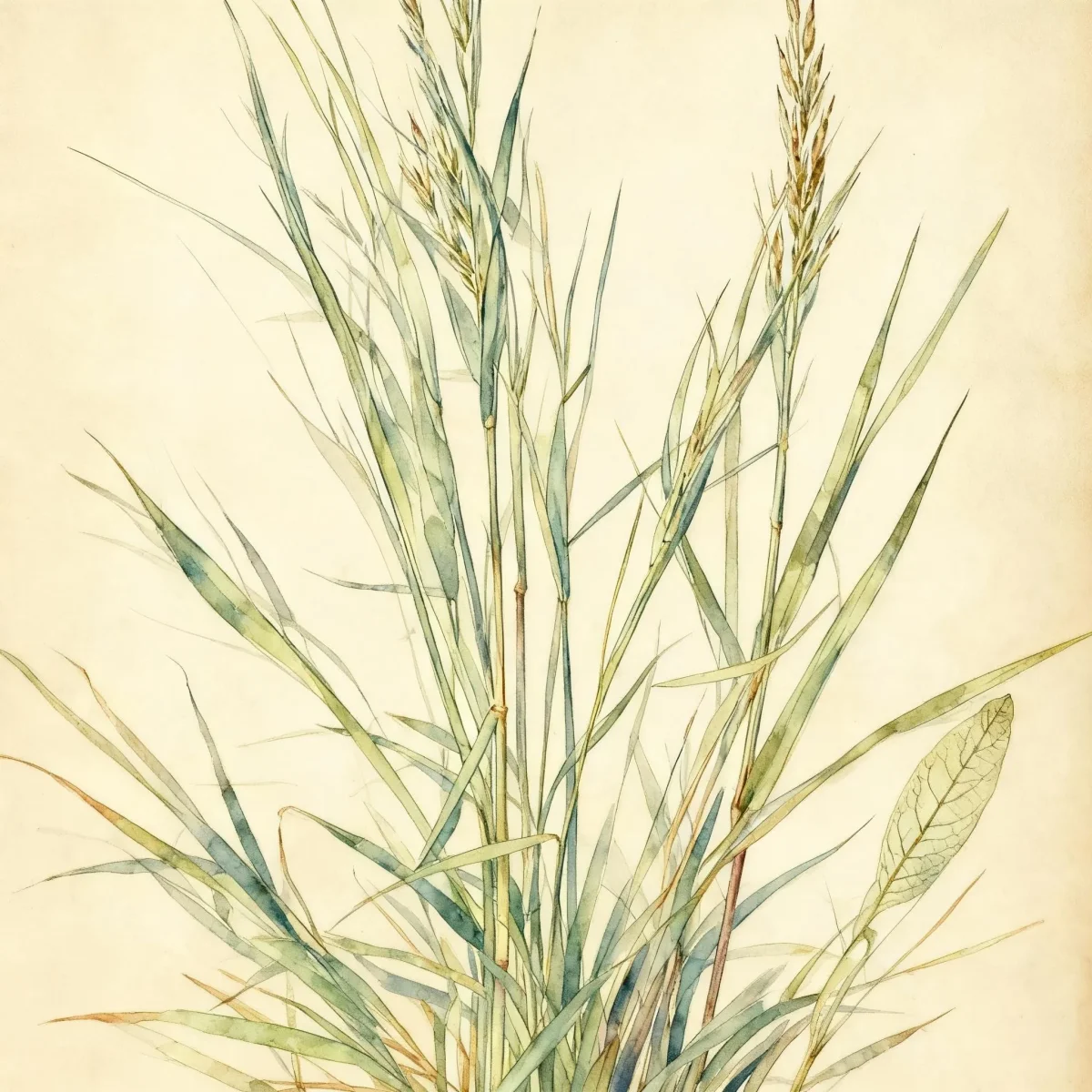
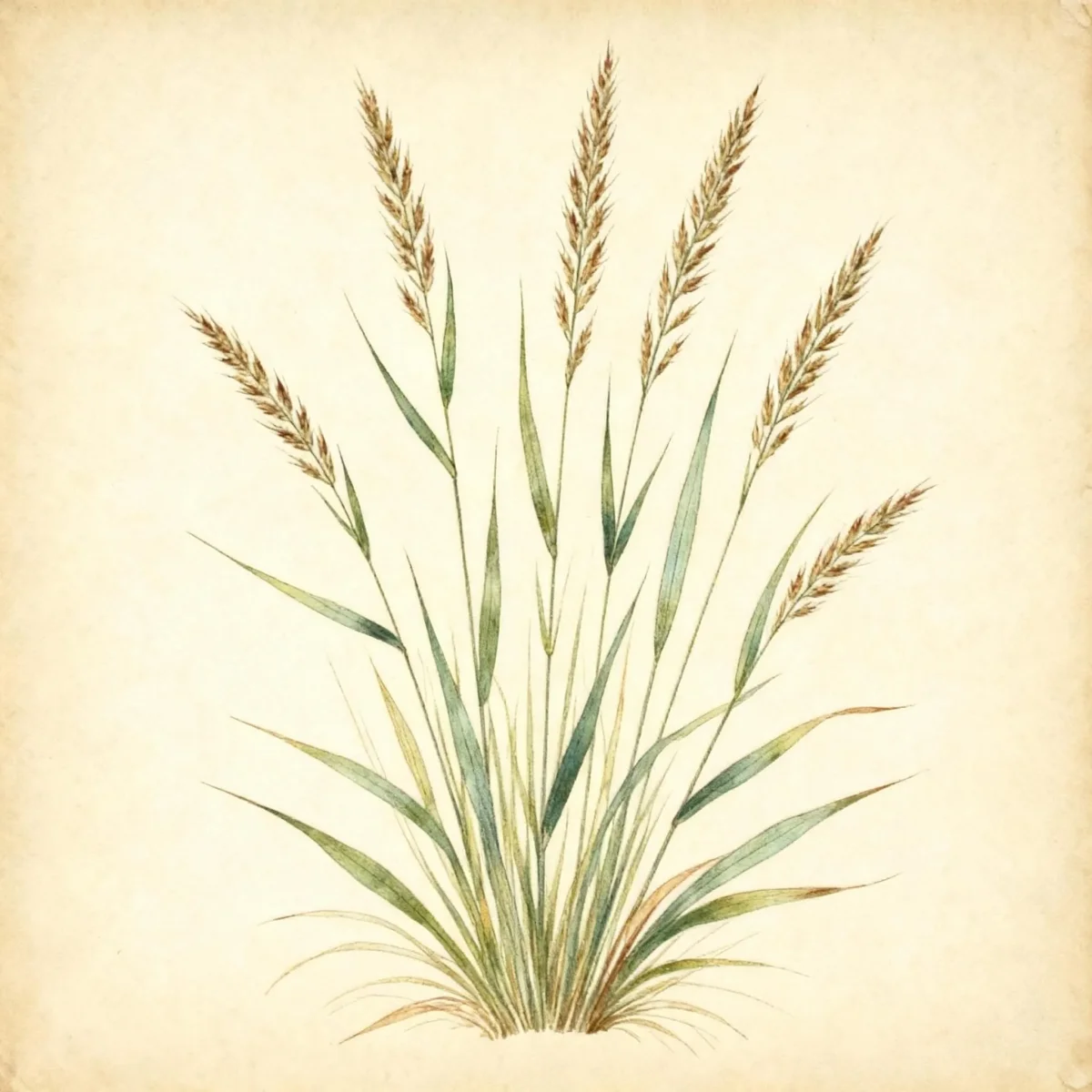
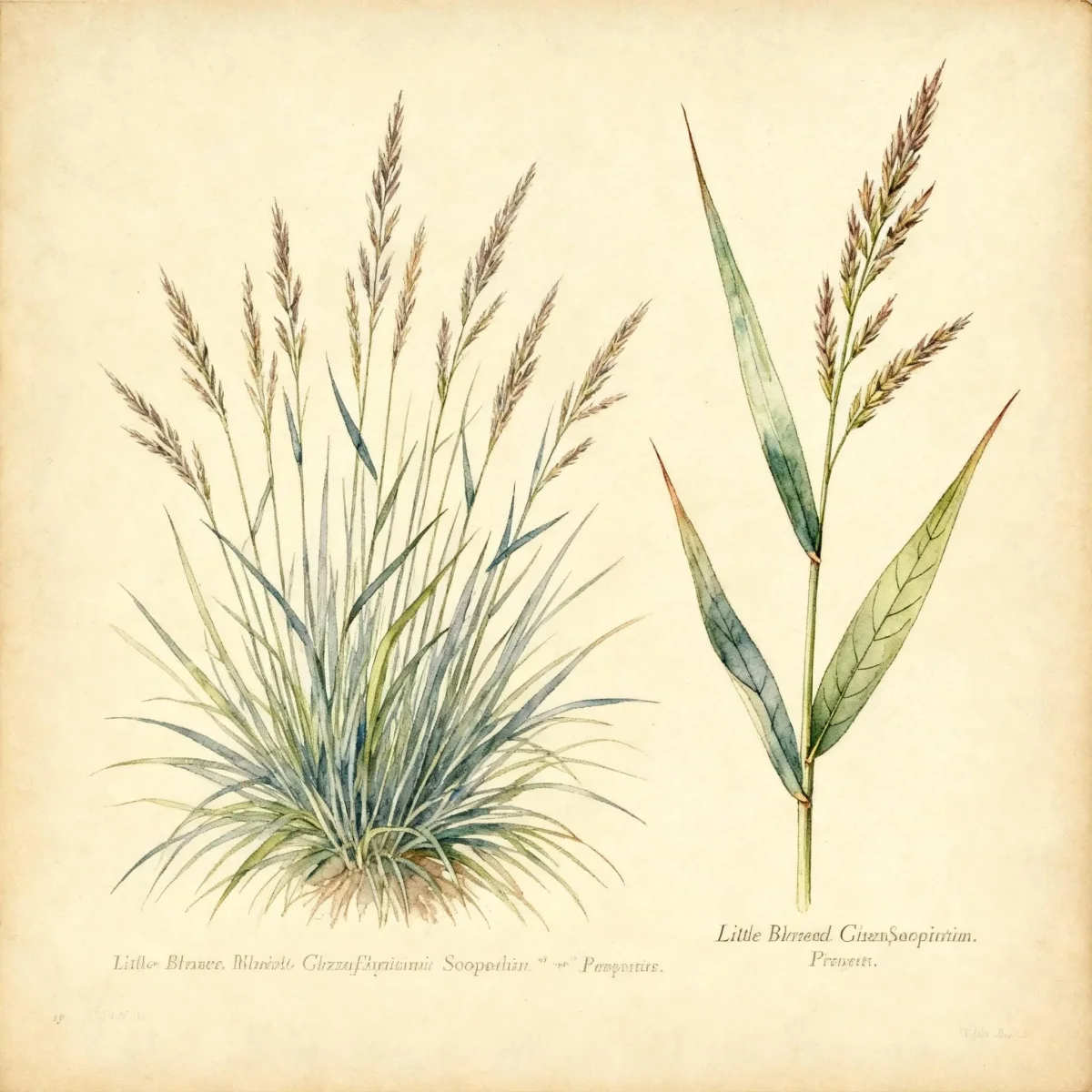
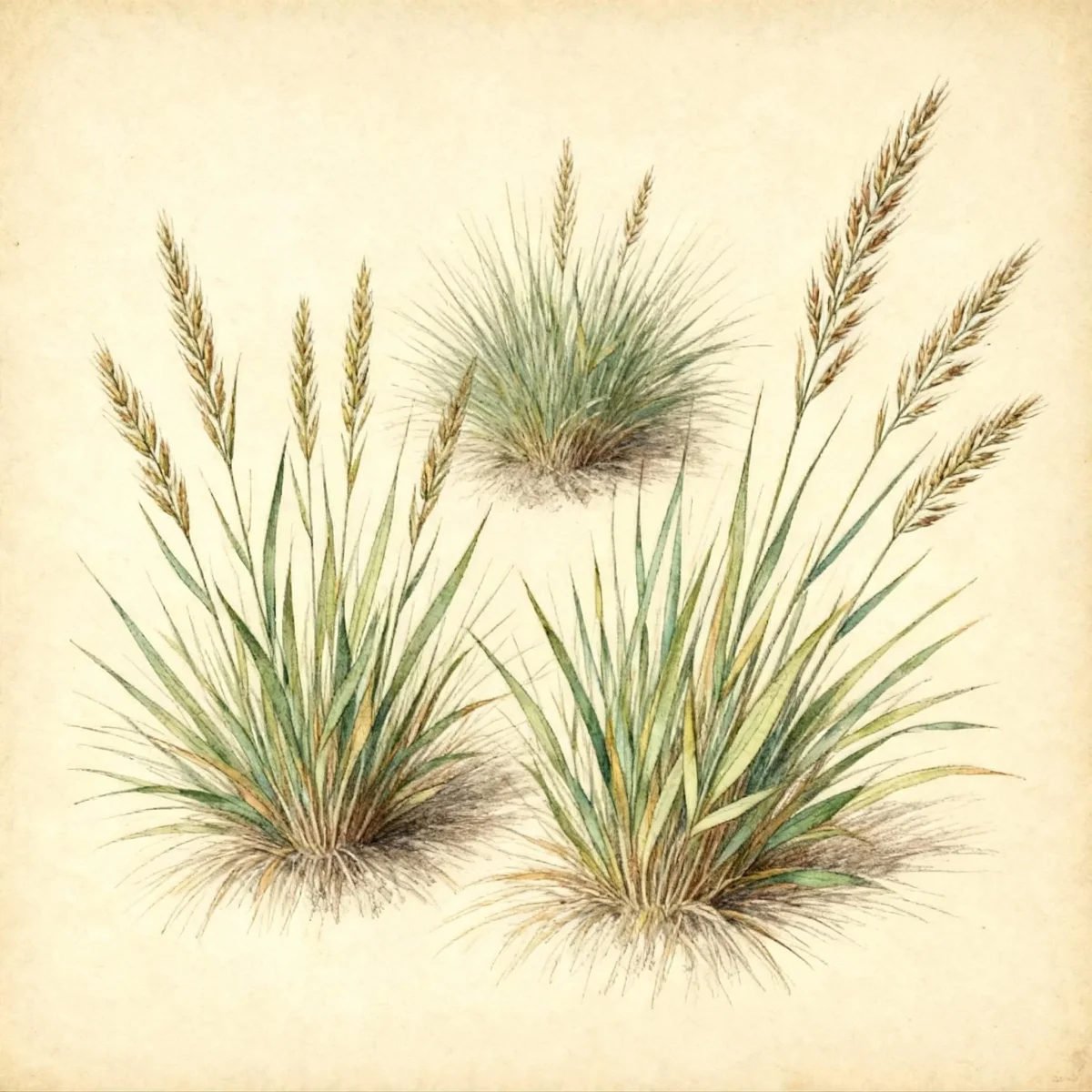
Little bluestem (Schizachyrium scoparium 'Standing Ovation')
Schizachyrium scoparium 'Standing Ovation' (Little bluestem) is a tough ornamental grass offering blue foliage, red fall color, and excellent drought tolerance.
Scroll down to discover growing tips, care requirements, companion plants, and more
Complete Plant Information
Overview
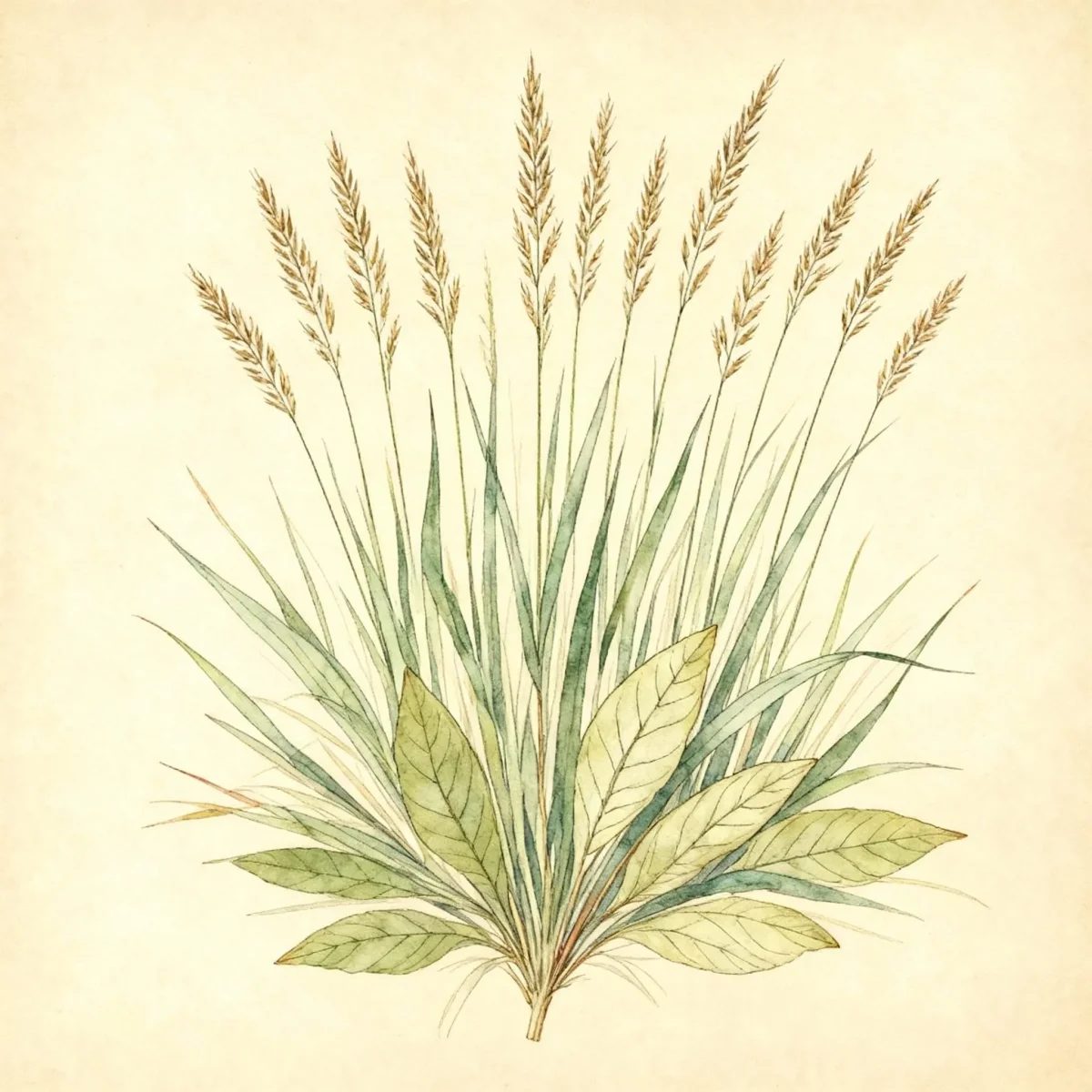
Schizachyrium scoparium ‘Standing Ovation’ is a superb, upright cultivar of Little bluestem, highly valued for its strong structural integrity and year-round visual interest. This ornamental grass forms dense clumps featuring distinctive blue leaf blades tipped with red, making it a standout specimen in any sunny location. It is celebrated for its resilience, easily thriving where many other plants struggle, particularly in dry, well-drained conditions.
As a native grass of the tallgrass prairie, this cultivar delivers significant ecological value while providing exceptional ornamental impact. The foliage transitions beautifully into vibrant red and maroon tones in autumn, colors which are often retained late into the winter, minimizing the brown-out common in less robust varieties. For gardeners seeking long-lasting texture and color, Little bluestem, especially the improved ‘Standing Ovation’ selection, is an essential planting choice.
Fast Facts
- Plant Family: Poaceae
- Plant Type: Ornamental grass
- Hardiness Zones: USDA Zones 3-9
- Size at Maturity:
- Height: 2-4 ft
- Spread: 1.5-2 ft
- Bloom Time: August to February
- Bloom Description: Purple bronze with white seed heads
- Sun Exposure: Full sun
- Water Needs: Dry to medium
- Maintenance Level: Low
How to Grow
Plant Little bluestem in full sun for the best upright habit; insufficient light often leads to flopping, especially later in the season. This species adapts easily to average soils, preferring those that are dry to medium in moisture. Do not overwater; once established, Schizachyrium scoparium ‘Standing Ovation’ exhibits excellent drought resistance. It handles poor soils and even clay soils well, tolerating occasional inundation without issue.
Fertilizing is generally unnecessary, as rich soils can sometimes encourage excessive growth leading to lodging. Site selection should prioritize areas that remain dry rather than consistently moist or wet locations. This plant is exceptionally tough, tolerating heat, humidity, and air pollution, making it ideal for challenging urban or exposed sites.
Annual maintenance is simple: cut the entire clump down to the ground in late winter or early spring before new growth begins. This clean-up encourages vigorous new blue foliage for the coming season and helps maintain the plant’s naturally neat form.
Landscape Uses
Schizachyrium scoparium ‘Standing Ovation’ shines when used where its upright form can be showcased, making it an excellent ornamental grass for borders and vertical accents. It integrates perfectly into cottage gardens, rock gardens, and wild or prairie-like settings, mirroring its native environment. Its low-maintenance nature makes it a good choice for group plantings or massing in meadows or wood margins.
Due to its superior drought tolerance and ability to withstand poor soils, it functions wonderfully in rain gardens or sun-baked areas where dependable, water-wise plants are required. Combine the blue-toned foliage of Little bluestem with contrasting textures, perhaps alongside flowering perennials that enjoy full sun and dry conditions, ensuring year-round visual depth through its persistent winter seed heads.
Standout Features
Flower Qualities
- Insignificant
Noteworthy Characteristics
Schizachyrium scoparium, commonly called little bluestem, is native to prairies, fields, clearings, hills, limestone glades, roadsides, waste areas and open woods from Alberta to Quebec south to Arizona and Florida. This cultivar, ‘Standing Ovation’, features wider blue leaf blades with distinct red tips compared to the straight species, and its attractive red and maroon fall coloration persists late in the season. The upright and rigid plant habit of ‘Standing Ovation’ is highly desirable, helping it maintain structure without lodging even when grown in moderately rich soils.
Tolerances
- Deer
- Drought
- Erosion
- Dry Soil
- Shallow-Rocky Soil
- Black Walnut
- Air Pollution
Potential Problems
This ornamental grass generally avoids serious insect or disease problems, contributing to its low-maintenance profile. Gardeners should monitor for overwatering, as prolonged wet or soggy conditions do not suit its preference for dry to medium moisture levels. If the plant appears floppy, it is usually an indication of insufficient sunlight, which necessitates relocating the clump during the dormant season.
Frequently Asked Questions
What hardiness zones is Schizachyrium scoparium ‘Standing Ovation’ suitable for?
Little bluestem, including the ‘Standing Ovation’ cultivar, is highly adaptable and suitable for USDA Zones 3 through 9.
How large does Little bluestem grow?
This cultivar typically matures to a height between 2 and 4 feet tall, with a spread ranging from 1.5 to 2 feet wide, maintaining an upright clump habit.
What sun exposure does Schizachyrium scoparium ‘Standing Ovation’ need?
For optimal color, structure, and to prevent flopping, this ornamental grass requires a location that receives full sun throughout the day.
When does Little bluestem bloom?
The flowers appear from August and persist well into the late season, with the visible structure of purple bronze blooms followed by attractive white seed heads that last through February.
Conclusion
Schizachyrium scoparium ‘Standing Ovation’ offers gardeners an unbeatable combination of toughness, structural reliability, and striking seasonal color shifts. Its native adaptability and low-input needs make this Little bluestem a cornerstone for sustainable, sunlit garden designs. Before planting, confirm your site receives full sun and implement a late winter cleanup routine to ensure vertical vigor next growing season.
Companion Planting Ideas
When selecting companions for Schizachyrium scoparium ‘Standing Ovation’, focus on plants that share its love for full sun and well-drained, even dry, soil conditions. Look towards prairie neighbors such as coneflowers (Echinacea), milkweed (Asclepias species), or Baptisia, which provide soft texture contrast that complements the grass’s rigid form. In a rock garden setting, pair it with drought-tolerant succulents or low-growing, silvery foliage plants to emphasize the blue tones of the Little bluestem leaves in summer. Proper companion selection ensures the entire planting area will flourish without excessive intervention or irrigation.
Wildlife Benefits and Seed Heads
The persistent blooms and seed heads of Schizachyrium scoparium ‘Standing Ovation’ provide vital texture and cover long after most perennials have faded. The fluffy, silvery-white seed clusters that develop after the purple bronze flowers mature are a food source eagerly consumed by many species of songbirds throughout the fall and winter months. Leaving the grass standing until the recommended spring pruning time ensures birds have access to these seeds, while the upright tawny clumps offer essential winter cover for smaller wildlife in the landscape.