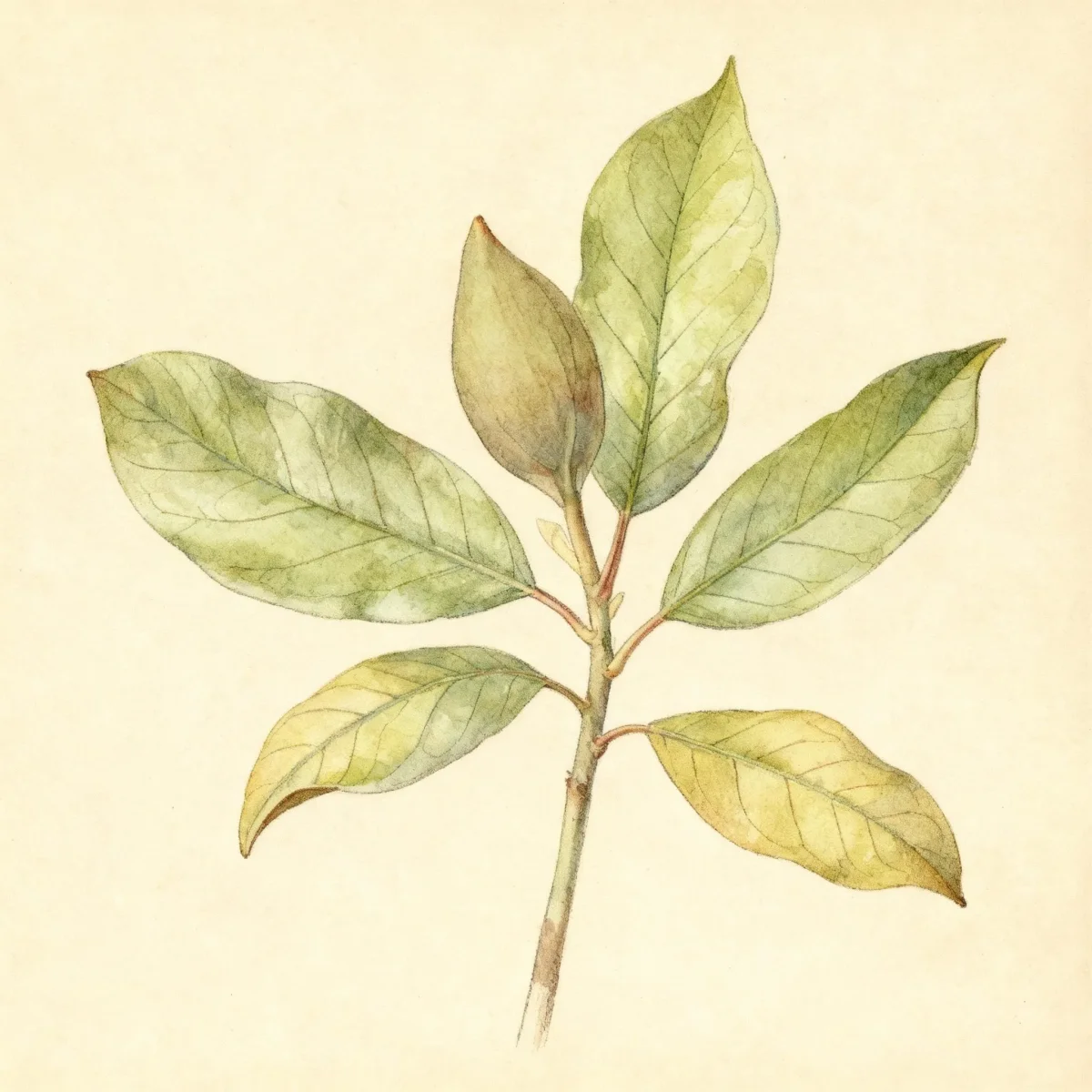
Weeping Japanese hackberry (Celtis sinensis 'Green Cascade')
Discover Celtis sinensis 'Green Cascade', the Weeping Japanese hackberry. Grow this unique, low-maintenance tree in Zones 7-9.
Scroll down to discover growing tips, care requirements, companion plants, and more
Complete Plant Information
Overview
The Weeping Japanese hackberry, scientifically known as Celtis sinensis ‘Green Cascade’, is a highly distinctive cultivar prized for its dramatic architectural habit. Unlike the upright form of its parent species, this variety descends gracefully, making it a living focal point in any landscape setting. Gardeners seek out Celtis sinensis ‘Green Cascade’ specifically for its weeping branches that can be meticulously draped over pergolas or allowed to cascade toward the ground.
This fast-growing deciduous tree adapts well to a robust range of urban conditions, tolerating pollution and various poor soil types once established. While the species has regional invasive concerns elsewhere, the U.S. environment welcomes this ornamental cultivar for its unique structure rather than aggressive spreading. Successful cultivation hinges on recognizing its need for structural support to achieve its signature form.
Offering texture and seasonal interest through its glossy green foliage and late-season orange-brown fruits, the Weeping Japanese hackberry is more than just an unusual shape. It represents a remarkable intersection of ornamental appeal and high urban resilience, provided growers adhere to the asexual propagation rule for maintaining the weeping trait.
Fast Facts
- Plant Family: Cannabaceae
- Plant Type: Tree
- Hardiness Zones: USDA Zones 7-9
- Size at Maturity:
- Height: 15-20 ft
- Spread: 15-20 ft
- Bloom Time: March to May
- Bloom Description: Greenish
- Sun Exposure: Full sun to part shade
- Water Needs: Medium
- Maintenance Level: Medium
How to Grow
Planting the Weeping Japanese hackberry is best achieved in spring or early fall, ensuring the root ball establishes before extreme temperatures hit. Site selection is crucial; aim for locations where the weeping structure can be showcased, preferably near supportive garden architecture. It thrives best in moist, organically rich, well-drained soils, although it demonstrates significant tolerance for wet, dry, or poor soil compositions.
Medium watering needs mean consistent moisture is required during establishment. Once mature, this tree handles periods of drought well, aligning with its overall low-maintenance appeal. Fertilizing is typically unnecessary unless the soil profile is severely lacking, given its ability to thrive in various conditions, including urban settings tolerant of pollutants.
Pruning focus should be on shaping and structural support rather than heavy reduction. Since the weeping habit must be maintained via asexual propagation, any natural seedlings that arise from dispersed fruit should be removed to prevent the growth of un-weeping standard forms. Early on, attach branches to supports; unsupported Celtis sinensis ‘Green Cascade’ will sprawl along the ground into what is sometimes called “hackberry snakes.”
Winter hardiness is reliable down to Zone 7, though some specimens may survive in Zone 6 with protection. Prepare for seasonal changes by observing the glossy leaves, which turn yellow before dropping in the fall.
Landscape Uses
The primary directive for planting Celtis sinensis ‘Green Cascade’ is utilizing its strong vertical and pendulous architecture. It is not merely a background tree but a specimen intended to interact with overhead structures. Train it skillfully over gates, garden arbors, or pergolas, allowing the mature 15 to 20-foot canopy to drape down, creating a living curtain or entry feature.
This cultivar functions excellently as a dramatic accent piece in contemporary or Japanese-inspired gardens where form takes precedence over flower color. Its unique, supported structure provides shade density without the massive footprint of traditional shade trees, making it suitable even near patios or walkways where movement underneath is desired.
While the species naturalizes via seed dispersal, ensure that any ‘Green Cascade’ material used is grafted or otherwise asexually propagated to preserve its weeping quality. Because it is often grown over structures, consider companion planting low-growing, shade-tolerant groundcovers beneath the weeping canopy to complete the layered effect.
Standout Features
Flower Qualities
- Insignificant
Fruit Qualities
- Showy
Noteworthy Characteristics
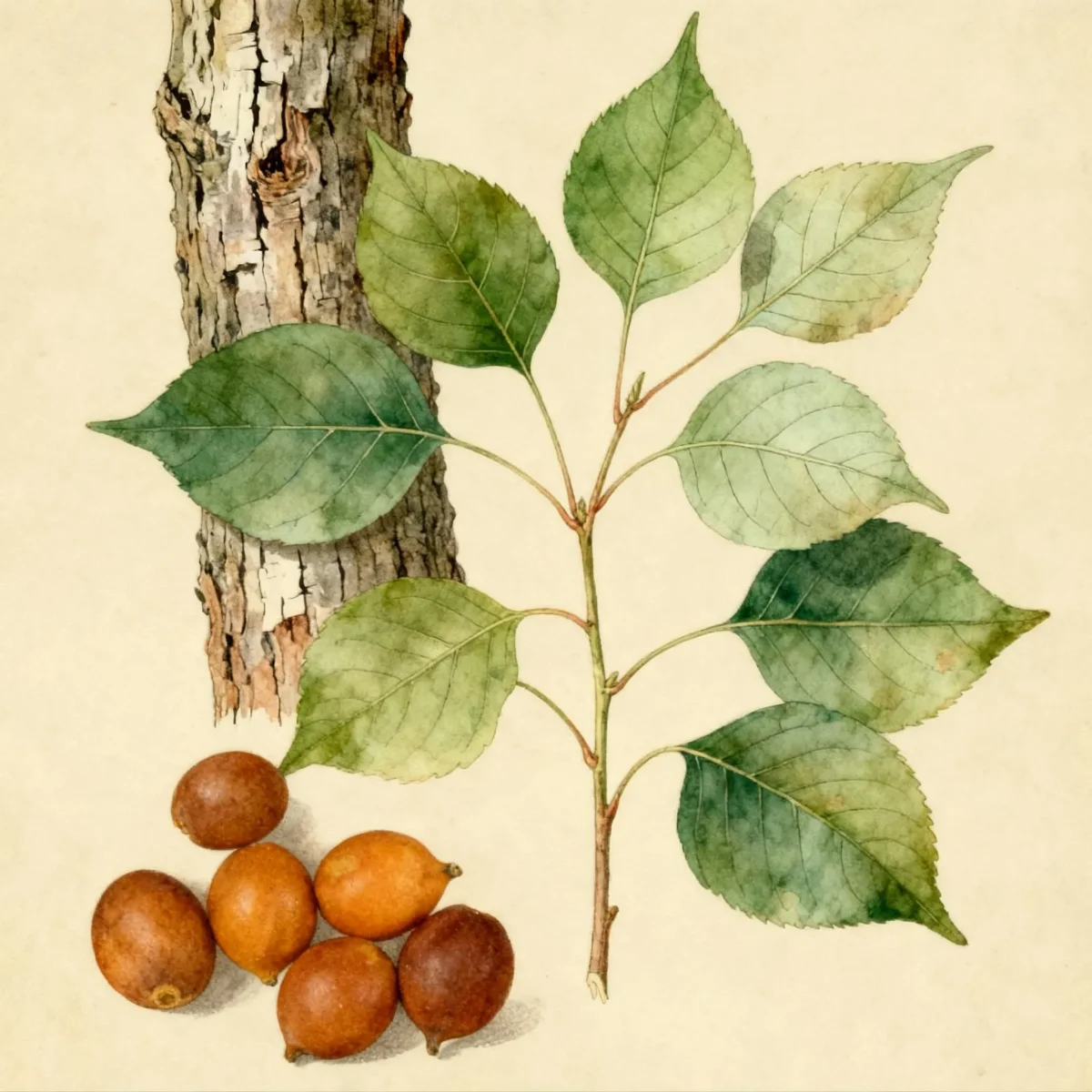
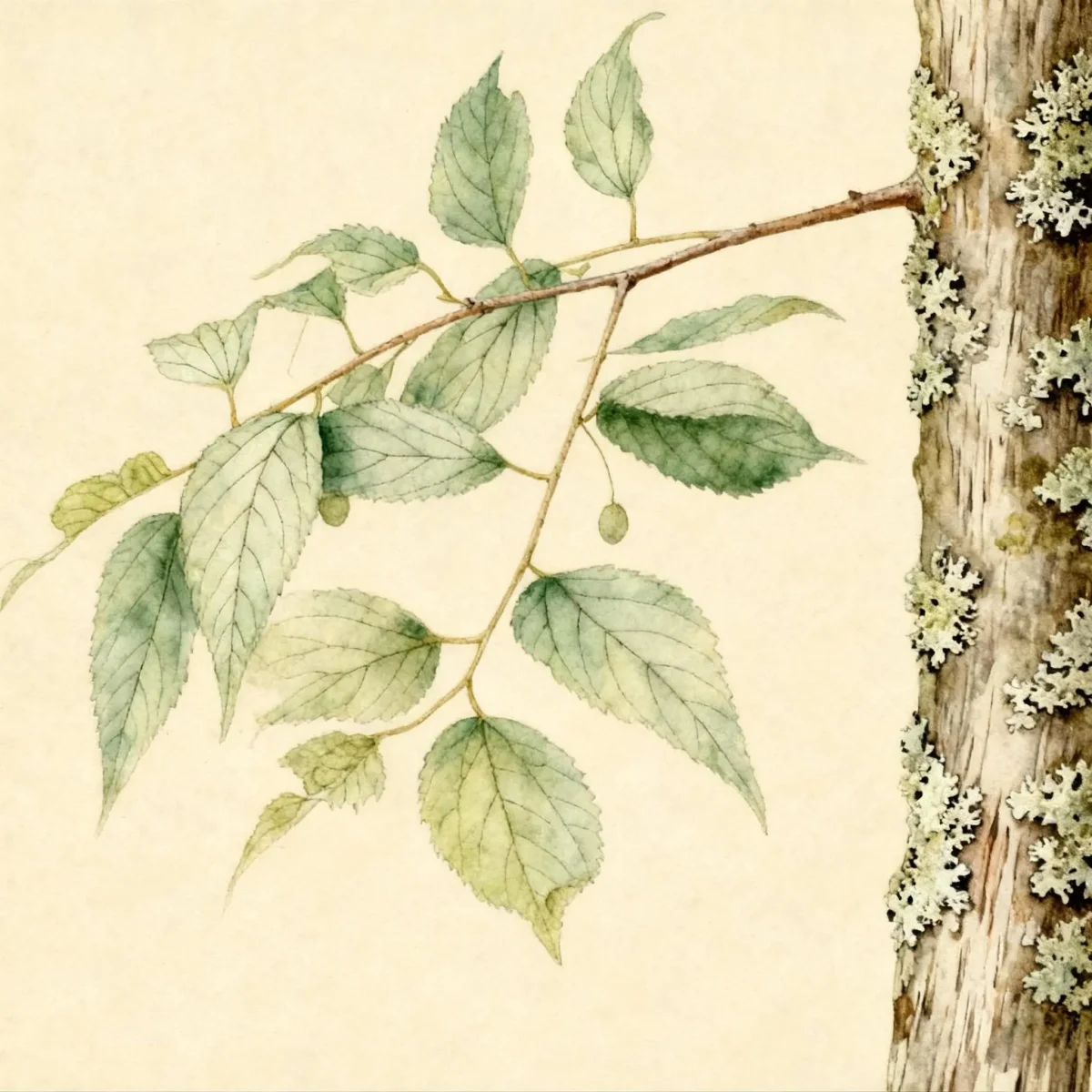
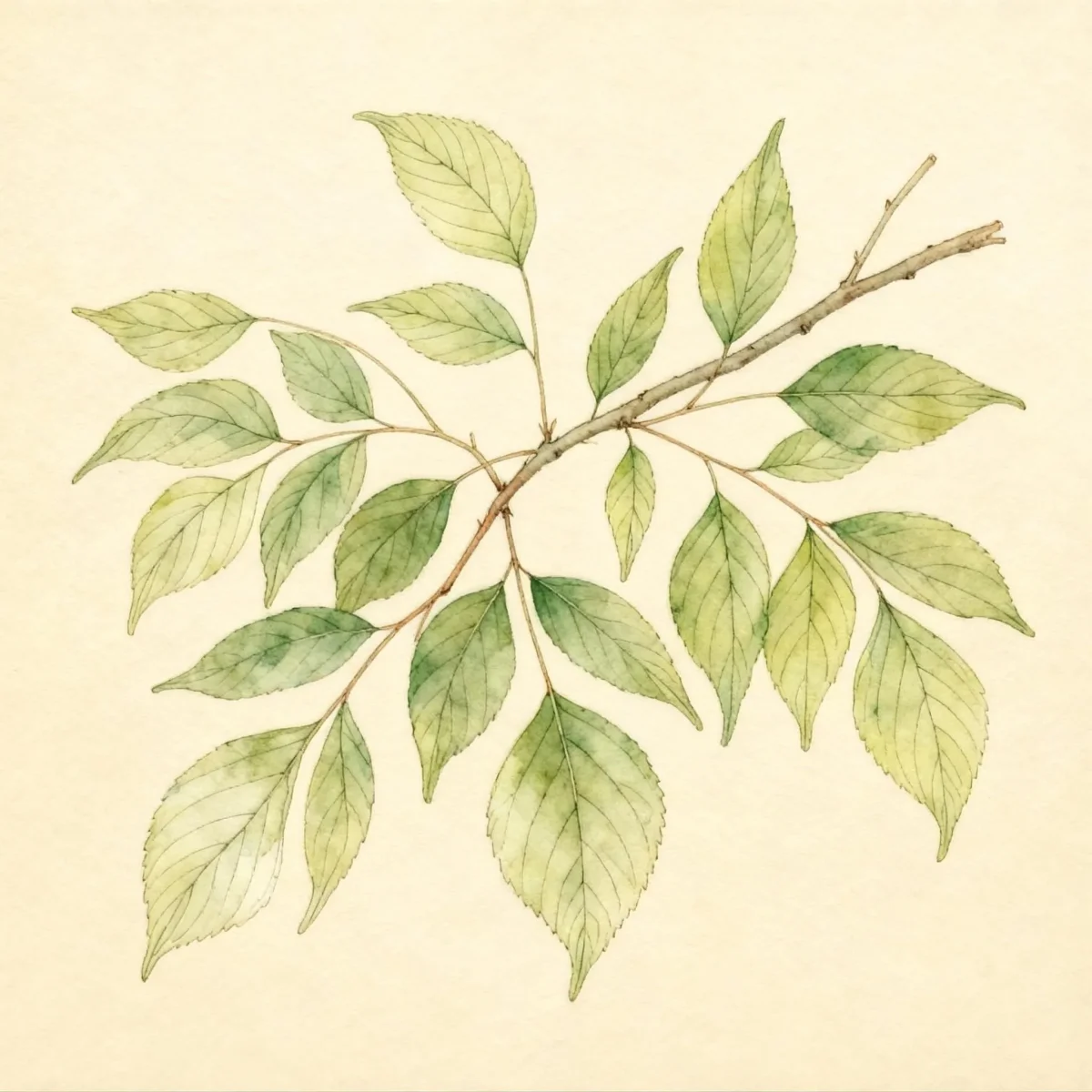
Celtis sinensis, commonly called Chinese hackberry, is a deciduous, fast-growing tree maturing with a round, wide-spreading crown, though ‘Green Cascade’ displays a distinct weeping silhouette. Leaves are dark and glossy above, turning yellow in autumn, followed by inconspicuous greenish flowers blooming in spring. The resulting drupes mature to reddish-brown, often consumed by birds, and the mature bark is smooth and gray-brown. The weeping cultivar must be asexually propagated to retain its desirable form, which requires training branches onto garden structures like arbors or trellises.
Tolerances
- Drought
Potential Problems
Witches’ broom is a common cosmetic issue, manifesting as small, dense tufts of twigs at branch ends, though it rarely damages the tree’s overall health. For pest and disease management, this species generally proves less susceptible to leaf damage from nipple gall than its relative, Celtis occidentalis. Gardeners should still vigilantly watch for scale insects and lacebugs, which can disrupt the glossy foliage. Fungal issues like powdery mildew or leaf spot are possible, particularly in humid conditions, requiring timely sanitation or appropriate fungicide application if severe.
Frequently Asked Questions
What hardiness zones is Weeping Japanese hackberry suitable for?
Celtis sinensis ‘Green Cascade’ performs reliably in USDA Hardiness Zones 7 through 9, though supplemental protection may aid survival in Zone 6.
How large does Weeping Japanese hackberry grow?
When properly supported and trained, this weeping cultivar typically reaches heights between 15 to 20 feet tall with a spread matching that size, making it a manageable feature tree.
What sun exposure does Celtis sinensis ‘Green Cascade’ need?
This tree prefers full sun for the best growth habit, but it maintains good performance when situated in partial shade.
When does Weeping Japanese hackberry bloom?
The greenish flowers of the Weeping Japanese hackberry appear relatively early in the season, typically blooming from March through May.
Conclusion
The Weeping Japanese hackberry, Celtis sinensis ‘Green Cascade’, offers unparalleled formal beauty through its unique drooping structure, making it a superb conversation piece ideal for training over architectural elements. Its tolerance for urban pollutants and variable soils adds exceptional practical value for gardeners in challenging spaces. Before planting, confirm your garden resides securely within USDA Zones 7 to 9 and plan the necessary structural support immediately to achieve the signature weeping effect of this remarkable tree.
Companion Planting
When selecting partners for the Weeping Japanese hackberry, consider plants that thrive under similar light conditions—full sun to part shade—and appreciate well-drained soil. Because the tree’s structure is so dominant, use lower-growing shrubs or perennials that will contrast functionally rather than competing vertically. Hostas or Japanese forest grass placed under the cascade can provide lush texture in the slightly dappled light cast by the canopy. For areas receiving full sun, consider pairing it with contrasting foliage shrubs like Japanese maples (if zoned appropriately) or dwarf conifers that benefit from the filtered light provided by the hackberry’s upper branches.
Design Ideas for Structural Training
The true value of Celtis sinensis ‘Green Cascade’ is unlocked when integrated with fixed landscape elements. For a formal entrance, train the tree over a sturdy metal or wooden arbor; the goal is to attach the main weeping limbs to the structure using soft plant ties as it grows. This technique ensures the growth progresses horizontally first, achieving a defined, framed opening beneath. In smaller courtyards, a large trellis or a section of wall can serve as the support, allowing the branches to cascade down vertically, providing elegant screening without blocking sightlines completely at ground level.