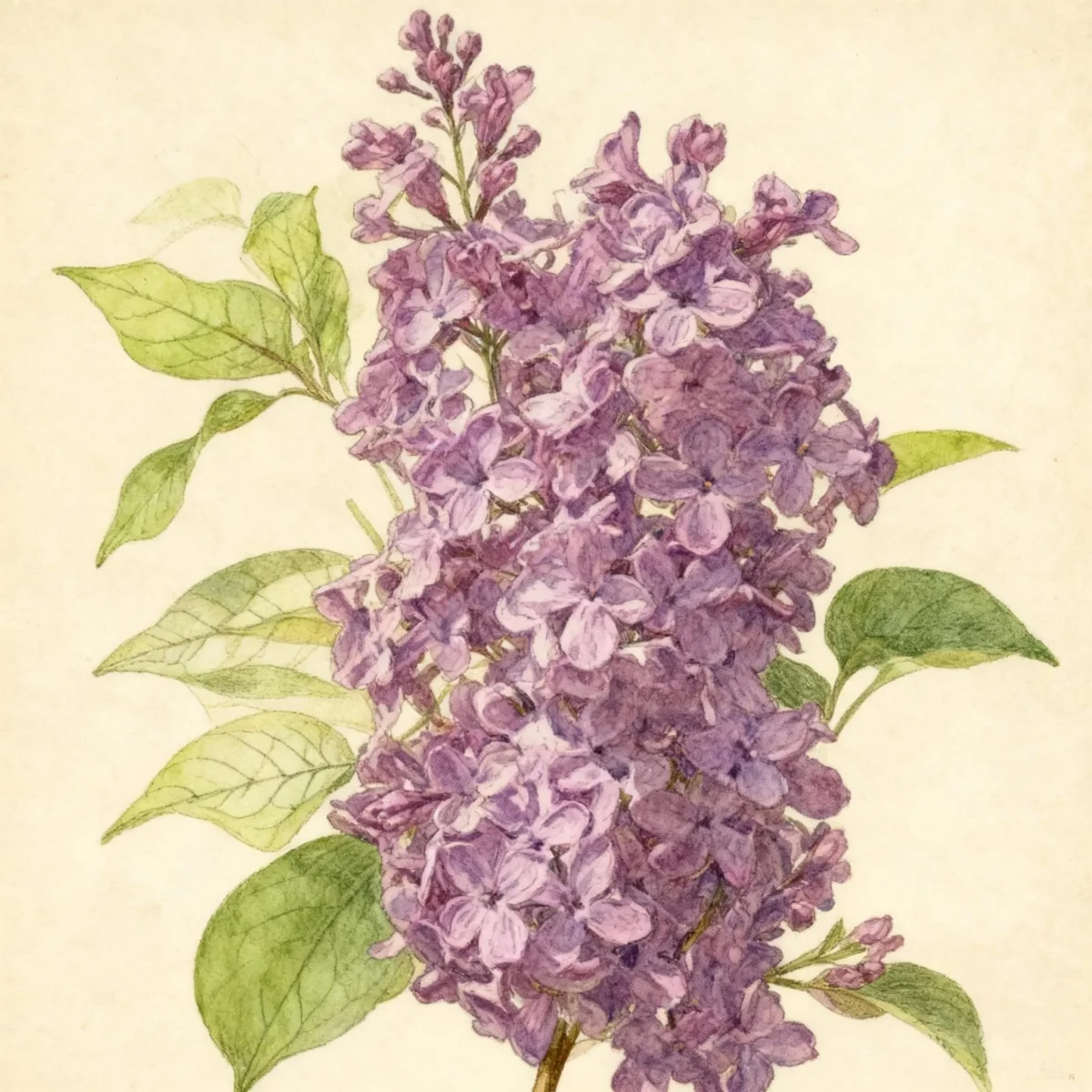
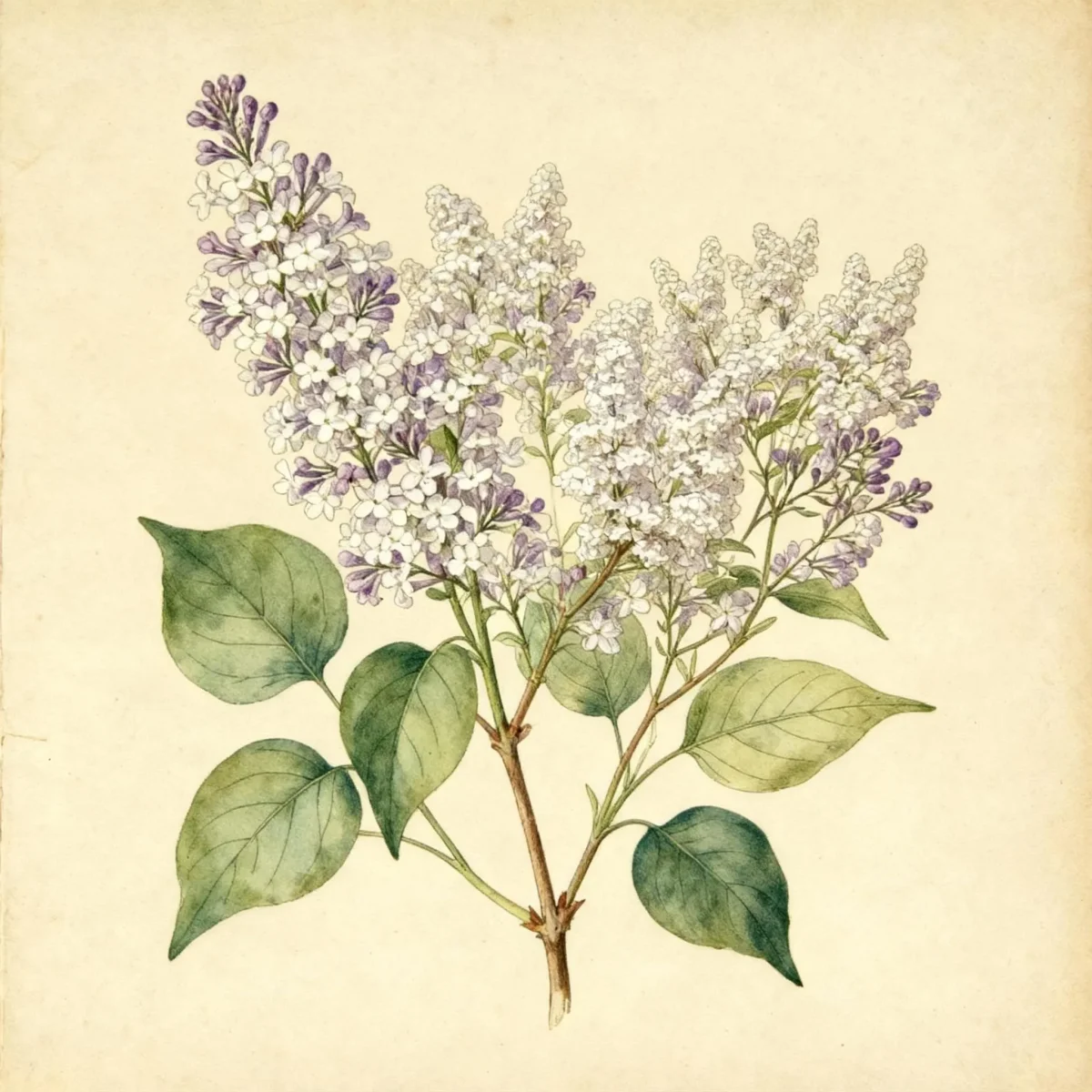
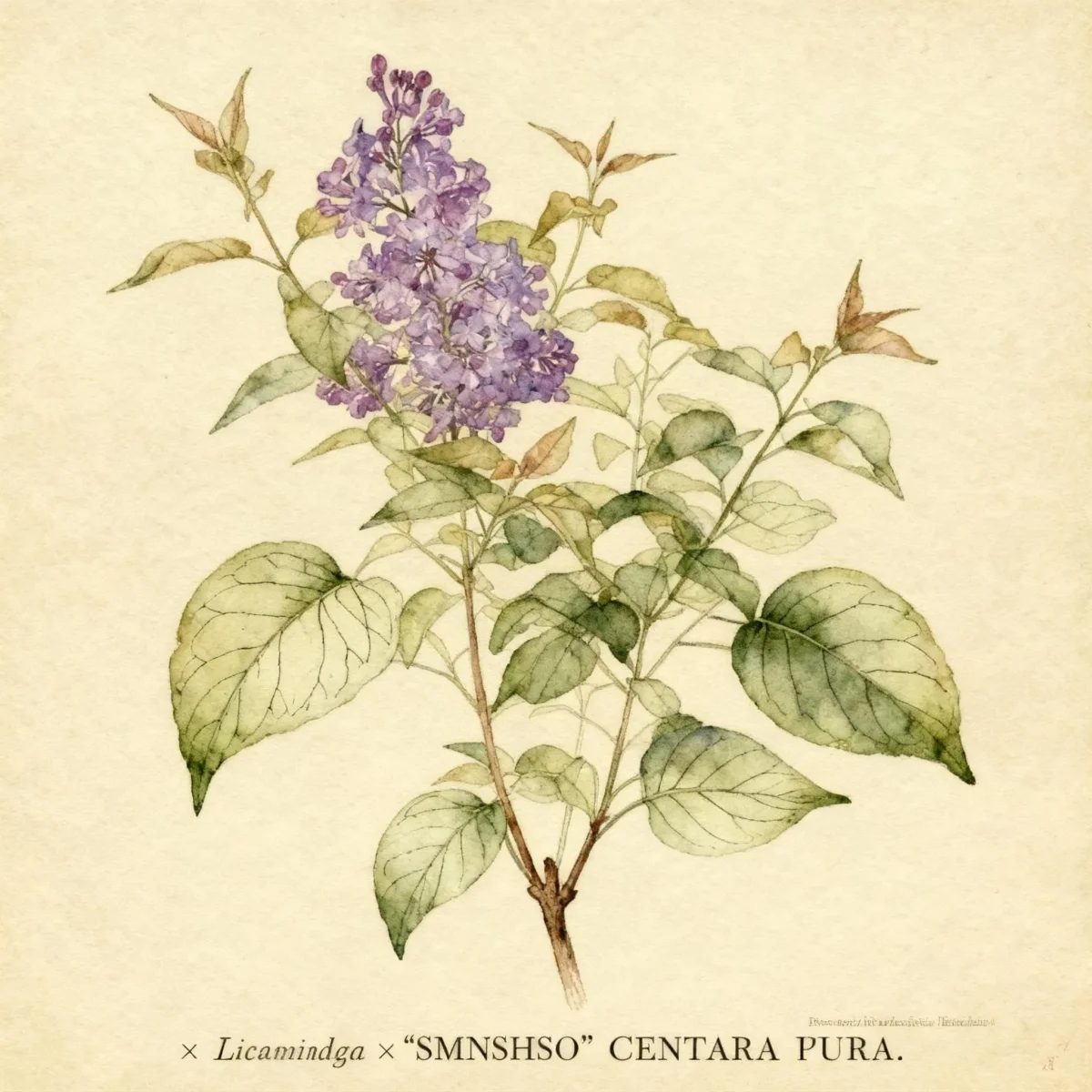
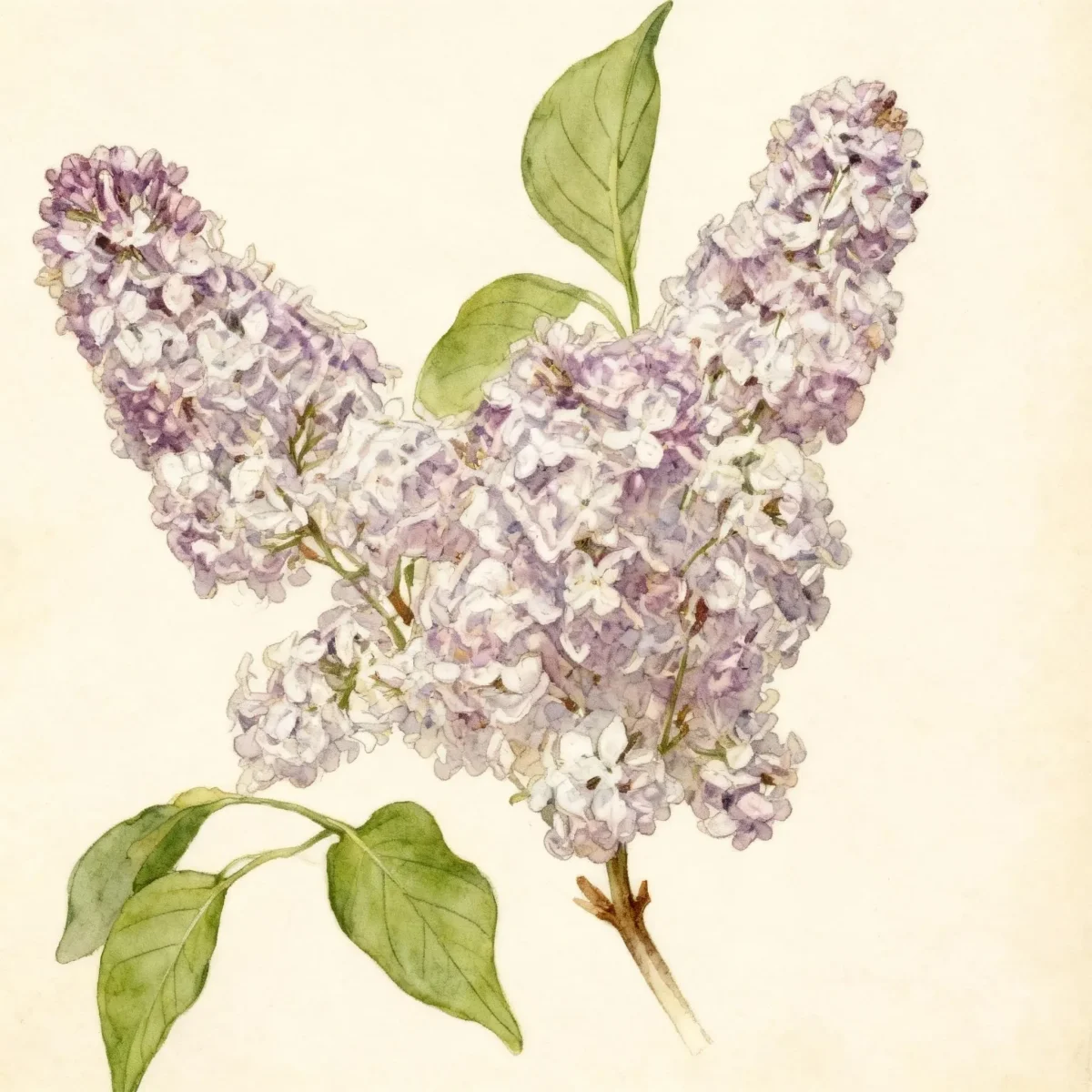
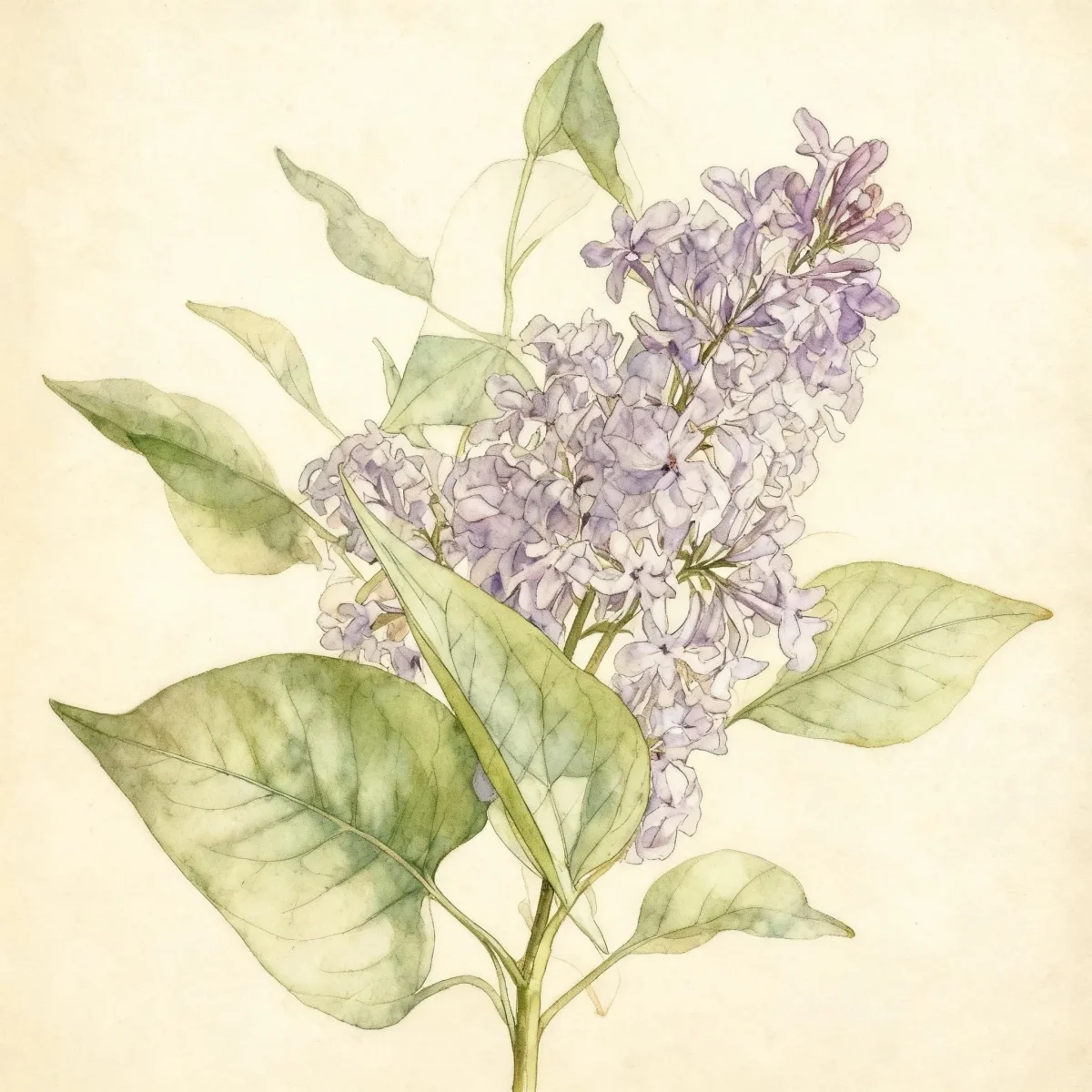
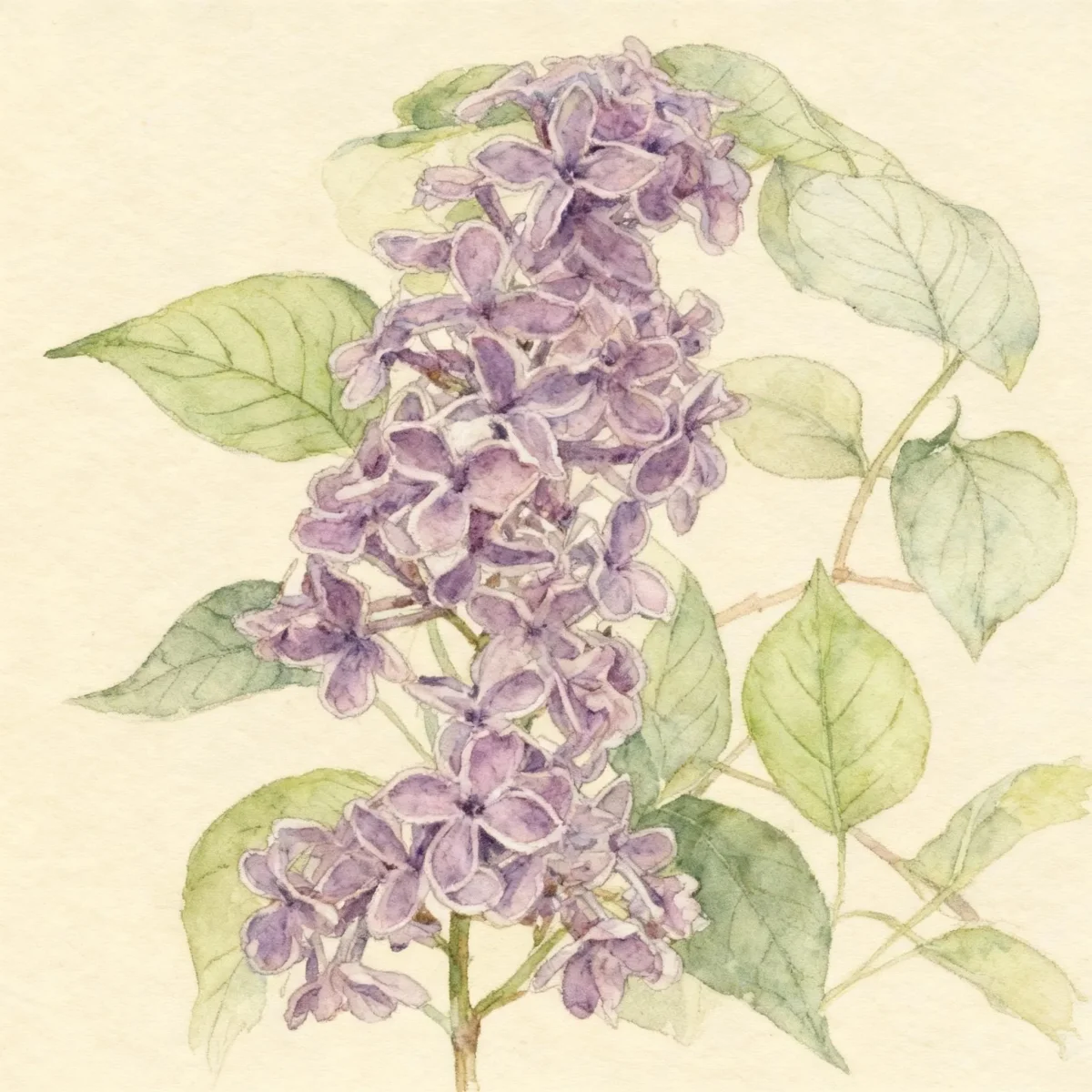
Common lilac (Syringa vulgaris 'Président Grévy')
Syringa vulgaris 'Président Grévy' offers abundant light blue, double, fragrant flowers. A medium maintenance Common lilac for Zones 3-7 in full sun.
Scroll down to discover growing tips, care requirements, companion plants, and more
Complete Plant Information
Overview
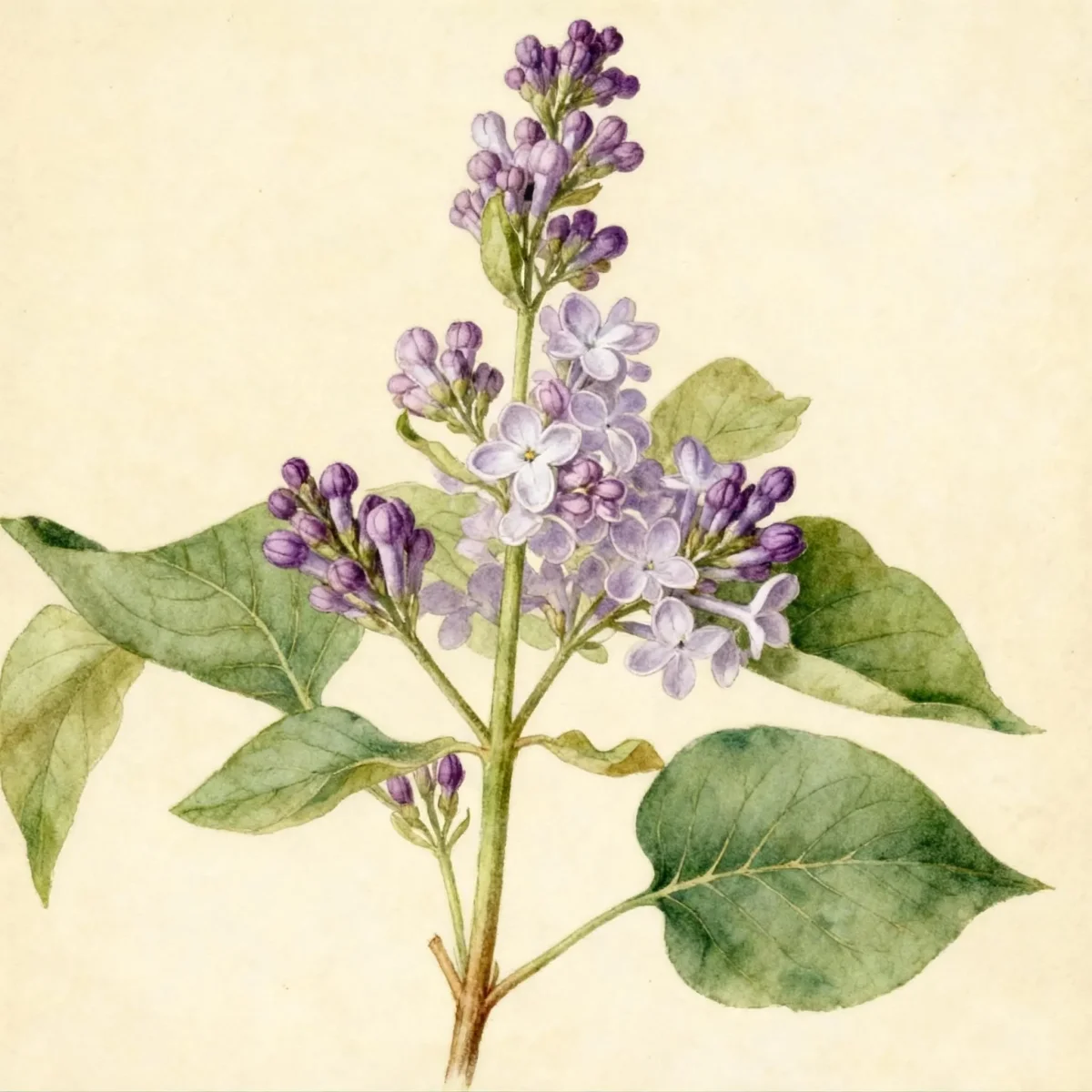
The Syringa vulgaris ‘Président Grévy’, commonly known as Common lilac, stands out as a treasured mid-to-late spring bloomer, highly valued for its ornamental and aromatic qualities. This cultivar is particularly noted for its double, intensely fragrant, light blue flowers borne in large conical panicles during May. As an upright, multi-stemmed deciduous shrub, it provides reliable structure and stunning color to gardens that experience cold winters.
Growing the Common lilac requires attention to sunlight and soil drainage to ensure optimal flowering performance. While it is adaptable, full sun encourages the best displays, contrasting with its potential for powdery mildew in humid summer conditions. Gardeners appreciate this lilac for its classic fragrance and ability to serve as a significant spring accent.
Syringa vulgaris ‘Président Grévy’ offers significant utility beyond its beauty; it functions excellently as a hedge, screen, or accent plant, and its blooms are superb for cutting. Successful cultivation depends on providing it with well-drained soil and ensuring proper air circulation, especially concerning the long-term health of the foliage.
Fast Facts
- Plant Family: Oleaceae
- Plant Type: Deciduous shrub
- Hardiness Zones: USDA Zones 3-7
- Size at Maturity:
- Height: 8-14 ft
- Spread: 3-7 ft
- Bloom Time: May
- Bloom Description: Light blue
- Sun Exposure: Full sun
- Water Needs: Medium
- Maintenance Level: Medium
How to Grow
Planting Syringa vulgaris ‘Président Grévy’ is best done in average, medium moisture, well-drained soil. While the plant tolerates light shade, seek full sun exposure for the most abundant bloom production. The Common lilac thrives in fertile, organically rich soils that are slightly acidic to slightly alkaline, but it is intolerant of soggy conditions, making good drainage crucial.
Watering should be consistent, maintaining medium moisture levels, especially when establishing the shrub. Fertilization is rarely necessary if the soil is rich. The most important cultural task is pruning: immediately after flowering concludes, prune as needed. Promptly remove faded flower panicles to prevent seed set and maintain shrub structure.
Be aware that this variety performs best in climates featuring cool summers and reliable cold winters. Planting in hot, humid regions (Zone 8 and above) can lead to unreliable blooming due to insufficient chilling hours. Furthermore, promptly remove any root suckers that emerge, especially on grafted varieties, to maintain the desired compact appearance of the specific cultivar, Syringa vulgaris ‘Président Grévy’.
Landscape Uses
The Common lilac serves as a reliable backbone plant, particularly prized in cold-winter landscapes for its spectacular spring show. Syringa vulgaris ‘Président Grévy’ excels when used in shrub borders where its height and dense habit can create soft, fragrant screens or hedges. Its strong fragrance makes it an essential component of traditional cottage gardens.
For specimen planting, site the shrub where its mid-spring fragrance can be fully appreciated, such as near walkways or patios. While ornamental appeal wanes post-bloom, it remains a sturdy structural element. Its adaptation to clay soil and tolerance to deer make it a practical choice for less-manicured woodland garden margins or naturalized areas within a larger property. Its cut flower quality means ensuring placement near the cutting garden is ideal.
Standout Features
Flower Qualities
- Showy
- Fragrant
- Good Cut
Noteworthy Characteristics
The genus name Syringa stems from the Greek word syrinx, referencing the easily-hollowed stems once used for pipes. Syringa vulgaris ‘Président Grévy’ is specifically treasured for its double, light blue flowers blooming profusely in May, contrasting with the often leggy habit that can develop later in the season. Though noted for its fragrance, gardeners should manage expectations regarding fall color and post-bloom interest.
Tolerances
- Rabbit
- Deer
- Clay Soil
Potential Problems
Powdery mildew is the most frequent aesthetic issue for the Common lilac, appearing as unsightly whitish-gray patches on the leaves during summer. While it usually doesn’t cause permanent damage, controlling its spread is important for appearance. Consider choosing powdery mildew resistant cultivars if this is a recurring problem in your area.
The shrub is also susceptible to various other diseases, including leaf spots, blights, and honey fungus. Key insect pests include borers, scales, thrips, and leaf miners. A management strategy that emphasizes good air circulation during pruning helps minimize fungal outbreaks, while prompt removal of faded blooms focuses energy on healthy foliage growth rather than seed production.
Frequently Asked Questions
What hardiness zones is Common lilac suitable for?
Syringa vulgaris ‘Président Grévy’ thrives best in USDA Zones 3 through 7, requiring adequate winter chilling for reliable May blooming.
How large does Syringa vulgaris ‘Président Grévy’ grow?
This cultivar typically reaches a mature height between 8 to 14 feet tall, with a moderate spread ranging from 3 to 7 feet wide.
What sun exposure does Common lilac need?
For the most profuse and showy flower production, Syringa vulgaris ‘Président Grévy’ requires full sun conditions.
When does Common lilac bloom?
The spectacular bloom time for this variety is traditionally in May, featuring lovely light blue flowers.
Conclusion
The Syringa vulgaris ‘Président Grévy’ remains a premier selection for gardeners seeking powerful spring fragrance combined with beautiful, light blue, double flowers. Its tolerance for clay soil and resistance to rabbits and deer make the Common lilac a practical, low-risk addition to cold-climate landscapes. Before planting, always verify that your location falls within the USDA Zones 3-7 range to ensure successful flowering year after year.
Companion Planting
When planning your spring garden around the Syringa vulgaris ‘Président Grévy’, select companions that share similar cultural needs for full sun and medium moisture. Plants that finish flowering before the lilac begins to leaf out heavily—or those that tolerate partial shade underneath the high canopy later in the season—work well. Consider planting spring bulbs like daffodils or early tulips beneath the shrub, as their foliage will die back before the lilac requires maximum water. Later-blooming perennials that thrive in well-drained, slightly rich soil, such as peonies or Siberian irises, can fill the gap after the lilac’s bloom subsides.
Seasonal Care Calendar
Spring is the most critical operational window for your Common lilac. Immediately after the May bloom fades, prune the shrub to shape it and remove old flower heads. This timing is essential as lilacs set next year’s buds almost right away. In the summer, monitor foliage closely for signs of powdery mildew; improve air circulation if necessary, though chemical treatment is rarely needed. Avoid heavy fertilization in late summer or fall, as this encourages weak new growth susceptible to winter damage. Minimal intervention is required during winter, focusing only on checking for winter dieback in extreme cold snaps.