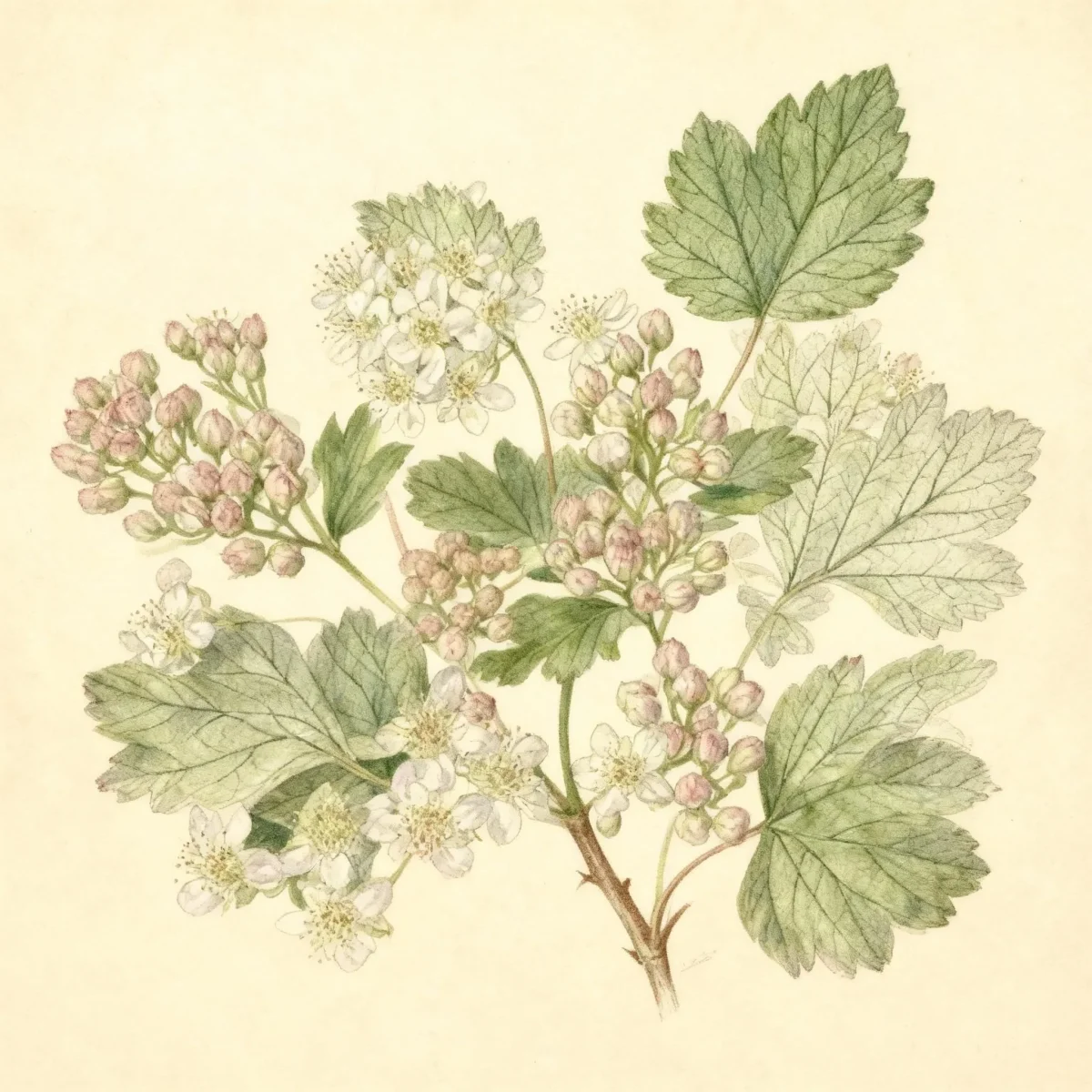
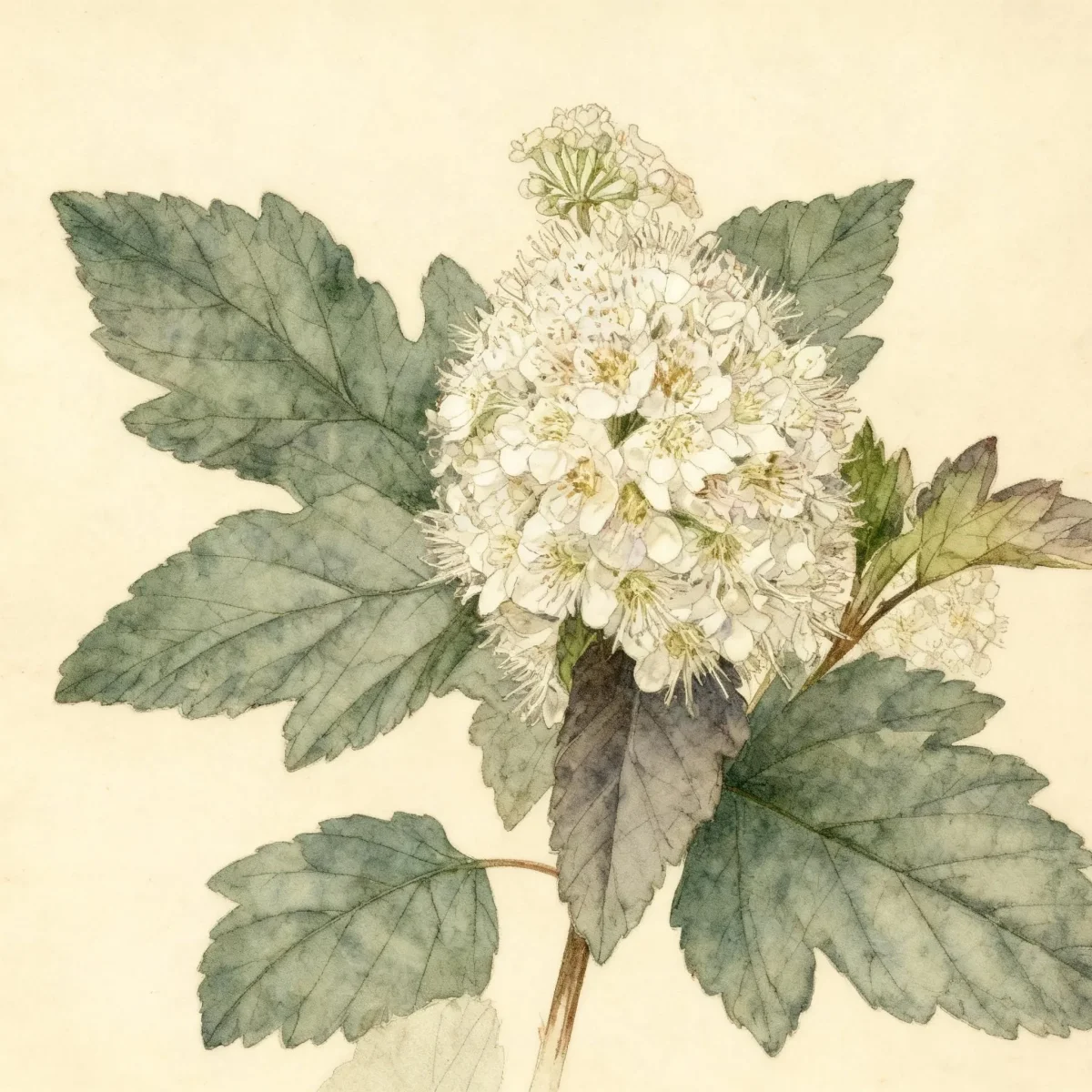
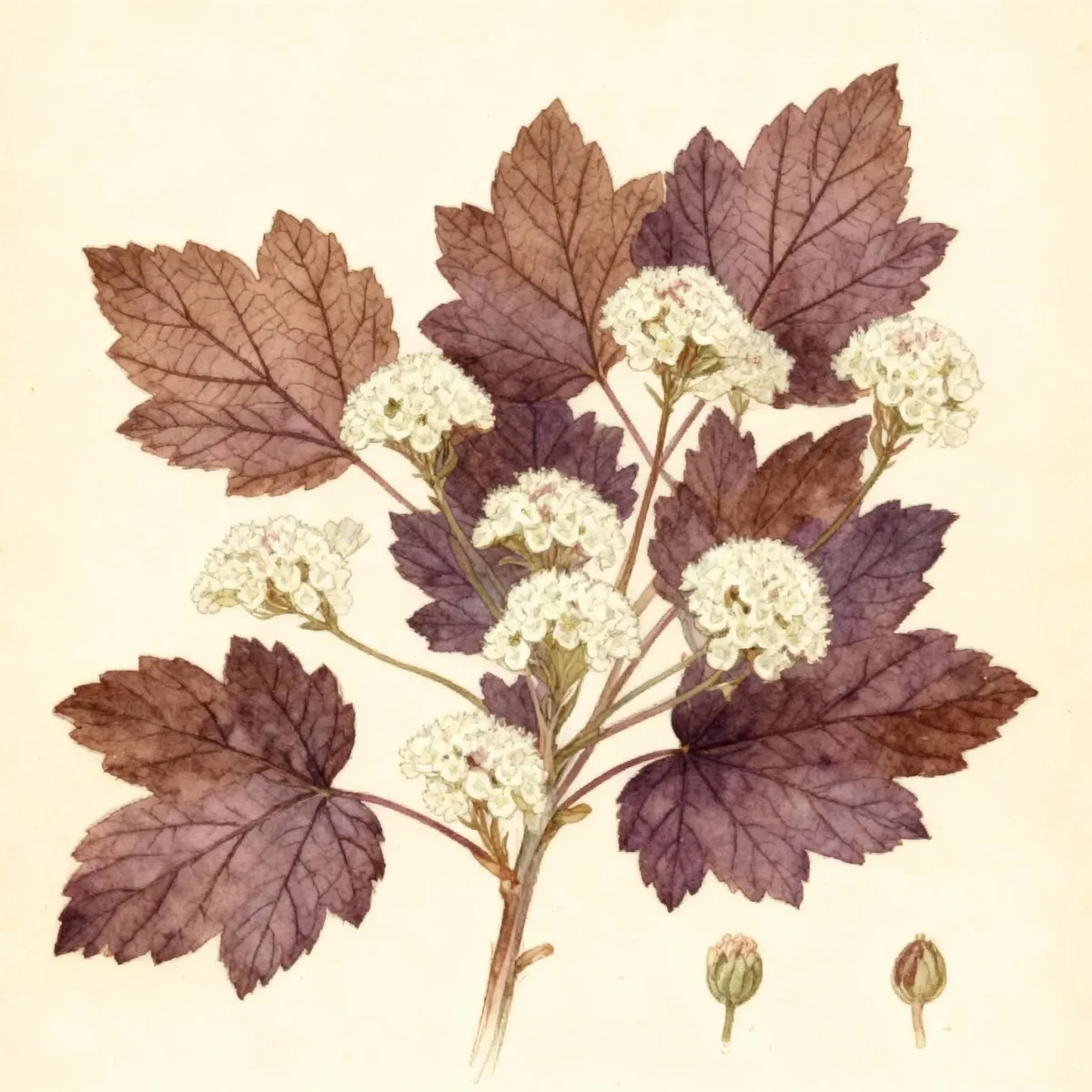
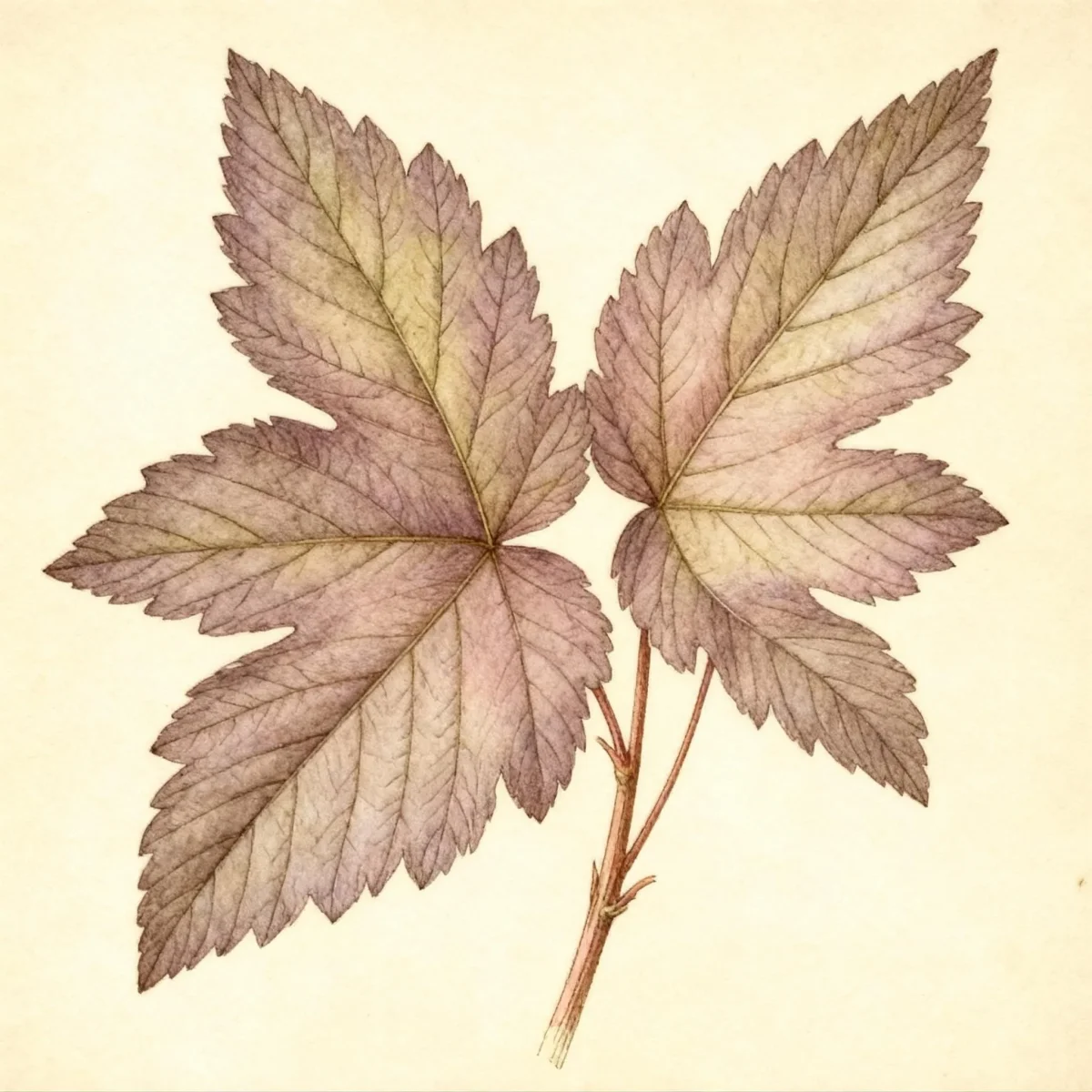
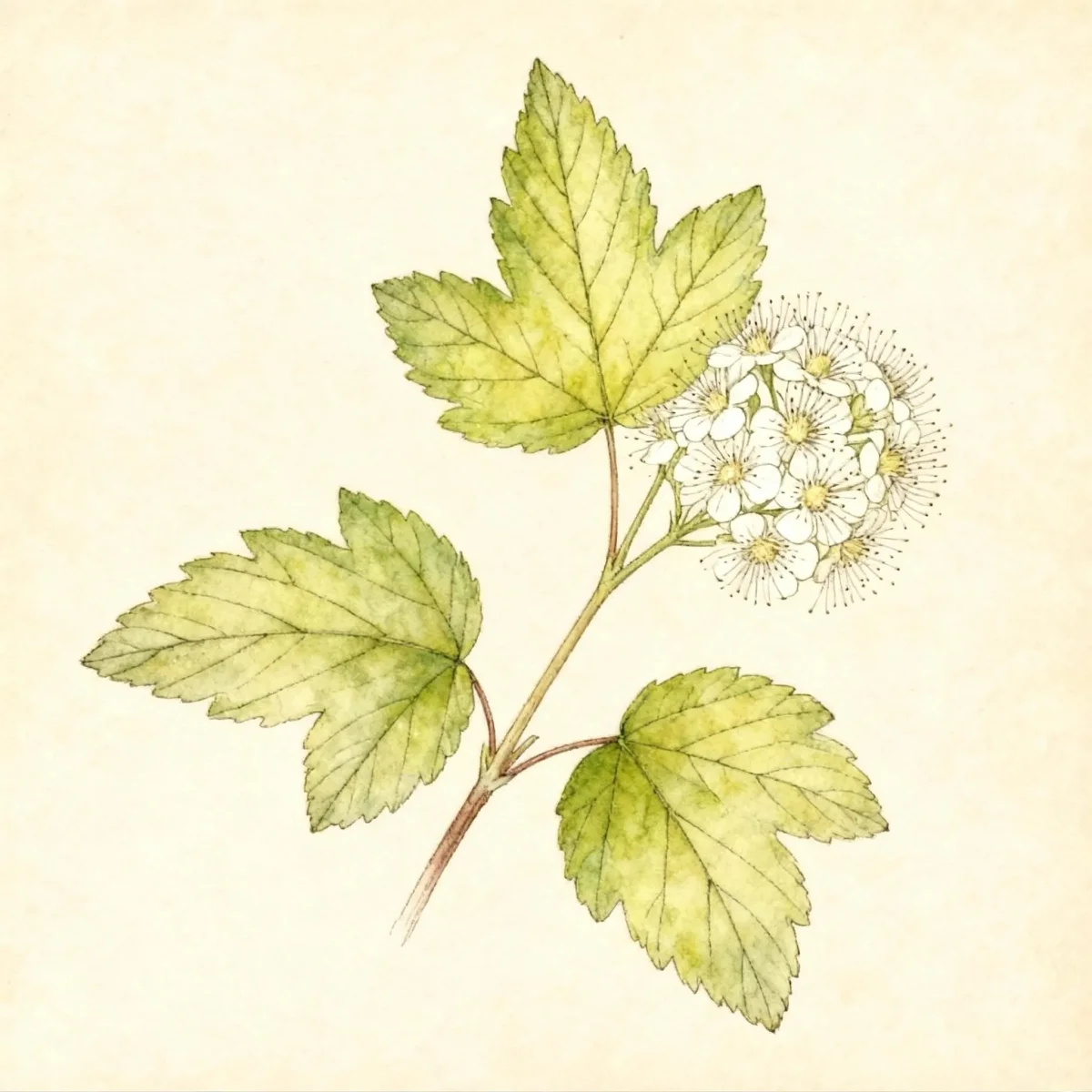
Ninebark (Physocarpus opulifolius 'Podaras 3' LEMON CANDY)
Physocarpus opulifolius 'Podaras 3' LEMON CANDY Ninebark offers compact size and brilliant lemon-chartreuse foliage, thriving in tough conditions.
Scroll down to discover growing tips, care requirements, companion plants, and more
Complete Plant Information
Overview
Physocarpus opulifolius ‘Podaras 3’ LEMON CANDY is a standout dwarf cultivar perfect for adding continuous bright color to smaller landscapes. This variety of Ninebark brings exceptional toughness coupled with a compact, upright, bushy habit, making it ideal for gardeners seeking low-fuss ornamental interest. Its primary appeal lies in its emerging lemon-yellow spring leaves, which mature gradually to a lovely chartreuse throughout the summer display.
As a highly durable deciduous shrub, this particular Ninebark cultivar thrives across a wide range of challenging soil conditions and exhibits excellent drought tolerance once established. It provides structural interest, attractive peeling bark, and delicate white flowers in late spring, serving as a versatile workhorse in the garden design. The compact size of Physocarpus opulifolius ‘Podaras 3’ LEMON CANDY ensures it fits where larger shrubs cannot.
This patented selection is genetically predisposed to remain tidy, typically reaching only 2.5 feet tall and 3 feet wide. Whether used for edging, mass planting, or as a contrasting specimen, the LEMON CANDY Ninebark offers reliable performance and vibrant foliage color across USDA Zones 2 through 8.
Fast Facts
- Plant Family: Rosaceae
- Plant Type: Deciduous shrub
- Hardiness Zones: USDA Zones 2-8
- Size at Maturity:
- Height: 1.5-2.5 ft
- Spread: 2-3 ft
- Bloom Time: May to June
- Bloom Description: White
- Sun Exposure: Full sun to part shade
- Water Needs: Dry to medium
- Maintenance Level: Medium
How to Grow
Plant Physocarpus opulifolius ‘Podaras 3’ LEMON CANDY immediately after the last spring frost or in the early fall for best establishment. This shrub prefers average, slightly acidic, well-drained soil. While it tolerates many soil types, excellent drainage is crucial for long-term health. For optimal vibrant yellow leaf color, ensure it receives full sun, especially in the northern regions of its range; however, afternoon shade is beneficial throughout hot, humid summers.
Water needs are dry to medium; water consistently during the first growing season to establish a strong root system. Afterward, it is remarkably drought-tolerant. Fertilization is generally unnecessary, as Ninebark is adapted to average soils. If pruning, do so immediately after flowering ceases, ensuring no cuts are made later than mid-August to allow time for winter hardening.
For rejuvenation or size control on older specimens, this durable shrub can be cut hard to the ground in early spring before new growth begins. Given its tendency toward exfoliating bark, resist the urge to clean up the branches too thoroughly in winter, as the peeling bark adds significant textural interest to the dormant landscape.
Landscape Uses
The compact stature of Physocarpus opulifolius ‘Podaras 3’ LEMON CANDY makes it an exceptional choice for formal hedges where space is limited, or as repetitive edging along walkways. It excels when massed, utilizing its bright foliage to create dynamic contrast against deep green evergreen foundations or dark-colored structures. Its robust nature means it performs reliably for erosion control on banks where other ornamentals might fail.
This Ninebark cultivar is an excellent accent plant, utilizing its chartreuse hue to brighten shaded corners or break up monotonous planting schemes. Because it tolerates harsh conditions, it serves well in mixed borders alongside resilient performers like coneflowers or ornamental grasses that share similar low-maintenance needs. Consider pairing the LEMON CANDY Ninebark with plants that offer deep purple or burgundy foliage to maximize the visual pop of its yellow leaves.
The plant’s ability to handle challenging environments, including clay soils and dry spells, makes it a reliable selection for native plant gardens or difficult foundation plantings near driveways or walkways.
Flower Qualities
- Showy
Noteworthy Characteristics
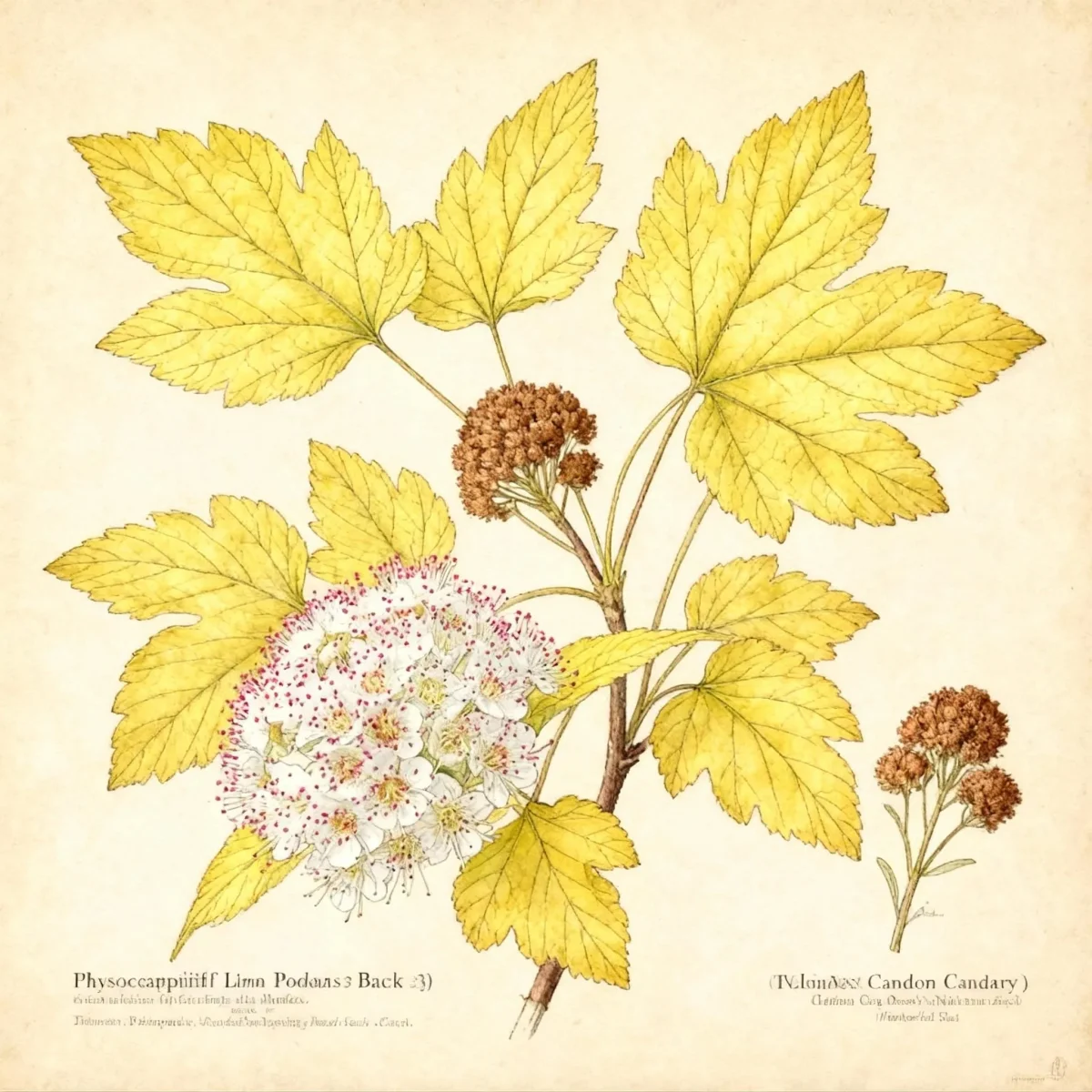
The common Ninebark shrub is noted for its exfoliating bark that peels in strips, revealing inner layers of contrasting reddish-brown tones, providing crucial winter interest. The cultivar ‘Podaras 3’, sold as LEMON CANDY, stands out due to its unique foliage: young spring leaves emerge bright lemon yellow, gradually settling into a persistent chartreuse hue. Furthermore, this tough, compact shrub produces small white flowers in spring followed by decorative red seed capsules that persist into mid-fall.
Tolerances
- Drought
- Erosion
- Clay Soil
- Dry Soil
- Shallow-Rocky Soil
Potential Problems
Potential threats to the healthy growth of Ninebark include fungal issues like powdery mildew, especially when air circulation is poor or humidity is high. In rare cases, fireblight might affect new growth, and various leaf spots can occasionally appear. Maintaining proper spacing according to its mature size ensures good airflow, which is the best preventative measure against mildew. If fungal issues arise, appropriate fungicides can be applied according to label directions.
Frequently Asked Questions
What hardiness zones is Ninebark suitable for?
Physocarpus opulifolius ‘Podaras 3’ LEMON CANDY is highly cold-hardy, thriving successfully across USDA Hardiness Zones 2 through 8.
How large does Ninebark grow?
This compact cultivar typically reaches 1.5 to 2.5 feet in height and spreads between 2 to 3 feet wide at maturity.
What sun exposure does Physocarpus opulifolius ‘Podaras 3’ LEMON CANDY need?
For the best leaf color and overall health, this shrub requires Full sun to part shade exposure.
When does Ninebark bloom?
The plant produces clusters of White flowers during its bloom time, which generally occurs from May to June.
Conclusion
The compact Physocarpus opulifolius ‘Podaras 3’ LEMON CANDY offers gardeners a high-impact, low-maintenance element characterized by brilliant yellow foliage and proven durability. This resilient Ninebark variety excels in settings that challenge lesser shrubs, providing texture and color contrast consistently. Before planting, verify that your location falls within USDA Zones 2-8 and ensure it receives adequate sunlight to maintain that signature lemon coloring.
Companion Planting
Selecting companions for LEMON CANDY Ninebark is simplified by its adaptability to dry, tough soil conditions. Look for other plants that appreciate full sun but do not require rich, constantly moist conditions. Low-mounding sedums or hardy ornamental grasses provide excellent textural contrast without competing heavily for limited resources.
Consider pairing this bright cultivar with plants that offer deep, contrasting foliage colors, such as certain Heuchera varieties known for dark purple or near-black leaves. These combinations enhance the perceived brightness of the chartreuse Ninebark while creating visual depth in the border. Success here relies on matching the dry-to-medium water needs characteristic of Physocarpus opulifolius ‘Podaras 3’ LEMON CANDY.
Seasonal Care Calendar
Spring is the prime time for rejuvenation pruning; if the entire shrub looks overgrown or tired, cut it back hard to a few inches above the ground right as the new growing season begins. As spring transitions into summer, monitor watering needs, especially if the plant is young, ensuring deep soakings during dry spells, though mature plants handle drought well.
During summer, minimal intervention is required beyond possible late-season deadheading if desired, although the seed capsules offer late-season interest. If summer heat is extreme, afternoon shade will prevent the leaf edges from scorching, especially where the sun exposure ranges toward the high end of its requirement.
Winter care focuses on appreciating the bark, which is prominently displayed once the leaves drop. Avoid heavy pruning in fall or early winter, as this can stress the Ninebark. This durability makes Physocarpus opulifolius throughout its dormant period an unsung hero.