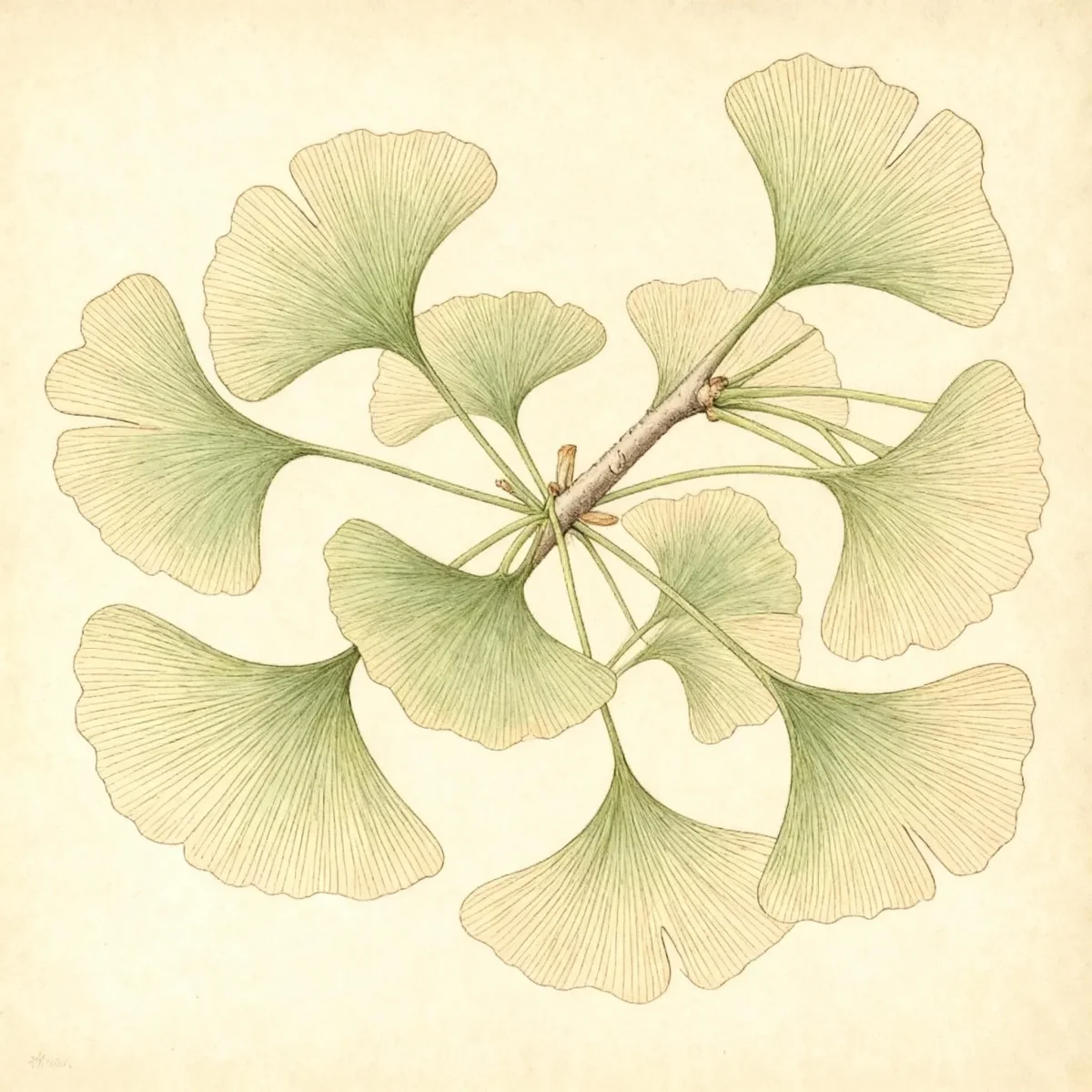
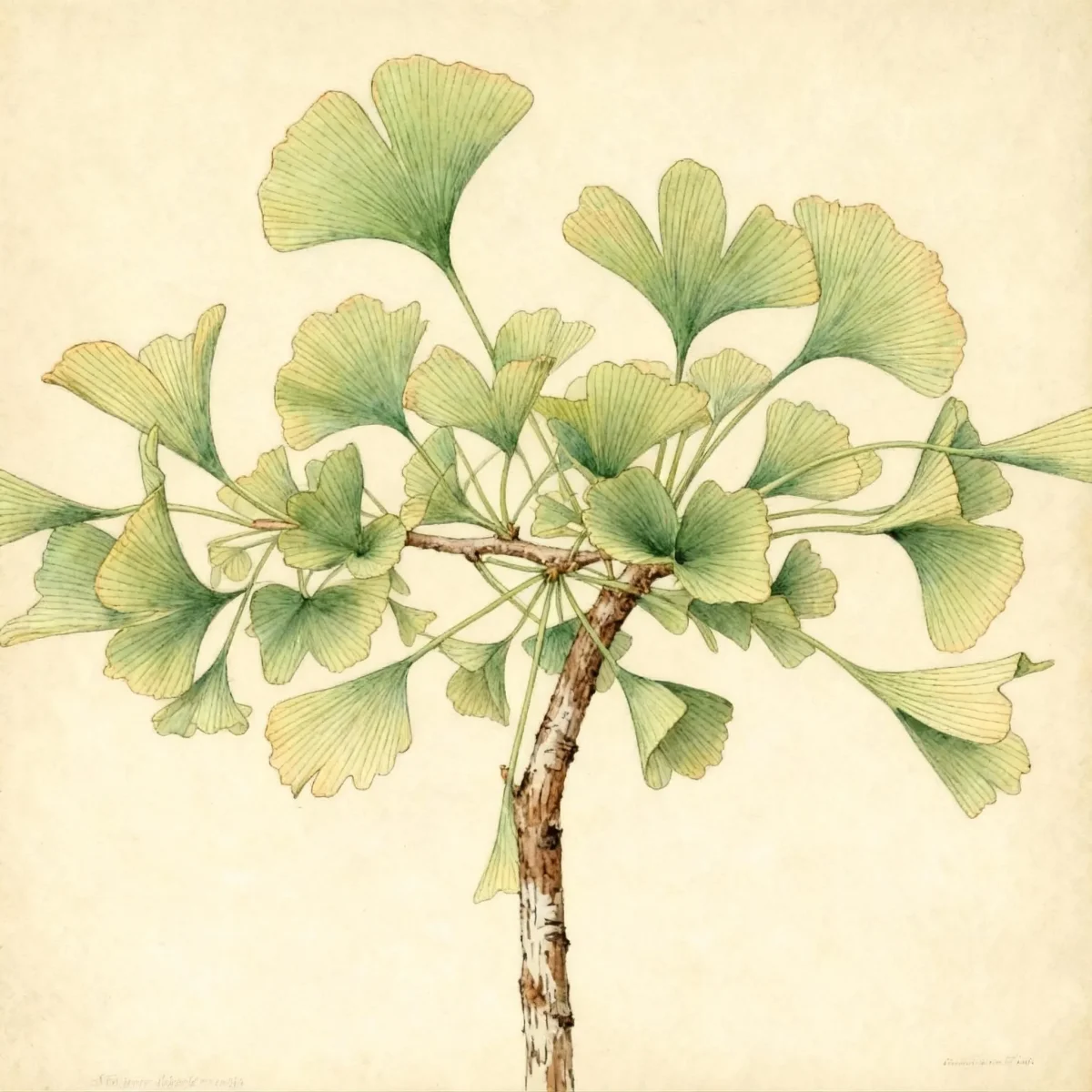
Maidenhair tree (Ginkgo biloba 'JN9' SKY TOWER)
Discover the compact and upright Ginkgo biloba 'JN9' SKY TOWER, the perfect low-maintenance Maidenhair tree for urban settings.
Scroll down to discover growing tips, care requirements, companion plants, and more
Complete Plant Information
Overview
The Ginkgo biloba ‘JN9’ SKY TOWER is a highly desirable, narrow cultivar of the ancient Maidenhair tree, offering the classic beauty of Ginkgo in a manageable size perfect for modern landscapes. This variety maintains the species’ exceptional resilience while providing a dense, upright form that minimizes space requirements. Gardeners value its virtually pest-free nature and the dramatic, brilliant yellow foliage that signals the arrival of autumn.
Unlike the sprawling straight species, Ginkgo biloba ‘JN9’ SKY TOWER matures to only about 15-20 feet tall with a narrow spread of 6-10 feet, making it an excellent vertical accent where space is limited. This cultivar retains the leathery, fan-shaped leaves characteristic of the Maidenhair tree, ensuring that even smaller properties can host a specimen of this living fossil. Its low maintenance requirements and tolerance for urban stresses further establish its value.
Selecting the Ginkgo biloba ‘JN9’ SKY TOWER ensures year-round interest with minimal effort. It serves as a stately, narrow screen or specimen tree, providing clean foliage that turns a spectacular gold before dropping cleanly in the fall. Ensure you choose a male specimen from nurseries, as female Ginkgo trees produce fruit that can cause odor issues.
Fast Facts
- Plant Family: Ginkgoaceae
- Plant Type: Tree
- Hardiness Zones: USDA Zones 3-8
- Size at Maturity:
- Height: 15-20 ft
- Spread: 6-10 ft
- Bloom Time: April
- Sun Exposure: Full sun
- Water Needs: Medium
- Maintenance Level: Low
How to Grow
Planting the Maidenhair tree should ideally occur in spring or fall when temperatures are mild, allowing the root system to establish before summer heat or winter cold. The ideal location requires full sun exposure, though it tolerates light shade. While this plant prefers moist, sandy, well-drained soils, it is exceptionally adaptable.
One of the greatest assets of the Ginkgo biloba ‘JN9’ SKY TOWER is its tolerance for challenging conditions. It is highly adaptable to compacted soils, saline environments, air pollution, and pH extremes (both acidic and alkaline). Water deeply and regularly during the first few growing seasons to encourage robust root establishment, settling to medium water needs once mature. Little to no fertilization is usually required outside of very poor compacted urban sites.
Pruning is typically minimal for this cultivar due to its strongly upright habit. If structural pruning is necessary, aim for late winter while the tree is fully dormant. Be assured that routine maintenance is low, and pests or diseases rarely pose a significant threat to this ancient species.
Landscape Uses
The narrow profile of the Ginkgo biloba ‘JN9’ SKY TOWER makes it an outstanding selection for formal plantings where width restriction is essential. It excels as a vertical accent near entrances or along narrow residential borders where wider shade trees would interfere with structures or walkways. Its resilience to pollution and compacted earth makes it a superior choice for street tree applications in urban environments.
This compact cultivar is small enough for use in broad foundation plantings or even in very large containers on patios, provided they are adequately sized for its eventual, albeit slow, growth. Its brilliant fall color steals the show, making it an excellent focal point against architecture or darker evergreen backdrops. Use this Maidenhair tree where you need height without sacrificing neighboring sunlight or sidewalk space.
Standout Features
Flower Qualities
- Insignificant
Noteworthy Characteristics
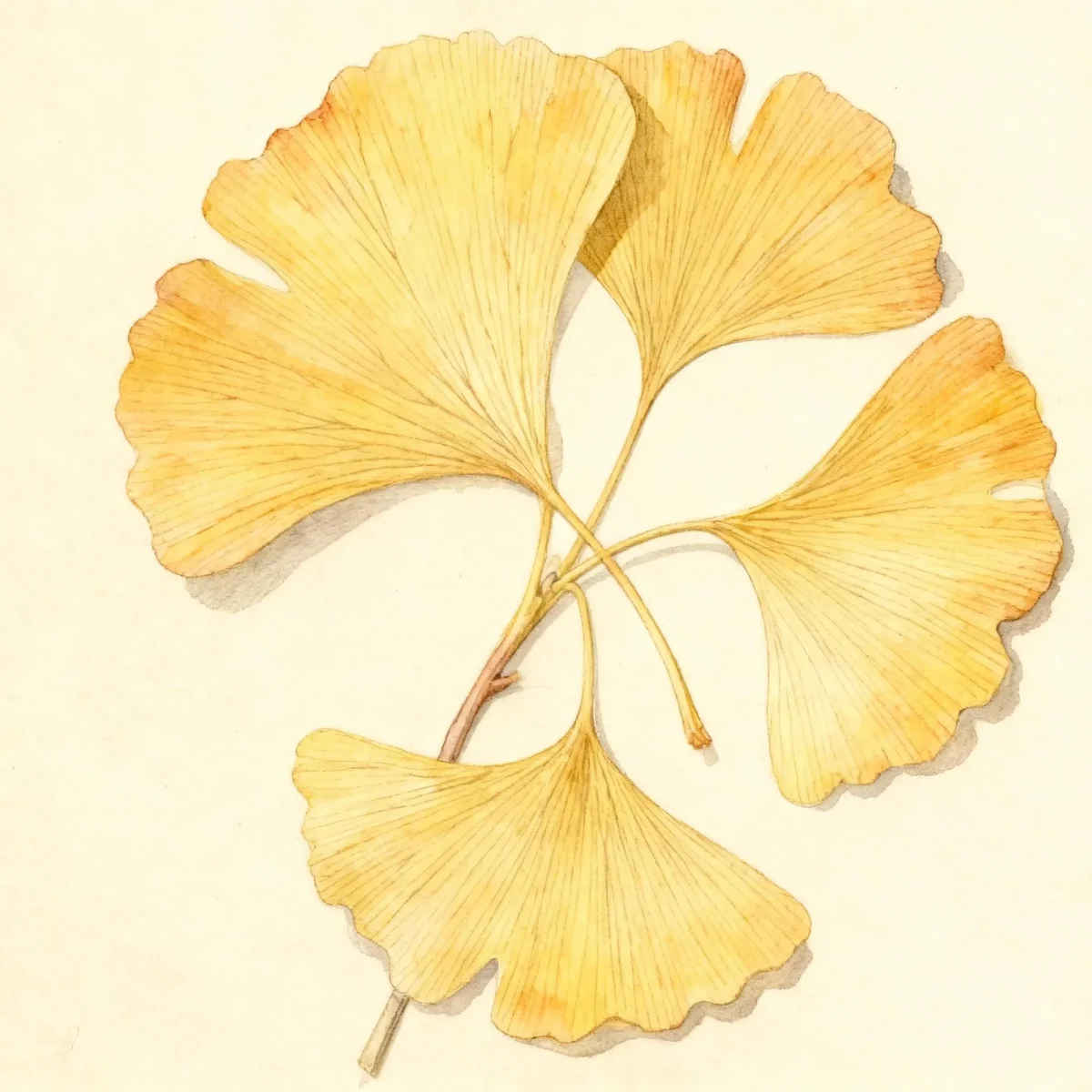
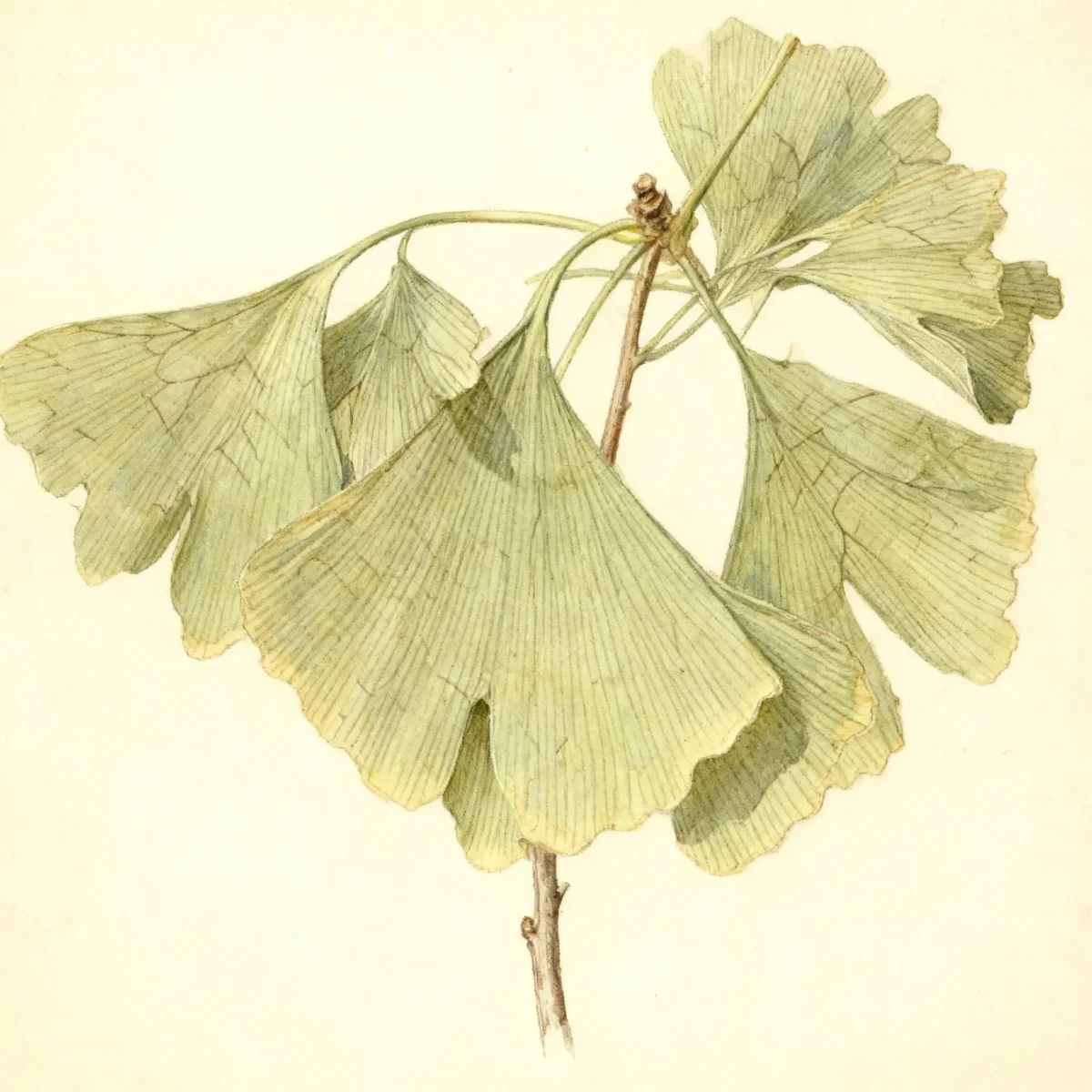
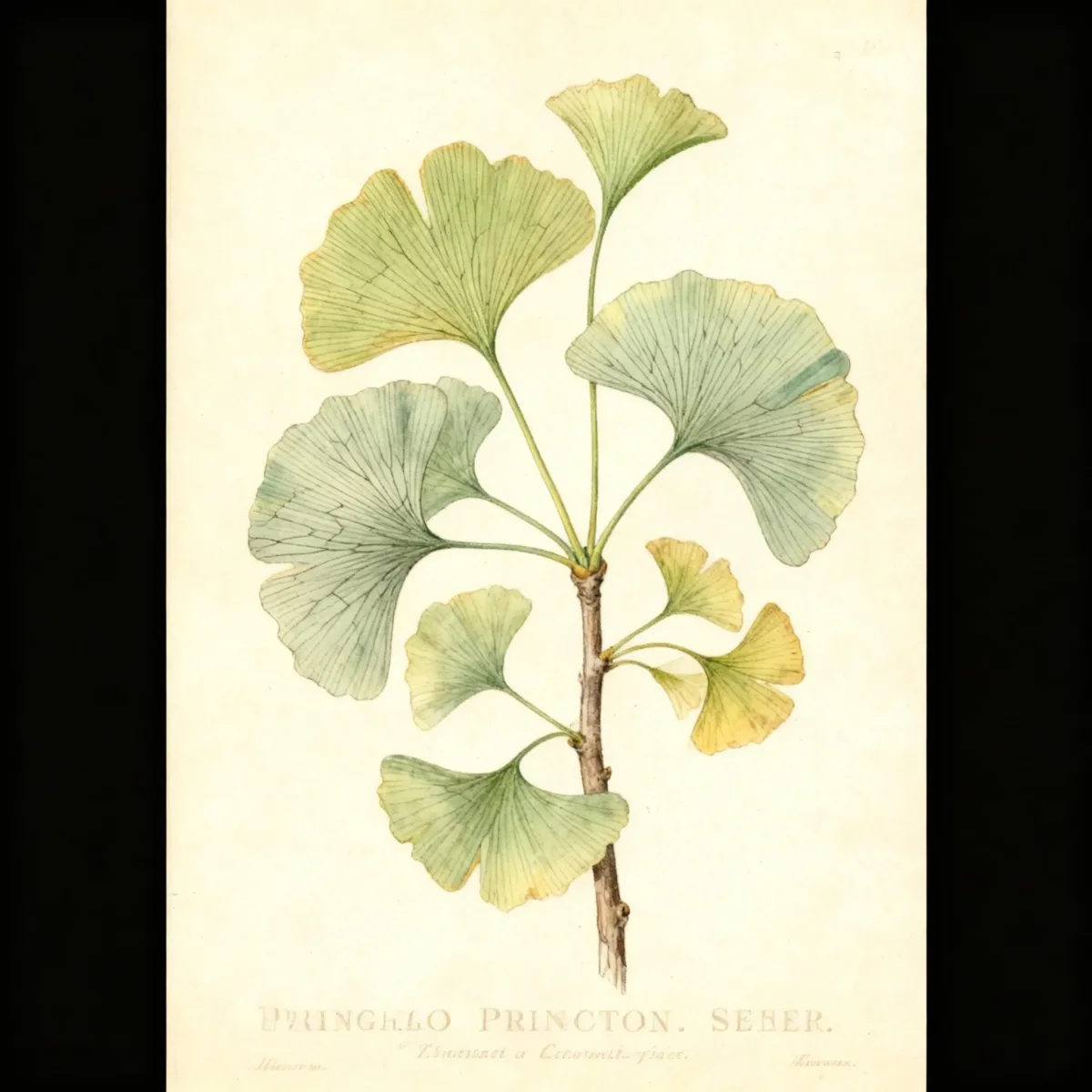
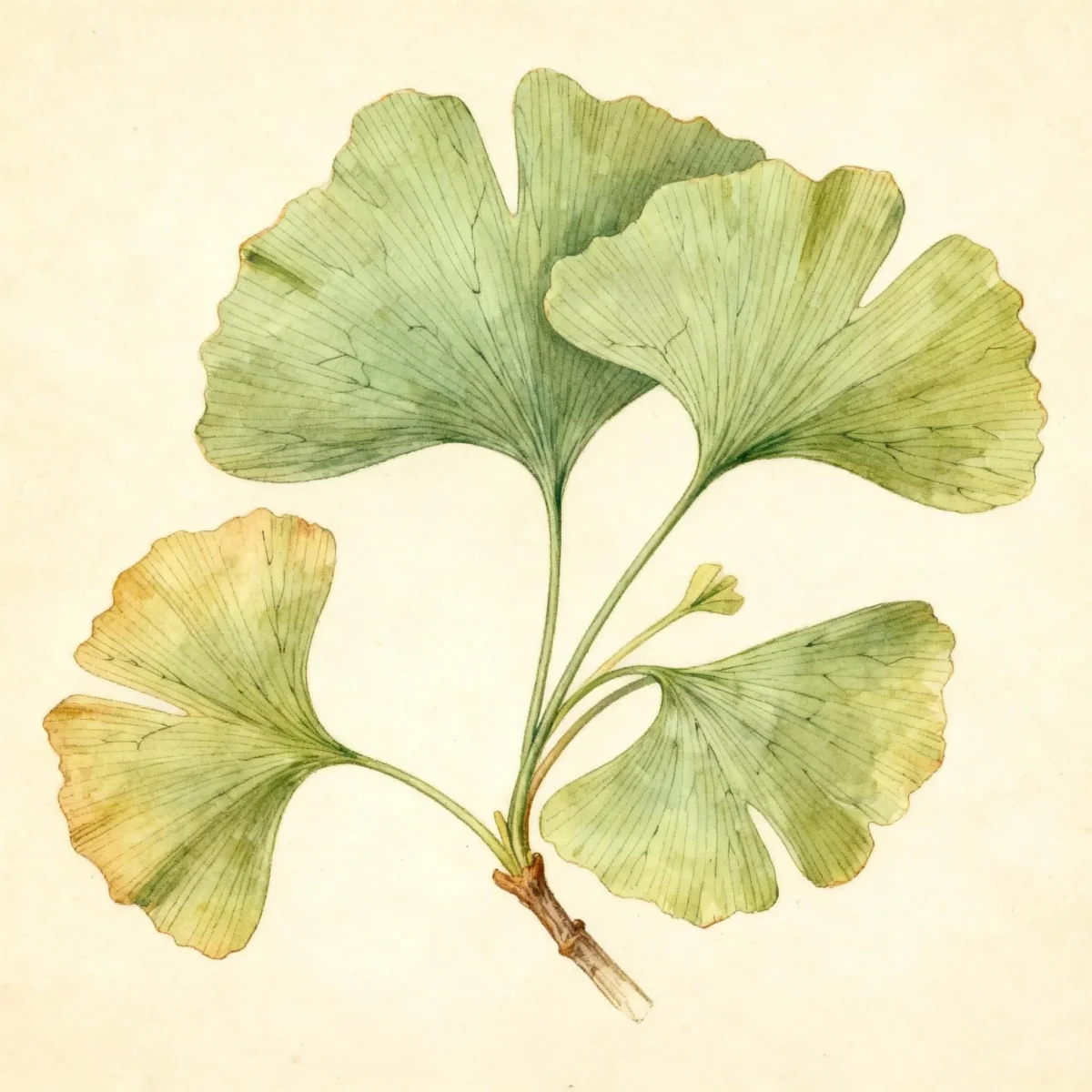
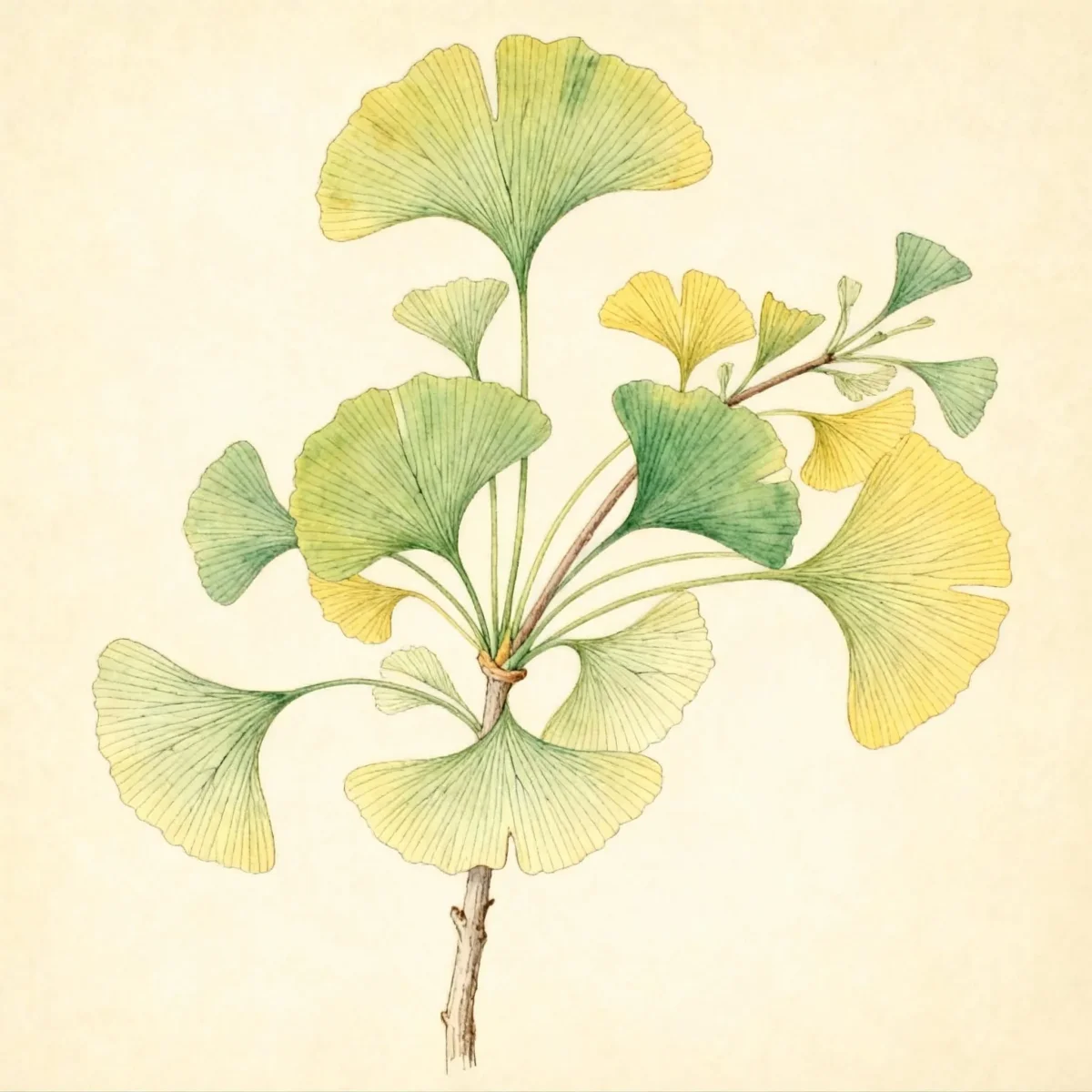
Ginkgo biloba is a large, deciduous tree that matures to 100’ tall and is considered to be a living fossil; the ‘JN9’, sold as SKY TOWER, is a very compact, dense, upright cultivar maturing to only 15-20’ tall and 6-10’ wide over time. It features distinctive two-lobed, fan-shaped, rich green leaves that turn a spectacular bright yellow in fall, with the dangling male flowers appearing in April or May being ornamentally insignificant. As is the case with straight species plants, the fan-shaped leaves of this cultivar are rich green during the growing season, but change to an often spectacular bright yellow in fall.
Tolerances
- Deer
- Clay Soil
- Air Pollution
Potential Problems
The Maidenhair tree generally suffers from no serious insect or disease problems, which contributes significantly to its low maintenance rating. Initial growth can be somewhat sparse as the tree focuses heavily on establishing its root system. If growth appears severely stunted after several years, ensure the soil is not excessively alkaline or poorly drained, although tolerance for these issues is high.
Frequently Asked Questions
What hardiness zones is Maidenhair tree suitable for?
The durable Ginkgo biloba ‘JN9’ SKY TOWER is suitable for USDA Hardiness Zones 3 through 8.
How large does Ginkgo biloba ‘JN9’ SKY TOWER grow?
This compact cultivar is expected to reach a mature height between 15 and 20 feet, with a controlled spread of 6 to 10 feet.
What sun exposure does Maidenhair tree need?
For the best growth profile and most intense fall color development, the Maidenhair tree requires full sun exposure.
When does Ginkgo biloba ‘JN9’ SKY TOWER bloom?
The insignificant, hanging staminate catkins appear in April, signaling the start of the main growing season for this deciduous tree.
Conclusion
The Ginkgo biloba ‘JN9’ SKY TOWER offers a rare combination of ancient lineage, urban toughness, and disciplined, upright form, making it a premier choice for structured landscapes. This low-maintenance Maidenhair tree provides unparalleled golden fall color without demanding excessive space or intensive care. Before planting, confirm your site receives full sun and assess your local hardiness zone compatibility.
Companion Planting
When designing beds around your Ginkgo biloba ‘JN9’ SKY TOWER, select plants that appreciate its full sun requirements and medium moisture needs. Low-growing, durable perennials can soften the base of the tree without competing heavily for resources. Consider using sturdy groundcovers or shade-tolerant hostas placed far enough away to accommodate the slow widening of the tree over decades.
For a striking contrast in texture, pair the fan-shaped Ginkgo leaves with deep green, needle-bearing conifers that can handle similar soil alkalinity. Since the Ginkgo’s upright habit is its main feature, avoid bushy companions that might obscure its strong vertical lines, especially when showcasing its bright yellow autumn display.
Seasonal Care Calendar
Spring is the time to observe the emergence of the leaves in April following the initial dangling bloom period. This is the best time to apply a slow-release, balanced fertilizer if your soil analysis suggests a deficiency; otherwise, skip feeding. Summer care focuses solely on ensuring medium watering needs are met, especially during extended dry spells in its first few established years.
In the fall, enjoy the spectacular transformation of the Maidenhair tree foliage to brilliant yellow before leaf drop begins. Unlike many deciduous trees, cleanup is simplified because Ginkgo leaves tend to drop relatively quickly once they turn color. Winter preparation for the Ginkgo biloba ‘JN9’ SKY TOWER is minimal due to its excellent hardiness into Zone 3; protection is almost never required unless planted in Zone 3 on a highly exposed foundation.