Ironweed (Vernonia lettermanii)
Vernonia lettermanii, or Letterman's Ironweed, is a rugged, low-maintenance perennial perfect for dry, sunny landscapes.
Scroll down to discover growing tips, care requirements, companion plants, and more
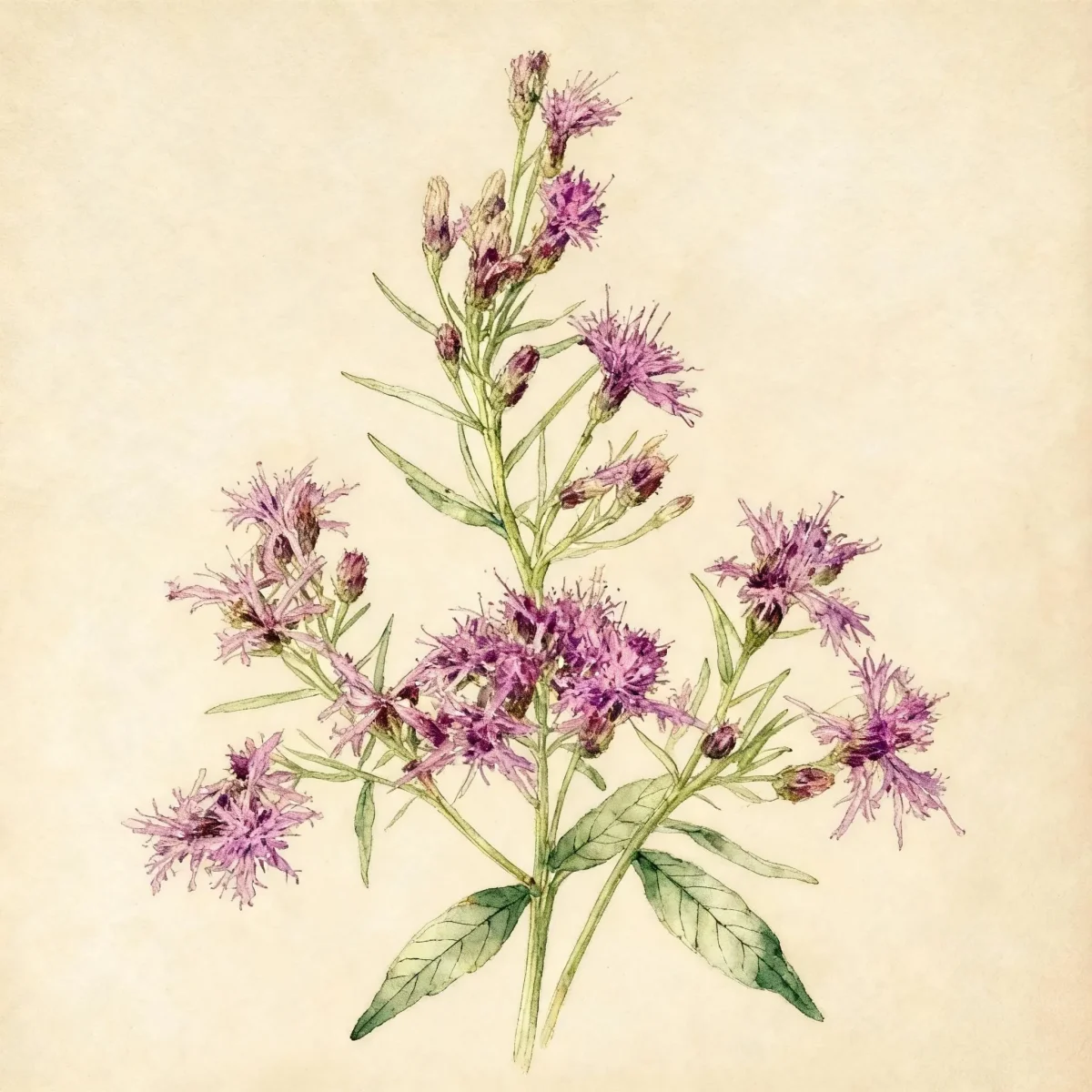
Complete Plant Information
Overview
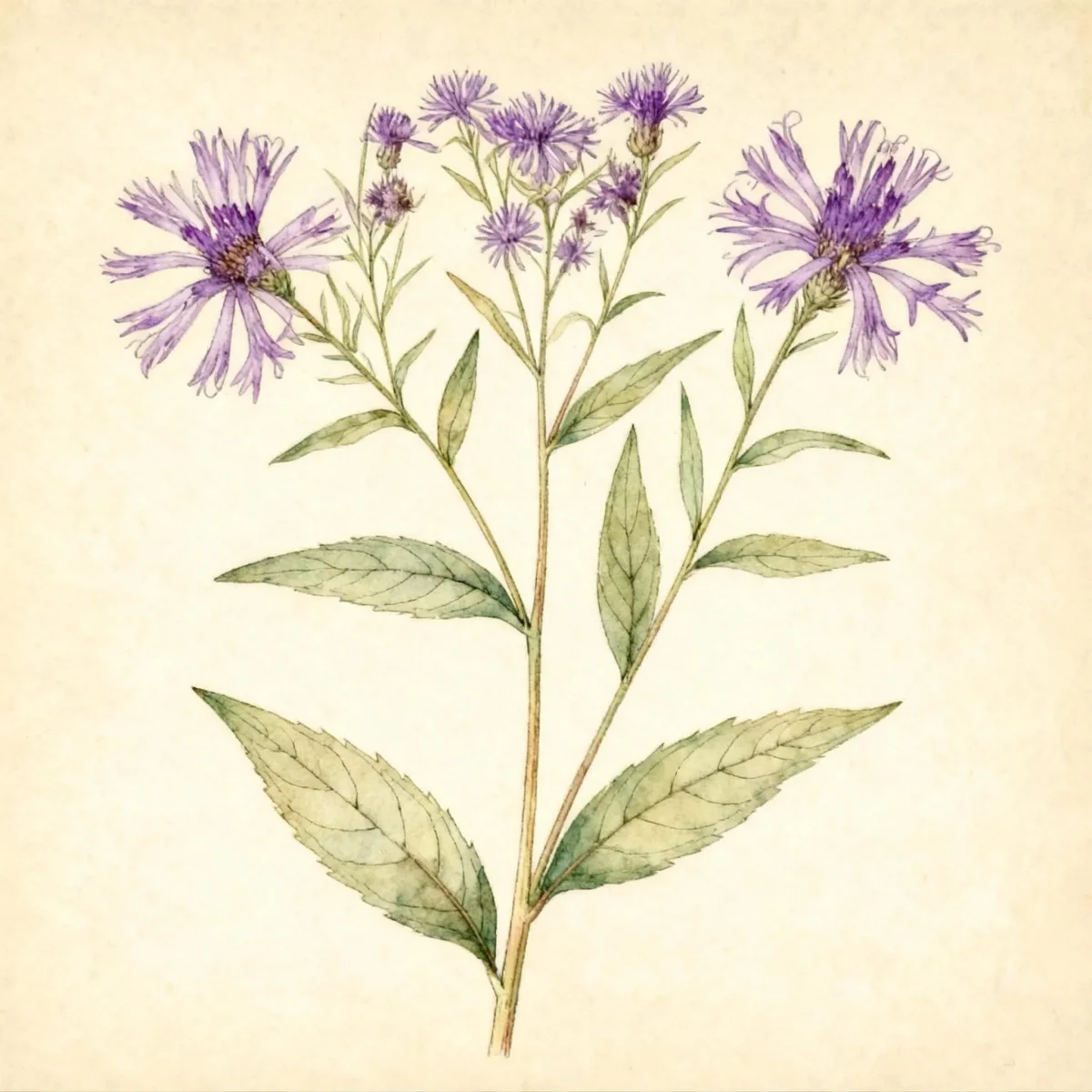
Vernonia lettermanii, widely known as Letterman’s Ironweed, is an outstanding, upright perennial prized for its fine texture and reliable, late-season purple blooms. It offers a crucial burst of color when many other summer flowers begin to fade, making it a cornerstone for late-season interest in the garden. This species provides exceptional visual contrast due to its thread-like foliage.
Naturally occurring across rocky outcrops and river areas in Arkansas and Oklahoma, this Ironweed variety excels in difficult, dry conditions. Its inherent toughness makes it a practical choice for gardeners seeking resilient, drought-tolerant native plants that require minimal intervention once established.
Gardeners value Vernonia lettermanii for its reliability and significant wildlife benefits. The bright purple flower heads attract essential pollinators, including hummingbirds and butterflies, ensuring an active ecosystem in the late summer landscape. It is truly a rugged perennial built for performance.
Fast Facts
- Plant Family: Asteraceae
- Plant Type: Herbaceous perennial
- Native Range: Arkansas, Oklahoma
- Hardiness Zones: USDA Zones 4-9
- Size at Maturity:
- Height: 1.5-2 ft
- Spread: 1.5-2 ft
- Bloom Time: July to August
- Bloom Description: Purple
- Sun Exposure: Full sun
- Water Needs: Dry to medium
- Maintenance Level: Low
How to Grow
Establish Vernonia lettermanii in the spring or fall for the best root development. Select a site that receives full sun throughout the day, which is critical for maintaining its compact habit and prolific blooming display. This plant is highly adaptable, thriving in medium to dry, well-draining soils of only average fertility.
Maintenance for this Ironweed is commendably low. Avoid over-fertilizing, as rich soils often lead to floppy, arching stems, negating its naturally upright architecture. Water thoroughly until the plant is established, but afterward, it tolerates significant drought stress common in hot, dry, rocky environments.
Pruning is minimal. After the final blooms fade in the fall or early winter, you can cut the stems back close to the ground. No special winter protection is required in its established hardiness zones (4-9). Providing excellent drainage is the single most important long-term cultural consideration for ensuring successful growth.
Landscape Uses
Vernonia lettermanii brings unparalleled fine texture to native plantings, breaking up the density of coarser perennials. It is perfectly suited for xeriscapes or rock gardens where moisture conservation is key, thanks to its tolerance for dry, shallow, and rocky soil types. Plant it in mass groupings for a spectacular, cohesive display of deep purple in mid to late summer.
This Ironweed pairs beautifully with companions that share its cultural needs. Consider pairing it with goldenrods (Solidago species) that feature bright yellow blooms, creating a dynamic contrast against the fine foliage of the Vernonia lettermanii. It is also excellent when integrated into pollinator hedgerows or used for stabilizing slopes.
For smaller spaces, while it matures to about 2 feet, its thin structure allows it to be effectively placed toward the middle or back of a border without overpowering shorter foreground plants. Its ability to handle alkaline conditions further expands its utility in challenging urban or suburban settings. Mass plantings are the best way to leverage the visual impact of this narrowleaf ironweed.
Standout Features
Flower Qualities
- Showy
Noteworthy Characteristics
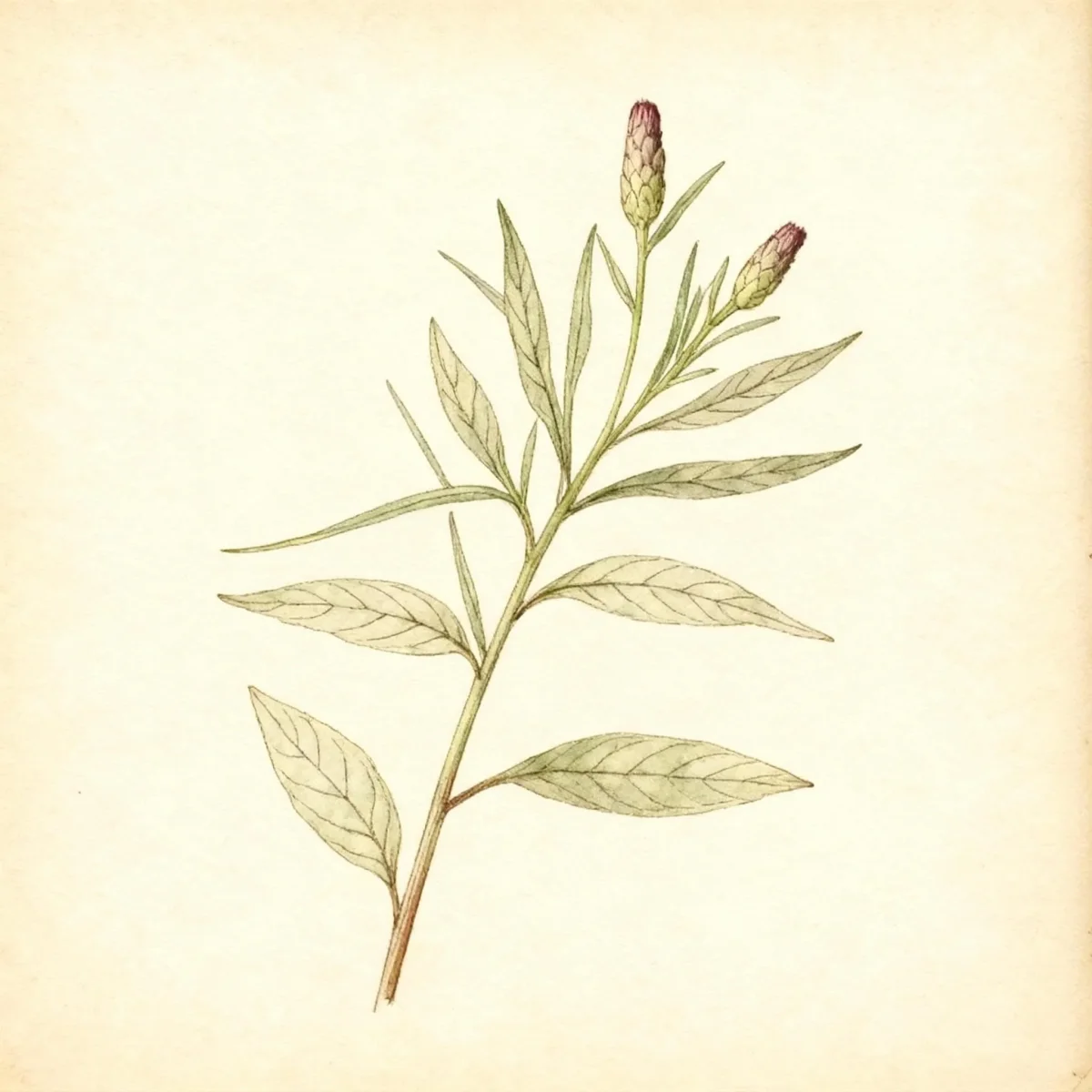
Vernonia lettermanii, commonly called Letterman’s ironweed or narrowleaf ironweed, is an upright, clump-forming, herbaceous perennial native to rocky outcrops, floodplains, and river scours in west-central Arkansas and adjacent areas of Oklahoma. Plants reach around 2’ tall with an equal spread, featuring finely textured leaves that are thin and narrow. Terminal corymbs of bright purple flowers appear in mid to late summer, proving highly attractive to hummingbirds and butterflies.
Tolerances
- Drought
- Erosion
- Dry Soil
- Shallow-Rocky Soil
Potential Problems
Generally, Vernonia lettermanii suffers from no major recurring pest or disease problems, which contributes significantly to its low-maintenance rating. The primary aesthetic issue gardeners encounter is architectural: the stems can bend and arch outwards, causing a floppy appearance.
This flopping is almost always a symptom of over-care rather than pest pressure. It occurs when the soil is too rich in nutrients or if the plant is situated in an area that does not receive adequate, consistent full sun exposure.
To prevent arching, ensure you amend the soil minimally and plant where it receives at least six hours of direct sunlight daily. If you notice arching occurring mid-season, a mid-summer “Chelsea Chop” (cutting the stems back by about one-third) can encourage a sturdier, more compact re-growth before flowering.
Frequently Asked Questions
What hardiness zones is Ironweed suitable for?
Vernonia lettermanii is broadly suitable for USDA Hardiness Zones 4 through 9, offering wide adaptability across much of the continental US.
How large does Letterman’s Ironweed grow?
This perennial typically reaches a height between 1.5 and 2 feet, spreading to a similar width of 1.5 to 2 feet at maturity.
What sun exposure does Vernonia lettermanii need?
This tough perennial requires full sun conditions to maintain its best shape and ensure robust light purple blooms appear reliably from July to August.
When does Ironweed bloom?
The flowers of Vernonia lettermanii bloom reliably in the summer, specifically from July through August.
Conclusion
Vernonia lettermanii stands out as an extremely valuable late-season performer, offering fine texture, vivid purple color, and exceptional drought tolerance. This tough Ironweed is a natural choice for sustainable landscape designs focusing on resilience and pollinator support. Before planting, confirm that your intended site provides full sun and well-draining soil to ensure this fantastic perennial thrives for years to come.
Companion Planting
Choosing partners that share the preference for dryness and full sun is key when planting Vernonia lettermanii. Excellent companions include Sedums, Russian Sage (Perovskia atriplicifolia), and other resilient natives such as certain varieties of Coneflower (Echinacea). The fine, grass-like leaves of the Ironweed offer excellent spatial separation for the chunkier textures of these drought-tolerant neighbors.
When designing a late-season border, pair the purple flowers of this Ironweed with the bright yellows of goldenrods or heleniums. This complementary color pairing provides maximum visual impact in August and September, capitalizing on the unique bloom time of the Letterman’s Ironweed.
Wildlife Benefits
The vibrant terminal flowers of Vernonia lettermanii serve as a critical late-season food source for many beneficial insects. The genus Vernonia is well-regarded by both native bee species and monarch butterflies who rely on late nectar flows for migration and overwintering preparation.
Planting this native Ironweed directly supports local food webs. Hummingbirds are frequently observed visiting the clustered purple blooms, drawn in by the high nectar rewards offered throughout the peak summer months.
By integrating Vernonia lettermanii into your garden plan, you are intentionally creating habitat. Its clump-forming, upright structure also offers potential shelter for small beneficial insects navigating the late summer landscape.