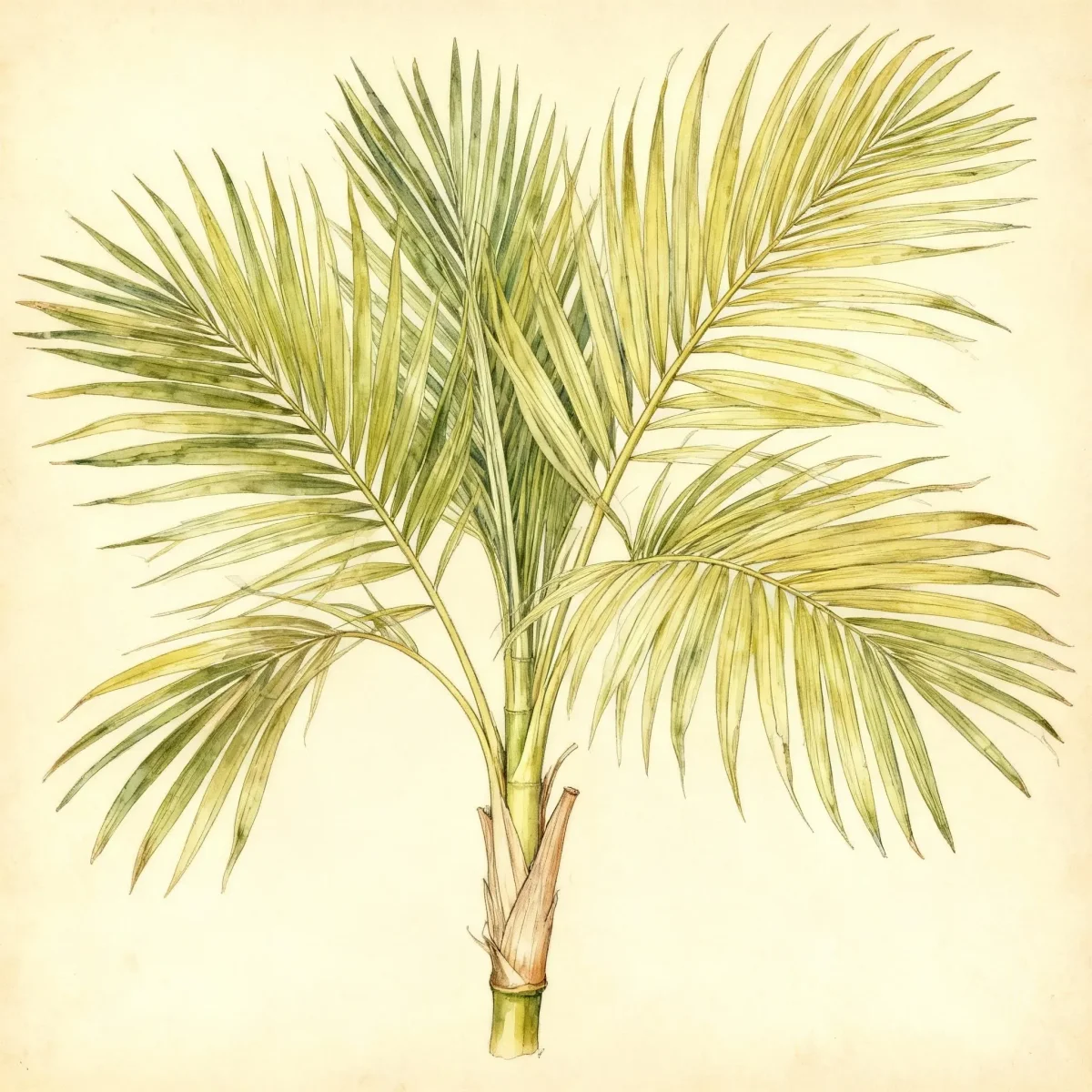
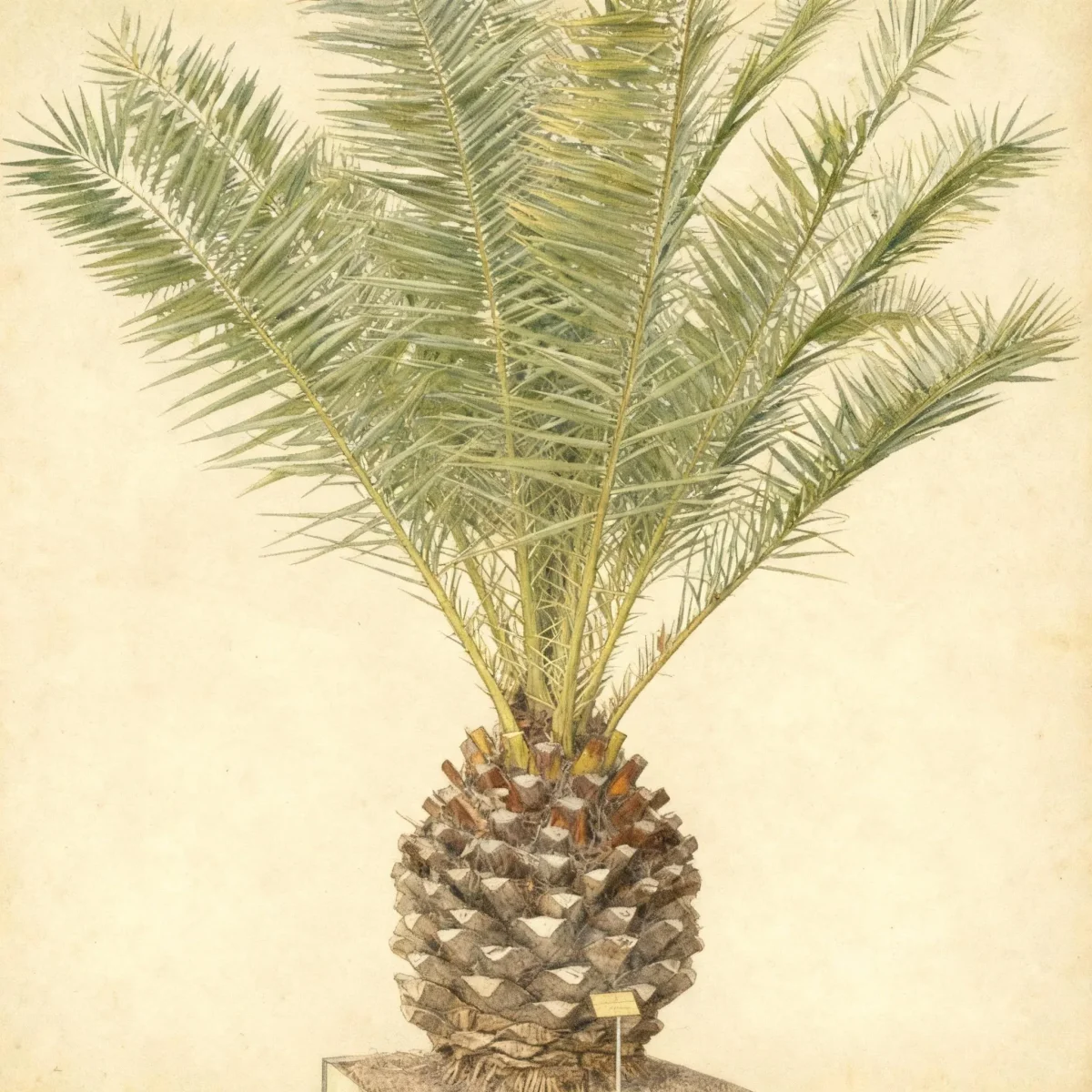
European fan palm (Chamaerops humilis var. Humilis)
European fan palm forms a tough, multi-trunked clump for warm, well-drained gardens. Plan for its full width, spiny leaf stalks, and winter limits.
Complete Plant Information
Interactive Detour
Keep exploring with a quick garden quiz
European fan palm is easier to remember when you mix reading with a quick challenge. Try a related quiz, then jump back into the care guide.
Can You Identify These Common Garden Plants? Test Your Plant Knowledge
Think you know your roses from your peonies? Test your plant identification skills with our comprehensive garden plant quiz featuring 10 challenging questions.
Start quiz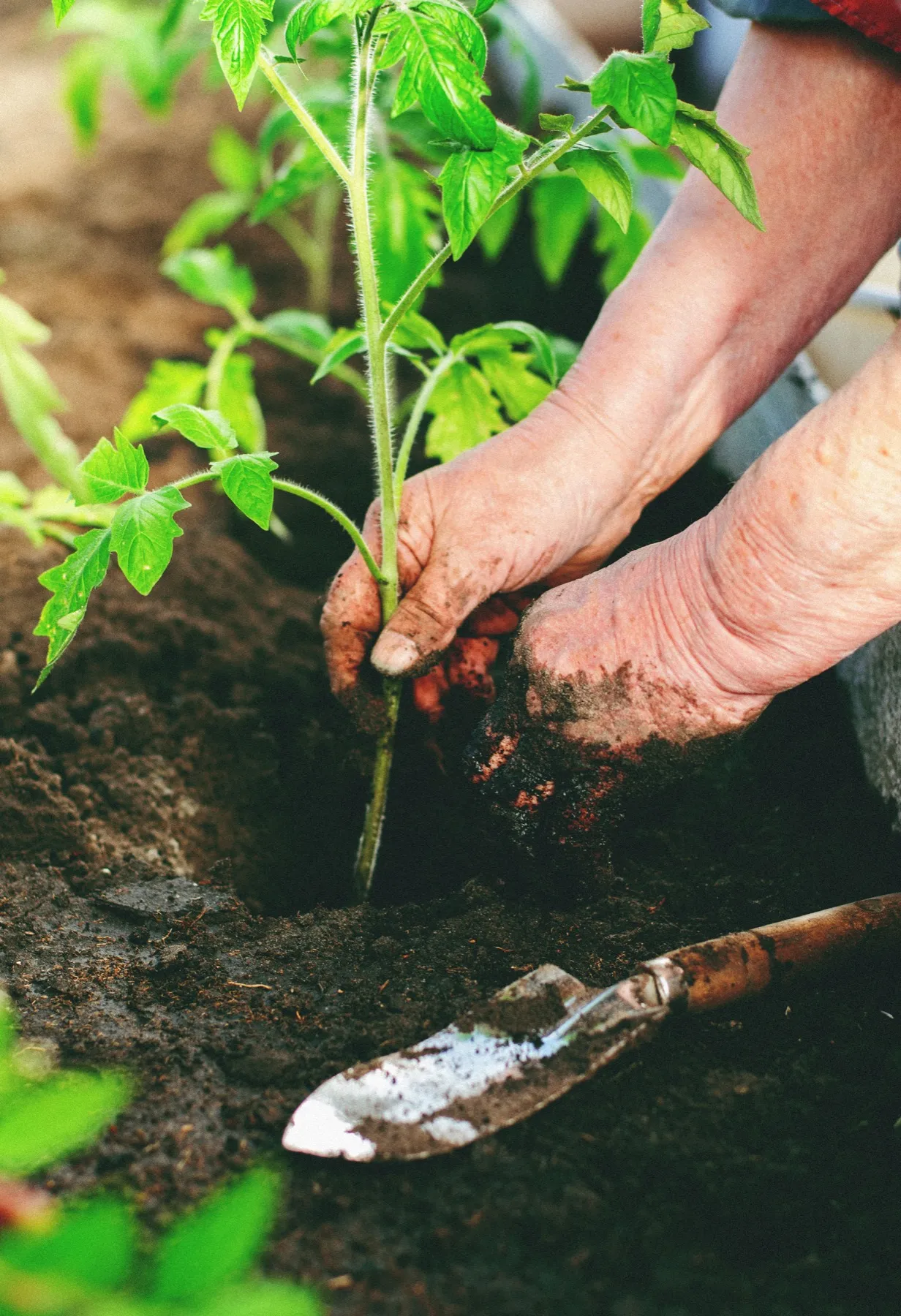
USDA Garden Zone Map Quiz
Use this USDA garden zone map quiz to check whether you can read hardiness zones and choose plants with more confidence.
Start quizBrowse the full quizzes section
Explore plant identification, zone strategy, and seasonal gardening challenges.
View all quizzesField Guide Continues
Ready for care notes, companion picks, and planting tips?
The map is just the start. The full guide below covers growth habits, seasonal performance, and landscape uses.
A Palm That Wants More Width Than You Expect
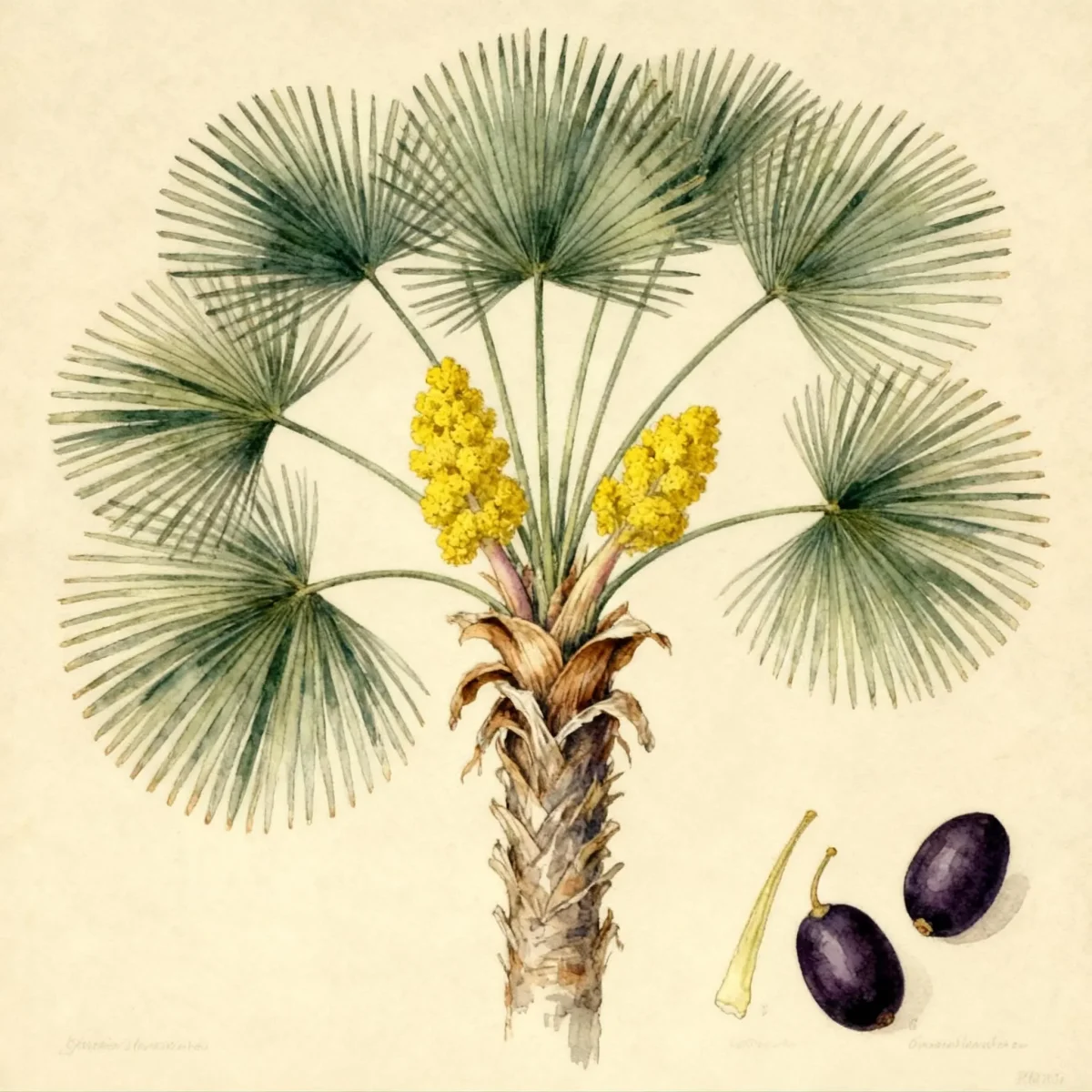
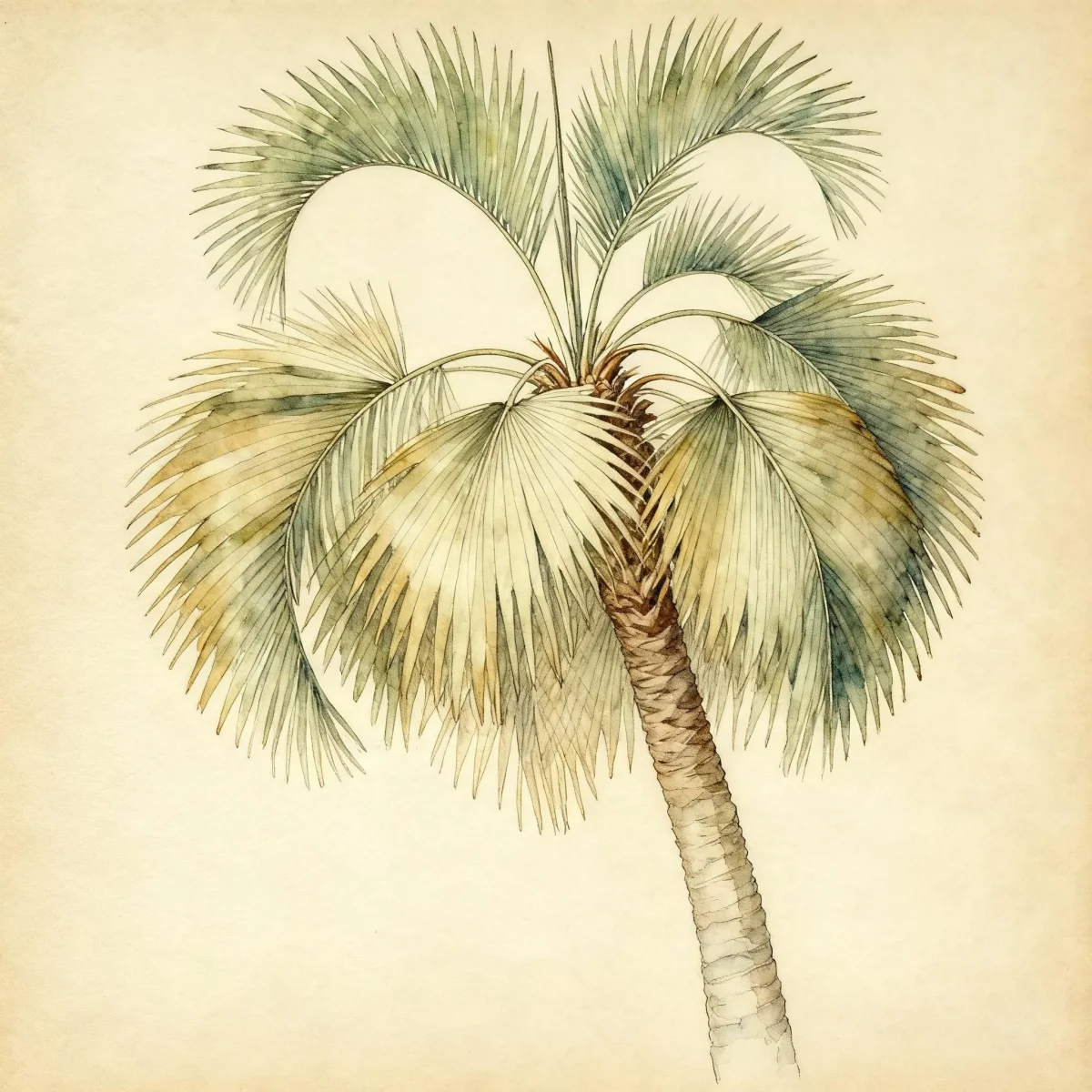
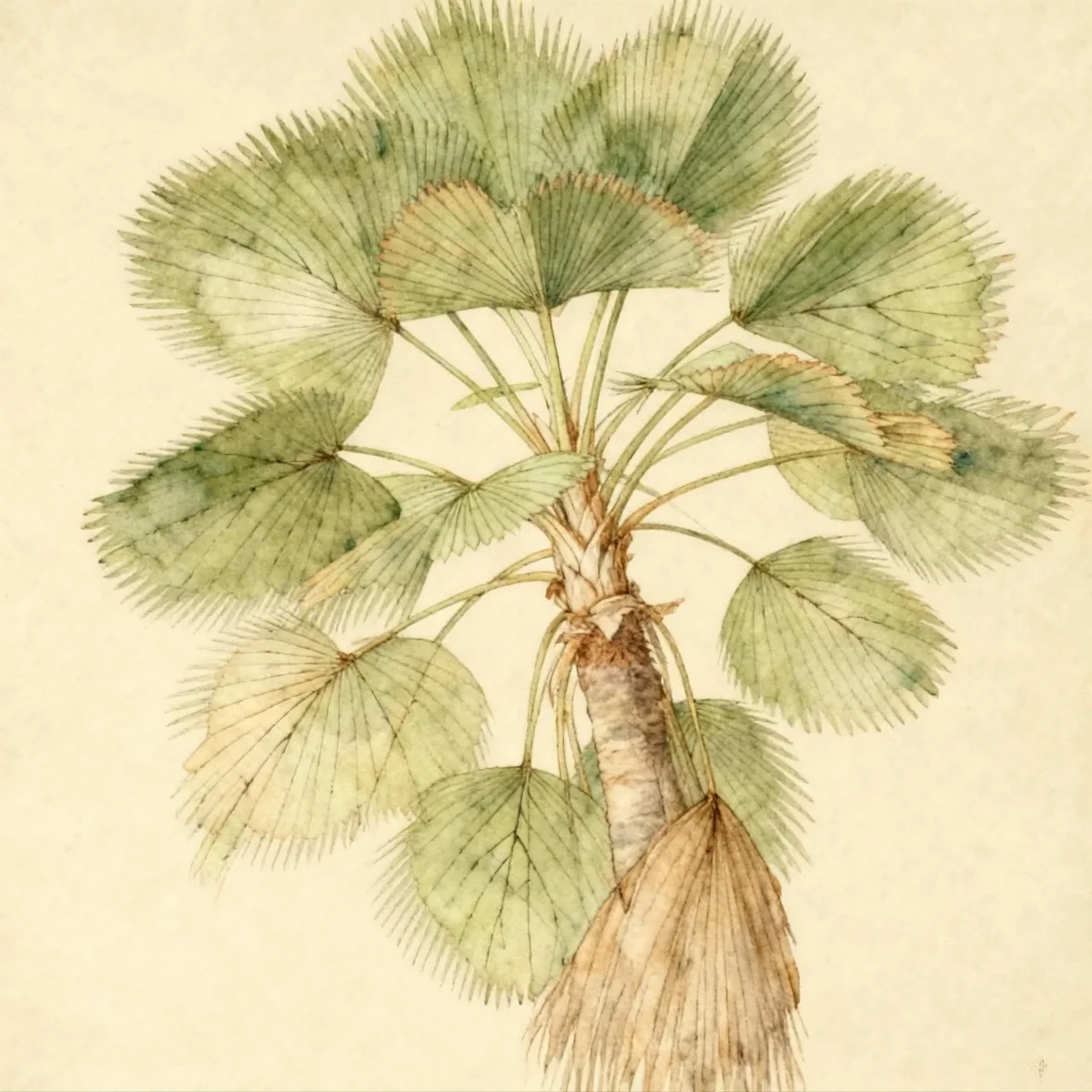
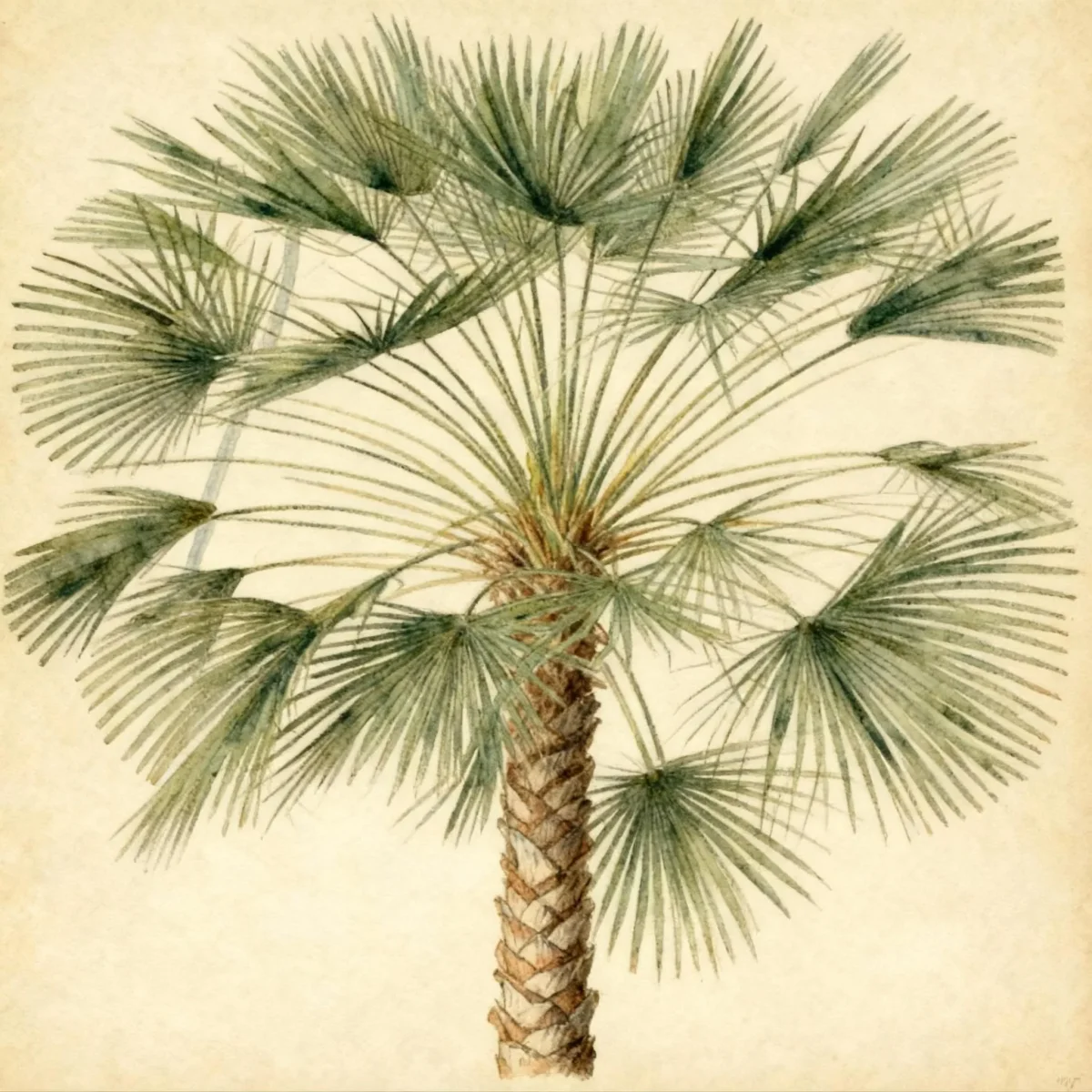
European fan palm (Chamaerops humilis var. humilis) is a clumping evergreen palm with stiff, fan-shaped leaves and multiple trunks rising from the base. It usually matures 6 to 15 feet tall, but an unmanaged clump can spread from 6 to 20 feet. That broad footprint makes it useful as a specimen or informal screen in a warm garden, but awkward beside a narrow walk or small patio.
The leaf stalks carry sharp teeth. Give the palm room away from play areas, gates, and routes where people brush past. Gloves, eye protection, and long sleeves are sensible when removing old fronds.
This is one of the more cold-tolerant palms, yet the listed outdoor range is USDA Zones 9–11. A sheltered microclimate may soften a brief cold event, but it cannot make a marginal climate dependable. Use the hardiness zone map as a first check, then consider your lowest temperatures, winter wetness, and exposure to cold wind. Gardeners seeking a palm for cooler conditions can compare windmill palm and the shorter dwarf palmetto.
Drainage Is the Starting Point
Choose full sun for dense, compact growth; part shade is workable, though the plant may become looser. European fan palm adapts to different soil textures if excess water can escape. Avoid a low spot, heavy irrigation zone, or downspout outlet. In clay, improving the grade or using a raised planting area is more effective than filling a small hole with amended soil that traps water.
Plant in spring so roots have a full warm season to establish. Set the root ball at the surrounding grade and water thoroughly. During the first year, water deeply when the upper soil begins to dry. Once rooted, the palm handles dry intervals better, but an established plant still looks best with occasional deep watering during prolonged drought. Do not leave the crown or root zone constantly wet.
For a container, use a heavy pot with drainage holes and a fast-draining mix. A mature clump becomes difficult to move, so container culture is a practical long-term plan only if you can manage its weight and provide a bright, cool overwintering place before damaging freezes.
Decide Early: Clump or Visible Trunks
Leaving basal shoots produces the palm’s natural dense form and usually requires the least interference. Removing shoots exposes individual trunks and reduces width, but it creates recurring work. Decide while the plant is young; cutting through an old, crowded clump is unpleasant and can damage wanted stems.
Remove only fully dead or badly damaged fronds, cutting close without injuring the trunk. Green leaves are still feeding the plant. Yellowing across several leaves may point to drainage, root stress, or a nutrient imbalance rather than a need for indiscriminate fertilizer. Use a product formulated for palms only when local guidance or a soil assessment supports it.
Designing Around the Strong Shape
One palm can anchor a gravel garden, pool landscape, or sunny courtyard. Low companions keep the fans visible and should share its preference for sun and drainage. Avoid packing thirsty annuals against the base; their irrigation schedule conflicts with the palm’s need to avoid soggy soil.
In cold or wet winters, leaf damage may be cosmetic while injury to the growing point is more serious. Wait until the extent of damage is clear before pruning. Scale, mealybugs, and spider mites are most likely on stressed plants or those overwintered indoors; inspect leaf undersides before pests spread.
See the broader plant collection to compare palms and other structural plants by mature size and climate.