Stonecrop (Sedum LEMON CORAL)
Discover Sedum LEMON CORAL, a tough, low-maintenance Stonecrop offering vibrant chartreuse foliage and yellow blooms. Ideal for sunny, dry spots.
Scroll down to discover growing tips, care requirements, companion plants, and more
Complete Plant Information
Overview
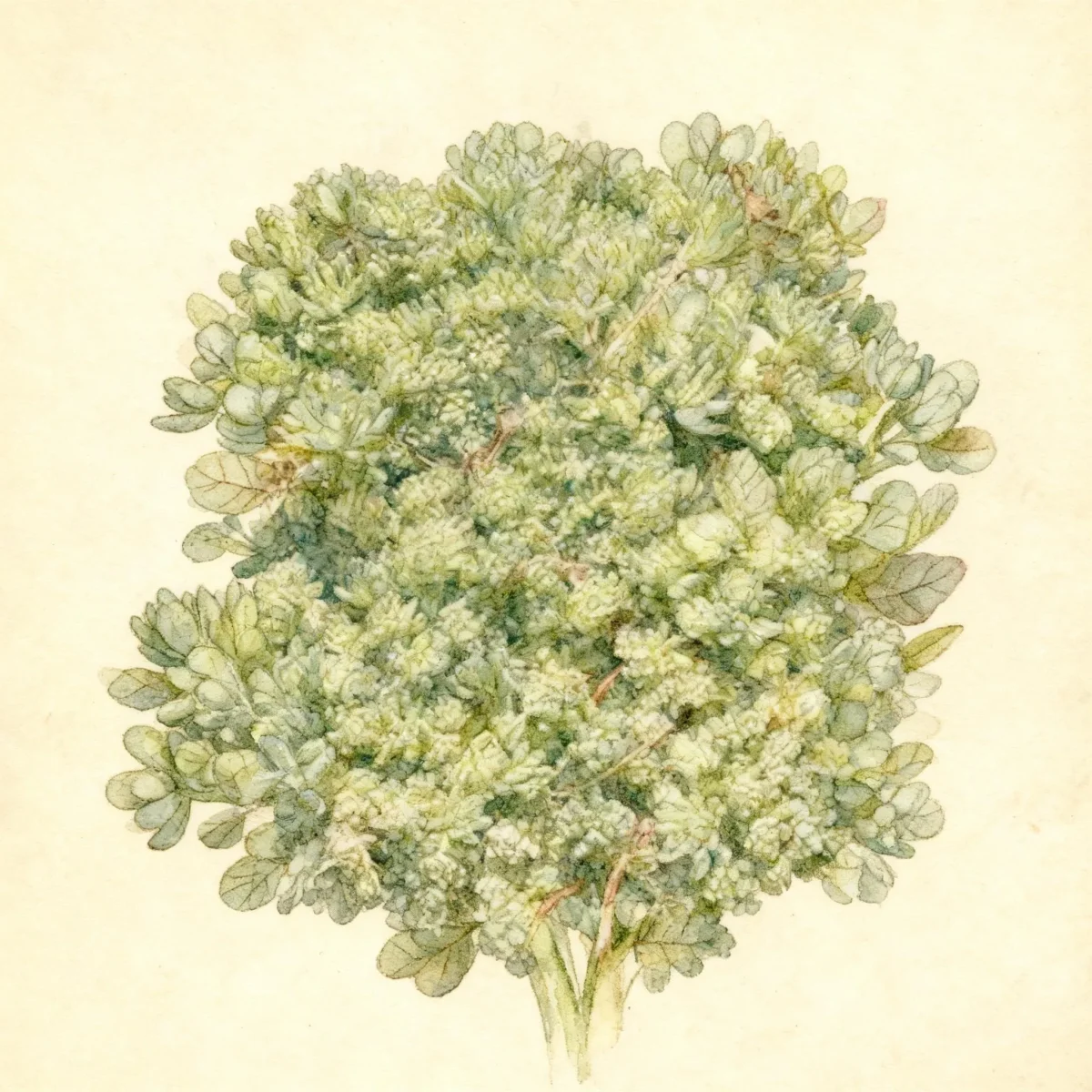
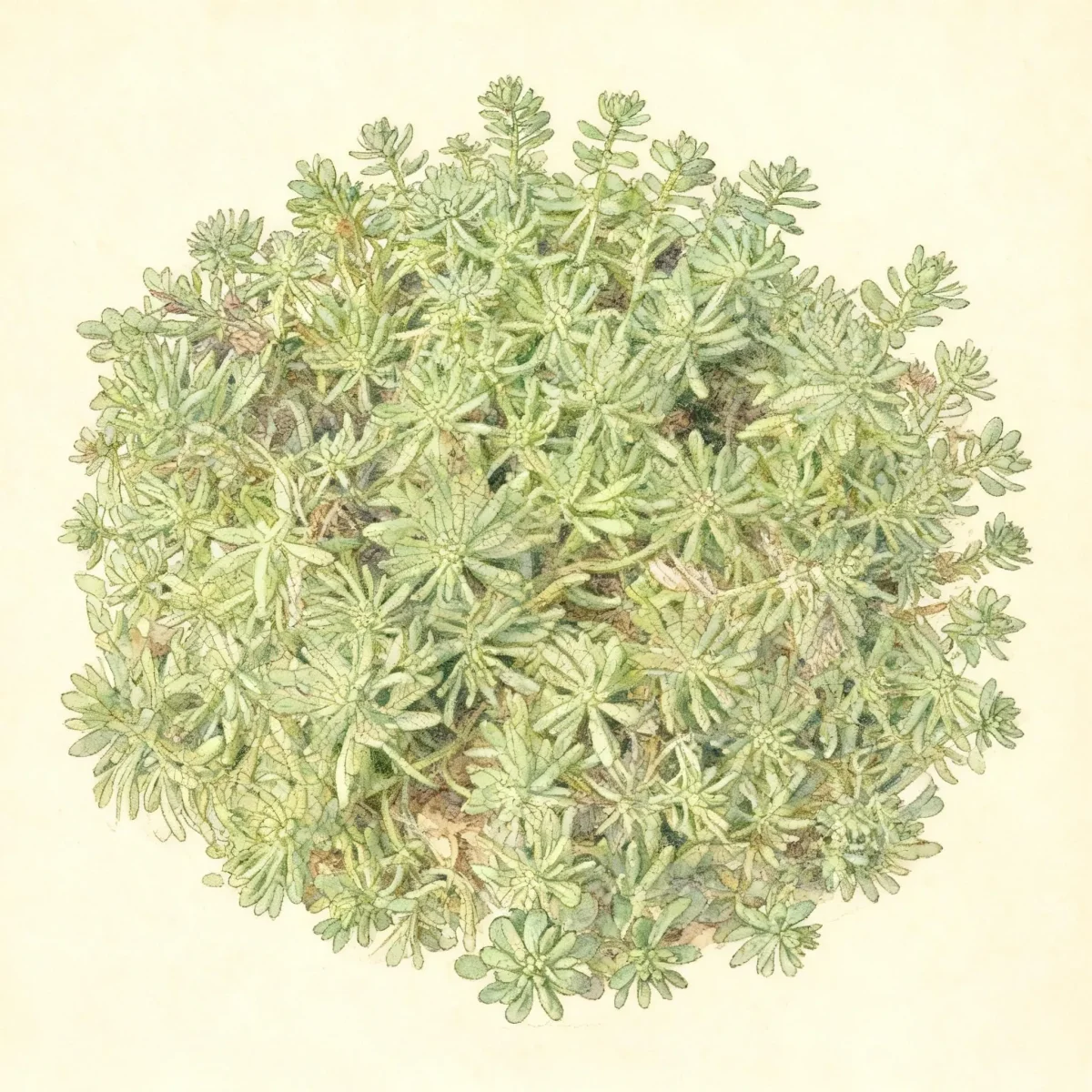
Sedum LEMON CORAL, a vibrant variety of Stonecrop, distinguishes itself with striking, spikey, lime-green to chartreuse foliage that maintains visual interest throughout the growing season. As a tough, drought-tolerant perennial, this succulent excels where many other plants struggle, anchoring slopes and rock gardens with minimal fuss. Its vigorously mounded and trailing growth habit makes it an excellent, low-maintenance ground cover.
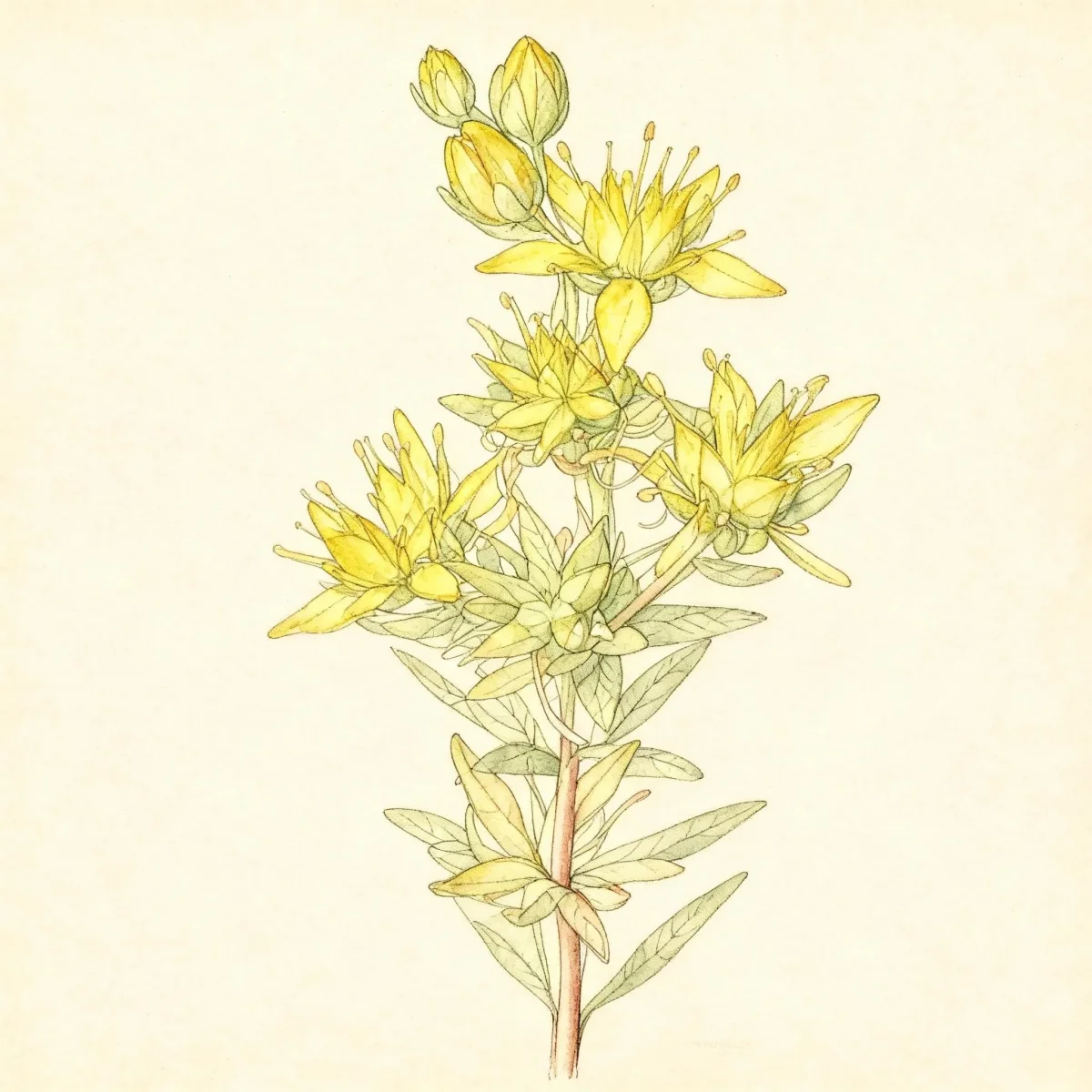
This easy-to-grow Stonecrop features small, yellow, star-shaped flowers that bloom reliably from June through August, adding a bright accent to the already colorful foliage mass. Genus names like Sedum often reference the habit of sitting or sprawling over rocky surfaces, which perfectly describes the natural preference and resilience of Sedum LEMON CORAL. Gardeners seek out this plant for its ability to thrive in lean, dry conditions while providing consistent texture and color coverage.
The appeal of Sedum LEMON CORAL lies in its resilience coupled with its bright appearance. It requires little attention once established, demanding only good drainage and plenty of sunshine to prevent weak, floppy growth. Utilizing this Stonecrop ensures an application of vivid color in the landscape that requires very little supplementary feeding or frequent watering.
Fast Facts
- Plant Family: Crassulaceae
- Plant Type: Herbaceous perennial
- Hardiness Zones: USDA Zones 7-11
- Size at Maturity:
- Height: 0.25-0.75 ft
- Spread: 1-2 ft
- Bloom Time: June to August
- Bloom Description: Yellow
- Sun Exposure: Full sun
- Water Needs: Dry to medium
- Maintenance Level: Low
How to Grow
Plant Sedum LEMON CORAL in spring or early fall after the danger of hard frost has passed. The absolute key to success with this Stonecrop is excellent soil drainage; it thrives in average, dry to medium soils, particularly those that are sandy or gravelly. While it prefers full sun, Sedum LEMON CORAL can tolerate light shade, though too much shade or overly rich soil will result in weak, sprawling stems that compromise its compact form.
Maintenance for this variety is delightfully low. Water sparingly, allowing the soil to dry completely between irrigation cycles, especially once the plant is established and happily tolerating drought. Fertilizing is generally unnecessary; rich soils often lead to overly lush growth that is less resilient.
To maintain the dense, bushy habit of your Sedum LEMON CORAL, consider light pinching of the stems in the spring before new growth fully elongates. This encourages thicker stems rather than relying on the plant to sprawl unchecked. In winter, little preparation is needed for established plants in their appropriate hardiness zones, but ensure water does not pool around the crowns during winter rains.
Landscape Uses
Sedum LEMON CORAL excels in applications where low, spreading texture and drought tolerance are paramount. Its vigorous, mounded habit makes it an outstanding choice for ground cover, effectively blanketing spaces and suppressing weeds with its dense foliage mass. Use this Stonecrop along border fronts or tucked into dry rock gardens where its chartreuse tones contrast beautifully against grey stone or darker green evergreens.
This plant is particularly recommended when you need to mass or plant in groups to create a strong visual swath of color, rather than using it as a single specimen. Its trailing quality also makes Sedum LEMON CORAL surprisingly effective in containers, especially when paired with upright elements that accentuate its spreading nature. Site it where both its unique foliage and subsequent yellow flowers can be appreciated up close.
Standout Features
Flower Qualities
- Showy
Noteworthy Characteristics
Sedum is a genus of about 400 species found mainly in the mountainous areas of North America but some also in dry area of South America. Most are succulent. They are tough, drought tolerant, easy-to-grow perennials that feature star-shaped flowers in clusters blooming on fleshy-leaved plants ranging from mat-forming ground covers to clump-forming upright mounds. Some of the most popular garden plants are hybrids. Genus name comes from the Latin word sedeo meaning to sit in reference to the general growing habit of many of the sedums (they sit and sprawl over rocks). Plants in the genus Sedum are commonly called stonecrops because they are typically found in the wild growing on rocky or stony areas. LEMON CORAL is grown for its spikey lime-green to chartreuse foliage with a spread of 10-14 inches. Its vigorous growth habit is mounded to stacking and trailing. Small yellow star-shaped flower clusters bloom June through August.
Tolerances
- Rabbit
- Deer
- Drought
- Dry Soil
- Shallow-Rocky Soil
- Air Pollution
Potential Problems
The primary risk for Sedum LEMON CORAL is excessive moisture, which can lead to rot or the plant collapsing (flopping). Ensure planting areas have superb soil drainage to prevent rotting out, especially during wet periods. Taller sedum hybrids known for large flower heads can sometimes flop; this is usually managed by ensuring the plant receives full sun and avoiding overly moist or rich soils.
Pest issues are generally minor; keep an eye out for slugs and snails, which can sometimes chew on the fleshy leaves, particularly when young. Scale insects may occasionally be a problem, though infestations are usually manageable. Regular spring pinching encourages thicker, bushier growth, which aids in overall plant structure and vigor.
Frequently Asked Questions
What hardiness zones is Stonecrop suitable for?
Sedum LEMON CORAL is reliably hardy in USDA Zones 7 through 11.
How large does Sedum LEMON CORAL grow?
This Stonecrop reaches a low height between 0.25 and 0.75 feet, spreading out to cover an area between 1 and 2 feet wide.
What sun exposure does Sedum LEMON CORAL need?
For the best form and color, Sedum LEMON CORAL requires full sun exposure.
When does Stonecrop bloom?
The plant produces small yellow flowers primarily from June through August.
Conclusion
Sedum LEMON CORAL is a superb, low-maintenance choice for adding year-round structure and bright chartreuse color to sunny, dry garden spaces. This resilient Stonecrop handles poor soil and drought with ease, making it a gardening favorite. Before planting, verify that your site offers full sun and excellent drainage, and plan to incorporate your new Sedum LEMON CORAL this coming spring for the best establishment.
Companion Planting with Sedum
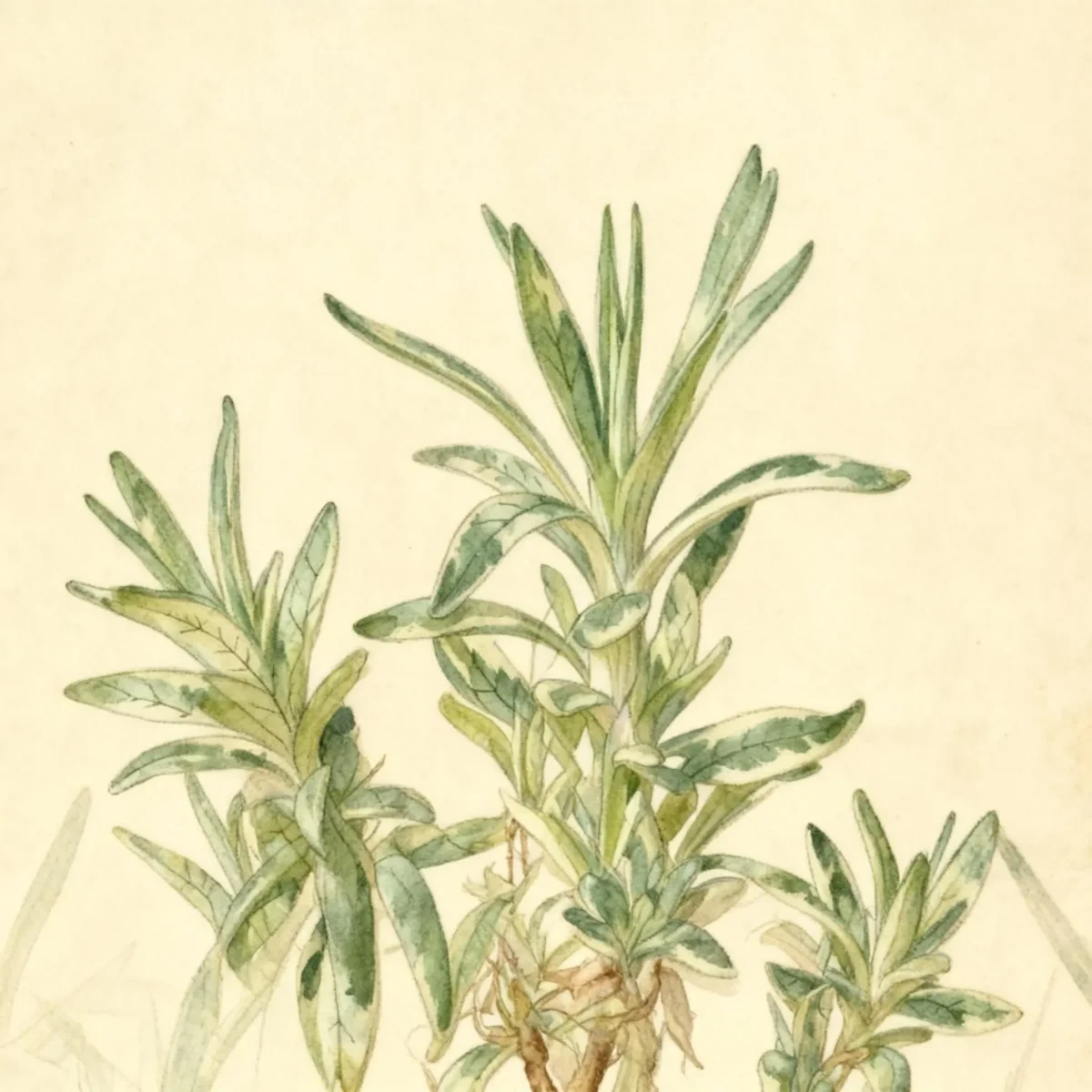
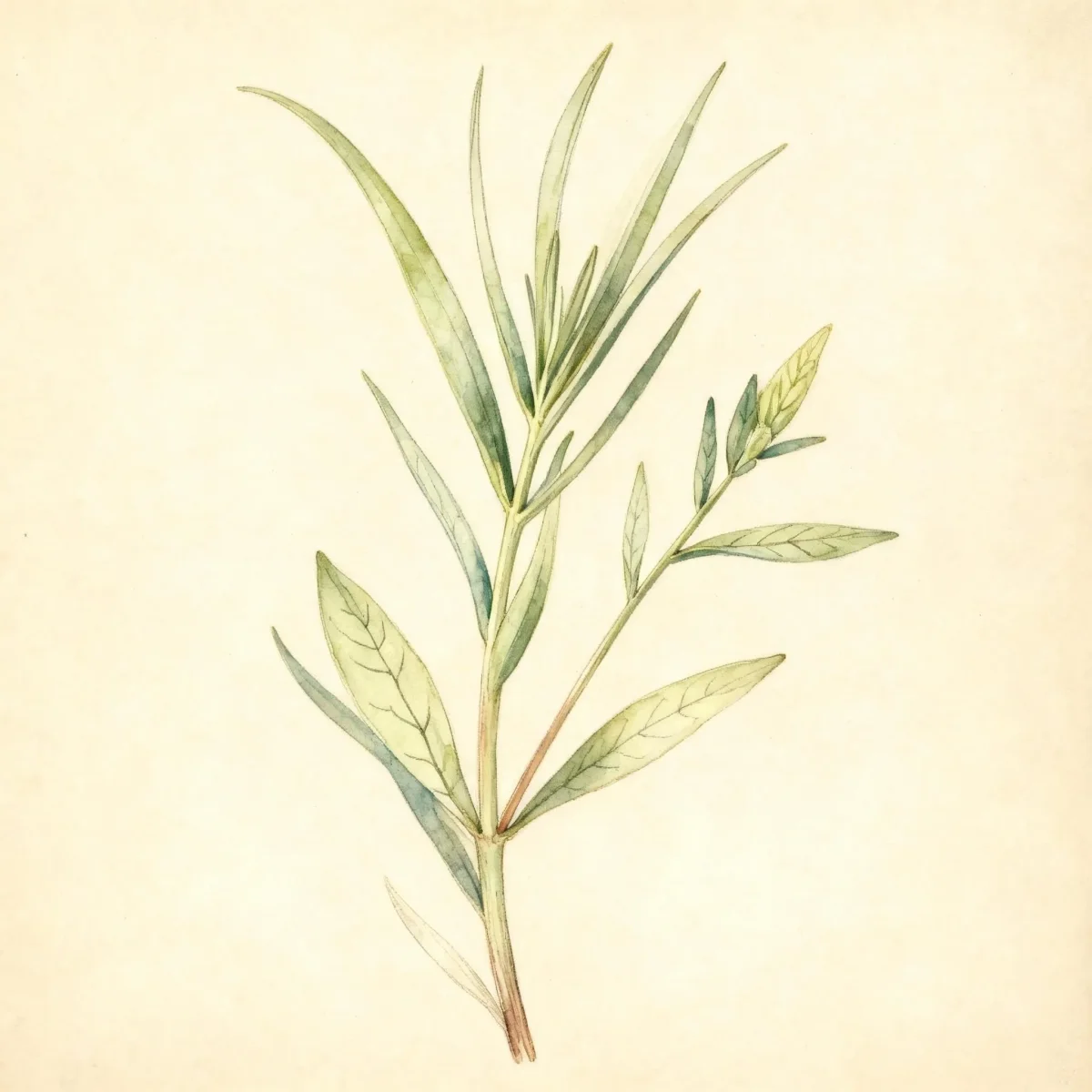
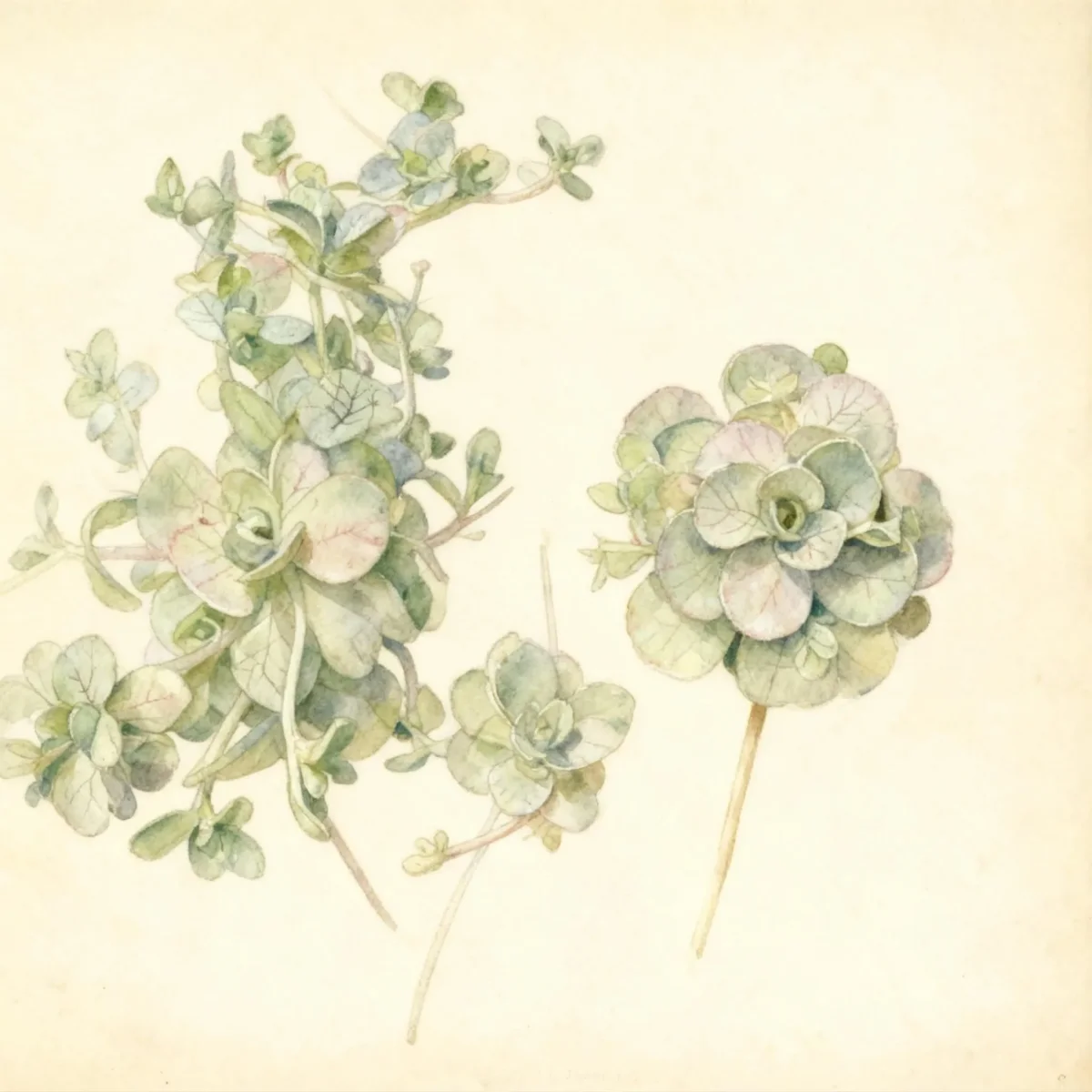
Because Sedum LEMON CORAL thrives in dry, lean conditions, it pairs naturally with other xeriscape champions. Consider planting it alongside ornamental grasses that enjoy similar sun exposure, or low-growing Thymus varieties that offer complementary texture. Its bright foliage acts as a wonderful foil for silvery-leaved plants like Artemisia or dusty Miller, which share an identical preference for dry feet and intense sunlight. Ensure companions do not demand heavy moisture treatments that would harm the succulent nature of this Stonecrop.
Propagation Tips
One of the easiest ways to multiply your Sedum LEMON CORAL is through stem cuttings, a simple propagation technique favored by Sedum enthusiasts. Simply snip off small stems, allow the cut end to dry and callous over for a day or two in a dry spot away from direct light, and then insert the calloused end into gritty, well-drained potting mix. Water sparingly until roots develop. This method ensures you quickly generate more mats of this vibrant ground cover for use across your landscape or to fill out containers.