Autumn olive (Elaeagnus umbellata)
Elaeagnus umbellata (Autumn olive) is a fast-growing, strikingly handsome shrub prized for its fragrant flowers and showy, edible fruit.
Scroll down to discover growing tips, care requirements, companion plants, and more
Complete Plant Information
Overview
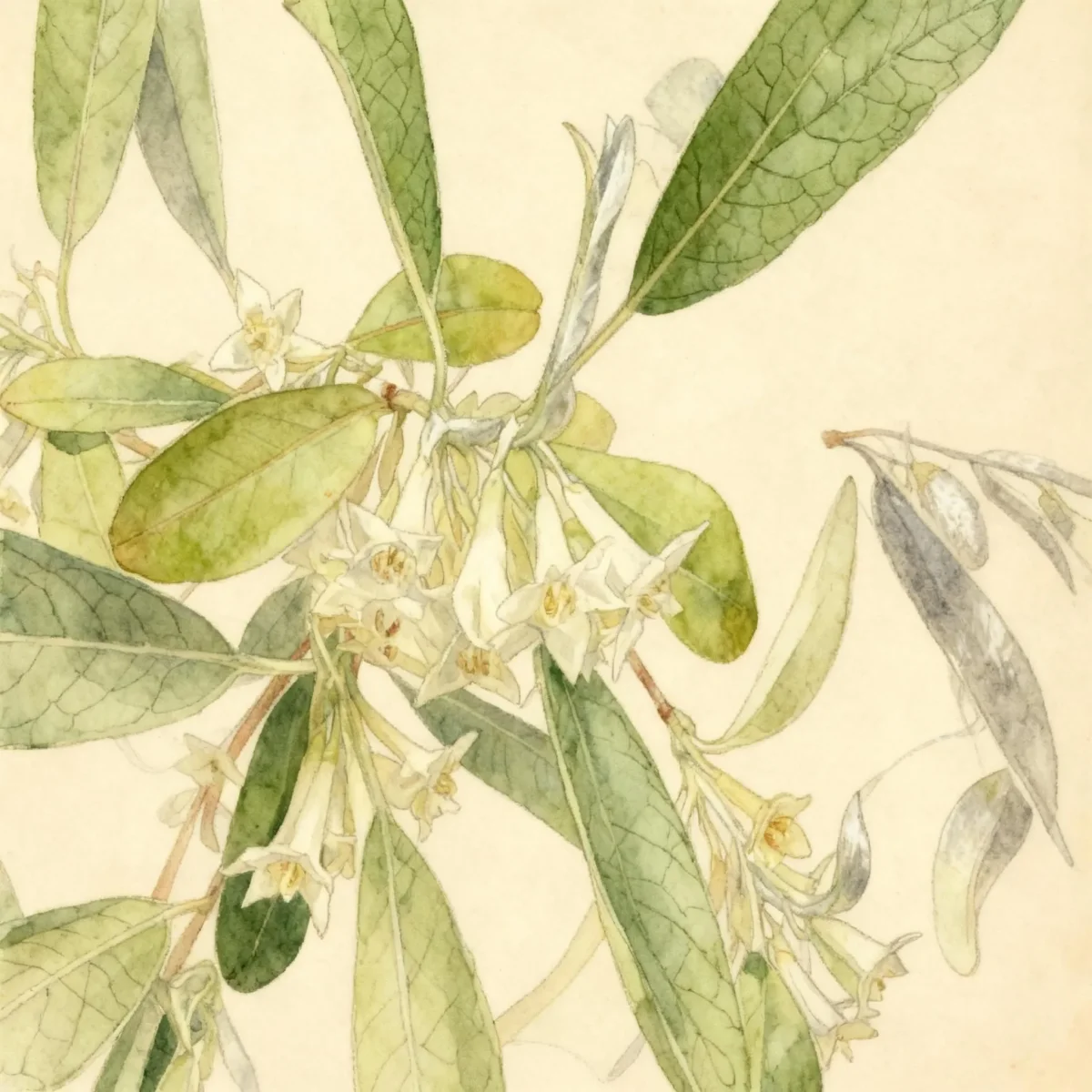
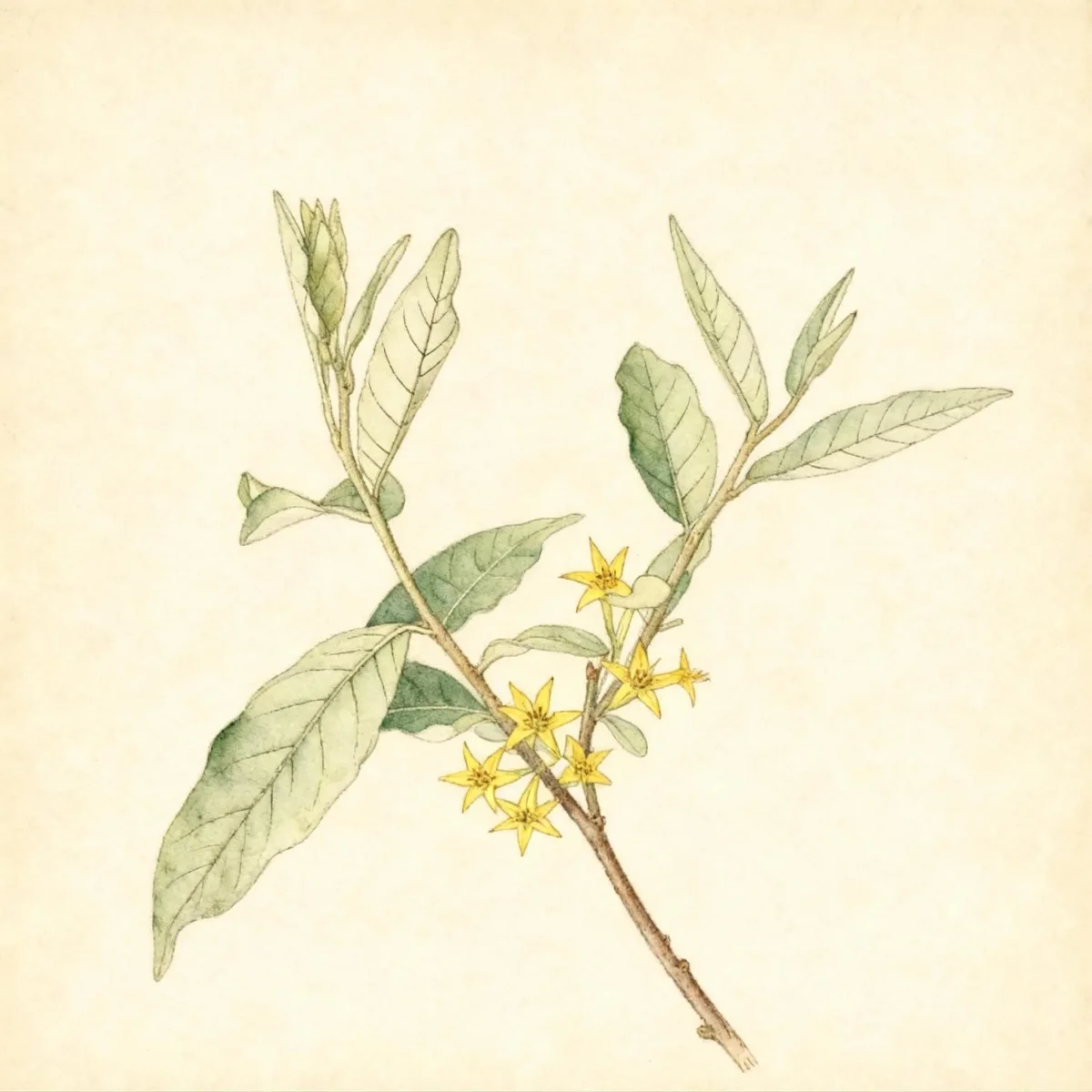
Elaeagnus umbellata, commonly recognized as autumn olive, is a large, rapidly growing deciduous shrub or small tree admired for its resilience and attractive display. Its appeal lies in the combination of highly fragrant blossoms in spring and an abundant yield of speckled, edible red fruits that persist into the fall.
This nitrogen-fixing species establishes quickly, making it highly adaptable to challenging environments within USDA Zones 4 through 9. While it tolerates poor soils and periods of drought, the autumn olive thrives best with medium moisture.
Despite its ornamental merits, gardeners must exercise extreme caution as the vigorous growth and prolific seeding of Elaeagnus umbellata have resulted in widespread invasive behavior across the central and eastern United States.
Fast Facts
- Plant Family: Elaeagnaceae
- Plant Type: Deciduous shrub
- Native Range: Eastern Asia
- Hardiness Zones: USDA Zones 4-9
- Size at Maturity:
- Height: 10-16 ft
- Spread: 20-30 ft
- Bloom Time: April to June
- Bloom Description: Slivery white to dull yellow
- Sun Exposure: Full sun to part shade
- Water Needs: Medium
- Maintenance Level: Medium
How to Grow
Planting of Elaeagnus umbellata should ideally occur during the dormant season—early spring or late fall—to allow the root system to establish before hot weather stress. This nitrogen-fixing shrub/small tree is exceptionally tolerant, thriving in average, medium-moisture, well-drained soils but adapting easily to many poor or unfavorable soil types. It requires full sun to partial shade for optimal growth.
For established plants, maintain medium watering schedules, especially during dry spells, although Autumn olive is notably drought tolerant once mature. Fertilization requirements are minimal due to its nitrogen-fixing capabilities. Focus maintenance on managing its sprawl, as rapid growth and root suckering are characteristics that contribute to its aggressive nature. Avoid placing it where wet, poorly-drained soils might accumulate.
The most critical cultural note concerns its invasiveness. A single mature Autumn olive plant can generate up to 80 pounds of fruit annually, yielding hundreds of thousands of seeds readily distributed by wildlife. This tendency to create dense, sunny-displacing thickets necessitates careful consideration of placement, especially in the central and eastern U.S. where it is federally or state-regulated.
Landscape Uses
The suggested uses for Elaeagnus umbellata highlight its rapid cover capabilities but must be counterbalanced by its invasive status. In regions where cultivation is not legally restricted, it functions effectively as a dense background plant or an informal screen due to its broad, arching habit, reaching up to 30 feet wide. Furthermore, its tolerance for erosion makes it suitable for stabilizing banks on large, undisturbed properties.
However, the invasive nature of this shrub means it actively out-competes and displaces native flora. Therefore, residential planting should generally be avoided, particularly near natural areas, as birds quickly spread seeds to adjacent woodlands and fields. Where used strictly as a hedge or screen, rigorous management, including diligent removal of suckers and seedlings, is mandatory to prevent landscape escape.
Standout Features
Flower Qualities
- Showy
- Fragrant
Fruit Qualities
- Showy
- Edible
Noteworthy Characteristics
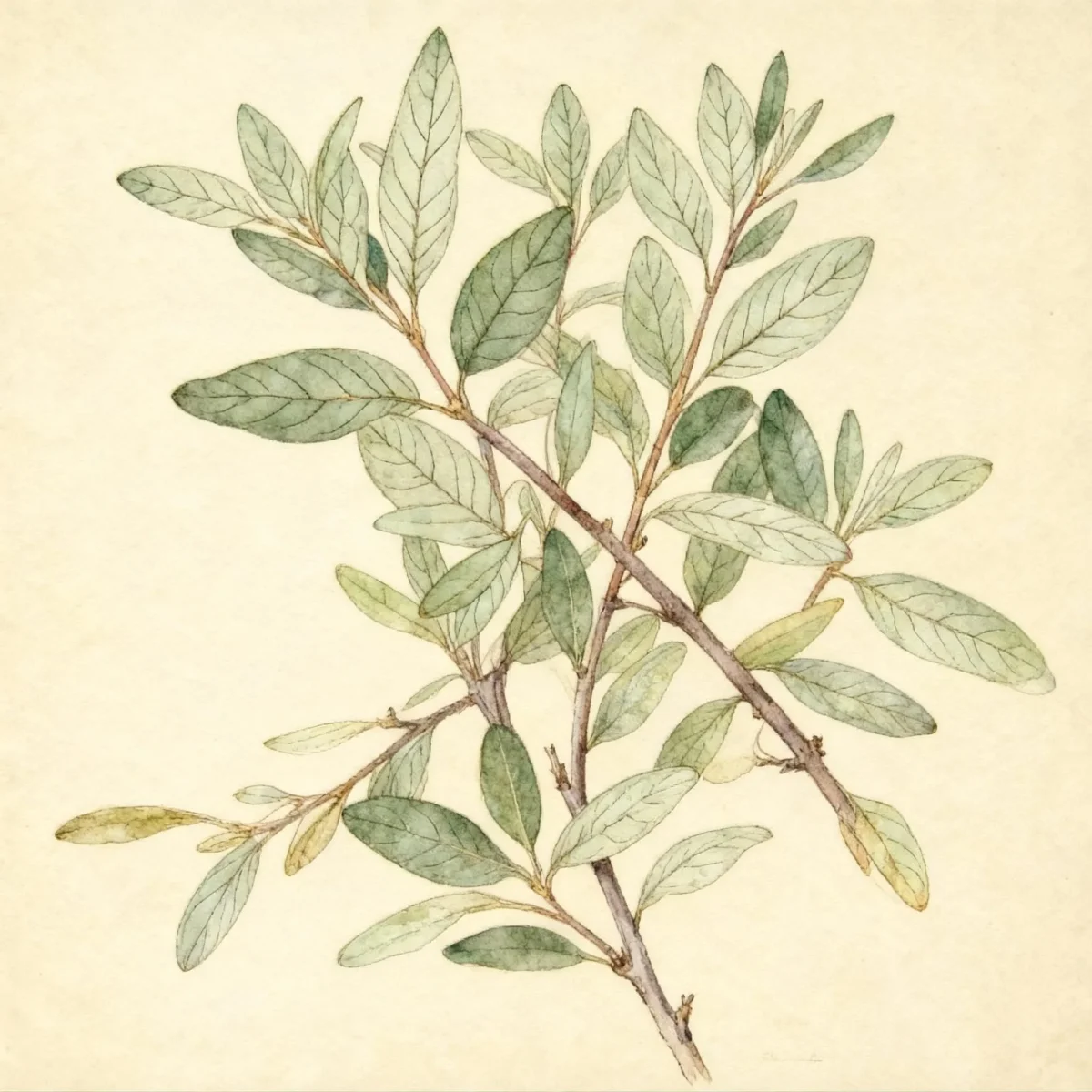
Elaeagnus umbellata, commonly called autumn olive or autumnberry, is a large deciduous shrub that typically matures to 10-16 feet tall and 20-30 feet wide, featuring silvery-scaled leaves and thorny, speckled stems. Its fragrant, yellow-white flowers bloom late spring, followed by abundant, scale-dotted red fruits that ripen in early fall and are highly attractive to birds. While the fruits are edible—sweet, tart, and excellent for preserves—the plant is notorious for its aggressive self-seeding and rapid colonization of disturbed habitats.
Tolerances
- Drought
- Erosion
Potential Problems
The primary deterrents for the Elaeagnus umbellata are management-related due to its invasiveness, but horticultural pests can still pose minor threats. This species is noted to be susceptible to feeding damage from Japanese beetles, known for skeletonizing the foliage during summer. Additionally, damage from 17-year cicadas has been observed on the woody stems. Regular scouting for these pests is advisable, though site selection remains the most crucial management consideration for this prolific species.
Frequently Asked Questions
What hardiness zones is Autumn olive suitable for?
Elaeagnus umbellata is winter hardy across USDA Zones 4 through 9.
How large does Autumn olive grow?
This shrub typically matures to a height between 10 and 16 feet, but can spread widely, reaching spreads between 20 and 30 feet wide.
What sun exposure does Autumn olive need?
It performs well in a range of conditions, requiring full sun to partial shade for healthy development.
When does Autumn olive bloom?
The fragrant flowers of the Autumn olive appear across the late spring period, specifically from April through June.
Conclusion
The strong adaptability, fragrant flowers, and high yield of edible fruit make Elaeagnus umbellata a historically valued plant for resilience and wildlife support. Nevertheless, its severe invasive tendencies mean that planting this species, the Autumn olive, is often discouraged or banned regionally due to ecological damage. Property owners should check local regulations before considering cultivation and perhaps select less aggressive native alternatives.
Wildlife Benefits
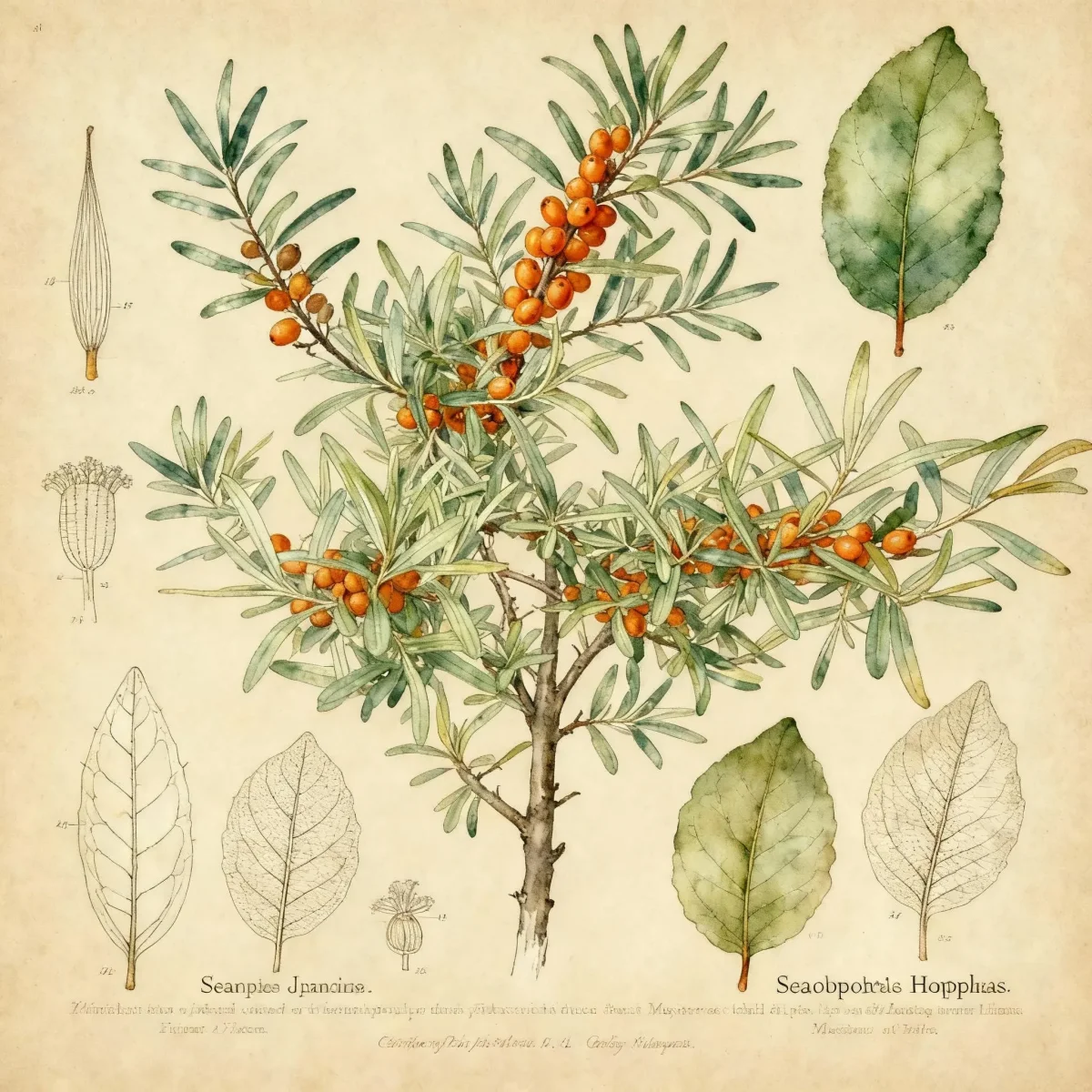
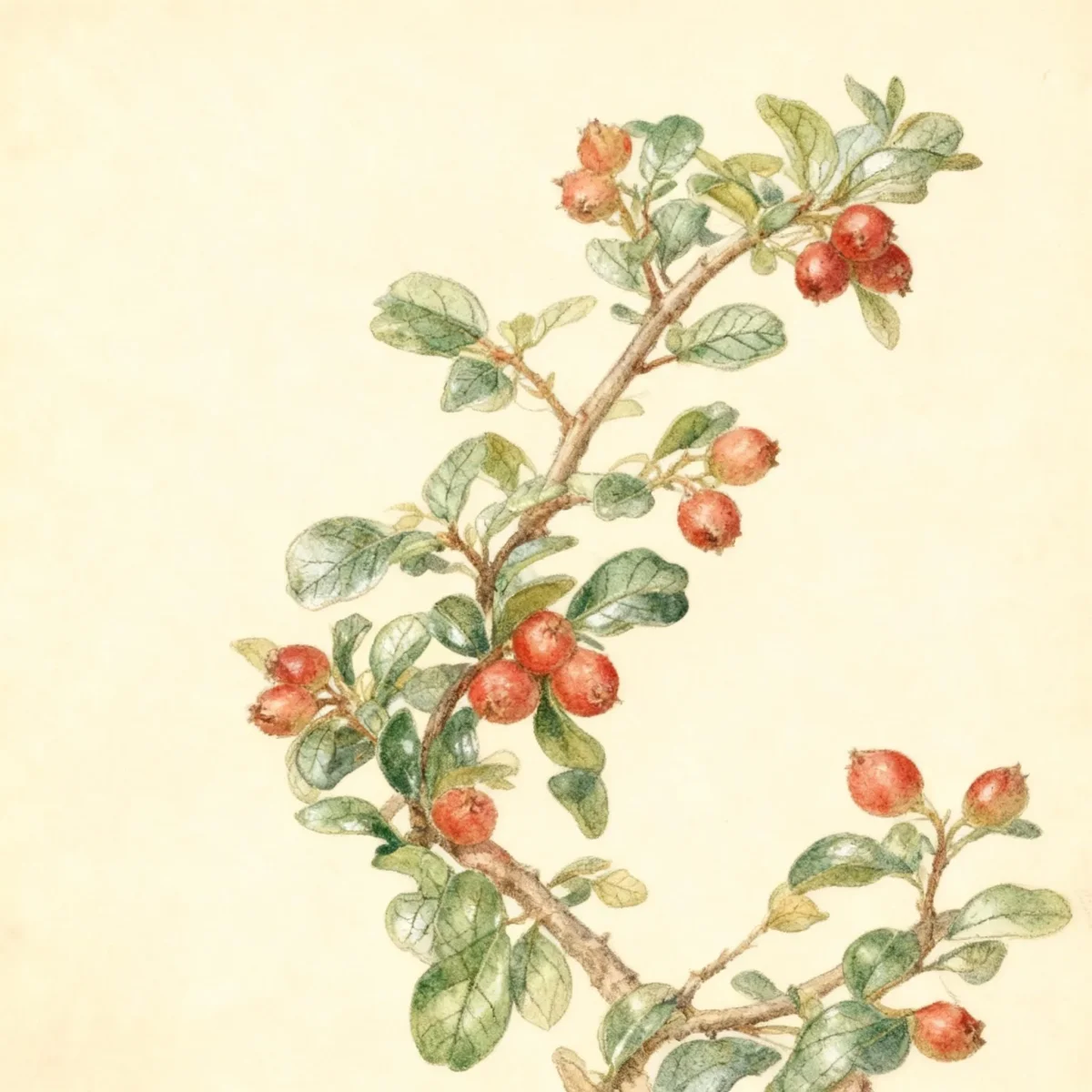
The abundant, small, red fruits of the Elaeagnus umbellata are a significant food source for numerous bird species, especially during migration and into the lean winter months. This consistent fruit production, which can last well into autumn, provides crucial late-season resources when other berries have diminished. Furthermore, the dense, sprawling growth habit of the autumn olive quickly forms impenetrable thickets. These thickets offer excellent cover and nesting sites for smaller songbirds seeking protection from predators and harsh weather.
Companion Planting
Given its impressive size and adaptability to poor soils, Elaeagnus umbellata could historically be paired with tough, deep-rooted natives that require similar low-nutrient environments for large-scale screening projects, such as certain native pines or sumacs. Its nitrogen-fixing ability can sometimes benefit immediate neighbors, though the resulting competitive shade must be managed. For ornamental settings, avoid planting sensitive, slow-growing garden favorites nearby, as the Autumn olive will quickly suppress them due to its vigorous spread both above and below ground.