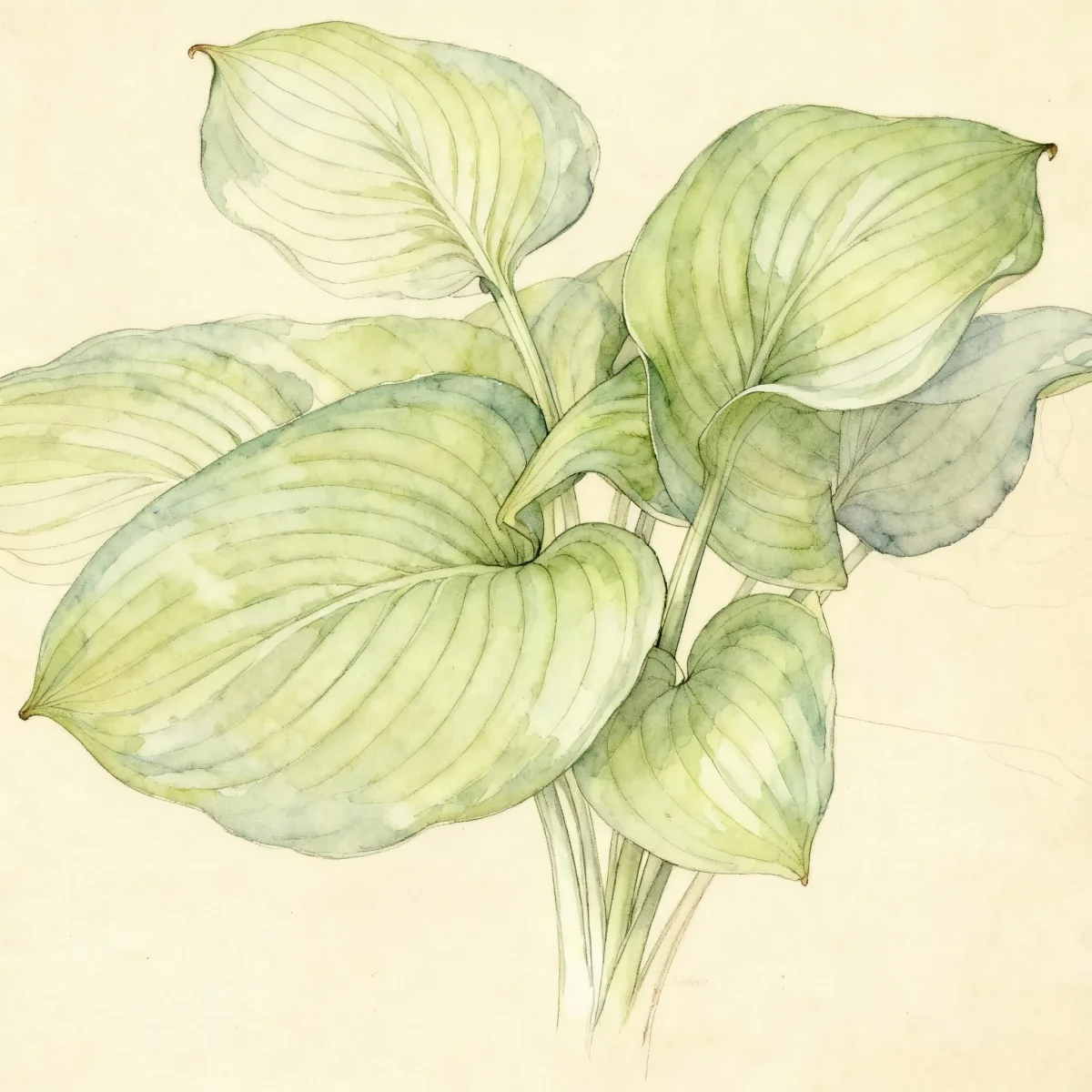
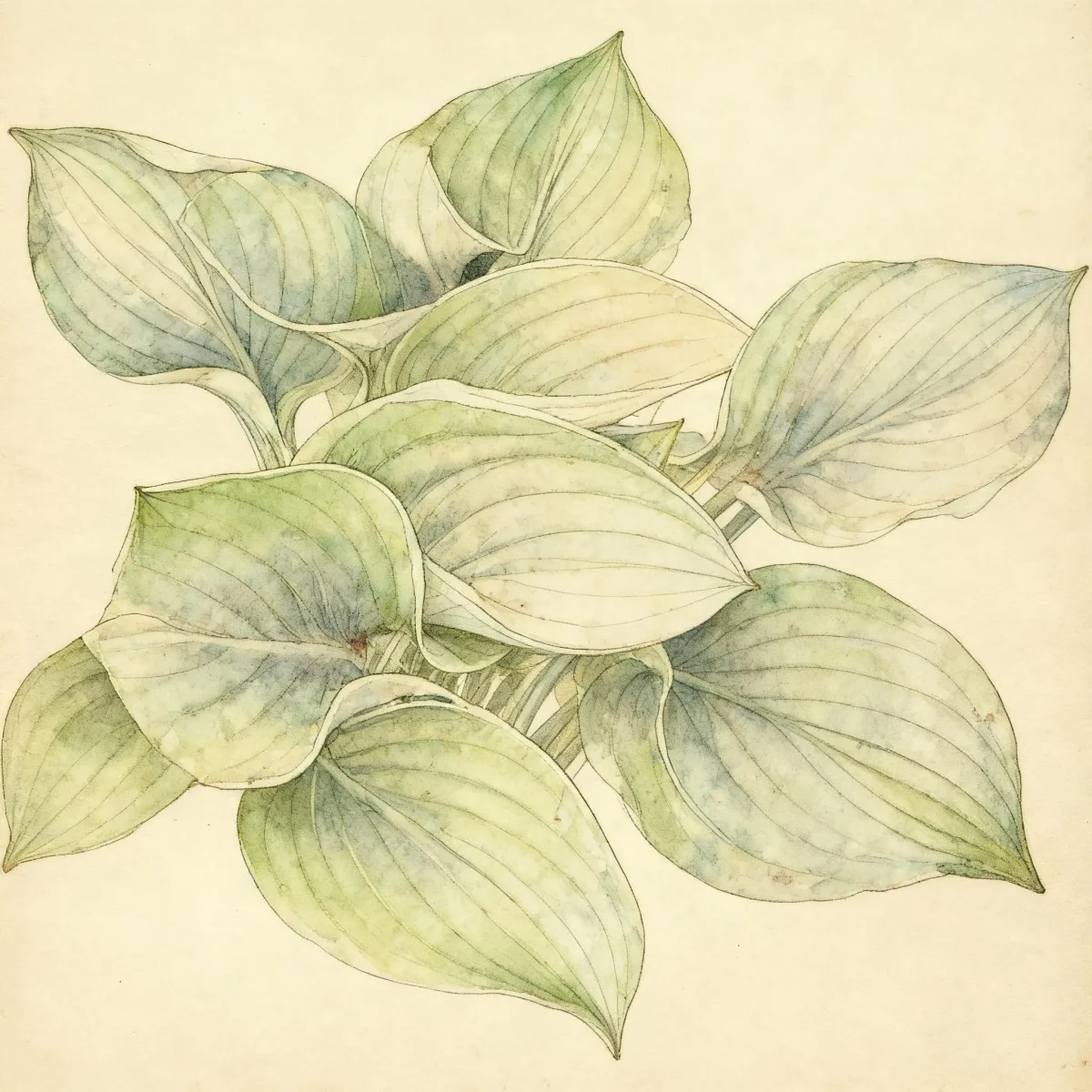
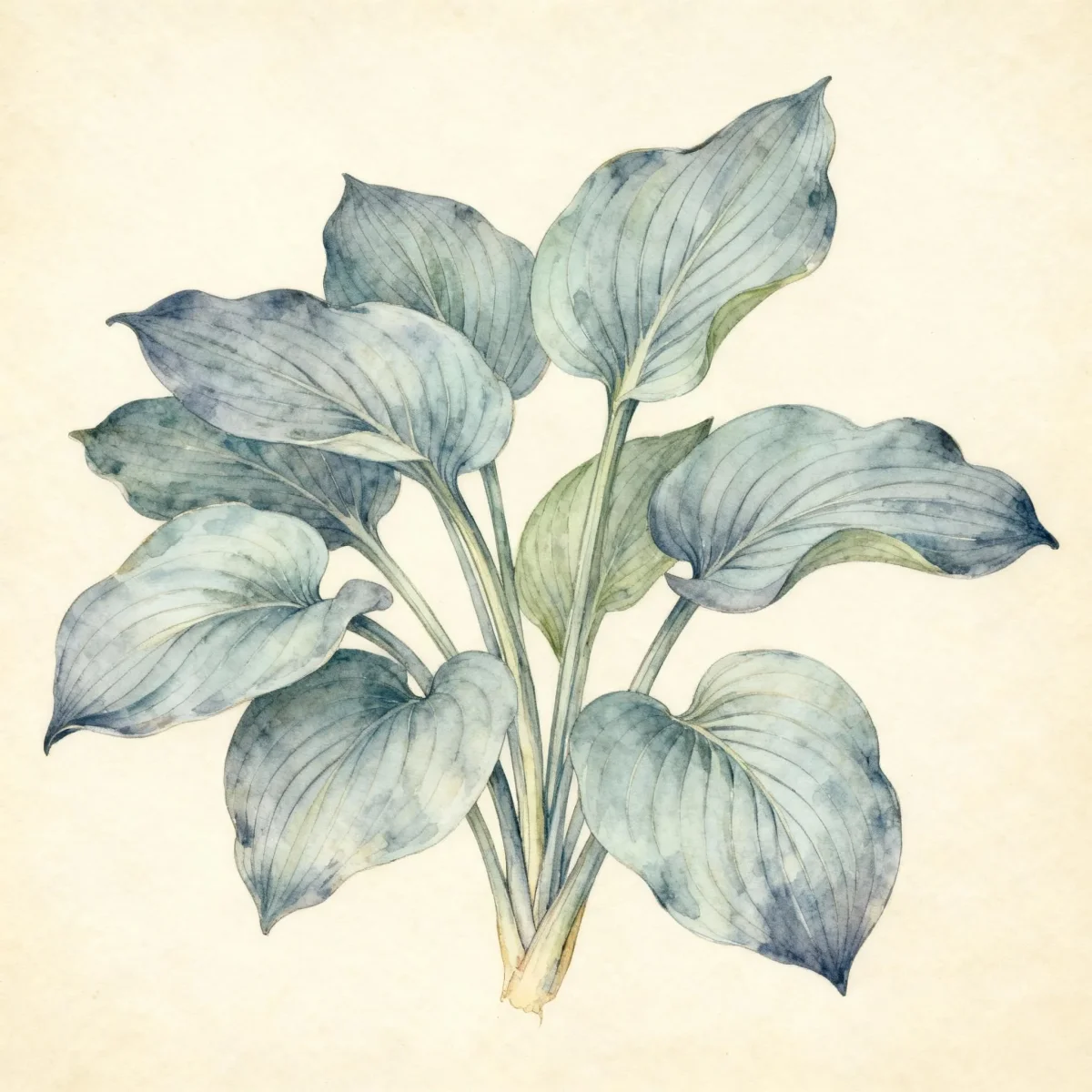
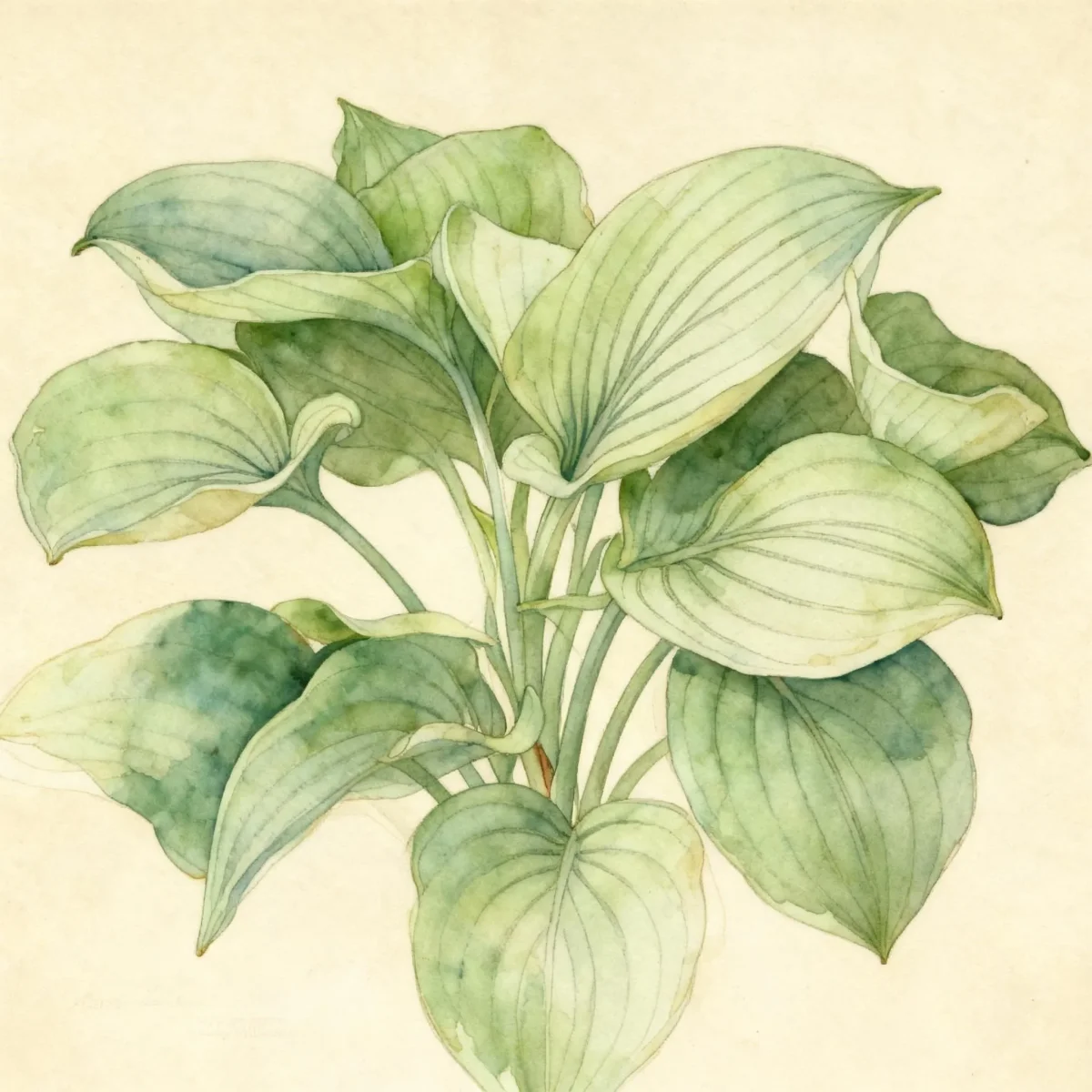
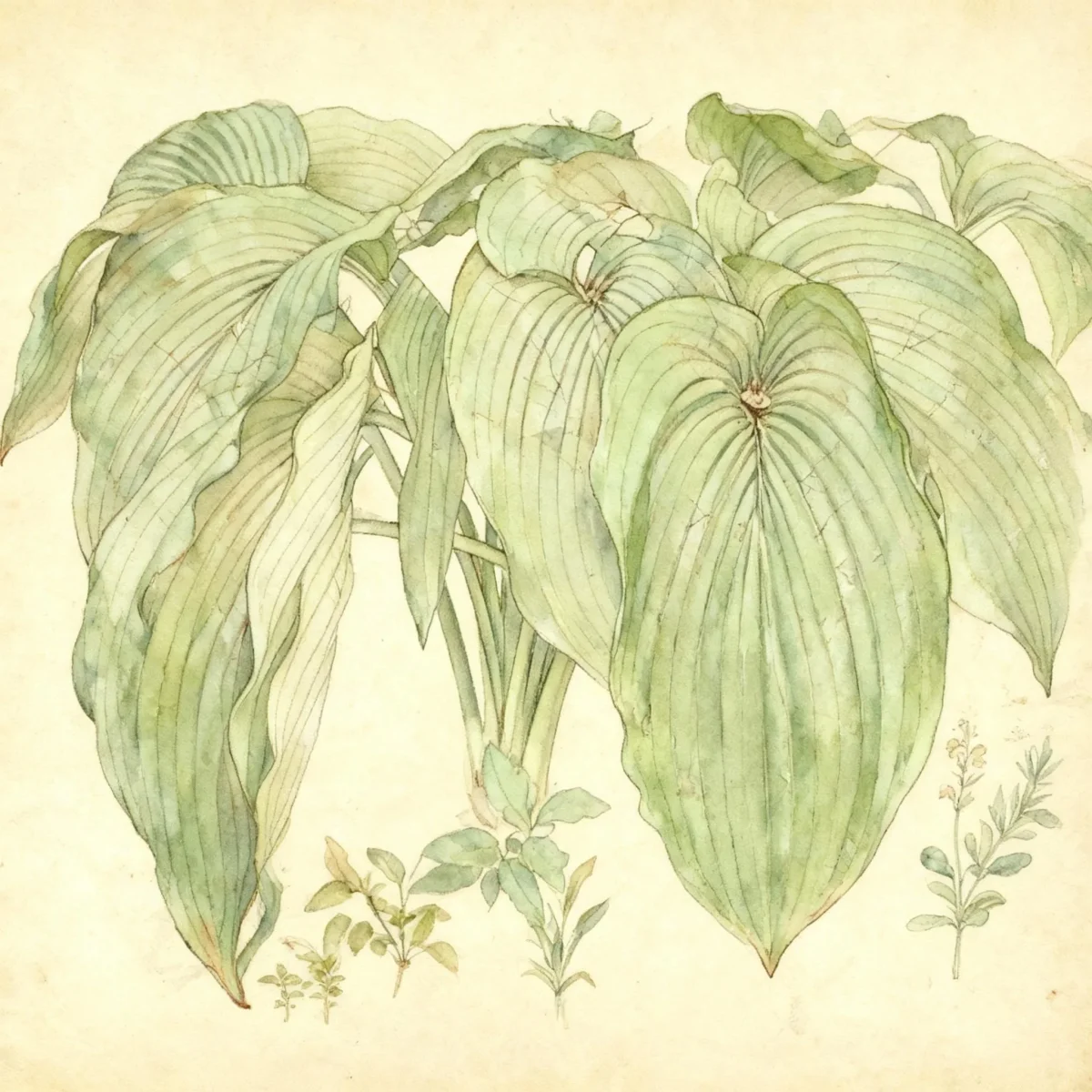
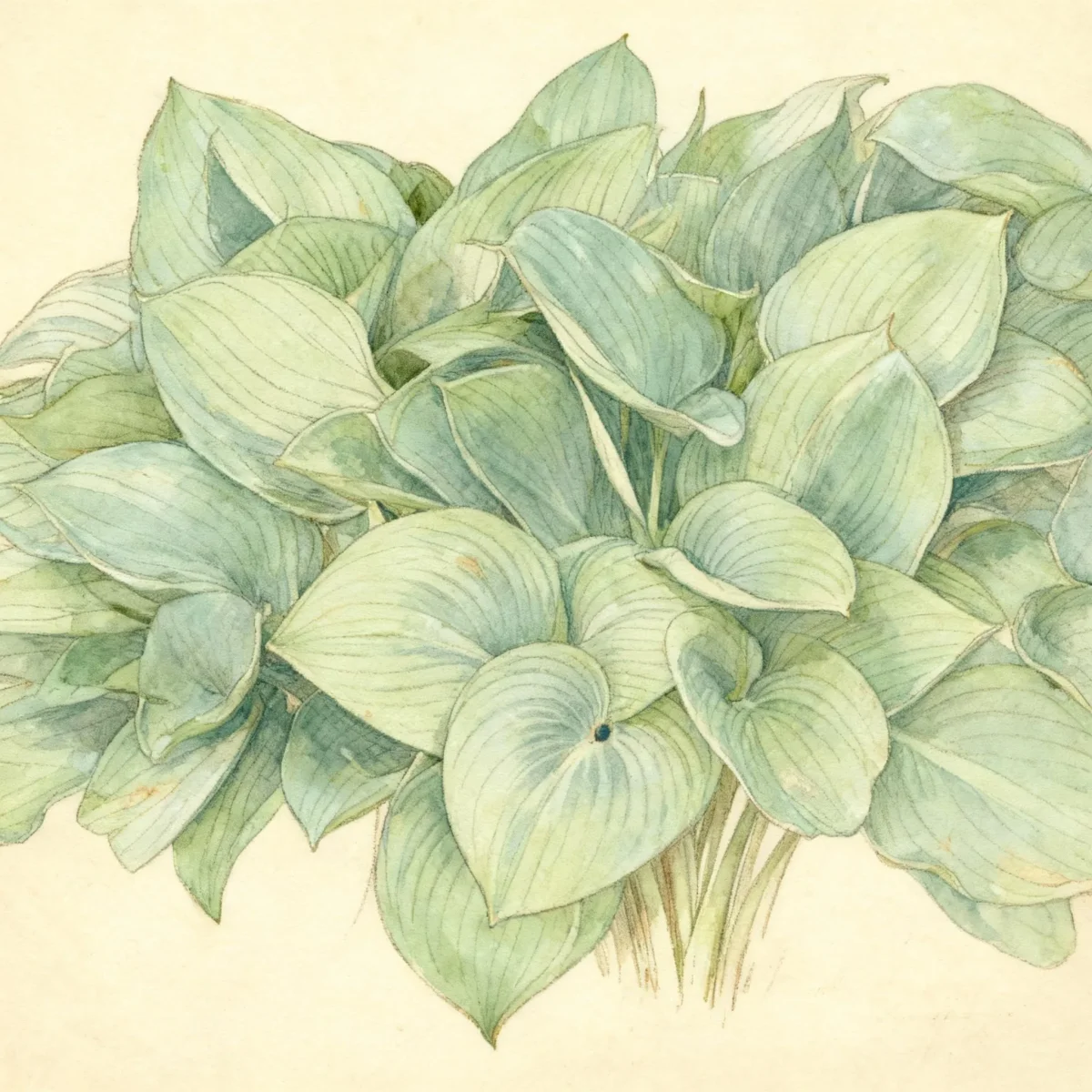
Hosta (Hosta 'Wheee!')
Hosta 'Wheee!' is a low-maintenance perennial celebrated for its dramatically ruffled, cream-margined Hosta foliage, thriving in deep shade.
Scroll down to discover growing tips, care requirements, companion plants, and more
Complete Plant Information
Overview
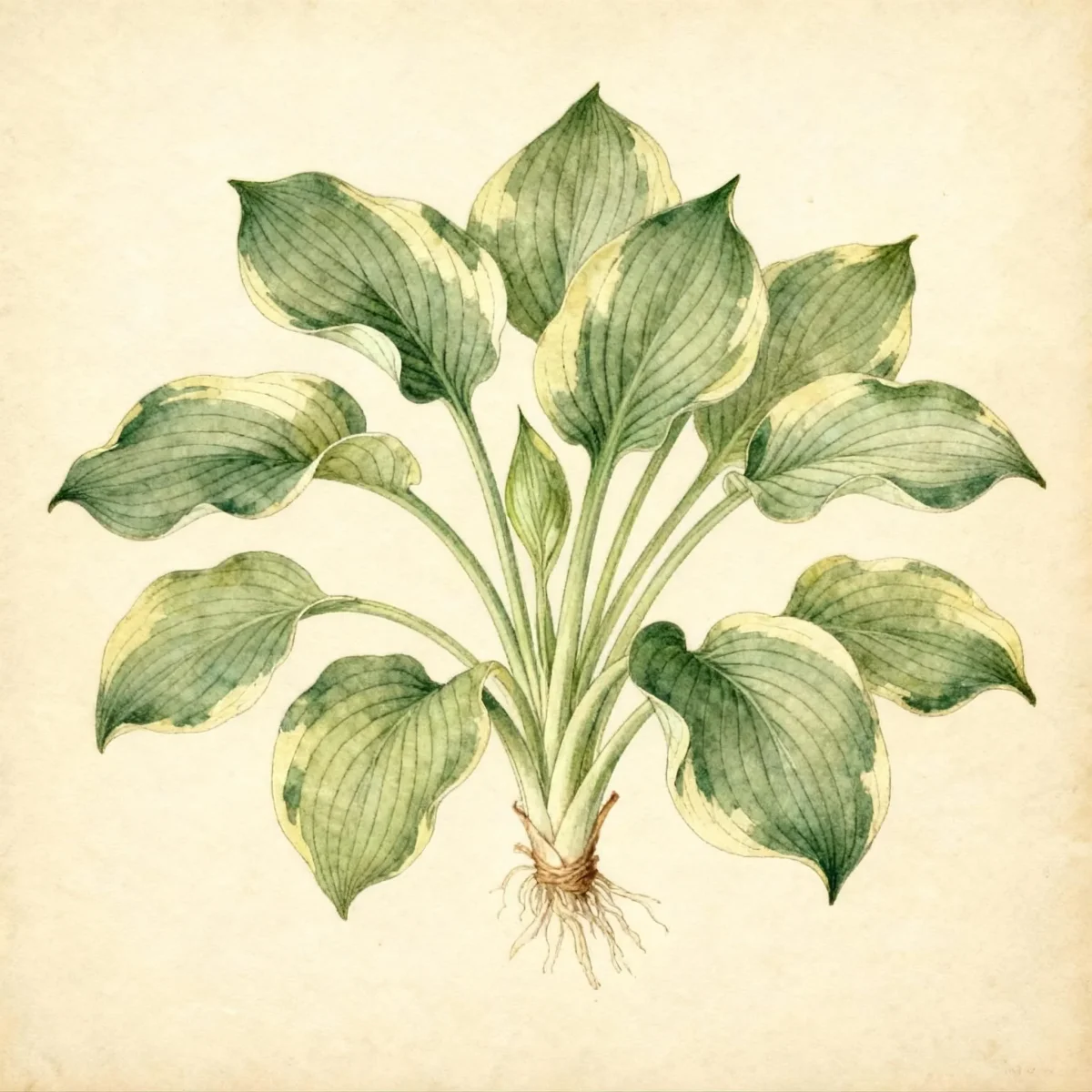
Hosta ‘Wheee!’ is highly valued in the shade garden for its stunning, highly textured foliage, making it an excellent specimen plant or mass planting. This Hosta cultivar displays thick leaves featuring extremely ruffled, cream-colored margins that run the entire length of the leaf petiole down to the crown, contrasting beautifully with the green center. As a low-maintenance herbaceous perennial, Hosta ‘Wheee!’ establishes quickly and provides robust visual interest from spring until frost.
Discovered as a whole plant mutation, Hosta ‘Wheee!’ offers the classic durability associated with the Hosta genus while introducing modern ornamental flair. It thrives best in filtered or dappled light conditions, though it is tolerant of heavy shade, ensuring that even the deepest woodland areas can boast vibrant texture. Established plants put on a moderate summer display, topping off their architectural foliage with delicate lavender blooms.
Offering significant aesthetic appeal without demanding constant care, Hosta ‘Wheee!’ is perfect for gardeners seeking impact in difficult growing situations. Its thick leaves also lend a welcome resistance to common garden pests, contributing significantly to its low maintenance profile when sited correctly. Planting Hosta ‘Wheee!’ is an investment in reliable, year-round texture for your shaded landscapes.
Fast Facts
- Plant Family: Asparagaceae
- Plant Type: Herbaceous perennial
- Hardiness Zones: USDA Zones 3-8
- Size at Maturity:
- Height: 1-2 ft
- Spread: 2-2.5 ft
- Bloom Time: June to July
- Bloom Description: Lavender
- Sun Exposure: Part shade to full shade
- Water Needs: Medium
- Maintenance Level: Low
How to Grow
The best time to establish your Hosta ‘Wheee!’ is typically in spring or early autumn when temperatures are moderate. Aim for a location that receives part shade, meaning a spot receiving morning sun or consistent dappled light throughout the day is ideal. This Hosta performs best in soils that are organically rich, evenly moist, and well-drained.
Maintain consistent moisture, especially during the hottest parts of the summer, as full size and superior quality foliage are dependent on adequate water supply; water should always be applied directly to the soil beneath the leaves rather than overhead. While established Hosta plants show some dry shade tolerance, especially those with thicker leaves like Hosta ‘Wheee!’, never allow the soil to dry out completely. Being generally low-maintenance, little long-term care is required beyond ensuring proper hydration.
Divide Hosta clumps as needed, which generally improves plant vigor and allows for propagation. Division is easiest performed in early spring before the leaves have fully unfurled. Always site your plants in locations protected from harsh winds, which can damage the large leaves. Hostas are considered very low maintenance once established.
Landscape Uses
Hostas, including the striking Hosta ‘Wheee!’, are the undisputed backbone of any successful shade garden plan. While the lavender flowers are handsome, these plants are primarily celebrated for the ornamental excellence and vibrant texture of their foliage, which brightens deep corners of the landscape where few other plants thrive. They look exceptionally effective when planted in groups or massed together to create a bold impact.
Hosta ‘Wheee!’ works wonderfully along shady borders, tucked into woodland garden settings, or nestled beneath deciduous trees. The ruffled, cream-edged leaves serve as excellent visual contrast against solid green ground covers or the fine textures of ferns. Consider using them as a reliable background plant against taller shrubs that provide necessary overhead structure.
For a truly impressive display, pair this Hosta with shade-tolerant bloomers like Astilbe or bleeding hearts, where the foliage acts as an ever-present structural element complementing the seasonal flowering of companions. Their clump-forming nature prevents them from becoming invasive, allowing for precise placement within layered shade plantings.
Standout Features
Flower Qualities
- Showy
Noteworthy Characteristics
Hosta is a genus of about 70 species of shade-loving, rhizomatous, clump-forming, herbaceous perennials which are native to open woodlands, woodland margins and glades in Japan, Korea, China and eastern Russia. Hostas are primarily grown for their ornamental foliage, featuring conspicuously-veined, often dense, basal leaves that form a rounded mound. The unique cultivar Hosta ‘Wheee!’ exhibits extremely ruffled, cream colored margins that extend down the petiole to the crown; these leaves are usefully thick and offer resistance to slugs. Bell or funnel-shaped lavender colored flowers bloom atop tall stems in mid-summer, providing a pleasant surprise above the stunning foliage mound.
Tolerances
- Heavy Shade
- Black Walnut
Potential Problems
Slugs and snails present the most common threat to Hosta foliage, creating jagged holes that severely diminish the appearance of the leaves rapidly if left unchecked. Monitor plants closely, especially during moist weather, and deploy preventative measures like baits or barriers immediately upon noticing feeding activity. Foliar nematodes are another concern, causing interveinal browning on the leaves.
Less frequent issues include leaf spots and crown rot, often associated with overly wet or poorly draining soil. It is crucial to remove and destroy any plants confirmed to have viral infections like Hosta Virus X (HVX), as these diseases can spread. Additionally, be aware that deer and rabbits frequently consume Hosta leaves, sometimes voraciously, so protection may be necessary in areas where these animals are prevalent.
Frequently Asked Questions
What hardiness zones is Hosta ‘Wheee!’ suitable for?
This Hosta cultivar is robustly hardy, thriving across USDA Zones 3 through 8.
How large does Hosta ‘Wheee!’ grow?
Hosta ‘Wheee!’ typically reaches a mature height between 1 and 2 feet tall, spreading outward to a width of 2 to 2.5 feet.
When does Hosta ‘Wheee!’ bloom?
This variety produces its lavender, bell-shaped flowers atop tall scapes during the summer months, specifically from June into July.
What sun exposure does Hosta ‘Wheee!’ need?
Hosta ‘Wheee!’ prefers part shade to full shade conditions, making it an excellent choice for darker areas of the garden.
Conclusion
Hosta ‘Wheee!’ is an indispensable addition to any north-facing garden or deeply shaded border, offering unparalleled foliage texture with its ruffled, cream-edged leaves. Thanks to its low maintenance requirements and shade tolerance, this particular Hosta cultivar promises impressive, reliable performance year after year. Before planting, confirm that your site falls within USDA Zones 3-8 and commit to providing medium, consistent moisture to ensure your variegated Hosta reaches its full glorious potential.
Companion Planting for Shade Gardens
When designing a vibrant shady area, pairing Hosta ‘Wheee!’ with complementary textures enhances its ruffled foliage. Consider using plants with very fine leaves, such as Japanese Forest Grass (Hakonechloa macra varieties) or various ferns, as the contrast in leaf structure is visually striking. These companions share similar cultural needs, preferring moist, organically rich soil and protection from intense summer sun, simplifying your watering regimen.
Taller blooming companions work well to add height variation throughout the season. Plantings of Ligularia or tall astilbes can provide purple or yellow spikes contrasting against the mounding habit of the Hosta. Avoid placing highly competitive shallow-rooted plants too close, as all shade lovers compete for surface moisture.
Seasonal Care Calendar
Spring: As the Hosta ‘Wheee!’ emerges in early spring, this is the optimal time for division if your clump has become overcrowded. Apply a light top-dressing of compost around the base to replenish organic matter. Inspect leaves immediately for early signs of slug or snail activity and implement controls.
Summer: Focus primarily on consistent watering, ensuring that the soil remains evenly moist, particularly during dry spells, to maintain the best quality leaf color and form. Deadhead the lavender flower scapes if you prefer to direct all energy back into foliage production, although leaving them often provides additional visual interest.
Autumn/Winter: Once the foliage naturally dies back in late autumn, you may clear the debris, although leaving it over winter can offer some natural mulch protection. Hosta ‘Wheee!’ is reliably cold-hardy in its specified zones and requires no special winter wrapping.