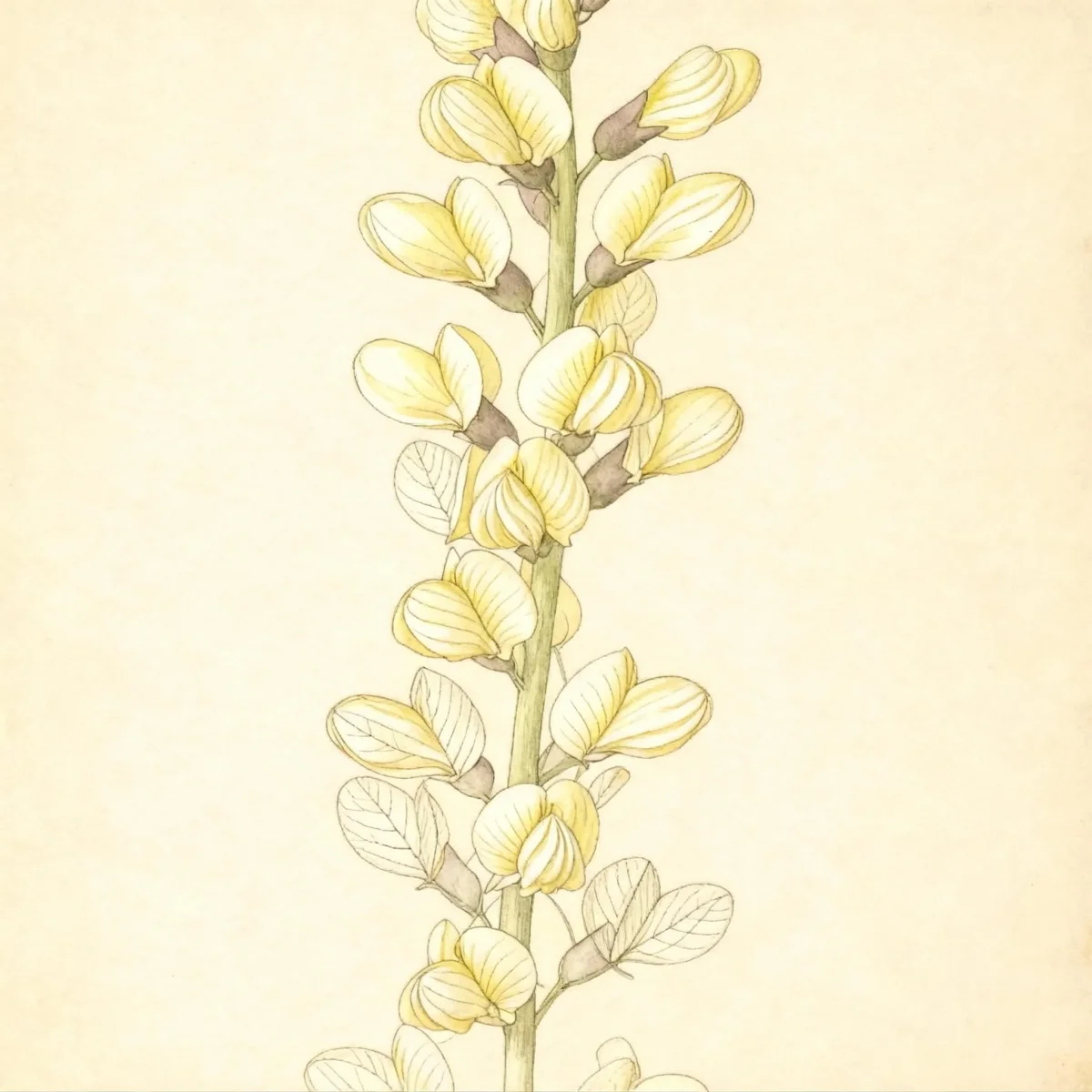
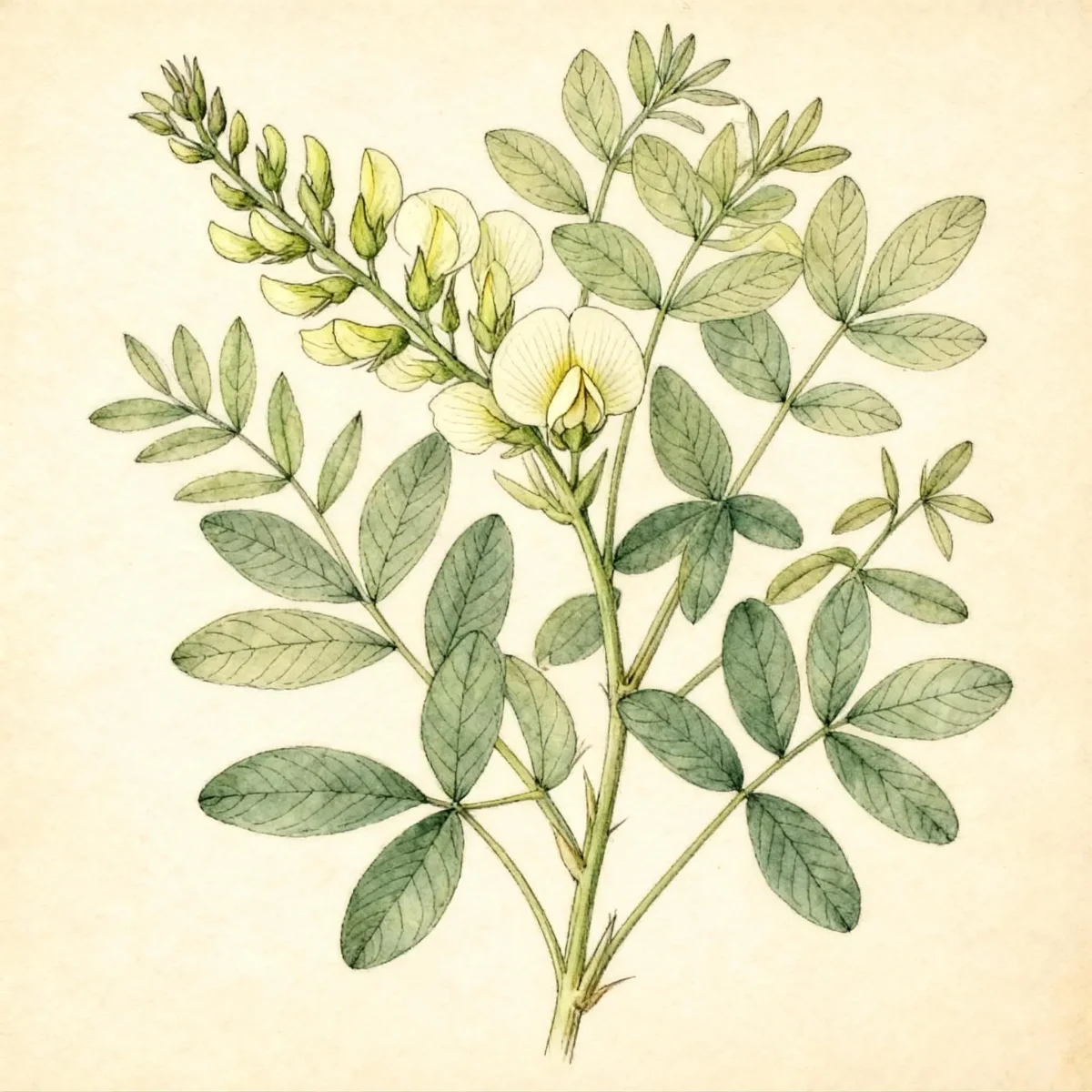
False indigo (Baptisia 'Dutch Chocolate')
Achieve striking structure with Baptisia 'Dutch Chocolate' False indigo. Blooms purple-brown, low maintenance, Zones 4-9.
Scroll down to discover growing tips, care requirements, companion plants, and more
Complete Plant Information
Overview
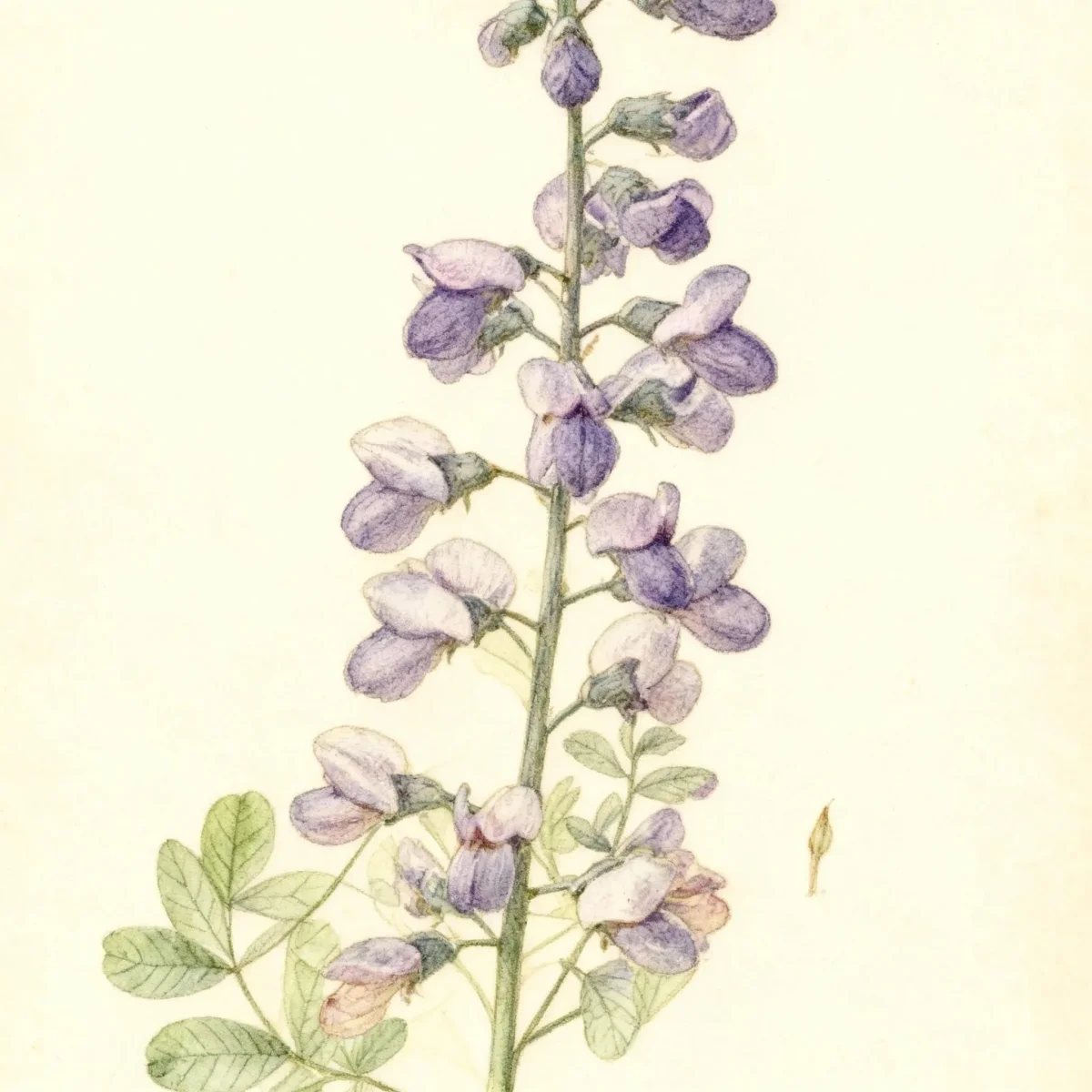
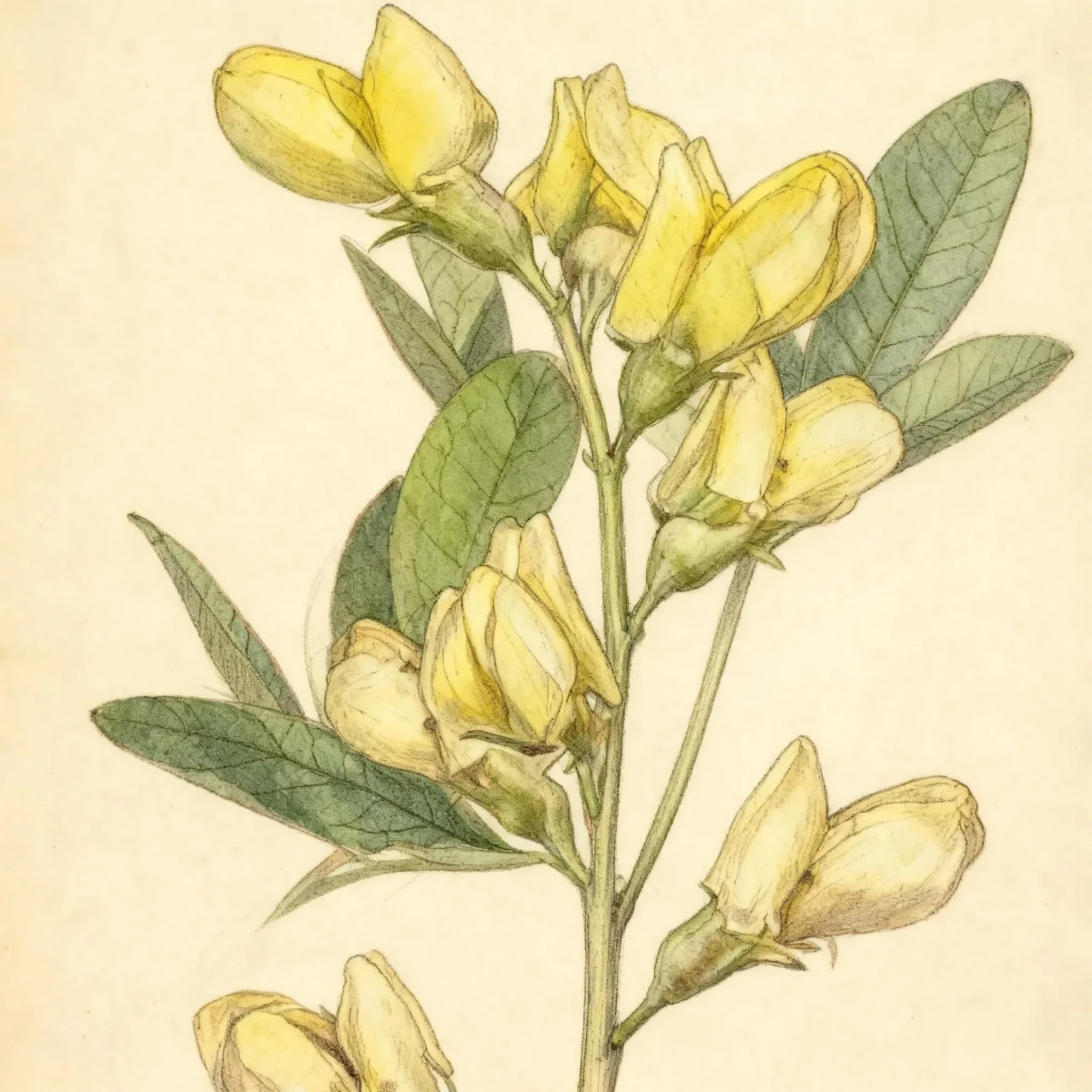
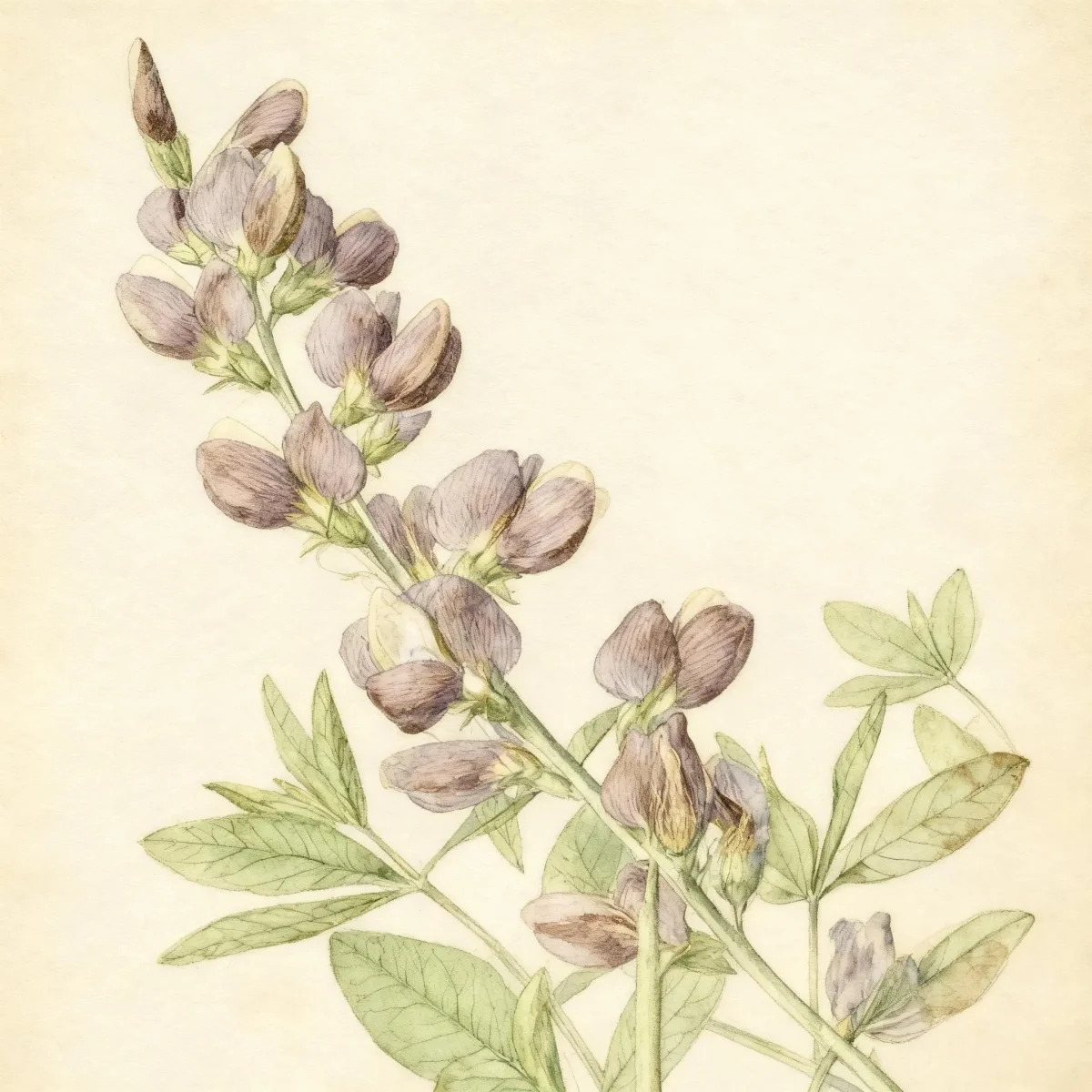
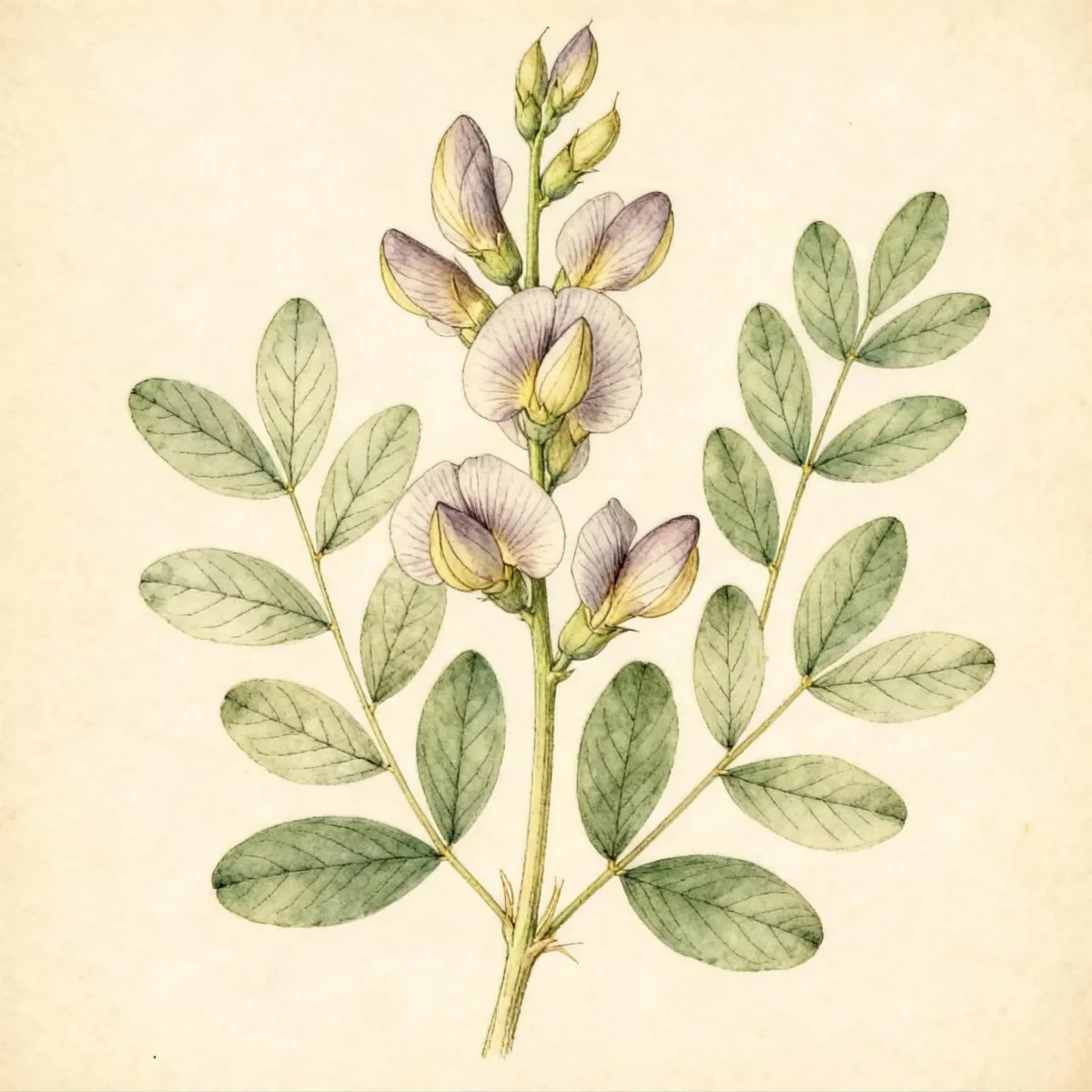
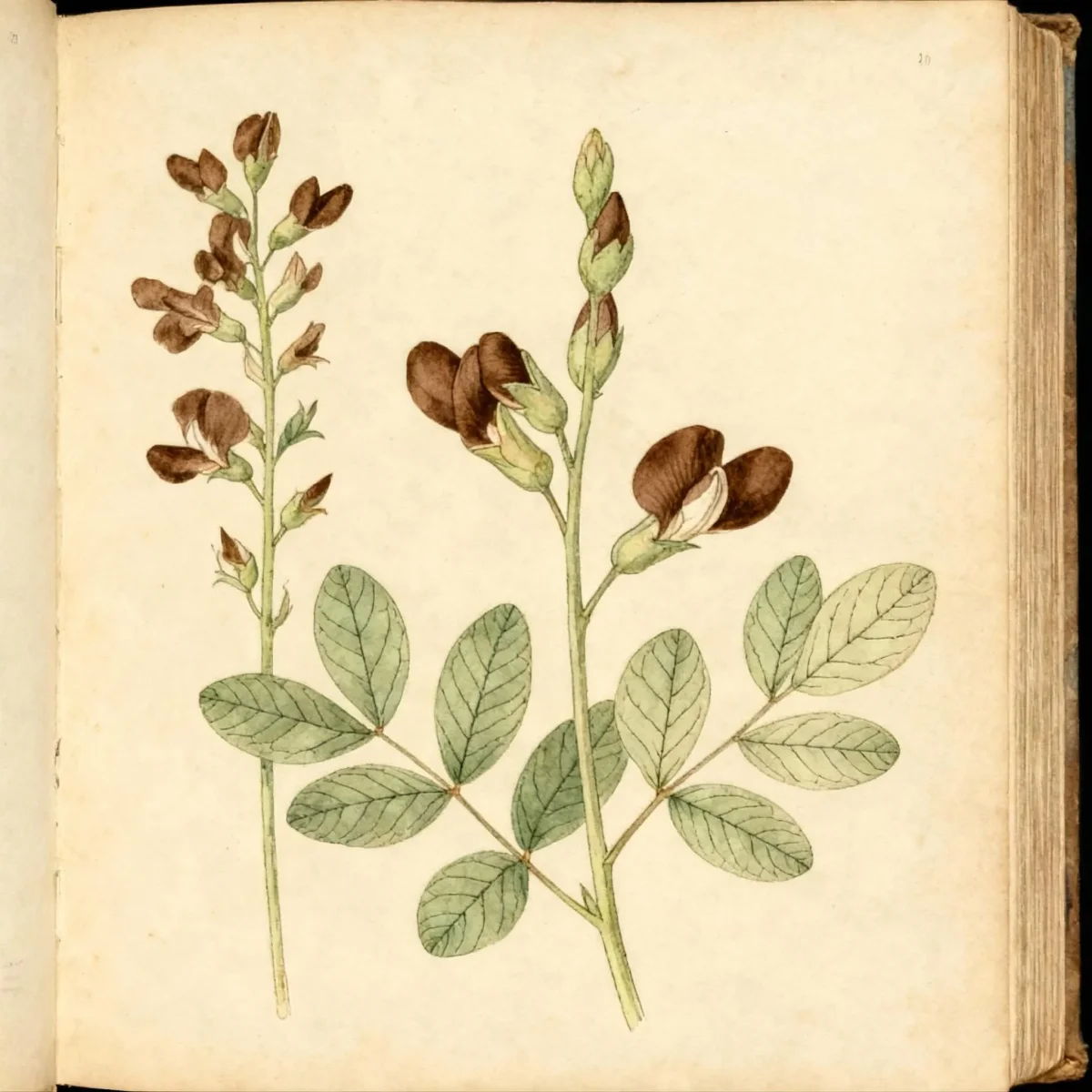
Baptisia ‘Dutch Chocolate’ False indigo offers rich, near-black buds opening into distinctive purple-brown flowers, bringing unique color to the late spring garden. This selection, part of the Decadence® series, is valued for its shorter, more compact habit, perfect for perennial borders needing reliable, upright structure. As a long-lived herbaceous perennial, Baptisia ‘Dutch Chocolate’ establishes a deep taproot, granting it excellent resilience once settled. Future gardeners will appreciate the structural beauty of both the flowers and the subsequent seed pods that follow.
This cultivar establishes slowly, often taking three years to reach its full potential, but rewards patience with exceptionally low maintenance needs thereafter. It thrives in conditions that sometimes discourage other perennials, demonstrating good drought tolerance once established. The attractive, mounded foliage of Baptisia ‘Dutch Chocolate’ remains tidy throughout the season, making it a robust backbone plant.
For gardeners seeking native-adjacent selections with modern breeding advantages, False indigo provides structure, butterfly interest, and dependable performance across wide temperature ranges. Its deep root system also provides functional benefits in stabilizing challenging slopes.
Fast Facts
- Plant Family: Fabaceae
- Plant Type: Herbaceous perennial
- Hardiness Zones: USDA Zones 4-9
- Size at Maturity:
- Height: 2.5-3 ft
- Spread: 1.5-2 ft
- Bloom Time: May to June
- Bloom Description: Purple-brown
- Sun Exposure: Full sun to part shade
- Water Needs: Dry to medium
- Maintenance Level: Low
How to Grow
Plant False indigo in the spring or fall when the ground is workable, allowing ample time for root establishment before summer heat. Choose a location offering full sun for the best flower production, although part shade is tolerated. Baptisia ‘Dutch Chocolate’ thrives in average, dry to medium, well-drained soil, preferring slightly acidic or somewhat poorer conditions over rich, overly pampered soil. Due to the large taproot that develops, avoid locations where the plant will need to be moved; it dislikes being disturbed once settled.
Maintenance is minimal for established plants. Water during prolonged dry spells, especially during the first few years until the taproot is deep. Fertilization is rarely necessary; focusing on good drainage is key to long-term health. A key maintenance decision for Baptisia ‘Dutch Chocolate’ involves post-bloom pruning: cutting the foliage back will encourage a compact restart for the summer, but doing so will sacrifice the attractive, showy seed pods.
Be aware that plants can sometimes slump or “open up” after flowering, particularly if grown in shadier spots. If this occurs, staking before bloom or cutting back stems after bloom helps maintain the desired mounded shape. Remember that Baptisia usually requires three seasons to truly settle in and demonstrate robust growth.
Landscape Uses
Baptisia ‘Dutch Chocolate’ False indigo is exceptionally versatile in the landscape, lending structure and reliable form to various settings. Its upright, mounded nature makes it a superb choice for filling out the middle layer of perennial borders where you need plants to hold their shape against summer heat. Consider planting Baptisia ‘Dutch Chocolate’ as a refined specimen plant in small groups to showcase its rich bloom color against lighter perennials.
For a softer, more natural aesthetic, incorporate this False indigo into cottage gardens or prairies and meadows settings. Its structural presence anchors looser groupings of ornamental grasses, coneflowers, and salvias. Because it establishes deep roots, it performs excellently in naturalized areas or on slopes where supplementary erosion control is beneficial.
Standout Features
Flower Qualities
- Showy
Fruit Qualities
- Showy
Noteworthy Characteristics
The genus Baptisia includes several species historically valued by colonists who used native varieties as substitutes for true indigo dye. Baptisia ‘Dutch Chocolate’ is a modern hybrid bred for aesthetic appeal, featuring black-purple buds that mature into striking purple-brown flowers on erect stems. This cultivar exhibits a dense, compact mounding habit ideal for garden structure, growing reliably between 2.5 and 3 feet tall.
Tolerances
- Drought
- Erosion
- Dry Soil
Potential Problems
Generally, Baptisia species suffer from few significant insect or disease issues, making this low-maintenance plant highly valued. The primary cultural concern relates to physical support; taller specimens, especially those receiving inadequate light, may lean outward after flowering. To prevent this, ensure the plants receive sufficient sun or plan to shear the foliage back immediately after the bloom cycle finishes. Gardeners must also be mindful of nearby Black Walnut trees, as False indigo is sensitive to juglone, which can cause poor performance in plants situated too close to the root zone of these specific trees.
Frequently Asked Questions
What hardiness zones is False indigo suitable for?
Baptisia ‘Dutch Chocolate’ is reliably hardy across USDA Zones 4 through 9, offering excellent flexibility for many North American gardeners.
How large does Baptisia ‘Dutch Chocolate’ grow?
This perennial typically reaches a height between 2.5 and 3 feet, spreading out to a width of 1.5 to 2 feet at maturity.
When does False indigo bloom?
You can expect the distinctive purple-brown flowers of Baptisia ‘Dutch Chocolate’ to appear from May into June.
What sun exposure does Baptisia ‘Dutch Chocolate’ need?
This plant performs best in full sun but will tolerate partial shade conditions, though too much shade may result in floppier stems.
Conclusion
Baptisia ‘Dutch Chocolate’ False indigo is an indispensable, low-maintenance perennial celebrated for its reliable form and sophisticated, deep bloom color. By providing excellent drought tolerance and requiring minimal attention after establishment, this False indigo secures its place as a structural hero in the perennial garden. Plan your planting carefully to allow its deep root system to develop, ensuring decades of enjoyment from your Baptisia ‘Dutch Chocolate’.
Companion Planting
When selecting companions for Baptisia ‘Dutch Chocolate’, focus on plants that share its preference for dry soil and full sun to part shade. Plants that bloom later in summer provide excellent contrast once the False indigo finishes flowering. Consider pairing it with Shasta Daisies (Leucanthemum) or Russian Sage (Perovskia atriplicifolia) whose silvery foliage complements the dark flower tones. For contrast in texture and height, ornamental grasses like Little Bluestem (Schizachyrium scoparium) work well, as they also tolerate the lean soil conditions Baptisia prefers.
Wildlife Benefits
As members of the legume family, False indigo species are crucial host plants for certain butterflies, including the larvae of the Wild Indigo Tiger Swallowtail. The pea-like flowers of Baptisia ‘Dutch Chocolate’ are highly attractive to bees and other essential insect pollinators foraging in late spring. By including this plant in your garden, you are actively supporting local insect biodiversity while enjoying a plant that resists most common garden pests.